
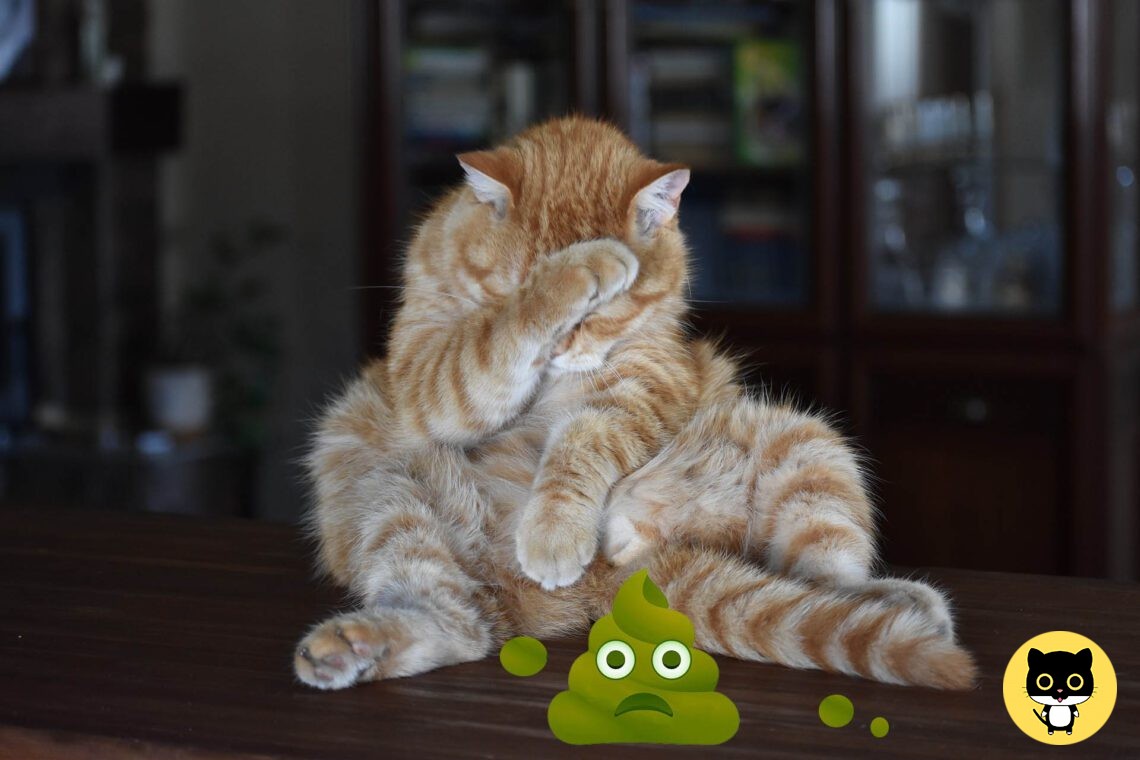
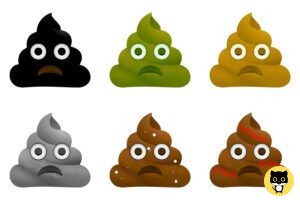
Cats are known for their mysterious and independent nature, often hiding signs of discomfort or illness. However, their poop can provide valuable insights into their overall health and well-being. When you notice a change in your cat’s poop color (see cat poop color chart), such as green, it’s important to pay attention as it could indicate an underlying issue. In this guide, we will explore the various causes of green cat poop and provide you with practical steps to help your feline friend feel better.
Understanding Normal Cat Poop
Before delving into the causes of green cat poop, let’s first establish what is considered normal. A healthy cat’s poop is typically light to dark brown, soft, and well-formed. It should have a smooth texture and be shaped like a sausage. The color is influenced by the digestion process, with bile contributing to the brown hue. Normal cat poop should not contain any blood, mucus, or undigested food particles.
Causes of Green Cat Poop
When your cat’s poop takes on a green color, it often signals an underlying issue. Here are the most common causes of green cat poop:
1. Dietary Factors
One of the primary reasons for green cat poop is a dietary factor. If your cat has recently consumed large amounts of grass or vegetables, the chlorophyll present in these foods can cause the poop to turn green. While occasional green poop due to diet is not a cause for concern, excessive consumption or a sudden change in diet may warrant further investigation.
2. Gastrointestinal Infections
Gastrointestinal infections, such as bacterial or parasitic infections, can lead to green cat poop. Common parasites that can cause changes in stool color include roundworms, hookworms, and tapeworms. These infections often result in additional symptoms like loss of appetite, vomiting, and a dull coat. It is essential to consult a veterinarian for proper diagnosis and treatment.
3. Bile or Hepatic Issues
Issues with the gallbladder or liver can contribute to green cat poop. The liver produces bile, which aids in digestion. If there is a problem with bile production or storage, an excess amount can be released, leading to green-colored stool. Symptoms such as lethargy, decreased appetite, and jaundice (yellow discoloration of the skin and eyes) may accompany green poop in cats with hepatic issues.
4. Gastrointestinal Disorders
Green poop can also be a sign of gastrointestinal disorders in cats. Conditions like acute gastroenteritis, pancreatitis, or irritable bowel syndrome can cause the stool to pass through the intestines too quickly, resulting in green discoloration. Cats with gastrointestinal disorders may experience weight loss, decreased appetite, and vomiting.
What To Do If Your Cat Has Green Poop
If you notice green poop in your cat’s litter box, it’s essential to take appropriate steps to determine the cause and help your cat feel better. Here’s what you can do:
1. Monitor Your Cat’s Behavior
Observe your cat’s behavior for any other signs of illness or discomfort. Note any changes in appetite, energy levels, or litter box habits. If your cat appears otherwise healthy and shows no other concerning symptoms, it may be worth monitoring their poop for a day or two before seeking veterinary attention.
2. Consider Recent Dietary Changes
If you have recently introduced new foods or treats to your cat’s diet, these may be the culprit behind the green poop. Some cats may have difficulty digesting certain ingredients or may have food sensitivities. Consider reverting to their previous diet or eliminating potential triggers to see if the poop color returns to normal.
3. Consult a Veterinarian
If your cat’s green poop persists or is accompanied by other symptoms, it’s crucial to consult a veterinarian. They will perform a thorough examination, review your cat’s medical history, and may request a stool sample for analysis. This will help determine if there are any underlying infections, gastrointestinal disorders, or other health issues that require treatment.
4. Follow Veterinary Recommendations
Once your veterinarian identifies the cause of your cat’s green poop, they will provide appropriate treatment recommendations. This may include medication to treat infections, dietary changes, or other interventions to address underlying health conditions. It’s vital to follow their instructions carefully and schedule any necessary follow-up appointments.
Preventing Green Cat Poop
While some causes of green cat poop may be unavoidable, there are measures you can take to maintain your cat’s digestive health and prevent future issues:
1. Provide a Balanced Diet
Ensure your cat’s diet is nutritionally balanced and appropriate for their age and health needs. Consult with your veterinarian to determine the best food options for your feline friend. Avoid sudden diet changes, as these can disrupt their digestive system.
2. Maintain Good Hygiene
Regularly clean your cat’s litter box to minimize the risk of infections and parasites. Remove feces promptly and change the litter as needed. Avoid sharing litter boxes between multiple cats to prevent the spread of potential infections.
3. Regular Veterinary Check-ups
Schedule regular check-ups with your veterinarian to monitor your cat’s overall health. Routine examinations can help identify any underlying conditions before they manifest as significant digestive issues. Your veterinarian may also recommend preventive treatments for parasites.
4. Observe and Act Promptly
Pay attention to any changes in your cat’s poop color, consistency, or frequency. If you notice persistent green poop or any other concerning symptoms, do not hesitate to consult your veterinarian. Catching potential issues early can lead to more successful treatment outcomes.
Please register to leave a reply below and to post in the Forums.

 English
One Reply to “Green Cat Poop”