
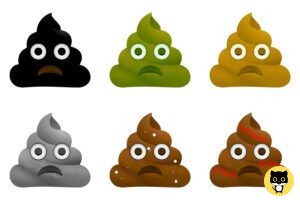
As cat owners, we pay close attention to our feline companions’ health, and one crucial indicator of their well-being is their poop. While cat poop typically comes in shades of brown, any deviation from this norm can be a cause for concern (see cat poop color chart). In particular, grey cat poop can be a sign of underlying health issues that require attention. In this guide, we will explore the various causes, symptoms, and potential treatments for grey cat poop. By understanding these factors, you can take the necessary steps to ensure your cat’s health and well-being.
What Causes Grey Cat Poop?
Physiological Reasons
Just like human feces, cat poop can change color due to a variety of factors. One common reason for grey cat poop is when the feces become dehydrated over time, resulting in a light grey or even white appearance. This occurs when the litter box is not regularly cleaned, allowing the poop to dry out. While this may not indicate any health complications, it is important to maintain proper litter box hygiene to prevent such discoloration.
Biliary Obstruction
The gallbladder plays a crucial role in a cat’s digestion, and any obstruction in the biliary system can lead to changes in stool color. When the gallbladder becomes obstructed due to a calculus or stone, grey cat poop may be one of the first noticeable symptoms. In some cases, yellow cat poop can also indicate gallbladder issues. Biliary obstructions can be serious and may require immediate veterinary attention to prevent further complications.
Digestive Infections
Gastrointestinal infections can significantly impact the color and consistency of cat poop. Certain bacteria and microorganisms can alter the gut flora and contents, leading to changes in stool color. If your cat has a digestive infection, it is important to seek veterinary care as soon as possible. Green cat poop is also a common indicator of digestive infections.
Pancreas Health Issues
While cats are less prone to pancreatitis compared to dogs, their pancreas can still be susceptible to damage. Toxins, such as pesticides and certain parasites, can affect the health of the pancreas, leading to grey cat poop. If you suspect your cat may have a pancreas condition, it is crucial to consult with a veterinarian for proper diagnosis and treatment.
Symptoms of Grey Cat Poop
Grey cat poop is a symptom in itself and should be taken seriously. However, it is essential to look out for other accompanying symptoms that may indicate underlying health issues. Depending on the specific cause of the grey stool, your cat may exhibit additional signs such as:
- Vomiting
- Loss of appetite
- Weight loss
- Weakness or lethargy
- Jaundice (yellowing of the skin and eyes)
- Diarrhea
- Blood in the stool
If you notice any of these symptoms in conjunction with grey cat poop, it is crucial to seek veterinary care promptly.
Diagnosing Grey Cat Poop
When you bring your cat to the veterinarian for grey cat poop, the veterinarian will perform a thorough examination to determine the underlying cause. This examination may include:
- Physical examination: The vet will assess your cat’s overall health and check for any abnormalities.
- Blood tests: Blood tests can provide valuable insights into your cat’s organ function and overall health.
- Urine analysis: Collecting a urine sample can help identify any underlying issues related to the urinary tract or kidneys.
- Stool sample: Providing a stool sample allows the vet to perform tests to identify any infections or parasites.
- Imaging tests: In some cases, the vet may recommend imaging tests such as ultrasound to evaluate the health of your cat’s organs.
By conducting these diagnostic tests, the veterinarian can determine the specific cause of your cat’s grey poop and develop an appropriate treatment plan.
Treating Grey Cat Poop
The treatment for grey cat poop depends on the underlying cause identified by the veterinarian. It is essential to follow the vet’s guidance and administer any prescribed medications or treatments accordingly. Here are some potential treatments for grey cat poop based on the underlying causes:
Physiological Reasons
If the grey poop is due to dehydration and poor litter box hygiene, the “treatment” is simple: improve litter box maintenance. Ensure that you promptly clean your cat’s litter box to prevent the feces from becoming dehydrated and discolored.
Biliary Obstruction
In cases of biliary obstructions, the vet may need to perform further tests to determine the severity of the obstruction. Treatment options may include surgical removal of the gallbladder or medication to dissolve gallstones. The vet will assess your cat’s condition and recommend the most suitable course of action.
Digestive Infections
If your cat has a digestive infection, the vet may prescribe antibiotics based on an antibiogram to target the specific bacteria causing the infection. It is crucial to follow the prescribed treatment regimen and provide any necessary supportive care to help your cat recover.
Pancreas Health Issues
Pancreatic conditions may require hospitalization and specialized treatment. Your cat may receive specific medications to support pancreatic function and alleviate symptoms. In severe cases, surgery may be necessary to address underlying issues. The vet will tailor the treatment plan to your cat’s specific condition and needs.
Preventing Grey Cat Poop
Prevention is always better than cure when it comes to your cat’s health. Here are some steps you can take to reduce the risk of grey cat poop:
- Maintain proper litter box hygiene: Regularly clean your cat’s litter box to prevent the feces from becoming dehydrated.
- Provide a balanced diet: Ensure that your cat receives a nutritious and balanced diet to support proper digestion and overall health.
- Keep your cat hydrated: Provide fresh water for your cat at all times to prevent dehydration, which can affect stool consistency.
- Regular veterinary check-ups: Schedule regular check-ups with your vet to monitor your cat’s health and address any potential issues early on.
- Follow veterinary recommendations: If your cat has any underlying health conditions, follow your vet’s advice regarding diet, medication, and treatment to prevent complications.
By implementing these preventive measures, you can help maintain your cat’s digestive health and reduce the risk of grey cat poop.
Please register to leave a reply below and to post in the Forums.


 English