
Are Cat Scratches Dangerous?
We’ve all heard the myth that cat scratches are dangerous and can cause a person to become sick. While this is certainly not true in all cases, it is important to understand the risks associated with cat scratches and how to prevent them. In this article, we’ll discuss the symptoms of cat scratches, the possible health risks associated with them, how to prevent them, and what to do if you get a cat scratch.
What Are Cat Scratches?
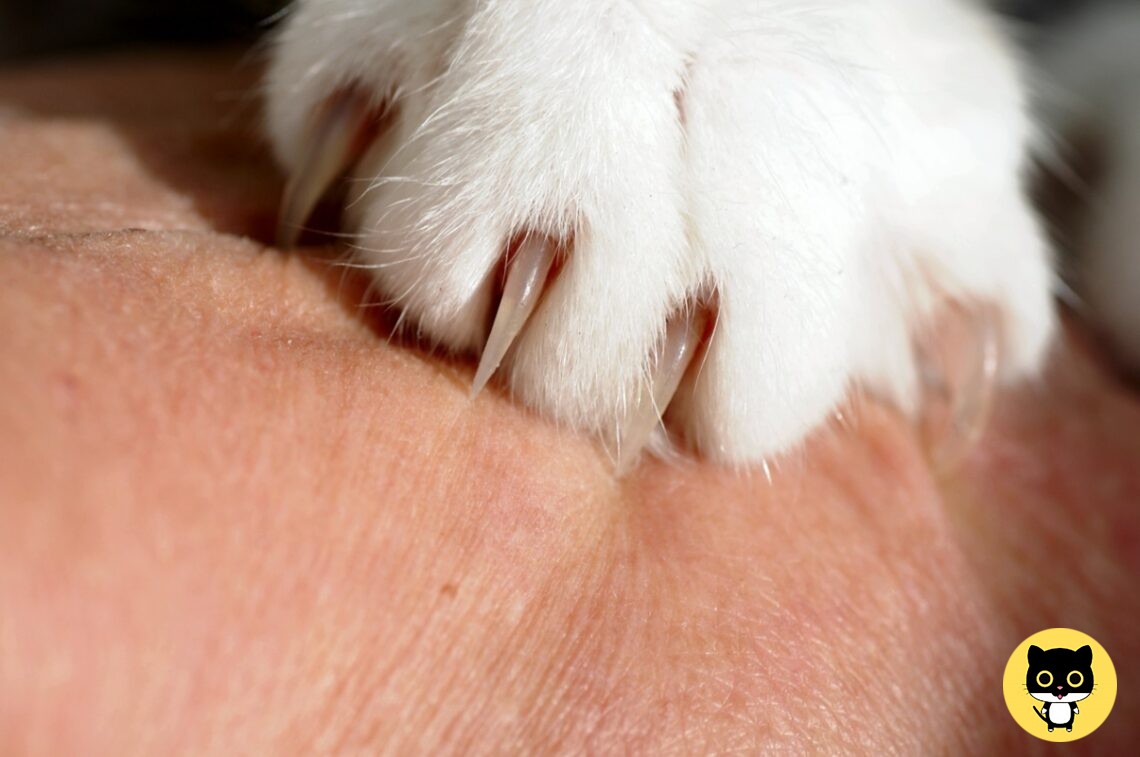
Of course, cat scratches are the small, superficial cuts that cats make on the skin with their sharp claws. They usually occur when a cat is playing or defending itself from perceived danger. Cat scratches typically appear as small puncture wounds, but they can also be red, inflamed, and itchy.
Cat scratches are typically harmless, but they can be deep enough to cause bleeding and infection. It is important to be aware of the signs and symptoms of a cat scratch and take the necessary precautions to prevent them.
Signs and Symptoms of Cat Scratches
The symptoms of a cat scratch can vary depending on the severity of the wound. Generally, a cat scratch will appear as a small, red puncture wound and may be accompanied by swelling, pain, and itching. In some cases, a cat scratch can cause a bruise or a scab.
If the cat scratch is deep enough to cause bleeding, it can lead to a secondary infection. This can cause the area around the wound to become red, swollen, and painful. In serious cases, the infection can spread throughout the body and cause fever, chills, and fatigue.
Health Risks of Cat Scratches
Even though most cat scratches are harmless, there are some health risks associated with them. One of the most common health risks is infection. As mentioned, if the cat scratch is deep enough to cause bleeding, it can allow bacteria to enter the wound and lead to an infection. This can cause the area around the wound to become red, swollen, and painful.
In some cases, a person can develop an allergic reaction to a cat scratch. This can cause redness, swelling, and itching around the wound. If a person experiences any of these symptoms, they should seek medical attention immediately.
Another health risk associated with cat scratches is the risk of rabies. Rabies is a virus that is transmitted through the saliva of an infected animal. If a person is scratched by an infected animal, they may be at risk of contracting rabies. It is important to seek medical attention immediately if you are scratched by an animal that may be infected with rabies.
How to Prevent Cat Scratches
The best way to avoid getting cat scratches is to be aware of your cat’s behavior and body language. If a cat is feeling threatened or scared, it may attempt to scratch you in an effort to protect itself. It is important to be mindful of your cat’s body language and give it the space and time it needs to feel safe.
It is also important to keep your cat’s claws trimmed and filed. This will reduce the risk of a cat scratch as it will make it less likely that a cat’s claws will cause a deep puncture wound.
Finally, it is important to remember that cats are curious creatures and may attempt to scratch you out of curiosity. If you catch your cat scratching you, it is important to gently remove its claws and redirect its attention to something else.
Treatment for Cat Scratches
If you have been scratched by a cat, the first step is to clean the wound. This should be done with warm, soapy water and a clean cloth. It is important to remove any dirt or debris from the wound to reduce the risk of infection.
Once the wound has been cleaned, it is important to apply an antiseptic cream or ointment. This will help prevent infection and promote healing. If necessary, a bandage can be applied to protect the wound from further irritation.
If the wound is deep or is accompanied by signs of infection, it is important to seek medical attention. A doctor may prescribe antibiotics to treat the infection and reduce the risk of further complications.
How to Care for Pet Cats to Avoid Cat Scratches
Caring for your pet cat is one of the best ways to prevent cat scratches. It is important to keep your cat’s nails trimmed and filed to reduce the risk of a deep puncture wound. It is also important to provide your cat with a safe, comfortable environment. This will help reduce the risk of a cat feeling threatened and attempting to scratch you.
Finally, it is important to keep your cat healthy and well-fed. A healthy cat is less likely to feel threatened and attempt to scratch you. Providing your cat with a balanced diet and regular exercise will help keep it healthy and reduce the risk of cat scratches.
Conclusion
In conclusion, it is important to understand the risks associated with cat scratches and take the necessary precautions to prevent them. Most cat scratches are harmless, but they can cause serious health risks when not treated properly. It is important to be aware of the signs and symptoms of a cat scratch and take the necessary steps to prevent infection and promote healing.
Are cat scratches dangerous? The answer is that, while most cat scratches are harmless, there are some health risks associated with them. It is important to be aware of the signs and symptoms of a cat scratch and take the necessary steps to prevent infection and promote healing. By following these tips and taking the necessary precautions, you can reduce the risk of getting a cat scratch, or one that causes complications, and enjoy a safe and healthy relationship with your furry friend.
What Is your experience with cat scratches? Do you have any good advice? Please register and leave a reply below or post in the Forum.

 English