
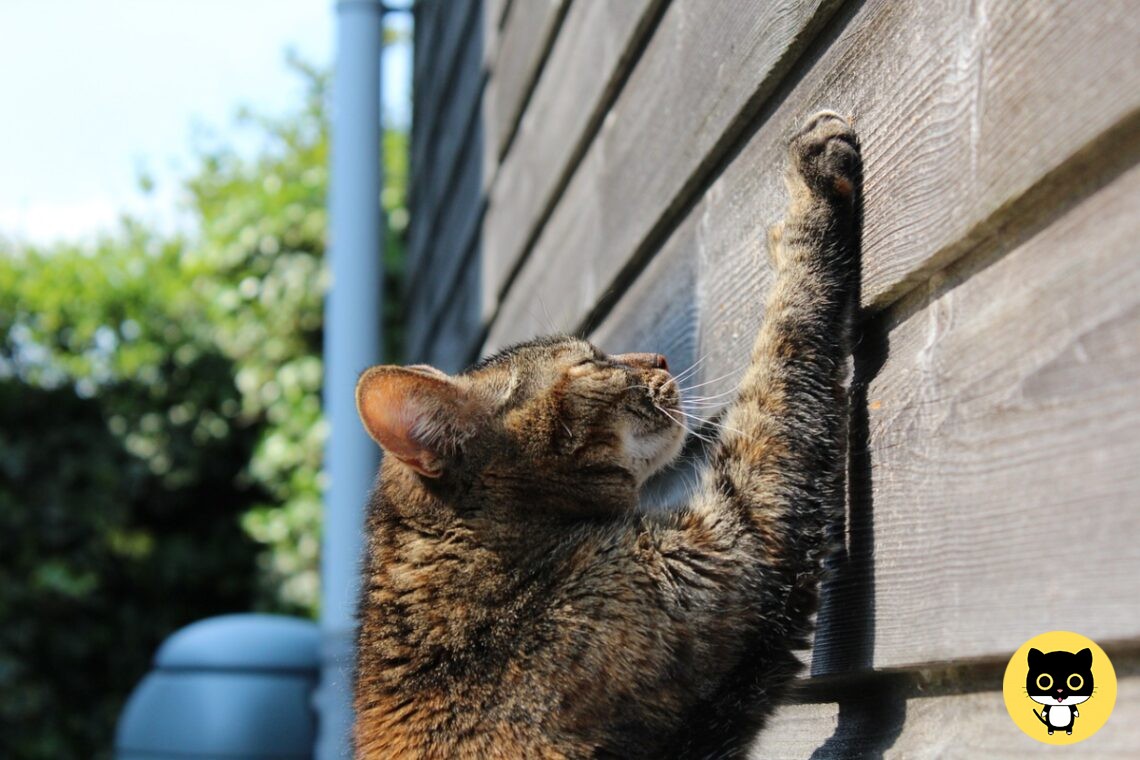
Scratching is a natural behavior for cats, but it can be a nuisance when they do it on furniture, people, or other items. Cats scratch for a variety of reasons, such as to stretch, mark their territory, and remove excess layers of claw sheaths. If your cat is scratching inappropriately, it’s important to understand why they are doing it and how to manage it. Below, we’ll explore why cats scratch and how to prevent and manage cat scratching.
Reasons why cats scratch
As mentioned, one of the main reasons is to mark their territory and communicate with other cats in the area. Cats have special glands located between their toes that produce a scent that can be used to mark their territory. When cats scratch, they also leave visual marks that help to identify the area as their own. Cats also scratch to stretch and exercise their muscles. Additionally, cats often scratch to remove excess layers of claw sheaths.
Cats may also scratch out of boredom or frustration. If a cat is not getting enough exercise, it may become bored and resort to scratching as a way to keep itself entertained. Similarly, cats may scratch because they are frustrated or stressed. If a cat feels threatened or uncomfortable in their environment, they may scratch to release some of that energy.
Scratching behavior
Scratching behavior can range from gentle to aggressive. Some cats will gently scratch with their claws extended, while others may aggressively dig into furniture and carpets. Of course, cats may scratch items that they shouldn’t, such as people, furniture, and other items.
It is important to understand the type of scratching behavior your cat is exhibiting and why they are doing it. If it is out of boredom or frustration, providing more enrichment and exercise can help to reduce the scratching.
How to prevent and manage cat scratching
The best way to prevent and manage cat scratching is by providing appropriate scratching posts. Scratching posts should be sturdy and tall enough for your cat to stretch and scratch. Posts should also be placed in areas where your cat likes to scratch, such as near their bed or favorite spot.
It is important to reward your cat for appropriate scratching behavior. When you see your cat scratching the post, reward it with treats or praise. This will help to reinforce the behavior and encourage your cat to scratch the post instead of other items.
Scratching furniture
If your cat is scratching furniture, it is important to make the furniture less appealing. You can do this by covering it with double-sided tape or tin foil, or by using a product like Soft Paws to cover the claws. Additionally, placing scratching posts near the furniture can encourage your cat to scratch the post instead of the furniture.
If your cat continues to scratch the furniture, you can also use deterrents such as citrus-scented sprays or noise-makers. Just be sure to use these deterrents sparingly, as cats can become desensitized to them over time.
Scratching people
It is important to never punish your cat for scratching people. Instead, it is best to redirect the behavior by providing appropriate scratching posts. Additionally, you can use a water bottle to spray your cat if they scratch you. This will startle them and stop them from scratching.
It is also important to reward your cat for not scratching inappropriately. When you see your cat not scratching inappropriately, reward it with treats or praise. This will help to reinforce the behavior and encourage your cat to scratch the post instead of, for example, people or furniture.
Safe scratching posts
When choosing a scratching post for your cat, it is important to make sure it is safe. The post should be sturdy and tall enough for your cat to stretch and scratch. Additionally, make sure the post doesn’t have any sharp edges or protrusions that could injure your cat.
You should also make sure the post is covered with a material that your cat enjoys scratching. Sisal rope is a popular material for scratching posts, as it is durable and provides good resistance for scratching.
Training your cat to scratch
Once you have the right scratching post for your cat, you can begin training your cat to use it. To do this, you should place the post near where your cat usually scratches. You can also use catnip or treats to attract your cat to the post.
Once your cat starts using the post, reward it with treats or praise. This will help to reinforce the behavior and encourage your cat to scratch the post instead of other items.
Rewarding your cat for good scratching
As mentioned, it is important to reward your cat for good scratching behavior. When you see your cat scratching the post, reward them with treats or praise. You can also use catnip or treats to attract your cat to the post. Again, rewarding your cat for good scratching behavior will help to reinforce the behavior and encourage your cat to scratch the post instead of other items.
In sum:
Scratching is a natural behavior for cats, but it can be a nuisance when they do it on furniture, people, or other items. It is important to understand why cats scratch and how to manage it. By providing appropriate scratching posts, rewarding your cat for good scratching behavior, and using deterrents when necessary, you can help to prevent and manage cat scratching.
If you are having trouble training your cat to scratch appropriately, it may be best to consult a veterinary behaviorist or animal behaviorist. They can help you identify the underlying cause of the behavior and provide tips on how to manage it.
By understanding why cats scratch and how to manage it, you can minimize the disruption caused by scratching behavior and improve your cat’s quality of life.
Have you had problems with scratching cats? Please register to leave a reply below and to post in the Forums.

 English