
Caregiver time & experience in Cat Breeds
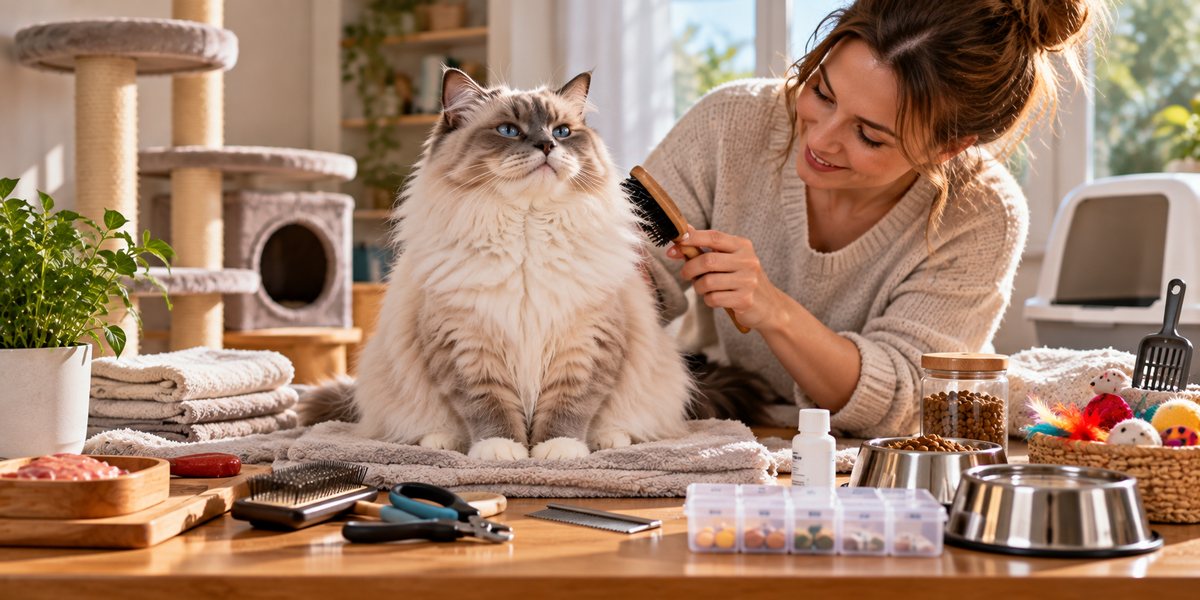
Compare breeds by caregiver time & experience. The ordering follows the characteristic itself rather than the alphabet whenever a meaningful order exists.
Discuss Caregiver time & experience in the forum
| # | Breed | Caregiver time & experience |
|---|---|---|
| 1 | Very high This breed is likely to suit a caregiver who can provide substantial daily engagement and keep up with its routine care. | |
| 2 | Very high High stimulation, training and interactive-play needs create unusually high caregiver involvement. | |
| 3 | Very high engagement Chausies are exceptionally energetic, powerful and intelligent cats that need extensive daily stimulation, vigorous interactive activity and substantial environmental management. Their physicality makes them a better fit for experienced caregivers prepared for unusually high involvement. | |
| 4 | Very high This breed is likely to suit a caregiver who can provide substantial daily engagement and keep up with its routine care. | |
| 5 | Very high This breed is likely to suit a caregiver who can provide substantial daily engagement and keep up with its routine care. | |
| 6 | Very high Long coat, facial care and Persian-type conformation create substantial routine care. | |
| 7 | Very high Oriental group social/interaction demand implies high caregiver time. | |
| 8 | Very high Unusually high social demand and interaction needs create high caregiver-time requirements. | |
| 9 | Very high Daily coat/face care plus conformation-related monitoring creates high routine-care demand. | |
| 10 | Very high This breed is likely to suit a caregiver who can provide substantial daily engagement and keep up with its routine care. | |
| 11 | Very high Exceptional enrichment, space, training and management demands make this a high-involvement breed. | |
| 12 | High health management Scottish Folds require more than routine companionship because osteochondrodysplasia can cause lifelong painful skeletal disease. Caregivers need to monitor gait, jumping, stiffness and pain closely and be prepared for veterinary and environmental management. | |
| 13 | Very high Very high social and interactive demand makes caregiver availability particularly important. | |
| 14 | Very high This breed is likely to suit a caregiver who can provide substantial daily engagement and keep up with its routine care. | |
| 15 | Very high This breed is likely to suit a caregiver who can provide substantial daily engagement and keep up with its routine care. | |
| 16 | Very high This breed is likely to suit a caregiver who can provide substantial daily engagement and keep up with its routine care. | |
| 17 | Very high This breed is likely to suit a caregiver who can provide substantial daily engagement and keep up with its routine care. | |
| 18 | Very high High social demand makes regular companionship and interaction essential. | |
| 19 | Very high This breed is likely to suit a caregiver who can provide substantial daily engagement and keep up with its routine care. | |
| 20 | Very high This breed is likely to suit a caregiver who can provide substantial daily engagement and keep up with its routine care. | |
| 21 | High Very high activity, curiosity and social involvement create substantial daily engagement needs. | |
| 22 | Above average Arabian Maus are athletic, alert cats that need substantial daily exercise and environmental challenge. Coat care is simple, but their activity and exploration needs favor caregivers willing to provide vigorous play and thoughtfully managed enrichment. | |
| 23 | Above average Asian cats are playful, outgoing and strongly people-oriented. Their coat is easy, but they benefit from frequent companionship, interactive play and mental stimulation, making daily engagement more important than grooming skill. | |
| 24 | Above average Tiffanies combine a social, interactive temperament with a semi-long coat. They suit caregivers willing to provide regular companionship and play plus consistent combing, making their time demand somewhat higher than that of a low-key shorthaired cat. | |
| 25 | Above average Bombays are affectionate, playful cats that often want to be closely involved with their people. Their coat is very easy, but regular companionship and interactive play are important, so the main commitment is social time rather than grooming. | |
| 26 | Above average British Longhairs are behaviorally fairly manageable, but the dense long coat needs regular grooming and their sedentary tendency makes weight and activity management important. Care is not specialist-level, but it does require a reliable routine. | |
| 27 | High High social demand and play/interaction needs require substantial daily involvement. | |
| 28 | Above average California Spangled cats are athletic and curious. Their short coat is simple to maintain, but they need consistent active play, climbing opportunities and mental stimulation, making caregiver involvement higher than for a low-energy companion. | |
| 29 | High High activity/social demand and temperature considerations create substantial involvement. | |
| 30 | Above average Cymrics combine a dense coat with the possibility of taillessness-related spinal or toileting problems. Regular grooming is needed, and caregivers should also watch gait, hind-limb function and elimination closely, increasing the care burden above routine. | |
| 31 | High High social demand plus coat/skin/ear considerations create above-average involvement. | |
| 32 | Above average Egyptian Maus are fast, alert and strongly interactive cats. They suit caregivers who can provide vigorous daily play, climbing opportunities and predictable social contact; coat maintenance itself is easy, so the main demand is engagement. | |
| 33 | Above average European Burmese are highly social, playful cats that often want substantial daily involvement with their people. Coat care is simple, but companionship and interactive play needs make them a poorer fit for households routinely leaving a cat alone for long periods. | |
| 34 | Above average Exotic Shorthairs are behaviorally fairly undemanding, but Persian-type facial conformation can increase eye, breathing and heat-management needs. Caregivers should be comfortable with regular facial hygiene and attentive health monitoring in addition to coat care. | |
| 35 | Above average Foldex cats may be easygoing companions, but folded-ear ancestry creates a need for attentive mobility and pain monitoring. Caregivers should be prepared to notice subtle changes in movement and adapt the home, in addition to ordinary grooming and play. | |
| 36 | Above average German Longhairs have a substantial coat requiring consistent combing along with ordinary daily play and companionship. Their temperament is generally manageable, but coat maintenance makes caregiver time higher than for a straightforward shorthaired breed. | |
| 37 | Above average Highlanders are powerful, energetic players that need substantial daily physical and mental engagement. Grooming is usually manageable, but their activity level and need for robust enrichment make them better suited to caregivers who enjoy active participation. | |
| 38 | High High activity/intelligence create substantial engagement needs despite relatively straightforward coat care. | |
| 39 | Above average Kanaani cats are athletic, alert and relatively independent. Their coat is easy, but they need substantial environmental enrichment, vigorous play and secure management, making them better suited to caregivers comfortable with active natural-type cats. | |
| 40 | Above average Khao Manees are lively, social and inquisitive cats that benefit from frequent play and household involvement. Coat care is simple, but caregivers should also remain attentive to hearing status in white cats, adding a modest health-awareness component. | |
| 41 | Above average Kinkalows are playful companion cats, but short legs and curled ears add practical monitoring needs. Caregivers should provide accessible climbing, prevent excessive ear manipulation and watch mobility and weight while maintaining ordinary daily play. | |
| 42 | High High social attachment and stimulation needs require substantial caregiver involvement. | |
| 43 | Above average Kurilian Bobtails are robust, athletic cats that need sturdy enrichment and regular active play. Their coat can also require more grooming in longer-haired individuals, making them a somewhat higher-time commitment than a sedentary shorthaired companion. | |
| 44 | Above average Lambkins combine short legs with a curly coat, so care includes accessible home design, weight and mobility monitoring and gentle coat maintenance. Their social needs are manageable, but conformation makes the routine more involved than for a conventional cat. | |
| 45 | High High activity/problem-solving plus unusual coat/skin considerations create above-average involvement. | |
| 46 | Above average Manx cats can be playful and straightforward day to day, but taillessness can be associated with spinal, bowel or mobility problems. A caregiver should be willing to monitor movement and toileting closely and adapt routines if an affected cat develops difficulties. | |
| 47 | Above average Mekong Bobtails are active, social cats that benefit from frequent interaction and energetic play. Coat care is simple, but their engagement needs favor caregivers who want an involved companion rather than a low-demand cat. | |
| 48 | Above average Minuets combine companionable temperament with Persian-derived coat care and short-legged conformation. Regular grooming plus attention to mobility, weight and accessible home resources makes their routine more involved than that of a conventional shorthaired cat. | |
| 49 | Above average Neva Masquerades are large, active cats with a dense semi-long coat. They need substantial play, sturdy enrichment and regular grooming, particularly during seasonal shedding, so caregivers should expect an above-average ongoing time commitment. | |
| 50 | Above average Ocicats are athletic, intelligent and highly social. Their short coat is easy, but they need frequent interactive play, puzzle or training opportunities and household involvement, making caregiver engagement the major daily commitment. | |
| 51 | Above average Oriental Bicolors are active, intelligent and strongly social. Coat care is easy, but frequent companionship, vigorous play and mental stimulation make them better suited to caregivers who want a highly involved cat. | |
| 52 | Above average Raas cats are an athletic, sparsely documented island landrace rather than a highly standardized companion breed. Their likely need for environmental complexity and careful socialization favors an experienced or particularly engaged caregiver. | |
| 53 | Above average Serengetis are long-legged, athletic cats that need substantial daily exercise and mental stimulation. Their short coat is easy, but vigorous play, climbing and secure environmental management create an above-average time commitment. | |
| 54 | Above average Sokokes are athletic, alert natural-breed cats that benefit from complex enrichment and active play while retaining an independent streak. Their coat is easy, but their environmental and exercise needs favor an engaged caregiver. | |
| 55 | High Skin/temperature management plus unusually high social demand create above-average caregiver involvement. | |
| 56 | Above average Suffolks inherit a highly social, active Oriental-type temperament. Grooming is simple, but substantial daily companionship, interactive play and mental stimulation make them a relatively high-engagement breed. | |
| 57 | Above average These Thai color varieties share the breed's active, vocal and social temperament. Coat care is easy, but frequent companionship, interactive play and mental engagement make caregiver time higher than for a more independent cat. | |
| 58 | Above average Toygers are athletic, curious cats that benefit from substantial daily play, climbing and mental stimulation. Their short coat is easy, but keeping an active cat well exercised makes caregiver involvement above average. | |
| 59 | Moderate Aegeans suit caregivers who can provide energetic daily play and a stimulating environment but do not require elaborate coat care. Time demand is driven more by activity, exploration and safe enrichment than by grooming. | |
| 60 | Moderate Interactive companionship and enrichment require regular involvement but not specialist management. | |
| 61 | Moderate American Curls are sociable, playful cats with generally straightforward grooming. They fit many committed households, provided someone has time for daily interaction and handles the curled ears gently rather than treating them as a maintenance feature. | |
| 62 | Moderate American Ringtails are adaptable companion cats with no established specialist-care burden. Daily play and social contact, routine grooming and ordinary preventive health care should be manageable for most committed caregivers. | |
| 63 | Moderate American Wirehairs are generally easygoing cats with a low-maintenance coat, though over-grooming can damage its texture. Their overall time demand is moderate: regular play, companionship and routine health care rather than intensive daily management. | |
| 64 | Moderate Aphrodite Giants are substantial, active cats whose size makes sturdy equipment, generous space and regular play important. Coat care varies with hair length, but overall they suit an engaged caregiver rather than requiring specialist experience. | |
| 65 | Moderate Regular coat care and companionship require involvement, but temperament is generally manageable. | |
| 66 | Moderate Brazilian Shorthairs are active, adaptable cats with straightforward coat care. Most committed caregivers can meet their needs with daily play, climbing and exploration opportunities, companionship and ordinary preventive care. | |
| 67 | Moderate Burmillas are playful, affectionate cats with relatively easy coat care. Most committed caregivers can meet their needs with daily interaction, ordinary grooming and enough play to prevent a sociable cat from becoming bored. | |
| 68 | Moderate Chantilly-Tiffany cats were moderately active, affectionate companions with a semi-long coat. They likely suit caregivers able to provide regular social time and combing without the intensity demanded by very high-energy or extremely dense-coated breeds. | |
| 69 | Moderate Chartreux are generally calm, self-possessed cats with a dense but manageable coat. Caregiver time is moderate: regular play and weight monitoring matter, while grooming rises during seasonal shedding but daily intensive management is usually unnecessary. | |
| 70 | Moderate Cherubim are gentle companion cats with a substantial coat that needs regular grooming. Their temperament is generally manageable, so caregiver time is driven mainly by consistent combing, ordinary play and social contact rather than unusually intense behavior. | |
| 71 | Moderate Cyprus cats are athletic natural-type cats that benefit from active play and environmental variety. Their physical and mental engagement needs make consistent daily attention important, though routine coat care is generally straightforward. | |
| 72 | Moderate Dragon Li cats are athletic, independent natural-type cats with straightforward coat care. They suit caregivers who can provide daily play and environmental complexity while respecting a cat that may not demand constant social attention. | |
| 73 | Moderate German Rex cats are lively and social with a short curly coat that needs gentle rather than intensive grooming. Daily play, companionship and protection from temperature extremes create a moderate, manageable care routine. | |
| 74 | Moderate Havana Browns are curious, people-oriented cats that enjoy regular interaction and play. Their short coat is easy to maintain, so the principal caregiver commitment is providing companionship and enough mental stimulation. | |
| 75 | Moderate Korean Bobtails are too sparsely documented to justify specialist-care claims. A moderate commitment is the best current estimate: daily play and companionship, routine grooming and health observation, with care adjusted to the individual cat. | |
| 76 | Moderate Korn Ja cats are rare and too sparsely documented for a specialist-care claim. Their short coat suggests simple grooming, while ordinary daily companionship, play and careful routine health observation make a moderate commitment the best current estimate. | |
| 77 | Moderate LaPerms are affectionate, curious cats with coat care that varies by curl and length but is usually manageable. Regular social interaction, play and gentle grooming suit them; specialist experience is not normally necessary. | |
| 78 | Moderate Large size, coat care and enrichment require regular attention without unusually specialist behavioral management. | |
| 79 | Moderate Environmental accessibility and play need some attention without automatically implying specialist care. | |
| 80 | Moderate Nebelungs are generally quiet, routine-oriented cats with a semi-long coat. They suit caregivers who can provide predictable companionship, gentle daily interaction and regular combing without demanding constant high-energy entertainment. | |
| 81 | Moderate Coat care plus climbing/enrichment needs require regular but not specialist involvement. | |
| 82 | Moderate Ojos Azules are too sparsely documented for a specialized care profile. A moderate conventional commitment is the best current assessment: daily companionship and play, grooming appropriate to coat length and attentive routine health care. | |
| 83 | Moderate The extinct Oregon Rex lacks enough evidence for a specialized care profile. Historical descriptions support a moderate companion-cat routine with social interaction, active play and gentle care of the short curly coat. | |
| 84 | Moderate Pixie-bobs are robust, social cats that benefit from regular play and sturdy enrichment. Grooming is usually manageable, though longer coats need more attention; overall they suit committed caregivers without usually requiring specialist handling. | |
| 85 | Moderate Coat care and companionship require regular involvement; behavior is generally forgiving. | |
| 86 | Moderate Social companionship and coat care require regular involvement, but temperament is generally manageable for less-experienced caregivers. | |
| 87 | Moderate Sam Sawet cats are rare Thai domestic-type cats with little evidence for specialized daily care. A moderate routine of play, companionship, simple coat care and attentive health observation is the best current assessment. | |
| 88 | Moderate Scottish Straights are generally manageable companion cats with routine grooming and play needs. Because they can occur in Fold breeding programs, caregivers should still pay attention to pedigree, mobility and joint health rather than assuming conformation is irrelevant. | |
| 89 | Moderate Coat maintenance and social needs require regular involvement. | |
| 90 | Moderate The Serrade Petit is too sparsely documented for unusual care claims. A conventional committed-cat routine—daily play and social contact, straightforward grooming and preventive health care—is the most defensible current assessment. | |
| 91 | Moderate Coat maintenance and substantial family interaction require regular involvement. | |
| 92 | Moderate Suphalaks are rare and lack evidence for specialized routine management. Their short coat should be straightforward, while daily companionship, play and careful health observation create a moderate caregiver commitment. | |
| 93 | Moderate Tennessee Rex cats are generally affectionate companions with curly coats that need gentle, individualized grooming. Their rarity means caregivers should also be comfortable discussing breed-specific health and coat questions carefully with breeders and veterinarians. | |
| 94 | Moderate Toybobs are sociable, playful cats whose tiny size calls for a little extra household management. Caregivers should provide appropriately scaled resources, prevent accidental injury and still meet ordinary daily play and companionship needs. | |
| 95 | Moderate The developing Transylvanian breed is being selected as a gentle companion and has no established specialist daily-care requirement. Regular play, social contact, routine grooming and attentive health monitoring make a moderate commitment the best current estimate. | |
| 96 | Moderate Activity and assertive handling preferences require engaged management; coat itself is comparatively manageable. | |
| 97 | Moderate York Chocolates were described as affectionate, playful cats with semi-long coats. Their likely care profile combines regular companionship and play with moderate combing, without evidence for unusually specialized daily management. | |
| 98 | Low Stable temperament, independence and straightforward coat care make routine management comparatively modest. | |
| 99 | Modest Australian Mists were developed as adaptable indoor companions and generally have straightforward short-coat care. They still need daily play and company, but their balanced temperament makes routine management comparatively accessible for many households. | |
| 100 | Low Routine care demands are relatively modest, while normal daily companionship and health care still apply. | |
| 101 | Low Generally undemanding behavior and short coat reduce daily management relative to high-energy/social-demand breeds. | |
| 102 | Low Routine care demands are relatively modest, while normal daily companionship and health care still apply. | |
| 103 | Modest European Shorthairs are generally robust, adaptable cats with easy coat care and broad individual variation. A normal routine of daily play, companionship and preventive health care is usually sufficient without specialist management. | |
| 104 | Low Routine care demands are relatively modest, while normal daily companionship and health care still apply. | |
| 105 | Low Moderate independence and straightforward coat care reduce daily management, provided the home respects routine. | |
| 106 | Low Routine care demands are relatively modest, while normal daily companionship and health care still apply. |









































































































Breed comparisons describe tendencies, not guarantees about an individual cat. Approximate entries are kept separate from the canonical research record and can be refined as better evidence arrives.
 English