
Climbing & jumping in Cat Breeds
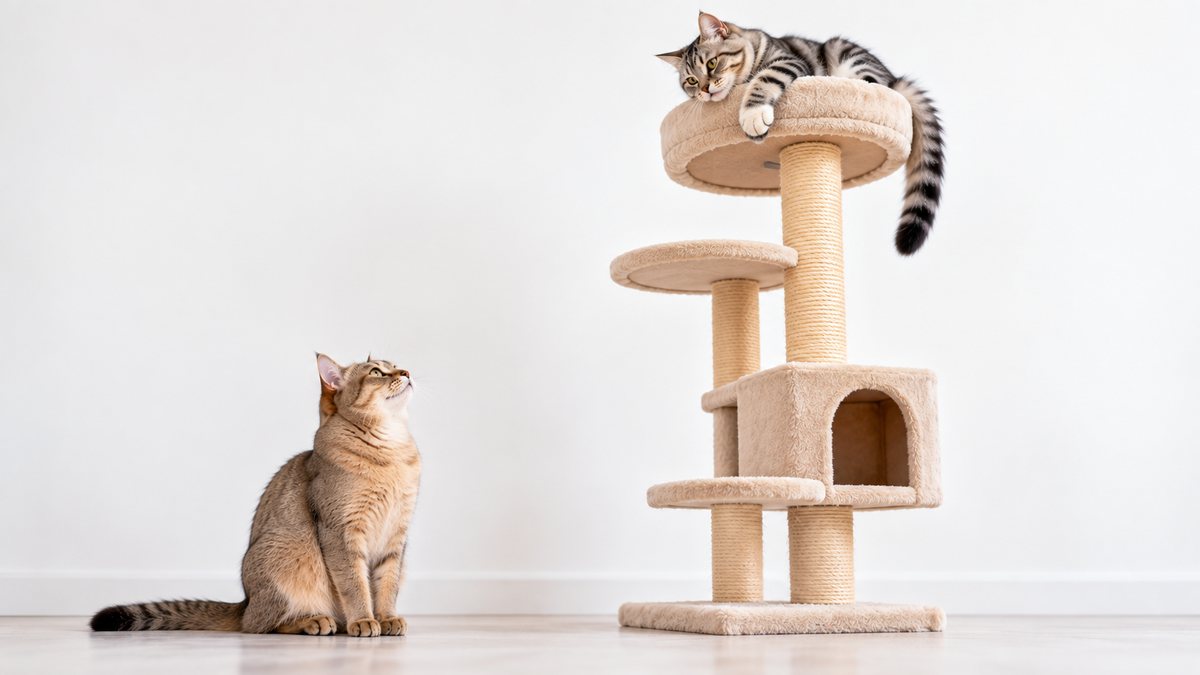
Compare breeds by climbing & jumping. The ordering follows the characteristic itself rather than the alphabet whenever a meaningful order exists.
Discuss Climbing & jumping in the forum
| # | Breed | Climbing & jumping |
|---|---|---|
| 1 | Very high | |
| 2 | Very high | |
| 3 | Very high | |
| 4 | Very high This athletic breed is capable of notably high, acrobatic jumps and benefits from generous vertical space. | |
| 5 | Very high | |
| 6 | Very high The Colorpoint Shorthair has the long, athletic Siamese-type body and high activity level that support frequent jumping, climbing and use of high observation points. | |
| 7 | Very high | |
| 8 | Very high The light, springy Devon Rex is notably athletic and playful, often seeking shoulders, shelves and high perches; generous vertical space is valuable. | |
| 9 | Very high Donskoys are active, social and inquisitive, and their lean build supports frequent climbing and jumping; warm elevated resting places are especially attractive. | |
| 10 | Very high | |
| 11 | Very high | |
| 12 | Very high LaPerms are active, curious and light on their feet, commonly exploring shoulders and high household positions; ample vertical territory suits them. | |
| 13 | Very high The highly active, exploratory Lykoi has the agility and drive to use substantial vertical territory; tall cat trees and varied climbing routes are appropriate. | |
| 14 | Very high | |
| 15 | Very high | |
| 16 | Very high An athletic high jumper that readily explores shelves and elevated spaces. | |
| 17 | Very high | |
| 18 | Extremely agile and strongly inclined to seek high places. | |
| 19 | Very high The long, light, intensely active Siamese is an accomplished jumper and climber that commonly seeks high shelves, furniture and observation points. | |
| 20 | Very high Small size, high curiosity and energetic play make the Singapura an enthusiastic climber; tall cat trees and safe high perches are likely to be used heavily. | |
| 21 | Very high Climbing is a prominent part of the Sokoke’s activity pattern, so substantial vertical space is especially useful. | |
| 22 | Very high | |
| 23 | Very high Sphynx are energetic, agile and heat-seeking, often climbing onto people, furniture and warm high resting places; substantial vertical territory is useful. | |
| 24 | Very high | |
| 25 | Very high | |
| 26 | Very high The Vankedisi shares the athletic Turkish Van type, making strong jumping and climbing ability likely; substantial vertical space is appropriate. | |
| 27 | Moderate to high Aegeans are agile island cats with a practical, athletic build; expect regular climbing onto furniture, shelves and lookout points rather than extreme vertical obsession. | |
| 28 | High The muscular, playful American Bobtail is a capable jumper and climber; sturdy cat trees and elevated observation places suit it well. | |
| 29 | High American Curls remain playful and inquisitive into adulthood, so they commonly use shelves, cat trees and other elevated routes around the home. | |
| 30 | Moderate The Ringtail has ordinary athletic feline ability and benefits from climbable furniture, though its defining tail carriage does not imply exceptional jumping demand. | |
| 31 | High A sturdy working-cat heritage and retained hunting play make the American Shorthair a capable climber that appreciates stable elevated perches. | |
| 32 | Athletic and capable, with a strong interest in climbing and jumping. | |
| 33 | Agile and athletic, with a strong capacity for climbing and jumping. | |
| 34 | Moderate to high The Asian shares the lively, athletic character of the Burmese family and is likely to make frequent use of cat trees, shelves and elevated observation points. | |
| 35 | High | |
| 36 | High Burmillas combine Burmese-derived playfulness with an inquisitive temperament, making cat trees and elevated interactive spaces particularly useful. | |
| 37 | Moderate The generally relaxed Cherubim/Ragdoll-type temperament points to moderate climbing: broad stable perches are useful, but extreme jumping is not a defining need. | |
| 38 | Moderate As a naturally developed Mediterranean cat, the Cyprus is physically capable and exploratory; expect normal-to-moderate climbing and use of elevated resting places. | |
| 39 | High The breed is agile and benefits from useful vertical space. | |
| 40 | Moderate The Dwelf is playful and inquisitive but short legs reduce single-leap height; use stepped climbing routes and low-to-medium platforms rather than demanding large jumps. | |
| 41 | High European Burmese are agile, muscular and socially playful; they readily climb and jump and benefit from sturdy vertical play structures. | |
| 42 | Enjoys climbing and vertical territory. | |
| 43 | Moderate to high The light, curly-coated German Rex is lively and agile, so regular climbing, jumping and elevated exploration should be expected. | |
| 44 | High Havana Browns are inquisitive, people-oriented athletes that like to investigate their surroundings; stable cat trees and high observation points are well used. | |
| 45 | High A highly active cat of this type should be expected to make substantial use of climbing and jumping opportunities. | |
| 46 | High The Kanaani is agile and benefits from ample vertical space and opportunities to climb. | |
| 47 | High | |
| 48 | Moderate to high Kinkalows are lively and curious, but short-legged ancestry can limit large vertical leaps; stepped platforms let them climb without requiring extreme jump height. | |
| 49 | High A capable high jumper that readily seeks elevated perches. | |
| 50 | Moderate to high The slender, energetic Korn Ja is likely to be an agile climber and jumper, benefiting from vertical routes and elevated observation places. | |
| 51 | High Powerful hindquarters and an active natural-breed background make the Kurilian Bobtail a strong jumper and climber; sturdy tall furniture is appropriate. | |
| 52 | Moderate to high The Lambkin is playful but its short-legged ancestry argues for accessible, staged climbing rather than reliance on large jumps to reach high places. | |
| 53 | High | |
| 54 | High The breed is agile and benefits from useful vertical space and climbing opportunities. | |
| 55 | Moderate Minskins are playful and curious but short-legged; low platforms, ramps and stepped cat furniture allow climbing without demanding long vertical leaps. | |
| 56 | Strong climber and jumper that often seeks high perches. | |
| 57 | High As a Siberian colorpoint, the Neva Masquerade is powerful and athletic, with strong jumping ability and a clear benefit from sturdy tall climbing structures. | |
| 58 | High The muscular, athletic Ocicat is an active climber and jumper that benefits from tall cat trees, shelves and interactive vertical routes. | |
| 59 | Moderate Available descriptions do not suggest unusual vertical specialization; expect normal feline climbing and provide secure perches at several practical heights. | |
| 60 | Moderate Historical descriptions suggest an active Rex-type cat; moderate climbing and jumping ability is a reasonable estimate, without evidence for an extreme vertical drive. | |
| 61 | Moderate to high Its Oriental-type build is long, light and athletic, so frequent jumping and climbing should be expected even where breed-specific behavioral documentation is limited. | |
| 62 | High | |
| 63 | High The substantial Pixie-bob remains active and capable; sturdy climbing structures and broad elevated platforms suit its heavier frame better than delicate perches. | |
| 64 | Moderate The naturally developed Raas is likely to have ordinary robust feline climbing ability; practical vertical territory should be available even though precise breed data are sparse. | |
| 65 | High | |
| 66 | Moderate to high The lean Thai landrace background suggests good agility and above-average willingness to climb; varied vertical territory is a useful part of enrichment. | |
| 67 | High The Selkirk Rex is playful but relatively substantial in build; sturdy cat trees and broad perches support regular climbing without requiring extreme agility. | |
| 68 | Moderate to high The small, agile Serrade Petit should be able to climb readily; moderate-to-high use of shelves and cat trees is plausible from its active natural-cat profile. | |
| 69 | High | |
| 70 | High | |
| 71 | Moderate to high As a Havana Brown-derived breed, the Suffolk is reasonably expected to retain good agility and curiosity, supporting above-average climbing and jumping. | |
| 72 | Moderate to high The athletic Thai-type build and active temperament support good climbing ability; elevated observation points and vertical play opportunities are appropriate. | |
| 73 | Moderate to high Tennessee Rex cats are moderately active and playful; their normal-proportioned build should support regular climbing without evidence for extreme aerial behavior. | |
| 74 | High | |
| 75 | Moderate to high These Thai-type cats have a lean, active build and are reasonably expected to use vertical space frequently, though less direct evidence exists than for Siamese. | |
| 76 | High Tonkinese combine Burmese muscularity with Siamese athleticism and are enthusiastic, agile climbers; tall interactive cat furniture is well suited to them. | |
| 77 | High Despite very small size, Toybobs are lively and capable; scaled, stable climbing structures let them exploit vertical space without oversized gaps. | |
| 78 | High Toygers are muscular, active cats with good athletic ability; sturdy climbing furniture and elevated play routes provide useful physical outlets. | |
| 79 | Moderate With limited breed-specific behavioral data, its normal-proportioned natural-cat build supports a moderate climbing estimate rather than either extreme. | |
| 80 | Moderate The Levkoy is active and social but not known as an extreme aerial breed; moderate accessible climbing structures should meet typical needs. | |
| 81 | Moderate The York Chocolate was described as playful and moderately active; normal climbing and jumping with regular use of cat trees is a reasonable expectation. | |
| 82 | Moderate The American Wirehair is moderately athletic rather than acrobatic; normal cat-tree access and a few secure high resting places are usually sufficient. | |
| 83 | Moderate The Tiffanie is playful but generally less relentlessly vertical than the most athletic Oriental types; ordinary cat trees and window perches suit it well. | |
| 84 | Moderate Australian Mists are comparatively home-oriented and moderate in activity; they can climb normally but rarely need an elaborate high-level environment. | |
| 85 | Moderate Birmans are capable climbers but typically combine play with a calm temperament; accessible cat trees and window perches are more important than extreme height. | |
| 86 | Moderate Bombays are muscular, curious and playful, but usually not extreme aerial athletes; stable medium-height climbing furniture generally suits them. | |
| 87 | Moderate The lean, adaptable Brazilian Shorthair should be expected to climb and jump readily, with ordinary vertical territory helping satisfy exploration and observation. | |
| 88 | Moderate The Chantilly-Tiffany is generally balanced rather than hyperactive; it should climb competently but is unlikely to require unusually demanding vertical exercise. | |
| 89 | Moderate | |
| 90 | Moderate Despite its rounded, tailless Manx-type build, the Cymric has strong hindquarters and can jump well; secure accessible vertical territory is worthwhile. | |
| 91 | Moderate The Exotic is playful in bursts but heavier and calmer than athletic Oriental breeds; low-to-medium stable perches usually meet its climbing needs. | |
| 92 | Moderate The Foldex is generally moderate in activity; provide ordinary accessible vertical space while avoiding unnecessarily difficult jumps, especially where joint structure is a concern. | |
| 93 | Moderate German Longhairs are balanced, moderately active cats; they should use cat trees and window perches without normally showing an extreme drive for height. | |
| 94 | Moderate The Korean Bobtail should have normal athletic feline ability and moderate interest in height; cat trees and secure window perches provide suitable outlets. | |
| 95 | Moderate Maine Coons climb competently but their large, heavy build favors broad, exceptionally sturdy platforms over narrow or highly acrobatic structures. | |
| 96 | Moderate The Minuet combines a calm Persian influence with short legs; it can climb and play, but accessible low-to-medium perches are preferable to difficult jumps. | |
| 97 | Moderate | |
| 98 | Moderate RagaMuffins are generally relaxed, substantial cats; they can climb normally but tend to benefit more from broad accessible perches than extreme-height challenges. | |
| 99 | Moderate Ragdolls can climb and jump normally, but their large body and relaxed temperament favor broad, stable, moderately high perches over highly acrobatic setups. | |
| 100 | Moderate Scottish Folds are usually moderate rather than acrobatic, and skeletal/joint concerns make easy-access perches and modest jump heights a prudent choice. | |
| 101 | Moderate Scottish Straights have normal feline athletic ability without the Fold mutation; moderate cat-tree use and accessible elevated resting places are expected. | |
| 102 | Low Climbing demand is likely to be modest, although accessible elevated resting places are still useful. | |
| 103 | Low Climbing demand is likely to be modest, although accessible elevated resting places are still useful. | |
| 104 | Low Climbing demand is likely to be modest, although accessible elevated resting places are still useful. | |
| 105 | Very low | |
| 106 | Active and agile, although the short-legged build should be considered when arranging vertical spaces. |









































































































Breed comparisons describe tendencies, not guarantees about an individual cat. Approximate entries are kept separate from the canonical research record and can be refined as better evidence arrives.
 English