
Living with dogs in Cat Breeds
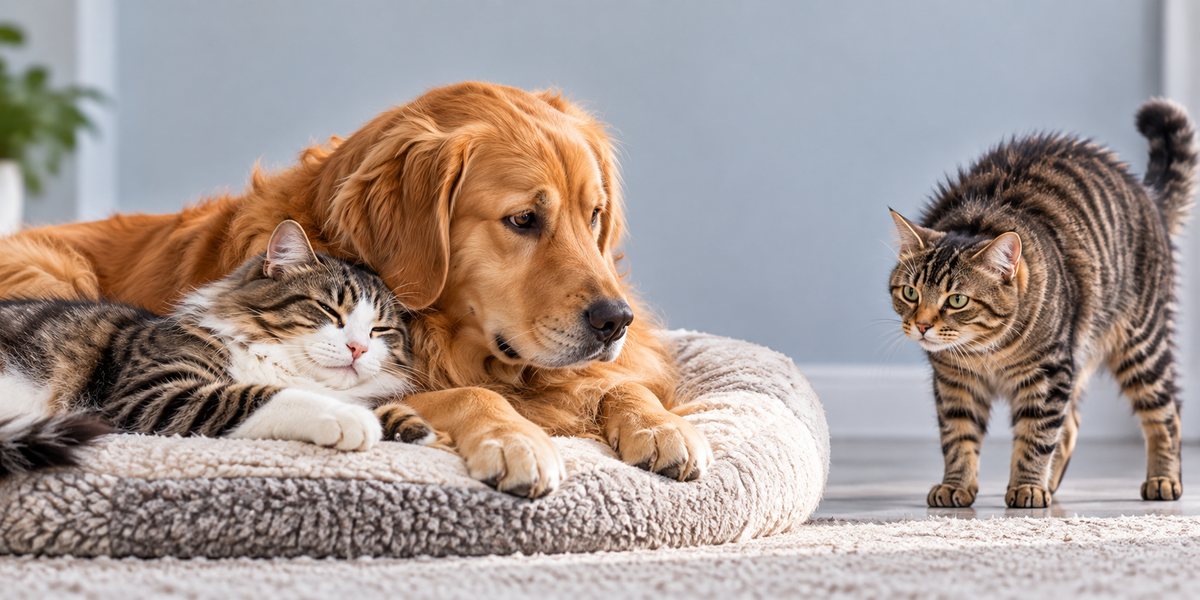
Compare breeds by living with dogs. The ordering follows the characteristic itself rather than the alphabet whenever a meaningful order exists.
Discuss Living with dogs in the forum
| # | Breed | Living with dogs |
|---|---|---|
| 1 | Very good European Burmese are typically outgoing, playful and strongly social, making them among the better candidates for life with a friendly dog. Many enjoy cross-species companionship when the dog is gentle and introductions are managed. | |
| 2 | Very good Ocicats are typically confident, outgoing and highly social, and many adapt especially well to friendly dogs. Their energetic play style can suit an interactive canine companion, provided the dog is reliably safe around cats. | |
| 3 | Good Aegeans are generally workable with cat-friendly dogs after sensible introductions. | |
| 4 | Good American Curls generally adapt well to cat-friendly dogs. | |
| 5 | Good American Ringtails tend to get along with other animals, including compatible dogs, after sensible introductions. | |
| 6 | Good American Wirehairs are usually easygoing and moderately confident, so many can share a home successfully with a calm, cat-savvy dog. Slow introductions and separate resting areas help the cat set the pace without being pursued. | |
| 7 | Good Aphrodite Giants are large, confident Cyprus-derived cats that can share a home successfully with a calm, cat-friendly dog. Their size reduces physical vulnerability, but introductions should still prevent chasing and give both animals separate resources. | |
| 8 | Good Asian cats are typically outgoing, playful and socially engaged, traits that can support a good relationship with a cat-friendly dog. They are best matched with dogs that welcome interaction without persistent chasing or rough play. | |
| 9 | Good Tiffanies are generally affectionate, sociable cats and can adapt well to living with a calm dog that respects feline boundaries. Controlled introductions and dog-free resting places make success more likely. | |
| 10 | Good Australian Mists generally integrate well with compatible dogs. | |
| 11 | Good Balinese commonly coexist well with cat-friendly dogs. | |
| 12 | Good Bombays generally get along well with compatible family pets. | |
| 13 | Good Brazilian Shorthairs are generally adaptable, active and socially confident. Many should manage a compatible dog well after gradual introductions, especially when both animals have enough space and the dog does not chase. | |
| 14 | Good Highly social temperament generally supports compatible dogs. | |
| 15 | Good Burmillas generally do well with compatible family pets, including cat-friendly dogs. | |
| 16 | Good California Spangled cats were bred as confident, athletic companions. Their activity and self-assurance can suit life with a friendly dog, provided introductions are controlled and energetic play does not turn into pursuit. | |
| 17 | Good Chartreux are typically calm, sturdy and self-possessed, qualities that can make them good candidates for a compatible dog household. They usually benefit from a measured introduction and a dog that respects disengagement. | |
| 18 | Good Generally gets along well with cat-friendly dogs. | |
| 19 | Good Colorpoint Shorthairs are highly social and interactive, and many can form active relationships with cat-friendly dogs. Their energetic style suits a sociable dog, but early supervision should prevent chasing and competition for attention. | |
| 20 | Good Strong sociability commonly supports compatible dogs. | |
| 21 | Good Cyprus cats are generally athletic and socially capable natural-type cats. Their confidence can support dog companionship, especially with a calm dog introduced gradually and with vertical routes available whenever the cat wants distance. | |
| 22 | Good Their friendly social temperament generally supports living with compatible household pets. | |
| 23 | Good Can live well with cat-friendly dogs after proper introductions. | |
| 24 | Good Maus generally can live successfully with cat-friendly dogs that suit their energy level. | |
| 25 | Good European Shorthairs are generally robust, adaptable domestic cats. Many can live comfortably with a respectful dog, although the population is behaviorally broad enough that the individual cat's prior dog experience remains especially informative. | |
| 26 | Good Exotics commonly live successfully with other pets when introductions are sensible. | |
| 27 | Good German Longhairs are generally steady, sociable cats with a balanced activity level. Many should coexist comfortably with a cat-friendly dog after gradual introductions, particularly when each animal has separate resting and feeding areas. | |
| 28 | Good German Rex generally get along well with cat-friendly dogs. | |
| 29 | Good Generally friendly toward cat-compatible dogs. | |
| 30 | Good Highlanders are confident, energetic and playful, which can make them good companions for an equally social, cat-safe dog. Their vigorous play style still requires supervision so excitement does not become chasing or physical overwhelm. | |
| 31 | Good Confident adaptable temperament commonly supports compatible dogs. | |
| 32 | Good Khao Manee generally coexist well with other household pets, including cat-friendly dogs. | |
| 33 | Good Kinkalows are generally social with compatible pets, including cat-friendly dogs. | |
| 34 | Good The breed generally adapts well to compatible multi-pet households, including cat-friendly dogs. | |
| 35 | Good Kurilian Bobtails generally adapt well to cat-friendly dogs. | |
| 36 | Good LaPerms are typically affectionate, curious and socially engaged. Many can adapt well to a friendly dog, especially when introductions are gradual and the cat can choose whether to interact or retreat. | |
| 37 | Good Easygoing social temperament is repeatedly described as compatible with cat-friendly dogs. | |
| 38 | Good Manx commonly adapt well to living with other family pets when introductions are sensible. | |
| 39 | Good Mekong Bobtails are generally social, playful and people-oriented. Their confidence can translate well to a dog household, particularly with a friendly dog that enjoys interaction without chasing or overwhelming the cat. | |
| 40 | Good They commonly coexist well with cat-friendly dogs. | |
| 41 | Good Neva Masquerades generally share the Siberian's confident, sociable temperament and often cope well with other household animals. A friendly dog can be a good match when introductions are gradual and both animals have separate resources. | |
| 42 | Good Generally compatible with cat-friendly dogs. | |
| 43 | Good Oriental Bicolors are highly social, active cats and often benefit from compatible animal companionship. Many can live very successfully with a friendly dog, especially when the dog tolerates an interactive cat and introductions prevent early chasing. | |
| 44 | Good Peterbalds commonly live well with other animals, including compatible dogs. | |
| 45 | Good Pixie-bobs are generally confident, steady and social household cats. Their robust build and relaxed temperament can suit life with a cat-friendly dog, though introductions should still be controlled and individual preferences respected. | |
| 46 | Good Easygoing social temperament generally supports compatible dogs. | |
| 47 | Good Breed profiles consistently support compatibility with cat-friendly dogs after introduction. | |
| 48 | Good Sam Sawets can generally live with calm, cat-friendly dogs after gradual introductions. | |
| 49 | Good Scottish Folds generally get along well with cat-friendly dogs. | |
| 50 | Good Easygoing sociability generally supports compatible dogs. | |
| 51 | Good Can live well with other compatible pets after proper introductions. | |
| 52 | Good Can adapt to a compatible dog, particularly with early socialisation. | |
| 53 | Good Singapuras generally coexist well with cat-friendly dogs. | |
| 54 | Good Snowshoes are generally social, playful and confident cats. Many can form good relationships with friendly dogs, especially when the dog enjoys interaction without chasing and both animals receive enough attention. | |
| 55 | Good Somalis are energetic, curious and socially engaged. A playful, cat-friendly dog can be a good companion for their high activity level, provided introductions are gradual and the cat has climbing routes unavailable to the dog. | |
| 56 | Good Suffolks inherit a highly social, interactive Oriental-type temperament and are likely to adapt well to friendly dogs. Their strong need for engagement can make compatible animal companionship beneficial when introductions are managed. | |
| 57 | Good Tennessee Rex cats are generally reported as affectionate, people-oriented companions. There is no strong indication of unusual dog intolerance, so a sociable individual should often manage a calm, cat-friendly dog after proper introductions. | |
| 58 | Good Thai cats are outgoing, social and highly interactive. Many can coexist very well with friendly dogs and may appreciate the companionship, although their intense social style calls for careful early supervision and balanced attention. | |
| 59 | Good These Thai color varieties share the breed's social, interactive temperament. They can be good candidates for a dog household when the dog is cat-friendly and introductions are gradual rather than forced. | |
| 60 | Good Strong social orientation supports compatible dog households. | |
| 61 | Good Toygers generally get along with other pets when introductions are handled sensibly. | |
| 62 | Good The developing Transylvanian is being selected for a gentle, non-aggressive companion temperament, supporting a favorable outlook with a friendly dog. The population remains small, so the individual cat's confidence and early socialization should guide introductions. | |
| 63 | Good York Chocolates were historically described as friendly, affectionate household cats. That temperament supports good potential with a cat-friendly dog, although the breed's present rarity means individual behavior should outweigh broad breed expectations. | |
| 64 | Moderate Social confidence can support dog households when introductions are appropriate. | |
| 65 | Moderate Generally does well with compatible dogs and other pets. | |
| 66 | Moderate Generally adaptable to multi-pet households when introductions are handled well. | |
| 67 | Moderate Arabian Maus are confident, athletic cats that may cope well with a respectful dog, but their alert, independent style makes the dog's impulse control important. A dog that chases cats is a poor match; gradual introductions and vertical escape routes are essential. | |
| 68 | Moderate Bambinos are usually sociable, but their short legs and hairless skin leave them less able to escape or absorb rough canine play. They can live with a gentle, proven cat-friendly dog, provided chasing is prevented and elevated or gated refuges are available. | |
| 69 | Moderate | |
| 70 | Moderate Gentle sociability can support cat-compatible dogs after introduction. | |
| 71 | Moderate They commonly coexist well with calm, cat-friendly dogs. | |
| 72 | Moderate Calm, adaptable temperament often works with cat-compatible dogs after gradual introduction. | |
| 73 | Moderate Chantilly-Tiffany cats were generally described as affectionate and moderately social rather than highly assertive. They can live with a calm, cat-friendly dog, but a quiet introduction and reliable feline retreat space are preferable to a boisterous canine companion. | |
| 74 | Moderate Social temperament can support compatible dogs, with careful introductions and adequate activity. | |
| 75 | Moderate Cymrics can be affectionate, playful household cats and often adapt to a respectful dog. Because taillessness can accompany spinal or mobility problems, they should not be expected to tolerate rough canine play or repeated chasing. | |
| 76 | Moderate Usually gets along well with compatible family pets, including dogs. | |
| 77 | Moderate Dragon Li cats are alert, independent and territorially aware. A well-socialized individual can live successfully with a calm dog, but the match depends strongly on slow introductions and preventing pursuit rather than assuming immediate sociability. | |
| 78 | Moderate Foldex cats are generally companionable and can accept a calm dog, but folded-ear ancestry can bring painful skeletal disease. Canine play must remain gentle, and any reluctance to interact or move should be treated as possible discomfort rather than stubbornness. | |
| 79 | Moderate Himalayans are usually gentle, quiet cats and can live well with a calm dog, but they are less suited to boisterous canine play. A relaxed dog, slow introduction, and protected resting areas are a better match than a high-drive chaser. | |
| 80 | Moderate Kanaani cats are athletic, alert and relatively independent. They can share a home with a respectful dog, but territorial caution and high activity make controlled introductions and reliable escape routes particularly important. | |
| 81 | Moderate Compatibility is possible but selective attachment makes careful introduction important. | |
| 82 | Moderate Reliable breed-wide evidence is limited for the Korean Bobtail, so dog compatibility should be judged primarily from the individual cat. A well-socialized cat can succeed with a calm, cat-friendly dog when introductions are gradual. | |
| 83 | Moderate Lambkins are generally gentle companion cats, but their short legs can reduce their ability to escape a pursuing dog. A calm, proven cat-friendly dog can be a good housemate if rough play is prevented and accessible refuges are provided. | |
| 84 | Moderate Lykois are active, alert and strongly exploratory cats. Their confidence may support dog companionship, but high arousal on either side can turn interaction into pursuit; a controlled introduction and a dog with good impulse control are important. | |
| 85 | Moderate Minskins are sociable but physically small, short-legged and sparsely coated. They can live successfully with a gentle cat-friendly dog, but rough play and pursuit should be prevented because the cat has less physical protection and escape speed. | |
| 86 | Moderate Minuets are generally gentle, sociable cats, but their short legs make them less able to evade a persistent dog. They can coexist well with a calm, cat-friendly dog when chasing is prevented and low, easily reached refuges are available. | |
| 87 | Moderate Nebelungs are often reserved and sensitive to unfamiliar activity. They can bond with a calm dog after a patient introduction, but a noisy or intrusive dog may keep them chronically withdrawn; predictable routines and escape space matter. | |
| 88 | Moderate Easygoing independence can support compatible dogs after introduction. | |
| 89 | Moderate Historical descriptions suggest the Oregon Rex was affectionate and companionable, but evidence is too sparse for a strong dog-compatibility claim. A moderate assessment best reflects likely ordinary domestic-cat adaptability plus substantial individual variation. | |
| 90 | Moderate Oriental breed-group sociability can support compatible dogs. | |
| 91 | Moderate Generally good with compatible dogs. | |
| 92 | Moderate Placid temperament may work with calm cat-compatible dogs; direct evidence is less strong than for family temperament. | |
| 93 | Moderate The Raas is a sparsely documented island landrace, so dog compatibility cannot be assumed from a standardized companion temperament. A well-socialized individual may coexist successfully with a calm dog, but gradual introductions and escape routes are particularly important. | |
| 94 | Moderate Can coexist with compatible dogs, but cautious temperament makes gradual introduction particularly important. | |
| 95 | Moderate | |
| 96 | Moderate Generally gets along well with other pets, including compatible dogs. | |
| 97 | Moderate Strong social needs can support compatible dogs after introduction. | |
| 98 | Moderate Confident sociability can support compatible dogs. | |
| 99 | Moderate Sokokes are athletic, alert and relatively independent natural-breed cats. They can accept a respectful dog, but are best matched with a canine that does not pursue them and with ample vertical space for controlling social distance. | |
| 100 | Moderate Often sociable with compatible dogs and other animals. | |
| 101 | Moderate Suphalaks are rare and lack extensive breed-wide behavioral evidence. Their Thai domestic background supports reasonable adaptability, but dog compatibility should be judged from the individual cat and established through a slow, controlled introduction. | |
| 102 | Moderate Toybobs are generally sociable, but their exceptionally small stature makes the dog's size and play style unusually important. They can live with a gentle cat-safe dog; boisterous play or any chasing presents greater physical risk than for a larger cat. | |
| 103 | Moderate Turkish Angoras are confident, athletic and often strong-willed. They can live successfully with a respectful dog, but may insist firmly on personal space; a dog that obeys feline boundaries is a better match than an intrusive one. | |
| 104 | Moderate Can coexist with compatible dogs, but assertive temperament makes introductions important. | |
| 105 | Moderate Turkish Vankedisi cats are best expected to share the active, self-possessed temperament of Turkish Angora-type populations. They can coexist with a calm dog, but should have control over distance and reliable dog-free retreats. | |
| 106 | Moderate Ukrainian Levkoys are generally intended as sociable companions and can accept a friendly dog. Their hairless skin and unusual conformation make rough canine play inappropriate, so a gentle dog and protected resting areas are preferable. |








































































































Breed comparisons describe tendencies, not guarantees about an individual cat. Approximate entries are kept separate from the canonical research record and can be refined as better evidence arrives.
Discuss Living with dogs in the forum
Help strengthen lower-data entries
For the breeds below, this characteristic currently relies on limited, conflicting or general baseline evidence. First-hand owner observations can help us decide what deserves further research. Contributions are reviewed separately and never overwrite the researched record automatically.
 English