
Nutrition & weight management in Cat Breeds
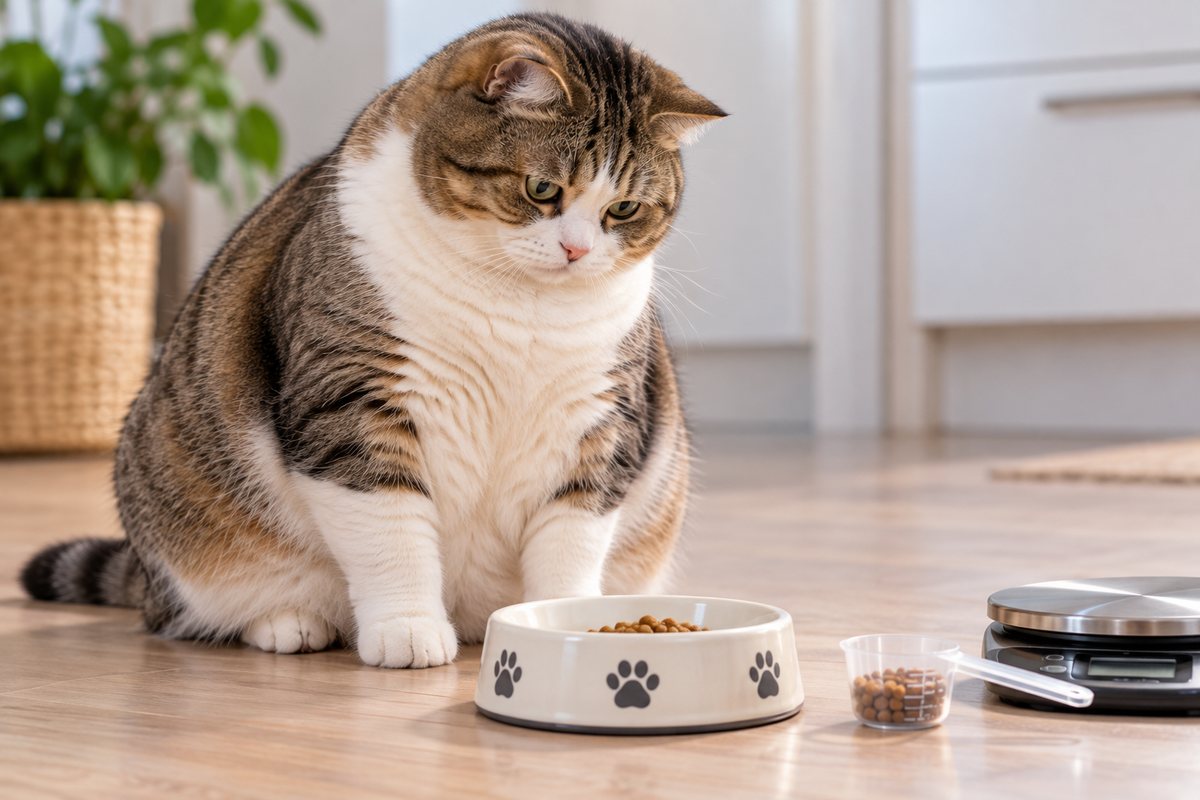
Compare breeds by nutrition & weight management. The ordering follows the characteristic itself rather than the alphabet whenever a meaningful order exists.
Discuss Nutrition & weight management in the forum
| # | Breed | Nutrition & weight management |
|---|---|---|
| 1 | Active condition led Aegeans are active, athletic cats without a special dietary requirement. Feed a complete diet to life stage and body condition, adjusting intake downward if an indoor lifestyle provides less activity than the breed's natural profile suggests. | |
| 2 | Active condition led Brazilian Shorthairs are active, adaptable cats with no established breed-specific dietary need. A complete diet adjusted to actual activity and body condition is appropriate, particularly when an athletic cat transitions to a more sedentary indoor life. | |
| 3 | Active condition led Dragon Li cats are robust, athletic natural-type cats without a special dietary requirement. Feed a complete diet according to actual activity and body condition, particularly if an indoor lifestyle is less demanding than the cat's natural athletic profile. | |
| 4 | Active condition led German Rex cats are lively and generally lean, with no established special dietary requirement. Feed a complete diet to actual activity and body condition, monitoring that a fine outline reflects healthy muscle rather than undernutrition. | |
| 5 | Active condition led LaPerms are playful, active cats without a special dietary requirement. Feed a complete diet according to body condition and exercise, adjusting portions as activity changes rather than relying on a breed formula. | |
| 6 | Active condition led Mekong Bobtails are active, muscular cats with no established special diet. Feed a complete ration to activity and body condition, using regular weight checks as the cat matures and activity changes. | |
| 7 | Active condition led Raas cats are athletic island landrace cats without a known special dietary requirement. In domestic care, feed a complete diet to actual exercise and body condition rather than assuming a natural-breed cat needs unusually high intake. | |
| 8 | Active condition led Snowshoes are active, muscular cats with no special dietary requirement. A complete diet adjusted to exercise and body condition is appropriate, with measured feeding preventing gradual gain as youthful activity declines. | |
| 9 | Active condition led These Thai color varieties have the same basic nutritional needs as other Thai cats. Feed complete feline nutrition according to activity and body condition; coat color or point pattern does not create a special dietary requirement. | |
| 10 | Active condition led Tonkinese are active, muscular cats and may have relatively high energy needs when young. Measured feeding should track activity and body condition so their solid feel remains muscle rather than gradual fat gain. | |
| 11 | Active condition led Turkish Vankedisi cats are expected to share the athletic Turkish type. Feed complete feline nutrition to actual activity and body condition, maintaining lean muscle rather than using a substantial frame as justification for overfeeding. | |
| 12 | Active large frame Cyprus cats are athletic and can be relatively large. Feed to maintain strong muscle and a lean waist, using frame-aware body-condition assessment rather than a generic scale target; indoor cats may need less energy than their active type suggests. | |
| 13 | Active lean condition led Lykois are active, lightly coated cats and may look unusually lean because of their sparse coat. Judge nutrition by muscle, ribs and fat cover rather than appearance alone, and match energy intake to actual activity and temperature. | |
| 14 | Active lean condition led Sokokes are naturally lean, athletic cats. Feed to maintain muscle and healthy fat cover rather than trying to add bulk to match heavier breeds, and adjust energy intake if an indoor lifestyle reduces activity. | |
| 15 | Active muscular condition led Korats are muscular, active cats whose surprisingly solid weight should come from muscle rather than fat. Use hands-on body-condition assessment and measured feeding instead of assuming a heavier scale number is automatically correct for the breed. | |
| 16 | Coat hides condition The Chantilly-Tiffany's semi-long coat could conceal gradual weight gain. A complete diet with measured portions and hands-on rib and waist checks is preferable to judging condition from the outline of the coat. | |
| 17 | Coat hides condition German Longhairs need ordinary complete feline nutrition, but their substantial coat can conceal changes in body fat. Use hands-on rib, waist and muscle checks and adjust portions to activity rather than relying on visual size. | |
| 18 | Coat hides condition Nebelungs have a dense semi-long coat that can hide gradual weight change. Feed a complete diet to activity and use hands-on rib, waist and muscle assessment rather than relying on visual outline. | |
| 19 | Coat hides condition York Chocolates were semi-longhaired, moderately active cats with no special dietary requirement. Their coat could hide gradual weight gain, so measured portions and hands-on body-condition assessment would be preferable to visual judgement alone. | |
| 20 | Diabetes weight watch Burmese are active and muscular, but some populations have increased diabetes risk, making prevention of obesity particularly worthwhile. Feed a complete diet in measured portions and monitor waist, ribs and weight trend throughout adulthood. | |
| 21 | Diabetes weight watch European Burmese are muscular, active cats, but Burmese-family diabetes risk makes avoiding obesity especially sensible. Measured feeding, regular play and longitudinal weight and body-condition checks are appropriate. | |
| 22 | Dwarf hairless weight control Dwelfs combine hairlessness with short legs: energy needs can rise with thermoregulation, while excess fat adds avoidable joint load. Use measured portions and frequent body-condition checks to balance those competing considerations. | |
| 23 | Dwarf sparsecoat weight control Minskins combine short legs with sparse coat. Keep body condition lean to reduce joint and spinal load while ensuring enough energy for normal thermoregulation; measured feeding is preferable to assuming hairlessness requires unlimited calories. | |
| 24 | Dwarf weight joint control Bambinos need ordinary complete feline nutrition, but excess weight is particularly undesirable on short limbs and joints. Keep body condition lean and stable with measured portions while ensuring hairless cats receive enough energy for thermoregulation without chronic overfeeding. | |
| 25 | Dwarf weight joint control Kinkalows are short-legged, so excess weight creates unnecessary load on joints and spine. Measured portions, active but accessible play and a lean body condition are more important than any breed-specific food. | |
| 26 | Dwarf weight joint control Lambkins are short-legged, making lean body condition particularly important for joints and spine. Measured portions and accessible daily play should prevent extra mass from compounding the mechanical effects of dwarf conformation. | |
| 27 | Dwarf weight joint control Minuets are short-legged and often plush-coated, making excess fat both mechanically undesirable and visually easy to miss. Measured portions and hands-on body-condition scoring help protect joints and spine while maintaining healthy muscle. | |
| 28 | Dwarf weight joint control Munchkins should be kept lean because extra body mass increases load on short limbs, joints and spine. Use measured portions and accessible active play, judging condition by ribs and waist rather than the breed's low-to-ground silhouette. | |
| 29 | Hairless active condition led Peterbalds can be highly active and minimally coated, both of which may raise energy use. Feed to measured body and muscle condition and ambient circumstances rather than automatically increasing food because a cat is hairless. | |
| 30 | Hairless energy condition led Donskoys can expend additional energy on thermoregulation because they lack a normal coat, but this does not justify automatic overfeeding. Adjust a complete diet to measured body condition, activity and ambient temperature while keeping the cat lean and muscular. | |
| 31 | Hairless energy condition led Sphynx cats may use extra energy for thermoregulation, but hairlessness is not a license for unrestricted feeding. Match a complete diet to body and muscle condition, activity and ambient temperature, keeping the cat lean while meeting genuine energy needs. | |
| 32 | Hairless joint weight control Ukrainian Levkoys combine hairlessness with folded-ear ancestry. Feed to maintain lean body condition: enough energy for thermoregulation without excess mass that would add load to joints potentially affected by cartilage disease. | |
| 33 | High activity condition led Abyssinians are lean, highly active cats and may need more energy than sedentary breeds, but visible leanness should not automatically trigger overfeeding. Use muscle condition and hands-on body-condition scoring and adjust portions as activity changes. | |
| 34 | High activity condition led Arabian Maus are lean, athletic cats and can have substantial energy expenditure when active. Feed to actual activity and muscle condition, reducing portions if a formerly roaming-style activity level becomes a quieter indoor routine. | |
| 35 | High activity condition led Balinese are lean, active cats whose calorie needs can be relatively high, particularly in young adults. Feed a complete diet to body and muscle condition, increasing or reducing intake with activity rather than trying to maintain a stereotypically slender look. | |
| 36 | High activity condition led California Spangled cats were athletic, muscular cats and should be fed to maintain that condition rather than bulk. A complete diet adjusted to activity, with regular muscle and body-fat assessment, is the appropriate approach. | |
| 37 | High activity condition led Colorpoint Shorthairs are lean, active cats and may need substantial energy when young. Feed to muscle and body condition rather than trying to preserve an artificially thin silhouette, and adjust intake as activity falls with age. | |
| 38 | High activity condition led Egyptian Maus are lean, powerful athletes and can have high energy needs when active. Feed to maintain muscle and a defined waist, adjusting portions as exercise changes rather than using a fixed breed ration. | |
| 39 | High activity condition led Japanese Bobtails are agile, active cats that often remain playful into adulthood. A complete diet adjusted to actual activity is appropriate, with body-condition monitoring preventing energetic youngsters from becoming heavier as they mature. | |
| 40 | High activity condition led Kanaani cats are athletic and natural in type. Feed to maintain strong muscle and a lean waist, adjusting portions if a secure indoor lifestyle provides less exercise than their energetic build would otherwise support. | |
| 41 | High activity condition led Khao Manees are lively, active cats with straightforward nutritional needs. A complete diet matched to activity and body condition is appropriate; regular weighing helps detect changes that a naturally sleek outline can otherwise mask. | |
| 42 | High activity condition led Oriental Bicolors are lean, active cats and may have substantial energy needs when young. Feed to muscle and body condition rather than trying to preserve an excessively thin silhouette, and reduce intake as activity declines. | |
| 43 | High activity condition led Oriental Longhairs are lean, active cats whose fine build can make normal weight look light. Use hands-on muscle and fat assessment and match a complete diet to actual activity rather than feeding toward a generic scale target. | |
| 44 | High activity condition led Oriental Shorthairs are naturally slender and active. Feed enough to maintain muscle and healthy fat cover without treating extreme thinness as ideal, and adjust portions as activity and age change. | |
| 45 | High activity condition led Serengetis are long-legged, athletic cats with potentially high activity needs. Feed a complete diet to exercise and body condition, maintaining lean muscle rather than using their tall frame to justify excess intake. | |
| 46 | High activity condition led Siamese are naturally lean, active cats and may need substantial energy when young. Maintain strong muscle and healthy fat cover rather than selecting or feeding toward extreme thinness, and adjust portions as activity falls with age. | |
| 47 | High activity condition led Somalis are extremely active and may have high energy needs, but their athletic outline should remain muscular rather than simply thin. Match a complete diet to actual activity and monitor muscle and body fat as they mature. | |
| 48 | High activity condition led Suffolks are active Oriental-type cats with a naturally lean build. Feed to maintain muscle and healthy body condition, adjusting intake as exercise changes rather than using a fixed breed ration or pursuing extreme slenderness. | |
| 49 | High activity condition led Thai cats are active, muscular companions and often remain playful. Feed a complete diet to actual exercise and body condition, preserving muscle without allowing a sociable, food-interested cat to gain excess weight. | |
| 50 | High activity condition led Turkish Angoras are light, athletic cats and often remain very active. Feed to maintain muscle and healthy fat cover rather than trying to make the naturally elegant frame heavier, adjusting portions as activity changes. | |
| 51 | High activity large frame Chausies are large, highly active cats and may have high energy needs, but feeding should still follow actual exercise and body condition. Maintain strong muscle and a lean waist, and avoid using exceptional size as a reason for unrestricted intake. | |
| 52 | High activity muscle led Bengals are muscular, highly active cats and may consume substantial energy, but athletic appearance should come from muscle rather than heavy feeding. Match portions to actual activity and monitor both muscle and fat as the cat matures. | |
| 53 | High activity muscle led Toygers are muscular, active cats and should be fed to preserve lean athletic condition. Match portions to actual exercise and monitor waist and ribs rather than encouraging extra mass to create a more imposing appearance. | |
| 54 | Historical standard nutrition The extinct Oregon Rex had no documented special dietary requirement. A cat of that type would have been managed with complete feline nutrition adjusted to body condition and activity, with no evidence supporting a breed-specific ration. | |
| 55 | Large active condition led Highlanders are powerful, active cats and can have substantial energy needs, but their large build should remain lean and muscular. Feed according to exercise and body condition rather than using size as justification for unrestricted portions. | |
| 56 | Large active condition led Kurilian Bobtails are robust, muscular cats that can be large and active. Feed to maintain powerful muscle with a palpable waist and ribs, reducing intake if indoor life provides less exercise than the breed's natural activity profile. | |
| 57 | Large active condition led Ocicats are muscular, athletic cats whose substantial weight should come from lean tissue. Match intake to exercise and monitor waist and ribs so an indoor reduction in activity does not turn a powerful build into excess fat. | |
| 58 | Large active condition led Turkish Vans are substantial, muscular cats and can be highly active. Their size should come from frame and muscle, so measured feeding and hands-on body-condition assessment help prevent excess fat from being mistaken for correct substance. | |
| 59 | Large coated weight watch Cherubim are substantial, semi-longhaired cats, so both frame and coat can obscure fat gain. Measured feeding plus hands-on rib and waist assessment helps maintain a large but lean body without mistaking softness or coat volume for healthy substance. | |
| 60 | Large coated weight watch Neva Masquerades are large, heavily coated cats, so frame, muscle, coat and fat can be difficult to separate visually. Regular hands-on body-condition checks and measured feeding help maintain a powerful but lean adult. | |
| 61 | Large coated weight watch RagaMuffins are large and heavily coated, which can make excess fat difficult to see. Measured feeding, regular play and hands-on rib and waist checks help preserve a substantial but lean body. | |
| 62 | Large coated weight watch Ragdolls are large, relatively relaxed cats whose semi-long coat can disguise weight gain. Maintain their substantial frame with measured portions and hands-on body-condition scoring; excess weight adds avoidable joint and cardiac burden. | |
| 63 | Large coated weight watch Selkirk Rex cats are substantial and densely coated, so visual assessment can underestimate fat. Use hands-on body-condition scoring and measured meals, maintaining muscle while avoiding the assumption that a round, plush outline should also be heavy. | |
| 64 | Large frame condition led American Bobtails are substantial cats, so scale weight should be interpreted against frame and muscle rather than a generic target. Regular hands-on rib and waist checks help distinguish correct substance from gradual fat gain. | |
| 65 | Large frame condition led Aphrodite Giants have a genuinely large frame, making generic weight charts misleading. Growth should be steady rather than accelerated, and adults should be fed to maintain palpable ribs, a visible waist and strong muscle without excess mass. | |
| 66 | Large frame condition led Pixie-bobs are substantial cats and may carry a large frame, but correct type should remain muscular rather than fat. Measured portions and hands-on body-condition checks help distinguish healthy size from gradual excess weight. | |
| 67 | Large growth weight control Maine Coons grow into a genuinely large frame over an extended period, but rapid overfeeding does not create healthy size. Support steady growth with complete kitten nutrition, then maintain adults lean to reduce load on hips, joints and heart. | |
| 68 | Large growth weight control Norwegian Forest Cats are large, athletic cats that mature gradually. Support steady growth rather than maximum growth, and keep adults lean to protect hips and climbing ability; dense coat makes hands-on condition checks essential. | |
| 69 | Large growth weight control Siberians are large, muscular cats that mature gradually. Support steady growth with complete nutrition rather than accelerated size, then keep adults lean to protect joints and cardiac health; dense coat makes hands-on assessment important. | |
| 70 | Large high activity condition led Savannahs are tall, athletic cats and may have high energy expenditure, but they do not require an exotic or raw diet simply because of hybrid ancestry. Feed nutritionally complete food to actual activity, growth and body condition. | |
| 71 | Lean high activity monitor Devon Rex cats are active, fine-boned and lightly coated. Feed a complete diet to maintain muscle and healthy body condition, but do not equate a naturally lean outline or warmth-seeking behavior with a need for unlimited food. | |
| 72 | Lean high metabolism monitor Cornish Rex cats are lean, active and lightly coated and may appear hungry or seek warmth frequently. They still need a complete measured diet: monitor muscle and fat directly and increase energy only when body condition and activity justify it. | |
| 73 | Moderate condition led American Curls have no established need for a breed-specific diet. A complete feline diet, measured to individual activity and body condition, is appropriate, with routine weight checks catching the common indoor-cat tendency to gain gradually. | |
| 74 | Moderate condition led American Ringtails have no known special nutritional requirement. Feed a complete life-stage diet and use body condition, muscle condition and activity—not the curled tail or breed label—to set portions. | |
| 75 | Moderate condition led American Wirehairs generally need ordinary complete feline nutrition. Their sturdy body should remain muscular rather than padded, so portion size should follow rib, waist and activity assessment rather than a fixed breed weight. | |
| 76 | Moderate condition led European Shorthairs have broad individual variation and no special breed diet. A complete food matched to life stage, with portions adjusted to body condition and activity, is more useful than feeding to a single breed weight target. | |
| 77 | Moderate condition led Havana Browns are moderately active, muscular cats without a special dietary requirement. Measured meals and regular play should maintain a lean, solid body, with portions reduced if indoor activity declines. | |
| 78 | Moderate condition led Korean Bobtails have no established special nutritional requirement. Feed a complete diet to individual body condition and activity, with regular weight monitoring especially useful because the breed-wide evidence base is limited. | |
| 79 | Moderate condition led Korn Ja cats have no known breed-specific dietary requirement. A complete feline diet, measured to life stage, activity and body condition, is the most defensible approach for this rare Thai breed. | |
| 80 | Moderate condition led Ojos Azules have no established breed-specific nutritional requirement. A complete feline diet adjusted to individual body condition, activity and life stage is the best current approach for this extremely rare breed. | |
| 81 | Moderate condition led Sam Sawet cats have no established breed-specific dietary requirement. Complete feline nutrition adjusted to life stage, activity and body condition is the best current recommendation for this rare Thai domestic type. | |
| 82 | Moderate condition led The Serrade Petit has no established special dietary requirement. Complete feline nutrition adjusted to the individual's life stage, activity and body condition is the most appropriate current recommendation. | |
| 83 | Moderate condition led Suphalaks have no established breed-specific nutritional requirement. A complete feline diet matched to life stage, activity and body condition is the most defensible approach for this rare Thai breed. | |
| 84 | Moderate condition led Tennessee Rex cats have no known special dietary requirement. Feed complete feline nutrition to activity and body condition, using regular weight and muscle checks rather than assuming the unusual coat implies different nutrient needs. | |
| 85 | Moderate condition led The developing Transylvanian has no established special dietary requirement. Complete feline nutrition adjusted to individual growth, activity and body condition is appropriate while long-term breed health data continue to accumulate. | |
| 86 | Moderate weight watch Birmans are generally moderate rather than hyperactive, and their silky coat can disguise gradual fat gain. Use hands-on body-condition checks, measured meals and regular play; there is no established need for a special Birman diet. | |
| 87 | Moderate weight watch Burmillas need no special breed diet. Their playful nature helps with activity, but measured portions and regular body-condition checks remain important, especially after neutering or as activity declines with age. | |
| 88 | Moderate weight watch Scottish Straights need ordinary complete feline nutrition. Measured portions and regular play help maintain a lean body, while any unexpected reduction in activity or weight change should be evaluated rather than attributed automatically to breed type. | |
| 89 | Small frame condition led Singapuras are genuinely small, so adult portions should reflect a small frame rather than generic cat serving sizes. Maintain good muscle and normal fat cover and investigate unexplained low weight rather than assuming all thinness is correct for the breed. | |
| 90 | Small frame condition led Toybobs are exceptionally small, so portions must be scaled to the individual rather than to an average adult cat. Maintain robust muscle and normal fat cover, and do not use the breed's tiny size to dismiss unexplained weight loss or poor growth. | |
| 91 | Social companion weight watch Asian cats are playful but can settle into food-rich indoor routines. A complete diet with measured portions and regular body-condition checks helps prevent gradual gain, while interactive play supports both weight and enrichment. | |
| 92 | Social companion weight watch Tiffanies need no special breed diet, but their semi-long coat can visually conceal body condition. Hands-on rib and waist checks, measured portions and regular play are more reliable than judging weight by silhouette alone. | |
| 93 | Social companion weight watch Bombays are muscular cats but can become overweight in quieter homes. Maintain the solid feel through muscle, not excess fat, using measured portions, daily play and regular rib-and-waist checks. | |
| 94 | Weight brachy priority Exotic Shorthairs are often relatively sedentary, and excess weight can further burden breathing, joints and heat tolerance in flat-faced individuals. Measured portions and gentle daily activity are important; no special breed formula replaces calorie control. | |
| 95 | Weight brachy priority Himalayans are often relatively sedentary and heavily coated, so excess fat can be both easy to miss and particularly unhelpful for breathing and heat tolerance in flat-faced cats. Use measured portions, hands-on condition checks and gentle regular activity. | |
| 96 | Weight brachy priority Persians are commonly low-activity cats, and excess weight can further burden breathing, joints, grooming and heat tolerance. Measured portions, hands-on body-condition scoring and comfortable daily play are more useful than a special Persian formula. | |
| 97 | Weight gain prone American Shorthairs can become overweight when their sturdy build and good appetite meet an indoor lifestyle. Measured meals, regular body-condition scoring and daily activity are more useful than a special breed formula. | |
| 98 | Weight gain prone Australian Mists are often moderate indoor companions and can gain weight if portions exceed activity. Measured feeding, daily play and routine body-condition scoring are especially useful; no breed-specific food is required. | |
| 99 | Weight gain prone British Longhairs combine a dense coat, substantial build and often moderate activity, all of which can hide excess fat. Measured feeding and hands-on body-condition scoring are important, with regular play used to protect muscle and mobility. | |
| 100 | Weight gain prone British Shorthairs are notably prone to looking 'correctly chunky' when they are actually overweight. Preserve the breed's muscular substance with measured portions, regular activity and hands-on body-condition scoring rather than feeding toward a high scale weight. | |
| 101 | Weight gain prone Chartreux are naturally sturdy and muscular but can gain excess fat in sedentary homes. Preserve the powerful build through muscle with measured meals, active play and hands-on body-condition scoring rather than accepting increasing heaviness as breed type. | |
| 102 | Weight gain watch Russian-type cats are athletic but can be food-motivated and gain weight in quiet indoor homes. A complete diet in measured portions, daily play and regular body-condition checks are preferable to free feeding. | |
| 103 | Weight joint brachy priority Foldex cats can combine joint disease risk from folded-ear ancestry with reduced activity and facial shortening. Keeping body condition lean through measured feeding reduces unnecessary load on painful joints and can also help breathing and heat tolerance. | |
| 104 | Weight joint priority Scottish Folds can develop painful osteochondrodysplasia, making excess weight particularly harmful. Measured feeding and careful body-condition control reduce unnecessary load on affected joints; reduced activity from pain should trigger veterinary assessment, not merely calorie restriction. | |
| 105 | Weight mobility priority Cymrics have a dense coat and can have mobility consequences from taillessness, making excess weight particularly undesirable. Measured portions and hands-on body-condition checks help reduce unnecessary load on the spine and hind limbs. | |
| 106 | Weight mobility priority Manx cats can have spinal or hind-limb problems, making excess body weight particularly undesirable. Measured feeding and regular body-condition checks help limit additional mechanical load while preserving muscle needed for stable movement. |






































































































Breed comparisons describe tendencies, not guarantees about an individual cat. Approximate entries are kept separate from the canonical research record and can be refined as better evidence arrives.
Discuss Nutrition & weight management in the forum
Help strengthen lower-data entries
For the breeds below, this characteristic currently relies on limited, conflicting or general baseline evidence. First-hand owner observations can help us decide what deserves further research. Contributions are reviewed separately and never overwrite the researched record automatically.
 English