
Outdoor access considerations in Cat Breeds
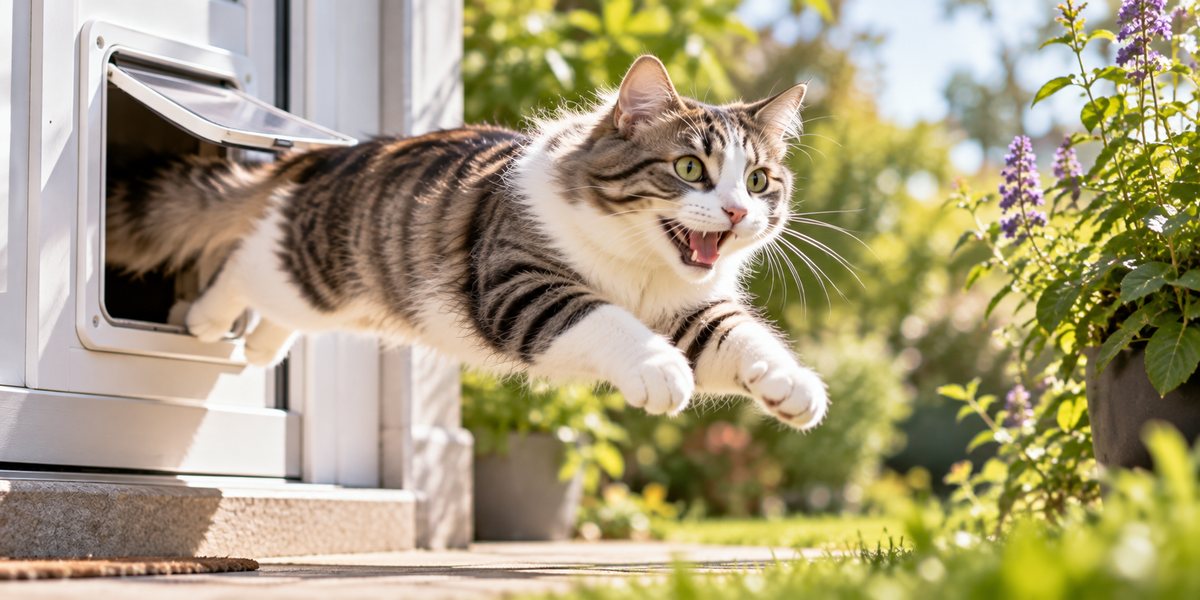
Compare breeds by outdoor access considerations. The ordering follows the characteristic itself rather than the alphabet whenever a meaningful order exists.
Discuss Outdoor access considerations in the forum
| # | Breed | Outdoor access considerations |
|---|---|---|
| 1 | Indoor or secure Australian Mists were developed as companion cats suited to indoor living. They do not require free outdoor access; a secure catio or supervised garden time can provide extra stimulation without undermining the protected lifestyle for which they are well suited. | |
| 2 | Indoor or secure Birmans generally suit protected indoor life and do not need unrestricted roaming. A secure catio or enclosed garden can offer fresh air and observation while preserving safety for a relatively gentle, companion-oriented cat. | |
| 3 | Indoor or secure British Longhairs generally thrive in protected indoor homes and do not need unrestricted outdoor access. Secure garden or catio time can add enrichment while avoiding traffic, coat contamination and conflict risks. | |
| 4 | Indoor or secure British Shorthairs are usually content with enriched indoor life and have no requirement to roam. Secure outdoor access can provide useful activity for a relatively sedentary breed while avoiding the hazards of uncontrolled territory. | |
| 5 | Indoor or secure Chantilly-Tiffany cats were described as affectionate household companions and can live well indoors. Secure outdoor access may add variety, but free roaming is unnecessary; protected access better suits their moderate companion profile. | |
| 6 | Indoor or secure Cherubim are gentle companion cats whose physical and social needs can be met in an enriched indoor home. A secure catio or enclosed garden can provide outdoor interest without the avoidable risks of unrestricted roaming. | |
| 7 | Indoor or secure RagaMuffins are gentle, relaxed companion cats and are well suited to protected indoor living. Secure catio or enclosed-garden time can add enrichment, while free roaming offers little welfare advantage and may expose a trusting cat to unnecessary hazards. | |
| 8 | Indoor or secure Ragdolls are relaxed, people-oriented cats and generally suit protected indoor life very well. A secure catio or enclosed garden can provide outdoor stimulation without relying on the cat's road awareness, territorial caution or ability to evade threats. | |
| 9 | Indoor or secure Scottish Straights can thrive indoors with ordinary enrichment. Secure outdoor access can add activity and sensory variety, but free roaming is unnecessary and controlled access avoids traffic, hunting and territorial risks. | |
| 10 | Protected secure only Bambinos are poorly suited to uncontrolled outdoor exposure because sparse skin offers little protection and short legs can reduce escape ability. Outdoor time should be in a secure, supervised, temperature-appropriate enclosure with protection from strong sun and cold. | |
| 11 | Protected secure only Cornish Rex cats are athletic explorers, but their very short coat provides limited insulation. Outdoor activity should be secure and weather-appropriate, with protection from cold and strong sun rather than unrestricted exposure. | |
| 12 | Protected secure only Devon Rex cats are agile and curious but have a sparse coat that offers limited weather protection. A secure, supervised outdoor space can be enriching when temperatures are suitable; free roaming adds both environmental and general outdoor risks. | |
| 13 | Protected secure only Donskoys are hairless and require protection from cold, overheating and strong sun. Outdoor time should be supervised or securely enclosed, weather-appropriate and close to indoor shelter rather than unrestricted. | |
| 14 | Protected secure only Dwelfs combine hairlessness with short legs, making uncontrolled outdoor life a poor fit. Any outdoor time should be secure and supervised, with protection from strong sun, cold surfaces and situations requiring rapid escape or large jumps. | |
| 15 | Protected secure only Exotic Shorthairs generally suit protected indoor life. Flat-faced individuals can tolerate heat and exertion poorly, so outdoor access should be secure, shaded and temperature-appropriate rather than unrestricted. | |
| 16 | Protected secure only Foldex cats are better suited to controlled outdoor access because folded-ear ancestry can bring painful skeletal disease that affects mobility. A secure, accessible enclosure protects a cat that may be less able to escape hazards or conflict. | |
| 17 | Protected secure only Minskins are sparsely coated and short-legged, making uncontrolled outdoor exposure inappropriate. Outdoor time should be secure, supervised and weather-appropriate, with shade from strong sun, warmth when needed and no dependence on rapid escape. | |
| 18 | Protected secure only Peterbalds with little or no coat need protection from cold and strong sunlight. Outdoor time should be secure, supervised and temperature-appropriate, with easy access to warm indoor shelter. | |
| 19 | Protected secure only Scottish Folds should not depend on unrestricted outdoor mobility because osteochondrodysplasia can cause painful, progressive joint and skeletal changes. If outdoor time is offered, use an accessible secure enclosure with shelter and easy routes. | |
| 20 | Protected secure only Ukrainian Levkoys are hairless and may have mobility concerns associated with folded-ear ancestry. Outdoor access should therefore be secure, supervised and weather-protected, with shade, warmth and easy routes back indoors. | |
| 21 | Secure access · hunting management Strong prey drive makes hunting impact and secure access relevant. | |
| 22 | Secure access · water hazard awareness Athleticism and water interest make secure, supervised access particularly sensible. | |
| 23 | Secure accessibility Cymrics can enjoy outdoor sensory enrichment, but any access should account for individual spinal and hind-limb function. A secure enclosure with easy routes and no need for difficult escape jumps is safer than unrestricted roaming. | |
| 24 | Secure accessibility Kinkalows can enjoy outdoor scents and observation, but short legs make escape from dogs, traffic or territorial cats less reliable. A secure enclosure with accessible platforms and shelter is preferable to free roaming. | |
| 25 | Secure accessibility Lambkins are short-legged cats and should not have to rely on speed or large jumps to escape outdoor hazards. A secure enclosure with accessible routes can provide fresh air and sensory enrichment without the risks of unrestricted roaming. | |
| 26 | Secure accessibility Manx cats can be active outdoor explorers, but spinal and hind-limb function varies. Secure access allows enrichment while ensuring that an individual with mobility limitations is not forced to escape dogs, vehicles or territorial cats. | |
| 27 | Secure accessibility Minuets can enjoy protected outdoor enrichment, but short legs make secure access preferable to roaming. A catio or enclosed garden with low or stepped platforms provides sensory variety without requiring difficult jumps or rapid escape. | |
| 28 | Secure accessibility Munchkins can be lively explorers, but short legs reduce some escape and jumping options. Outdoor time is better provided in a secure enclosure with accessible routes than through free roaming where rapid evasion may matter. | |
| 29 | Secure enclosure or harness High activity, curiosity and roaming opportunity favor controlled outdoor access such as harness/enclosure rather than unsupervised assumptions. | |
| 30 | Secure enclosure or harness · escape management Athleticism and curiosity make controlled secure access preferable to casual containment assumptions. | |
| 31 | Secure enclosure or harness · escape management Athletic jumping and curiosity make secure containment particularly important. | |
| 32 | Secure high activity Abyssinians are intensely curious, athletic climbers and may relish outdoor exploration, but that same curiosity can carry them far or into danger. A large catio, enclosed garden or harness work provides challenge without unrestricted roaming. | |
| 33 | Secure high activity Arabian Maus are highly athletic landrace cats accustomed to environmental challenge. They may benefit greatly from a spacious catio, enclosed garden or harness activity, but unrestricted roaming creates substantial traffic, conflict and hunting risk. | |
| 34 | Secure high activity California Spangled cats are athletic and exploratory and may relish outdoor sensory activity. A spacious secure enclosure or enclosed garden can provide running, climbing and observation without exposing wildlife or the cat to unrestricted-roaming risks. | |
| 35 | Secure high activity Dragon Li cats are alert, athletic and environmentally engaged. A secure garden or large catio can provide valuable exploration and hunting-style stimulation, but their independence and physical ability make unrestricted roaming harder to manage safely. | |
| 36 | Secure high activity Egyptian Maus are exceptionally fast, athletic and alert. A large secure enclosure or enclosed garden can give them space to sprint and observe while avoiding the substantial hunting, traffic and escape risks associated with free roaming. | |
| 37 | Secure high activity Highlanders are powerful, energetic cats with strong climbing and chase-oriented play. A robust enclosed garden or catio is a good outdoor outlet, while secure containment is especially important for an athletic cat capable of testing ordinary barriers. | |
| 38 | Secure high activity Japanese Bobtails are agile, active and exploratory. A secure garden or catio can provide jumping, observation and sensory opportunities without exposing a capable hunter and traveller to unrestricted outdoor hazards. | |
| 39 | Secure high activity Kanaani cats are athletic, alert and natural in type, making complex outdoor enrichment attractive. A secure garden or large enclosure can provide exploration and movement while controlling hunting and preventing a capable cat from roaming widely. | |
| 40 | Secure high activity Mekong Bobtails are active, curious cats likely to enjoy outdoor exploration. A secure catio, enclosed garden or harness activity can channel that energy while preventing roaming, hunting and encounters with traffic or hostile animals. | |
| 41 | Secure high activity Neva Masquerades are large, athletic Siberian-type cats that can enjoy substantial outdoor sensory and climbing enrichment. A secure garden or catio lets them exercise while reducing hunting, traffic and territorial risks. | |
| 42 | Secure high activity Ocicats are athletic, intelligent and confident explorers. Harness training or a robust secure enclosure can suit them especially well, providing vigorous stimulation without the risks of unrestricted roaming. | |
| 43 | Secure high activity Pixie-bobs are robust, exploratory cats that may enjoy substantial outdoor activity. A secure garden or large catio provides room to investigate and exercise while preventing roaming, hunting and encounters with vehicles or hostile animals. | |
| 44 | Secure high activity Raas cats come from an island landrace and are likely capable outdoor explorers and hunters. If kept as companions, spacious secure access can preserve environmental complexity while limiting wildlife predation, conflict and loss. | |
| 45 | Secure high activity Serengetis are long-legged, athletic and highly curious. They can benefit from a large secure enclosure or well-contained garden that permits running and climbing, while their jumping ability makes containment quality especially important. | |
| 46 | Secure high activity Sokokes are athletic, alert natural-breed cats likely to value complex outdoor sensory stimulation. A spacious catio or secure garden is a strong enrichment option, while unrestricted roaming creates hunting, traffic and territorial risks. | |
| 47 | Secure high activity Somalis are exceptionally agile, energetic explorers. A large secure enclosure or enclosed garden can provide climbing and movement opportunities, while containment reduces hunting, escape and traffic risk for a cat inclined to investigate widely. | |
| 48 | Secure high activity Toygers are athletic, curious cats that can benefit from outdoor running, climbing and observation. A robust secure enclosure or enclosed garden provides those outlets while controlling hunting and escape. | |
| 49 | Secure high activity Turkish Angoras are agile, intelligent and determined explorers. Secure outdoor territory can provide climbing and sensory challenge, but their athleticism and curiosity make high-quality containment especially important. | |
| 50 | Secure high activity Turkish Vankedisi cats are athletic, self-possessed explorers likely to enjoy complex outdoor stimulation. A secure garden or catio provides that outlet while avoiding the travel, hunting and conflict risks of free roaming. | |
| 51 | Secure hunting control American Shorthairs are robust, capable hunters with working-cat ancestry. Controlled outdoor access allows exercise and observation while reducing opportunities for rodent and bird predation as well as ordinary road and disease risks. | |
| 52 | Secure hunting control Chartreux are calm household cats but historically capable mousers. Secure outdoor access can provide exercise while limiting hunting opportunities and protecting a sturdy but still vulnerable companion from roads and territorial encounters. | |
| 53 | Secure hunting control Kurilian Bobtails are powerful natural-breed cats with substantial hunting ability. Spacious secure outdoor access can suit their athleticism while reducing wildlife predation, territorial conflict and travel beyond the home. | |
| 54 | Secure hunting control Maine Coons are large, capable working-type cats with strong mousing ability. Secure outdoor access can provide exercise and sensory enrichment while limiting wildlife hunting and protecting a valuable, conspicuous cat from traffic or loss. | |
| 55 | Secure indoor living Long coat and brachycephalic Persian-type conformation favor controlled protected living. | |
| 56 | Secure indoor living Coat, conformation and placid temperament favor controlled, protected living rather than unmanaged outdoor exposure. | |
| 57 | Secure limited exposure Hairlessness increases environmental exposure concerns; uncontrolled outdoor access is a poor fit. | |
| 58 | Secure optional American Curls are playful, adaptable companions and do not require free roaming. A secure catio or enclosed garden can add climbing and sensory variety while protecting them from traffic, conflict and loss. | |
| 59 | Secure optional American Ringtails can live fully indoors when adequately enriched. If outdoor experience is offered, a secure enclosure or harness is preferable to free roaming, protecting an adaptable, curious cat without making outdoor access a requirement. | |
| 60 | Secure optional American Wirehairs are robust, adaptable cats and can enjoy outdoor sights and scents, but free roaming is unnecessary. Secure garden access or a catio adds enrichment while reducing traffic, disease, conflict and wildlife exposure. | |
| 61 | Secure optional Asian cats are social, playful companions whose needs can be met indoors with good enrichment. Secure outdoor access can add variety, but free roaming is not necessary and may expose an inquisitive cat to avoidable hazards. | |
| 62 | Secure optional Tiffanies can thrive as enriched indoor companions. A secure balcony, catio or enclosed garden can provide additional sensory interest, while unrestricted roaming adds risks without being necessary for their welfare. | |
| 63 | Secure optional Bombays are curious, people-oriented cats that can be satisfied indoors with strong play and social enrichment. If offered outdoor time, a secure enclosure or harness lets them explore without the risks of unsupervised roaming. | |
| 64 | Secure optional Burmillas are playful but generally adaptable companion cats. Their needs can be met indoors, while a secure balcony, catio or enclosed garden can add sensory stimulation without the risks of unsupervised roaming. | |
| 65 | Secure optional German Longhairs can thrive indoors with adequate activity and social enrichment. Secure outdoor access can provide useful exploration, while controlled boundaries reduce road, conflict and coat-management problems associated with roaming. | |
| 66 | Secure optional Korats are alert, athletic cats but often strongly attached to their familiar home and people. A secure outdoor area can add stimulation while preserving predictable territory and avoiding the risks of unrestricted roaming. | |
| 67 | Secure optional There is too little breed-wide evidence to justify special outdoor requirements for Korean Bobtails. Treat outdoor access as optional enrichment and use secure containment rather than assuming a natural need or aptitude for free roaming. | |
| 68 | Secure optional The rare Korn Ja has no established requirement for outdoor roaming. An enriched indoor home can meet its needs; if outdoor stimulation is offered, a secure enclosure or supervised access is the prudent default. | |
| 69 | Secure optional LaPerms are curious, playful companions and can enjoy outdoor sights and scents without needing to roam. A catio, secure garden or supervised access adds variety while preserving safety. | |
| 70 | Secure optional Ojos Azules lack enough reliable behavioral evidence for a distinctive outdoor profile. An enriched indoor life is sufficient; any outdoor access is best treated as optional and provided through secure containment. | |
| 71 | Secure optional Historical evidence does not establish any special outdoor requirement for the extinct Oregon Rex. As with an ordinary companion cat, outdoor stimulation could be offered securely without assuming that unrestricted roaming was necessary. | |
| 72 | Secure optional Sam Sawet cats are too sparsely documented for a special outdoor recommendation. Their needs can be met indoors; where outdoor enrichment is desired, secure access is safer than assuming a rare Thai domestic type requires free roaming. | |
| 73 | Secure optional Selkirk Rex cats are generally moderate companions and do not need unrestricted outdoor access. A secure catio or enclosed garden can add exercise and sensory interest while keeping the cat protected. | |
| 74 | Secure optional The Serrade Petit is too sparsely documented to support a distinctive outdoor-access requirement. An enriched indoor home is adequate; secure outdoor access can be offered as optional sensory enrichment. | |
| 75 | Secure optional Suphalaks are too rare for a strong breed-specific outdoor requirement to be established. Enriched indoor life is appropriate, with secure outdoor access offered as optional stimulation rather than unrestricted roaming. | |
| 76 | Secure optional Tennessee Rex cats are companion-oriented and have no established requirement for free outdoor access. A secure catio or supervised outdoor area can add enrichment while maintaining protection from ordinary roaming hazards. | |
| 77 | Secure optional The developing Transylvanian breed has no established need for unrestricted outdoor access. An enriched indoor home is sufficient, while a secure enclosure or enclosed garden can provide optional sensory stimulation. | |
| 78 | Secure optional York Chocolates were described as playful household companions and have no established requirement for free roaming. Secure outdoor access can provide useful variety while avoiding traffic, hunting and territorial hazards. | |
| 79 | Secure outdoor access possible · hunting management Natural outdoor adaptation exists, but hunting and general outdoor risks still require management. | |
| 80 | Secure outdoor access possible · hunting management Natural-breed robustness supports outdoor activity, while hunting/general outdoor risks still require control. | |
| 81 | Secure outdoor enrichment Aegeans are athletic island cats likely to enjoy fresh air, climbing and environmental exploration, but they do not need unrestricted roaming. A catio, enclosed garden or carefully managed access provides outdoor complexity while limiting hunting and road risk. | |
| 82 | Secure outdoor enrichment Aphrodite Giants come from an athletic Cyprus landrace and may particularly enjoy space, climbing and outdoor sensory stimulation. Controlled access in a large secure enclosure or enclosed garden is safer than unrestricted roaming and accommodates their substantial size. | |
| 83 | Secure outdoor enrichment Brazilian Shorthairs are active, adaptable cats that may enjoy substantial outdoor sensory enrichment. A catio, enclosed garden or other controlled access is preferable to free roaming because their athleticism also increases hunting and travel opportunities. | |
| 84 | Secure outdoor enrichment Cyprus cats are athletic natural-type cats likely to value climbing, observation and environmental variety. Controlled outdoor access can be excellent enrichment, while secure boundaries reduce hunting, road and territorial-conflict risks. | |
| 85 | Secure outdoor enrichment European Shorthairs are robust, capable domestic cats and many enjoy outdoor exploration, but they do not require free roaming. Controlled access preserves exercise and sensory benefits while reducing traffic, hunting and territorial-conflict exposure. | |
| 86 | Secure quiet access Nebelungs are often cautious, routine-oriented cats. If they enjoy outdoor access, a quiet secure enclosure attached to the home is usually a better fit than unpredictable free roaming, allowing observation and retreat on their own terms. | |
| 87 | Secure quiet access Russian-type cats are often cautious and attached to predictable territory. A quiet enclosed balcony or catio can offer outdoor observation while allowing immediate retreat; uncontrolled roaming is unnecessary and may be stressful for more reserved individuals. | |
| 88 | Secure small cat Singapuras are tiny but active and curious. Secure outdoor access is particularly sensible because their small size increases vulnerability to dogs and other hazards; a protected enclosure can still provide climbing, sun and observation. | |
| 89 | Secure small cat Toybobs are exceptionally small, increasing their vulnerability to dogs, predators and environmental hazards. Outdoor enrichment should therefore be securely enclosed or closely supervised rather than unrestricted. | |
| 90 | Secure social Balinese are active, inquisitive and strongly people-oriented. They can enjoy harness walks or a secure enclosure, but unrestricted roaming is unnecessary and may expose a socially confident, exploratory cat to avoidable hazards. | |
| 91 | Secure social Burmese are highly social, curious cats and can be vulnerable when confidently approaching people or unfamiliar situations. Outdoor enrichment is best provided through a secure enclosure, enclosed garden or harness rather than unsupervised roaming. | |
| 92 | Secure social Colorpoint Shorthairs are energetic, vocal and highly curious. A secure enclosure or harness can provide outdoor stimulation, but their active exploration and social confidence make uncontrolled roaming an unnecessary risk. | |
| 93 | Secure social European Burmese are outgoing, curious cats that often approach life confidently. Secure outdoor access can provide useful stimulation, but a catio, enclosed garden or harness is safer than allowing an inquisitive companion to roam freely. | |
| 94 | Secure social Havana Browns are curious, interactive cats that enjoy investigating their surroundings. Controlled outdoor exploration can be rewarding, while secure containment prevents their curiosity from becoming road, loss or conflict exposure. | |
| 95 | Secure social Khao Manees are lively, inquisitive and people-oriented. They can enjoy secure outdoor exploration, but their confidence and curiosity make controlled access preferable to free roaming; white individuals also benefit from sensible sun protection. | |
| 96 | Secure social Oriental Bicolors are active, curious and highly social, traits that can make outdoor exploration appealing but also encourage confident investigation. A secure enclosure or harness provides stimulation without exposing them to uncontrolled travel and traffic. | |
| 97 | Secure social Oriental Longhairs are active, inquisitive and highly social. They can enjoy secure outdoor exploration, but their curiosity and household attachment are better served by a catio, enclosed garden or harness than unsupervised roaming. | |
| 98 | Secure social Oriental Shorthairs are athletic, intensely curious cats that investigate new spaces readily. Secure enclosures or harness activity provide outdoor challenge while preventing a bold, socially confident cat from roaming into traffic or conflict. | |
| 99 | Secure social Siamese cats are intelligent, active and highly inquisitive. Harness activity or secure outdoor enclosures can provide excellent stimulation, while unrestricted roaming adds avoidable risk for a bold cat likely to explore and approach people. | |
| 100 | Secure social Snowshoes are active, social and curious Siamese-derived cats. Secure garden, catio or harness access can add useful exploration without exposing an inquisitive companion to the hazards of unrestricted roaming. | |
| 101 | Secure social Suffolks are active, highly social Oriental-type cats that can enjoy outdoor stimulation but do not need to roam freely. Secure enclosures or harness activity provide exploration while preventing an inquisitive cat from travelling into unsafe situations. | |
| 102 | Secure social Thai cats are active, vocal and strongly people-oriented. Secure outdoor access can provide excellent stimulation, but their confidence and curiosity make supervised or enclosed exploration preferable to unrestricted roaming. | |
| 103 | Secure social These Thai color varieties share an active, curious and social temperament. Secure outdoor access can provide valuable exploration, but unrestricted roaming is unnecessary and can expose an inquisitive cat to traffic and other hazards. | |
| 104 | Secure social Tonkinese are outgoing, playful and highly curious. A secure enclosure or harness gives them outdoor variety while protecting a socially confident cat that may otherwise investigate people, animals and territory too freely. | |
| 105 | Secure temperature managed German Rex cats are lively explorers but their short curly coat offers less weather protection than a dense conventional coat. Outdoor time is best secure and temperature-appropriate, with easy return to warm indoor shelter. | |
| 106 | Secure travel adaptable American Bobtails are confident, adaptable cats and many tolerate travel or novel environments unusually well. That flexibility can make harness or supervised outdoor experiences practical, but free roaming still adds unnecessary traffic, hunting and conflict risks. |




































































































Breed comparisons describe tendencies, not guarantees about an individual cat. Approximate entries are kept separate from the canonical research record and can be refined as better evidence arrives.
 English