
Recurring ownership costs in Cat Breeds
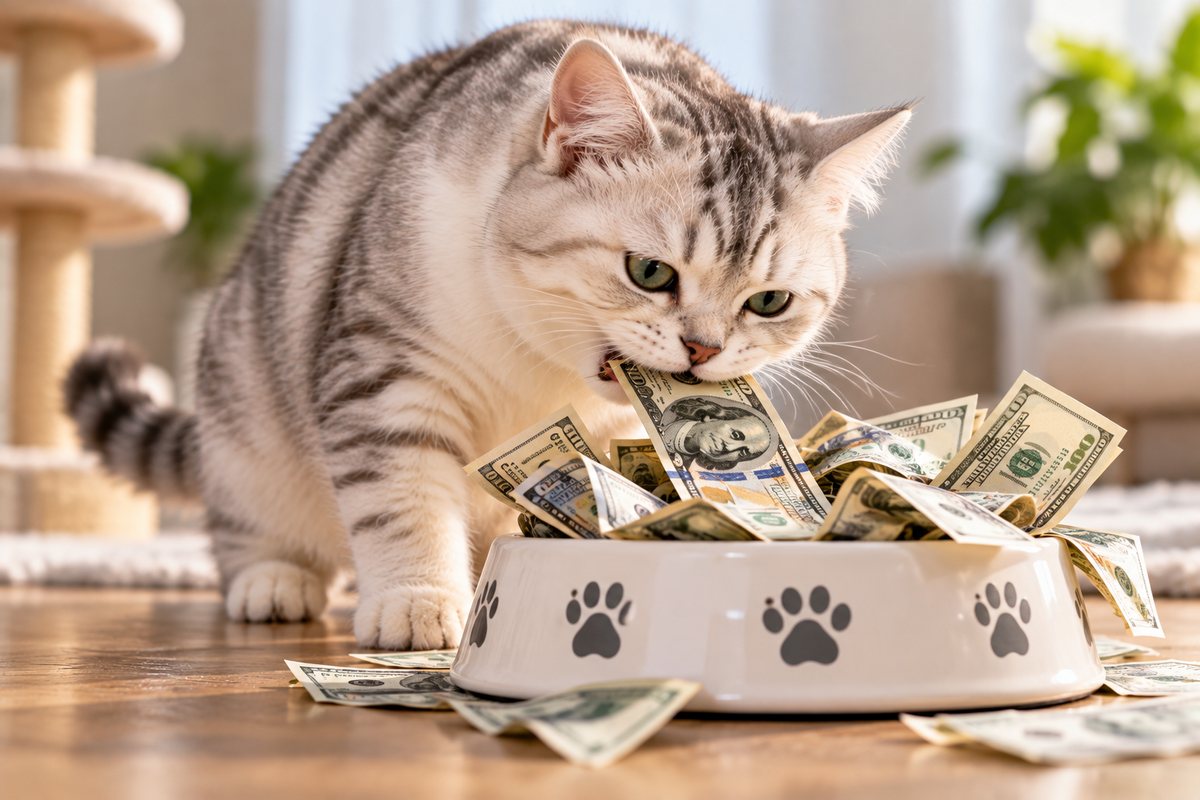
Compare breeds by recurring ownership costs. The ordering follows the characteristic itself rather than the alphabet whenever a meaningful order exists.
Discuss Recurring ownership costs in the forum
| # | Breed | Recurring ownership costs |
|---|---|---|
| 1 | Typical cat costs No specialized recurring-care expense is firmly established for the exceptionally rare Suphalak. Ordinary shorthaired-cat food, litter, dental/preventive veterinary care and enrichment form the sensible baseline. | |
| 2 | Enrichment/toy replacement Grooming costs are minimal, while daily interactive play and social enrichment deserve consistent provision. Food, litter, dental and preventive veterinary care are otherwise moderate and similar to other traditional Siamese-family cats. | |
| 3 | Enrichment/toy replacement The silky coat is usually maintained at home without heavy grooming expense, while active climbing and play justify good enrichment. In white cats, hearing assessment is a useful health expense; otherwise routine food and preventive care dominate. | |
| 4 | Higher food/larger equipment · enrichment/toy replacement Food costs can run somewhat above average for larger individuals, and sturdy scratching/climbing equipment is preferable. Otherwise recurring expenses are conventional unless mobility or spinal concerns arise in an individual cat. | |
| 5 | Coat maintenance · higher food/larger equipment Large body size can increase food, litter and equipment costs, and the longer coat needs basic combing supplies. Sturdy carriers, beds, scratching posts and cat trees may cost more than equipment sized for a small cat. | |
| 6 | Higher food/larger equipment Routine veterinary and coat costs are modest, but this social, playful breed benefits from ongoing interactive enrichment. Food and litter are ordinary; replacing toys and scratching equipment may add a small recurring premium. | |
| 7 | Coat maintenance · higher food/larger equipment Expect ordinary food and veterinary costs plus regular combing supplies and occasional extra coat-care time. The semi-long coat usually does not require professional grooming when maintained consistently at home. | |
| 8 | High enrichment/toy/environment demand · breed-relevant genetic screening in breeding context Recurring costs often run above average: Bengals benefit from robust climbing structures, wheels or other intensive enrichment and can be hard on toys. Food and routine care are conventional, but owners should also budget for breed-relevant cardiac/genetic surveillance where advised. | |
| 9 | Coat maintenance Food and litter costs can be moderately high because of the substantial body, while the long dense coat needs quality combs and regular home grooming. Dental care and weight monitoring are important; professional grooming is optional rather than inherently required. | |
| 10 | Higher food/larger equipment The large, solid build can modestly raise food, litter, carrier and furniture costs. Grooming is inexpensive, but weight control and appropriate cardiac evaluation in affected lines are more useful budget priorities than cosmetic products. | |
| 11 | Coat maintenance · higher food/larger equipment Chartreux are substantial cats, so food and sturdy equipment can cost somewhat more than for a small breed. Their woolly coat is normally maintained at home; preventive care, dental work and sensible weight management remain the main recurring expenses. | |
| 12 | Higher food/larger equipment Cherubim are large semi-longhaired companion cats, so expect somewhat higher food, litter and sturdy-equipment costs plus regular combing supplies. As the breed develops, a good veterinary/insurance reserve is more useful than assuming a mature breed-specific cost profile. | |
| 13 | Typical cat costs Food and coat-care costs are moderate, but the Manx-family spinal phenotype makes insurance or a strong veterinary reserve particularly worthwhile. Longhaired individuals also need regular combing, while mobility or bowel/bladder problems can substantially raise costs if present. | |
| 14 | Typical cat costs Dwelfs have above-average management costs because hairless-cat skin/ear care and temperature control combine with dwarf-cat mobility considerations. Accessible furniture plus a strong veterinary/orthopedic reserve should be expected alongside ordinary food and litter. | |
| 15 | Higher food/larger equipment Recurring costs are broadly those of a typical medium-to-large shorthaired cat: food, litter, preventive care and enrichment. The functional coat needs little equipment, and individual size and lifestyle matter more than the breed label for budgeting. | |
| 16 | Coat maintenance Large size and high activity can raise food and durable-equipment spending. Coat care depends on hair length, while curled-ear checks and mobility monitoring are routine; insurance is sensible where orthopedic treatment would strain the budget. | |
| 17 | Long-coat grooming · eye/facial care associated with Persian-type conformation Himalayans often cost more to maintain than a typical cat because dense coat care combines with Persian-family eye, dental, airway and kidney/cardiac considerations. Professional grooming is optional with diligent home care, but a strong veterinary reserve is advisable. | |
| 18 | Higher food/larger equipment · enrichment/toy replacement Their substantial athletic build can modestly increase food and sturdy-equipment costs. Coat care varies by length; otherwise routine veterinary, dental and enrichment spending is conventional, with tail comfort monitored rather than treated as a standing expense. | |
| 19 | Typical cat costs Lambkins combine curly-coat care with dwarf-cat mobility management. Routine food and litter are ordinary, but accessible furniture, joint/spinal monitoring and a meaningful veterinary reserve can make lifetime costs higher than for a structurally typical cat. | |
| 20 | Enrichment/toy replacement Coat costs are low for shorthaired Manx, but spinal, mobility or bowel/bladder problems associated with the tailless phenotype can become expensive. Insurance or a strong veterinary reserve is therefore more important than the breed's modest grooming needs. | |
| 21 | Coat maintenance Expect regular coat-care supplies—especially for longhaired cats—plus potentially higher veterinary provision for dwarf conformation and Persian-family health issues. Accessible furniture and strict weight management are inexpensive preventive investments. | |
| 22 | Coat maintenance · higher food/larger equipment · enrichment/toy replacement Large size and dense seasonal coat raise food, litter, grooming and sturdy-equipment costs somewhat. As a Siberian-family cat, HCM-aware veterinary planning and a good emergency reserve are also sensible. | |
| 23 | Higher food/larger equipment · enrichment/toy replacement Coat care is cheap, but Ocicats benefit from durable climbing structures, puzzle toys and frequent interactive play. Their medium-large athletic build can modestly increase food and equipment spending compared with a quiet small cat. | |
| 24 | Enrichment/toy replacement Coat maintenance costs almost nothing, but high social and activity needs justify durable climbing and interactive enrichment. Dental care and breed-family cardiac awareness are more important budget items than grooming. | |
| 25 | Enrichment/toy replacement Costs vary with coat type, but nearly naked Peterbalds need more skin/ear care, warm bedding and temperature management. Dental care and general veterinary provision can make upkeep somewhat higher than for a conventional shorthaired cat. | |
| 26 | Coat maintenance · higher food/larger equipment · enrichment/toy replacement The substantial body can increase food and sturdy-equipment costs, and longhaired individuals need more grooming. Polydactyl nails require routine checking but not inherently expensive care; enrichment and preventive veterinary work complete the budget. | |
| 27 | Higher food/larger equipment Large size can increase food, litter and equipment costs, while the plush semi-long coat needs regular home combing. Routine dental/preventive care and weight management are more important recurring expenses than professional grooming. | |
| 28 | Larger-body food/litter/equipment sizing · coat maintenance Large size increases food, litter, carrier and sturdy-furniture costs, and the semi-long coat needs regular combing. HCM-aware veterinary planning makes insurance or a strong emergency reserve sensible despite generally manageable grooming. | |
| 29 | Temperature/skin-management needs · cardiac screening relevance in breeding context Sphynx upkeep is often above average: skin, ear and nail-bed care, warm bedding and temperature comfort accompany ordinary food and litter. HCM surveillance and dental/skin problems make insurance or a strong veterinary reserve particularly worthwhile. | |
| 30 | Enrichment/toy replacement The short coat is inexpensive, but Tonkinese are highly social and playful, so durable interactive enrichment is worthwhile. Routine food, litter, dental/preventive care and an emergency reserve make up the core budget. | |
| 31 | Higher food/larger equipment · enrichment/toy replacement Large athletic cats can use more food and benefit from sturdy climbing/enrichment equipment, while the semi-long coat needs modest home grooming. Routine dental and preventive veterinary care complete a somewhat above-average but not extreme budget. | |
| 32 | Coat maintenance · higher food/larger equipment · enrichment/toy replacement The semi-long coat and substantial body bring moderate grooming and food costs, while white cats may justify objective hearing assessment. Sturdy enrichment plus routine dental/preventive veterinary care form the remaining recurring budget. | |
| 33 | Typical cat costs Hairless-cat skin/ear care and temperature management add recurring expense, while folded-ear anatomy raises serious joint-welfare concerns and potential veterinary costs. Insurance or a strong medical reserve is particularly important. | |
| 34 | Coat maintenance Routine costs are usually moderate: ordinary food, litter and veterinary care plus brushing tools. Secure outdoor access, if provided, can add enclosure or balcony-proofing costs, while the generally functional coat does not require professional grooming. | |
| 35 | Enrichment/toy replacement Routine costs are usually moderate and predictable. The main breed-relevant budget issue is weight control: measured complete food and regular play are preferable to spending on specialty diets after obesity develops. | |
| 36 | Typical cat costs Recurring costs are generally moderate: complete food, litter, preventive veterinary care and routine play equipment. Their easy short coat adds little expense, while weight management is best handled through measured feeding and activity rather than specialty products. | |
| 37 | Typical cat costs Birmans usually have moderate recurring costs. Their silky coat needs home combing rather than professional grooming in most cases; food, litter, dental/preventive care and HCM-aware veterinary monitoring make up the main budget. | |
| 38 | Enrichment/toy replacement Burmillas generally have moderate recurring costs: ordinary food and litter, simple coat care, dental/preventive veterinary work and regular interactive enrichment. Their grooming needs rarely justify professional expense. | |
| 39 | Enrichment/toy replacement Grooming costs are minimal, but interactive enrichment and dental care are recurring priorities. Otherwise food, litter and preventive veterinary expenses are similar to those for Siamese and other medium-sized active cats. | |
| 40 | Coat maintenance Recurring costs are generally moderate, with ordinary food, litter, veterinary care and seasonal brushing. Athletic cats using secure outdoor space may add enclosure and parasite-prevention costs depending on local risk. | |
| 41 | Enrichment/toy replacement Routine costs are moderate, with minimal grooming but meaningful spending on climbing and interactive play. Food, litter and preventive veterinary care remain conventional; a secure outdoor enclosure may be an optional larger expense for this athletic breed. | |
| 42 | Enrichment/toy replacement Coat care is inexpensive, while dental care, measured feeding and interactive enrichment deserve consistent spending. Routine veterinary costs are otherwise moderate, though family-specific metabolic or muscular disease risk can make insurance useful. | |
| 43 | Coat maintenance The main breed-related recurring addition is coat maintenance: good combs and regular grooming time. Food, litter and preventive veterinary care are otherwise moderate, with no inherent need for professional grooming when the coat is maintained. | |
| 44 | Enrichment/toy replacement Recurring costs are generally moderate: minimal coat care, ordinary food and litter, dental/preventive veterinary work and interactive enrichment. The breed's rarity affects purchase and travel costs more than everyday upkeep. | |
| 45 | Coat maintenance · enrichment/toy replacement Routine costs are moderate, with simple coat care and ordinary food and litter. Their playful temperament can justify regular toy/enrichment replacement, while the bobtail itself should not require routine medical spending in a healthy cat. | |
| 46 | Typical cat costs Recurring costs are generally moderate: simple short-coat care, ordinary food and litter, dental/preventive veterinary care and active play. A healthy bobtail should not itself create routine expense, though pain or gait changes warrant assessment. | |
| 47 | Enrichment/toy replacement Coat care is minimal, but Siamese benefit from sustained interactive enrichment and consistent dental care. Routine food and litter costs are moderate; insurance or emergency provision remains sensible given breed-family health risks. | |
| 48 | Enrichment/toy replacement Routine costs are moderate: simple coat care, ordinary food and litter, dental/preventive veterinary work and plenty of social play. Their rarity affects acquisition more than everyday maintenance. | |
| 49 | Coat maintenance · enrichment/toy replacement Coat care is cheap, but Toygers benefit from substantial climbing, play and puzzle enrichment and may be hard on toys. Food and routine veterinary costs are otherwise moderate, with HCM-aware breeding history worth considering. | |
| 50 | Typical cat costs Routine costs are close to those of a typical shorthaired cat: complete food, litter, preventive veterinary care and basic enrichment. The coat is low-maintenance and creates little extra expense. | |
| 51 | Typical cat costs Kinkalows need little specialized coat spending unless longhaired, but dwarf conformation makes accessible furniture and a veterinary/orthopedic reserve important. Curled ears need observation, not costly routine manipulation. | |
| 52 | Enrichment/toy replacement Korats have low grooming costs and ordinary equipment needs. Routine spending centers on food, litter, dental/preventive care and play, with genetic screening history for GM1/GM2 gangliosidosis relevant when evaluating breeding lines rather than a recurring owner expense. | |
| 53 | Enrichment/toy replacement Russian Blues have low grooming costs and ordinary equipment needs. The recurring budget is mainly quality complete food, litter, dental/preventive veterinary care and play, with weight monitored because the plush coat can disguise gain. | |
| 54 | Typical cat costs The unusual colors do not create special recurring expenses. Expect the same low grooming costs, social enrichment, food, litter, dental and preventive veterinary budget as for other Thai cats. | |
| 55 | Typical cat costs Coat costs are minimal, but this athletic breed benefits from durable climbing and play equipment. Food, litter and routine veterinary care otherwise fall within normal cat ownership unless secure outdoor infrastructure is added. | |
| 56 | Enrichment/toy replacement Routine coat costs are very low, while social play and dental care deserve budget attention. Because obesity and diabetes are undesirable in susceptible Burmese populations, measured quality food and preventive veterinary care are better investments than specialty treats. | |
| 57 | Typical cat costs There is no well-established special maintenance expense for Korn Ja cats. A realistic budget is normal shorthaired-cat ownership—complete food, litter, preventive veterinary care, dental care and enrichment—with extra reserve appropriate to any rare, sparsely documented population. | |
| 58 | Enrichment/toy replacement LaPerm grooming is usually inexpensive when gentle home combing is consistent. Food, litter, preventive care and interactive enrichment are the main recurring costs; professional coat care is rarely an inherent necessity. | |
| 59 | Coat maintenance Grooming costs are minimal; the more distinctive recurring expense is enrichment for an active, social Oriental-type cat. Food, litter, dental care and preventive veterinary work otherwise form a normal budget. | |
| 60 | Typical cat costs Breed-specific recurring expenses are not established for this rare Thai type. Budget as for a healthy shorthaired cat—food, litter, preventive veterinary and dental care, plus enrichment—while maintaining a general contingency because documentation is sparse. | |
| 61 | Coat-specific maintenance The curly coat needs appropriate home grooming but rarely requires automatic professional care. A substantial body can raise food costs modestly, while dental/preventive veterinary care and breed-family cardiac/orthopedic awareness round out the budget. | |
| 62 | Enrichment/toy replacement Baseline food, litter and preventive veterinary costs are ordinary, but Abyssinians benefit from a steady enrichment budget: durable climbing furniture, puzzle feeders and interactive toys may be replaced more often than for a sedentary cat. | |
| 63 | Enrichment/toy replacement Day-to-day costs are generally ordinary, with modest spending on enrichment. Curled ears do not require expensive routine treatment, but owners should budget for veterinary assessment rather than aggressive home cleaning if irritation develops. | |
| 64 | Typical cat costs Recurring expenses are close to normal cat ownership: food, litter, preventive care and enrichment. The unusual tail itself should not create a routine cost, although new pain or reduced flexibility warrants veterinary evaluation. | |
| 65 | Typical cat costs Recurring costs are generally ordinary. The wiry coat needs little professional grooming, so the budget is mainly complete food, litter, preventive veterinary care, dental care and normal enrichment. | |
| 66 | Enrichment/toy replacement The fine semi-long coat is relatively economical to maintain, but Balinese need substantial social and play enrichment. Routine food, litter and veterinary costs dominate, with some extra spending on climbing and interactive equipment. | |
| 67 | Typical cat costs Bambinos can cost more than an ordinary shorthaired cat over time because skin/ear supplies, temperature management and accessible furniture accompany normal food and veterinary care. Their dwarf conformation also makes a meaningful emergency/orthopedic reserve or insurance particularly sensible. | |
| 68 | Typical cat costs Bombays are inexpensive to groom and have ordinary equipment needs. Recurring spending is mainly complete food, litter, dental/preventive veterinary care and enough interactive play to help prevent weight gain. | |
| 69 | Typical cat costs Historically, upkeep would have resembled that of an athletic shorthaired cat: ordinary food and veterinary care plus durable climbing and play equipment. Because the breed is effectively unavailable, there is no meaningful contemporary breed-specific recurring-cost market. | |
| 70 | Coat maintenance The semi-long coat would add combing supplies and regular grooming time but not necessarily professional grooming. Otherwise recurring costs are conventional food, litter, preventive veterinary care and enrichment; the breed's effective disappearance makes current cost claims largely historical. | |
| 71 | Robust enrichment/containment equipment · possible import/documentation complexity for early-generation hybrids Chausies can be expensive to keep well: their size and activity increase food and durable-equipment costs, and large secure climbing/enrichment structures are useful. Hybrid-derived health and legal/travel considerations can also make insurance or emergency reserves especially valuable. | |
| 72 | Temperature-management considerations Cornish Rex need little coat equipment, but sparse coat coverage can increase spending on warm bedding and household temperature comfort. Routine ear/skin care and breed-relevant cardiac monitoring can make veterinary costs somewhat above a basic shorthaired-cat budget. | |
| 73 | Skin/ear/temperature management considerations The coat itself needs little equipment, but ear/skin care, warm resting options and dental attention add small recurring expenses. HCM surveillance in breeding lines and treatment of individual skin or orthopedic problems can make lifetime veterinary costs less predictable. | |
| 74 | Enrichment/toy replacement Hairlessness shifts spending from brushes to skin, ear and nail-bed care, warm bedding and temperature management. Dental and skin problems can add veterinary expense, so insurance or an emergency reserve is especially useful. | |
| 75 | Typical cat costs Recurring expenses should resemble those of a robust shorthaired cat: complete food, litter, preventive veterinary care and active enrichment. No elaborate coat-care budget is justified by the breed identity. | |
| 76 | Facial/ocular care associated with brachycephalic conformation Exotics can incur above-average veterinary and maintenance costs because brachycephalic eyes, teeth, airways and skin folds may need ongoing attention. Coat care is easier than a Persian's, but health-conscious insurance or emergency provision is particularly valuable. | |
| 77 | Coat maintenance Foldex ownership can carry elevated veterinary risk because folded-ear cartilage disease may combine with Persian/Exotic facial issues. Budget beyond ordinary food and coat care for mobility assessment, eye/dental care and a substantial insurance or emergency reserve. | |
| 78 | Typical cat costs Grooming equipment costs little, but gentle skin/ear care and warm resting options may add modest expense. Routine food, litter, dental and preventive veterinary care otherwise dominate the budget. | |
| 79 | Typical cat costs The short coat is inexpensive to maintain, but the athletic build benefits from sturdy climbing and play equipment. Otherwise recurring costs are conventional food, litter and preventive veterinary care. | |
| 80 | Enrichment/toy replacement Coat care is inexpensive, but responsible ownership may include objective hearing assessment, particularly in white cats, alongside routine dental and preventive care. Interactive enrichment adds more to day-to-day spending than grooming. | |
| 81 | Coat maintenance Assuming a healthy cat, recurring costs should be conventional: food, litter, coat-appropriate brushing, dental/preventive care and enrichment. Sparse breed data make a general veterinary reserve more defensible than a claimed specialized routine expense. | |
| 82 | Enrichment/toy replacement Lykois need modest skin and coat observation rather than expensive grooming, but seasonal coat changes can increase cleaning and skin-care attention. Routine food, litter, dental and preventive veterinary costs remain the core budget. | |
| 83 | Larger-body food/litter/equipment sizing · cardiac/SMA screening relevance in breeding context Large size raises food, litter, carrier and sturdy-furniture costs, while the shaggy coat needs regular combing. HCM screening history, hip health and other breed concerns make insurance or a substantial veterinary reserve especially sensible. | |
| 84 | Typical cat costs Skin/ear care, warm bedding and accessible equipment add to ordinary food and litter costs. Because sparse coat and dwarf conformation create separate management issues, insurance or a veterinary/orthopedic reserve is particularly sensible. | |
| 85 | Enrichment/toy replacement Grooming costs depend on coat length, but the distinctive budget issue is mobility: keep the cat lean, provide accessible furniture and retain insurance or emergency funds for orthopedic/spinal assessment if problems develop. | |
| 86 | Coat maintenance The semi-long coat adds only modest home-grooming expense. Otherwise recurring costs are conventional food, litter, dental/preventive care and enrichment; professional grooming is not normally necessary. | |
| 87 | Coat maintenance · large robust climbing equipment Large size means above-average food, litter, carrier and cat-tree costs, and the seasonal coat needs good grooming tools. Cardiac and joint health considerations make insurance or a substantial veterinary reserve prudent. | |
| 88 | Coat maintenance There is no reliable contemporary breed-specific recurring-cost profile because the organized breed is effectively unavailable. A historical Ojos Azules would still have required ordinary food and veterinary care, with responsible breeding focused on the mutation's developmental risks. | |
| 89 | Typical cat costs The Oregon Rex is extinct, so there is no contemporary ownership budget for the breed. Historically its Rex coat would have shifted maintenance toward gentle skin/coat care rather than expensive grooming. | |
| 90 | Coat maintenance · enrichment/toy replacement The fine semi-long coat needs modest home combing, while this social breed benefits from climbing, toys and interactive enrichment. Food, litter, dental and preventive veterinary care remain the largest routine expenses. | |
| 91 | Professional/home grooming and coat maintenance · eye/facial care associated with brachycephalic conformation Persians can have substantially above-average maintenance costs: dense coat grooming combines with eye, dental, airway and skin-fold care, and PKD/HCM history warrants health-conscious veterinary planning. Professional grooming may add a recurring expense if home coat care is insufficient. | |
| 92 | Typical cat costs There is no established specialty-care market for the Raas landrace. A realistic recurring budget is complete food, litter, preventive veterinary care and active enrichment, with additional contingency reflecting sparse health documentation. | |
| 93 | Robust enrichment/containment equipment · possible import/documentation complexity for early-generation hybrids Savannahs can be expensive to maintain: large athletic cats need robust climbing/enrichment equipment and may eat more, while legal, travel or specialized veterinary considerations can add costs. Insurance and a substantial emergency reserve are prudent. | |
| 94 | Coat maintenance Veterinary provision should be treated as a major potential cost because the fold mutation causes osteochondrodysplasia and affected cats may require imaging, pain management or long-term mobility care. Ordinary food and grooming costs are secondary to that welfare risk. | |
| 95 | Typical cat costs Routine costs can be fairly ordinary, but cats from Fold breeding programs deserve careful mobility observation and a veterinary reserve. Coat length affects grooming expense; measured feeding helps avoid unnecessary joint loading. | |
| 96 | Typical cat costs Grooming is inexpensive, but the breed's athletic temperament calls for durable climbing and play equipment and regular toy replacement. Food, litter and preventive veterinary costs are otherwise conventional. | |
| 97 | Typical cat costs No defensible specialized recurring expense is established for this sparsely documented breed. Budget for ordinary food, litter, preventive veterinary and dental care plus enrichment, with a general contingency rather than invented breed-specific services. | |
| 98 | Coat maintenance · large robust climbing equipment Large size, a dense seasonal coat and sturdy equipment make routine costs somewhat above average. Home grooming can control coat expense, while HCM-aware veterinary planning and a good emergency reserve are prudent. | |
| 99 | Enrichment/toy replacement Small size can keep food and litter consumption relatively modest, and the short coat is inexpensive to maintain. Dental/preventive care, interactive enrichment and breed-relevant health monitoring remain the important recurring expenses. | |
| 100 | Typical cat costs The short coat is inexpensive, while an athletic Sokoke benefits from good climbing and enrichment equipment. Food, litter and preventive veterinary care are otherwise conventional; rarity does not itself create a recurring specialty cost. | |
| 101 | Enrichment/toy replacement The semi-long coat needs regular home combing and this active breed benefits from climbing and interactive toys. Dental/preventive care and breed-family genetic/health awareness add more value than professional grooming. | |
| 102 | Typical cat costs The short coat is inexpensive to maintain, but Oriental-type social and activity needs justify regular spending on climbing and interactive enrichment. Routine food, litter, dental and preventive veterinary care otherwise dominate. | |
| 103 | Coat maintenance Gentle coat care is inexpensive, although appropriate skin observation and basic grooming supplies are useful. With such a small breed population, a general veterinary reserve is more defensible than assuming a specific recurring medical expense. | |
| 104 | Enrichment/toy replacement Small body size may modestly reduce food and litter consumption, while coat care is simple. Routine dental/preventive veterinary care and safe, appropriately scaled enrichment matter more than expensive specialty equipment. | |
| 105 | Typical cat costs The developing breed has no established special recurring-cost pattern. Budget for ordinary food, litter, short-coat care, preventive veterinary work and enrichment, with a general contingency while longer-term health data accumulate. | |
| 106 | Coat maintenance There is no meaningful modern ownership market for the effectively vanished York Chocolate. Historically, costs would have centered on ordinary food and veterinary care plus regular home combing of the semi-long coat. |








































































































Breed comparisons describe tendencies, not guarantees about an individual cat. Approximate entries are kept separate from the canonical research record and can be refined as better evidence arrives.
Discuss Recurring ownership costs in the forum
Help strengthen lower-data entries
For the breeds below, this characteristic currently relies on limited, conflicting or general baseline evidence. First-hand owner observations can help us decide what deserves further research. Contributions are reviewed separately and never overwrite the researched record automatically.
 English