
Screening & breeder questions in Cat Breeds
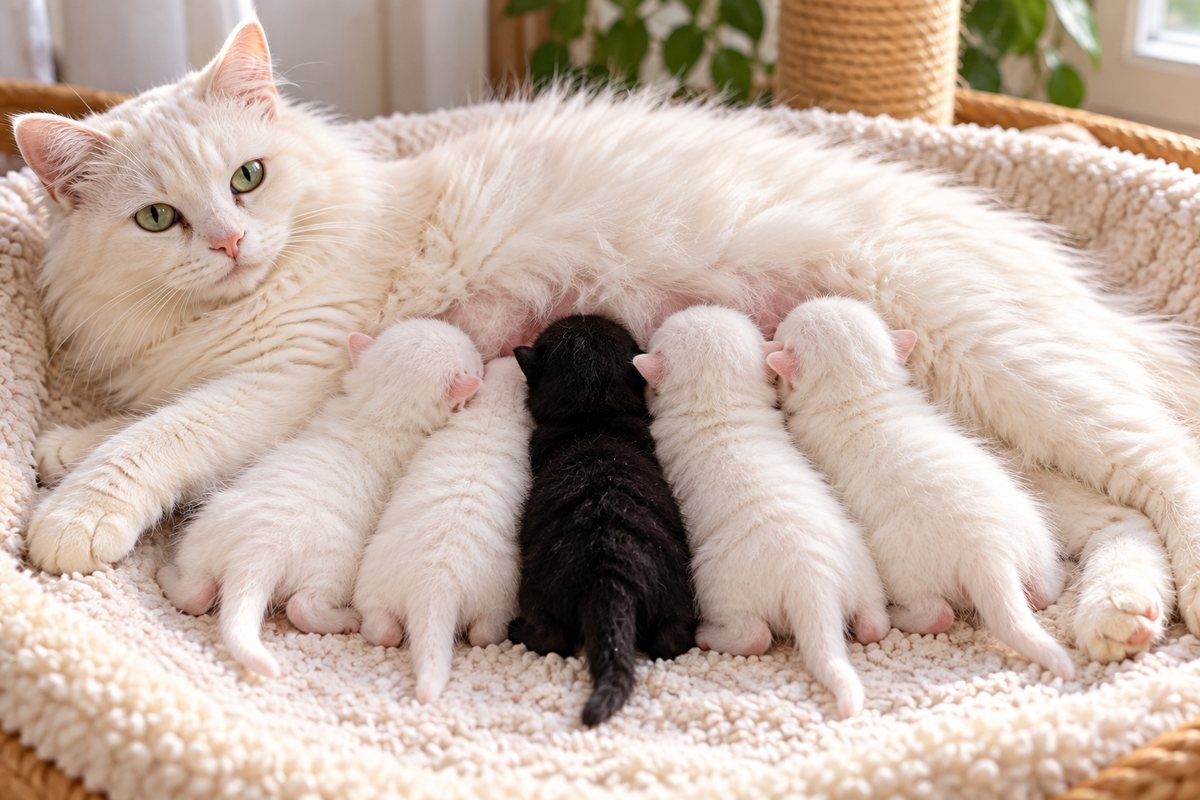
Compare breeds by screening & breeder questions. The ordering follows the characteristic itself rather than the alphabet whenever a meaningful order exists.
Discuss Screening & breeder questions in the forum
| # | Breed | Screening & breeder questions |
|---|---|---|
| 1 | Ask about cardiac and patellar health Ask breeders about cardiac screening or HCM history, patellar luxation in their lines and any recurring skin problems. | |
| 2 | Ask about cardiac history and structural soundness Ask breeders about cardiac screening or heart-murmur history and about structural soundness in their lines. | |
| 3 | Ask about cardiac screening and genetic testing For a kitten, ask what cardiac evaluation and genetic testing the breeding cats have received, particularly for PK deficiency and PRA-related variants. | |
| 4 | Ask about cardiac screening/HCM history Ask whether breeding cats receive repeated echocardiographic screening for hypertrophic cardiomyopathy and whether PKD testing is relevant to the line. Also ask about hip disease and obesity in close relatives. | |
| 5 | Ask about cardiac screening/HCM history Ask for repeated echocardiographic HCM screening records for both parents and the family, and ask about hereditary myopathy, chronic skin disease and dental problems. A recent normal heart scan is more informative than appearance alone. | |
| 6 | Ask about CMS genetic test status Ask for evidence of cardiac screening for hypertrophic cardiomyopathy, DNA testing for hereditary myopathy where applicable, and information about patellar luxation and recurring skin disease in the family. | |
| 7 | Ask about dental, urinary, gastrointestinal and amyloidosis history Ask about health history in the breeder’s lines, including dental disease, urinary disease, inflammatory bowel disease and amyloidosis. | |
| 8 | Ask about HCM screening and BAER testing where relevant Ask breeders about cardiac screening, and for white cats ask whether hearing has been evaluated with a BAER test. | |
| 9 | Ask about HCM screening: DNA variant status plus cardiac screening practices · Ask for SMA DNA status of breeding cats Ask for hypertrophic cardiomyopathy screening by echocardiography as well as relevant HCM DNA results, plus hip evaluations and spinal muscular atrophy testing. Request actual reports for both parents rather than a verbal 'clear' statement. | |
| 10 | Ask about hypokalaemia DNA status · Ask whether Burmese head defect testing is relevant to the line and for parental results Ask which Burmese-population tests are appropriate to the line, including hypokalaemic polymyopathy and relevant craniofacial-defect testing, and ask about diabetes and other recurring disease in close relatives. | |
| 11 | Ask about parent ear status, mating policy and signs of stiffness/pain/lameness in lines Ask whether the kitten has the fold mutation and how the breeder monitors the resulting osteochondrodysplasia risk. Request veterinary assessment of joints and mobility; a normal-looking young kitten does not prove future soundness. | |
| 12 | Ask about PK-def testing and health history for urinary and neurological disease Ask what testing is used for pyruvate kinase deficiency and whether urinary disease or leukodystrophy has occurred in the breeding lines. | |
| 13 | Ask about PRA testing/eye health in the line Ask for DNA results for progressive retinal atrophy where relevant, and ask about amyloidosis and hypertrophic cardiomyopathy in close relatives. Request details of cardiac screening rather than relying on a general health guarantee. | |
| 14 | Ask about PRA testing/eye health in the line Ask about progressive retinal atrophy and amyloidosis in the family, what relevant DNA testing is used, and whether breeding cats receive cardiac screening for hypertrophic cardiomyopathy. | |
| 15 | Ask about PRA testing/eye health in the line Ask for relevant progressive retinal atrophy testing, family history of amyloidosis and documented cardiac screening for hypertrophic cardiomyopathy. Ask how results influence mating decisions. | |
| 16 | Ask about PRA testing/eye health in the line Ask about progressive retinal atrophy and amyloidosis in the family, what DNA testing is used, and whether breeding cats receive cardiac assessment. Also ask about asthma and longevity in close relatives. | |
| 17 | Ask about Ragdoll HCM DNA status and cardiac screening Ask for the parents' Ragdoll-associated HCM DNA results and, importantly, echocardiographic screening history, because a negative DNA result does not exclude all hypertrophic cardiomyopathy. Ask about kidney and bladder disease in relatives as well. | |
| 18 | Ask about tail length, spinal/neurologic problems, continence and affected kittens in the line Ask how the breeder evaluates spinal, pelvic and hind-limb development and whether relatives have had bowel or bladder dysfunction associated with taillessness. Request examination records for breeding cats and kittens. | |
| 19 | Ask about tail length, spinal/neurologic problems, continence and affected kittens in the line Ask specifically how the breeder screens for Manx syndrome: spinal and pelvic development, hind-limb function and bowel and bladder control. Ask the age at which kittens are assessed and whether affected relatives have occurred. | |
| 20 | Ask for documentation relevant to the breed’s recorded health concerns Ask how the breeder tracks hip, spine and tail function in relatives, whether heart disease has occurred in the line, and what veterinary examinations breeding cats receive before mating. | |
| 21 | Ask for documentation relevant to the breed’s recorded health concerns Ask whether breeding cats have normal, flexible ear cartilage without painful narrowing or chronic infection, what heart and kidney problems have occurred in the family, and request routine veterinary screening records. | |
| 22 | Ask for documentation relevant to the breed’s recorded health concerns Ask about hypertrophic cardiomyopathy and kidney disease in close relatives, what cardiac screening is performed on breeding cats, and whether any line has produced neurologic or hematologic disease. | |
| 23 | Ask for documentation relevant to the breed’s recorded health concerns Ask which Burmese- or Persian-family disorders are relevant to the breeder's lines, whether PKD or hypokalaemia testing is used where indicated, and request documented health results rather than general assurances. | |
| 24 | Ask for documentation relevant to the breed’s recorded health concerns Ask about patellar luxation, hip or mobility problems and heart disease in the family, and what physical and cardiac examinations breeding cats receive before being used. | |
| 25 | Ask for documentation relevant to the breed’s recorded health concerns Ask about hypertrophic cardiomyopathy and orthopedic problems in the line, how breeding cats are screened, and whether early-generation ancestry creates any special dietary, reproductive or veterinary considerations. | |
| 26 | Ask for documentation relevant to the breed’s recorded health concerns Ask whether the kitten carries the Scottish Fold mutation and, if so, how the breeder evaluates joint and bone health. Also ask about Persian-derived PKD, heart disease and the degree of facial shortening in the line. | |
| 27 | Ask for documentation relevant to the breed’s recorded health concerns Ask about heart, kidney and orthopedic disease in close relatives, what examinations breeding cats receive, and how the breeder manages genetic diversity in this relatively uncommon population. | |
| 28 | Ask for documentation relevant to the breed’s recorded health concerns Ask about heart, kidney and urinary disease in the family, whether breeding cats receive cardiac examinations, and how the breeder monitors genetic diversity in a relatively small breed population. | |
| 29 | Ask for documentation relevant to the breed’s recorded health concerns Ask about heart, kidney and orthopedic disease in close relatives, whether the bobtail trait has ever been associated with spinal or mobility problems in the line, and request health-screening documentation. | |
| 30 | Ask for documentation relevant to the breed’s recorded health concerns Ask how the breeder evaluates joints, spine and mobility in short-legged cats and ear health in curled-ear cats. Request information on orthopedic problems in relatives and the examinations used before breeding. | |
| 31 | Ask for documentation relevant to the breed’s recorded health concerns Ask about hypertrophic cardiomyopathy, hip or joint disease and spinal or tail abnormalities in relatives, and whether breeding cats receive cardiac and orthopedic assessment. | |
| 32 | Ask for documentation relevant to the breed’s recorded health concerns Ask about hypertrophic cardiomyopathy, kidney disease, patellar luxation and recurring skin problems in the family, and what veterinary or genetic screening the breeder uses for their particular lines. | |
| 33 | Ask for documentation relevant to the breed’s recorded health concerns Ask about skin disease, immune problems and heart disease in close relatives, how breeding cats' skin and coat health is evaluated, and how the breeder maintains genetic diversity in this young breed. | |
| 34 | Ask for documentation relevant to the breed’s recorded health concerns Ask about heart and kidney disease in close relatives, urinary problems and any recurring hereditary conditions in the line, and request details of veterinary screening and longevity records. | |
| 35 | Ask for documentation relevant to the breed’s recorded health concerns Ask specifically about hypertrophic cardiomyopathy, pyruvate kinase deficiency and progressive retinal atrophy in the line, what DNA or cardiac screening is performed, and request copies of relevant results. | |
| 36 | Ask for documentation relevant to the breed’s recorded health concerns Ask about hypertrophic cardiomyopathy, dental problems, skin disease and hereditary myopathy in relatives, and how breeding cats are screened for cardiac health and problems associated with sparse or absent coat. | |
| 37 | Ask for documentation relevant to the breed’s recorded health concerns Ask whether breeding cats are screened for polycystic kidney disease and hypertrophic cardiomyopathy where ancestry warrants it, and ask about hip, skin and coat problems in close relatives. | |
| 38 | Ask for documentation relevant to the breed’s recorded health concerns Because the breed is sparsely documented, ask for a detailed multigenerational health history, what veterinary examinations breeding cats receive, and how the breeder manages inbreeding and genetic diversity. | |
| 39 | Ask for documentation relevant to the breed’s recorded health concerns Ask about hypertrophic cardiomyopathy, progressive retinal atrophy, amyloidosis and kidney disease in the family, and what cardiac or genetic screening is used given the breed's Siamese ancestry. | |
| 40 | Ask for documentation relevant to the breed’s recorded health concerns Ask for cardiac, kidney, skin and coat health history across close relatives, what veterinary screening breeding cats receive, and how genetic diversity is managed in this rare population. | |
| 41 | Ask for documentation relevant to the breed’s recorded health concerns Ask about progressive retinal atrophy, amyloidosis and hypertrophic cardiomyopathy in the line, what DNA and cardiac screening is used, and request actual results for the breeding parents. | |
| 42 | Ask for documentation relevant to the breed’s recorded health concerns Ask about hypertrophic cardiomyopathy in the family and what cardiac screening breeding cats receive. For predominantly white cats, also ask whether hearing has been assessed when appropriate. | |
| 43 | Ask for GSD IV DNA status Ask for hypertrophic cardiomyopathy screening records and DNA results for glycogen storage disease type IV and pyruvate kinase deficiency. Also ask about hip dysplasia in parents and close relatives. | |
| 44 | Ask for HCM echocardiographic screening Ask whether breeding cats receive repeated HCM screening by echocardiography and request documentation of results. | |
| 45 | Ask for PK-def DNA status · Ask about PRA genetic/eye screening Ask for DNA results for pyruvate kinase deficiency and progressive retinal atrophy, and ask whether renal amyloidosis has occurred in the family. Request the actual laboratory results for both breeding parents. | |
| 46 | Ask for PK-def DNA status · Ask about PRA genetic/eye screening Ask for DNA results for pyruvate kinase deficiency and progressive retinal atrophy and whether renal amyloidosis has occurred in the family. Request actual results for the breeding parents and information on longevity in close relatives. | |
| 47 | Ask for PKD1 DNA status / renal screening history · Ask how extreme facial conformation is selected against and about breathing/eye/dental history Ask for PKD test results and cardiac screening history, and discuss the parents' facial conformation, breathing, tear drainage and dental alignment. Screening should address both inherited disease and brachycephalic welfare. | |
| 48 | Ask for PKD1 DNA status / renal screening history · Ask how extreme facial conformation is selected against and about breathing/eye/dental history Ask for PKD results and cardiac screening, plus information on breathing, eye drainage and dental alignment in both parents. Because Himalayan health combines Persian conformation with colorpoint ancestry, ask about both structural and inherited disease risks. | |
| 49 | Ask for PKD1 DNA status / renal screening history · Ask how extreme facial conformation is selected against and about breathing/eye/dental history Ask for PKD test results and cardiac screening records, and evaluate how freely the parents breathe, whether their eyes drain chronically and whether teeth align normally. Screening should address brachycephalic welfare as well as inherited disease. | |
| 50 | Ask for PRA-b DNA status · Ask for PK-def DNA status Ask for DNA results for Bengal progressive retinal atrophy and pyruvate kinase deficiency, plus documented hypertrophic cardiomyopathy screening. Ask about cardiac disease in relatives because DNA tests do not cover all HCM risk. | |
| 51 | Ask GM1 GM2 DNA status Ask whether breeding cats have been DNA tested for GM1 and GM2 gangliosidosis and how results are used in the breeding program. | |
| 52 | Ask what health problems are tracked in the lines and request actual test results Ask what illnesses and causes of early death have occurred across several generations, what routine veterinary examinations breeding cats receive, and how the breeder maintains genetic diversity in this natural Greek population. | |
| 53 | Ask what health problems are tracked in the lines and request actual test results Ask whether curled tails in the line remain fully flexible and pain-free, whether spinal or pelvic problems have occurred, and how the breeder monitors heart, kidney and general health in this small developing population. | |
| 54 | Ask what health problems are tracked in the lines and request actual test results Ask about hypertrophic cardiomyopathy and hip dysplasia in close relatives, whether breeding cats receive cardiac or orthopedic assessment, and request records rather than relying on the breed's generally robust reputation. | |
| 55 | Ask what health problems are tracked in the lines and request actual test results Ask about heart disease, skin problems and longevity in close relatives, what veterinary screening breeding cats receive, and how genetic diversity is managed given the breed's close historical relationship to American Shorthairs. | |
| 56 | Ask what health problems are tracked in the lines and request actual test results Ask about hip, joint and cardiac problems in relatives, how healthy growth and body condition are assessed in these large cats, and how the breeder preserves genetic diversity in the relatively rare population. | |
| 57 | Ask what health problems are tracked in the lines and request actual test results Ask for a multigenerational history of heart, kidney and orthopedic disease, what veterinary checks breeding cats receive, and how the breeder avoids narrowing genetic diversity in a natural landrace-derived population. | |
| 58 | Ask what health problems are tracked in the lines and request actual test results Ask which Burmese-family disorders occur in the line, whether hypokalaemic polymyopathy testing is appropriate, and whether Persian ancestry makes PKD screening relevant. Request actual results for tests used. | |
| 59 | Ask what health problems are tracked in the lines and request actual test results Ask about Burmese-family hypokalaemia and any Persian-derived kidney or cardiac disease in the line, which DNA or veterinary tests are used, and request the breeding parents' documented results. | |
| 60 | Ask what health problems are tracked in the lines and request actual test results Ask which health issues from Burmese and Abyssinian ancestry have appeared in the line, what DNA screening is used where relevant, and about weight, diabetes, kidney and cardiac history in close relatives. | |
| 61 | Ask what health problems are tracked in the lines and request actual test results Ask how the breeder evaluates joints, spine and gait in short-legged cats and skin, dental and cardiac health in hairless lines. Request evidence of HCM screening where Sphynx ancestry makes it relevant. | |
| 62 | Ask what health problems are tracked in the lines and request actual test results Ask for health and longevity information across several generations, what cardiac, kidney and orthopedic problems have occurred, and how the breeder maintains broad genetic diversity rather than selecting from a narrow founder group. | |
| 63 | Ask what health problems are tracked in the lines and request actual test results Ask for hypertrophic cardiomyopathy screening records and whether PKD testing is used where Persian ancestry warrants it. Also ask about hip disease, obesity and longevity in close relatives. | |
| 64 | Ask what health problems are tracked in the lines and request actual test results Ask for detailed family history of cardiac, kidney and orthopedic disease, what veterinary examinations breeding cats receive, and how genetic diversity is managed in any surviving or revived lines of this very rare breed. | |
| 65 | Ask what health problems are tracked in the lines and request actual test results Ask for verifiable pedigree and multigenerational health records, including cardiac and kidney disease, and how genetic diversity is managed. The breed's extreme rarity makes documentation especially important. | |
| 66 | Ask what health problems are tracked in the lines and request actual test results Ask for cardiac screening and Ragdoll-associated HCM DNA results where relevant to the ancestry, plus kidney and bladder disease history. Request actual parent results rather than assuming a newer breed designation removes inherited family risks. | |
| 67 | Ask what health problems are tracked in the lines and request actual test results Ask about progressive retinal atrophy and amyloidosis in the family, which DNA tests are appropriate to the line, and whether breeding cats receive cardiac screening for hypertrophic cardiomyopathy. | |
| 68 | Ask what health problems are tracked in the lines and request actual test results Ask what heart, kidney, orthopedic and infectious diseases have occurred in the family, what veterinary screening breeding cats receive, and how genetic diversity is preserved when selecting from the island-derived population. | |
| 69 | Ask what health problems are tracked in the lines and request actual test results Ask about skin, dental and heart problems in relatives, how breeding cats' cardiac health is evaluated, and whether any developmental problems track with the dominant hairless trait in the breeder's lines. | |
| 70 | Ask what health problems are tracked in the lines and request actual test results Ask for documented health and longevity across close relatives, what cardiac, kidney and orthopedic disease has occurred, and how the breeder maintains genetic diversity in this uncommon natural Chinese breed. | |
| 71 | Ask what health problems are tracked in the lines and request actual test results Ask how the breeder evaluates spine, joints and gait in short-legged cats, ear health in curled-ear lines, and skin and cardiac health from hairless ancestry. Request concrete veterinary and HCM-screening records. | |
| 72 | Ask what health problems are tracked in the lines and request actual test results Ask which Burmese-family DNA tests are appropriate to the population, including hypokalaemic polymyopathy, and ask about diabetes and cardiac disease in relatives. Request the actual laboratory results used for breeding decisions. | |
| 73 | Ask what health problems are tracked in the lines and request actual test results Ask for family history of heart, kidney, dental and orthopedic disease and longevity, and what routine examinations breeding cats receive. In a broad natural-type breed, line-specific history is more useful than generic breed assurances. | |
| 74 | Ask what health problems are tracked in the lines and request actual test results Ask about heart, kidney, skin and coat problems in close relatives, what veterinary screening breeding cats receive, and how the breeder manages genetic diversity in this uncommon Rex population. | |
| 75 | Ask what health problems are tracked in the lines and request actual test results Ask how the breeder monitors hip, knee, spine and tail function, whether curled ears have produced chronic ear problems, and what cardiac screening and family health records are available in this young breed. | |
| 76 | Ask what health problems are tracked in the lines and request actual test results Ask for multigenerational health and longevity records, including cardiac, kidney and orthopedic problems, and how the breeder manages inbreeding and genetic diversity in this rare population. | |
| 77 | Ask what health problems are tracked in the lines and request actual test results Ask whether kittens and breeding cats have had objective hearing assessment, ideally BAER testing where available, and ask about heart, kidney and eye disease in relatives. Do not accept eye color alone as proof of hearing status. | |
| 78 | Ask what health problems are tracked in the lines and request actual test results Ask whether bobtails in the line have normal spinal, pelvic and hind-limb function, what health problems recur in relatives, and what veterinary screening is used in this sparsely documented population. | |
| 79 | Ask what health problems are tracked in the lines and request actual test results Ask for detailed family health and longevity records, what cardiac, kidney and orthopedic problems have occurred, and how the breeder controls inbreeding and preserves diversity in this exceptionally rare Thai breed. | |
| 80 | Ask what health problems are tracked in the lines and request actual test results Ask how the breeder evaluates joints, spine and mobility in short-legged cats, whether curly-coated relatives have recurring skin problems, and what cardiac and general health screening is performed before breeding. | |
| 81 | Ask what health problems are tracked in the lines and request actual test results Ask whether bobtailed cats in the family have normal spine, pelvis and gait, and ask about heart and kidney disease and longevity. Request details of veterinary examinations used on breeding cats. | |
| 82 | Ask what health problems are tracked in the lines and request actual test results Ask how the breeder evaluates spine, joints and gait in short-legged cats and manages skin, dental and cardiac health from sparse-coated ancestry. Request HCM screening information where relevant to the lines used. | |
| 83 | Ask what health problems are tracked in the lines and request actual test results Ask for PKD and cardiac screening appropriate to Persian ancestry and how joints, spine and mobility are assessed in short-legged cats. Also evaluate breathing and eye health if the line has shortened facial conformation. | |
| 84 | Ask what health problems are tracked in the lines and request actual test results Ask specifically about lordosis, pectus excavatum, arthritis and other spinal or joint problems in relatives, and how breeding cats' gait and orthopedic soundness are evaluated over time rather than only as kittens. | |
| 85 | Ask what health problems are tracked in the lines and request actual test results Ask for hypertrophic cardiomyopathy screening records and cardiac history in close relatives, as for Siberian lines generally. Request actual echocardiography information rather than relying on the colorpoint variety's separate name. | |
| 86 | Ask what health problems are tracked in the lines and request actual test results Ask for verifiable ancestry and how the breeder avoids matings associated historically with homozygous Ojos Azules developmental defects. Request detailed reproductive, neonatal and structural health records because surviving lines are exceptionally rare. | |
| 87 | Ask what health problems are tracked in the lines and request actual test results For any modern claim of Oregon Rex ancestry, first ask for verifiable pedigree evidence. The historical breed is extinct, so there is no contemporary screening program; any revived line requires health assessment based on its actual founder breeds. | |
| 88 | Ask what health problems are tracked in the lines and request actual test results Ask about progressive retinal atrophy, amyloidosis and hypertrophic cardiomyopathy in the Oriental/Siamese ancestry, what DNA and cardiac screening is used, and request the breeding parents' actual results. | |
| 89 | Ask what health problems are tracked in the lines and request actual test results Ask about heart, hip, knee and spinal health in relatives, whether shortened tails remain functional and pain-free, and what veterinary screening breeding cats receive. Ask how polydactyl feet are assessed for functional structure where present. | |
| 90 | Ask what health problems are tracked in the lines and request actual test results Ask for detailed multigenerational health and longevity information, what infectious, cardiac and kidney disease has occurred, and how genetic diversity is protected when breeding from a small island-derived population. | |
| 91 | Ask what health problems are tracked in the lines and request actual test results Ask about hypertrophic cardiomyopathy and polycystic kidney disease in the family, what cardiac and genetic screening is used, and request actual results for breeding parents where Ragdoll or Persian-related ancestry makes them relevant. | |
| 92 | Ask what health problems are tracked in the lines and request actual test results Ask about heart and kidney disease, urinary problems, obesity and longevity in close relatives, and what routine veterinary screening breeding cats receive. Line-specific history matters more than the breed's generally healthy reputation. | |
| 93 | Ask what health problems are tracked in the lines and request actual test results Ask for multigenerational health and longevity records, what heart, kidney or reproductive problems have occurred, and how genetic diversity is maintained in this rare Thai domestic-type population. | |
| 94 | Ask what health problems are tracked in the lines and request actual test results Ask about hypertrophic cardiomyopathy and orthopedic problems in the family, what cardiac screening breeding cats receive, and whether generation from serval ancestry creates any reproductive, anesthetic or management issues relevant to the specific cat. | |
| 95 | Ask what health problems are tracked in the lines and request actual test results Ask whether the kitten has been genetically confirmed not to carry the fold-ear mutation when folded-ear ancestry is present, and ask about HCM, PKD, joint disease and longevity in the family. | |
| 96 | Ask what health problems are tracked in the lines and request actual test results Ask about heart and orthopedic disease in relatives, what cardiac and structural examinations breeding cats receive, and how genetic diversity is managed in this relatively young, uncommon breed. | |
| 97 | Ask what health problems are tracked in the lines and request actual test results Ask for repeated hypertrophic cardiomyopathy screening information, including echocardiography and family cardiac history. Request records for both parents because a healthy appearance does not rule out inherited HCM risk. | |
| 98 | Ask what health problems are tracked in the lines and request actual test results Ask for multigenerational health and longevity records, what cardiac, kidney or immune problems have occurred, and how the breeder maintains genetic diversity in this rare natural-breed population. | |
| 99 | Ask what health problems are tracked in the lines and request actual test results Ask which Oriental-family health concerns occur in the line, including progressive retinal atrophy, amyloidosis and hypertrophic cardiomyopathy, what relevant tests are used, and request actual results. | |
| 100 | Ask what health problems are tracked in the lines and request actual test results Ask for detailed health and longevity records across relatives, what cardiac, kidney and reproductive problems have occurred, and how the breeder manages genetic diversity in this exceptionally rare Thai breed. | |
| 101 | Ask what health problems are tracked in the lines and request actual test results Ask about progressive retinal atrophy, amyloidosis and hypertrophic cardiomyopathy in the Thai/Siamese family lines, what DNA and cardiac screening is used, and request actual parent results. | |
| 102 | Ask what health problems are tracked in the lines and request actual test results Ask how the breeder distinguishes healthy inherited small stature from developmental weakness, and request cardiac, orthopedic, reproductive and longevity history across relatives. Genetic diversity is also important in this rare breed. | |
| 103 | Ask what health problems are tracked in the lines and request actual test results Ask what health and structural problems have appeared in the developing population, how breeding cats are assessed for functional conformation, and how founders are selected to preserve genetic diversity and avoid rapidly fixing disease. | |
| 104 | Ask what health problems are tracked in the lines and request actual test results Ask whether white breeding cats and kittens receive objective hearing assessment, preferably BAER testing where available, and ask about hypertrophic cardiomyopathy and other disease in Turkish Angora-type family lines. | |
| 105 | Ask what health problems are tracked in the lines and request actual test results Ask how joint and bone health is assessed in folded-ear cats, what skin and dental problems occur in hairless relatives, and whether breeding cats receive cardiac screening. Request records rather than assuming rarity means low disease risk. | |
| 106 | Ask what health problems are tracked in the lines and request actual test results Ask for verifiable pedigree and detailed family health history, including heart, kidney and orthopedic disease, and how genetic diversity is maintained. The breed's rarity makes transparent records particularly important. |



































































































Breed comparisons describe tendencies, not guarantees about an individual cat. Approximate entries are kept separate from the canonical research record and can be refined as better evidence arrives.
Discuss Screening & breeder questions in the forum
Help strengthen lower-data entries
For the breeds below, this characteristic currently relies on limited, conflicting or general baseline evidence. First-hand owner observations can help us decide what deserves further research. Contributions are reviewed separately and never overwrite the researched record automatically.
 English