
Shedding in Cat Breeds
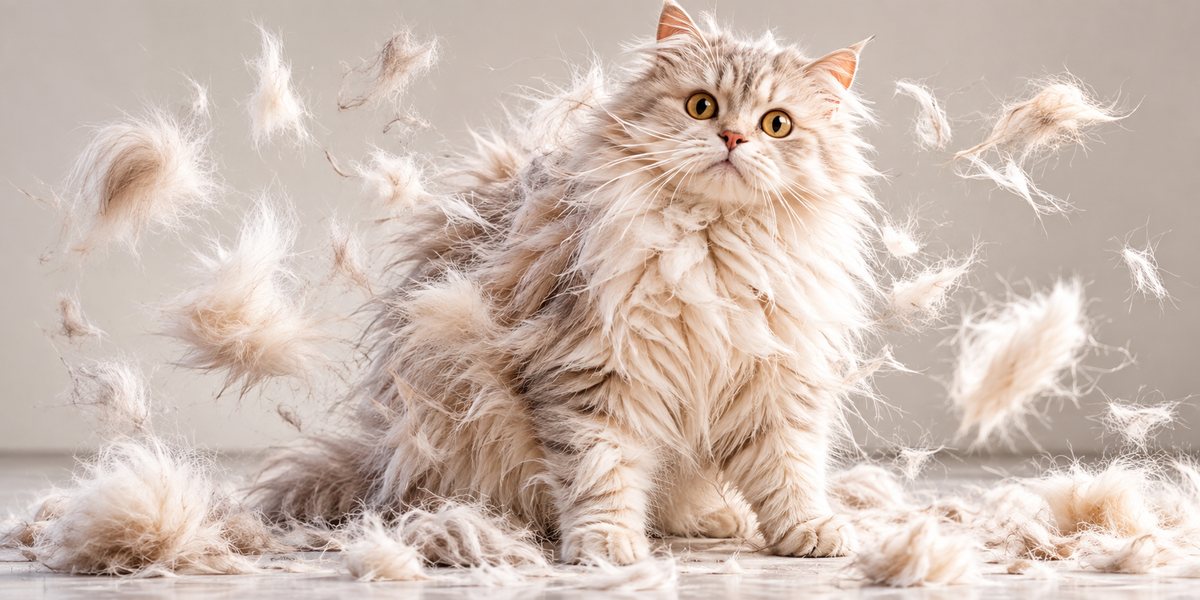
Compare breeds by shedding. The ordering follows the characteristic itself rather than the alphabet whenever a meaningful order exists.
| # | Breed | Shedding |
|---|---|---|
| 1 | Low to moderate Low to moderate shedding; its short, relatively sparse hot-climate coat does not produce a heavy undercoat shed. | |
| 2 | Moderate Moderate shedding; the silky semi-long coat lacks the very heavy woolly undercoat of some longhaired breeds. | |
| 3 | Moderate Moderate shedding; coat length varies, with longhaired Highlanders leaving more visible loose hair. | |
| 4 | High High shedding from the very long, dense Persian-type coat, with additional seasonal coat release. | |
| 5 | High seasonal High seasonal shedding, especially in spring, from the dense triple-layered Siberian-type coat. | |
| 6 | High seasonal High seasonal shedding, particularly when the heavy winter undercoat is released in spring. | |
| 7 | Low to moderate Low shedding in shorthair Oriental Bicolors; longhaired forms shed more visibly but still lack a very heavy undercoat. | |
| 8 | High High shedding from the exceptionally long, dense coat; loose hair is a year-round grooming issue with seasonal peaks. | |
| 9 | Low to moderate Low to moderate shedding is expected from the short tropical-island coat, without a heavy cold-climate undercoat. | |
| 10 | High seasonal High seasonal shedding, especially during spring release of the dense winter undercoat. | |
| 11 | Moderate to high seasonal Moderate to high shedding, especially in longer-coated cats and during seasonal coat turnover. | |
| 12 | High seasonal Moderate to high shedding, becoming heavy during seasonal release of the dense plush undercoat. | |
| 13 | Moderate to high seasonal Moderate to high shedding; the exceptionally dense plush coat sheds substantially during seasonal changes. | |
| 14 | Moderate to high seasonal Moderate shedding most of the year and heavier seasonal shedding from the woolly, water-resistant double coat. | |
| 15 | Moderate to high seasonal Moderate to high shedding from the dense double coat, with a stronger seasonal shed in longhaired Cymrics. | |
| 16 | Moderate to high Moderate to high shedding despite the short length because the coat is exceptionally dense and plush. | |
| 17 | Moderate to high seasonal Moderate to high shedding with a substantial spring shed from the long, weather-resistant coat and undercoat. | |
| 18 | Moderate to high seasonal Moderate to high seasonal shedding from the dense double coat, even in shorthaired Manx. | |
| 19 | Moderate to high Moderate to high shedding, especially in longhaired Minuets, reflecting the dense Persian-derived coat. | |
| 20 | Moderate to high seasonal Moderate to high seasonal shedding from the dense double coat, with longhaired cats leaving more visible hair. | |
| 21 | Moderate seasonal Moderate shedding, with a clearer spring and autumn increase from its adaptable Mediterranean coat. | |
| 22 | Moderate seasonal Moderate year-round shedding that becomes heavier when the shaggy double coat changes seasonally. | |
| 23 | Low to moderate Low to moderate shedding; the silky coat has relatively little undercoat, including in longhaired Curls. | |
| 24 | Moderate Moderate shedding from the short-to-medium coat; longer-coated individuals leave more visible hair. | |
| 25 | Moderate seasonal Moderate shedding with a noticeable seasonal rise as the dense protective coat turns over. | |
| 26 | Moderate seasonal Moderate shedding; the crimped, dense coat can release more hair during seasonal coat changes. | |
| 27 | Low to moderate Low to moderate shedding from the close, fine shorthair coat, broadly similar to Burmese-type coats. | |
| 28 | Low to moderate Low to moderate shedding from a short, resilient coat that is generally easy to keep under control. | |
| 29 | Low to moderate Low to moderate shedding; the fine single-like semi-long coat sheds less heavily than many plush longhairs. | |
| 30 | Moderate seasonal Moderate shedding with seasonal peaks; the silky semi-long coat has less mat-prone undercoat than many longhairs. | |
| 31 | Low to moderate Low to moderate shedding from the short, close coat, with some seasonal increase. | |
| 32 | Low to moderate Low to moderate shedding; the short coat is denser than Burmese but remains comparatively easy to manage. | |
| 33 | Low to moderate Low to moderate shedding from the short spotted coat, with modest seasonal variation. | |
| 34 | Moderate Moderate shedding; the silky semi-long coat is not as densely undercoated as many longhaired breeds. | |
| 35 | Low to moderate Low to moderate shedding from the short coat, generally increasing somewhat with seasonal change. | |
| 36 | Moderate seasonal Moderate shedding with seasonal increases; the plush semi-long coat releases more hair when the seasonal coat changes. | |
| 37 | Moderate seasonal Moderate shedding with seasonal variation; coat length and density vary within the native population. | |
| 38 | Moderate seasonal Moderate shedding with seasonal peaks from the short, dense, weather-adapted coat. | |
| 39 | Low to moderate Low to moderate shedding; the short coat can become somewhat denser and shed more seasonally. | |
| 40 | Moderate seasonal Moderate shedding, often increasing in spring and autumn as the practical double coat turns over. | |
| 41 | Moderate Moderate shedding overall; longhaired Foldex cats shed more visibly and both coat types can show seasonal increases. | |
| 42 | Moderate seasonal Moderate shedding with seasonal peaks from the full, weather-resistant long coat. | |
| 43 | Low to moderate seasonal Usually low to moderate shedding, with a more noticeable seasonal shed despite the relatively low-undercoat silky coat. | |
| 44 | Low to moderate Low to moderate shedding from the short, close coat; seasonal change is generally modest. | |
| 45 | Low to moderate Low to moderate shedding in shorthairs; longhaired Kinkalows shed more visibly and may show stronger seasonal turnover. | |
| 46 | Moderate seasonal Moderate seasonal shedding is the best estimate for this naturally adapted bobtail population, with coat density varying by line. | |
| 47 | Moderate seasonal Moderate shedding with seasonal peaks from the weather-resistant double coat; longhairs shed more visibly. | |
| 48 | Low to moderate Low to moderate shedding; the Rex-influenced curly coat may reduce loose hair, while coat density varies among individuals. | |
| 49 | Low to moderate Low to moderate shedding; loose curls often retain shed hairs until combed, and seasonal coat changes can be conspicuous. | |
| 50 | Moderate Moderate shedding overall; longhaired Munchkins shed more visibly and seasonal changes depend on coat type. | |
| 51 | Moderate seasonal Moderate shedding with a stronger seasonal release from the fine but dense semi-long double coat. | |
| 52 | Low to moderate Low to moderate shedding is the best estimate; historical Ojos Azules included short and long coats, so individuals varied. | |
| 53 | Low to moderate Low to moderate shedding; the fine semi-long coat generally lacks the dense woolly undercoat of heavier longhairs. | |
| 54 | Moderate Moderate shedding from the plush semi-long coat; seasonal increases occur but the texture is less woolly than some longhairs. | |
| 55 | Low to moderate seasonal Low to moderate shedding for a semi-longhair, with a more noticeable seasonal increase as the coat changes. | |
| 56 | Moderate seasonal Moderate shedding with seasonal peaks from the dense plush double coat typical of Russian Blue-type cats. | |
| 57 | Low to moderate Low to moderate shedding from the short coat, with modest seasonal increase in many cats. | |
| 58 | Moderate Moderate shedding; dense shorthair coats shed steadily, while longhair variants produce more visible loose hair. | |
| 59 | Moderate seasonal Moderate year-round shedding with heavier spring and autumn coat turnover; longhair variants shed more visibly. | |
| 60 | Moderate Moderate shedding; the dense curly coat can hold loose hairs in the curls rather than dropping them immediately. | |
| 61 | Low to moderate Low to moderate shedding from the short, close coat. | |
| 62 | Moderate seasonal Moderate shedding with seasonal increases from the fine semi-long double coat. | |
| 63 | Low to moderate Low to moderate shedding is expected from the soft curly coat; loose hairs may remain caught among the waves. | |
| 64 | Low to moderate Low to moderate shedding; both short and semi-long coats occur, with longer coats producing more visible loose hair. | |
| 65 | Low to moderate Low to moderate shedding from the short, dense coat, with brief seasonal increases. | |
| 66 | Moderate seasonal Moderate seasonal shedding is the best estimate for this Carpathian landrace-type cat with a practical weather-adapted coat. | |
| 67 | Low to moderate seasonal Low to moderate shedding for a longhair because the silky coat has little undercoat, though spring shedding can be obvious. | |
| 68 | Moderate seasonal Moderate seasonal shedding; the cashmere-like coat becomes fuller in winter and sheds back substantially in spring. | |
| 69 | Moderate seasonal Moderate seasonal shedding, paralleling the Turkish Van-type semi-long coat with a marked winter-to-summer change. | |
| 70 | Moderate Moderate shedding from the silky semi-long coat; the relatively light undercoat keeps it below the heaviest longhair shedders. | |
| 71 | Low Low shedding; the close, fine coat has little loose hair compared with dense double-coated breeds. | |
| 72 | Low Low shedding for a normally coated cat; the short, sleek pelt usually releases relatively little loose hair. | |
| 73 | Low Low shedding; the very short, satin-like coat lies close to the body and usually releases little visible hair. | |
| 74 | Low Low shedding; the fine, close coat has very little undercoat and usually leaves relatively little loose hair. | |
| 75 | Low Low shedding; the fine, close Siamese-type coat has little undercoat. | |
| 76 | Very low Very low visible shedding because the coat consists mainly of fine curled down hair, though individual coat density varies. | |
| 77 | Very low to low Very low to low shedding; the sparse, fragile wavy coat releases much less hair than a conventional double coat. | |
| 78 | Low Low shedding from the fine, close Burmese-type coat with little undercoat. | |
| 79 | Low Low shedding; the short curly coat generally releases less visible hair than ordinary shorthair coats. | |
| 80 | Low Low shedding from the short, smooth, close-lying coat. | |
| 81 | Low Low shedding from the short, close, relatively sparse coat. | |
| 82 | Low Low shedding; the short single coat lies close and has little undercoat. | |
| 83 | Low Low shedding is expected from the very short, close Thai-type coat. | |
| 84 | Low but variable Low overall hair volume, but shedding can be episodic and conspicuous because Lykoi may molt much of their sparse coat. | |
| 85 | Low Low shedding from the short, close, low-undercoat colorpoint coat. | |
| 86 | Low Low shedding from the sleek, close, short coat. | |
| 87 | Low Low shedding is likely from the historical short, curly Rex coat, although surviving documentation is limited. | |
| 88 | Low Low shedding from the very short, fine, close-lying coat. | |
| 89 | Minimal to low Minimal shedding in bald and flock coats; brush-coated Peterbalds can shed more noticeable fine hair. | |
| 90 | Low Low shedding is expected from the short, close Thai landrace-type coat. | |
| 91 | Low Low shedding is expected from this small North African shorthair type, whose coat is fine and close. | |
| 92 | Low Low shedding from the very short, fine coat with little undercoat. | |
| 93 | Low Low shedding from the very short, fine, close coat. | |
| 94 | Low Low shedding from the short, smooth Siamese-derived coat. | |
| 95 | Low Low shedding from the very short, close coat with little undercoat. | |
| 96 | Low Low shedding is expected from the close, fine Oriental-derived shorthair coat. | |
| 97 | Low Low shedding is expected from the short, close Thai coat. | |
| 98 | Low Low shedding from the short, close traditional Siamese-type coat. | |
| 99 | Low Low shedding from the short, close Thai-type coat with little undercoat. | |
| 100 | Low Low shedding from the fine, short, close coat. | |
| 101 | Minimal Minimal hair shedding because most Bambinos are hairless or carry only sparse down; skin debris replaces much conventional coat shedding. | |
| 102 | Minimal Minimal conventional shedding in hairless individuals; coated variants can shed fine hair as their coat changes. | |
| 103 | Minimal Minimal hair shedding because the breed is typically hairless or sparsely coated; skin oils and flakes are the greater housekeeping issue. | |
| 104 | Minimal Minimal conventional shedding because the coat is sparse and often restricted to points; skin debris may be more noticeable than hair. | |
| 105 | Minimal Essentially no conventional hair shedding, although fine peach-fuzz hairs, skin oils and flakes may still transfer to fabrics. | |
| 106 | Minimal Minimal conventional shedding because the coat is absent or extremely sparse; skin care replaces most coat-shedding management. |








































































































Breed comparisons describe tendencies, not guarantees about an individual cat. Approximate entries are kept separate from the canonical research record and can be refined as better evidence arrives.
 English