
Living around small pets in Cat Breeds
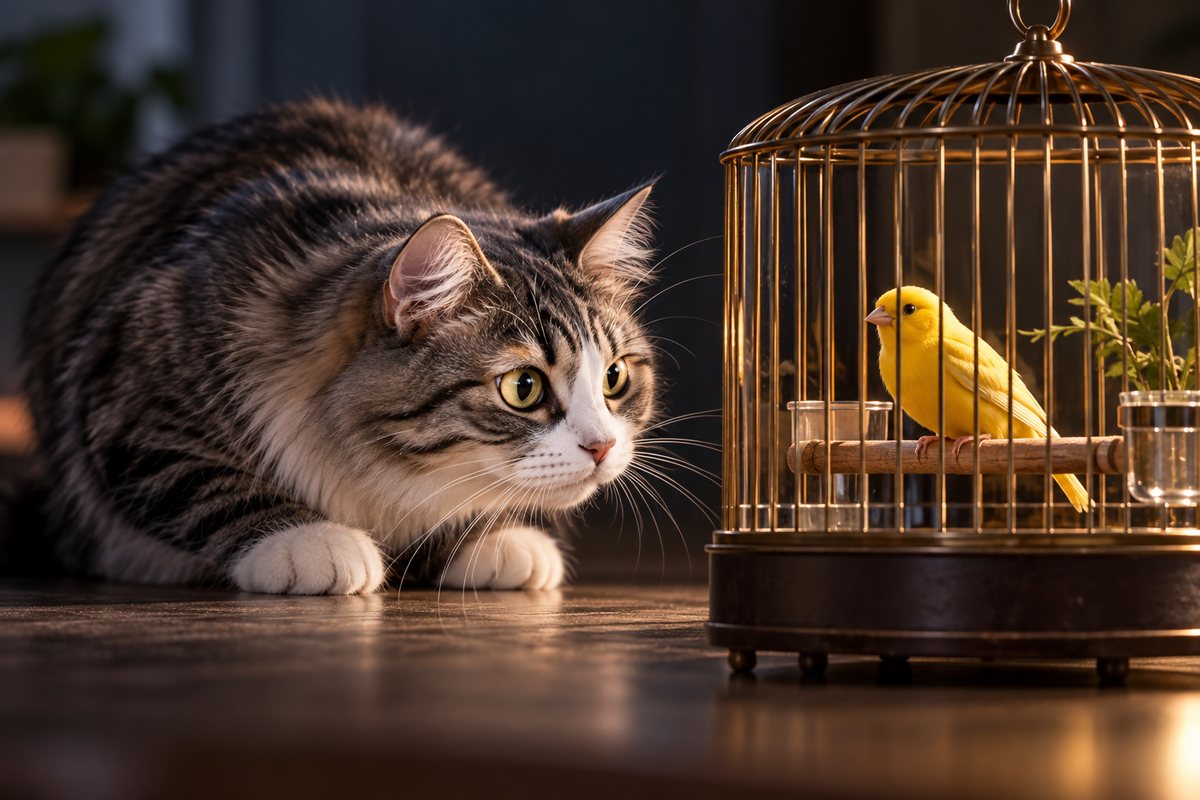
Compare breeds by living around small pets. The ordering follows the characteristic itself rather than the alphabet whenever a meaningful order exists.
Discuss Living around small pets in the forum
| # | Breed | Living around small pets |
|---|---|---|
| 1 | Additional caution Abyssinians are intensely active, curious and quick to pursue moving objects. Their athletic stalking, chasing and pouncing make birds, rodents and other small pets high-risk companions unless securely separated. | |
| 2 | Additional caution Aegeans developed as capable island cats with a strong history of outdoor foraging and hunting. Birds, rodents and similarly small pets should therefore be kept securely separated; sociability with people does not reduce predatory risk. | |
| 3 | Additional caution American Bobtails are playful, athletic cats with strong interest in interactive hunting-style games. Their confident chasing and pouncing justify extra caution around birds, rodents and similarly vulnerable pets. | |
| 4 | Additional caution American Shorthairs descend from practical working cats valued historically for rodent control. Their mousing heritage and robust hunting behavior warrant extra caution around pet rodents, birds and other small animals. | |
| 5 | Additional caution Aphrodite Giants descend from a robust Cyprus landrace shaped in an outdoor environment. Their size, athleticism and natural-cat background justify extra caution around birds, rodents and other small pets, with secure separation as the default. | |
| 6 | Additional caution Arabian Maus are athletic landrace cats shaped by outdoor survival and opportunistic hunting. Their speed, persistence and prey response make direct access to birds, rodents or other small pets inappropriate even when the cat is otherwise gentle. | |
| 7 | Additional caution Balinese are agile, intelligent and highly playful cats with strong responses to movement. Their energetic chasing and pouncing make direct access to birds, rodents and other small pets unsafe despite their affectionate social temperament. | |
| 8 | Additional caution Strong chasing/prey-oriented play makes small-animal access a meaningful management concern. | |
| 9 | Additional caution Bombays are muscular, playful and curious cats with Burmese ancestry and strong interest in interactive movement. Their confident pouncing and chasing can endanger small pets, so secure separation is safer than relying on social gentleness. | |
| 10 | Additional caution Brazilian Shorthairs retain an athletic, natural domestic-cat profile and can be active hunters. Their curiosity and chase behavior justify extra caution around birds, rodents and other small pets, which should remain securely separated. | |
| 11 | Additional caution Burmese are highly playful, curious and persistent cats. Even though they are strongly people-oriented, their energetic chasing and pouncing can be dangerous to small pets, so birds and rodents should not share unrestricted space. | |
| 12 | Additional caution California Spangled cats were developed for an athletic, active companion profile and can show vigorous stalking and pouncing play. That physicality warrants extra caution around birds, rodents and other small pets despite their domestic ancestry. | |
| 13 | Additional caution Chartreux have a historical reputation as capable mousers beneath their calm household manner. That combination means apparent placidity should not be treated as small-pet safety; rodents and birds should remain securely separated. | |
| 14 | Additional caution Powerful pounce/hunting behavior warrants additional caution around small animals. | |
| 15 | Additional caution Colorpoint Shorthairs are active, intelligent and highly responsive to play, with the quick chase-and-pounce style of Siamese-related cats. Birds, rodents and other small pets therefore require secure separation. | |
| 16 | Additional caution Cornish Rex cats are extremely agile, playful and persistent with moving targets. Their speed and high play drive can readily become predatory pursuit, so vulnerable small pets should never rely on supervised friendliness alone. | |
| 17 | Additional caution Cyprus cats come from an athletic island population with a long natural-cat history. Hunting ability and environmental alertness make extra caution appropriate around small animals; secure physical separation is safer than testing individual restraint. | |
| 18 | Additional caution Devon Rex cats are energetic, acrobatic and intensely playful. Their curiosity and rapid pouncing responses make birds, rodents and similar pets vulnerable, warranting secure physical separation. | |
| 19 | Additional caution Dragon Li cats have a natural, athletic domestic-cat profile with strong environmental awareness. Their likely hunting competence makes birds, rodents and similar pets vulnerable, so direct access should be prevented. | |
| 20 | Additional caution Egyptian Maus are exceptionally athletic, fast and strongly engaged by moving targets. Their stalking and chase behavior makes birds, rodents and other small pets particularly inappropriate for unrestricted contact. | |
| 21 | Additional caution European Burmese are playful, persistent and highly curious cats. Their social nature does not diminish energetic chase-and-pounce behavior, so birds, rodents and other small animals should remain securely separated. | |
| 22 | Additional caution European Shorthairs retain the versatile hunting behavior of traditional working domestic cats. Many are capable mousers, so rodents, birds and similarly small pets should be considered prey-risk animals and kept securely separated. | |
| 23 | Additional caution German Rex cats are lively, curious and playful, traits that readily support chasing and pouncing. Small pets should therefore be securely separated even though the breed is typically affectionate with people. | |
| 24 | Additional caution Havana Browns are inquisitive, interactive cats that readily investigate and paw at moving objects. Their active play style supports extra caution around small pets, especially birds and rodents that can trigger pursuit. | |
| 25 | Additional caution Highlanders are athletic, energetic cats with vigorous play and strong interest in movement. Those traits can translate into persistent chasing, so birds, rodents and other small animals require particularly secure separation. | |
| 26 | Additional caution Japanese Bobtails are active, agile and playful cats with a long domestic history that includes practical hunting ability. Small pets can trigger chasing and pouncing, so secure separation is preferable to testing individual tolerance. | |
| 27 | Additional caution Kanaani cats have an athletic, natural-type profile and substantial interest in exploration and movement. Their likely hunting competence warrants extra caution around birds, rodents and other small pets; physical separation is the safest policy. | |
| 28 | Additional caution Khao Manees are lively, curious and athletic cats that engage strongly with movement and play. Those traits can translate into predatory pursuit, making secure separation important around birds, rodents and other small pets. | |
| 29 | Additional caution Korats are muscular, alert and intensely playful cats with quick reactions to movement. Even a strongly bonded household cat can switch into chase behavior around small animals, so secure separation is prudent. | |
| 30 | Additional caution Behavioral documentation for Korean Bobtails is limited, but their natural domestic-cat background gives no basis for assuming reduced hunting behavior. A precautionary assessment is appropriate: small animals should remain securely separated. | |
| 31 | Additional caution Kurilian Bobtails are powerful, athletic natural-breed cats with a reputation for strong hunting ability. Birds, rodents and other small pets should be considered at elevated predation risk and kept securely separated. | |
| 32 | Additional caution Lykois have a pronounced stalking, chasing and pouncing style and can show strong prey-oriented play. Birds, rodents and other small pets should therefore be treated as high-risk around them and kept securely separated. | |
| 33 | Additional caution Maine Coons descend from robust working cats and retain capable mousing behavior despite their famously sociable temperament. Their size and hunting competence make direct access to rodents, birds and other small pets especially risky. | |
| 34 | Additional caution Manx cats have a long working-cat history and are often capable, enthusiastic hunters. Their sturdy build and prey interest justify extra caution around pet rodents, birds and other vulnerable small animals. | |
| 35 | Additional caution Mekong Bobtails are active, playful and alert cats with strong interest in interactive movement. Their energetic chase behavior makes extra caution appropriate around birds, rodents and other small pets. | |
| 36 | Additional caution Munchkins retain active hunting and pouncing behavior despite their short legs, and many enthusiastically pursue small moving objects. Reduced stature should not be mistaken for reduced predatory motivation; vulnerable pets require secure separation. | |
| 37 | Additional caution Neva Masquerades share the Siberian's athletic build, agility and hunting-oriented natural-breed background. Small pets can readily trigger pursuit, so birds and rodents should remain securely separated. | |
| 38 | Additional caution Norwegian Forest Cats are large, athletic natural-breed cats with strong climbing and hunting ability. Their calm social demeanor does not make small animals safe; secure separation from birds and rodents is appropriate. | |
| 39 | Additional caution Ocicats are highly athletic, curious and responsive to interactive play. Their confidence and vigorous chase-and-pounce behavior make birds, rodents and other small pets poor candidates for direct contact. | |
| 40 | Additional caution Oriental Bicolors are active, intelligent and highly playful cats. Their strong engagement with moving stimuli can translate into chasing and pouncing, making secure separation prudent around birds, rodents and other small pets. | |
| 41 | Additional caution Oriental Longhairs are active, intelligent and strongly play-motivated. Their quick pursuit of moving stimuli warrants extra caution around birds, rodents and other small animals despite their highly social temperament. | |
| 42 | Additional caution Oriental Shorthairs are energetic, agile and intensely curious, often pursuing moving toys with persistence. That chase-and-pounce style makes vulnerable small pets unsafe without secure separation. | |
| 43 | Additional caution Pixie-bobs are robust, athletic cats with strong exploratory and play behavior. Their size and physical capability make predatory interactions with rodents, birds and other small pets potentially serious, so secure separation is warranted. | |
| 44 | Additional caution The Raas is an island landrace with a natural rather than heavily companion-selected background. That ecology supports a precautionary expectation of competent hunting, so birds, rodents and other small pets should be securely separated. | |
| 45 | Additional caution Strong chasing behavior and serval-derived predatory motor patterns justify additional caution around small animals. | |
| 46 | Additional caution Serengetis are athletic, high-energy cats developed for a long-legged, wild-looking form. Their speed and strong chase-oriented play make access to birds, rodents and other small pets a meaningful management risk. | |
| 47 | Additional caution Siamese cats are active, intelligent and persistent, with strong interest in moving stimuli and interactive hunting games. Their energetic chase-and-pounce behavior warrants extra caution around birds, rodents and other small pets. | |
| 48 | Additional caution Siberians are powerful, agile natural-breed cats with substantial climbing and hunting ability. Their friendly social temperament does not reduce the physical risk they pose to birds, rodents and other small animals. | |
| 49 | Additional caution Singapuras are small but extremely curious, active and quick. Their size does not prevent effective stalking and pouncing, so pet birds, rodents and similarly vulnerable animals still require secure separation. | |
| 50 | Additional caution Snowshoes are active, intelligent Siamese-derived cats with a playful chase-and-pounce style. Small animals can trigger that response, making secure separation prudent around birds and rodents. | |
| 51 | Additional caution Sokokes are athletic, alert natural-breed cats with strong exploration and movement responses. Their physical ability and environmental focus justify extra caution around birds, rodents and other small pets. | |
| 52 | Additional caution Somalis are exceptionally active, agile and exploratory cats that readily pursue moving targets. Their high play and chase drive creates meaningful predation risk for birds, rodents and other small pets. | |
| 53 | Additional caution Suffolks derive from active Oriental-type cats and are expected to be playful, curious and strongly responsive to movement. That profile supports extra caution around birds, rodents and other small animals despite their social companion temperament. | |
| 54 | Additional caution Thai cats are active, intelligent and highly playful, with quick pursuit of moving toys and objects. That energetic Siamese-type profile supports extra caution around birds, rodents and other small pets. | |
| 55 | Additional caution These Thai color varieties share the active, playful temperament of the Thai breed. Quick responses to moving toys and energetic play justify extra caution around birds, rodents and other small pets. | |
| 56 | Additional caution Tonkinese are energetic, curious and highly playful, combining the active traits of Burmese and Siamese ancestry. Their chase-and-pounce behavior can endanger small pets, so secure separation is appropriate. | |
| 57 | Additional caution Toygers are athletic, active cats selected for a powerful, tiger-like appearance while retaining domestic temperament. Their energetic stalking and pouncing play makes extra caution appropriate around vulnerable small pets. | |
| 58 | Additional caution Turkish Angoras are agile, intelligent and highly active cats with strong interest in movement and exploration. Their athletic pursuit ability warrants extra caution around birds, rodents and other small animals. | |
| 59 | Additional caution Turkish Vans are large, powerful and highly active cats with strong climbing, chasing and exploratory behavior. Their physical ability makes direct access to birds, rodents and other small pets particularly risky. | |
| 60 | Additional caution Turkish Vankedisi cats share the athletic, alert profile of Turkish Angora-type populations. Their agility and likely hunting competence justify extra caution and secure separation around birds, rodents and other small pets. | |
| 61 | Normal predatory caution American Curls are playful and curious but are not especially defined by unusually strong prey drive. Normal feline hunting risk remains enough that birds, rodents and other small pets should be securely separated. | |
| 62 | Normal predatory caution American Ringtails are not especially defined by hunting intensity, but they remain cats with normal predatory behavior. Small mammals and birds should have secure cat-proof housing rather than relying on apparent friendliness. | |
| 63 | Normal predatory caution American Wirehairs are generally moderate, easygoing cats rather than unusually intense hunters, but their working-cat ancestry still supports ordinary stalking and mousing behavior. Birds and rodents should therefore remain securely separated. | |
| 64 | Normal predatory caution Asian cats are playful and curious but are not defined by an unusually strong hunting profile. Normal feline predatory caution still applies: birds, rodents and other vulnerable pets should be securely separated from unsupervised access. | |
| 65 | Normal predatory caution Tiffanies are generally companion-oriented and playful rather than notably prey-driven, but no cat breed can be assumed safe with small animals. Secure housing and separation remain the prudent default for birds and rodents. | |
| 66 | Normal predatory caution Australian Mists were developed primarily as indoor companion cats with a gentle, moderate temperament. That lowers concern relative to highly prey-driven breeds but does not remove normal feline hunting behavior, so vulnerable small pets still need secure protection. | |
| 67 | Normal predatory caution Bambinos may have short legs, but that does not remove feline stalking and pouncing behavior. Their mobility can differ from conventionally built cats, yet birds and rodents still require secure separation rather than assumed safety. | |
| 68 | Normal predatory caution Birmans are generally gentle, moderate companion cats and may be less hunting-focused than highly athletic breeds. That does not make prey-sized animals safe: birds, rodents and similar pets should still remain securely separated. | |
| 69 | Normal predatory caution British Longhairs are generally calm, less intensely active companions, which may reduce opportunities for pursuit but does not eliminate predatory behavior. Birds, rodents and other small pets should still be kept securely separated. | |
| 70 | Normal predatory caution British Shorthairs are typically calm and comparatively low-key, but they descend from capable domestic working cats and retain normal hunting behavior. Small pets should not be treated as safe companions merely because the cat is placid. | |
| 71 | Normal predatory caution Burmillas are playful and curious but generally moderate companion cats rather than a breed defined by exceptional hunting intensity. Normal feline predatory caution still requires secure separation from birds and rodents. | |
| 72 | Normal predatory caution Chantilly-Tiffany cats were generally described as moderate, affectionate companions rather than unusually intense hunters. Normal feline predatory risk still applies, so small pets should be protected by secure housing and separation. | |
| 73 | Normal predatory caution Cherubim are selected as gentle companion cats, but a calm temperament does not eliminate the feline prey sequence. Birds, rodents and other small pets should still be securely separated from direct unsupervised contact. | |
| 74 | Normal predatory caution Cymrics can be playful and capable hunters, although mobility varies in tailless cats with spinal involvement. Neither a calm temperament nor reduced mobility guarantees small-pet safety, so birds and rodents should remain securely separated. | |
| 75 | Normal predatory caution Donskoys are highly social and people-focused, but hairlessness does not remove normal feline hunting behavior. Small animals should still be protected by secure enclosures and separation, even if an individual cat appears gentle. | |
| 76 | Normal predatory caution Dwelfs are small and short-legged, but their ancestry still carries ordinary feline stalking and pouncing behavior. Physical conformation may limit some pursuits without making small pets safe; secure separation remains appropriate. | |
| 77 | Normal predatory caution Exotic Shorthairs are generally quiet, moderate-activity cats and are not defined by unusually strong prey drive. They nevertheless retain normal feline stalking and pouncing, making secure separation appropriate around small pets. | |
| 78 | Normal predatory caution Foldex cats are generally calm companions and may have mobility limitations in affected individuals, but neither temperament nor conformation guarantees small-pet safety. Normal feline predatory caution and secure separation remain appropriate. | |
| 79 | Normal predatory caution German Longhairs are generally balanced companion cats without a defining high-prey-drive reputation. They nevertheless retain normal feline hunting behavior, so birds and rodents should be protected from direct access. | |
| 80 | Normal predatory caution Himalayans are usually placid and less athletic than many breeds, but calm behavior does not abolish the feline prey response. Birds, rodents and other vulnerable pets should still be protected from direct unsupervised contact. | |
| 81 | Normal predatory caution Kinkalows are playful companion cats whose short legs may alter pursuit but do not remove predatory motivation. Birds, rodents and other small pets should still be housed securely and protected from unsupervised feline access. | |
| 82 | Normal predatory caution The Korn Ja is too sparsely documented to claim either unusually high or unusually low prey drive. Treat it as a normal cat around vulnerable small animals: secure housing and separation are safer than relying on individual calmness. | |
| 83 | Normal predatory caution Lambkins are generally gentle, short-legged companion cats, but physical stature does not eliminate stalking or pouncing. Small pets should remain securely separated, while mobility differences may affect how easily an individual cat can pursue them. | |
| 84 | Normal predatory caution LaPerms are curious and playful, but the breed is not distinguished by an exceptional prey-drive profile. They still retain ordinary feline stalking and pouncing, so vulnerable small pets require secure separation. | |
| 85 | Normal predatory caution Minskins are small and short-legged, which may limit some pursuit, but they still retain normal feline predatory behavior. Birds, rodents and other vulnerable pets should be protected by secure enclosures and separation. | |
| 86 | Normal predatory caution Minuets are generally gentle, short-legged companions, and their build may limit some pursuit. They still retain feline stalking and pouncing motivation, however, so small pets require secure enclosures rather than assumed safety. | |
| 87 | Normal predatory caution Nebelungs are often quiet and reserved, but a calm household style should not be mistaken for absence of hunting behavior. Normal feline caution applies around birds, rodents and other small pets, particularly when the cat has unsupervised access. | |
| 88 | Normal predatory caution There is too little reliable behavioral evidence for Ojos Azules to justify a special prey-drive rating. The safest assessment is ordinary feline predatory caution, with birds and rodents securely separated from the cat. | |
| 89 | Normal predatory caution The extinct Oregon Rex lacks enough behavioral documentation to support a distinctive hunting profile. Historical companion temperament does not establish small-pet safety, so normal feline predatory caution is the appropriate assessment. | |
| 90 | Normal predatory caution Persians are typically low-activity, placid cats and may show less sustained pursuit than highly athletic breeds. Even so, an individual can stalk or pounce on small animals, so secure separation remains the safe default. | |
| 91 | Normal predatory caution Peterbalds are active and curious but are primarily notable for their social, people-oriented temperament rather than exceptional hunting drive. Ordinary feline predatory risk still makes secure separation from birds and rodents necessary. | |
| 92 | Normal predatory caution RagaMuffins are selected for a gentle, relaxed companion temperament rather than intense hunting behavior. Gentleness toward people is not evidence of safety with prey-sized animals, so birds and rodents should remain securely separated. | |
| 93 | Normal predatory caution Ragdolls are famously relaxed and people-oriented, but their docile social temperament does not switch off feline predation. Small mammals and birds should still have secure cat-proof housing and no unsupervised direct contact. | |
| 94 | Normal predatory caution Russian-type cats are often quiet and reserved, but they retain normal feline stalking and hunting behavior. A subdued household temperament should not be interpreted as safety around birds, rodents or other vulnerable pets. | |
| 95 | Normal predatory caution Sam Sawet cats are too sparsely documented for a confident breed-specific prey-drive claim. Their Thai domestic-cat background supports ordinary feline hunting caution: vulnerable small pets should not have unrestricted contact. | |
| 96 | Normal predatory caution Scottish Folds are generally calm companions, and affected cats may have reduced mobility from osteochondrodysplasia. Neither placidity nor mobility limitation makes prey-sized pets safe; normal separation precautions remain necessary. | |
| 97 | Normal predatory caution Scottish Straights are generally calm, moderate companion cats without a distinctive high-prey-drive reputation. They still retain ordinary feline hunting behavior, so birds, rodents and other vulnerable pets should be securely separated. | |
| 98 | Normal predatory caution Selkirk Rex cats are generally calm, moderate companions and are not defined by unusually high prey drive. They remain cats, however, so birds, rodents and similar pets should be securely separated from unsupervised access. | |
| 99 | Normal predatory caution The Serrade Petit has too little behavioral documentation for a strong prey-drive claim. Treat it as a normal domestic cat around vulnerable small animals, using secure enclosures and separation rather than assuming safety. | |
| 100 | Normal predatory caution Sphynx cats are highly social and playful, but their people orientation does not eliminate stalking or pouncing. Normal feline predatory caution applies, and vulnerable small pets should remain securely separated. | |
| 101 | Normal predatory caution Suphalaks are rare and lack detailed breed-wide hunting data. There is no sound basis for assuming reduced predation, so normal feline caution and secure separation should be used around birds, rodents and similar pets. | |
| 102 | Normal predatory caution Tennessee Rex cats are generally described as affectionate companions, with no established unusual prey-drive profile. Normal feline predatory caution still applies, and vulnerable small pets should remain securely separated. | |
| 103 | Normal predatory caution Toybobs are exceptionally small, but small body size does not eliminate feline prey behavior. They may pose less physical reach than larger athletic breeds, yet birds and rodents still require secure protection from direct access. | |
| 104 | Normal predatory caution The developing Transylvanian is selected for a gentle companion temperament, but gentleness toward people does not imply suppression of feline hunting behavior. Small pets should still be securely separated. | |
| 105 | Normal predatory caution Ukrainian Levkoys are intended as sociable companion cats, but there is no evidence that their hairlessness or folded-ear ancestry removes normal predatory behavior. Secure separation remains appropriate around vulnerable small pets. | |
| 106 | Normal predatory caution York Chocolates were described as affectionate, playful companions rather than specialized hunters. Even so, ordinary feline stalking and pouncing remain enough to endanger birds and rodents, so secure separation is the safest default. |








































































































Breed comparisons describe tendencies, not guarantees about an individual cat. Approximate entries are kept separate from the canonical research record and can be refined as better evidence arrives.
Discuss Living around small pets in the forum
Help strengthen lower-data entries
For the breeds below, this characteristic currently relies on limited, conflicting or general baseline evidence. First-hand owner observations can help us decide what deserves further research. Contributions are reviewed separately and never overwrite the researched record automatically.
 English