
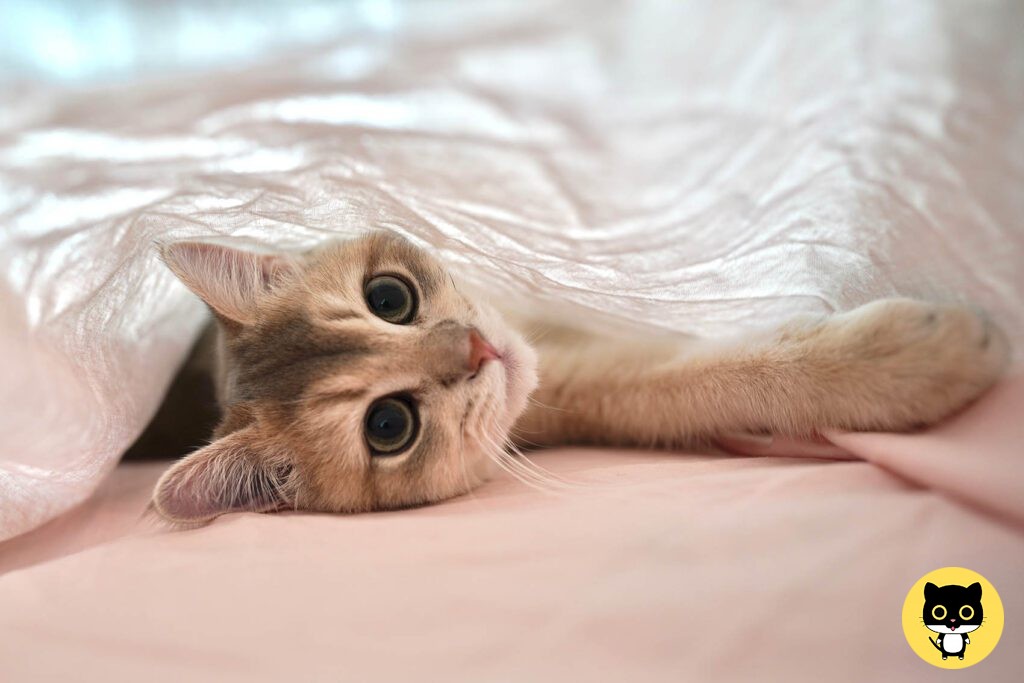
The Singapura is a small cat with an unusually large presence in household life. Its compact, muscular body and short coat can suggest an easy companion that takes up little space, but its curiosity, climbing, playfulness and interest in people may make it one of the more involved cats in the home. The central suitability question is therefore not simply whether a caregiver wants a small cat, but whether the household can support an active, observant companion that may want to participate in nearly everything.
Quick Facts
| Feature | Singapura at a glance |
|---|---|
| Size | Small to medium; approximately 4–6 lb (1.8–2.7 kg) for females and 6–8 lb (2.7–3.6 kg) for males in one registry’s guidance |
| Coat | Very short, fine, silky and close-lying; sepia or sable ticked terminology varies by registry |
| Typical activity | Active, playful, curious and interested in climbing, investigation and interactive attention |
| Grooming | Generally light; weekly brushing is a practical starting point |
| Reported longevity | Approximately 11–18 years as a broad estimate, not a population-based survival figure |
Identity, recognition and history
The Singapura’s identity depends on documented ancestry, not appearance alone. A brown ticked domestic shorthair may resemble one, but a pedigree should identify the registering body and registration number before a cat is represented as a Singapura. This matters particularly because the breed is uncommon and its distinctive coloring can encourage appearance-based claims.
Recognition is established through breed standards and registration systems, whose terminology is not identical. CFA describes the color as sepia agouti, TICA uses sable ticked tabby, and FIFe uses seal sepia ticked. These names describe closely related aspects of the breed’s characteristic ticked coat, but they should not be treated as interchangeable proof of registration. Prospective buyers can compare the relevant breed information, CFA standard and FIFe standard when checking a pedigree or show description.
The accepted history connects the modern breed with Singapore or Southeast Asia and its later development in the United States. The story is not entirely uncomplicated: historical material records continuing controversy about the provenance of some foundation cats. That background does not remove the Singapura from established breed systems, but it is a reason to distinguish the breed’s historical narrative from the practical question of whether a particular cat has verifiable registration and ancestry.
Appearance and coat
The Singapura has a small but sturdy outline rather than a delicate, fragile one. The body is square and muscular, with medium muscular legs, small oval paws, large ears and large expressive eyes. A medium-length tail tapers toward the tip. Weight ranges are useful orientation only; a healthy individual’s body condition, muscle and veterinary assessment matter more than feeding to a number.
The coat is very short, fine, silky and close to the body. Ticking gives it a warm, shaded appearance rather than a flat solid color, and the final effect can change as the cat matures. Coat color and ticking may continue developing for two or three years, so a kitten may not show the finished adult appearance that a buyer expects.
Eye-color descriptions include green, hazel, yellow and related gold shades, with wording varying between standards. Blue eyes are disqualified under the CFA standard. A buyer considering a show or breeding cat should therefore check the standard of the specific registering body rather than rely on photographs or a general breed description.
The coat is genuinely simple to maintain, but simple does not mean hair-free. Weekly brushing is a reasonable general routine for removing loose hair and giving the caregiver a chance to notice changes in the skin. The Singapura should not be marketed as non-shedding, hypoallergenic or allergy-free. Anyone with allergies should spend time around the individual cat before making a commitment.
Temperament and life with a Singapura
Curiosity is one of the breed’s defining household qualities. Singapuras are commonly described as active, playful, people-oriented cats that climb, investigate and seek elevated viewpoints. A home may need more than floor space: a stable cat tree, shelves, window perches and secure observation points allow the cat to use vertical territory without turning cupboards, curtains or unsafe ledges into entertainment.
Daily involvement is more important than the cat’s small body might suggest. Interactive play, puzzle feeders, food-seeking games and short training sessions can give the Singapura appropriate outlets for its attention. Secure windows, doors and escape routes are especially important for a curious cat that may investigate openings or follow household activity. A small apartment can work if it is arranged thoughtfully; a large but unstimulating home may not.
Affection may look like participation rather than prolonged cuddling. One Singapura may follow a caregiver, watch from a shoulder, settle on a lap or remain nearby while household tasks happen. Another may prefer brief contact followed by exploration. Being people-focused does not guarantee unrestricted handling or a fixed desire to be held, so meeting an adult—or observing how a kitten responds to gentle, consent-based handling—can reveal more than the breed label alone.
The same energy can be delightful or disruptive depending on the household. A person who enjoys an alert companion may appreciate a cat that opens drawers, examines closets and inserts itself into daily routines. A caregiver seeking a quiet, predictable cat may find repeated interruptions tiring. This contrast is particularly important in a home with an older resident cat: playful attention from a younger Singapura may be experienced as companionship by one animal and harassment by another.
Singapuras may live successfully with children, dogs and other cats when introductions are gradual and interactions are respectful. Each animal needs separate food, water, resting and toileting resources, along with places to retreat. Children should be taught to allow the cat to leave rather than pursue it, and other pets should not be expected to absorb unlimited play. Compatibility is built through management and individual temperament, not guaranteed by the breed name.
Care, enrichment and routine
Grooming is unlikely to dominate the care schedule. A weekly comb or soft brush will usually be enough to manage loose hair and inspect the skin, while nails, teeth, parasite prevention, vaccinations, identification and routine veterinary examinations remain ordinary responsibilities.
Enrichment deserves more planning than grooming. Rotate toys, use food puzzles, create safe high places and provide play that involves chasing, stalking and problem-solving. Secure storage is useful because an inquisitive cat may explore cupboards and drawers. Predictable daily contact can also help: a Singapura does not necessarily need constant attention, but it may do better when play and social interaction are reliable rather than occasional.
Small size should not be mistaken for low nutritional or exercise needs. Feed according to body condition, life stage and veterinary advice, not simply according to the breed’s weight range. A muscular, active cat may need a different plan from a less active individual of the same size.
Health and responsible acquisition
The most useful health conversation with a breeder concerns the individual family line rather than a list of alarming breed claims. Ask about genetic diversity, family medical history, cardiac history and testing associated with pyruvate kinase deficiency. A pyruvate-kinase-associated variant, low observed heterozygosity in studied samples or a reported cardiac case can inform responsible breeding and acquisition decisions, but none of these facts establishes a universal disease profile for every Singapura.
Genetic testing is informative, not exhaustive. It cannot rule out every cardiac or other medical problem, and results should be interpreted with a veterinarian and the relevant laboratory context. Request the cat’s veterinary and vaccination records, pedigree, registration details, family health information and any relevant test results. A written return or rehoming policy is also important: responsible planning should cover what happens if the cat or household proves incompatible.
A broad life-expectancy estimate of 11–18 years is reported for the breed. This is best treated as an orientation rather than a prediction for an individual cat or as the result of a population-wide survival study. Preventive care, genetics, nutrition, environment and ordinary individual variation all affect how long a cat lives.
Availability and price
Finding a Singapura may require patience. CFA and TICA describe the breed as uncommon or rare, so a suitable litter may not be available locally. A caregiver may need to wait, travel or consider an import, with region, registry, breeder practice and current supply affecting both access and cost.
One documented Singapore import provides a concrete but narrow example: in 2026, a two-year-old male purchased from a Japanese breeder was reported at US$3,000, with approximately S$500 in import fees and a four-month wait for arrival. The example is a dated purchase and import account, not a normal market range or a guarantee of current pricing. Travel, quarantine, transport, exchange rates, registration and veterinary requirements can change the total substantially. The account is useful because it shows the practical commitment that rarity can involve, not because price proves quality.
Before paying a premium, verify the pedigree and registration number, meet the breeder or arrange a reliable live video visit, inspect the cat’s living conditions and ask direct questions about health and temperament. A high price should never substitute for records, transparent answers and a workable return agreement.
Who is the Singapura suitable for?
The Singapura may suit a caregiver who wants an interactive companion and is prepared to provide daily play, climbing opportunities and social contact. It can be a good choice for an apartment when the environment is enriched and secure, and it may fit a multi-pet home when introductions and resources are managed carefully.
It may be a poor match for someone who wants a low-involvement cat simply because the breed is small or short-haired. The coat can be easy while the lifestyle is demanding. Homes with older cats, very young children or long periods of isolation should assess the individual carefully and plan escape spaces, supervision and enrichment. Meeting the adult cat is particularly valuable for judging confidence, activity, handling tolerance, vocalization and lap preference—traits that breed reputation cannot guarantee.
The best match is likely to be a household that enjoys interruption, exploration and shared activity rather than merely tolerates them. If the caregiver wants a cat that notices what everyone is doing, the Singapura’s involvement may feel rewarding. If the household needs quiet independence, the same behavior may become exhausting.
What owners and caregivers say
Owners and caregivers describe relationships that are rewarding precisely because the Singapura is so engaged with household life. Registry and breeder descriptions portray cats that climb, investigate drawers and closets, seek shoulder or lap contact and remain close to familiar people. These observations support the image of a companion that wants to know what is happening, not one that disappears for most of the day.
One caregiver who searched internationally met cats in person before choosing a two-year-old male named Star, noticing him shielding his sister. The reported purchase was US$3,000 from a Japanese breeder, followed by about S$500 in import fees and a four-month wait for his arrival in Singapore. The story illustrates both the emotional care involved in selecting an individual and the logistical scale of acquiring a rare cat.
A contrasting community account describes a Singapura returned twice because its playfulness and activity were considered too bothersome for a previous owner or an older resident cat. That experience does not show that Singapuras are generally difficult. It shows why “affectionate” and “social” should not be separated from energy, persistence and a need for appropriate outlets.
Taken together, these experiences suggest that the important question is not whether the Singapura is lovable or active in the abstract. It is whether the household wants affection expressed through following, watching, investigating and play, and whether its people and animals have enough space, patience and structure to make that involvement work.
Selected sources
TICA Singapura breed information, the FIFe breed standard and the CFA breed standard provide the principal appearance, recognition, care and lifespan references.
Historical context is discussed in CFA historical material and CFA’s later Singapura article. Health background includes published studies on genetic diversity and pyruvate kinase deficiency, including this study, this genetic report and this later review or study record.
 English