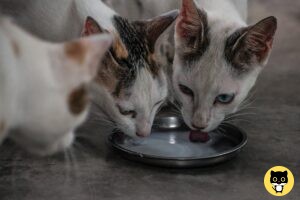
In recent years, oat milk has gained popularity as a plant-based alternative to cow’s milk. This has led many cat owners to wonder whether it is safe to share this trendy beverage with their feline companions. While cats are obligate carnivores and thus thrive on a meat-based diet, occasional exposure to oat milk can be considered safe. We will explore the safety and potential benefits of feeding oat milk to cats below.
Is Oat Milk Safe for Cats?
Yes, oat milk is generally safe for cats to consume in moderation. Unlike cow’s milk, which contains lactose that many cats have difficulty digesting, oat milk is lactose-free. Most cats become lactose intolerant after they are weaned from their mother’s milk. Oat milk provides an alternative for cats with sensitive stomachs, as it does not contain lactose. However, it is important to note that oat milk should not replace a cat’s primary diet, which should consist of meat-based foods.
When choosing oat milk for your cat, opt for unsweetened varieties without any added sugars, preservatives, or salts. It is also advisable to check the label and ensure that the oat milk does not contain any potentially harmful ingredients. Homemade oat milk can be an excellent option, as it allows you to control the ingredients and avoid unnecessary additives.
Nutritional Benefits of Oat Milk for Cats
While oat milk may not provide the same nutritional benefits as a balanced meat-based diet, it does offer some vitamins and minerals that could be beneficial to cats. Oats are a good source of fiber, which can aid in digestion. They also contain vitamins A and B6, potassium, magnesium, and niacin. However, it is important to remember that cats derive most of their essential nutrients from meat, and oat milk should only be considered an occasional treat.
How to Introduce Oat Milk to Cats
If you decide to introduce oat milk to your cat, it is essential to do so gradually and in moderation. Start by offering small amounts, such as one to two tablespoons, and observe your cat’s reaction. Some cats may not be interested in oat milk or may not tolerate it well. It is crucial to monitor your cat for any signs of digestive upset, such as diarrhea or vomiting. If you notice any adverse reactions, discontinue feeding oat milk to your cat.
Hydration and Water Intake
While milk, including oat milk, can provide hydration, it should not replace a cat’s primary source of water. Cats should have access to clean, fresh water at all times. Water is essential for their overall health and helps maintain proper hydration. If you are concerned about your cat’s water intake, consider providing wet food or using a pet water fountain to encourage drinking.
Other Considerations and Alternatives
It is important to remember that cats do not need milk as a regular part of their diet. Milk should only be given as an occasional treat, and oat milk is one of the potential options. However, if your cat has allergies or sensitivities to grains, oat milk may not be suitable. In such cases, it is best to consult with your veterinarian for alternative options that meet your cat’s specific dietary needs.
If you are looking for alternative treats or hydration options for your cat, there are several alternatives to consider. Unseasoned bone broth, low-sodium tuna juice, or specially formulated cat milk products can provide hydration and additional nutrients without the potential digestive issues associated with milk consumption.
Have you fed a cat oat milk? Did the cat exhibit any problems? What is your experience? Please share by registering and leaving a reply below or a post in the Forums.



 English