
One of the most intriguing aspects of a cat’s body is its tail. But do cats actually have feeling in their tails? Sometimes we see cats biting their own tails, which may motivate the question. In this article, we will delve into the anatomy of a cat’s tail, explore the sensitivity of its nerve endings, and discuss the potential for cats to have feeling in their tails. So, let’s dive in and uncover the secrets behind those twitching tails!
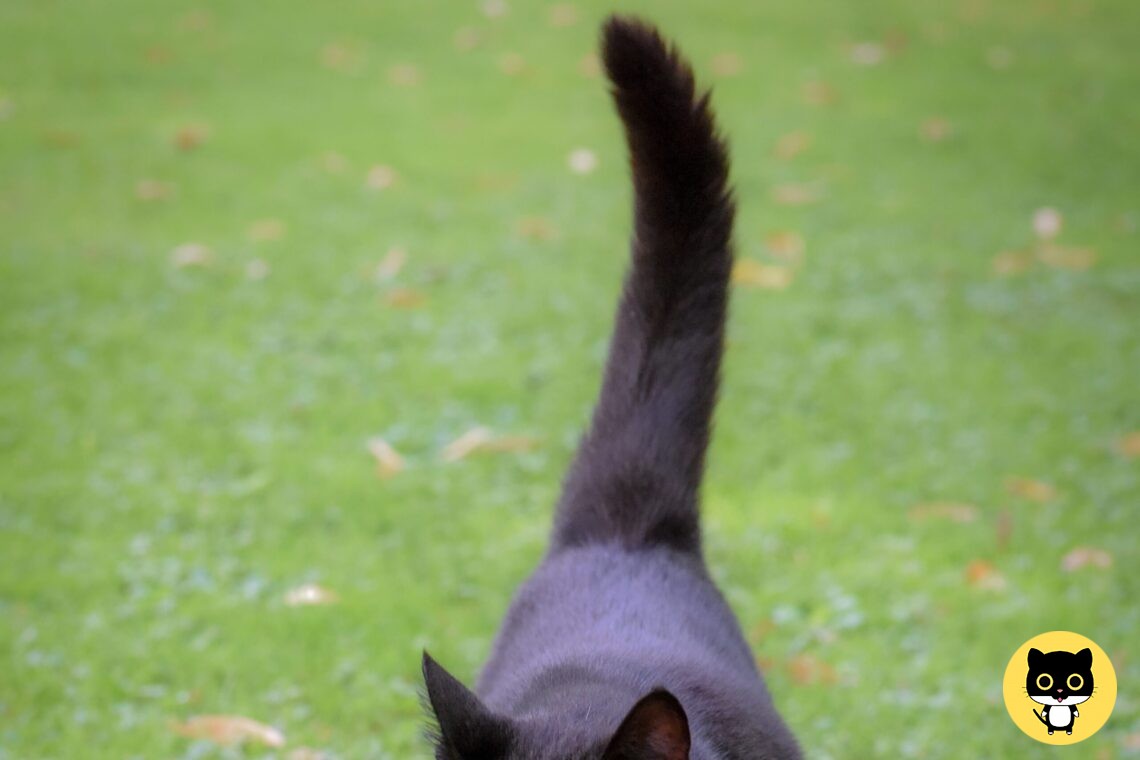
A cat’s tail is a remarkable extension of its spine, consisting of bones, muscles, and numerous nerve endings. Roughly 10 percent of all the bones in a cat’s body are located in its tail, with the number of vertebrae varying depending on the length of the tail. Cats can have as many as 20 vertebrae bones in their tails. These tiny bones are surrounded by muscles, blood vessels, and nerves, all protected by a layer of thick skin and fur.
Sensitivity of Nerve Endings
In short, yes, cats do have feeling in their tails. However, just like humans, cats have varying levels of sensitivity in their nerve endings. Some cats may have highly sensitive nerve endings in their tails, while others may not be as responsive to touch. You may have noticed that some cats quickly move their tails even with the slightest touch, while others may not react at all. This discrepancy in sensitivity is normal and can differ from one cat to another.
Depending on the individual cat’s sensitivity, some felines may enjoy having their tails scratched or petted, similar to how they enjoy chin rubs. On the other hand, some cats may become agitated or even aggressive if you touch their tails. It’s crucial to respect your cat’s boundaries and be attentive to their reactions when interacting with their tails.
Tailless Breeds
While most cats have tails, there are specific breeds, such as the Manx and Cymric cats, that are known for being tailless or having very short tails. Although these cats may not have the long flowing tails of their counterparts, the area where the tail should be is still sensitive. The nerve endings in these tailless breeds gather in a small area, often close to the skin, making it more susceptible to pain or discomfort if pressure is applied. It’s important to be mindful of this sensitivity and avoid putting unnecessary pressure on the tailless area of these cats.
Have you ever questioned the extent to which your cat has feeling in its tail? Why? Please register to leave a reply below and post in the Forums.


 English