
Cats, known for their agility and quick reflexes, possess remarkable physical abilities that allow them to move at impressive speeds. Have you ever wondered just how fast a cat can run? We’ll delve into the world of feline athleticism, exploring the factors that contribute to their speed and uncovering the secrets behind their lightning-fast sprints.
How fast are cats?
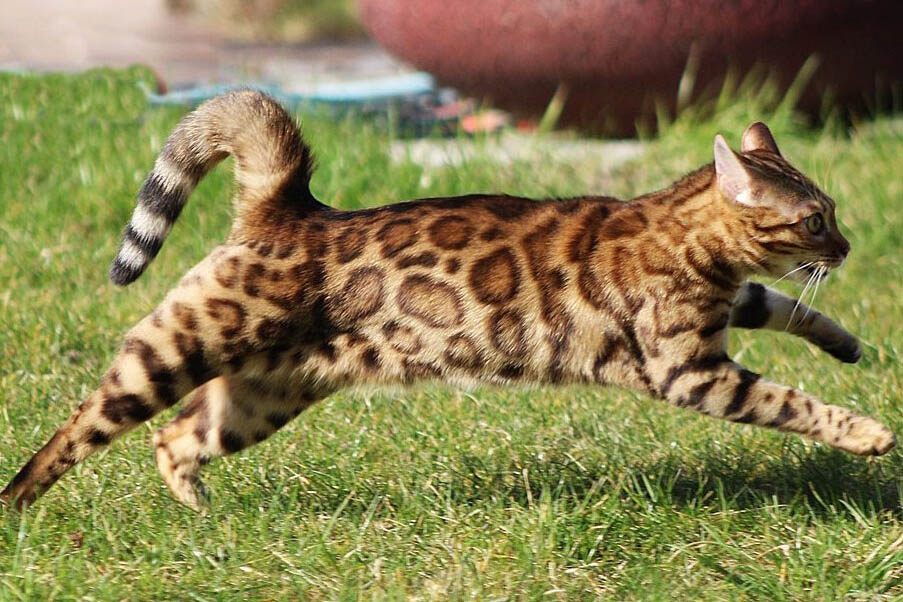
Cats are known for their bursts of speed, darting across rooms or bounding through outdoor spaces. But just how fast can a house cat run? On average, a domestic cat can reach speeds of up to 30 miles per hour (48 kilometers per hour). This remarkable velocity is comparable to the top speeds achieved by renowned human athletes, such as Usain Bolt. However, it’s important to note that a cat’s maximum speed is typically sustained only over short distances, as they are built for sprinting rather than endurance.
The Anatomy of Speed: Why Are Cats Running Fast?
Cats possess a combination of physical attributes that contribute to their ability to run at such impressive speeds. Their bodies are aerodynamic, designed for swift movement and agility. One key factor is their digitigrade feet, which allow them to walk and run on their toes. This unique anatomy gives them increased speed and maneuverability, as they can push off with greater force from the balls of their feet.
Another crucial element contributing to a cat’s speed is their flexible spine. Cats have highly adaptable spines that can compress and expand, acting as a spring-like mechanism that propels them forward. This flexibility enables them to achieve a longer stride and cover more ground with each bound. Additionally, cats have powerful leg muscles, particularly in their hind legs, which provide the necessary propulsion for their rapid movements.
Factors Affecting a Cat’s Running Speed
While the average speed of a cat is around 20 miles per hour, there are several factors that can influence an individual cat’s running speed. Let’s explore some of these factors:
Age
Just like humans, cats’ physical capabilities can vary with age. Kittens, still in the early stages of development, may not reach the top speeds of adult cats. On the other hand, older cats may experience a decline in their running performance as they age.
Breed
Different cat breeds exhibit variations in running speed. Some breeds are naturally faster due to their physical characteristics and genetic makeup. For example, the Egyptian Mau, known as the fastest domestic cat breed, can reach speeds of up to 30 miles per hour. Other breeds like the Siamese, Abyssinian, Bengal, and Savannah cats also possess the agility and athleticism that contribute to their swift running abilities. However, it’s important to note that breed alone does not determine a cat’s speed, as individual variations can still occur within breeds.
Gender
There is evidence to suggest that male cats are generally faster than female cats. This difference in speed may be attributed to factors such as greater aerobic capacity and muscular strength in males. However, it’s important to remember that individual variations exist, and not all male cats will necessarily be faster than their female counterparts.
Health
A cat’s physical health can significantly impact its running speed. Factors such as illness, injuries, or being overweight can affect their overall performance. Cats in optimal health are more likely to reach their top speeds, as they can move with ease and exert the necessary energy for swift movements.
Motivation
Motivation plays a significant role in a cat’s running speed. Cats are naturally curious and may exhibit bursts of energy, often referred to as “zoomies,” where they run and play with great enthusiasm. Motivated cats, whether in pursuit of prey or engaged in play, can showcase impressive speed when properly motivated.
Types of Cats
The running speed of cats can also vary among different species. While domestic cats can reach speeds of up to 30 miles per hour, wild felines such as cheetahs, jaguarundis, African lions, caracals, lynxes, mountain lions, and servals can achieve even higher speeds, ranging from 34 to 75 miles per hour.
Frequently Asked Questions
Can a cat outrun a dog?
Yes, a cat can outrun a dog in most cases. While dogs are known for their endurance running, cats are swift sprinters. However, the outcome may depend on the specific breeds and individual fitness levels of the animals involved.
Can a cat outrun a human?
Cats are generally faster than humans due to their natural agility and athletic abilities. While humans may have the advantage of endurance, cats’ ability to sprint and maintain high speeds over short distances makes them faster in quick bursts.
How fast can a cat run 100 meters?
The time it takes for a cat to run 100 meters can vary, but on average, it would take around 8 to 12 seconds. However, it’s important to note that cats are not typically measured for their running speed in track and field settings, as their running patterns differ from those of humans.
Questions or Comments? Please register to leave a reply below and to post in the Forums.



 English