
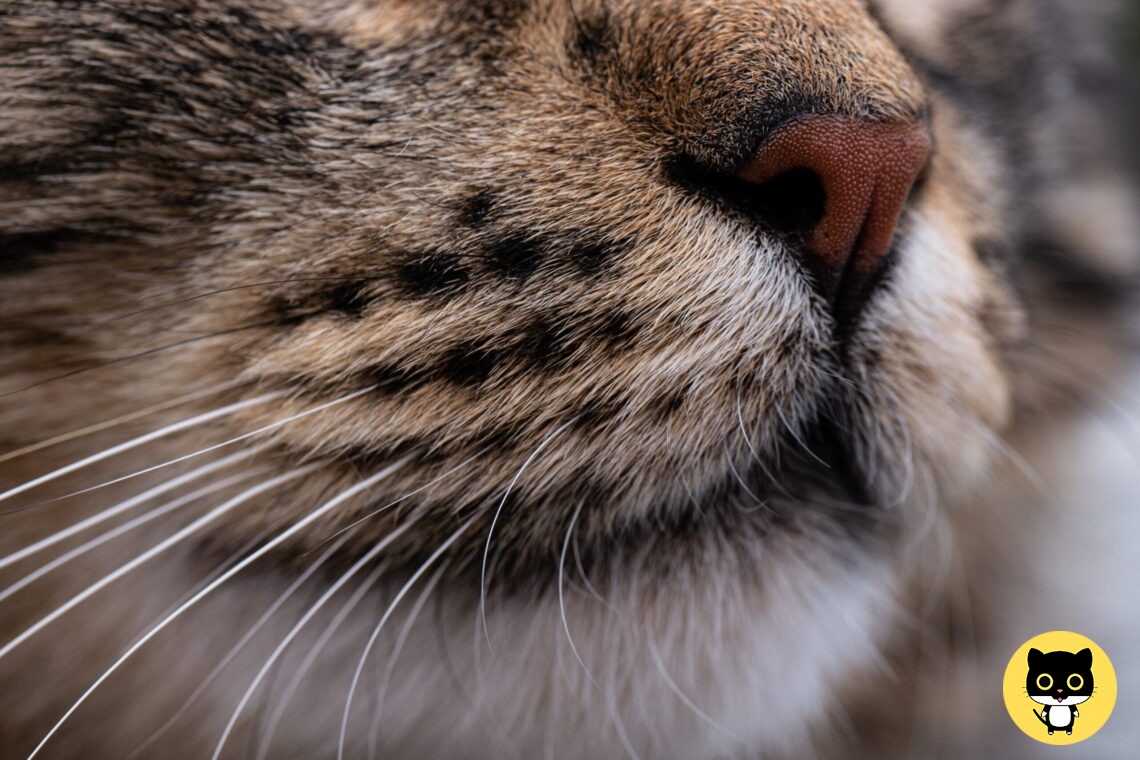
One of the most noticeable features of cats is their whiskers. But what are cat whiskers and do they grow back if they’re damaged? We will answer all your questions about cat whiskers and provide insight into why they’re so important to cats.
Cat whiskers are an important part of a cat’s anatomy. They are specialized hairs that are thicker and stiffer than the fur on the rest of the cat’s body. Whiskers are also known as vibrissae and are found on both sides of the cat’s muzzle, above their eyes, and on their chin.
In fact, cat whiskers are an essential part of a cat’s sensory system. They help cats navigate their environment, detect prey, and can even help them detect danger. They are also important for helping cats maintain their balance and make sure they don’t get stuck in tight spaces.
What are Cat Whiskers?
Cat whiskers are made up of several layers of proteins that are surrounded by a sheath of specialized cells. This sheath of cells helps protect the whiskers and keeps them strong.
The whiskers are connected to nerve endings that run through the cat’s face and into its brain. This connection allows the cat to feel vibrations in its environment and helps it to detect changes in air pressure. It’s thought that whiskers are also sensitive to temperature, allowing cats to detect changes in the surrounding environment.
The Anatomy of Whiskers
Cat whiskers are made up of a few distinct parts. The base of the whisker is known as the follicle. This is where the whisker is anchored to the cat’s skin and provides the whisker with its strength. The follicle is surrounded by a sheath of specialized cells that help protect the whisker and keep it strong.
At the tip of the whisker is the papilla. This is the sensory organ that helps cats detect changes in their environment. The root of the papilla is connected to the nerve endings that run through the cat’s face and into its brain.
Do Cat Whiskers Grow Back?
Yes, cat whiskers can grow back if they are damaged. Whiskers are made of the same proteins as the fur on a cat’s body, meaning they can regrow just like other hairs on the cat’s body.
However, it’s important to note that whiskers take longer to regrow than other hairs on a cat’s body. This is because they have a specialized sheath of cells that need to regrow first. It can take several weeks or even months for whiskers to fully regrow.
Factors That Affect the Growth of Whiskers
There are a few factors that can affect the growth of cat whiskers. The first is age. Younger cats tend to have quicker regrowth of whiskers than older cats. This is because younger cats have more active follicles and a stronger regrowth process.
Another factor is the health of the cat. Cats that are healthy and well-nourished are more likely to have healthy whiskers that regrow quickly. Cats that are malnourished, sick, or stressed may have slower regrowth of whiskers.
Finally, the damage to the whiskers can affect the regrowth. If the whiskers are snapped off or torn, it can take longer for them to regrow. It’s important to note that if the damage is severe, the whiskers may not regrow at all.
How to Care for Cat Whiskers
Caring for cat whiskers is an important part of keeping your cat healthy and happy. You should never trim or pull a cat’s whiskers, as this can cause permanent damage. You should also be careful when brushing your cat, as brushing can cause the whiskers to break or pull out.
It’s also important to make sure your cat has plenty of places to hide and explore. Cats use their whiskers to help them navigate, so providing them with areas to explore will help keep their whiskers healthy and in good shape.
How to Help a Cat if Their Whiskers are Damaged
If your cat has damaged whiskers, the best thing you can do is to provide a calm and stress-free environment for them. Make sure they have plenty of places to hide and explore and that they are getting adequate nutrition.
If the whiskers are completely broken off, you can help them regrow by gently massaging the follicles. This can help stimulate the regrowth process and encourage the whiskers to regrow.
Why Cat Whiskers Should Not be Trimmed
Trimming or pulling a cat’s whiskers can cause permanent damage and even lead to health issues. Whiskers are an essential part of a cat’s sensory system and are important for helping them navigate their environment. Removing or trimming a cat’s whiskers can lead to disorientation and confusion.
It can also cause physical damage to the cat’s face and can lead to infection. If a cat’s whiskers are trimmed, it can take several weeks or even months for them to regrow.
In Sum:
Cat whiskers are an essential part of a cat’s anatomy and are important for helping cats navigate their environment. Whiskers are connected to nerve endings in the cat’s face that allow them to detect changes in their environment.
Whiskers can grow back if they are damaged, though it can take several weeks or even months for them to regrow. You should never trim or pull a cat’s whiskers, as this can cause permanent damage and may lead to health issues.
If your cat’s whiskers are damaged, the best thing you can do is to provide a calm and stress-free environment for them and make sure they are getting adequate nutrition. With proper care and a stress-free environment, your cat’s whiskers should regrow in no time.
When it comes to cat whiskers, the answer to the question, “Will cat whiskers grow back?” is yes. But understanding the importance of whiskers and how to take care of them is the key to making sure your cat’s whiskers stay healthy and strong.
Will cat whiskers grow back? With the right care and a stress-free environment, the answer is yes. By understanding the anatomy and purpose of cat whiskers and caring for them properly, you can keep your cat’s whiskers healthy and strong.
Do you have any experience with a cat losing its whiskers and growing them back? Please register and leave a reply below.
 English