
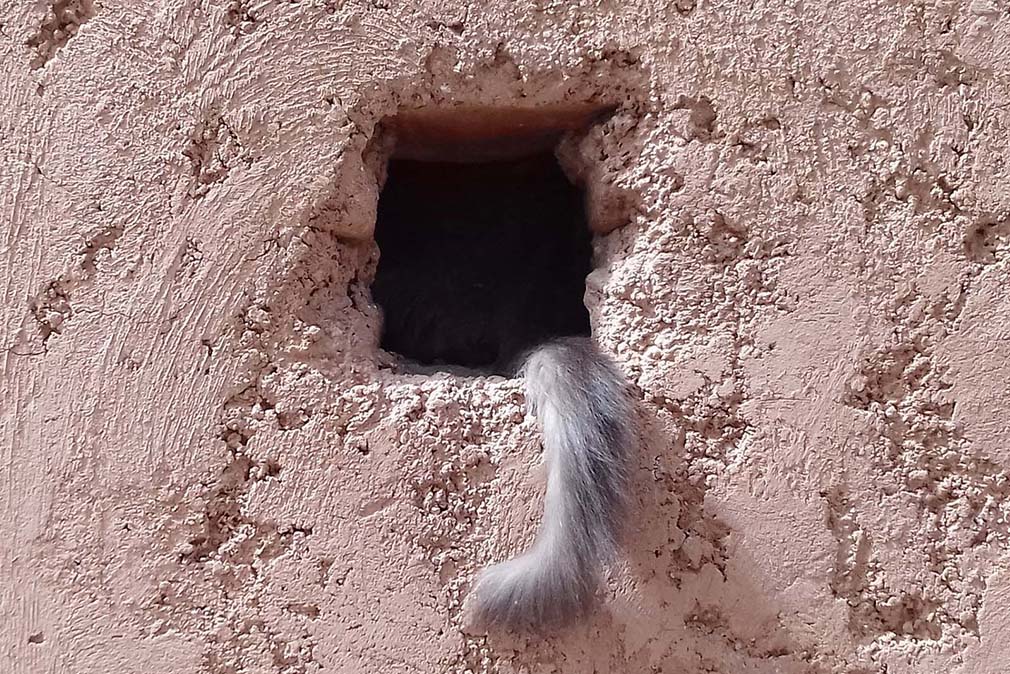
When it comes to our feline friends, there’s no denying their affinity for squeezing themselves into small spaces. Whether it’s a cardboard box, a cozy basket, or even the confines of a closet, cats seem to have an inexplicable attraction to these snug areas. But have you ever wondered why cats love small spaces so much? In this article, we will delve into the fascinating behavior of cats and explore the reasons behind their affinity for cramped quarters. So, let’s unravel the mystery and gain a deeper understanding of our feline companions.
The Evolutionary Roots of Small Space Fascination
Cats have a rich history rooted in their wild ancestry. Despite being domesticated, many of their instincts and behaviors still echo their days in the wild. One such behavior is their preference for small spaces. In the wild, cats needed to protect themselves from predators and seek shelter from harsh weather conditions. Small, enclosed spaces provided them with a sense of security and safety, allowing them to rest, hide, and observe their surroundings without being vulnerable to potential threats. Cats feel more secure in tight quarters.
The Cozy Comfort of Small Spaces
Another reason why cats love small spaces is the comfort they provide. When a cat curls up in a box or a basket, they can rely on their own body heat to keep warm. Just like humans, cats seek warmth and coziness, especially during colder seasons or in air-conditioned environments. The compact nature of these spaces traps their body heat, creating a snug and warm environment that cats find incredibly comforting.
Not only do small spaces offer warmth, but they also serve as a retreat from the hustle and bustle of the household. Cats are known for their independent nature and need for alone time. These enclosed spots offer a sanctuary where they can escape from noise, other pets, or even overenthusiastic human attention. It’s their way of decompressing and finding solace in a private space.
The Thrill of Observation and Predatory Instincts
Cats are natural-born hunters, and their fascination with small spaces can be attributed to their predatory instincts. Enclosed areas provide them with a vantage point to observe their surroundings while remaining hidden from potential prey. From the safety of their cozy nooks, cats can stealthily watch and wait for unsuspecting targets to pass by, replicating the hunting behavior ingrained in their DNA.
Cats like to position themselves in a way that allows them to see out of the opening while feeling safe and hidden. This positioning not only aids in observing potential prey but also ensures they are ready to pounce if necessary. It’s their way of utilizing the element of surprise, a tactic often employed by successful hunters in the wild.
The Science Behind Cats Squeezing into Small Spaces
Now that we understand why cats love small spaces, let’s explore the science behind their ability to squeeze into seemingly impossible spots. Cats possess unique anatomical features that allow them to maneuver through tight spaces with ease.
One of these features is their flexible collarbone, shoulders, and spine. Unlike humans, cats have a collarbone that is not fully connected, giving them greater flexibility and the ability to squeeze through narrow openings. If they can fit their head and neck through, the rest of their body will follow, provided there is enough space on the other side.
Additionally, cats rely on their whiskers to gauge the width of a space. The whiskers, also known as vibrissae, are highly sensitive and help cats determine whether they can fit through a particular opening. As long as there is enough space for their whiskers, they can navigate their way into tight spots.
It’s important to note that while cats have an impressive ability to maneuver through small spaces, pet owners should ensure the safety of their feline companions. Blocking access to dangerous areas such as appliances, securing windows and balconies, and providing suitable alternatives for exploration and rest are essential for their well-being.
Encouraging Safe and Comfortable Spaces for Cats
Now that we understand the reasons behind cats’ affinity for small spaces, it’s crucial to provide them with safe and comfortable options within our homes. Creating designated areas where cats can curl up and retreat is essential for their overall well-being and happiness.
One simple way to accommodate their need for snug spaces is by collecting cardboard boxes of various sizes. Line these boxes with soft blankets or towels to make them even cozier. Place the boxes in warm areas of your home or near windows where cats can bask in the sunlight while enjoying their private hideaway.
If you prefer a more aesthetically pleasing option, there are various cat beds and hideaways available in the market. These specialized beds come in different shapes and sizes, providing a secure and warm space for your feline friend to curl up and relax. Look for enclosed beds with a small entrance or cat caves that mimic the feeling of a cozy den, satisfying your cat’s natural instinct for seclusion and safety.
Another way to engage your cat’s natural hunting instincts is through interactive feeding techniques. Instead of placing their food in a traditional bowl, consider hiding small portions of their meals in the nooks and crannies of their cozy spaces. This encourages them to explore and work for their food, simulating the thrill of the hunt while keeping them mentally stimulated.
Do you provide enough small spaces for your cat? Please register to leave a reply below and to post in the Forums.
 English