
Are you wondering if brushing your cat’s teeth is something you should do? If so, you’ve come to the right place. We will explore the pros and cons of brushing your cat’s teeth, what type of toothbrush is best for cats, what type of toothpaste is best for cats, how to introduce your cat to tooth brushing, and veterinary care for cats’ teeth. Let’s get started!
Cats are known for their hygiene, with many cats spending hours each day grooming themselves. But, cats can’t groom their own teeth, so it’s up to their humans to take care of their oral health. Brushing your cat’s teeth is one method of taking care of their oral health. The good news is that brushing your cat’s teeth is not as difficult as it may seem. With the right tools and techniques, you can make brushing your cat’s teeth a part of their regular routine.
When it comes to brushing your cat’s teeth, there are many factors to consider. You’ll need to think about the pros and cons of brushing your cat’s teeth, what type of toothbrush is best for cats, what type of toothpaste is best for cats, how to introduce your cat to tooth brushing, and veterinary care for cats’ teeth:
The Pros of Brushing Your Cat’s Teeth
There are many advantages to brushing your cat’s teeth. The most obvious benefit is that it can help keep your cat’s teeth clean and healthy. Regular brushing will help remove plaque build-up and prevent the buildup of tartar, which can lead to dental disease.
Brushing your cat’s teeth can also help prevent bad breath. Brushing helps remove food particles, bacteria, and other debris that can cause bad breath.
In addition to keeping your cat’s teeth clean and healthy, brushing can also help strengthen the bond between you and your cat. It can also help teach your cat to trust you and get used to being handled.
The Cons of Brushing Your Cat’s Teeth
While there are many advantages to brushing your cat’s teeth, there are also some downsides. For starters, if your cat is not used to being handled, brushing their teeth can be a stressful experience for them. It’s also important to note that some cats may not like the taste or texture of toothpaste, which can make the experience even more unpleasant.
In addition, brushing your cat’s teeth can be difficult to do if your cat doesn’t cooperate. If your cat is not used to being handled, they may become agitated or aggressive. This can make brushing their teeth a dangerous task.
It’s also important to note that brushing your cat’s teeth does not replace regular veterinary care. Even if you are brushing your cat’s teeth regularly, it is still important to take your cat to the vet for regular check-ups and cleanings.
What Type of Toothbrush is Best for Cats?
When it comes to brushing your cat’s teeth, it’s important to use the right tools. The type of toothbrush you choose is important, as it will make the process easier and more comfortable for your cat.
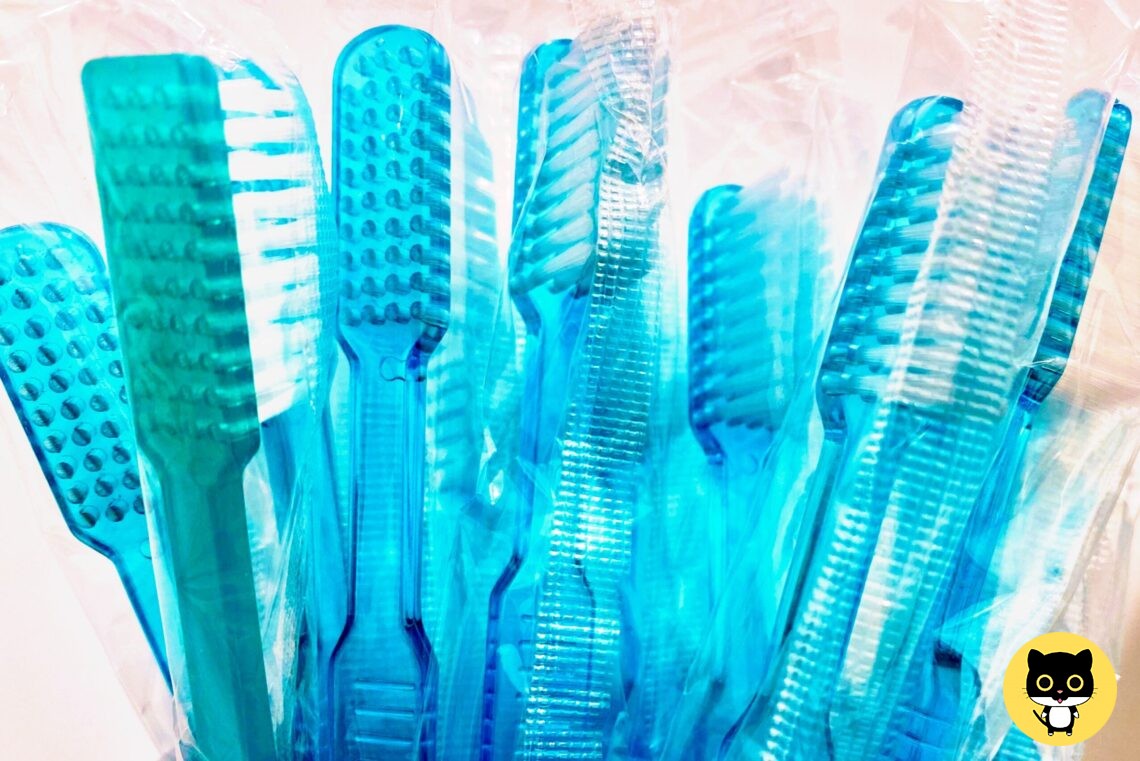
The best type of toothbrush for cats is a soft-bristled toothbrush designed specifically for cats. Many pet stores and online retailers sell toothbrushes specifically designed for cats. Look for a toothbrush with a long handle and a small head, as this will make it easier to reach all areas of your cat’s mouth.
It’s also a good idea to buy a toothbrush that is designed to fit your cat’s mouth. Look for a toothbrush with a curved head, as this will make it easier to reach all areas of your cat’s mouth.
What Type of Toothpaste is Best for Cats?
In addition to the toothbrush, you will also need to choose the right toothpaste for your cat. It’s important to use a toothpaste specifically designed for cats, as human toothpaste can be dangerous for cats.
Look for a toothpaste that is designed for cats and made with natural ingredients. Avoid toothpastes that contain fluoride, as this can be toxic for cats. Most pet stores and online retailers sell toothpastes specifically designed for cats.
It’s also important to choose a toothpaste that your cat will actually like. Many cats don’t like the taste of toothpaste, so it’s a good idea to look for a toothpaste that comes in a flavor your cat will enjoy. Many pet stores and online retailers sell toothpastes that come in a variety of flavors, such as chicken, tuna, salmon, and beef.
Techniques for Brushing Your Cat’s Teeth?
Once you have the right tools, it’s time to start brushing your cat’s teeth. There are a few different techniques you can use, depending on your cat’s temperament.
If your cat is calm and relaxed, you can use a traditional brushing technique. To do this, gently hold your cat’s muzzle in one hand and the toothbrush in the other. Gently brush along the outside of each tooth, making sure to avoid the gumline.
If your cat is not used to being handled, you may want to try a technique called “free-feeding.” To do this, place a small amount of toothpaste on the toothbrush and allow your cat to lick it off. This will help your cat get used to the taste and texture of the toothpaste, and make them more comfortable with the process.
Introduce Your Cat to Tooth Brushing
Now that you know the different techniques for brushing your cat’s teeth, it’s time to start introducing your cat to the process. The key is to start slow and make sure your cat is comfortable throughout the process.
Start by letting your cat sniff and lick the toothpaste. This will help them get used to the taste and texture. Once your cat is comfortable with the toothpaste, you can start brushing their teeth. Start by brushing just one or two teeth and gradually increase the number of teeth you brush.
It’s also important to make sure your cat is comfortable throughout the process. Give your cat plenty of praise and treats and make sure to stop if your cat shows any signs of discomfort.
Veterinary Care for Cats’ Teeth
In addition to brushing your cat’s teeth, it’s also important to take your cat to the vet for regular check-ups and cleanings. Regular veterinary care is essential for your cat’s oral health, as it can help prevent and detect any dental diseases or issues.
Your vet may also recommend other treatments for your cat’s teeth, such as dental sealants and fluoride treatments. These treatments can help protect your cat’s teeth from plaque and tartar buildup.
Finally, your vet may also recommend a diet that is specifically designed for cats. Many cat foods contain added calcium and other nutrients that can help keep your cat’s teeth healthy.
FAQs About Brushing Your Cat’s Teeth
- How often should I brush my cat’s teeth?
It’s recommended that you brush your cat’s teeth at least twice a week. However, if your cat has any dental issues, your vet may recommend brushing more often.
- Is brushing my cat’s teeth necessary?
Yes, brushing your cat’s teeth is necessary for their oral health. Regular brushing can help remove plaque buildup and prevent the buildup of tartar, which can lead to dental disease.
- What type of toothbrush should I use?
The best type of toothbrush for cats is a soft-bristled toothbrush designed specifically for cats. Look for one with a long handle and a small head, as this will make it easier to reach all areas of your cat’s mouth.
- What type of toothpaste should I use?
It’s important to use a toothpaste specifically designed for cats, as human toothpaste can be dangerous for cats. Look for a toothpaste that is designed for cats and made with natural ingredients. Avoid toothpastes that contain fluoride, as this can be toxic for cats.
- Is brushing my cat’s teeth enough to keep their teeth healthy?
No, brushing your cat’s teeth is not enough to keep their teeth healthy. It’s important to take your cat to the vet for regular check-ups and cleanings. Your vet may also recommend other treatments for your cat’s teeth, such as dental sealants and fluoride treatments.
Do you have any tips or tricks on brushing your cat’s teeth? Please register to leave a reply below and post in the Forums.




 English