
Compare Cat Breeds
Compare up to three breeds across all 53 characteristics. Values are shown directly so the differences are easier to scan.
| Characteristic |  Toybob |
|---|---|
| Body & development | |
| Adult size | Very small |
| Adult weight | 1.8–3.2 kg (4.0–7.1 lb) Toybobs are exceptionally small adults, generally about 1.8–3.2 kg (4.0–7.1 lb), with healthy body condition more important than pushing toward either end of the range. |
| Build & distinguishing morphology | Compact · muscular · short kinked bobtail Build: compact; muscular; short kinked bobtail. |
| Maturation | 10-15 months The diminutive Toybob reaches adult dimensions comparatively early; most growth is expected by about one year, with final condition settling by roughly 15 months. |
| Coat & appearance | |
| Coat length | Short · semi long Toybobs occur in both shorthaired and semi-longhaired forms; the longer coat develops more visible furnishings while the compact body type remains the same. |
| Coat texture & undercoat | Short or semi long · soft · moderate undercoat Toybobs occur with short or semi-long coats; texture is generally soft with moderate undercoat, and longhairs develop a fuller ruff and tail furnishings. |
| Colors & patterns | Broad palette; colorpoint common; solid · tabby · bicolor also occur Colourpoint is common and historically prominent, but Toybobs also occur in non-pointed solids, tabbies and white-spotted patterns. |
| Eye colors | All eye colors; blue in pointed A broad range occurs; blue is expected in pointed Toybobs, while green or gold can occur in non-pointed colours. |
| Coat & routine care | |
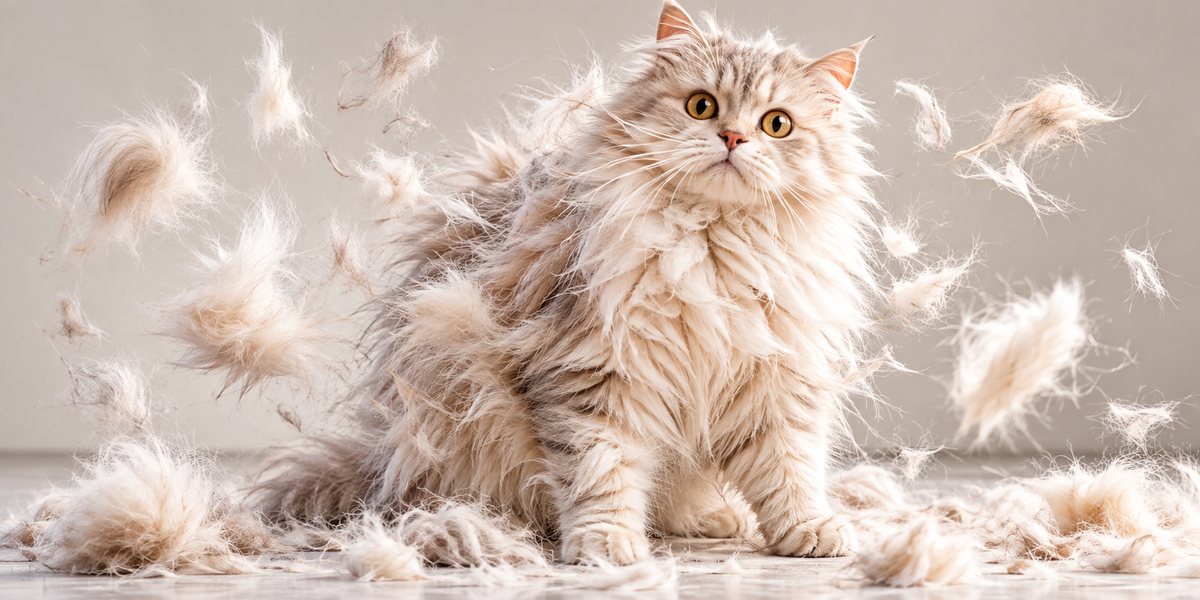
| Shedding | Low to moderate Low to moderate shedding; both short and semi-long coats occur, with longer coats producing more visible loose hair. |
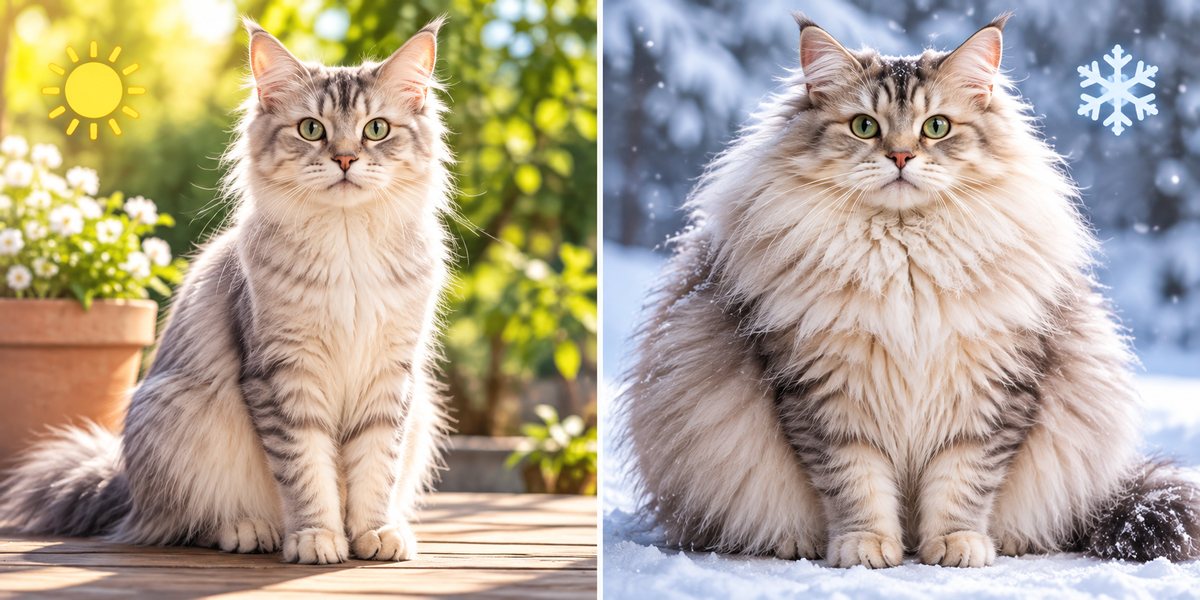
| Seasonal coat changes | Mild to moderate seasonal change Toybobs may be short- or semi-longhaired, so seasonal change ranges from mild to moderate; semi-longhairs usually show the clearer winter fullness and spring shed. |
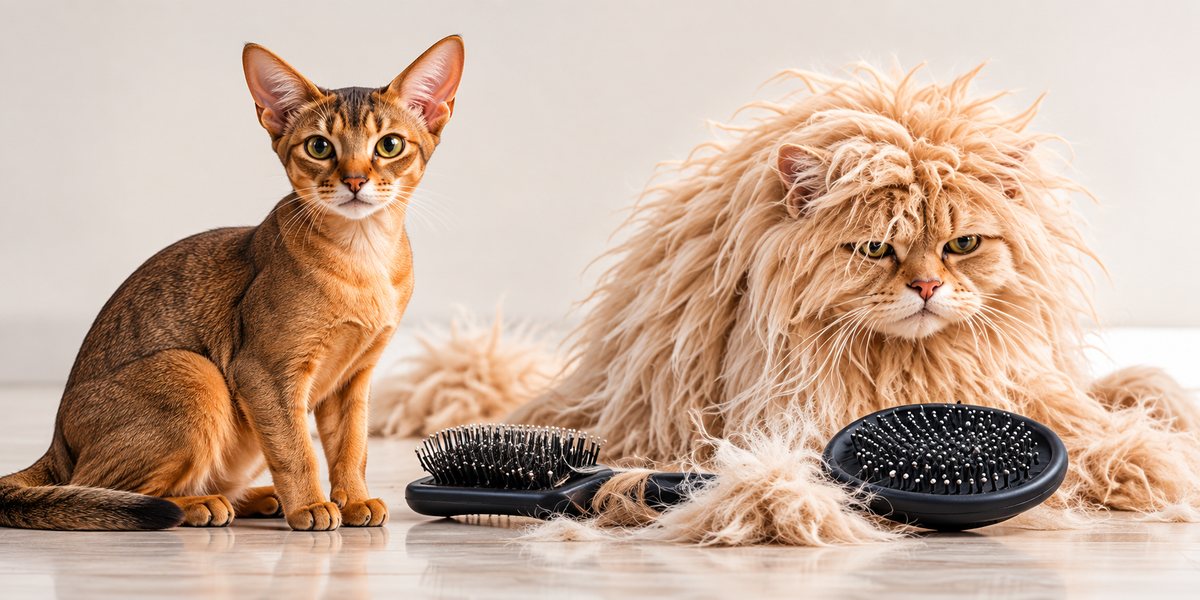
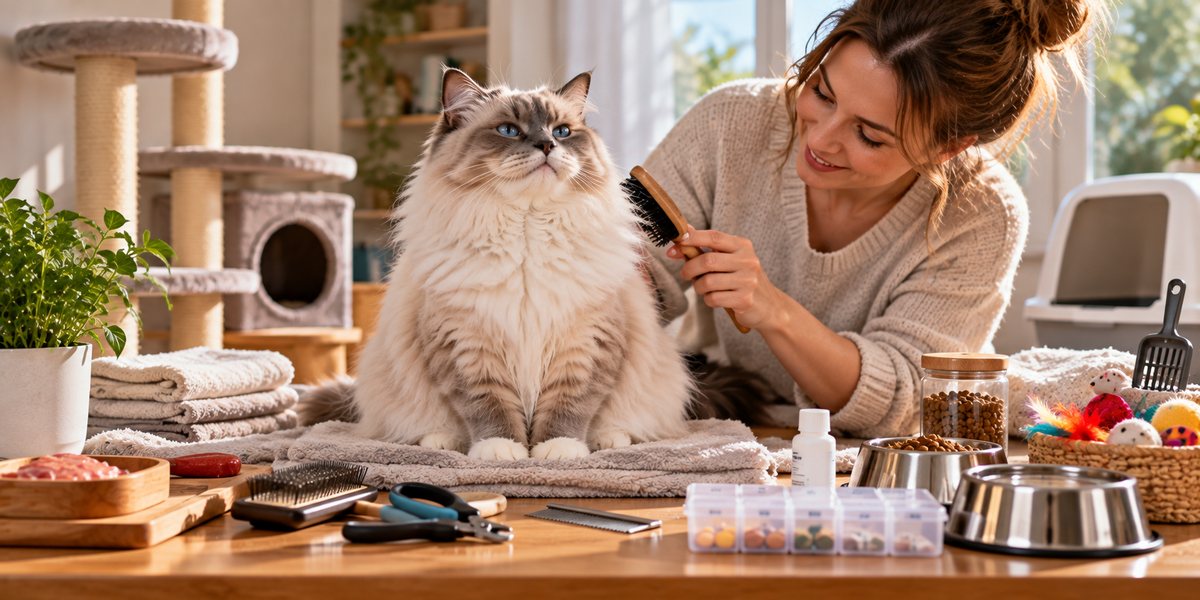
| Brushing & combing | Weekly or as needed Weekly brushing is a useful baseline; semi-longhaired Toybobs need a comb through feathering and friction areas more often than shorthairs. |
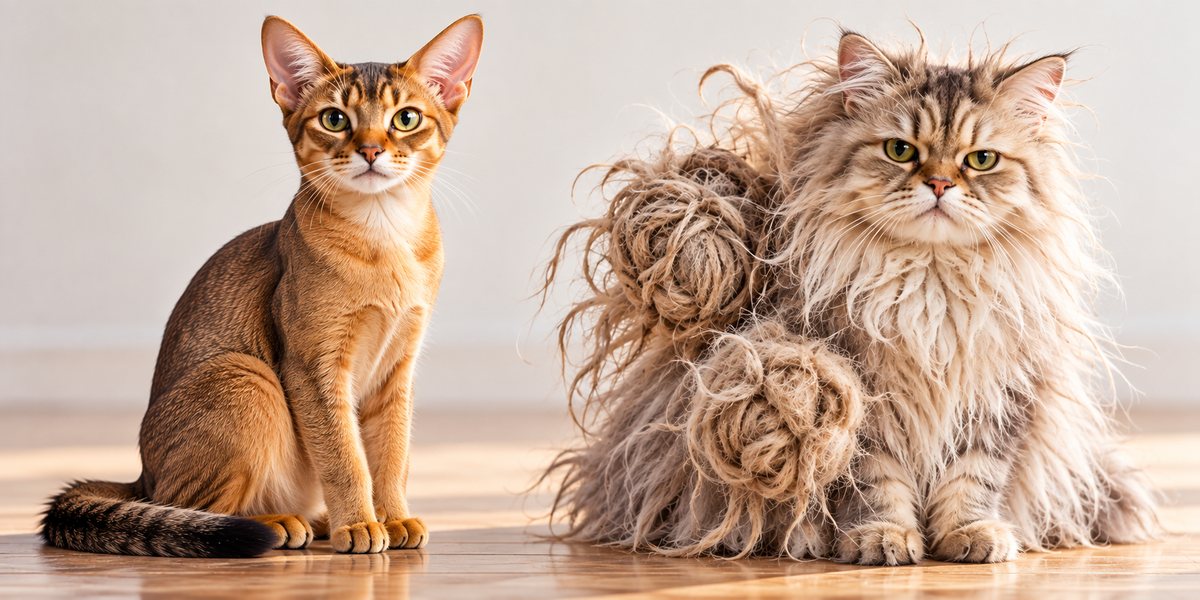
| Tangle & matting tendency | Low to moderate by length Short coats rarely tangle; semi-long Toybobs can knot in the ruff, belly and tail furnishings but generally remain manageable with periodic combing. |
| Skin & bathing care | Bathing not routinely needed Routine bathing is generally unnecessary; bathe only when the coat is genuinely soiled or for a specific veterinary or grooming reason. |
| Distinctive routine care | Simple coat small cat safety Toybobs generally need simple coat care, nails, ears and dental hygiene. Their very small size makes household safety and regular weight and growth monitoring a more distinctive routine consideration than grooming. |
| Allergy & allergen evidence | No breed specific reduction established There is no known reason to regard this breed as hypoallergenic. All cats produce allergens, and coat length or shedding alone does not determine allergy risk. |
| Activity & intelligence | |
| Activity level | Moderate |
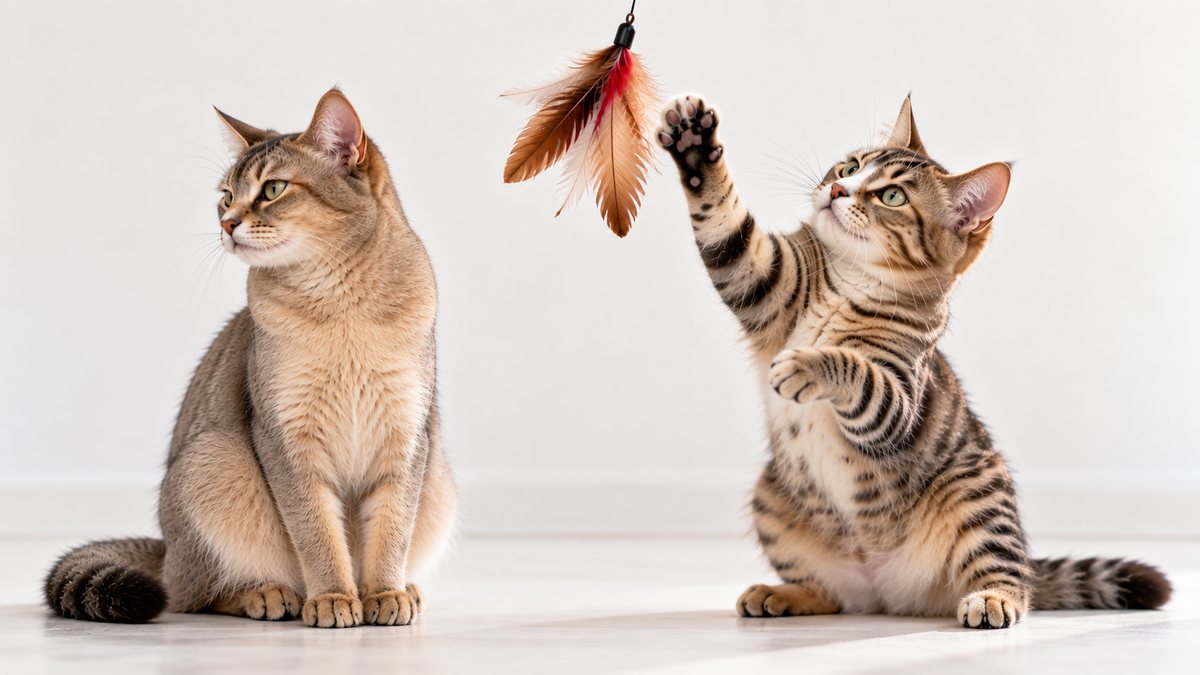
| Playfulness | High |
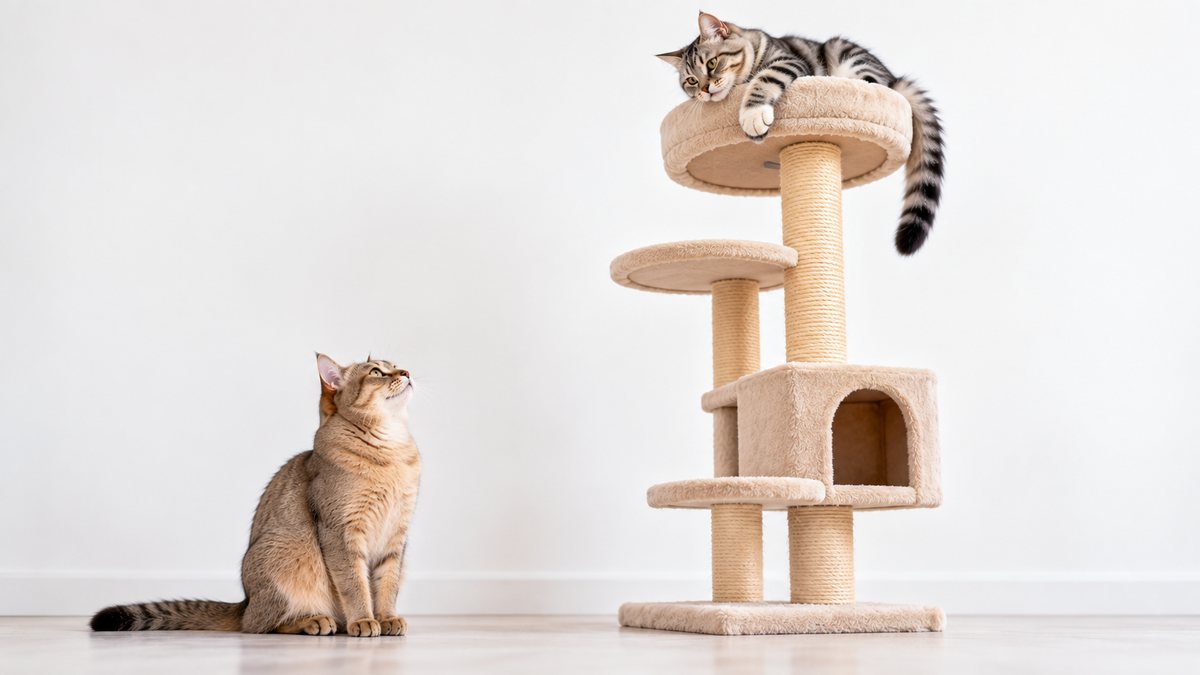
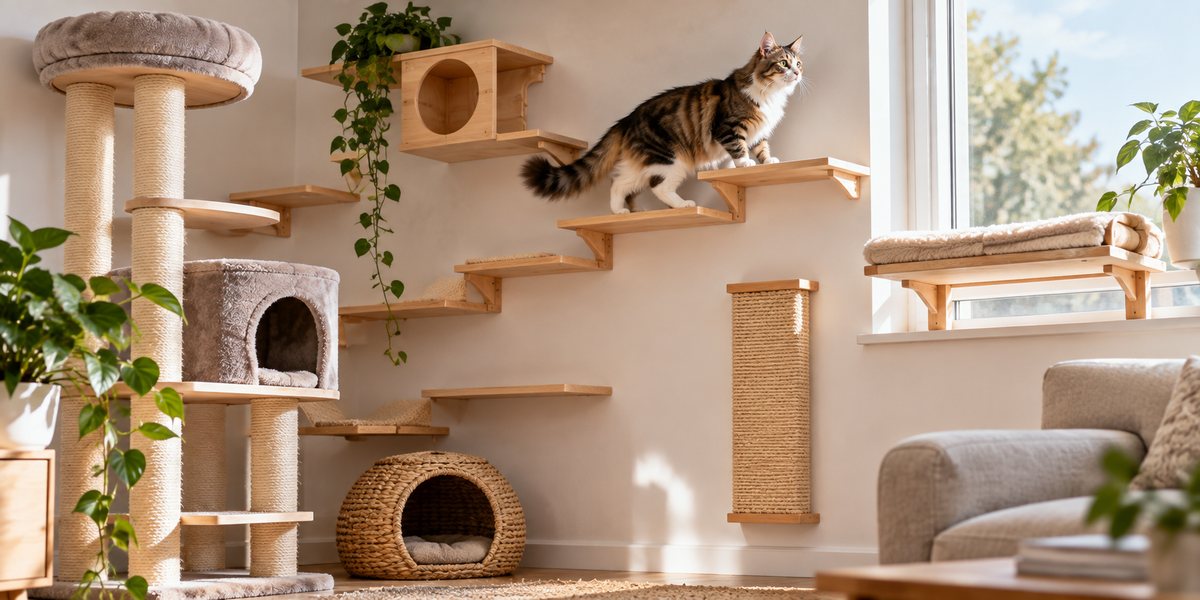
| Climbing & jumping | High Despite very small size, Toybobs are lively and capable; scaled, stable climbing structures let them exploit vertical space without oversized gaps. |
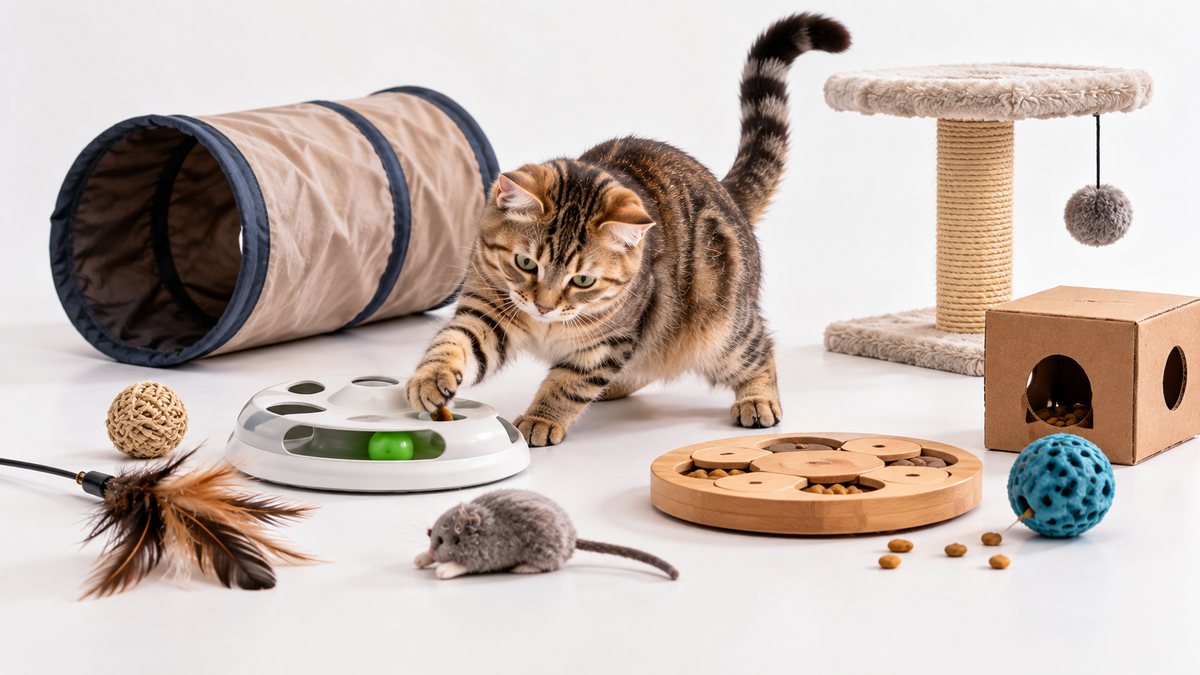
| Enrichment demand | High High enrichment demand: regular social play, exploration and accessible climbing or puzzle activities suit its playful, curious temperament. |
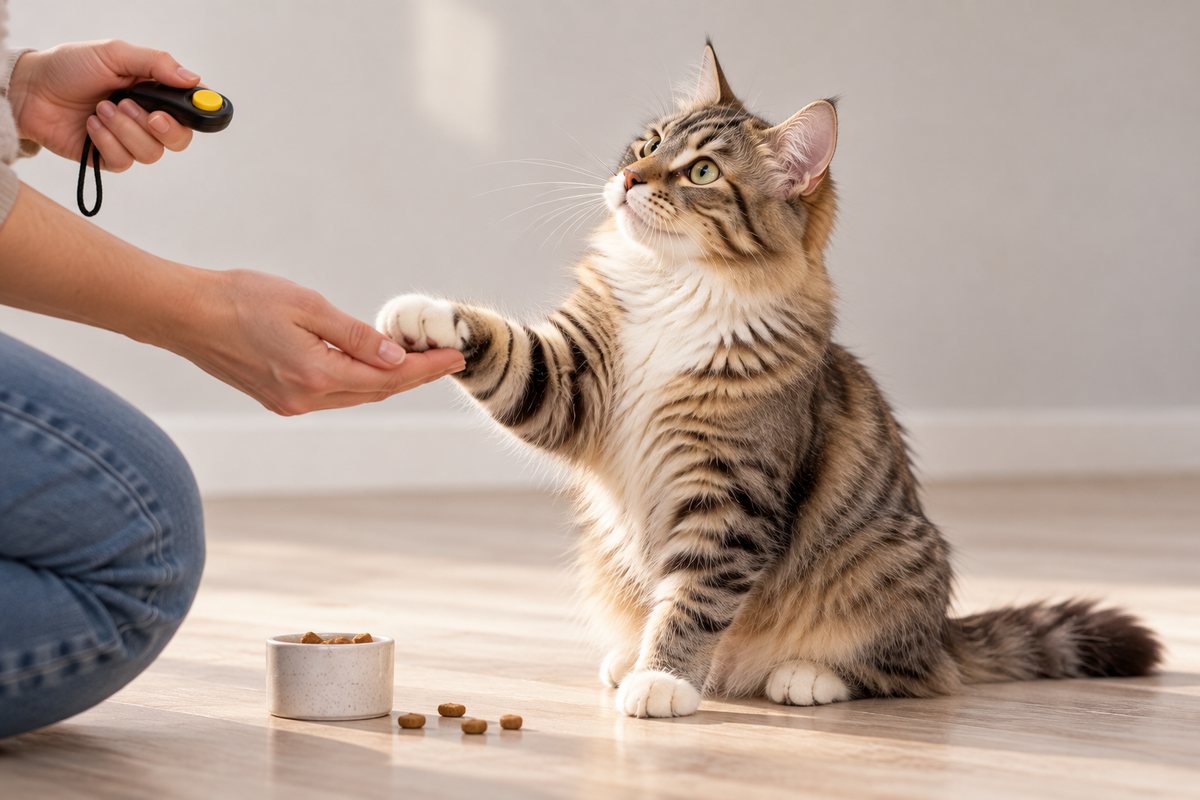
| Learning & training | High Toybobs are playful and people-focused, so simple tricks and household routines should be learned readily, with short sessions appropriate to their small size. |
| Curiosity & exploration | High Toybobs are small but typically playful and socially engaged; expect moderate-to-high curiosity directed toward toys, people and accessible household spaces. |
| Hunting & chasing tendencies | High Toybobs are playful despite their tiny size; expect moderate-to-strong ground-level chasing, with appropriately small, low-impact toys. |
| Personality & social | |
| Sociability with familiar people | Very high Toybobs are notably affectionate companion cats that tend to seek close contact, play and frequent interaction with familiar people. |
| Affection | Affectionate and companionable Toybobs are pleasant, affectionate companions that form close relationships with their people. |
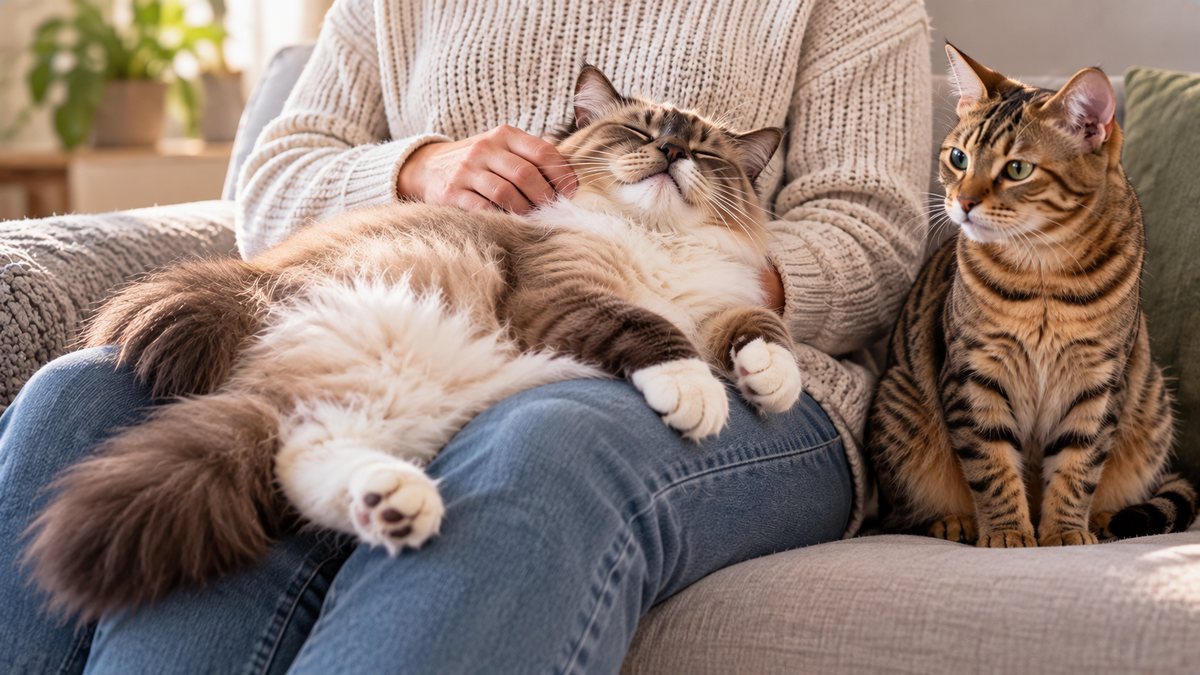
| Lap & cuddling preference | High Toybobs are small, affectionate companion cats that generally enjoy handling and close contact, making laps a common resting choice. |
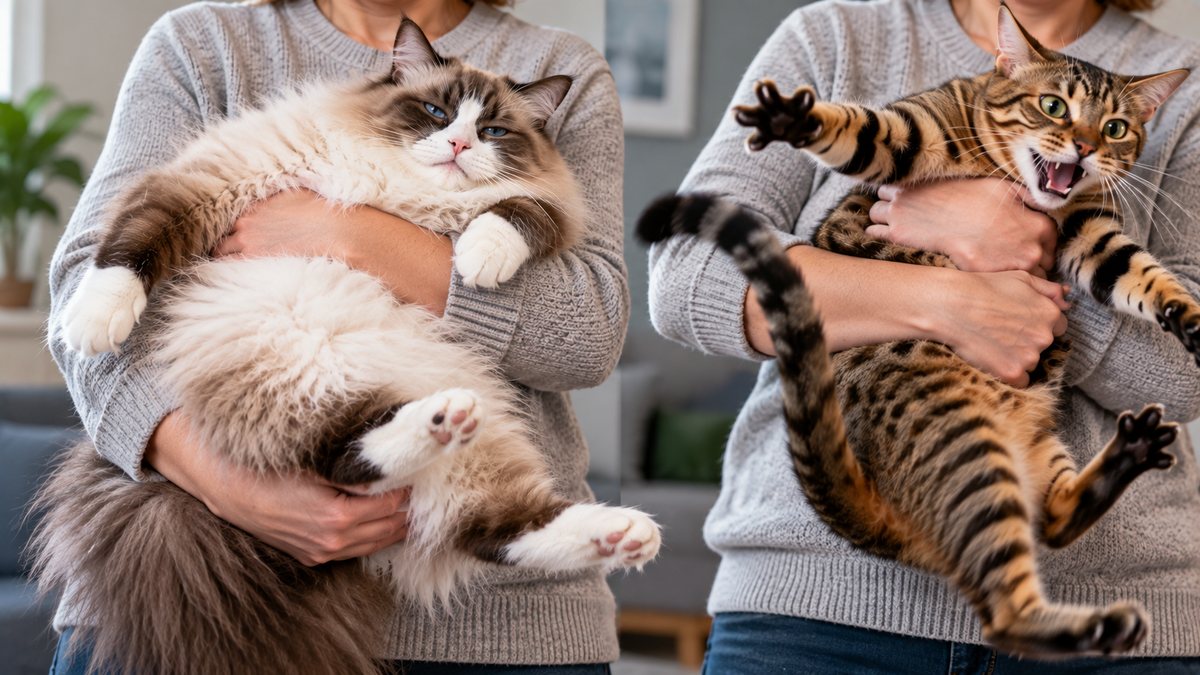
| Handling tolerance | High Toybobs are bred as small, affectionate companions and generally accept close handling readily; their diminutive body should be supported gently. |
| Independence & social demand | High social demand Toybobs are typically affectionate, companion-oriented cats that enjoy frequent contact and involvement with familiar people. |
| Vocalization | Low to moderate; individual conversational style varies Usually moderate in voice; Toybobs are strongly people-oriented and may chirp or meow for interaction without being consistently loud. |
| Response to unfamiliar people | High Toybobs are typically sociable, affectionate and confident companion cats; many accept unfamiliar people readily after a brief introduction. |
| Adaptability to change | Moderate to high Toybobs are generally sociable and playful companion cats; their small size calls for a physically safe transition, but temperamentally they should adjust well to normal household change. |
| Noise & busy-environment sensitivity | Moderate Toybobs are generally affectionate and confident companion cats, but their very small size makes access to protected quiet spaces particularly useful in hectic households. |
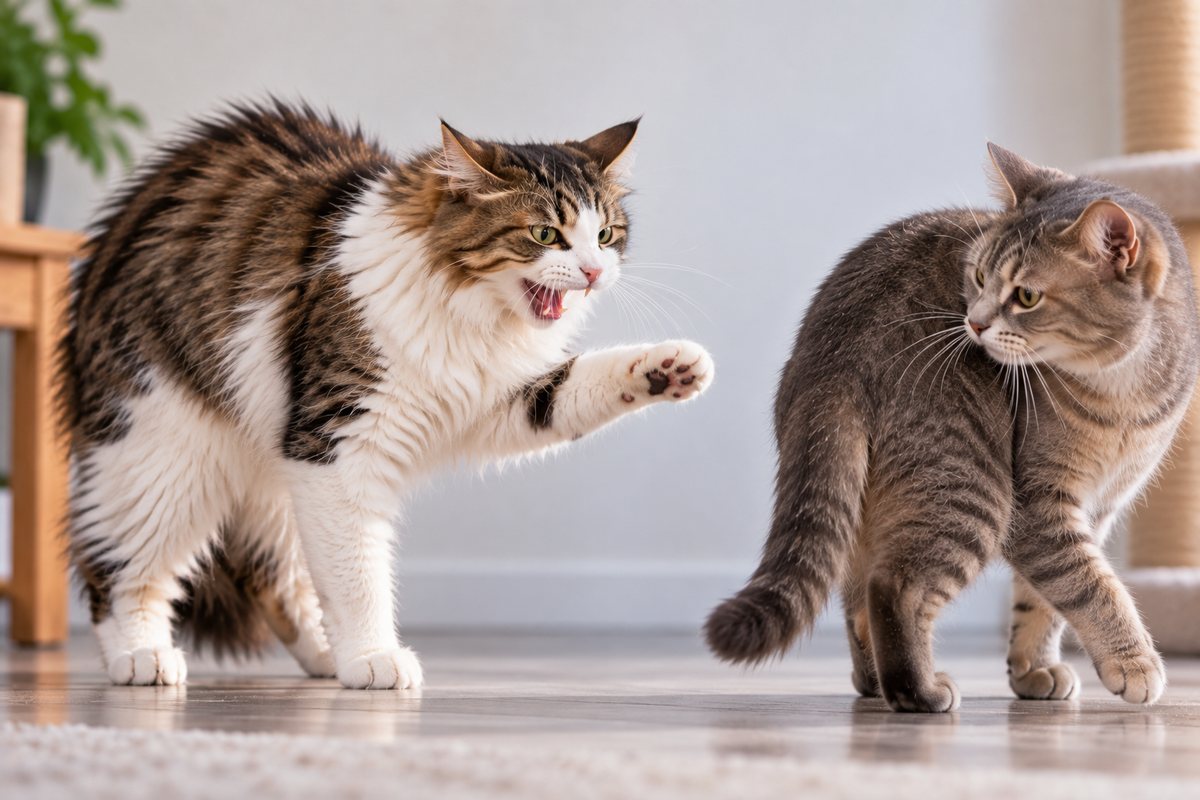
| Defensive & conflict behaviour | Low Toybobs are generally bred as affectionate, sociable companion cats. Their very small stature makes escape routes and gentle handling important, but there is no strong reason to expect elevated breed-level conflict behavior in well-socialized individuals. |
| Household & environment | |
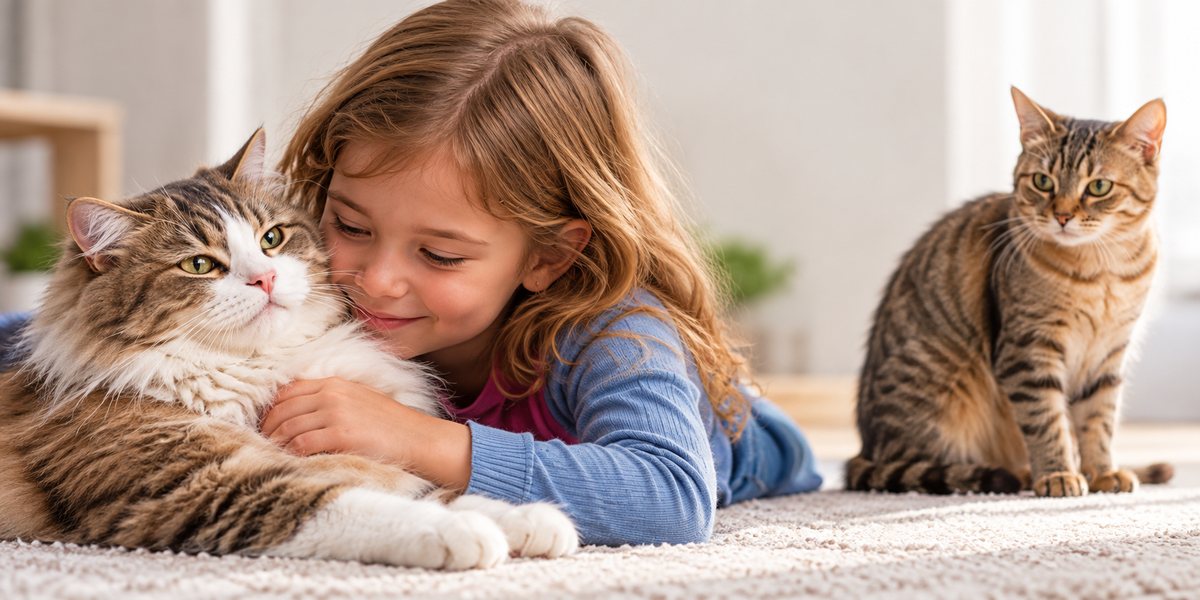
| Living with children | Moderate Toybobs are generally affectionate, sociable companion cats, but their exceptionally small stature calls for careful handling. Gentle older children may be excellent companions; very young children require close supervision to prevent falls, squeezing, or accidental injury. |
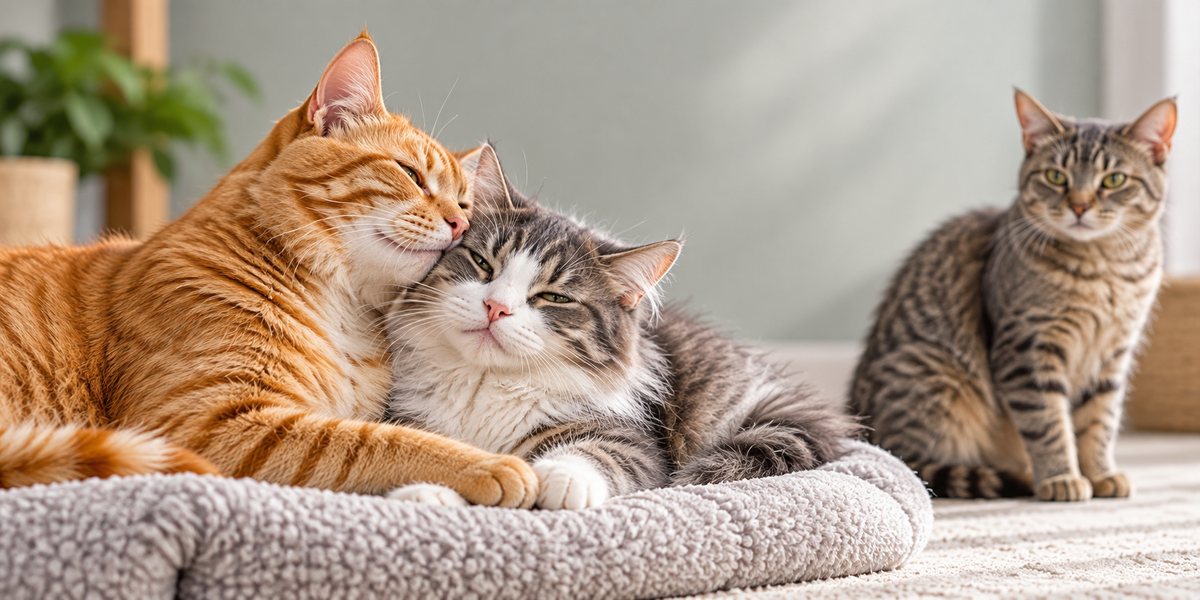
| Living with other cats | Favorable tendency Toybobs are generally sociable, playful and companion-oriented despite their very small size. They can do well with other friendly cats, but a gentle play partner is preferable to a much larger or rough companion that could accidentally injure them. |
| Living with dogs | Moderate Toybobs are generally sociable, but their exceptionally small stature makes the dog's size and play style unusually important. They can live with a gentle cat-safe dog; boisterous play or any chasing presents greater physical risk than for a larger cat. |
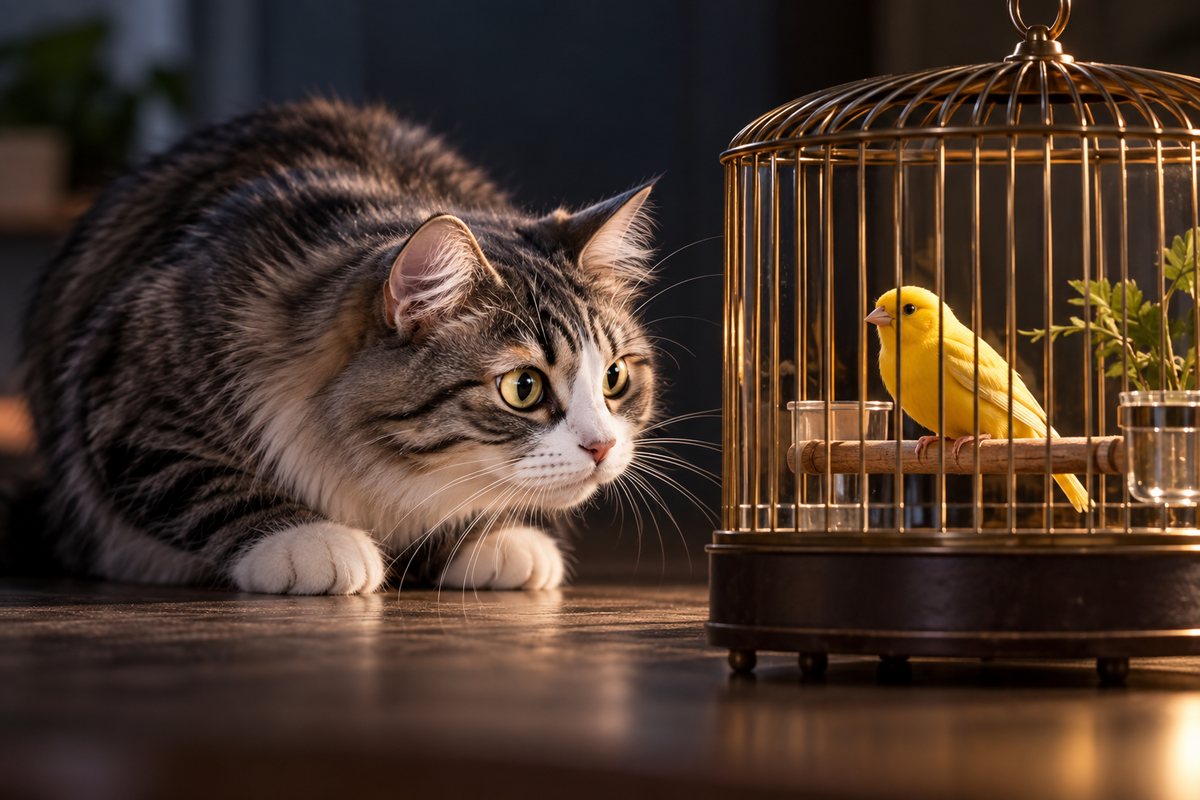
| Living around small pets | Normal predatory caution Toybobs are exceptionally small, but small body size does not eliminate feline prey behavior. They may pose less physical reach than larger athletic breeds, yet birds and rodents still require secure protection from direct access. |
| Indoor & home environment needs | Small cat safe indoor Toybobs are exceptionally small cats, so indoor safety and appropriately scaled resources matter. Provide stable low-to-moderate climbing options, small secure retreats, scratching sites and active play while blocking gaps or hazards a tiny cat could enter. |
| Outdoor access considerations | Secure small cat Toybobs are exceptionally small, increasing their vulnerability to dogs, predators and environmental hazards. Outdoor enrichment should therefore be securely enclosed or closely supervised rather than unrestricted. |
| Heat, cold & sun considerations | Small shortcoat temperature sensitive Toybobs are exceptionally small, so they can lose body heat relatively quickly, especially in short-coated individuals. Provide warm indoor retreats in cool weather and shade and hydration in heat; extreme temperatures deserve extra caution. |
| Caregiver time & experience | Moderate Toybobs are sociable, playful cats whose tiny size calls for a little extra household management. Caregivers should provide appropriately scaled resources, prevent accidental injury and still meet ordinary daily play and companionship needs. |
| Health & welfare | |
| Documented health predispositions | Limited specific risk Toybobs are a very small-bodied, rare breed without a mature evidence base for breed-wide disease prevalence. Breeders should document cardiac, orthopedic and reproductive health carefully and distinguish healthy small stature from developmental weakness. |
| Screening & breeder questions | Ask what health problems are tracked in the lines and request actual test results Ask how the breeder distinguishes healthy inherited small stature from developmental weakness, and request cardiac, orthopedic, reproductive and longevity history across relatives. Genetic diversity is also important in this rare breed. |
| Conformation-related welfare | Moderate small size concern Toybobs are selected for exceptionally small stature and a shortened tail. Welfare-focused breeding should ensure adults are robust rather than developmentally stunted and confirm normal spine, pelvis, gait and pain-free tail anatomy. |
| Nutrition & weight management | Small frame condition led Toybobs are exceptionally small, so portions must be scaled to the individual rather than to an average adult cat. Maintain robust muscle and normal fat cover, and do not use the breed's tiny size to dismiss unexplained weight loss or poor growth. |
| Longevity | 13–17 years Toybobs are very small but not simply miniature through poor growth; about 13–17 years is a reasonable working range for this rare breed. |
| Cost & availability | |
| Purchase cost | Very high: $1,200–$3,000+ Toybob: a practical breeder-market estimate is $1,200–$3,000+. This reflects that it is an rare miniature bobtail breed with limited international breeders. |
| Adoption & rehoming cost | Very rare in rescue: $100–$600 when genuinely available Toybob: $100–$600 when genuinely available. The breed is scarce enough that a verified purebred rescue placement is unusual; transport may exceed the adoption fee. |
| Recurring ownership costs | Enrichment/toy replacement Small body size may modestly reduce food and litter consumption, while coat care is simple. Routine dental/preventive veterinary care and safe, appropriately scaled enrichment matter more than expensive specialty equipment. |
| Availability, waits & import | Very rare Toybobs have a small breeder population spread across Russia, Europe, North America and a few other regions. They remain rare enough that careful pedigree verification and patience are preferable to purchasing from novelty sellers. |
| Identity & real-world context | |
| Ownership & import restrictions | No known breed specific restrictions There are no known breed-specific ownership restrictions. Ordinary animal-welfare, identification, vaccination and cross-border import rules still apply where relevant. |
| Registry recognition | CFA: recognized breed/division · TICA: Championship-recognized / current breed identity Currently recognized by CFA and TICA in the FSC core matrix; it is not a separately recognized FIFe breed identity in that matrix. |
| Similar breeds & identity distinctions | Mekong Bobtail small domestic Toybobs are defined by very small adult size together with a short kinked tail. Mekong Bobtails are substantially larger and colorpointed, while an unusually small domestic bobtail lacks the documented Toybob breeding ancestry. |
| Reported characteristic quirks | Naturally tiny but not delicate The Toybob combines an unusually small body with a sturdy, muscular feel and a naturally kinked bobtail. |
Browse all 53 breed characteristics
Open any characteristic to compare all breeds on that dimension.









 English