
Compare Cat Breeds
Compare up to three breeds across all 53 characteristics. Values are shown directly so the differences are easier to scan.
| Characteristic |  American Curl |
|---|---|
| Body & development | |
| Adult size | Small to medium |
| Adult weight | Females 2.3–3.6 kg (5.1–7.9 lb); Males 3.2–4.5 kg (7.1–9.9 lb) Females are commonly about 2.3–3.6 kg (5.1–7.9 lb) and males about 3.2–4.5 kg (7.1–9.9 lb). |
| Build & distinguishing morphology | Rectangular · curled ears Build: rectangular; curled ears. |
| Maturation | 2-3 years American Curls develop their characteristic ear curl in kittenhood, but overall body maturity is gradual and full adult development can extend to about 2–3 years. |
| Coat & appearance | |
| Coat length | Short · long Recognized in both shorthair and longhair forms. |
| Coat texture & undercoat | Silky flat lying · little undercoat · short or long Coat: silky flat lying; little undercoat; short or long. |
| Colors & patterns | All colors patterns Colors/patterns: all colors patterns. |
| Eye colors | All eye colors; blue required in colorpoint All eye colours occur; colourpointed cats should have blue eyes. |
| Coat & routine care | |
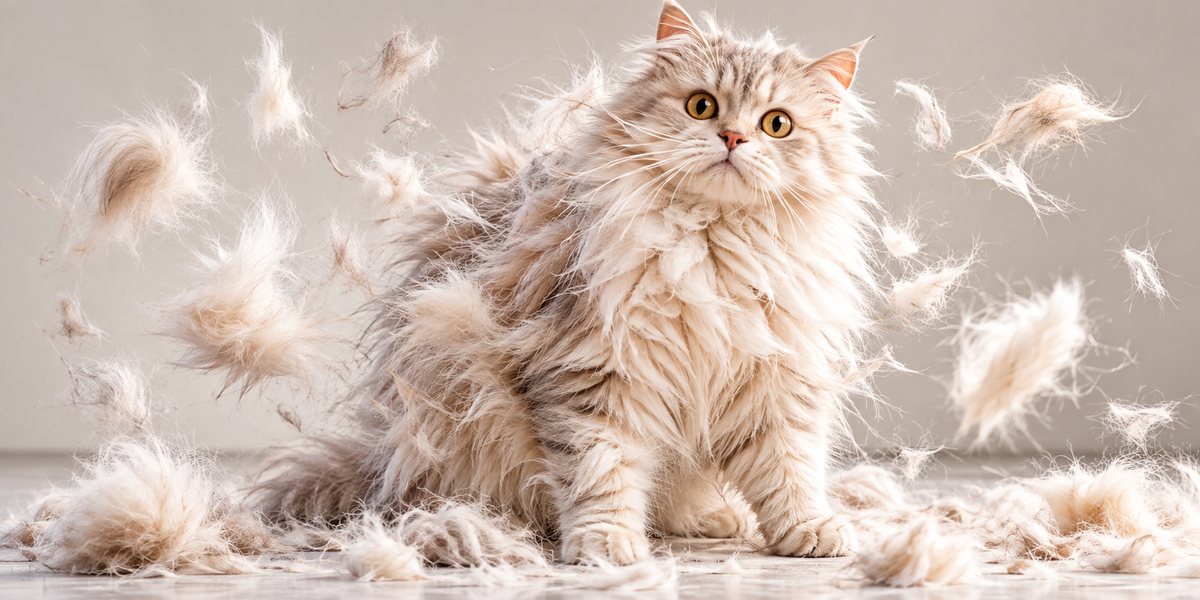
| Shedding | Low to moderate Low to moderate shedding; the silky coat has relatively little undercoat, including in longhaired Curls. |
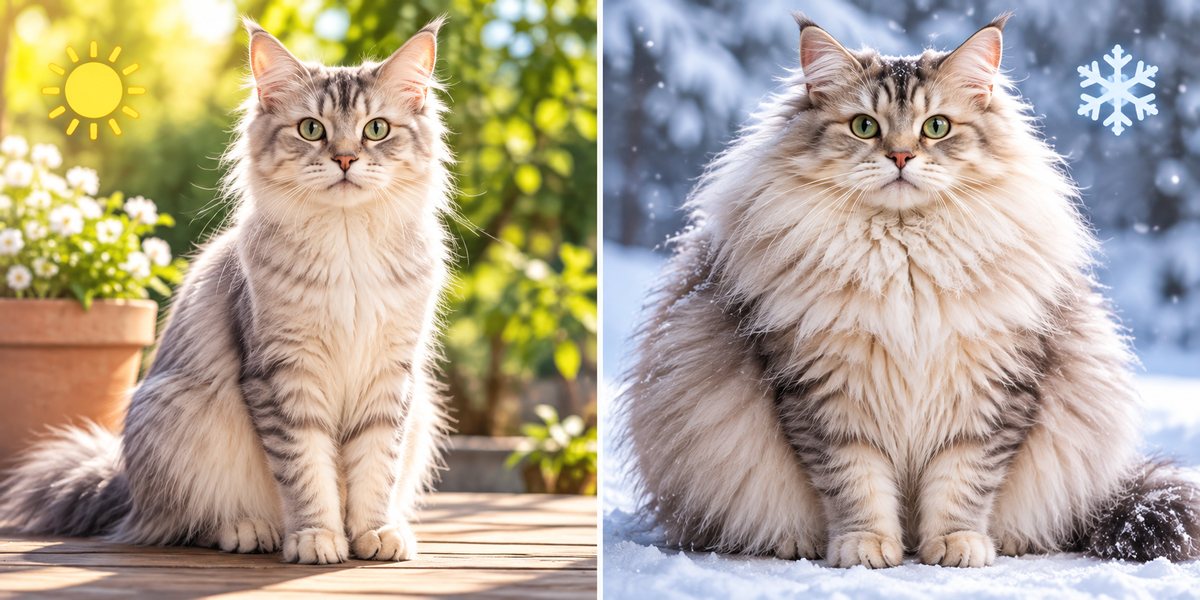
| Seasonal coat changes | Mild to moderate seasonal change American Curls usually have only a mild-to-moderate seasonal change because the silky coat carries little undercoat; longhairs may show the change more clearly in the tail and furnishings. |
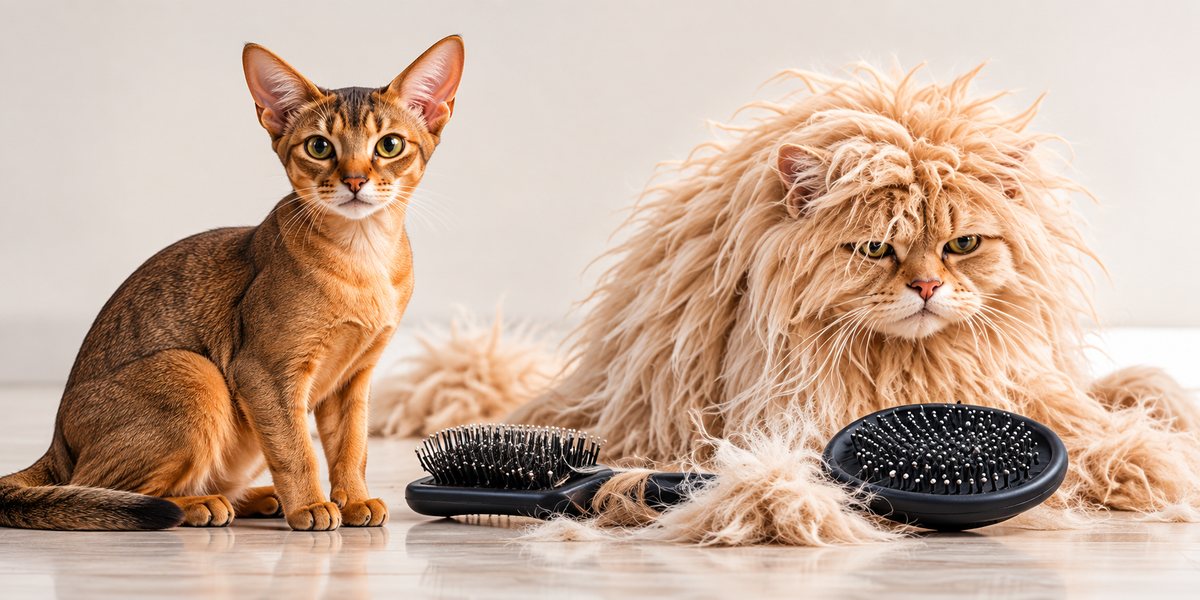
| Brushing & combing | Low Brushing/combing: low. |
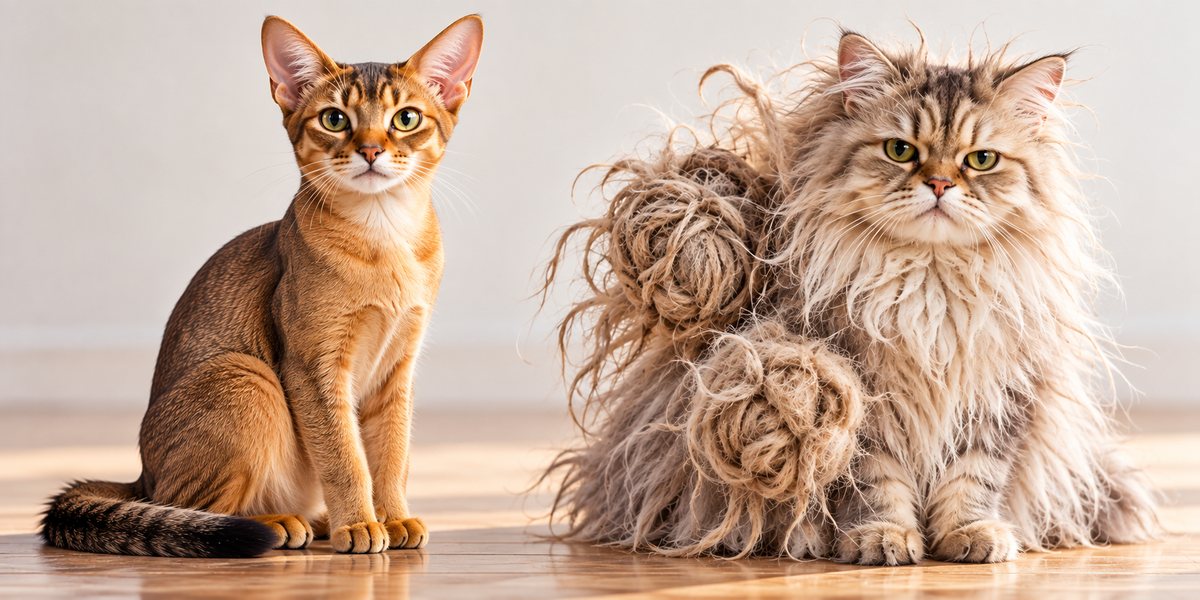
| Tangle & matting tendency | Low The silky coat and sparse undercoat resist matting well, including in longhairs, though feathering behind the ears and under the legs still benefits from periodic combing. |
| Skin & bathing care | Bathing not routinely needed Routine bathing is generally unnecessary; bathe only when the coat is genuinely soiled or for a specific veterinary or grooming reason. |
| Distinctive routine care | Gentle ear handling due to curled cartilage Distinctive care: gentle ear handling due to curled cartilage. |
| Allergy & allergen evidence | No breed specific reduction established There is no known reason to regard this breed as hypoallergenic. All cats produce allergens, and coat length or shedding alone does not determine allergy risk. |
| Activity & intelligence | |
| Activity level | Moderate Active and playful with daily exercise, but also settles readily; evidence supports moderate adult activity. |
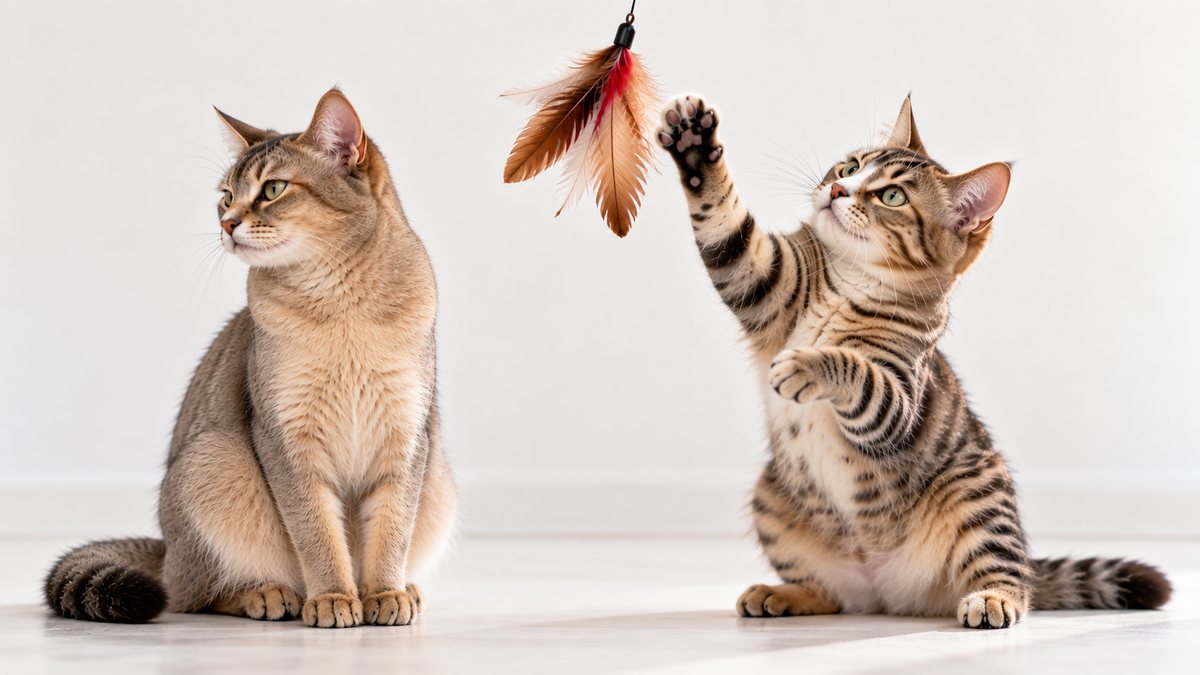
| Playfulness | Very high |
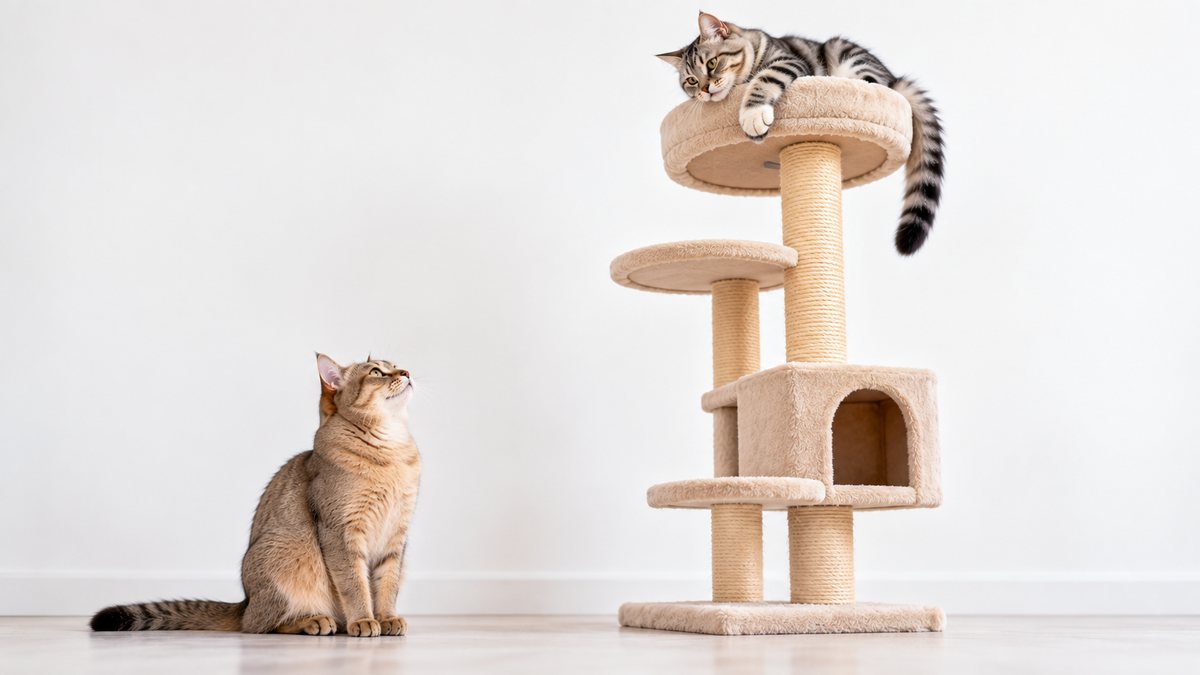
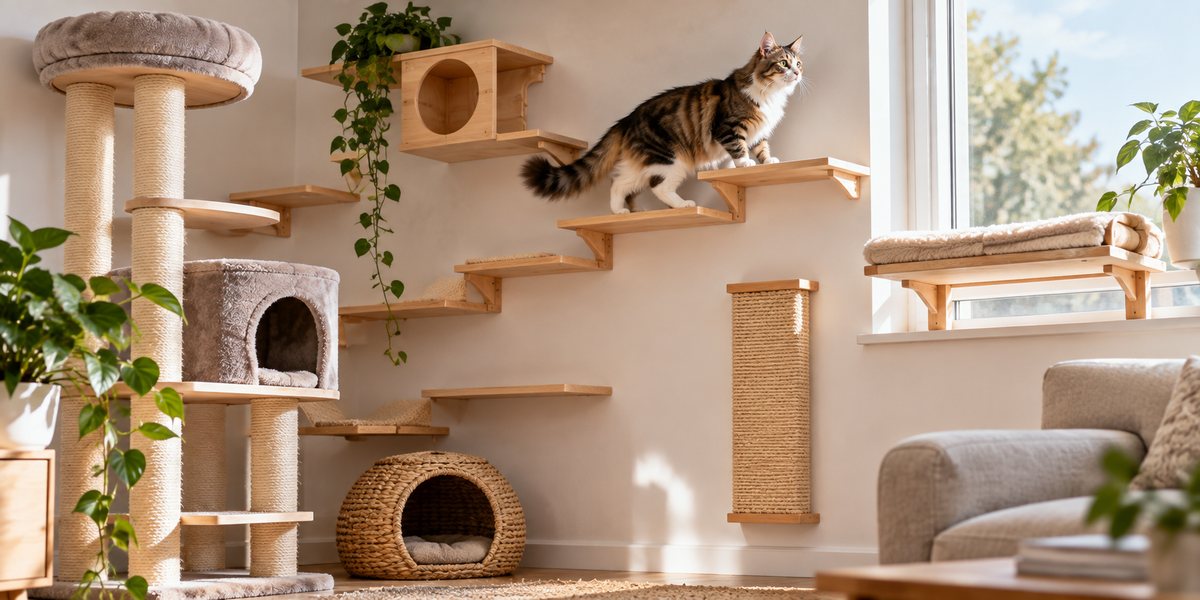
| Climbing & jumping | High American Curls remain playful and inquisitive into adulthood, so they commonly use shelves, cat trees and other elevated routes around the home. |
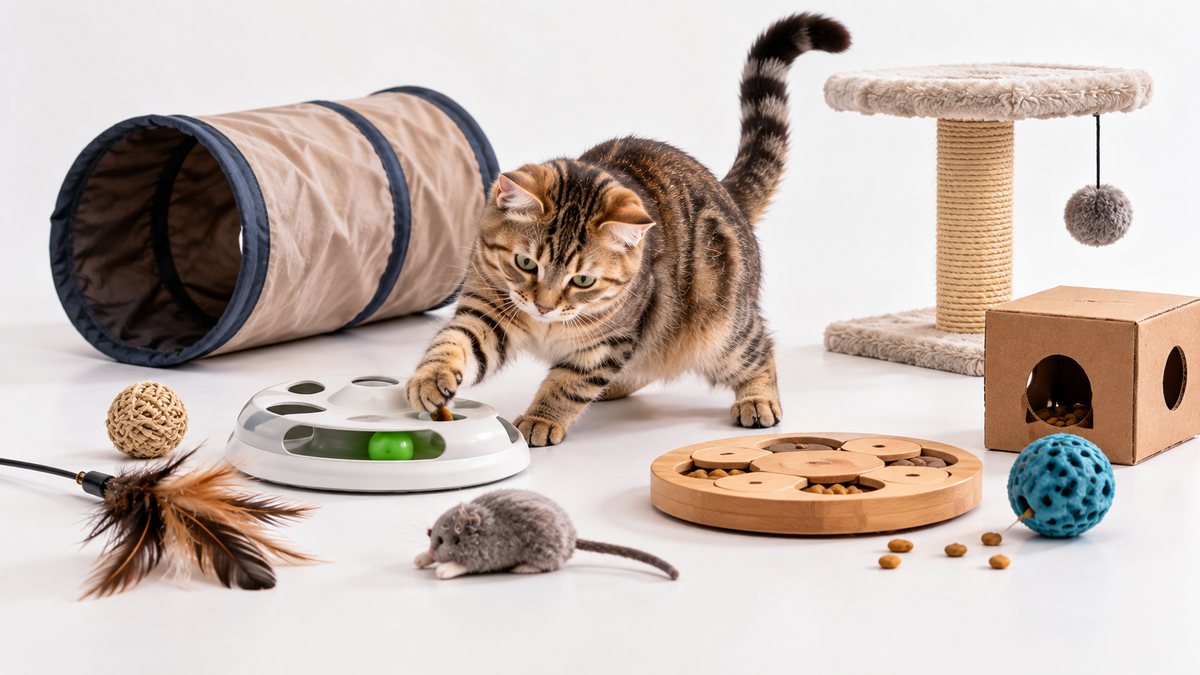
| Enrichment demand | High High enrichment demand: its strong play drive and curiosity are best served by daily games, rotating toys and accessible vertical territory. |
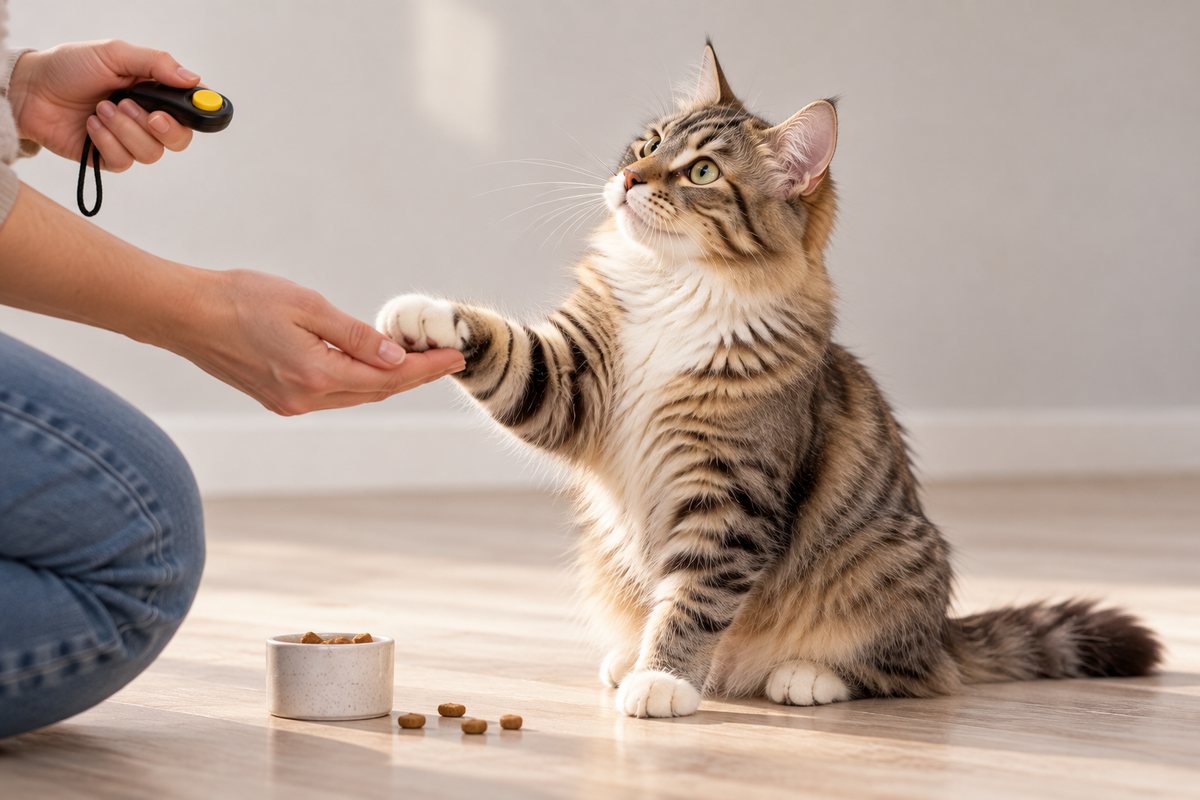
| Learning & training | High American Curls are clever, inquisitive cats that can learn games such as fetch. |
| Curiosity & exploration | High Curiosity is pronounced; Curls spend considerable time exploring and investigating their surroundings. |
| Hunting & chasing tendencies | High Chasing is likely to be above average because American Curls remain unusually playful into adulthood, although they are not primarily selected as working mousers. |
| Personality & social | |
| Sociability with familiar people | Very high American Curls are strongly people-oriented and want to take part in family life. |
| Affection | Physical · people oriented · interactive Affection is openly physical and interactive, including nuzzling, head bumps and staying close to family members. |
| Lap & cuddling preference | High Many American Curls readily settle on a lap when they are ready to rest. |
| Handling tolerance | High Typically people-focused and adaptable, and most well-socialized American Curls accept ordinary handling readily; the curled ears themselves should be handled gently and never forced. |
| Independence & social demand | High social demand The breed is strongly people-oriented and generally prefers regular involvement with its household. |
| Vocalization | Low Generally not noisy; communication is often quiet, including soft cooing. |
| Response to unfamiliar people | Generally confident and adaptable American Curls are typically inquisitive and even-tempered rather than strongly wary, and they adapt readily to new situations. |
| Adaptability to change | Very high American Curls are notably adaptable to new situations and household changes. |
| Noise & busy-environment sensitivity | Low to moderate American Curls are adaptable and people-oriented, so most tolerate routine household bustle well; persistent loud noise can still become tiring. |
| Defensive & conflict behaviour | Very low American Curls are usually notably easygoing and people-oriented. Their typical response to social pressure is avoidance or continued friendly engagement rather than escalation, making serious conflict tendency low. |
| Household & environment | |
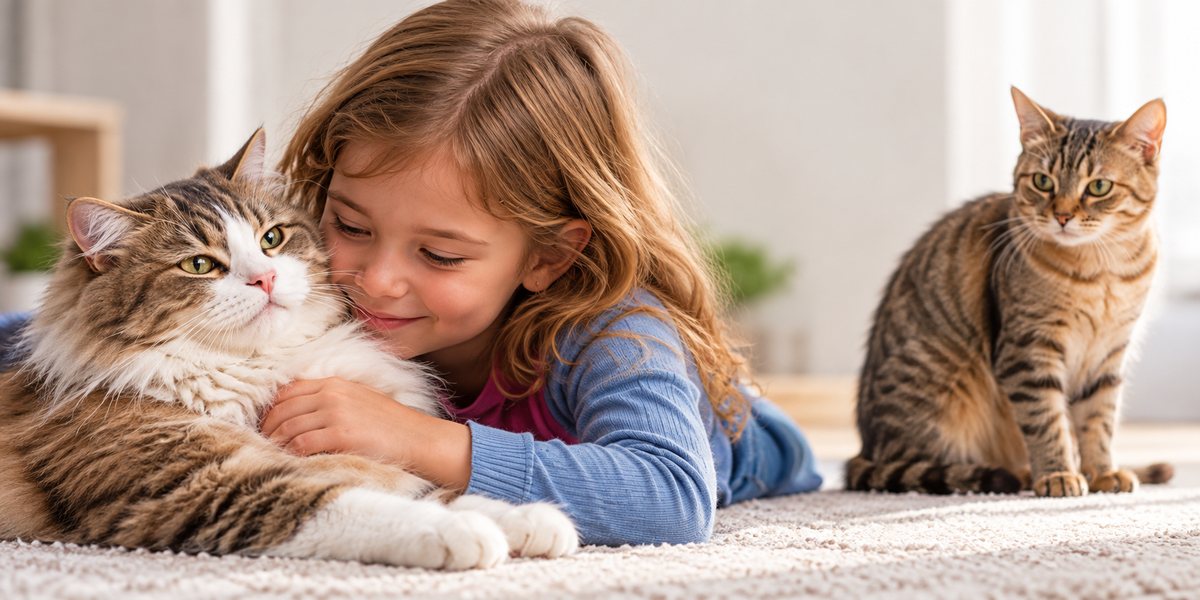
| Living with children | Favorable tendency American Curls generally enjoy respectful children and fit well into family households. |
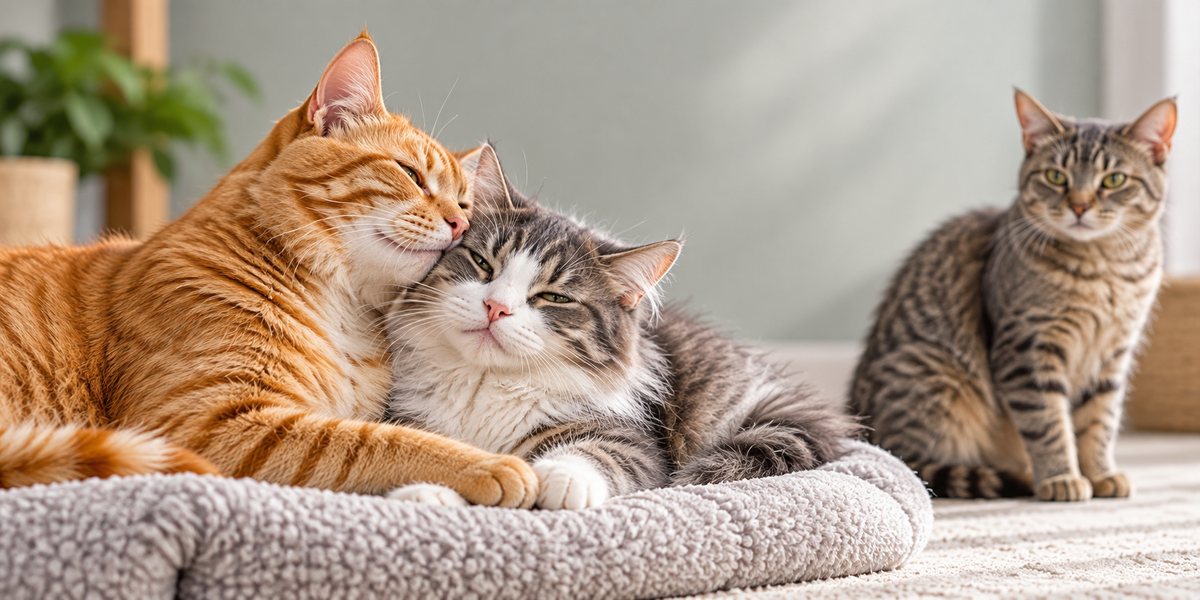
| Living with other cats | Favorable tendency American Curls are usually friendly, playful and tolerant, and many fit comfortably into multi-cat households, especially when the resident cats have similarly sociable temperaments. |
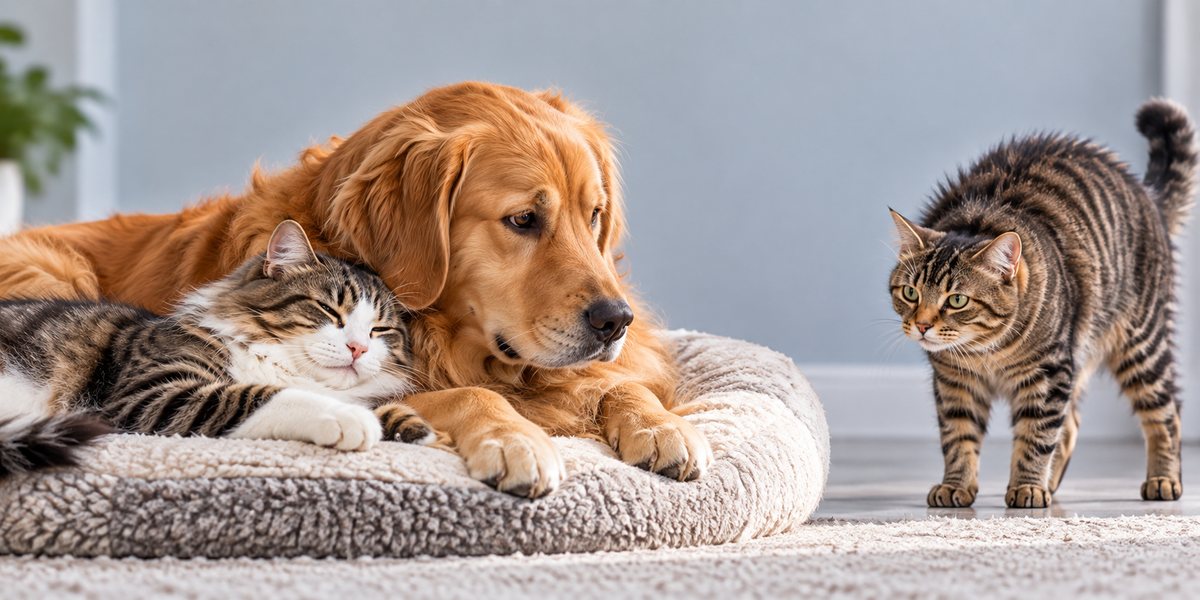
| Living with dogs | Good American Curls generally adapt well to cat-friendly dogs. |
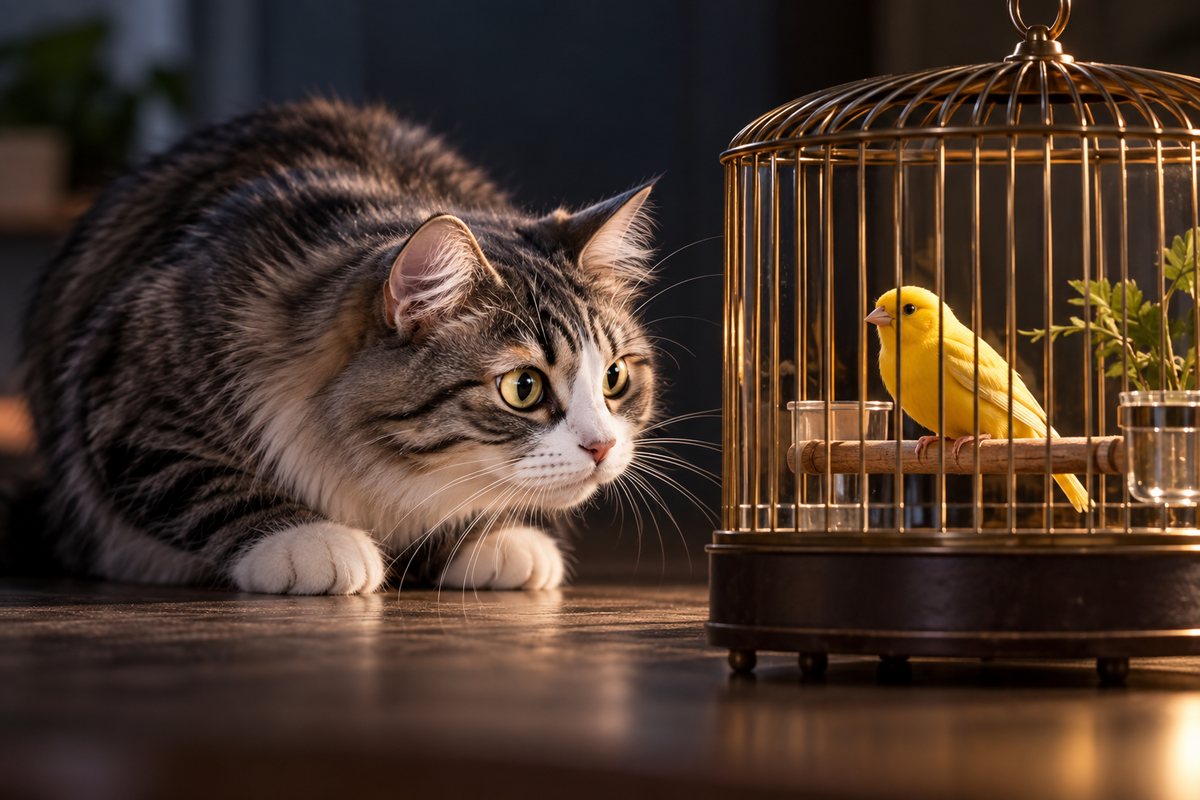
| Living around small pets | Normal predatory caution American Curls are playful and curious but are not especially defined by unusually strong prey drive. Normal feline hunting risk remains enough that birds, rodents and other small pets should be securely separated. |
| Indoor & home environment needs | Active indoor enrichment American Curls are curious, playful cats that benefit from an indoor home with climbable territory, window observation and regular interactive games. Their ears should not be handled or bent during play, and quiet retreat areas remain important. |
| Outdoor access considerations | Secure optional American Curls are playful, adaptable companions and do not require free roaming. A secure catio or enclosed garden can add climbing and sensory variety while protecting them from traffic, conflict and loss. |
| Heat, cold & sun considerations | Moderate coat adaptable American Curls have variable short or semi-long coats with relatively little undercoat, so they are not extreme cold specialists. Normal indoor climate control, shade and water are sufficient for most, with extra warmth in prolonged cold for lightly coated individuals. |
| Caregiver time & experience | Moderate American Curls are sociable, playful cats with generally straightforward grooming. They fit many committed households, provided someone has time for daily interaction and handles the curled ears gently rather than treating them as a maintenance feature. |
| Health & welfare | |
| Documented health predispositions | None known There is no known breed-specific genetic health problem requiring a canonical warning for the American Curl. |
| Screening & breeder questions | Ask for documentation relevant to the breed’s recorded health concerns Ask whether breeding cats have normal, flexible ear cartilage without painful narrowing or chronic infection, what heart and kidney problems have occurred in the family, and request routine veterinary screening records. |
| Conformation-related welfare | Low ear trait monitoring American Curls have a cartilage mutation that curls the ears backward, but the ears should remain flexible and free of pain or narrowing. Welfare-focused breeding should avoid rigid or excessively curled ears and preserve normal ear-canal health. |
| Nutrition & weight management | Moderate condition led American Curls have no established need for a breed-specific diet. A complete feline diet, measured to individual activity and body condition, is appropriate, with routine weight checks catching the common indoor-cat tendency to gain gradually. |
| Longevity | 10–20 years A typical reported life span is about 10–20 years. |
| Cost & availability | |
| Purchase cost | High: $1,000–$2,500 American Curl: a practical breeder-market estimate is $1,000–$2,500; distinctive mutation breed with a comparatively small breeder base. |
| Adoption & rehoming cost | Uncommon in rescue: $100–$500 typical rescue/adoption fee American Curl: $100–$500 typical rescue/adoption fee. The breed does appear in rescue, but much less often than mixed-breed cats or the most numerous pedigrees. |
| Recurring ownership costs | Enrichment/toy replacement Day-to-day costs are generally ordinary, with modest spending on enrichment. Curled ears do not require expensive routine treatment, but owners should budget for veterinary assessment rather than aggressive home cleaning if irritation develops. |
| Availability, waits & import | Moderately available American Curls have established breeders in several regions, especially North America, Europe and parts of Asia, but are not common everywhere. Prospective owners should expect breeder searching and sometimes travel rather than immediate local availability. |
| Identity & real-world context | |
| Ownership & import restrictions | No known breed specific restrictions There are no known breed-specific ownership restrictions. Ordinary animal-welfare, identification, vaccination and cross-border import rules still apply where relevant. |
| Registry recognition | CFA: recognized breed/division · TICA: Championship-recognized / current breed identity · FIFe: fully recognized breed / mapped breed identity Currently recognized in all three registries tracked by the FSC core matrix: CFA, TICA and FIFe. |
| Similar breeds & identity distinctions | Kinkalow American Curls can be confused with Kinkalows because both may have backward-curled ears. The American Curl is normally proportioned in the legs; Kinkalows combine curled ears with Munchkin-derived short legs. |
| Reported characteristic quirks | Opens doors and cabinets · retains kittenlike playfulness American Curls are noted for retaining kitten-like playfulness into adulthood, and some become adept at opening doors and cabinets. |
Browse all 53 breed characteristics
Open any characteristic to compare all breeds on that dimension.

 English