
Compare Cat Breeds
Compare up to three breeds across all 53 characteristics. Values are shown directly so the differences are easier to scan.
| Characteristic |  Aegean |
|---|---|
| Body & development | |
| Adult size | Medium |
| Adult weight | 3.5–5.5 kg (7.7–12.1 lb) Adults are generally around 3.5–5.5 kg (7.7–12.1 lb). |
| Build & distinguishing morphology | Medium · athletic · moderately muscular · balanced The Aegean is a medium, athletic natural cat with balanced proportions, moderate bone and practical musculature rather than an extreme cobby or Oriental frame. |
| Maturation | 12-18 months As a moderate natural breed, the Aegean usually completes most skeletal growth in its first year and fills out through roughly 12–18 months. |
| Coat & appearance | |
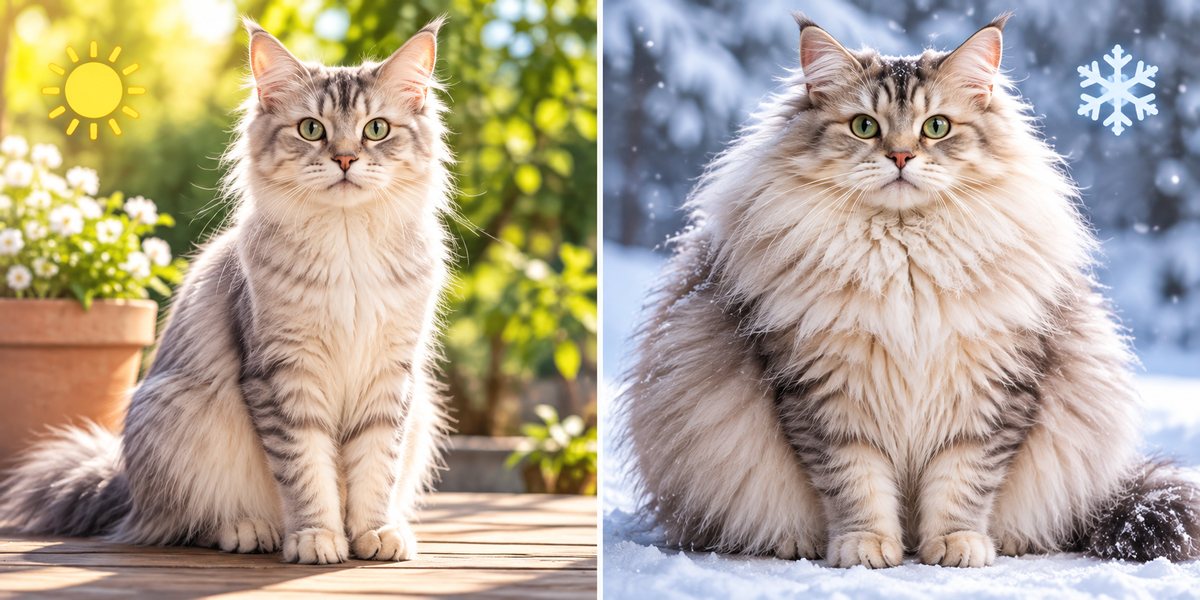
| Coat length | Semi long Commonly described as semi-longhaired with seasonal coat variation. |
| Coat texture & undercoat | Short to semi long · moderate undercoat · weather resistant The Aegean has a resilient short-to-semi-long coat with a moderate seasonal undercoat, suited to an outdoor Mediterranean island climate. |
| Colors & patterns | Bicolor or tricolor with white; black · blue · red · cream common Aegeans are characteristically bi- or tricoloured with substantial white; black, blue, red and cream patches and tabby areas are common. |
| Eye colors | Green · yellow-green · gold Green through yellow-green and gold are typical; eye colour is not narrowly fixed. |
| Coat & routine care | |
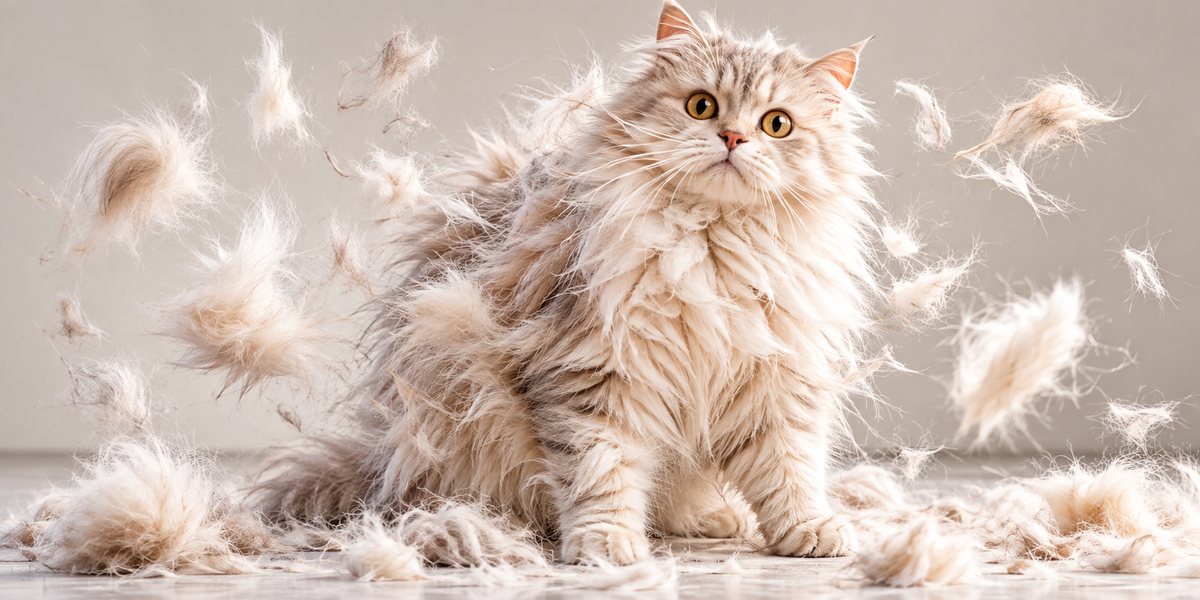
| Shedding | Moderate seasonal Moderate shedding, with a clearer spring and autumn increase from its adaptable Mediterranean coat. |
| Seasonal coat changes | Pronounced spring shed The Aegean commonly sheds excess coat in spring, with indoor cats often shedding to some degree year-round. |
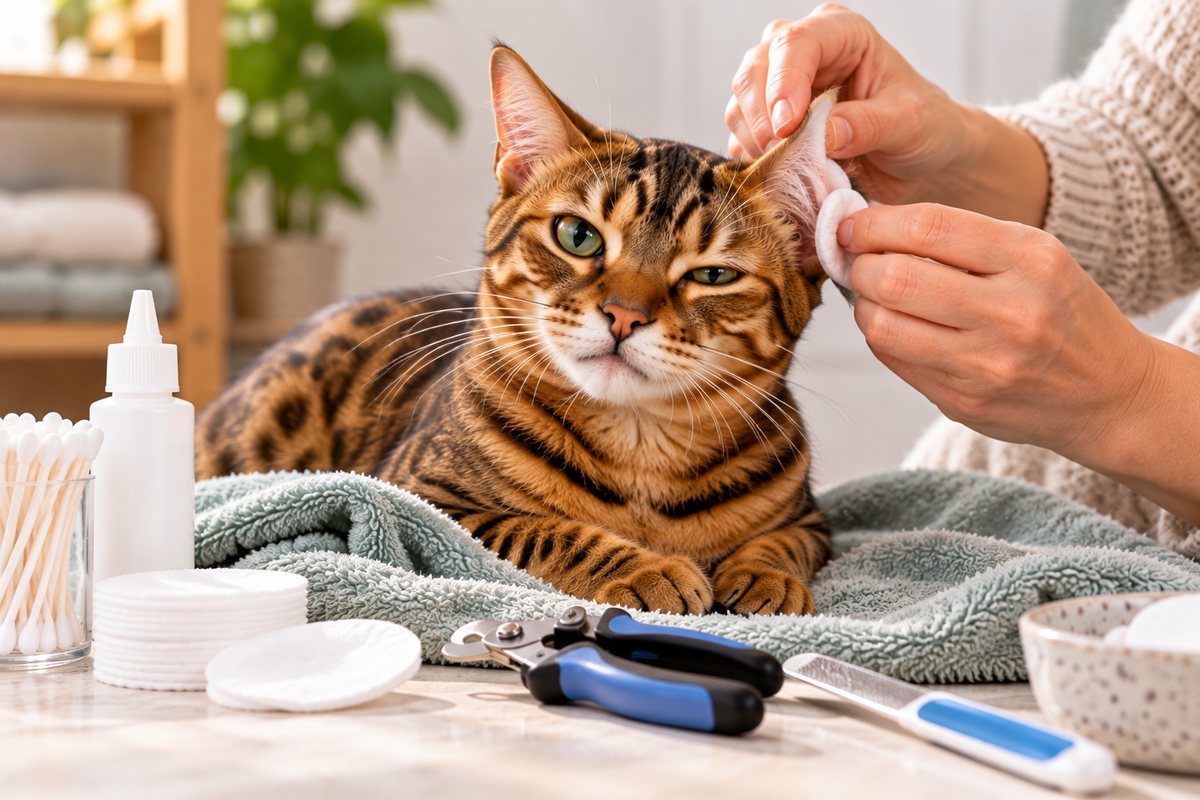
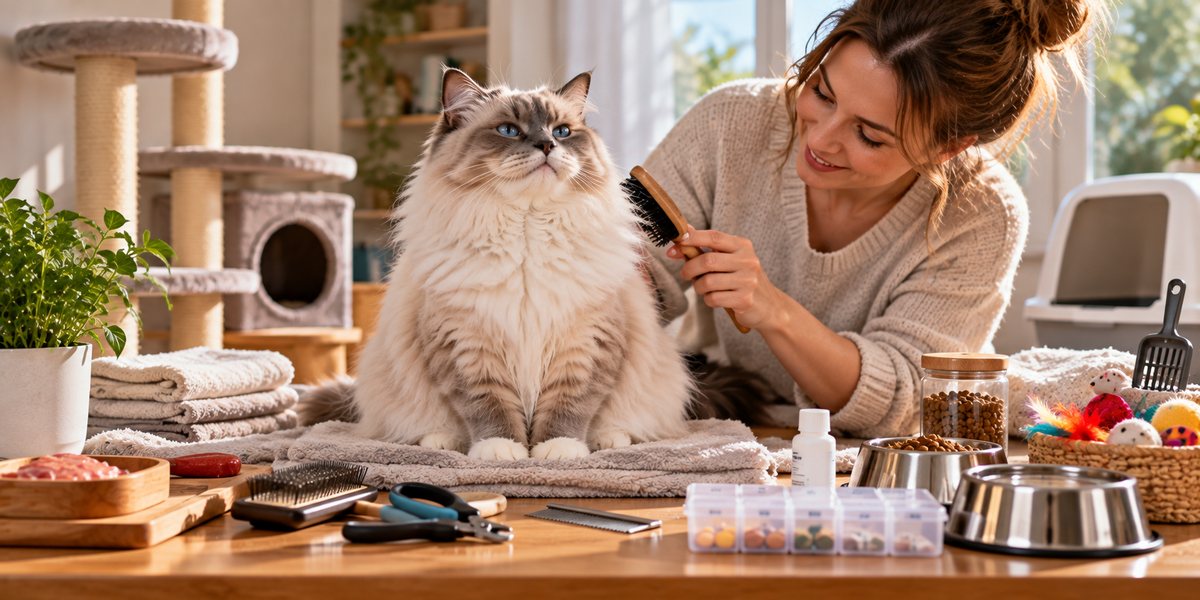
| Brushing & combing | Weekly Weekly brushing is generally appropriate, with extra attention during heavier spring shedding. |
| Tangle & matting tendency | Low to moderate seasonal The resilient short-to-semi-long coat is usually manageable, but denser seasonal undercoat can knot around the ruff, armpits and hindquarters if ignored. |
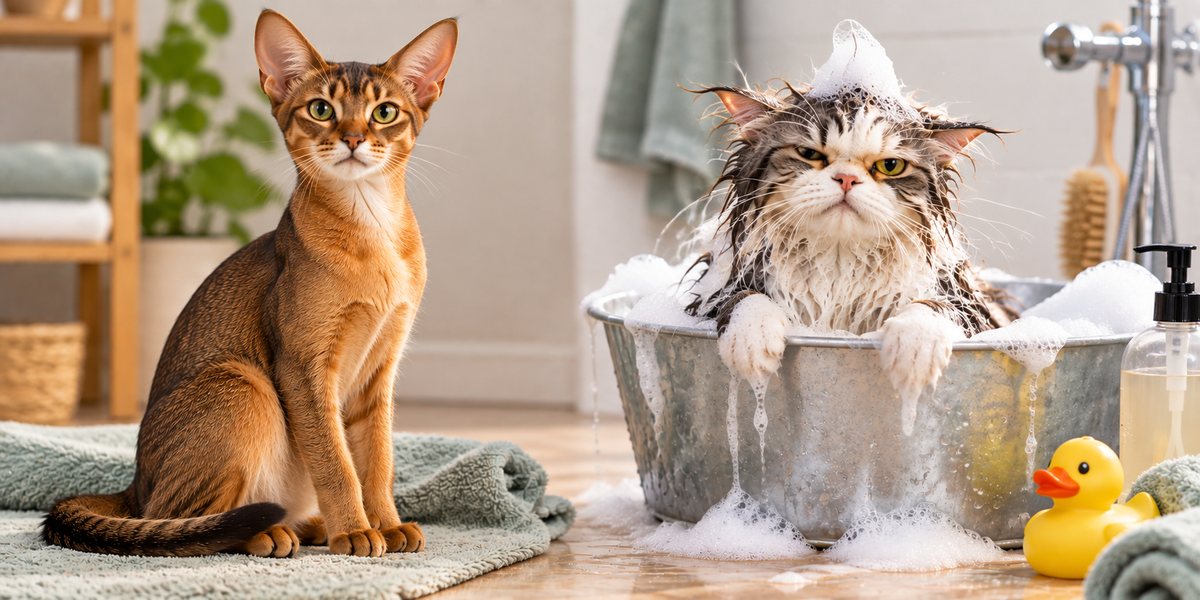
| Skin & bathing care | Bathing not routinely needed Routine bathing is generally unnecessary; bathe only when the coat is genuinely soiled or for a specific veterinary or grooming reason. |
| Distinctive routine care | Seasonal coat plus activity Aegeans need routine brushing, with extra attention during seasonal shedding, plus regular nail and dental care. Their active nature also makes daily play and checks for minor scrapes or parasites sensible where secure outdoor access is used. |
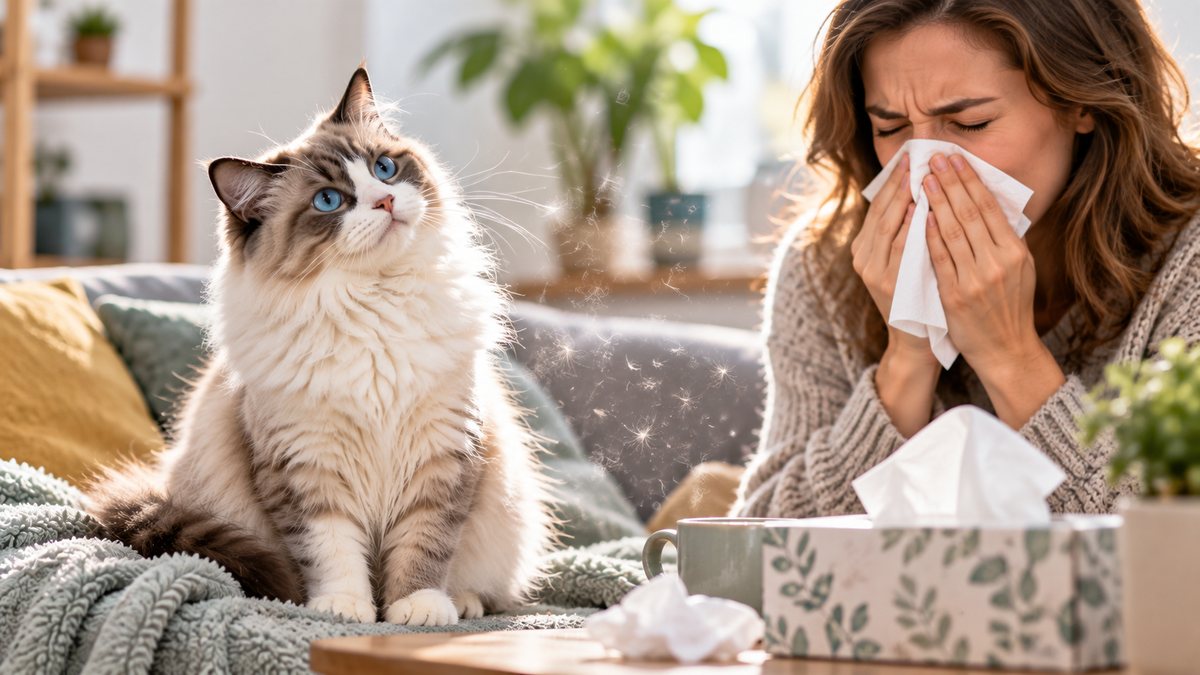
| Allergy & allergen evidence | No breed specific reduction established There is no known reason to regard this breed as hypoallergenic. All cats produce allergens, and coat length or shedding alone does not determine allergy risk. |
| Activity & intelligence | |
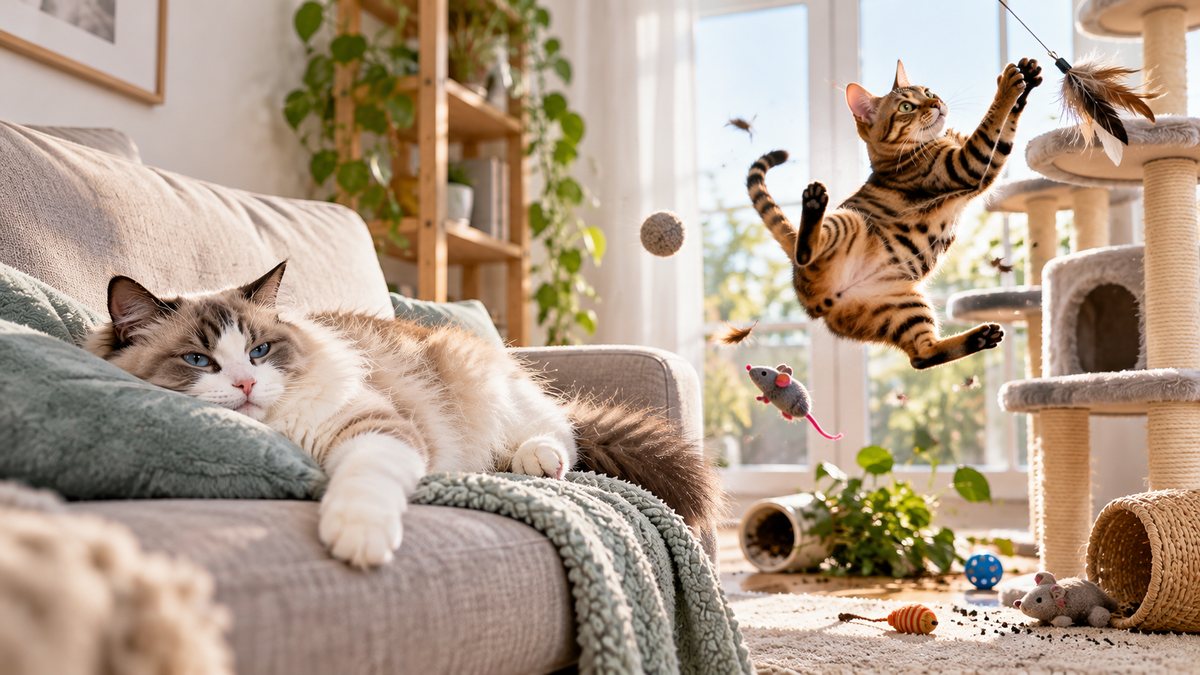
| Activity level | High Aegean cats are active and benefit from substantial daily play. |
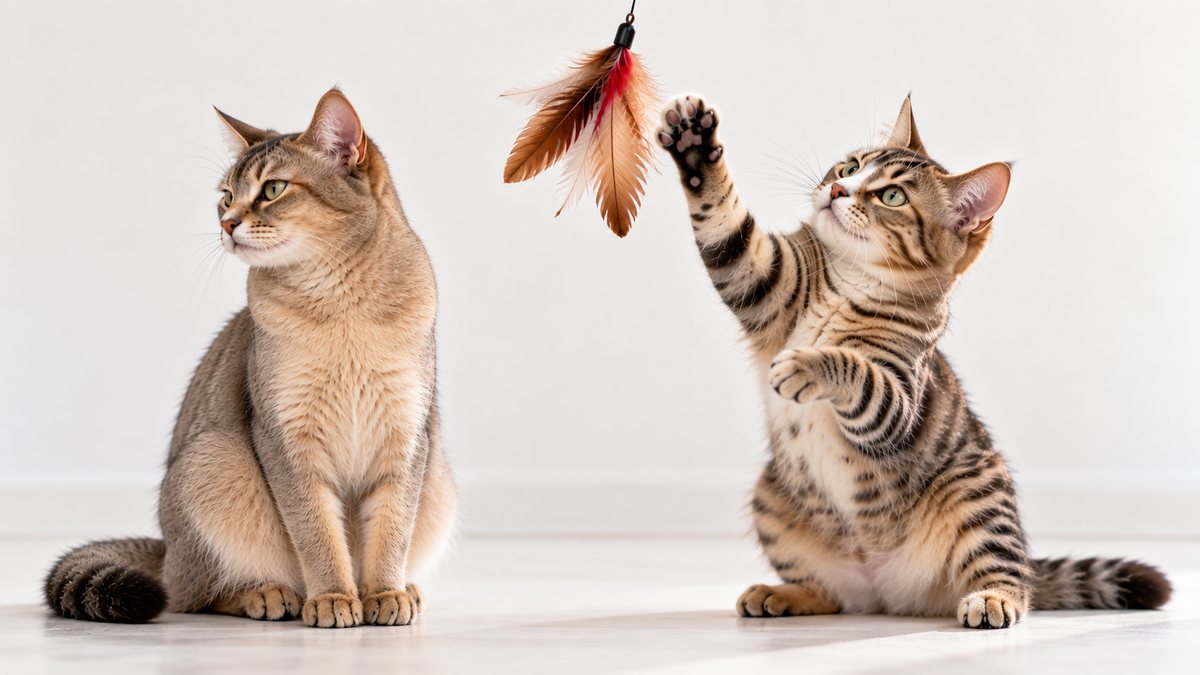
| Playfulness | Moderate to high Highly playful and opportunistic; Aegeans tend to enjoy chasing, climbing and interactive games that echo their active island-cat background. |
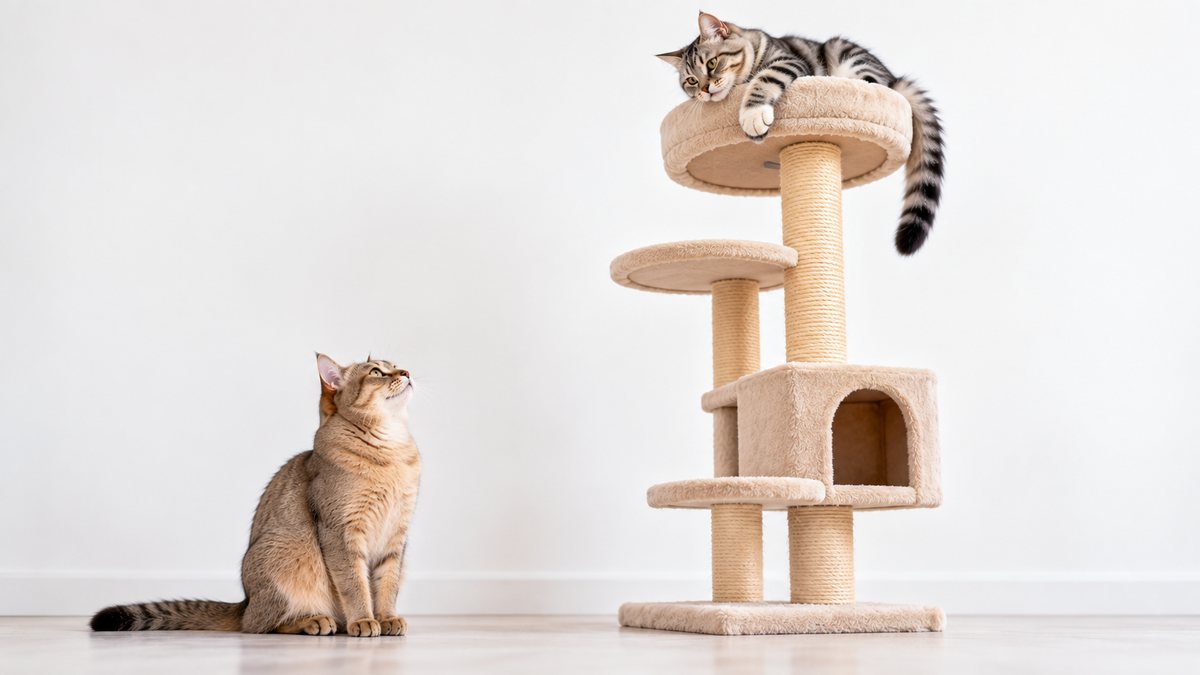
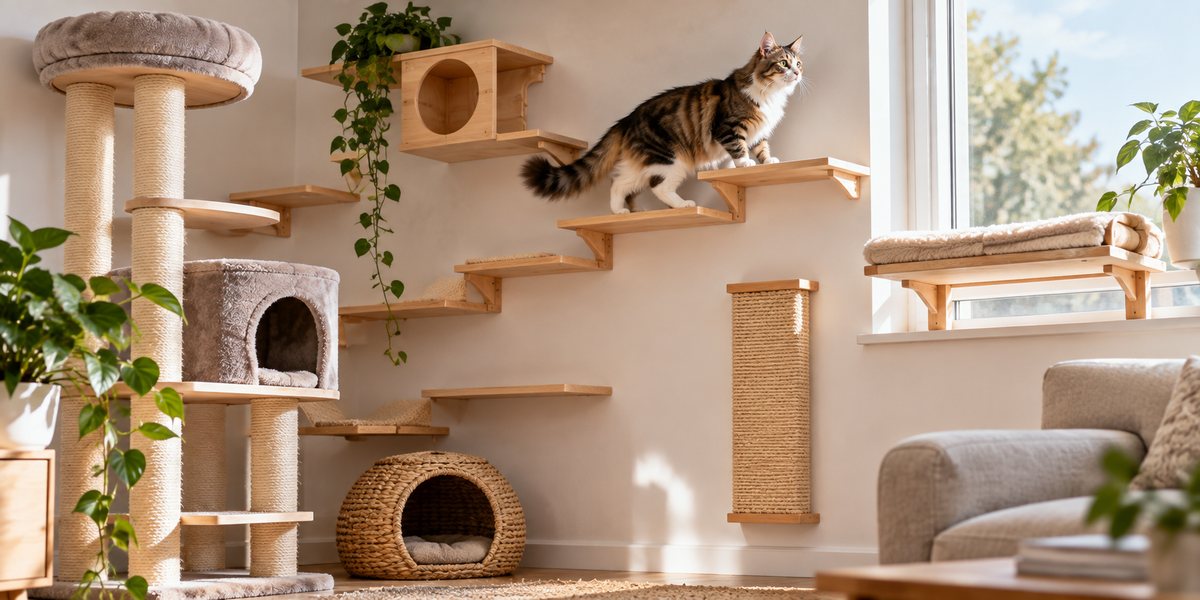
| Climbing & jumping | Moderate to high Aegeans are agile island cats with a practical, athletic build; expect regular climbing onto furniture, shelves and lookout points rather than extreme vertical obsession. |
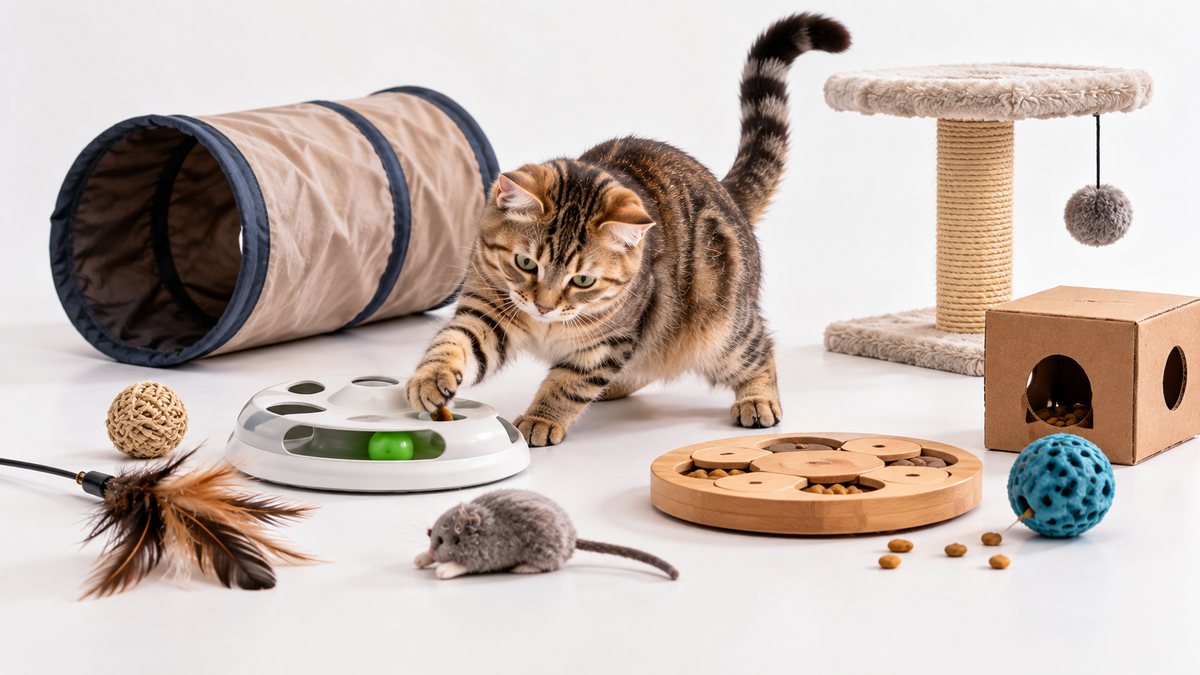
| Enrichment demand | High High enrichment demand: an active, inquisitive Aegean benefits from daily interactive play, climbing space and enough environmental variety to prevent boredom. |
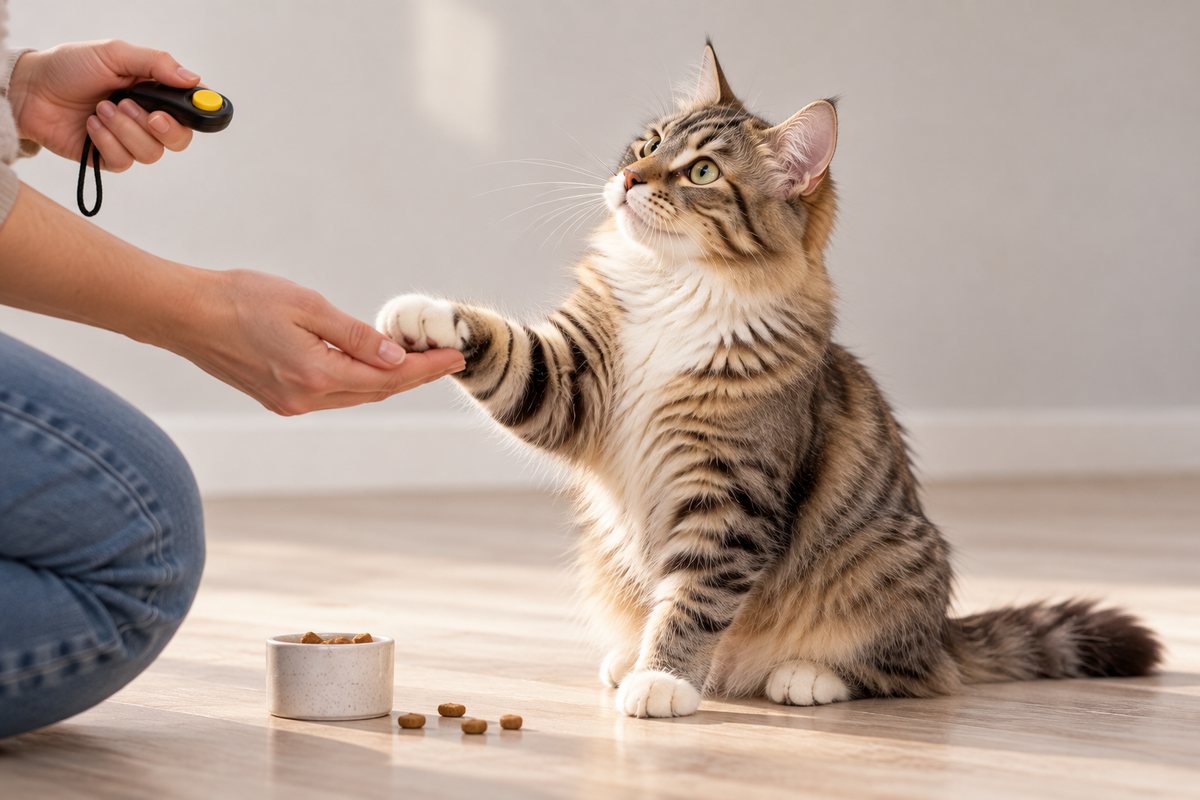
| Learning & training | High Alert, sociable and food-motivated, the Aegean should learn household routines, recall cues and simple games readily with short reward-based sessions. |
| Curiosity & exploration | High Aegeans are alert, agile cats shaped by a free-ranging island background; they are likely to inspect new spaces readily and make active use of vertical and outdoor-like features. |
| Hunting & chasing tendencies | Moderate to high Aegeans are agile, outdoor-rooted cats, so chasing insects, small moving objects and prey-style toys is likely to be a prominent part of play. |
| Personality & social | |
| Sociability with familiar people | High Aegeans are generally friendly, affectionate and socially engaged with their households. |
| Affection | Proximity · interactive · family oriented Aegean affection is friendly and participatory: they tend to stay near familiar people, join household activity and respond readily to attention. |
| Lap & cuddling preference | Moderate Aegeans are sociable and affectionate, but their active, outdoors-oriented character often favors nearby companionship and interactive contact over long lap sessions. |
| Handling tolerance | Moderate Generally practical to handle when well socialized; its confident natural-cat temperament tends to suit routine grooming and examination without implying a strong desire to be restrained. |
| Independence & social demand | Moderate Aegeans are sociable household cats but retain enough self-direction to occupy themselves between periods of interaction. |
| Vocalization | Moderate Communicative and willing to draw human attention; evidence is landrace/breed literature rather than registry scoring. |
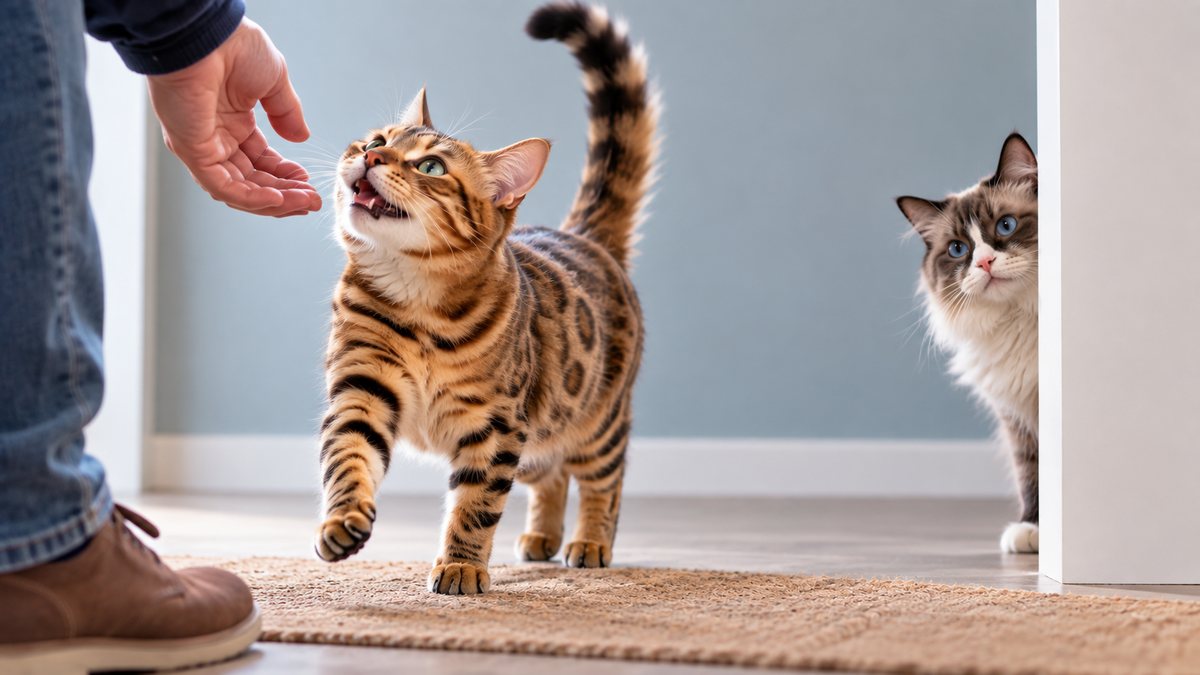
| Response to unfamiliar people | High Aegeans are usually sociable, confident cats; after a brief look-over they commonly approach visitors rather than remaining hidden. |
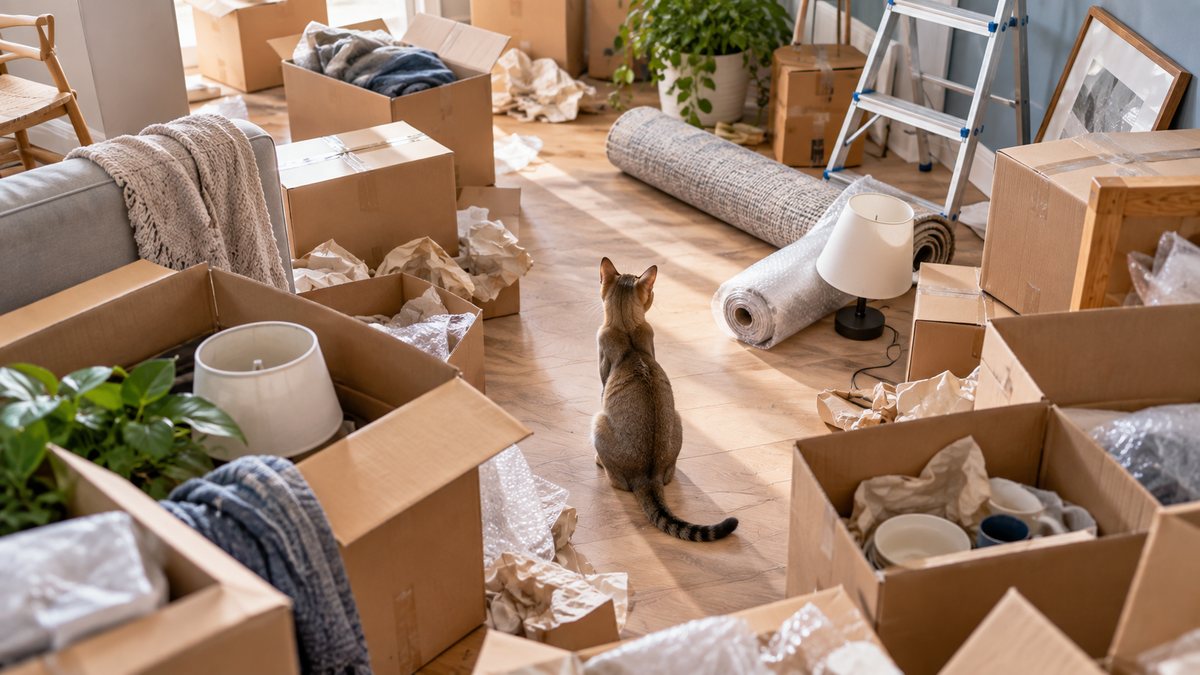
| Adaptability to change | High The breed is generally adaptable across different household settings. |
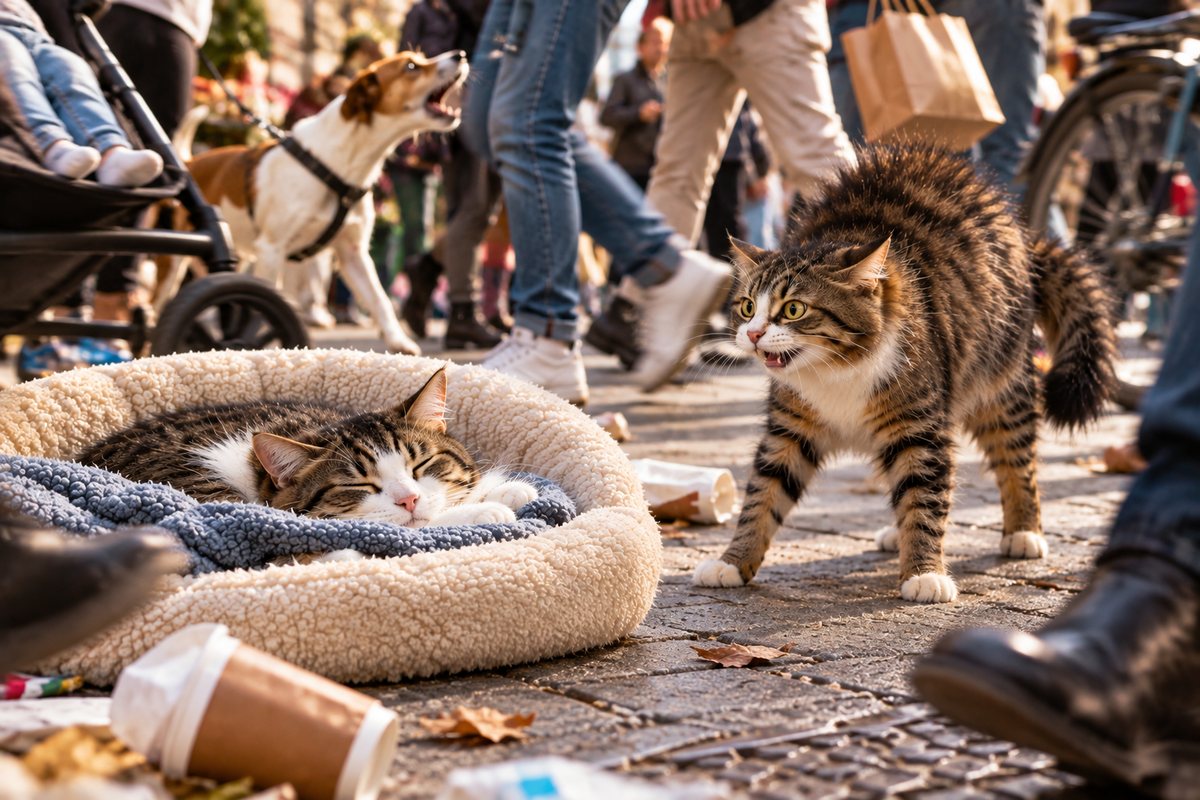
| Noise & busy-environment sensitivity | Low Aegeans developed around busy human settlements and are generally adaptable to ordinary household movement and sound rather than notably noise-sensitive. |
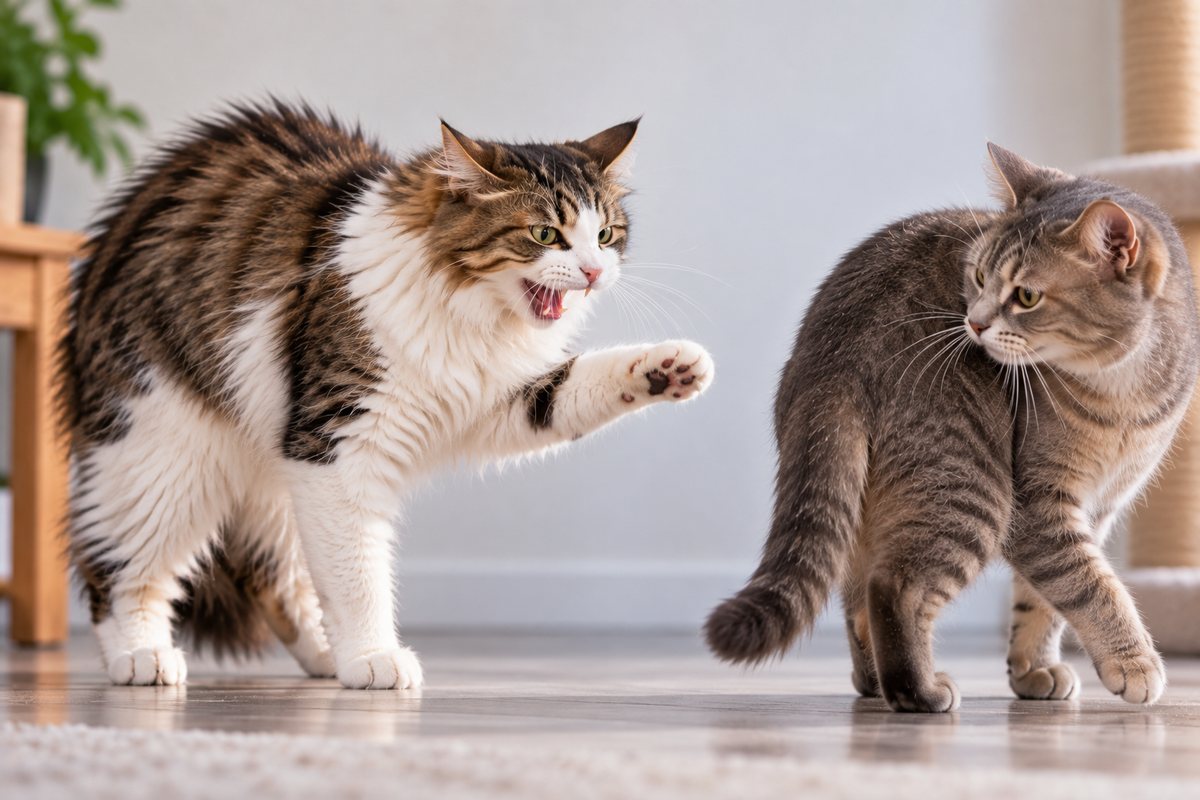
| Defensive & conflict behaviour | Low A socially flexible landrace type with generally straightforward cat-to-cat communication. Defensive behavior is usually situational rather than a prominent breed tendency, with space and gradual introductions reducing friction. |
| Household & environment | |
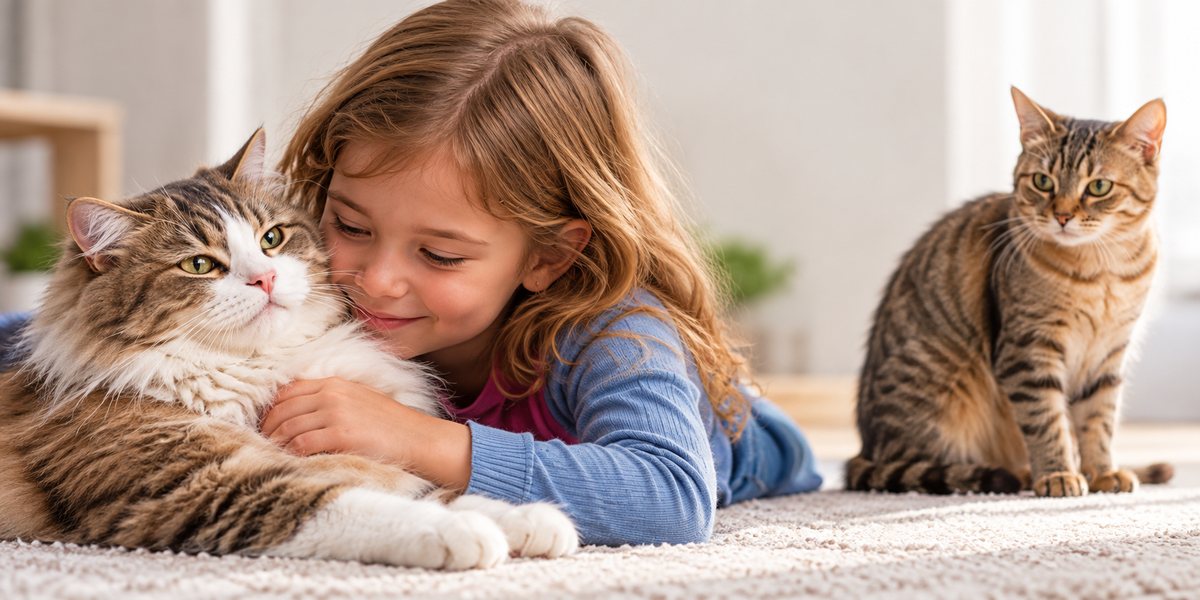
| Living with children | Favorable tendency Aegeans are generally a good match for respectful households with children. |
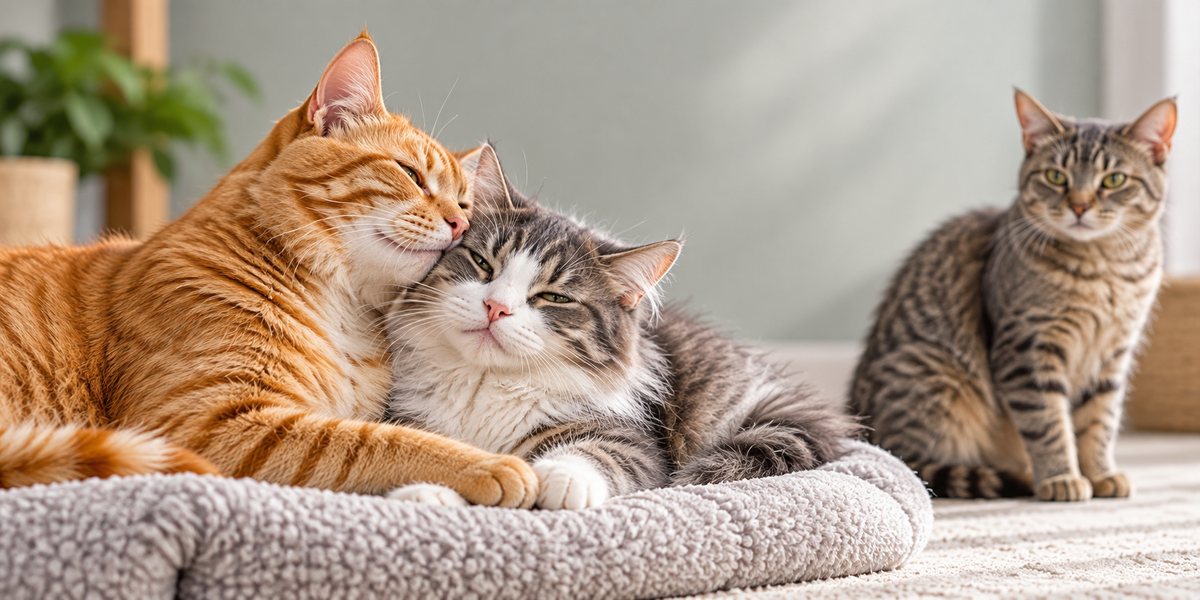
| Living with other cats | Favorable tendency Aegeans are typically sociable, adaptable cats and usually have good potential for sharing a home with another friendly cat when introductions are gradual and resources are plentiful. |
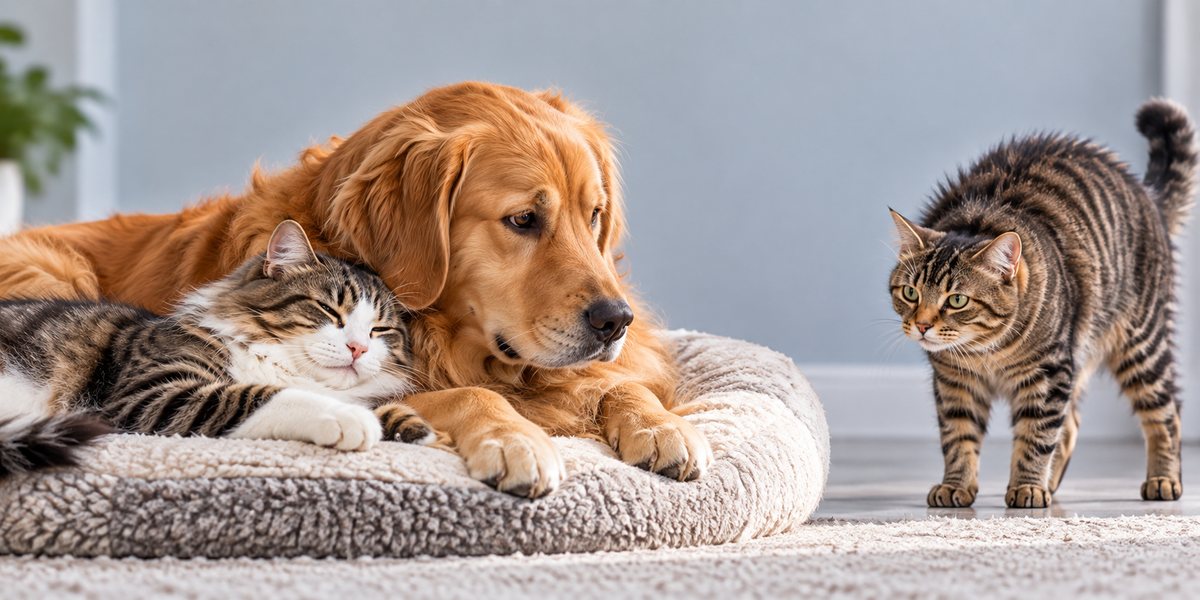
| Living with dogs | Good Aegeans are generally workable with cat-friendly dogs after sensible introductions. |
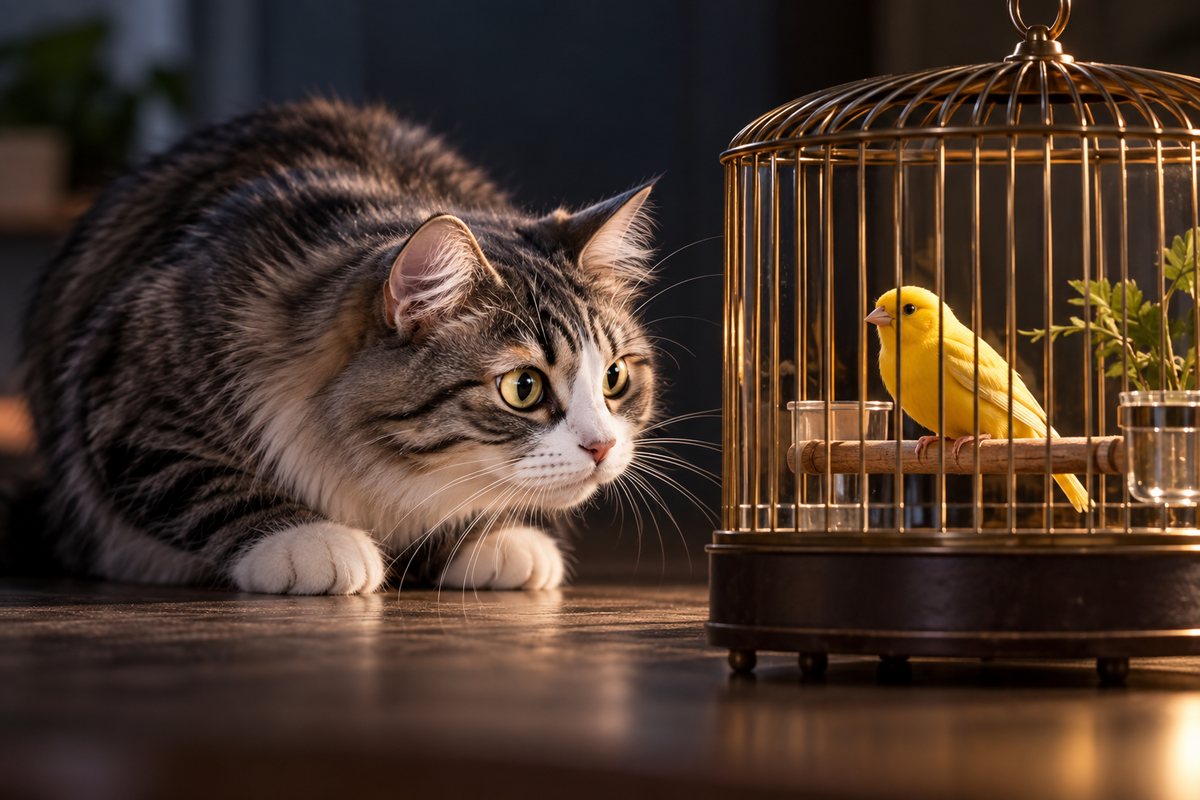
| Living around small pets | Additional caution Aegeans developed as capable island cats with a strong history of outdoor foraging and hunting. Birds, rodents and similarly small pets should therefore be kept securely separated; sociability with people does not reduce predatory risk. |
| Indoor & home environment needs | Active indoor enrichment Aegeans are agile, inquisitive island cats accustomed to using complex outdoor space. Indoor homes should compensate with tall climbing routes, window observation, frequent hunting-style play and enough variety to prevent a capable explorer from becoming under-stimulated. |
| Outdoor access considerations | Secure outdoor enrichment Aegeans are athletic island cats likely to enjoy fresh air, climbing and environmental exploration, but they do not need unrestricted roaming. A catio, enclosed garden or carefully managed access provides outdoor complexity while limiting hunting and road risk. |
| Heat, cold & sun considerations | Moderate coat adaptable Aegeans come from a Mediterranean island environment and generally handle warmth well when shade and water are available. Their seasonal coat still provides useful insulation in cooler weather, but they should always be able to retreat from intense summer sun. |
| Caregiver time & experience | Moderate Aegeans suit caregivers who can provide energetic daily play and a stimulating environment but do not require elaborate coat care. Time demand is driven more by activity, exploration and safe enrichment than by grooming. |
| Health & welfare | |
| Documented health predispositions | Limited specific risk Aegeans are a naturally developed population with no single inherited disorder established as a defining breed problem. The practical health focus is therefore broad preventive care and maintaining genetic diversity rather than managing one characteristic syndrome. |
| Screening & breeder questions | Ask what health problems are tracked in the lines and request actual test results Ask what illnesses and causes of early death have occurred across several generations, what routine veterinary examinations breeding cats receive, and how the breeder maintains genetic diversity in this natural Greek population. |
| Conformation-related welfare | Low conformation concern Aegeans retain a functional natural-cat build with no defining structural exaggeration. Preserving moderate proportions, sound movement and genetic diversity is more important than intensifying any cosmetic feature. |
| Nutrition & weight management | Active condition led Aegeans are active, athletic cats without a special dietary requirement. Feed a complete diet to life stage and body condition, adjusting intake downward if an indoor lifestyle provides less activity than the breed's natural profile suggests. |
| Longevity | 12–16 years Aegeans are hardy natural cats; a practical expectation is roughly 12–16 years, with individual longevity strongly influenced by preventive care and outdoor risk. |
| Cost & availability | |
| Purchase cost | Low to moderate: $200–$800 Aegean: a practical breeder-market estimate is $200–$800. This reflects that it is an natural Greek breed; pedigree availability is limited and highly regional. |
| Adoption & rehoming cost | Very rare in rescue: $100–$600 when genuinely available Aegean: $100–$600 when genuinely available. The breed is scarce enough that a verified purebred rescue placement is unusual; transport may exceed the adoption fee. |
| Recurring ownership costs | Coat maintenance Routine costs are usually moderate: ordinary food, litter and veterinary care plus brushing tools. Secure outdoor access, if provided, can add enclosure or balcony-proofing costs, while the generally functional coat does not require professional grooming. |
| Availability, waits & import | Regionally rare Aegeans are strongly associated with Greece and remain uncommon as pedigreed cats elsewhere. Outside their home region, prospective owners may find very few dedicated breeders and may need a long search or cross-border sourcing. |
| Identity & real-world context | |
| Ownership & import restrictions | No known breed specific restrictions There are no known breed-specific ownership restrictions. Ordinary animal-welfare, identification, vaccination and cross-border import rules still apply where relevant. |
| Registry recognition | No separate current CFA/TICA/FIFe recognition Aegean is not a separately recognized current breed identity in CFA, TICA or FIFe within the FSC core registry matrix; recognition by smaller, national or experimental registries can differ. |
| Similar breeds & identity distinctions | Mediterranean domestic types Aegeans can resemble ordinary white-and-colored Mediterranean domestic cats. Pedigree identity depends on documented Aegean ancestry together with the breed's moderate athletic build and characteristic bicolor or multicolor presentation; appearance alone cannot establish the breed. |
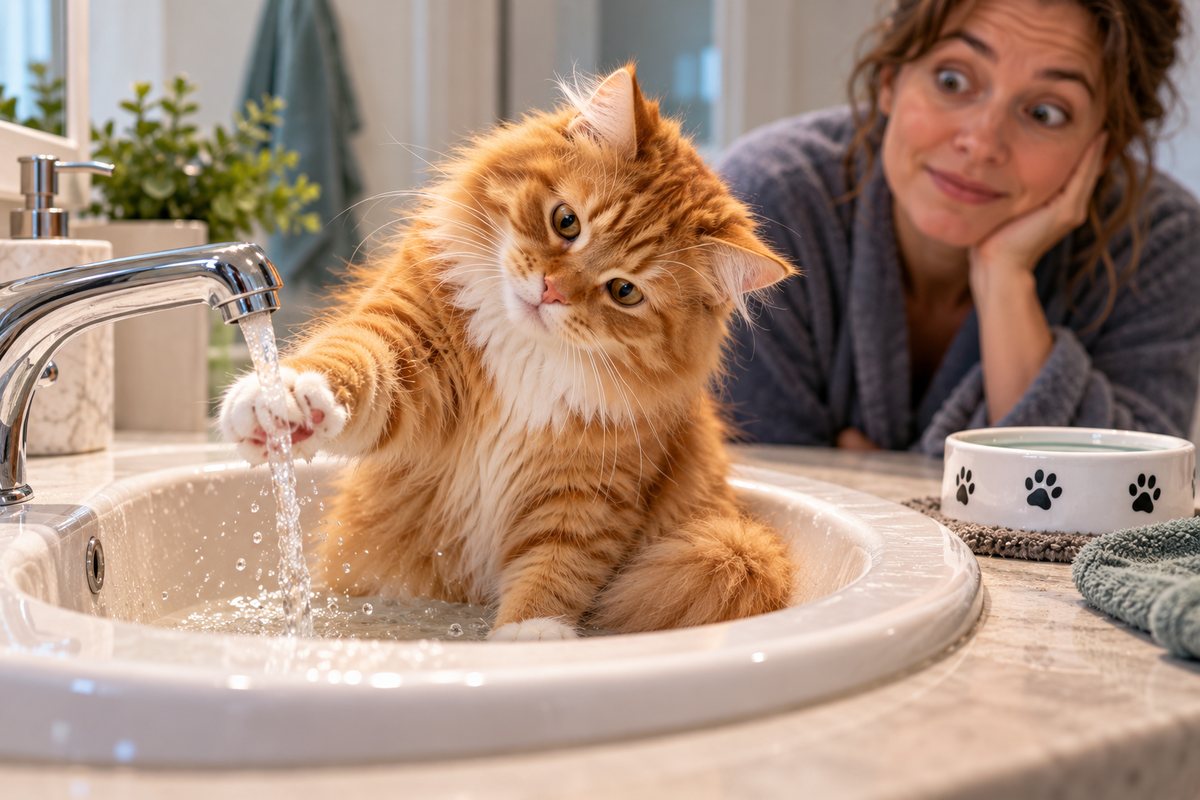
| Reported characteristic quirks | Individual quirks often center on play and exploration Aegeans often show a strong fascination with water and fishing-like play, pawing at dripping taps or watching water closely—an apt quirk for a breed rooted in the Greek islands. |
Browse all 53 breed characteristics
Open any characteristic to compare all breeds on that dimension.


 English