
Compare Cat Breeds
Compare up to three breeds across all 53 characteristics. Values are shown directly so the differences are easier to scan.
| Characteristic |  Toyger |
|---|---|
| Body & development | |
| Adult size | Medium |
| Adult weight | Females 3.2–4.5 kg (7.1–9.9 lb); Males 4.5–6.8 kg (9.9–15.0 lb) Females are commonly about 3.2–4.5 kg (7.1–9.9 lb) and males about 4.5–6.8 kg (9.9–15.0 lb); the breed is muscular and athletic. |
| Build & distinguishing morphology | Long deep rectangular · big boned · muscular · high shoulders Build: long deep rectangular; big boned; muscular; high shoulders. |
| Maturation | 18-24 months Toygers reach much of their long, substantial frame during the first year but can continue developing the desired muscular body into roughly 18–24 months. |
| Coat & appearance | |
| Coat length | Short Domestic shorthair breed. |
| Coat texture & undercoat | Short · glitter possible Coat: short; glitter possible. |
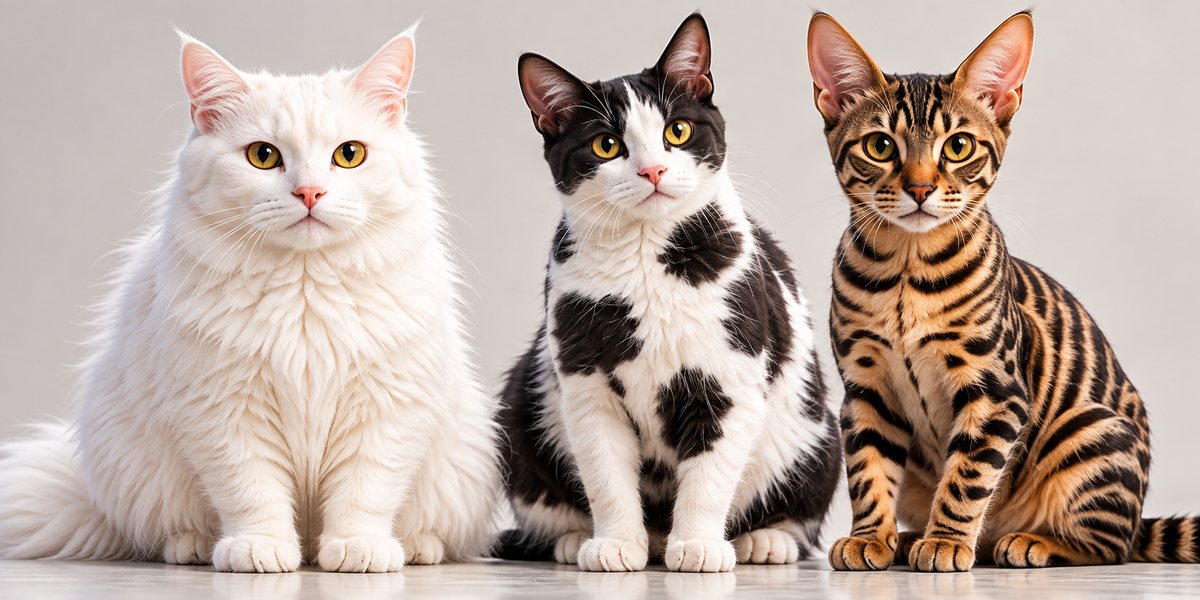
| Colors & patterns | Brown mackerel modified bold vertical stripes Colors/patterns: brown mackerel modified bold vertical stripes. |
| Eye colors | Gold · green · hazel Gold, green or hazel eyes suit the breed; blue is not typical of the standard tiger-like phenotype. |
| Coat & routine care | |
| Shedding | Low to moderate Low to moderate shedding from the short, dense coat, with brief seasonal increases. |
| Seasonal coat changes | Short shedding seasons Seasonal coat: short shedding seasons. |
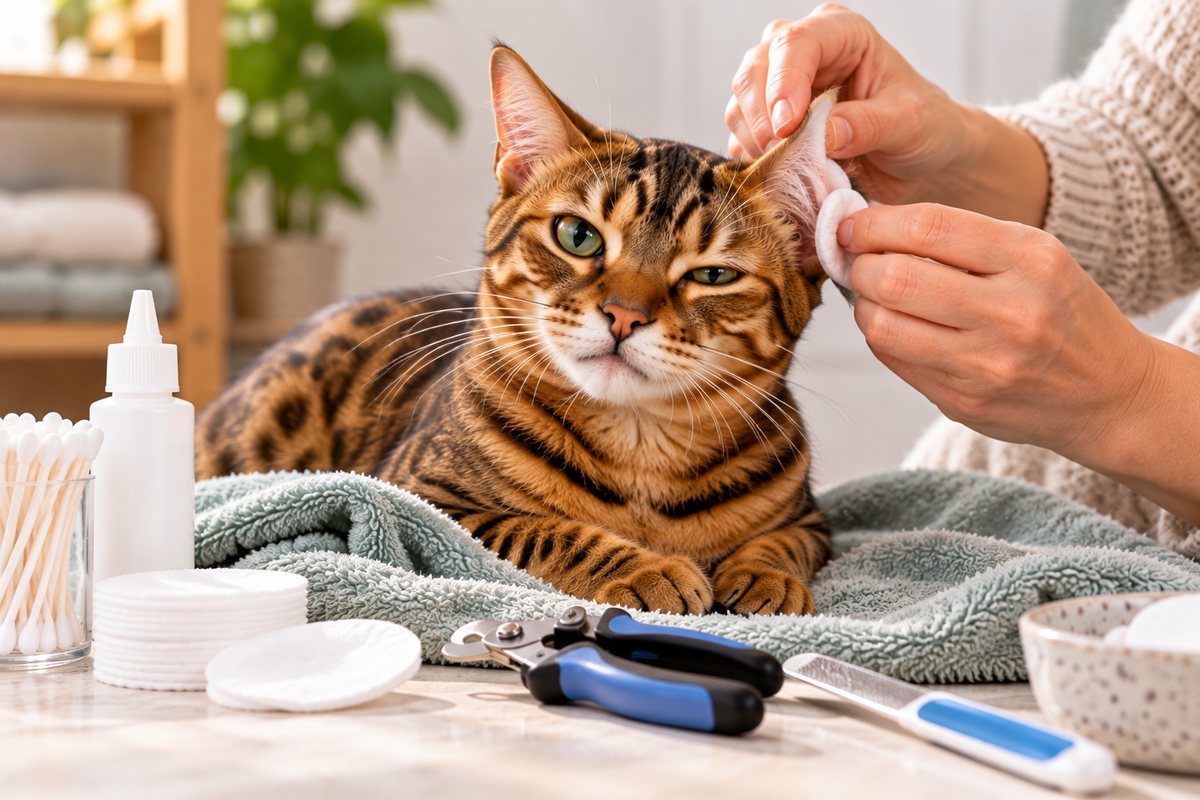
| Brushing & combing | Occasional · daily during shed Brushing/combing: occasional; daily during shed. |
| Tangle & matting tendency | Very low The short coat has negligible tangle or matting risk. |
| Skin & bathing care | Bathing not routinely needed Routine bathing is generally unnecessary; bathe only when the coat is genuinely soiled or for a specific veterinary or grooming reason. |
| Distinctive routine care | Simple coat care; brush more during shedding periods Occasional brushing is usually enough, increasing to daily brushing during short seasonal shedding periods. |
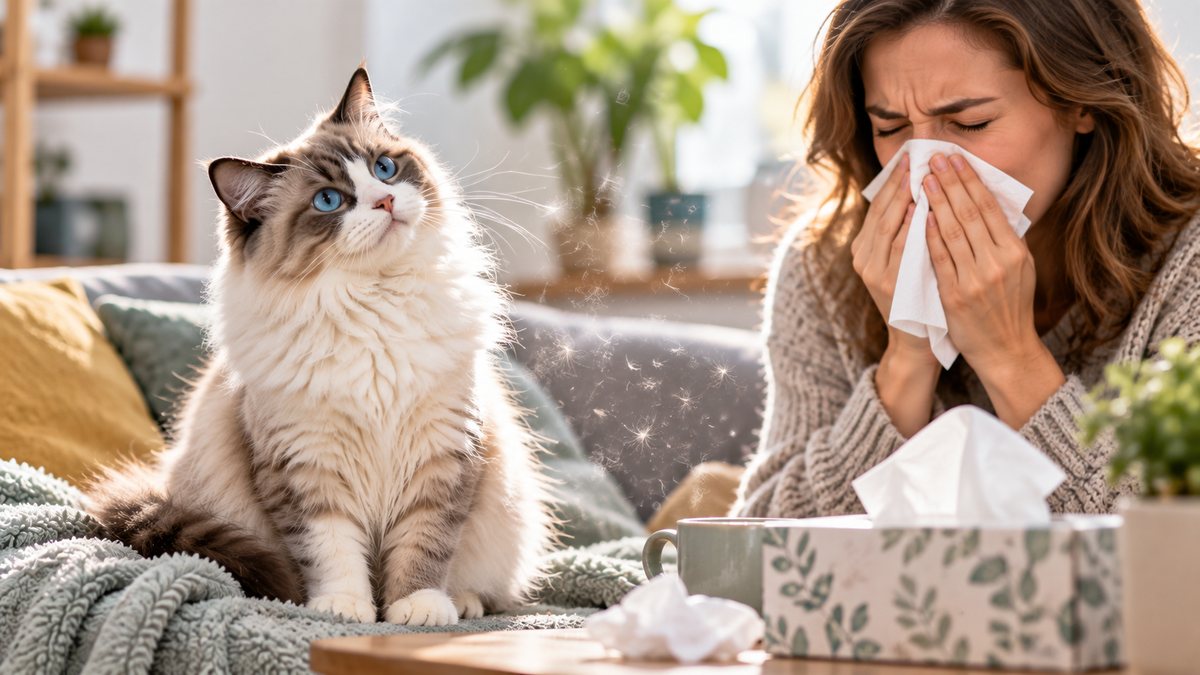
| Allergy & allergen evidence | No breed specific reduction established There is no known reason to regard this breed as hypoallergenic. All cats produce allergens, and coat length or shedding alone does not determine allergy risk. |
| Activity & intelligence | |
| Activity level | Moderate |
| Playfulness | High |
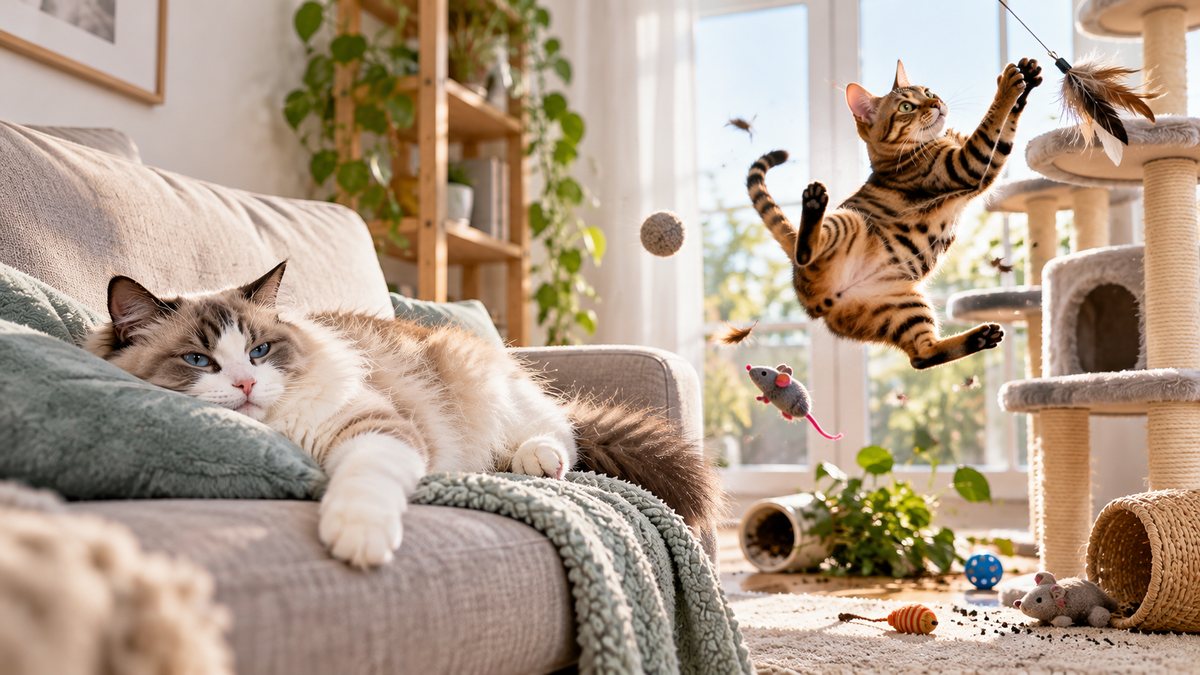
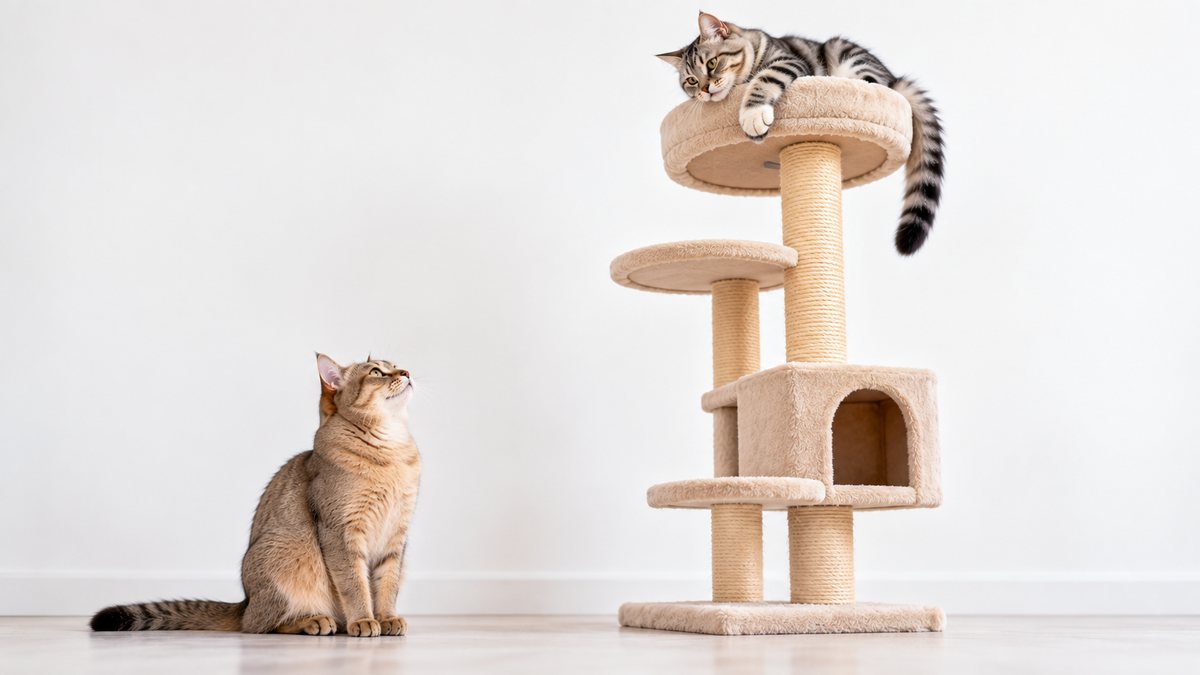
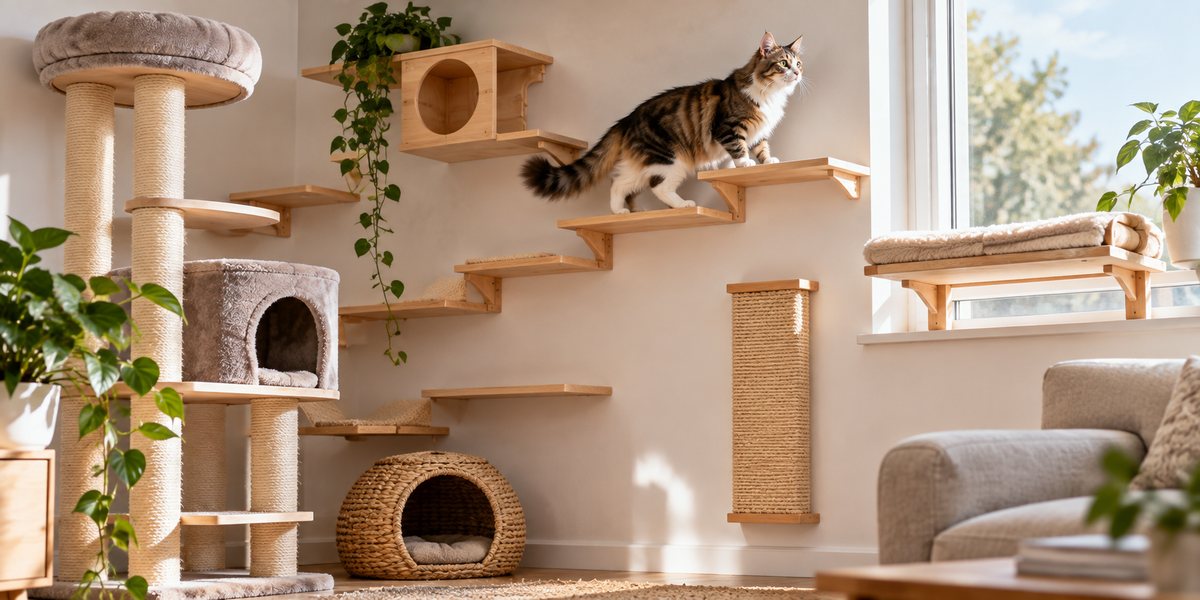
| Climbing & jumping | High Toygers are muscular, active cats with good athletic ability; sturdy climbing furniture and elevated play routes provide useful physical outlets. |
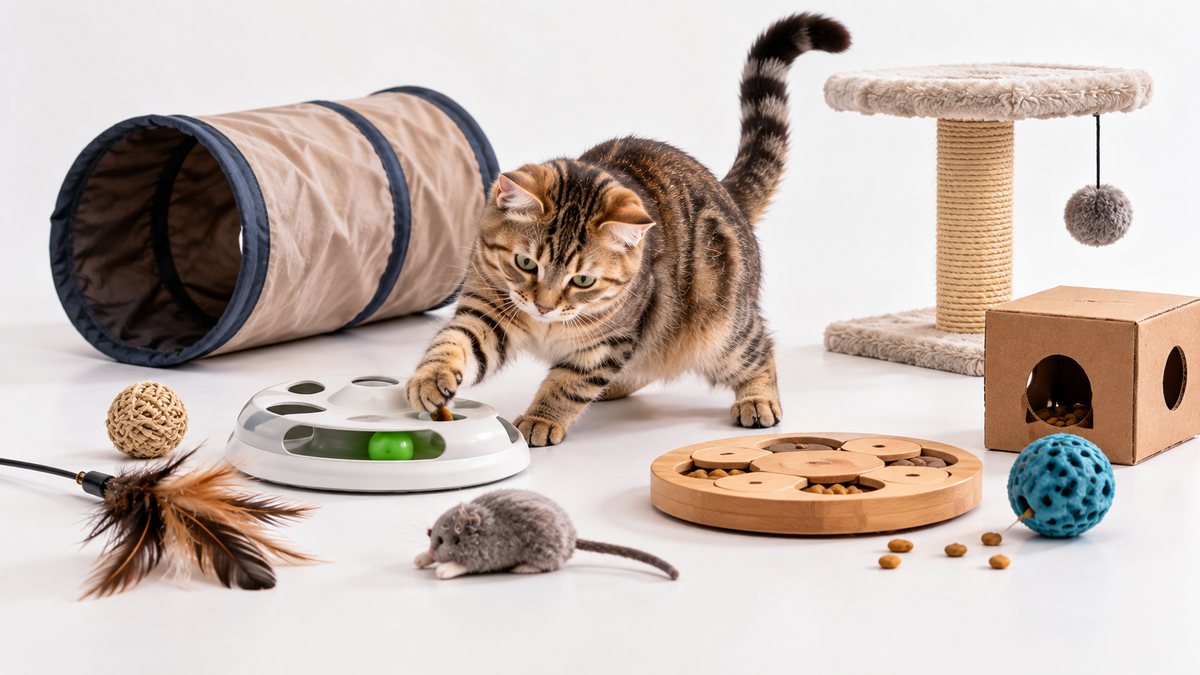
| Enrichment demand | High High enrichment demand: interactive games, training, climbing and puzzle toys help satisfy its athletic, intelligent and engaged temperament. |
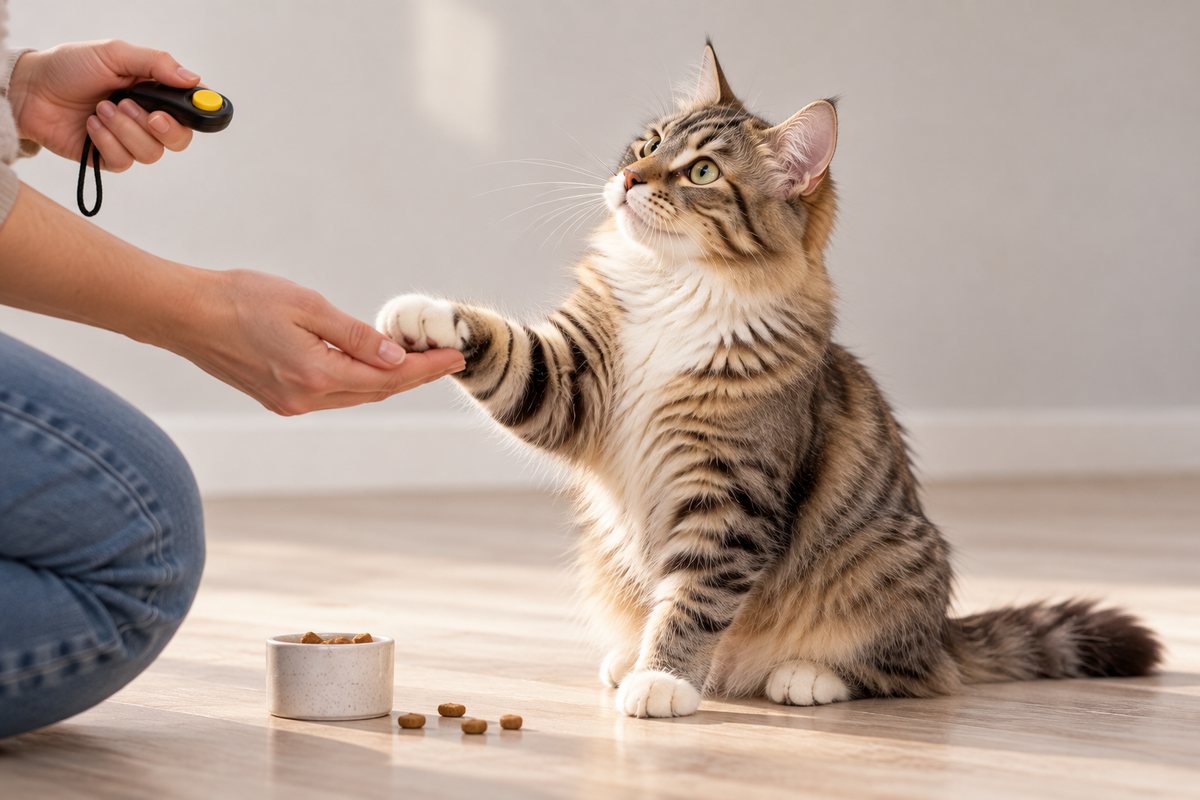
| Learning & training | Very high Toygers are highly intelligent and generally easy to train for activities such as leash walking, fetch and agility-style games. |
| Curiosity & exploration | Moderate to high Toygers are intelligent, interested companions that respond well to puzzles, tricks and active interaction. |
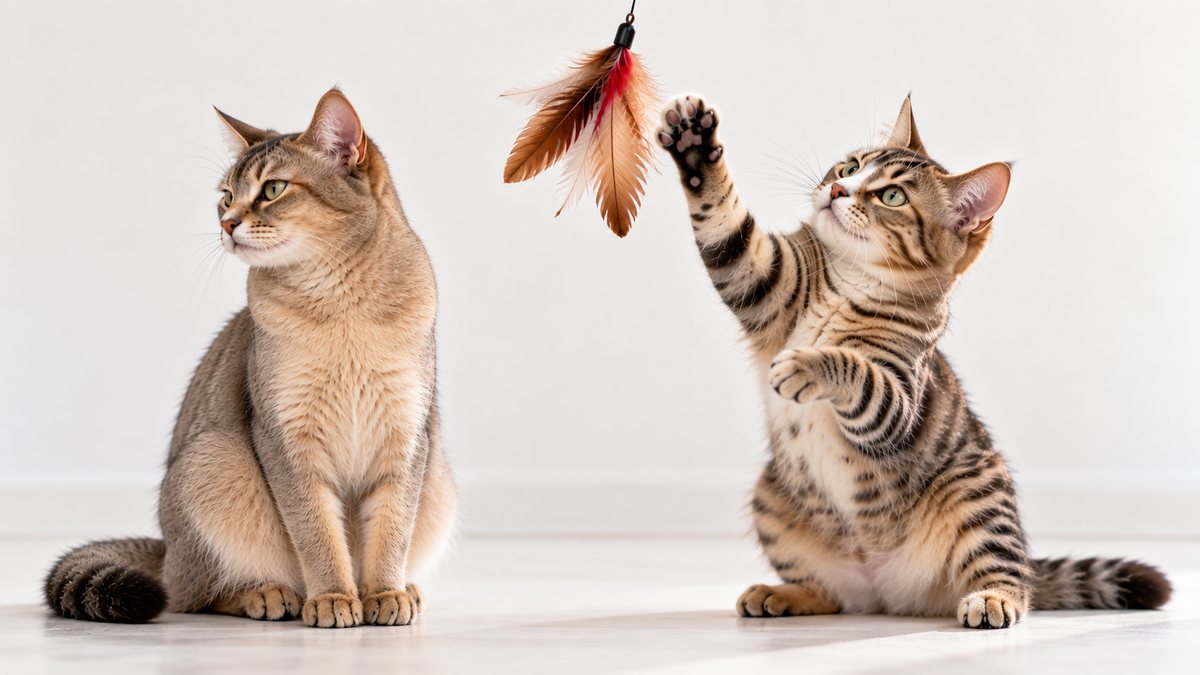
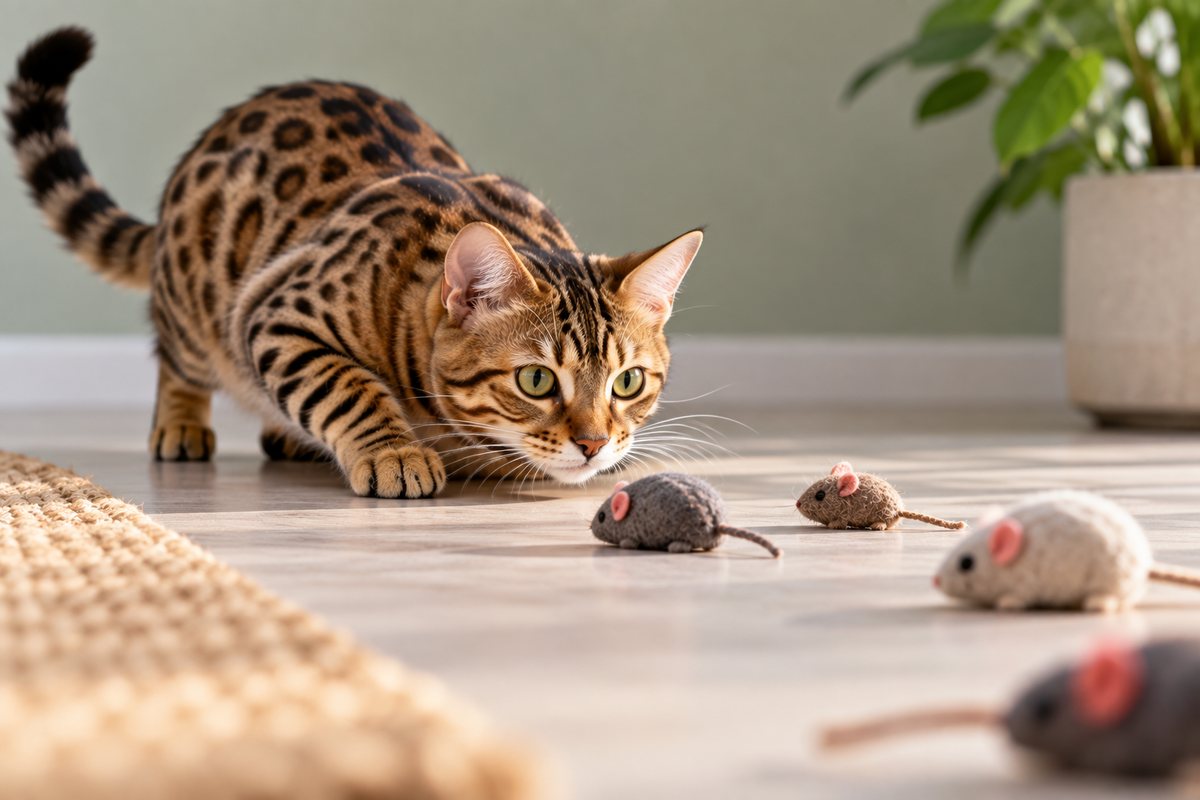
| Hunting & chasing tendencies | High Above-average chase play is likely. Toygers are athletic, active domestic cats and generally benefit from vigorous stalking and pursuit games. |
| Personality & social | |
| Sociability with familiar people | High Toygers are companionable, people-focused cats bred to participate comfortably in household life. |
| Affection | Friendly, engaged and companionable The Toyger is bred for a calm, dependable companion temperament and usually enjoys sustained interaction with its family. |
| Lap & cuddling preference | Variable There is not enough reason to make lap-sitting a defining breed trait; individual preference is likely to dominate. |
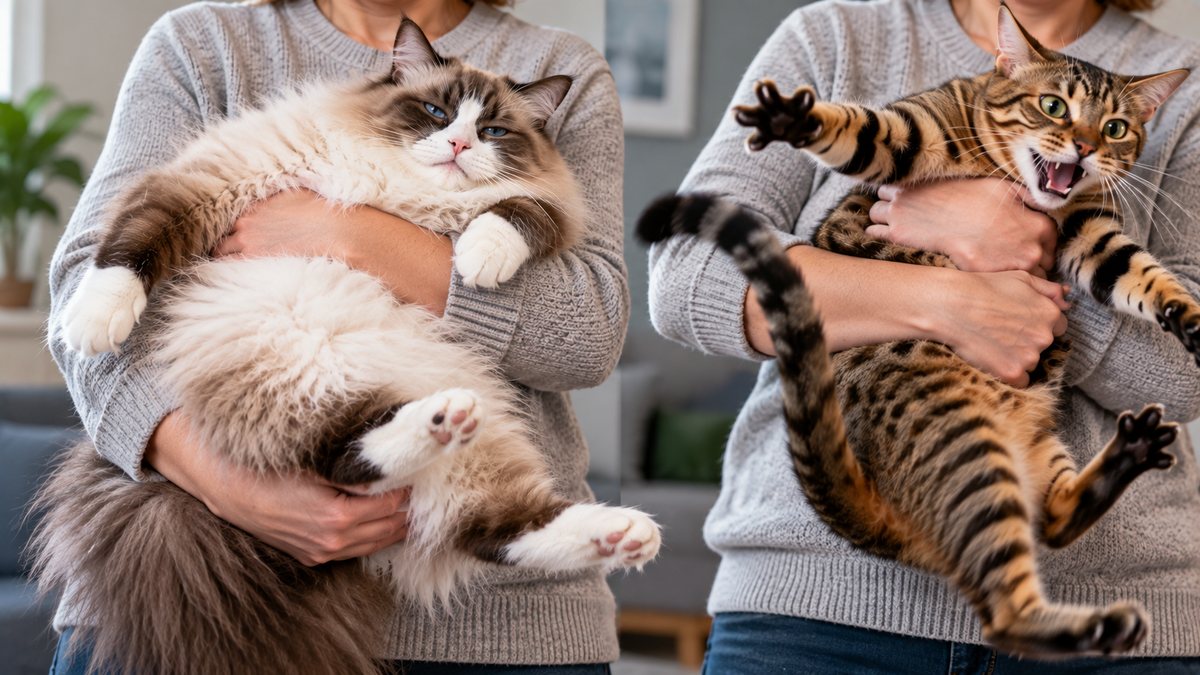
| Handling tolerance | High Toygers are typically confident, social and trainable, making routine handling comparatively easy; their muscular, active body still favors cooperative rather than prolonged restrictive holding. |
| Independence & social demand | High social demand Toygers benefit from regular interaction and can become more aloof when chronically ignored. |
| Vocalization | Low Breed standard/profile emphasizes a quiet temperament. |
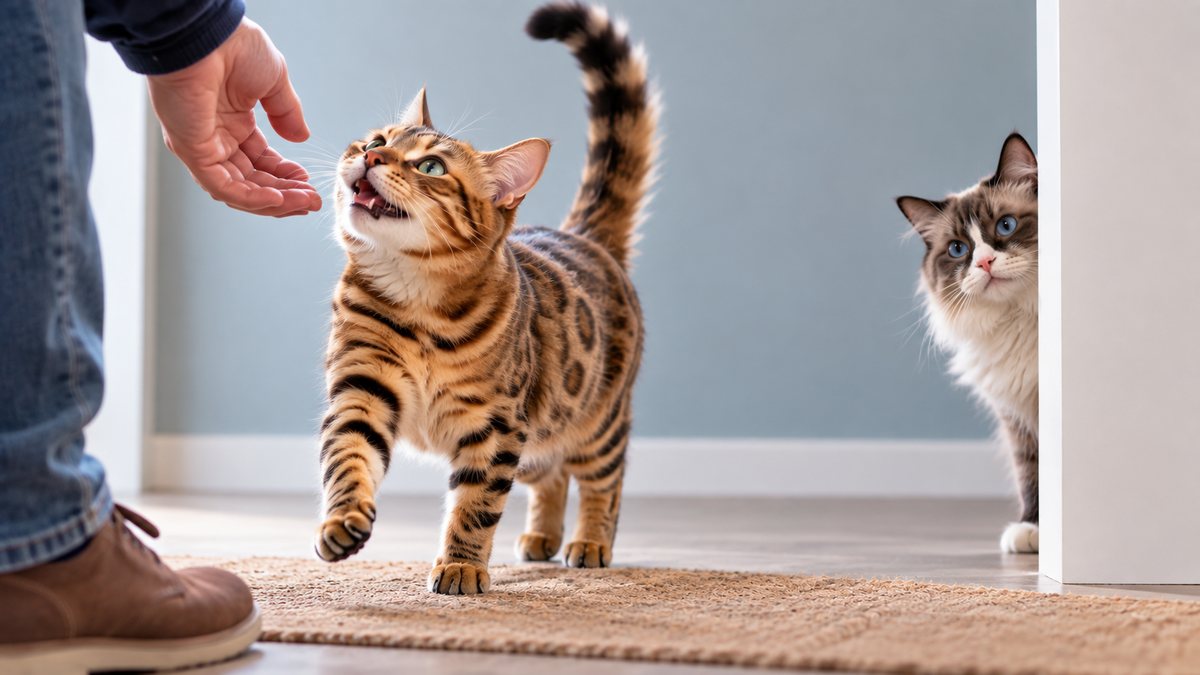
| Response to unfamiliar people | High Toygers are selected for confident, tractable companion temperament and are generally outgoing enough to investigate and accept visitors readily. |
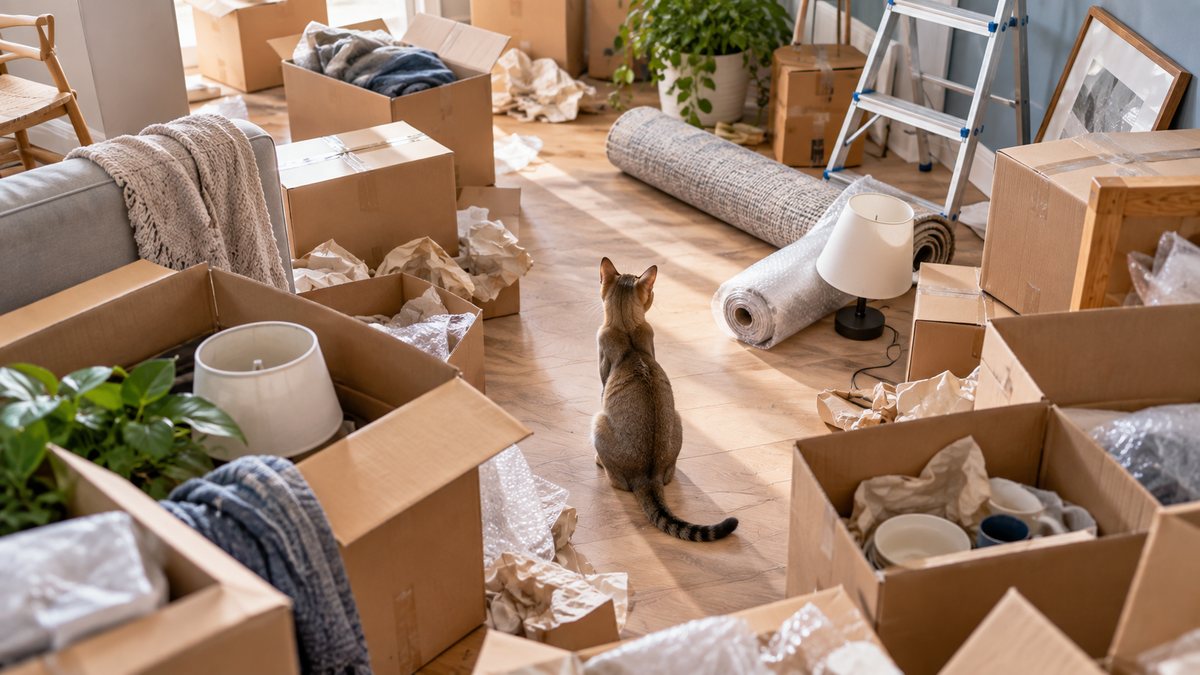
| Adaptability to change | High Their calm, dependable companion temperament generally makes Toygers adaptable household cats. |
| Noise & busy-environment sensitivity | Low Toygers are typically outgoing, intelligent and active, and most should tolerate a lively household well when appropriately socialized. |
| Defensive & conflict behaviour | Low Toygers are selected primarily as companion cats and are generally confident, social and trainable. Their athletic play can be vigorous, but serious defensive or territorial conflict is not expected to be unusually common when introductions and resources are managed well. |
| Household & environment | |
| Living with children | Favorable tendency Toygers generally fit well into family households with children. |
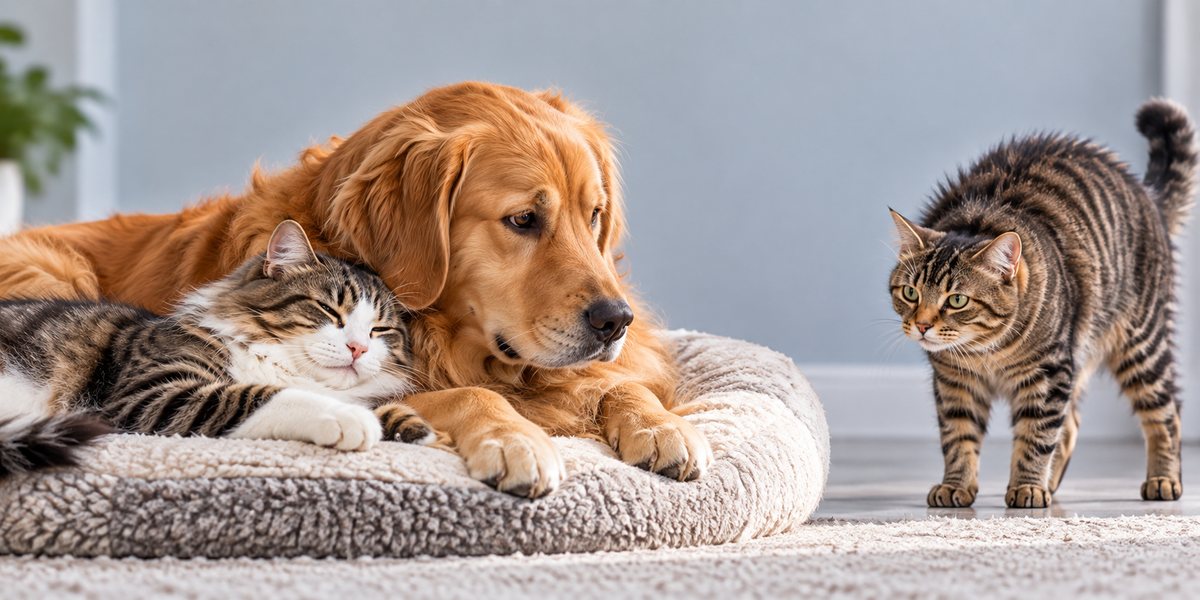
| Living with other cats | Favorable tendency Generally gets along with other pets. |
| Living with dogs | Good Toygers generally get along with other pets when introductions are handled sensibly. |
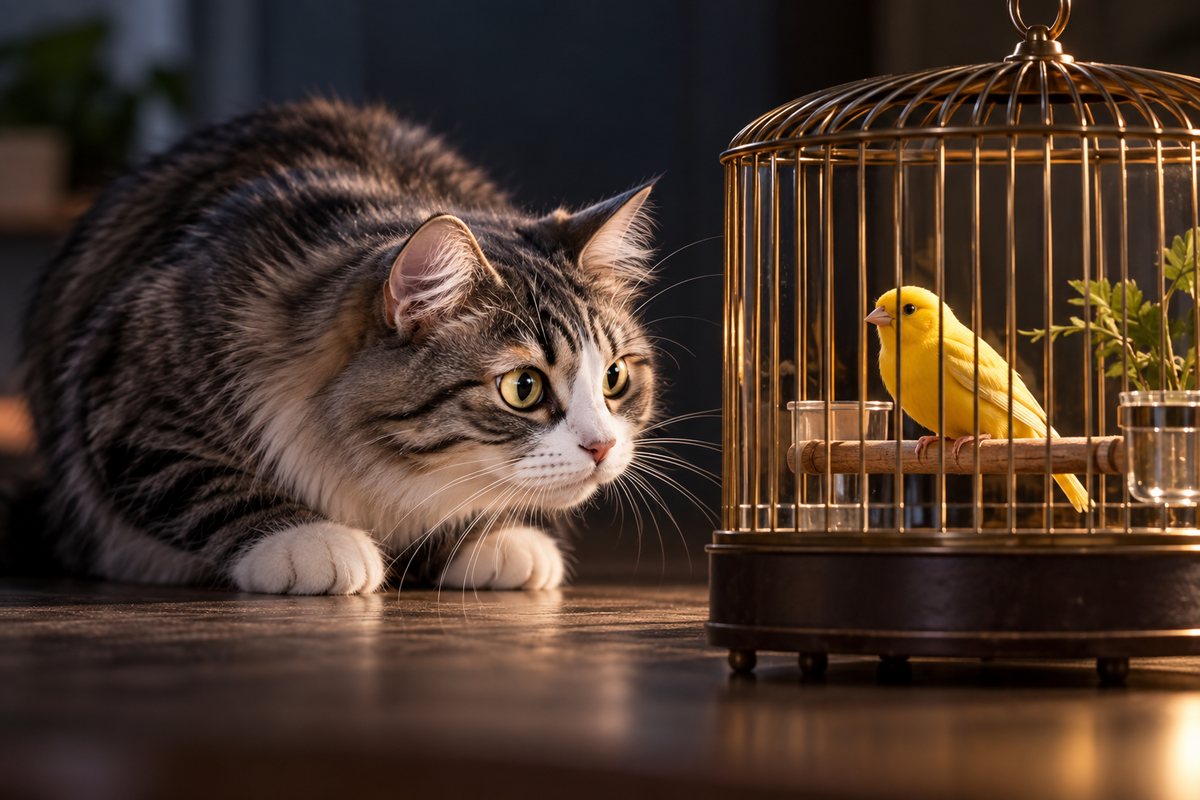
| Living around small pets | Additional caution Toygers are athletic, active cats selected for a powerful, tiger-like appearance while retaining domestic temperament. Their energetic stalking and pouncing play makes extra caution appropriate around vulnerable small pets. |
| Indoor & home environment needs | Active indoor enrichment Toygers are athletic, curious cats that benefit from an indoor environment emphasizing movement and engagement. Sturdy vertical territory, running and stalking games, puzzle feeding and regular training or interactive play suit their active companion profile. |
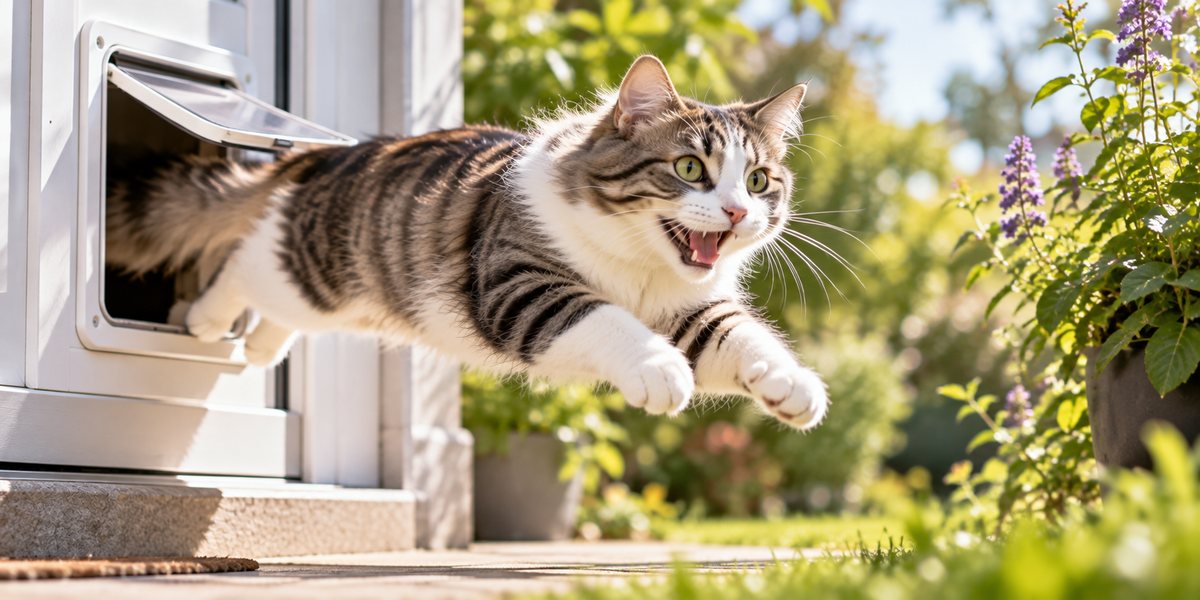
| Outdoor access considerations | Secure high activity Toygers are athletic, curious cats that can benefit from outdoor running, climbing and observation. A robust secure enclosure or enclosed garden provides those outlets while controlling hunting and escape. |
| Heat, cold & sun considerations | Shortcoat heat activity caution Toygers have a short coat and athletic build. They handle ordinary household warmth well, but active play can add heat load, so summer management should include shade, water, cool surfaces and activity during cooler hours. |
| Caregiver time & experience | Above average Toygers are athletic, curious cats that benefit from substantial daily play, climbing and mental stimulation. Their short coat is easy, but keeping an active cat well exercised makes caregiver involvement above average. |
| Health & welfare | |
| Documented health predispositions | Heart murmurs/HCM concern and cow-hocking have been reported The breed is generally healthy, but heart murmurs that may indicate hypertrophic cardiomyopathy and cow-hocking have occurred. |
| Screening & breeder questions | Ask about cardiac history and structural soundness Ask breeders about cardiac screening or heart-murmur history and about structural soundness in their lines. |
| Conformation-related welfare | Low conformation concern Toygers are bred for tiger-like markings on an athletic domestic-cat body. Welfare selection should keep movement, joints and facial anatomy fully functional and avoid creating structural exaggerations merely to intensify the wild appearance. |
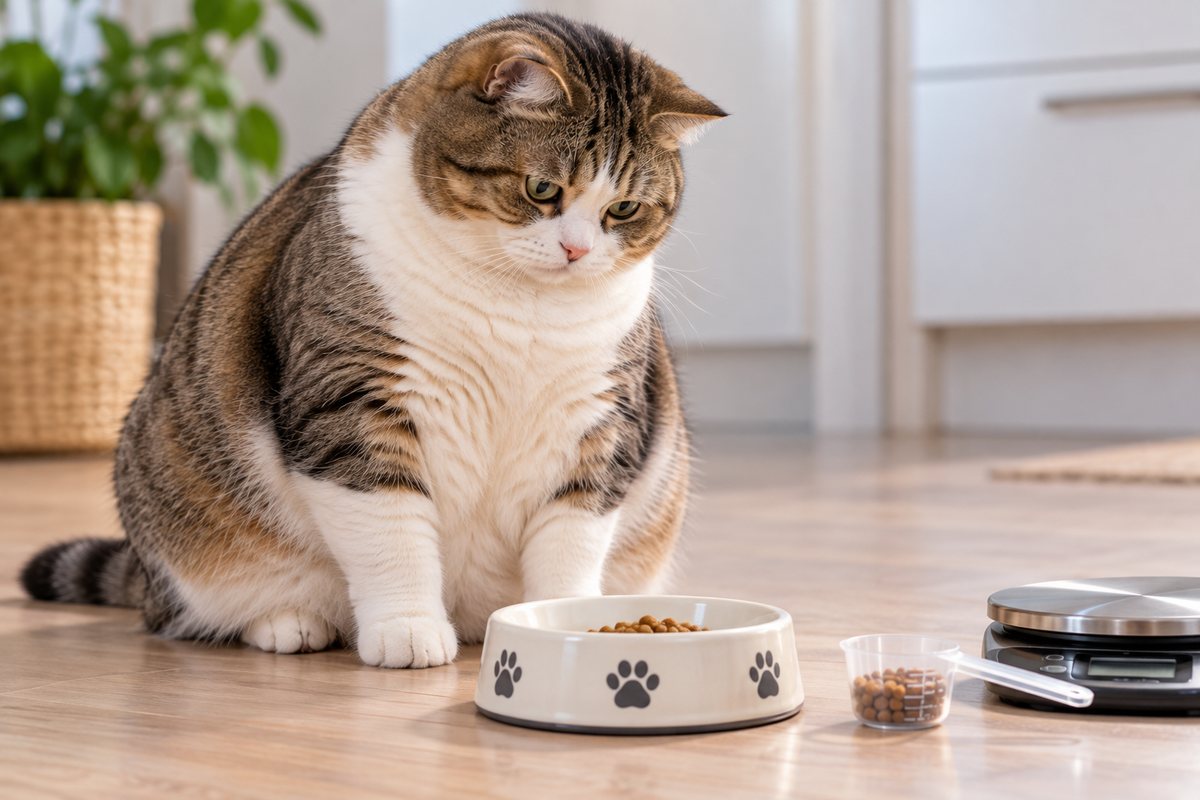
| Nutrition & weight management | High activity muscle led Toygers are muscular, active cats and should be fed to preserve lean athletic condition. Match portions to actual exercise and monitor waist and ribs rather than encouraging extra mass to create a more imposing appearance. |
| Longevity | 12–16 years Toygers commonly fit a roughly 12–16-year expectation; cardiac screening is relevant because heart murmurs and HCM concern have been reported in the breed. |
| Cost & availability | |
| Purchase cost | Very high: $1,500–$4,000+ Toyger: a practical breeder-market estimate is $1,500–$4,000+. This reflects that it is an specialty breed selected for a highly specific appearance and still relatively scarce. |
| Adoption & rehoming cost | Very rare in rescue: $100–$600 when genuinely available Toyger: $100–$600 when genuinely available. The breed is scarce enough that a verified purebred rescue placement is unusual; transport may exceed the adoption fee. |
| Recurring ownership costs | Coat maintenance · enrichment/toy replacement Coat care is cheap, but Toygers benefit from substantial climbing, play and puzzle enrichment and may be hard on toys. Food and routine veterinary costs are otherwise moderate, with HCM-aware breeding history worth considering. |
| Availability, waits & import | Moderately available Toygers have an established international breeder network but remain much less common than Bengals. Prospective owners can often find a breeder within a larger region, though high-quality lines may involve waiting and travel. |
| Identity & real-world context | |
| Ownership & import restrictions | No known breed specific restrictions There are no known breed-specific ownership restrictions. Ordinary animal-welfare, identification, vaccination and cross-border import rules still apply where relevant. |
| Registry recognition | TICA: Championship-recognized / current breed identity Currently recognized by TICA in the FSC core matrix; it is not a separately recognized CFA or FIFe breed identity there. |
| Similar breeds & identity distinctions | Bengal Toygers and Bengals share historical breeding connections, but Toygers are selected for vertically striped, tiger-like patterning and an elongated tiger-inspired head. Bengals more often show rosettes, spots or marbling and a leopard-like impression. |
| Reported characteristic quirks | Often learns leash walking, fetch and agility Toygers are unusually trainable for a cat and many take readily to leash walking, fetch, agility or an exercise wheel. |
Browse all 53 breed characteristics
Open any characteristic to compare all breeds on that dimension.






 English