
Compare Cat Breeds
Compare up to three breeds across all 53 characteristics. Values are shown directly so the differences are easier to scan.
| Characteristic |  Transylvanian |
|---|---|
| Body & development | |
| Adult size | Medium |
| Adult weight | 3.5–6.0 kg (7.7–13.2 lb) The foundation Transylvanian population is medium and athletic; about 3.5–6.0 kg (7.7–13.2 lb) is a cautious working range. |
| Build & distinguishing morphology | Medium-sized and muscular without heaviness, with relatively high, fine but strong legs. |
| Maturation | 12-18 months For this moderate landrace-type cat, most skeletal growth is expected within the first year, with adult musculature developing through roughly 12–18 months. |
| Coat & appearance | |
| Coat length | Short |
| Coat texture & undercoat | Short coat with a slight lift, soft dense undercoat and coarser guard hairs. |
| Colors & patterns | Black or blue with distinctive white/roan-like markings The reported Transylvanian phenotype centres on black or blue coats with distinctive pale/white markings that can create a roan-like or salt-and-pepper impression. |
| Eye colors | Yellow · green · gold Yellow, green and gold are the most plausible range for the reported Carpathian landrace phenotype. |
| Coat & routine care | |
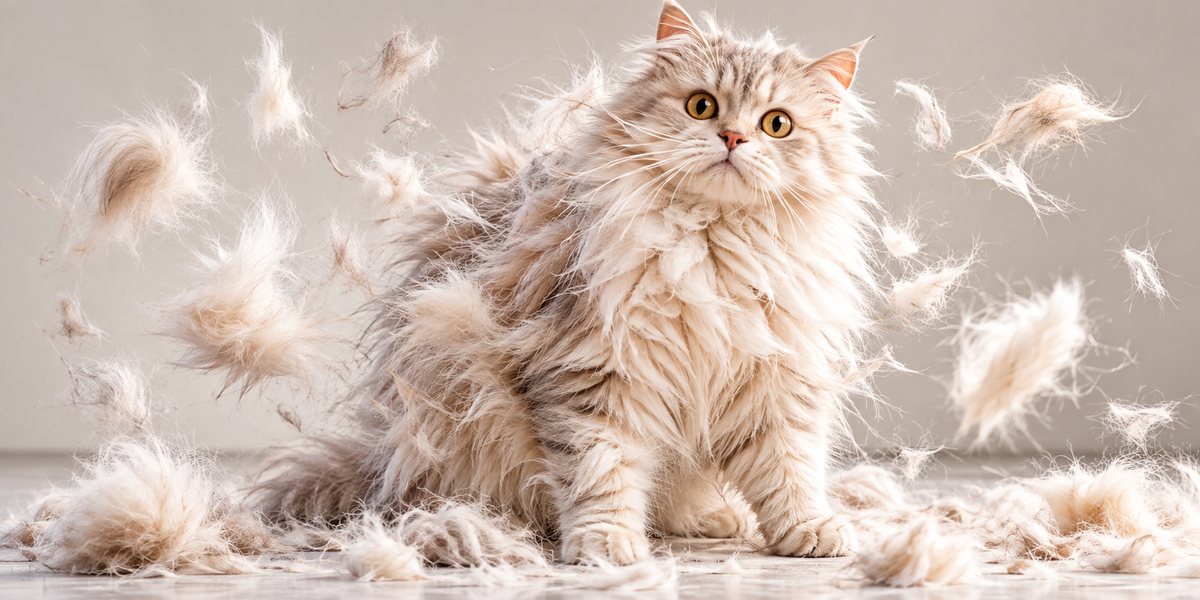
| Shedding | Moderate seasonal Moderate seasonal shedding is the best estimate for this Carpathian landrace-type cat with a practical weather-adapted coat. |
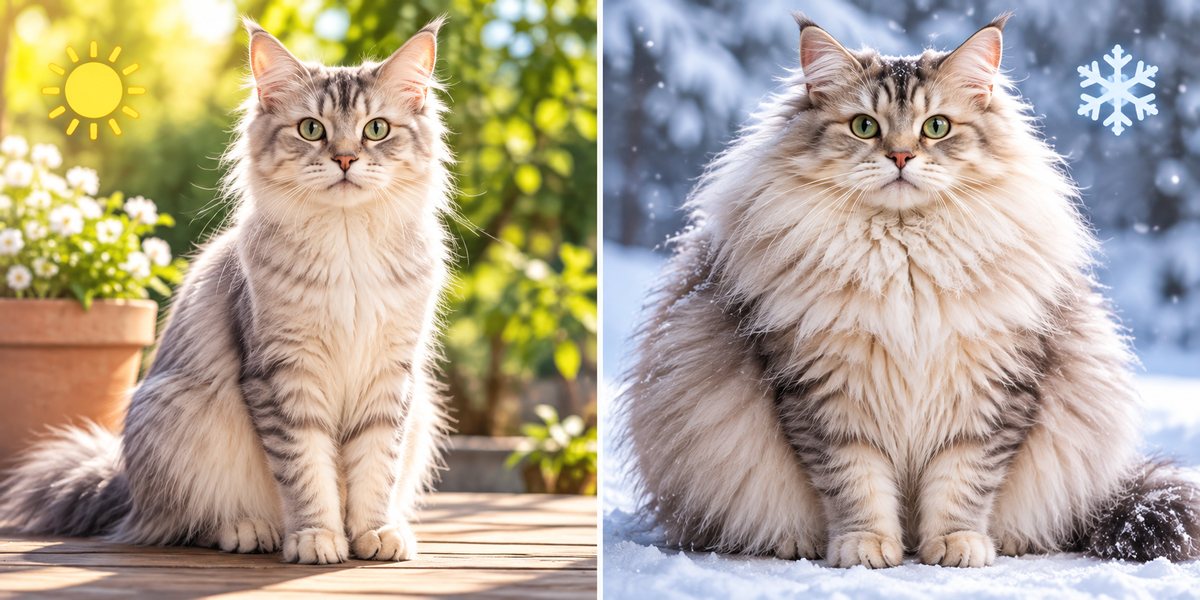
| Seasonal coat changes | Moderate spring fall shed The Transylvanian’s dense undercoat and coarser guard hairs point to a moderate seasonal cycle, with more undercoat released in spring and renewed toward winter. |
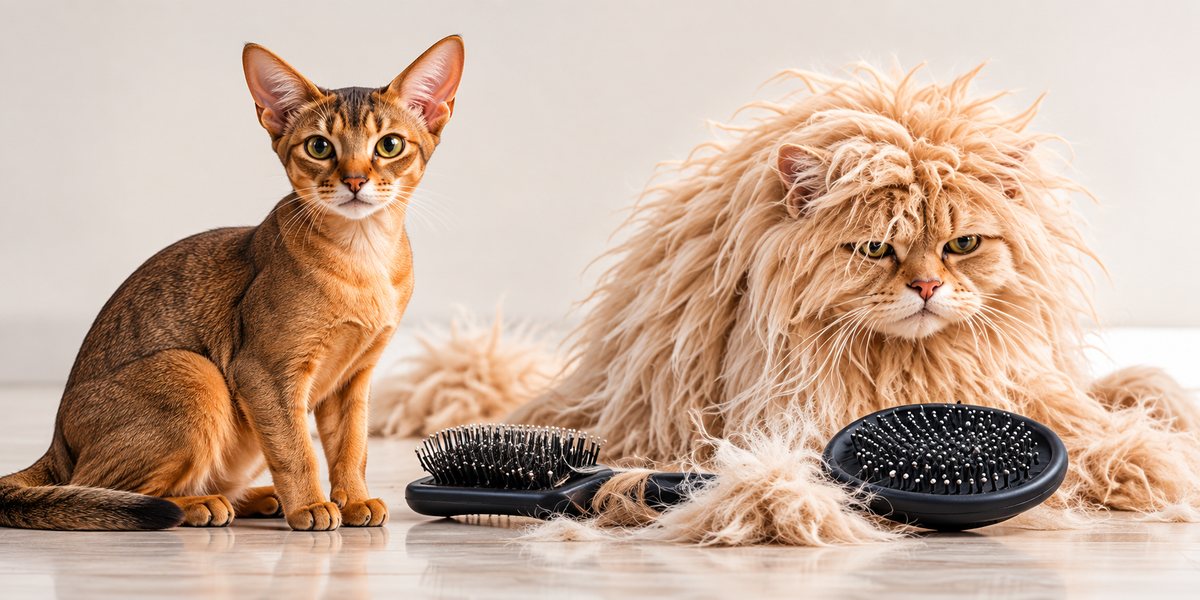
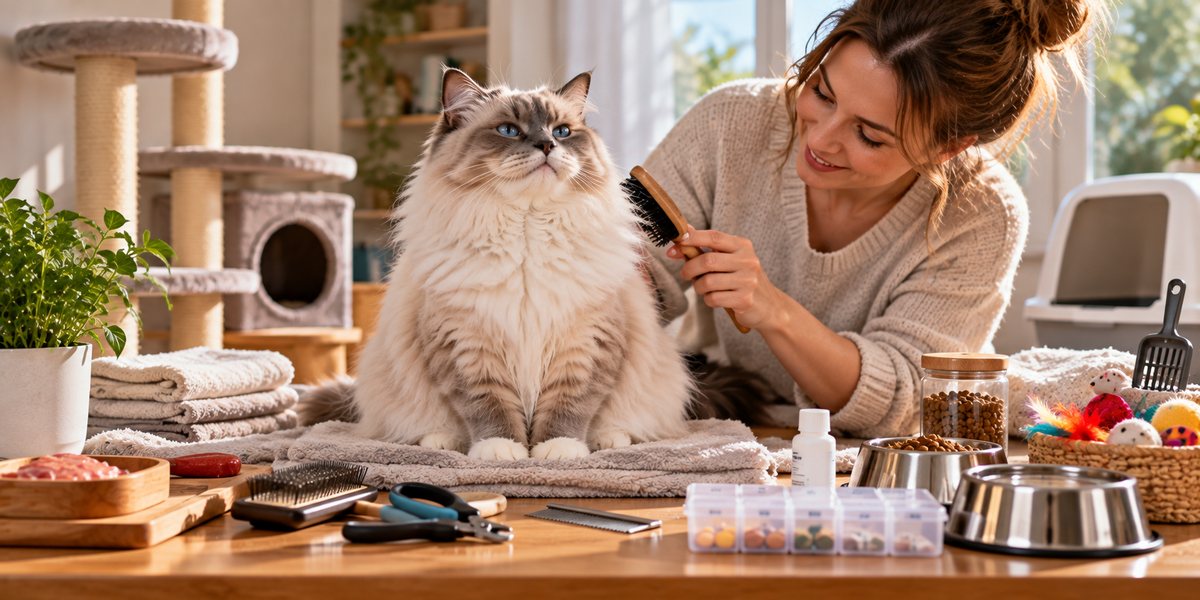
| Brushing & combing | Weekly or as needed Weekly brushing is a reasonable baseline for the practical Carpathian-type coat, increasing when seasonal shedding becomes apparent. |
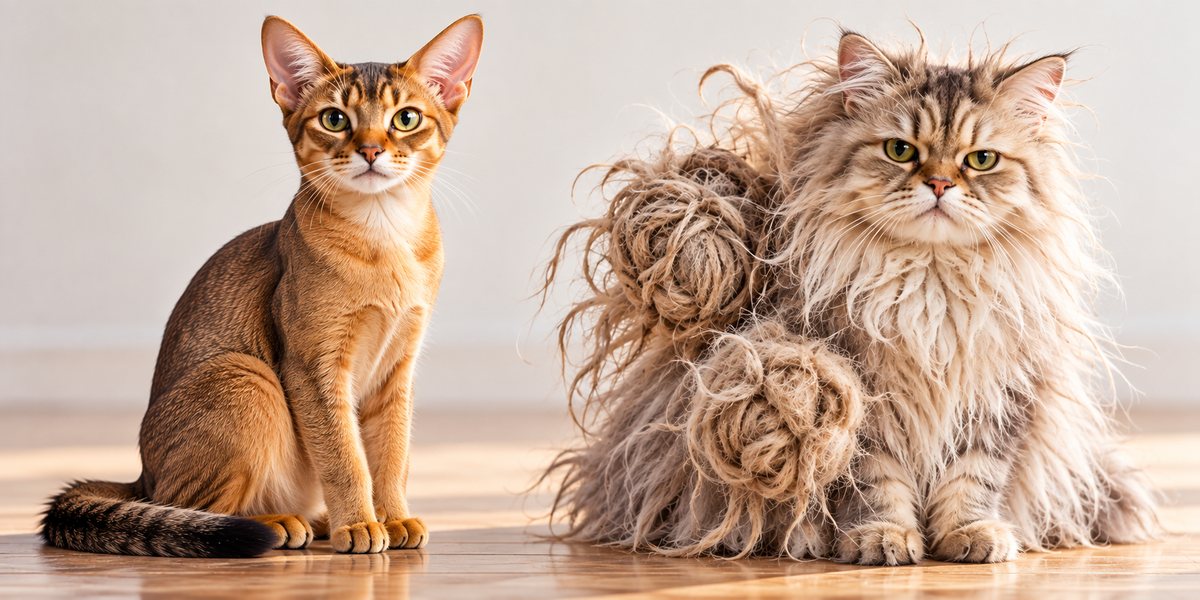
| Tangle & matting tendency | Very low The short coat and dense but compact undercoat are unlikely to form true mats; seasonal loose hair is the more relevant grooming issue. |
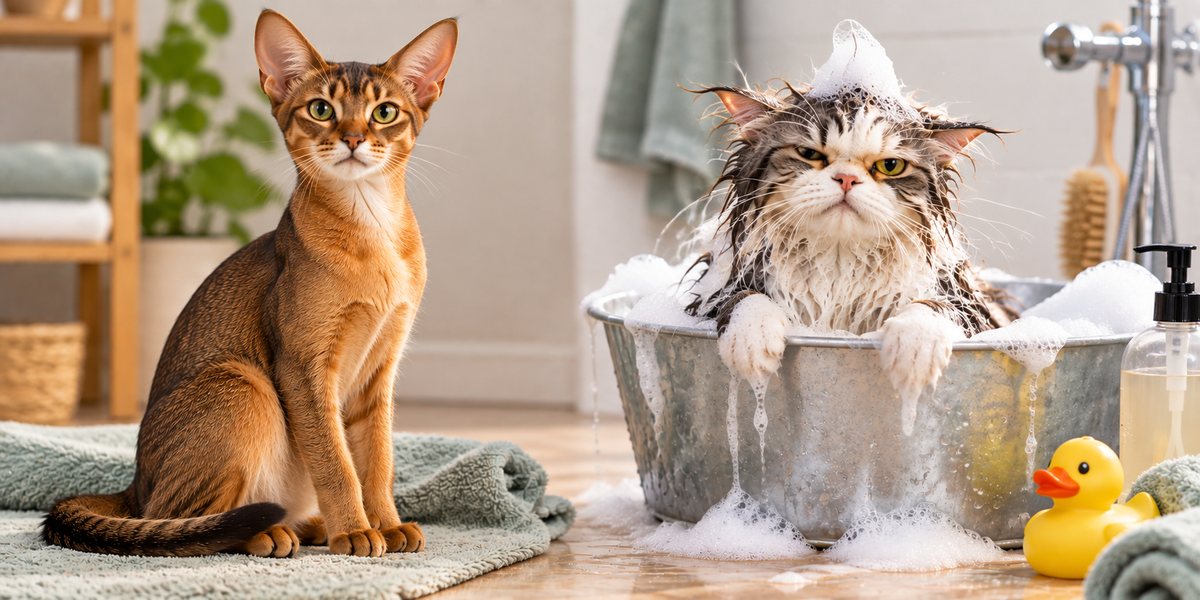
| Skin & bathing care | Bathing not routinely needed Routine bathing is generally unnecessary; bathe only when the coat is genuinely soiled or for a specific veterinary or grooming reason. |
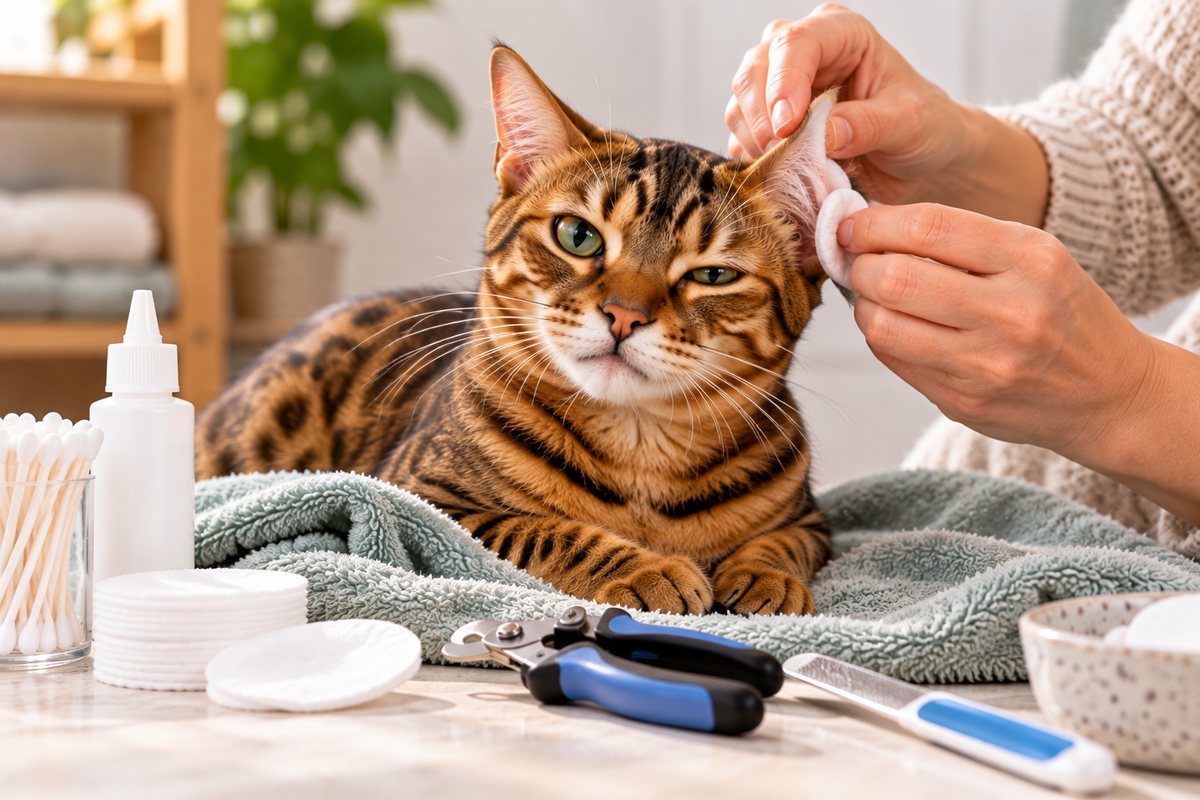
| Distinctive routine care | Simple developing breed care The developing Transylvanian appears to need conventional short-coat maintenance: occasional brushing, nails, ears and dental hygiene. Routine hands-on checks are valuable while the breed's longer-term health profile is still being established. |
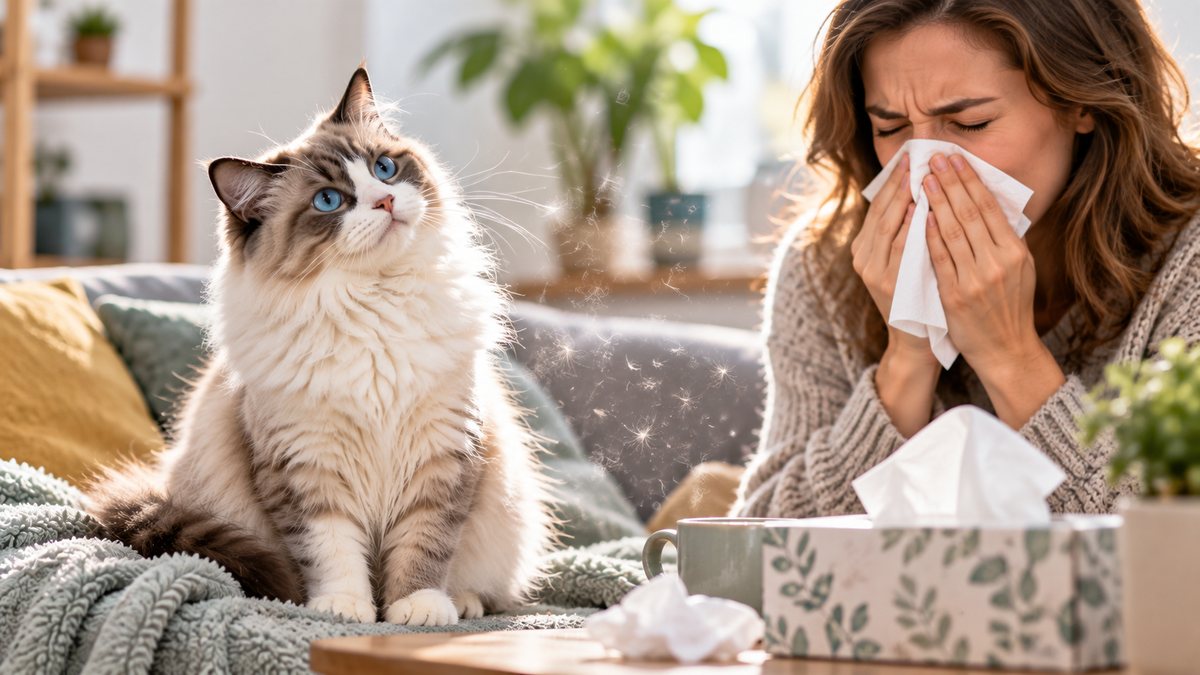
| Allergy & allergen evidence | No breed specific reduction established There is no known reason to regard this breed as hypoallergenic. All cats produce allergens, and coat length or shedding alone does not determine allergy risk. |
| Activity & intelligence | |
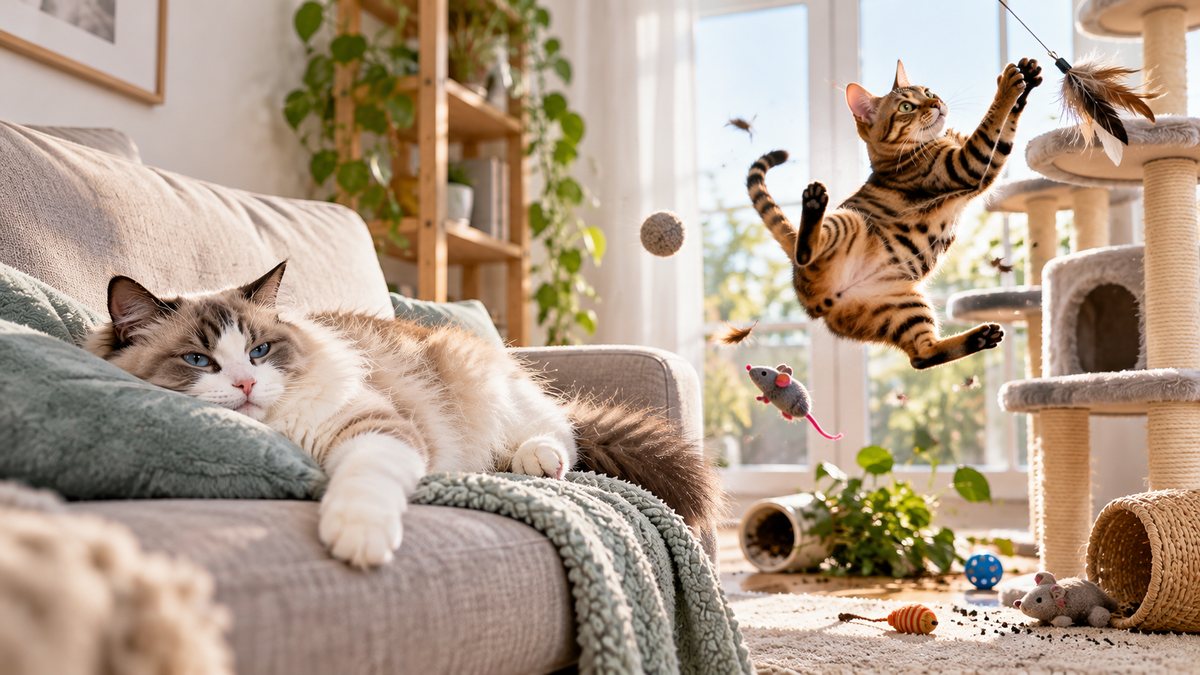
| Activity level | Balanced and moderately active. |
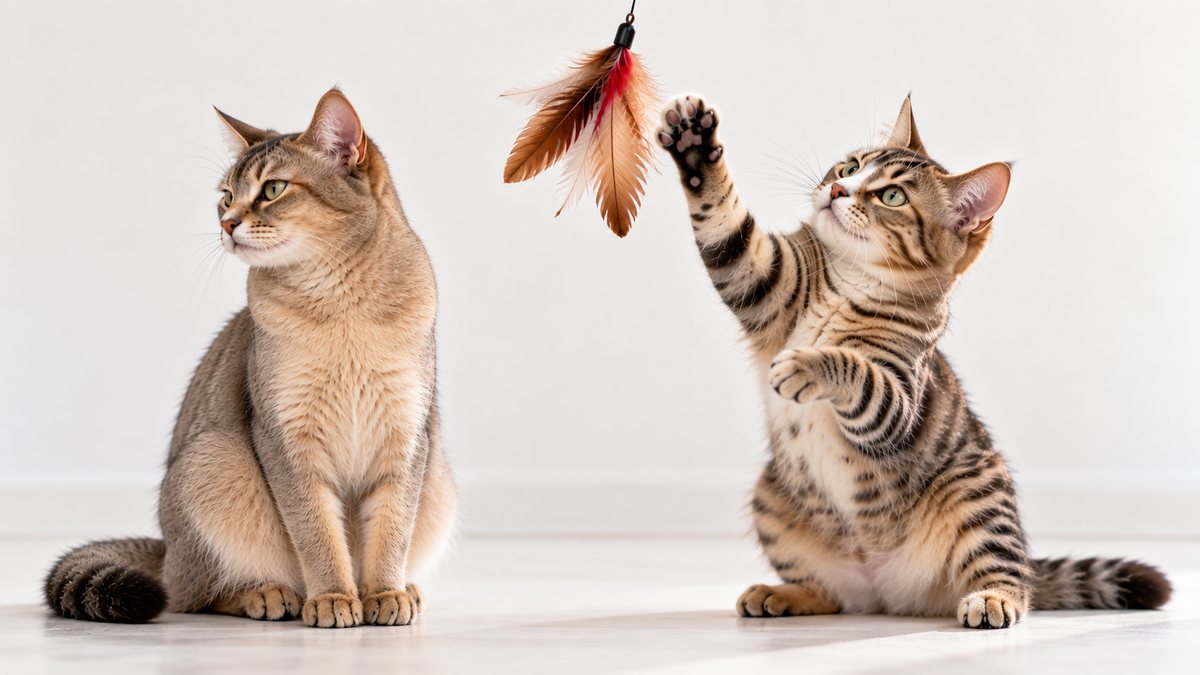
| Playfulness | Moderate to high Moderately to highly playful is the best current estimate for this emerging Carpathian breed, especially for active exploration and chase games. |
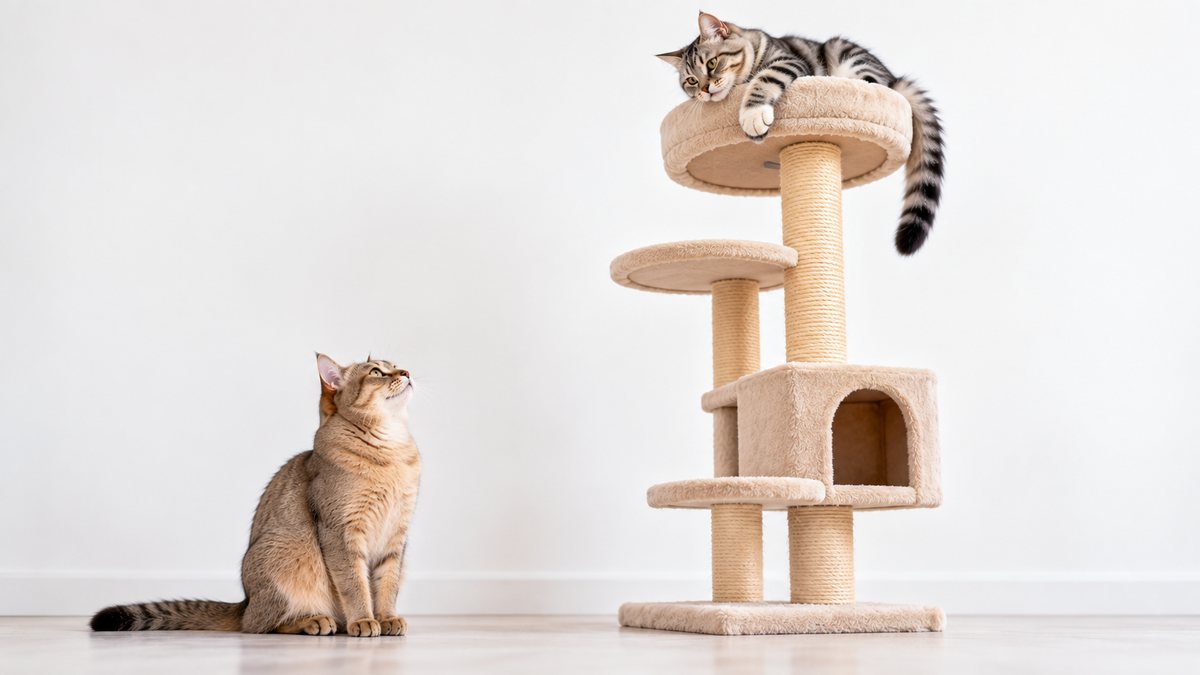
| Climbing & jumping | Moderate With limited breed-specific behavioral data, its normal-proportioned natural-cat build supports a moderate climbing estimate rather than either extreme. |
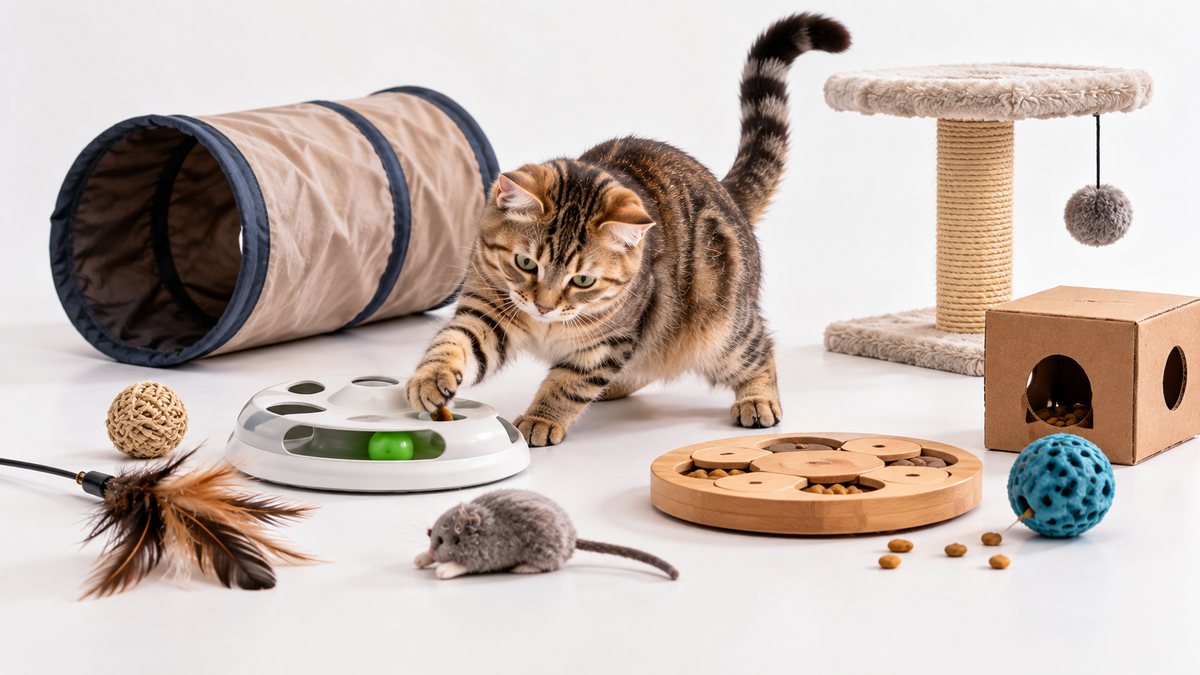
| Enrichment demand | Moderate Moderate enrichment demand: daily play and environmental variety are appropriate for its balanced activity level, with room for both exploration and quiet periods. |
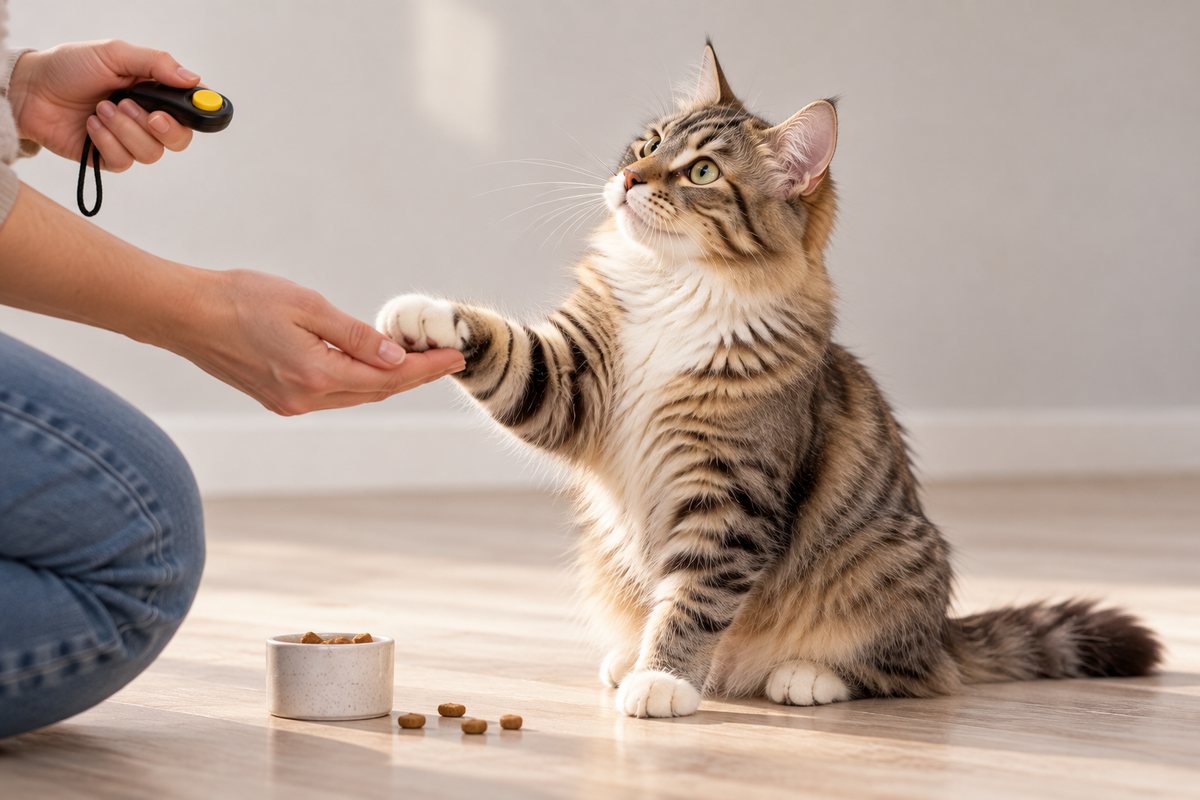
| Learning & training | Moderate With very limited breed-specific behavioral evidence, the Transylvanian is best treated as a normally capable learner whose response to training will depend heavily on individual motivation. |
| Curiosity & exploration | Moderate Behavioral evidence remains sparse for this emerging natural breed; the best current estimate is moderate curiosity typical of an alert domestic cat, pending broader owner data. |
| Hunting & chasing tendencies | Moderate to high Breed-specific behavior is still sparsely documented; a moderate hunting tendency is the most defensible estimate for this natural-derived cat pending stronger evidence. |
| Personality & social | |
| Sociability with familiar people | High Forms strong bonds with its human family. |
| Affection | Gentle, trusting and attached to familiar people. |
| Lap & cuddling preference | Variable There is not enough reason to make lap-sitting a defining breed trait; individual preference is likely to dominate. |
| Handling tolerance | High Foundation-population reports describe Transylvanian cats as notably trusting and tolerant of human contact, so good handling tolerance is a reasonable current breed assessment, while recognizing that the breed is still developing. |
| Independence & social demand | Moderate Breed-specific behavioral evidence remains limited; its natural-population background supports a best-current assessment of moderate social demand with functional independence. |
| Vocalization | Low to moderate; individual conversational style varies Moderate vocality is the most defensible current estimate for this emerging Carpathian breed; no strong evidence supports either unusually quiet or extreme calling. |
| Response to unfamiliar people | Moderate The Transylvanian is best assessed as calm but initially watchful with unfamiliar people, generally becoming more accepting once the situation feels safe. |
| Adaptability to change | Moderate The Transylvanian is too newly documented for strong behavioral generalizations; moderate adaptability is the best-current estimate, with gradual acclimation preferable until more breed experience accumulates. |
| Noise & busy-environment sensitivity | Moderate Because standardized behavioral evidence remains limited, a moderate response is most defensible: normal adaptation to familiar household sounds without assuming unusual boldness. |
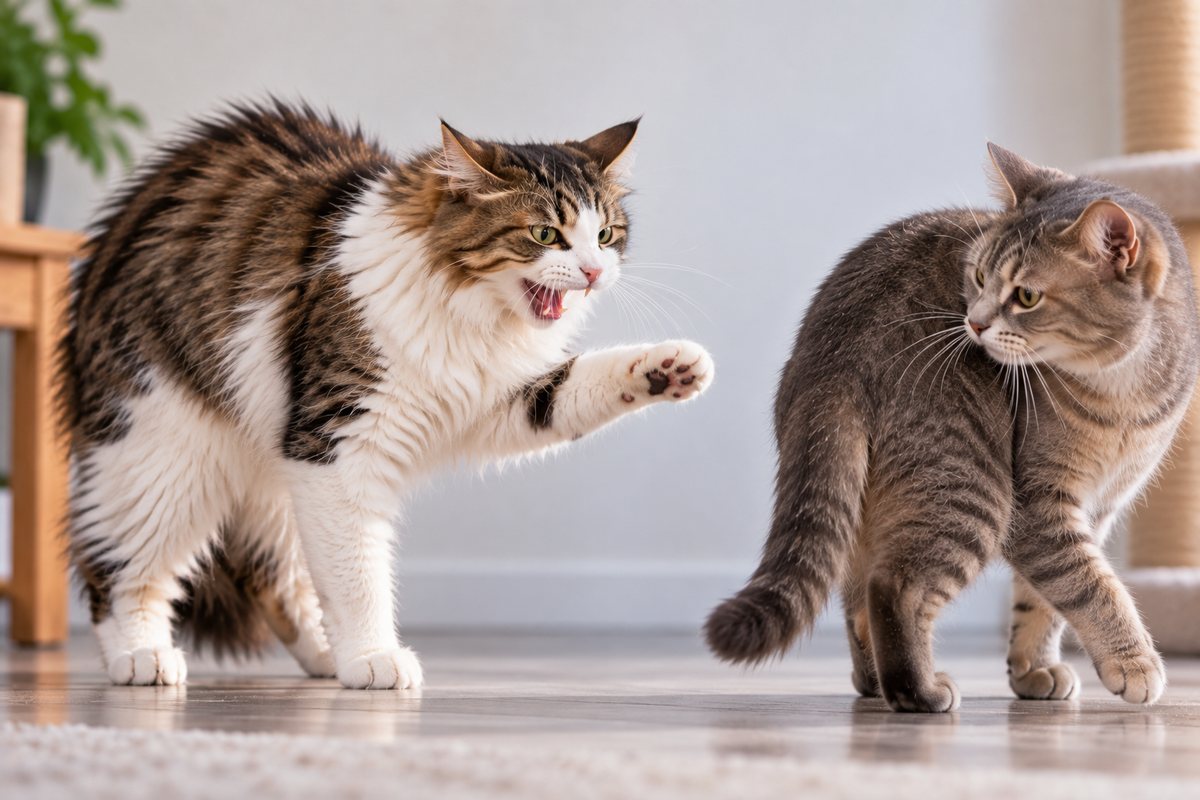
| Defensive & conflict behaviour | Low Transylvanian cats are being selected for a gentle, non-aggressive companion temperament, so low baseline conflict is the best current assessment. Because the breed remains developing and sparsely documented, individual socialization should carry more weight than the label. |
| Household & environment | |
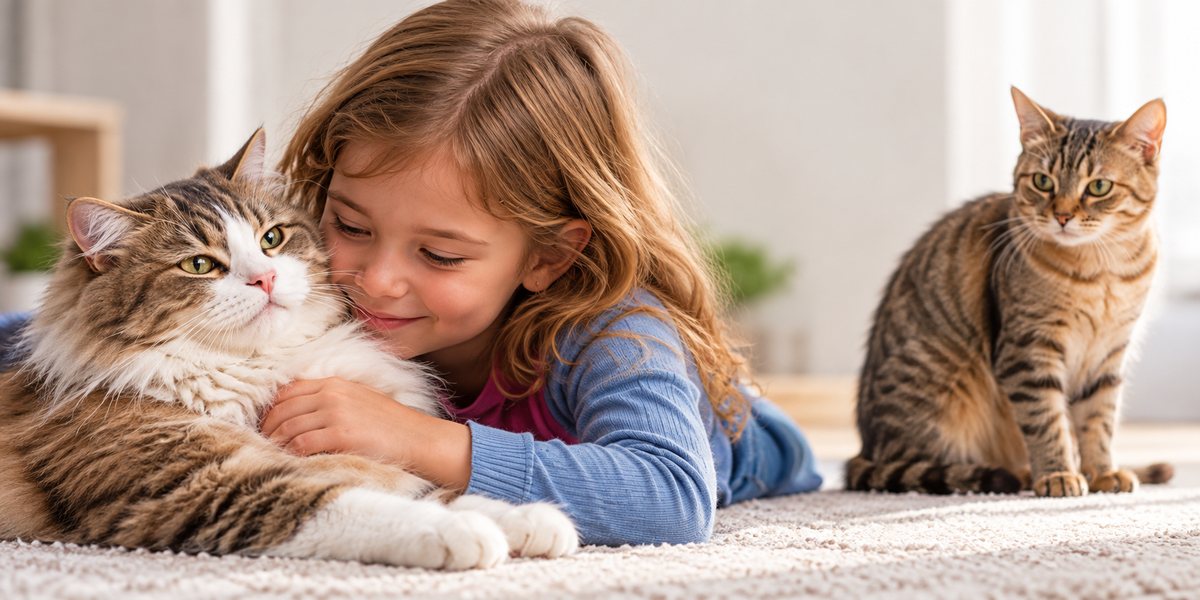
| Living with children | Good The developing Transylvanian breed is being selected for a gentle, non-aggressive companion temperament, which supports a good family outlook. Because the population remains small, the individual cat's socialization and handling tolerance should still guide placement with children. |
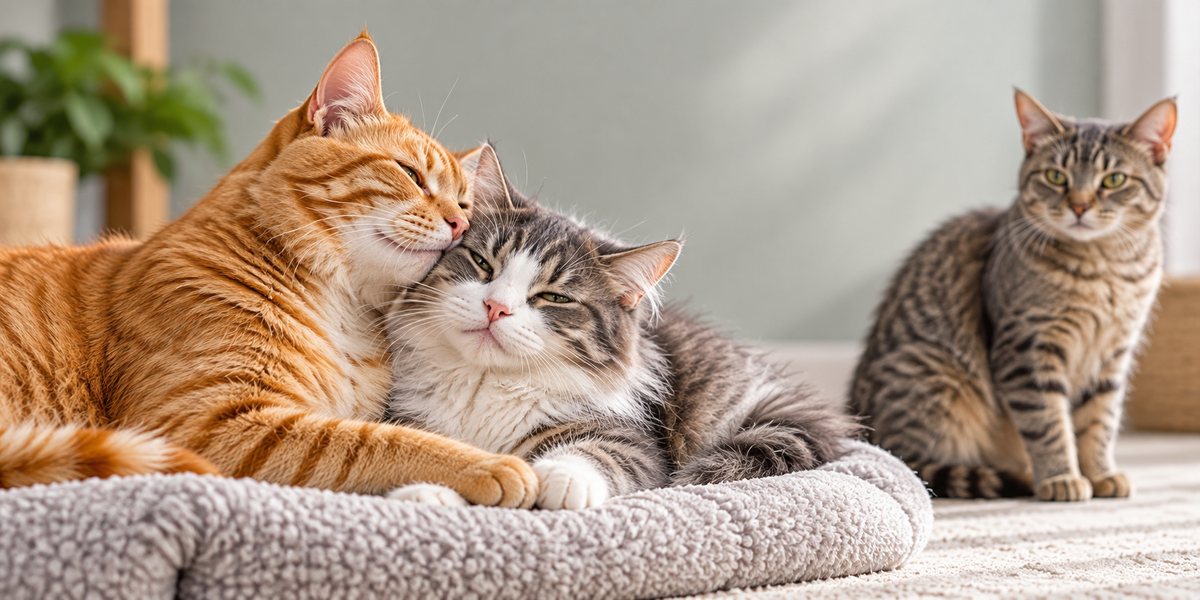
| Living with other cats | Individual dependent The Transylvanian is too recently documented for a confident breed-wide claim about other-cat sociability. Its domestic-cat background makes peaceful multi-cat living entirely plausible, but the best current assessment is individual-dependent, with gradual introductions and adequate separate territory. |
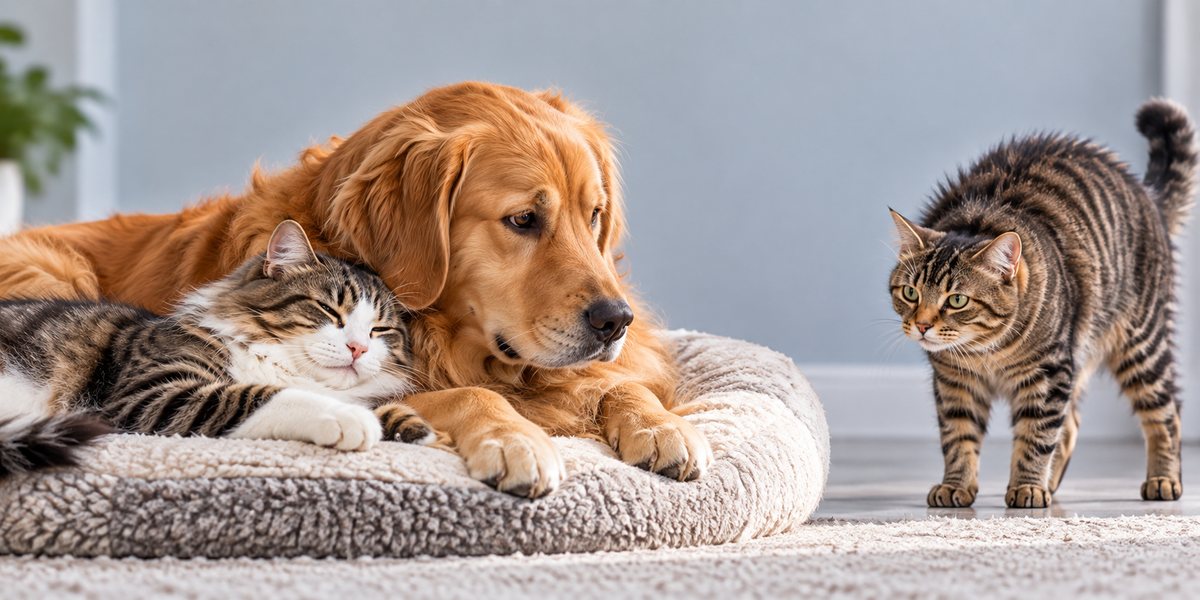
| Living with dogs | Good The developing Transylvanian is being selected for a gentle, non-aggressive companion temperament, supporting a favorable outlook with a friendly dog. The population remains small, so the individual cat's confidence and early socialization should guide introductions. |
| Living around small pets | Normal predatory caution The developing Transylvanian is selected for a gentle companion temperament, but gentleness toward people does not imply suppression of feline hunting behavior. Small pets should still be securely separated. |
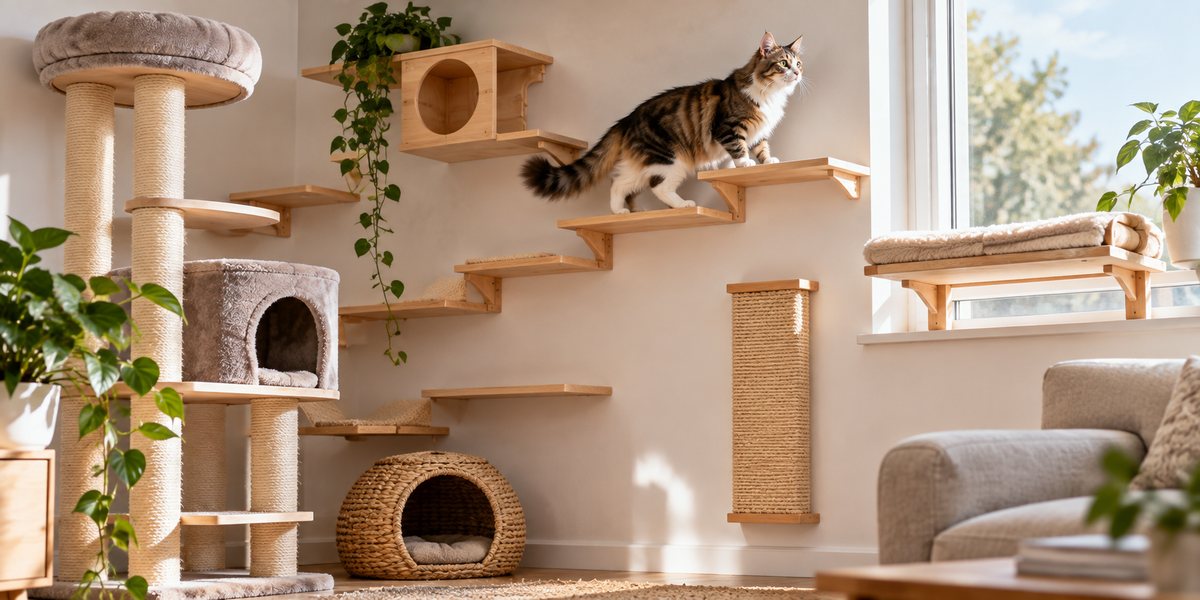
| Indoor & home environment needs | Balanced indoor The developing Transylvanian breed has no established need for specialized housing. A varied indoor home with perches, scratching areas, hiding places, window observation and regular interactive play is the best current baseline. |
| Outdoor access considerations | Secure optional The developing Transylvanian breed has no established need for unrestricted outdoor access. An enriched indoor home is sufficient, while a secure enclosure or enclosed garden can provide optional sensory stimulation. |
| Heat, cold & sun considerations | Moderate coat adaptable The developing Transylvanian has no established extreme-climate specialization. A normal domestic-cat approach is appropriate: dry warm shelter during severe cold, shade and water during heat, and freedom to choose a comfortable resting temperature. |
| Caregiver time & experience | Moderate The developing Transylvanian breed is being selected as a gentle companion and has no established specialist daily-care requirement. Regular play, social contact, routine grooming and attentive health monitoring make a moderate commitment the best current estimate. |
| Health & welfare | |
| Documented health predispositions | Limited specific risk The Transylvanian is still a developing breed, so no stable breed-wide disease profile has yet been established. Early breeding should prioritize genetic diversity, functional conformation and transparent longitudinal health records rather than waiting for problems to become fixed. |
| Screening & breeder questions | Ask what health problems are tracked in the lines and request actual test results Ask what health and structural problems have appeared in the developing population, how breeding cats are assessed for functional conformation, and how founders are selected to preserve genetic diversity and avoid rapidly fixing disease. |
| Conformation-related welfare | Low developing type concern The Transylvanian is still being standardized, so welfare-focused development should preserve a moderate functional body, normal breathing and free movement. Early selection is an opportunity to prevent cosmetic exaggerations from becoming fixed breed traits. |
| Nutrition & weight management | Moderate condition led The developing Transylvanian has no established special dietary requirement. Complete feline nutrition adjusted to individual growth, activity and body condition is appropriate while long-term breed health data continue to accumulate. |
| Longevity | 12–16 years The Transylvanian is a very new natural-breed population with moderate conformation; about 12–16 years is a cautious best-current estimate rather than a measured breed average. |
| Cost & availability | |
| Purchase cost | Very high: $1,000–$3,000+ Transylvanian: a practical breeder-market estimate is $1,000–$3,000+. This reflects that it is an newly documented/rare regional breed with little established breeder market. |
| Adoption & rehoming cost | Very rare in rescue: $100–$600 when genuinely available Transylvanian: $100–$600 when genuinely available. The breed is scarce enough that a verified purebred rescue placement is unusual; transport may exceed the adoption fee. |
| Recurring ownership costs | Typical cat costs The developing breed has no established special recurring-cost pattern. Budget for ordinary food, litter, short-coat care, preventive veterinary work and enrichment, with a general contingency while longer-term health data accumulate. |
| Availability, waits & import | Extremely rare developing The Transylvanian is a developing breed with very few breeding programs. For most prospective owners there will be no local availability, and any claimed kitten should be checked carefully against the developing breed's documented lines. |
| Identity & real-world context | |
| Ownership & import restrictions | No known breed specific restrictions There are no known breed-specific ownership restrictions. Ordinary animal-welfare, identification, vaccination and cross-border import rules still apply where relevant. |
| Registry recognition | WCF: reported full recognition approved 23 Aug 2026 (71/83 vote) Transylvanian received reported full WCF recognition on 23 August 2026. It is not a separately recognized CFA, TICA or FIFe breed identity in the FSC core matrix. |
| Similar breeds & identity distinctions | Other rex or patterned cats The developing Transylvanian is identified by its emerging standardized combination of coat pattern, texture and regional breeding ancestry. Because the population is new, pedigree continuity is more reliable than assigning the name to any cat with a superficially similar coat. |
| Reported characteristic quirks | Individual quirks often center on play and exploration The Transylvanian is still too new for a stable folklore of behavior. Early selection emphasizes companion temperament, but any claimed signature trick should remain provisional until reports accumulate across unrelated lines. |
Browse all 53 breed characteristics
Open any characteristic to compare all breeds on that dimension.









 English