
Compare Cat Breeds
Compare up to three breeds across all 53 characteristics. Values are shown directly so the differences are easier to scan.
| Characteristic |  Turkish Angora |
|---|---|
| Body & development | |
| Adult size | Medium |
| Adult weight | 2.3–4.5 kg (5.1–9.9 lb) Most adults are about 2.3–4.5 kg (5.1–9.9 lb), with males generally larger than females despite the breed’s fine-boned appearance. |
| Build & distinguishing morphology | Elongated · fine boned · powerfully muscled Build: elongated; fine boned; powerfully muscled. |
| Maturation | 18-24 months Turkish Angoras reach their elegant adult frame relatively early, while body condition and the full mature coat can continue developing into roughly 18–24 months. |
| Coat & appearance | |
| Coat length | Semi long Fine silky semi-longhair coat with seasonal variation in fullness. |
| Coat texture & undercoat | Semilong · fine silky · thin or no undercoat Coat: semilong; fine silky; thin or no undercoat. |
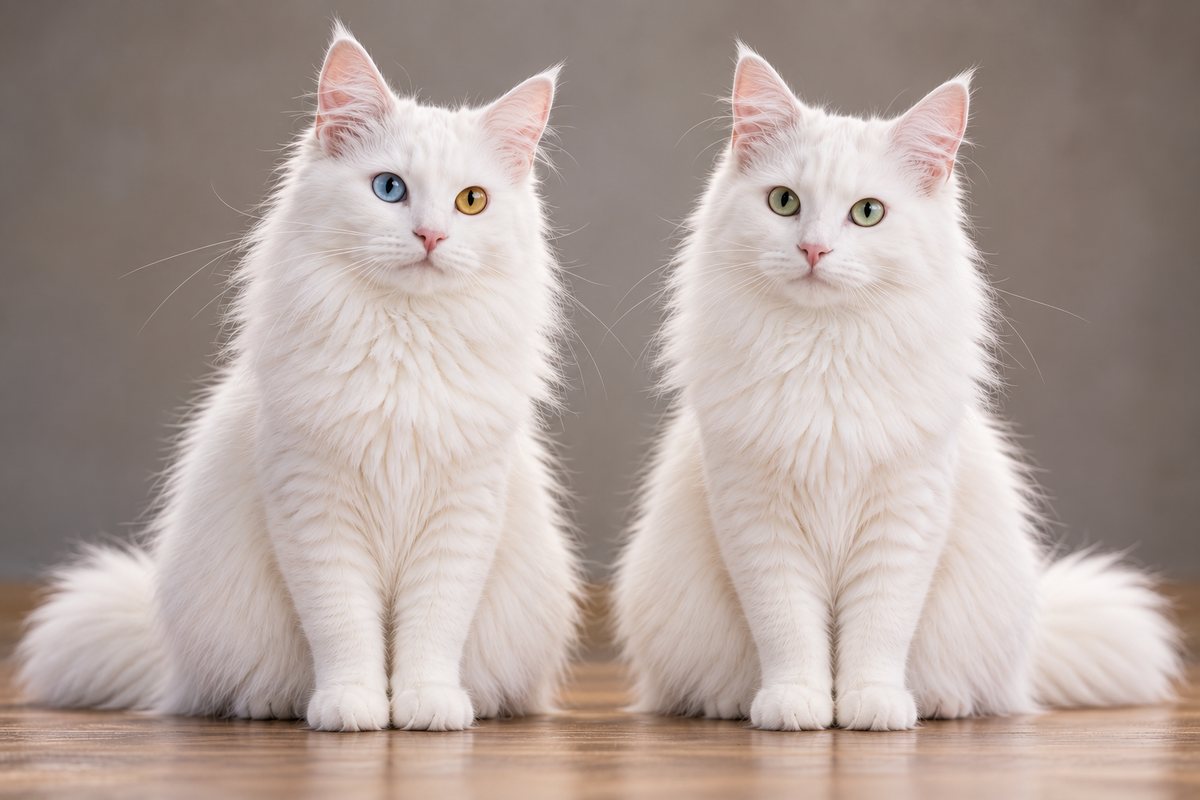
| Colors & patterns | Broad palette; white · black · blue · red · cream · tabby · tortie · bicolor · smoke Although solid white is historically iconic, Turkish Angoras also occur in black, blue, red and cream families, tabbies, torties, bicolours and smoke/silver varieties. |
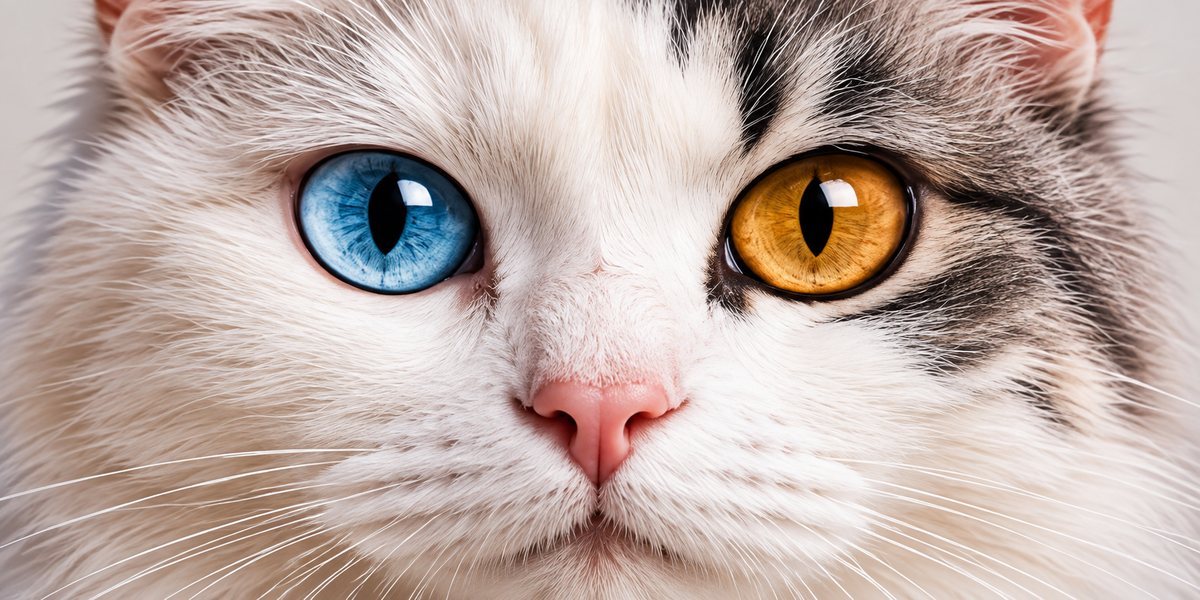
| Eye colors | Blue · green · gold · amber · odd-eyed Blue, green, gold/amber and odd-eyed combinations all occur; odd eyes are especially associated with white cats. |
| Coat & routine care | |
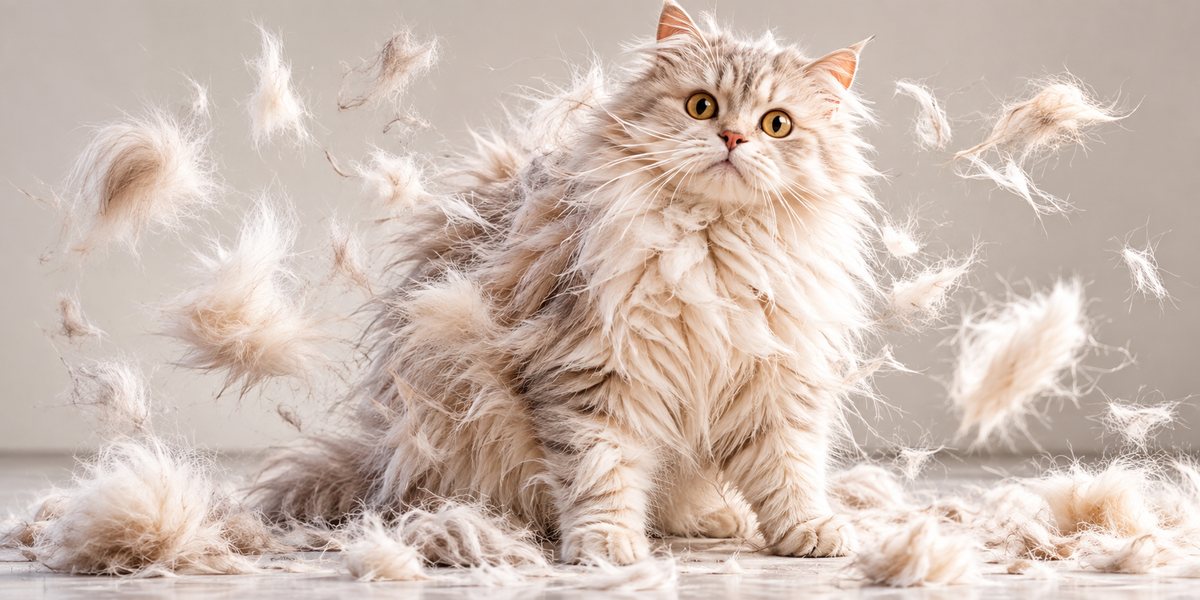
| Shedding | Low to moderate seasonal Low to moderate shedding for a longhair because the silky coat has little undercoat, though spring shedding can be obvious. |
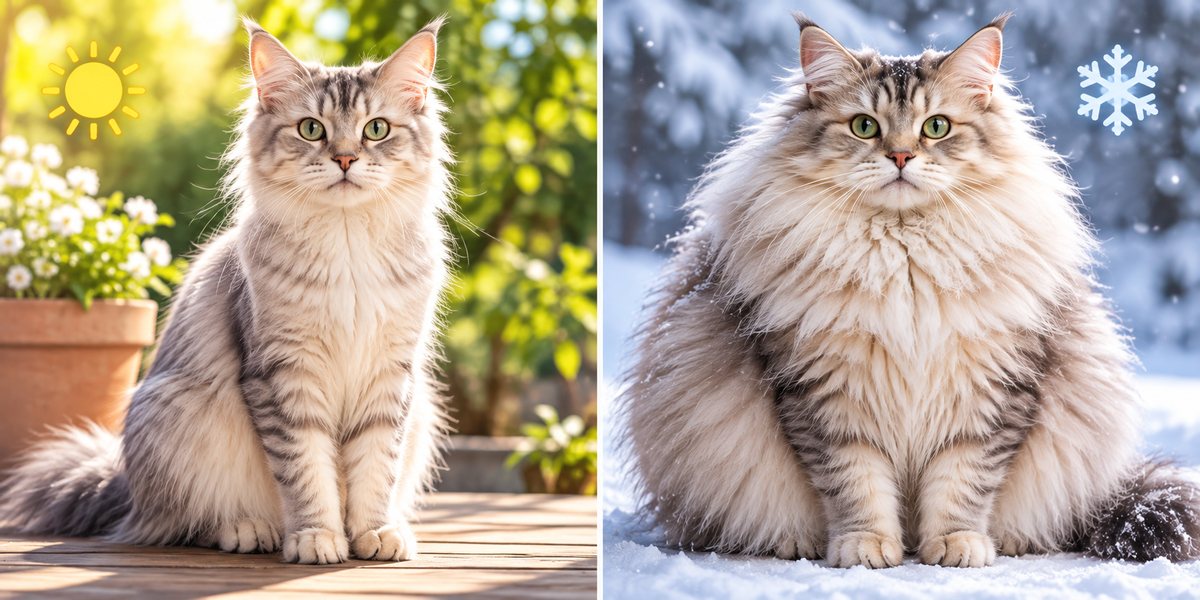
| Seasonal coat changes | Shorter summer · fuller winter mane britches plume Seasonal coat: shorter summer; fuller winter mane britches plume. |
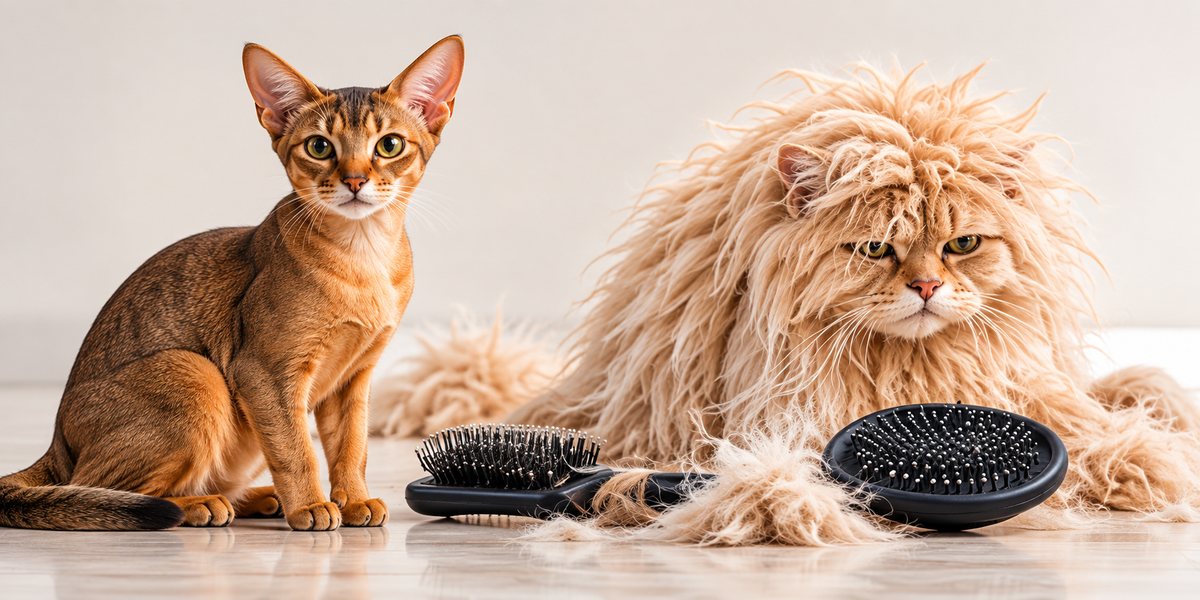
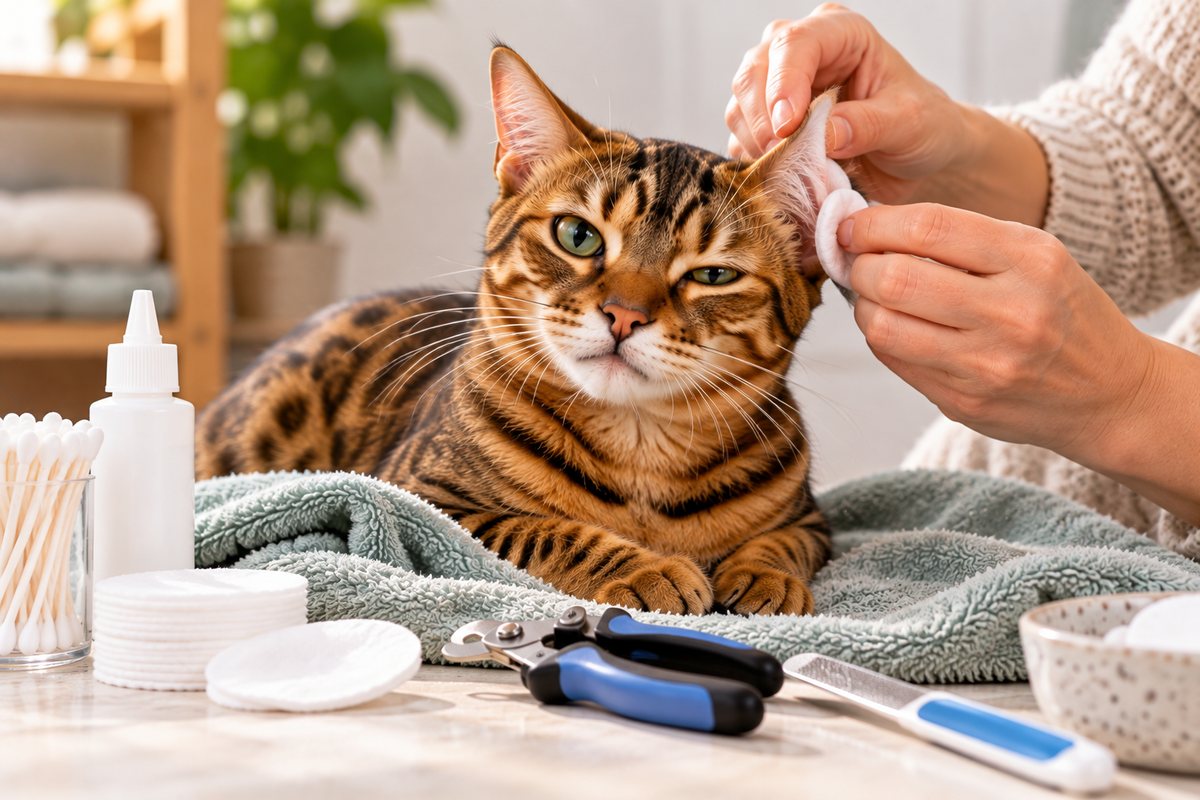
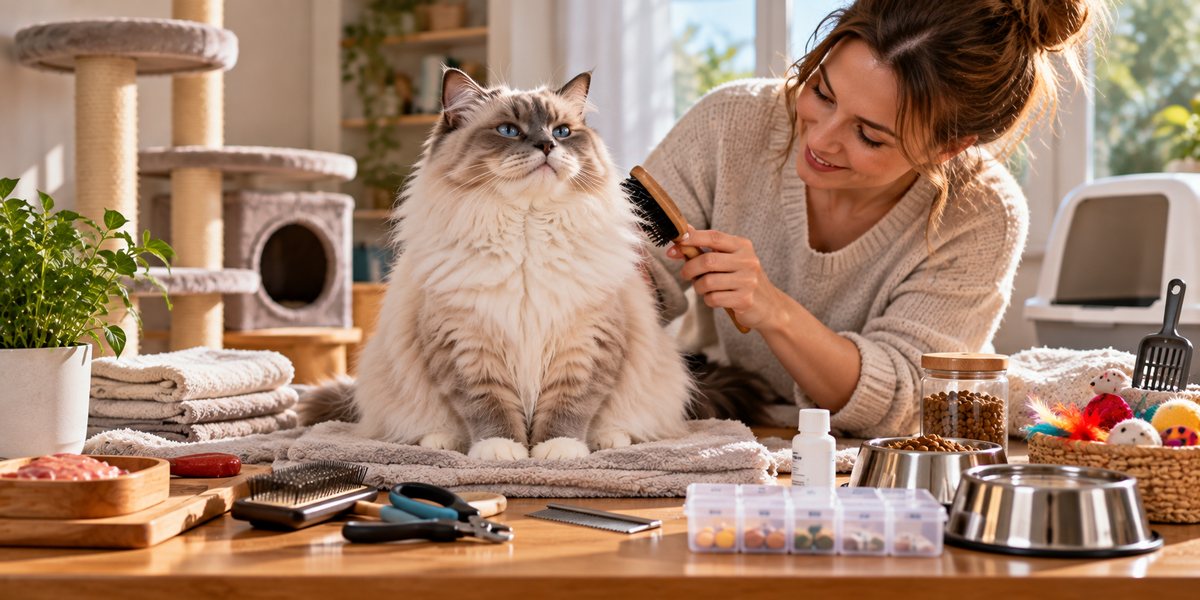
| Brushing & combing | Weekly Comb or brush once or twice weekly through the silky low-undercoat coat, increasing during the spring shed without treating it like a woolly longhair. |
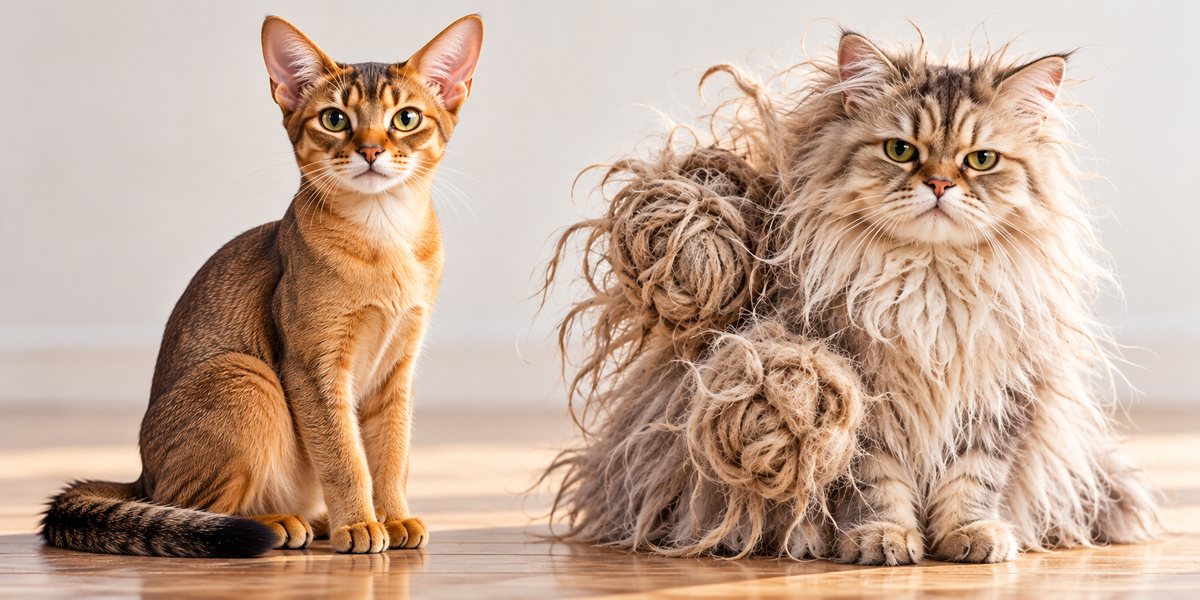
| Tangle & matting tendency | Low The fine silky semi-long coat has little or no woolly undercoat, making it notably resistant to matting despite its length. |
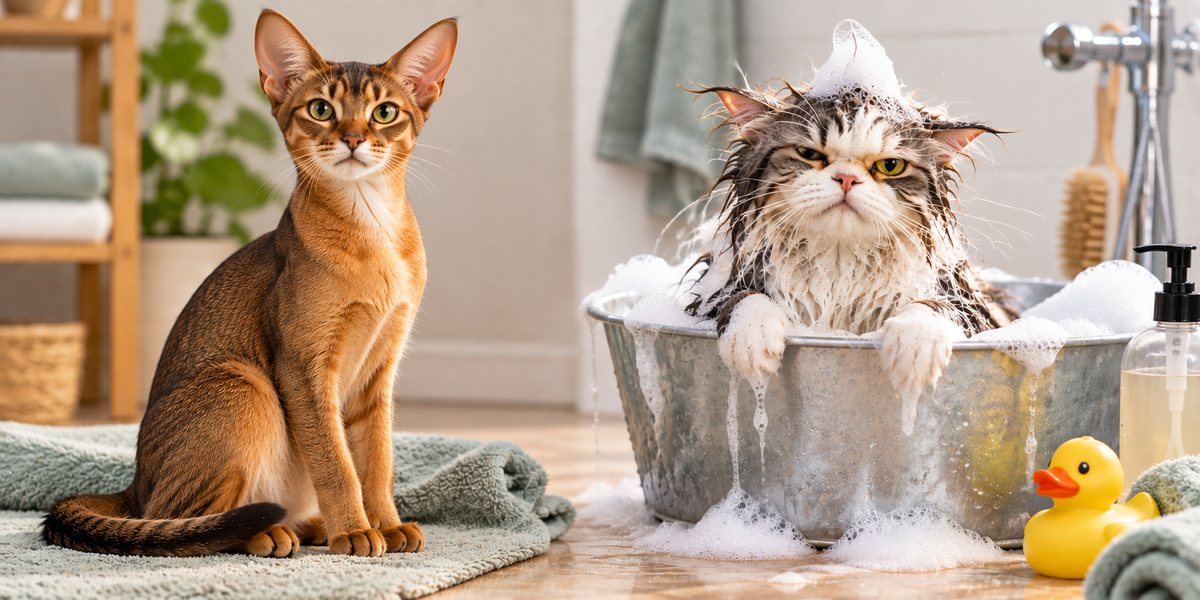
| Skin & bathing care | Bathing generally not needed Skin/bathing: bathing generally not needed. |
| Distinctive routine care | Easy semi-longhair coat The low-undercoat silky coat is comparatively hassle-free and usually needs only light routine grooming. |
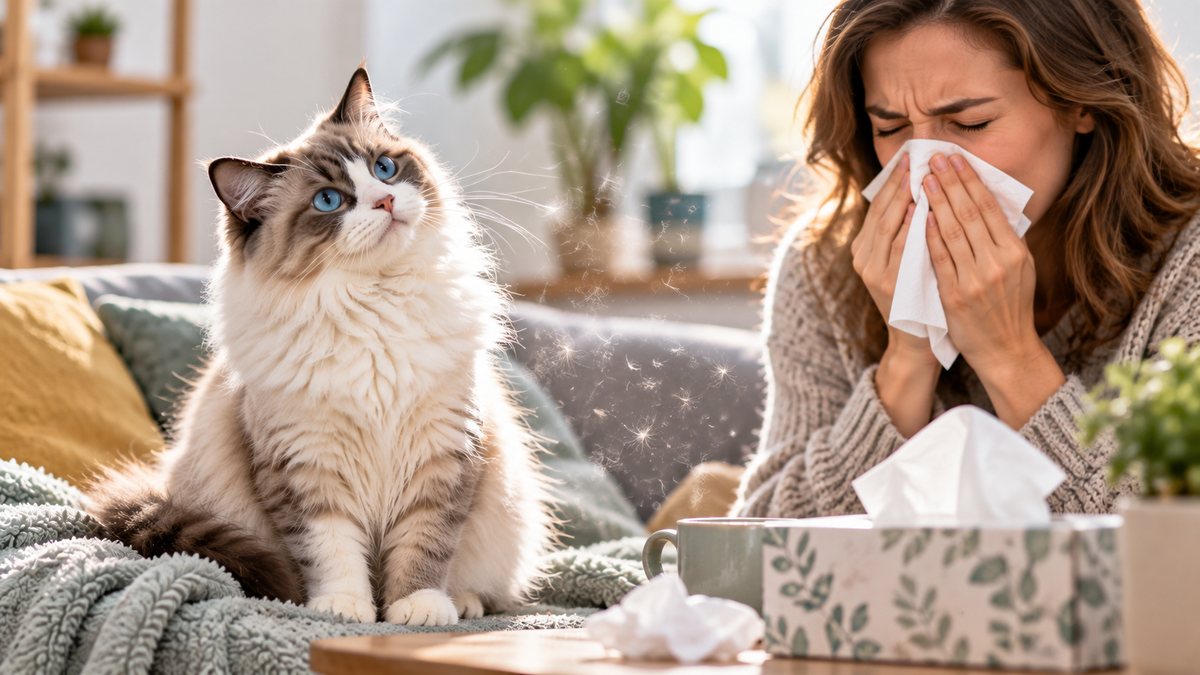
| Allergy & allergen evidence | No breed specific reduction established There is no known reason to regard this breed as hypoallergenic. All cats produce allergens, and coat length or shedding alone does not determine allergy risk. |
| Activity & intelligence | |
| Activity level | Very high |
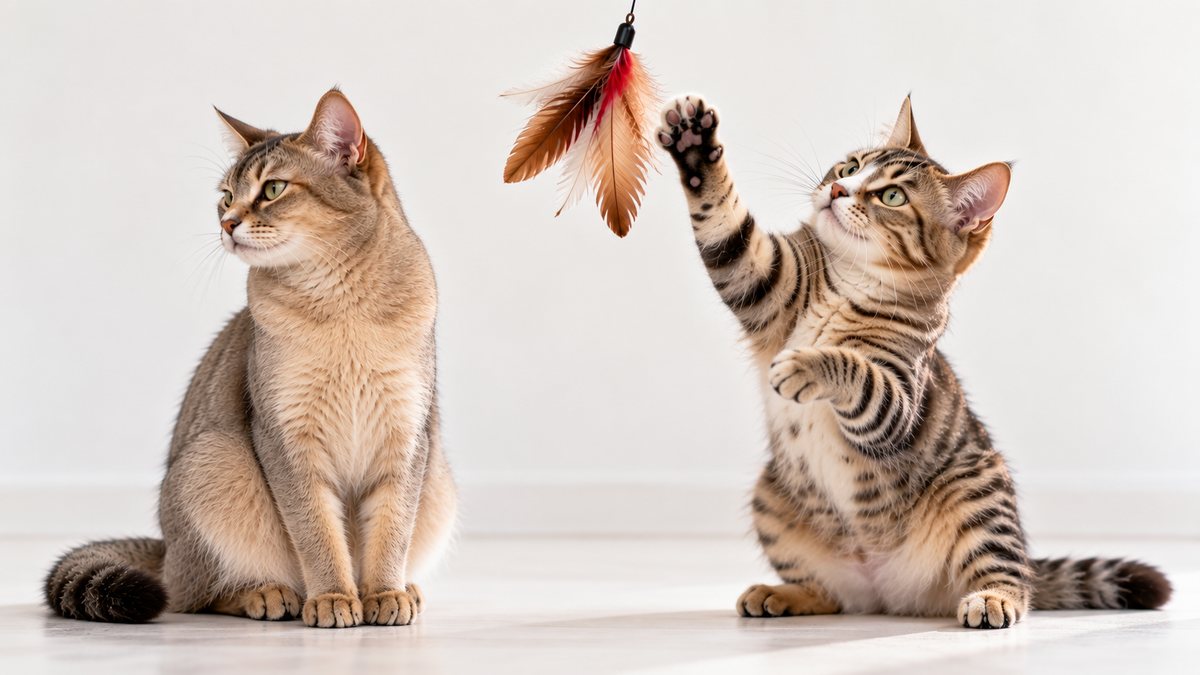
| Playfulness | Very high |
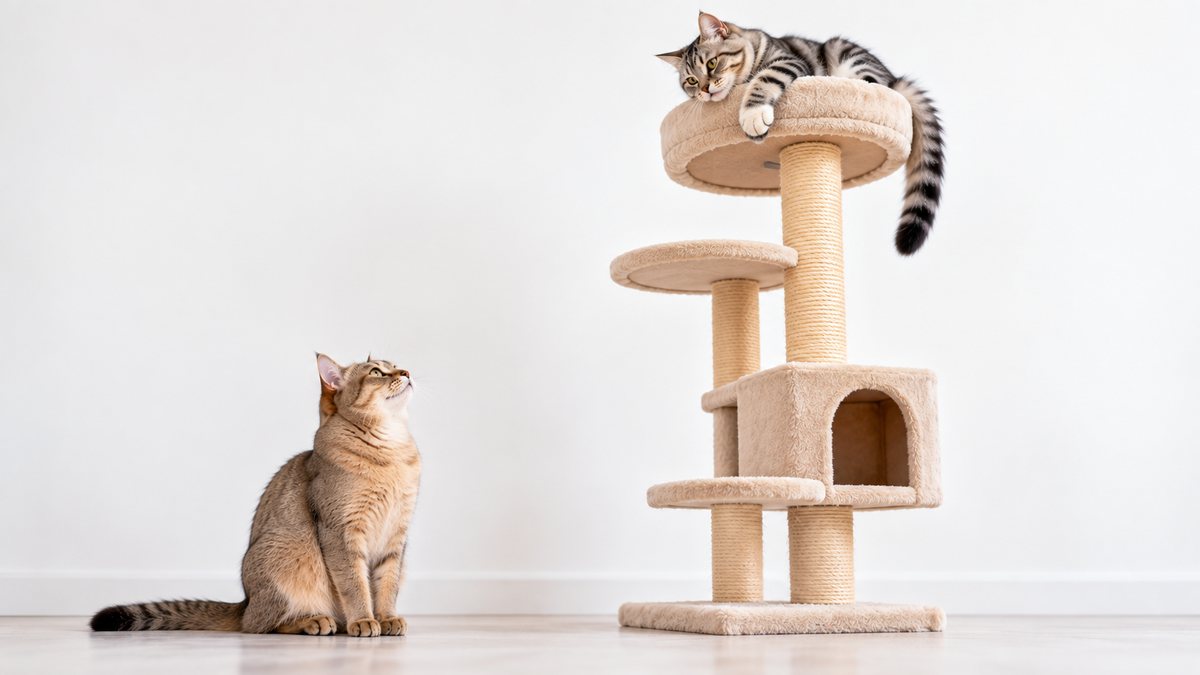
| Climbing & jumping | Very high |
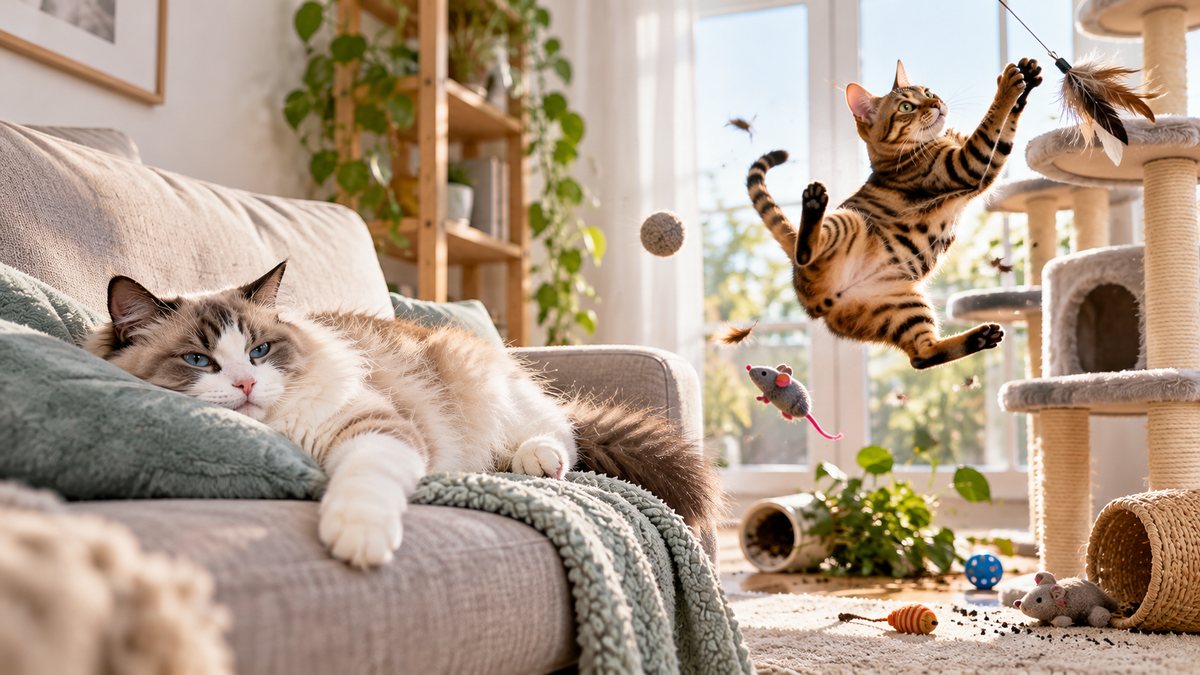
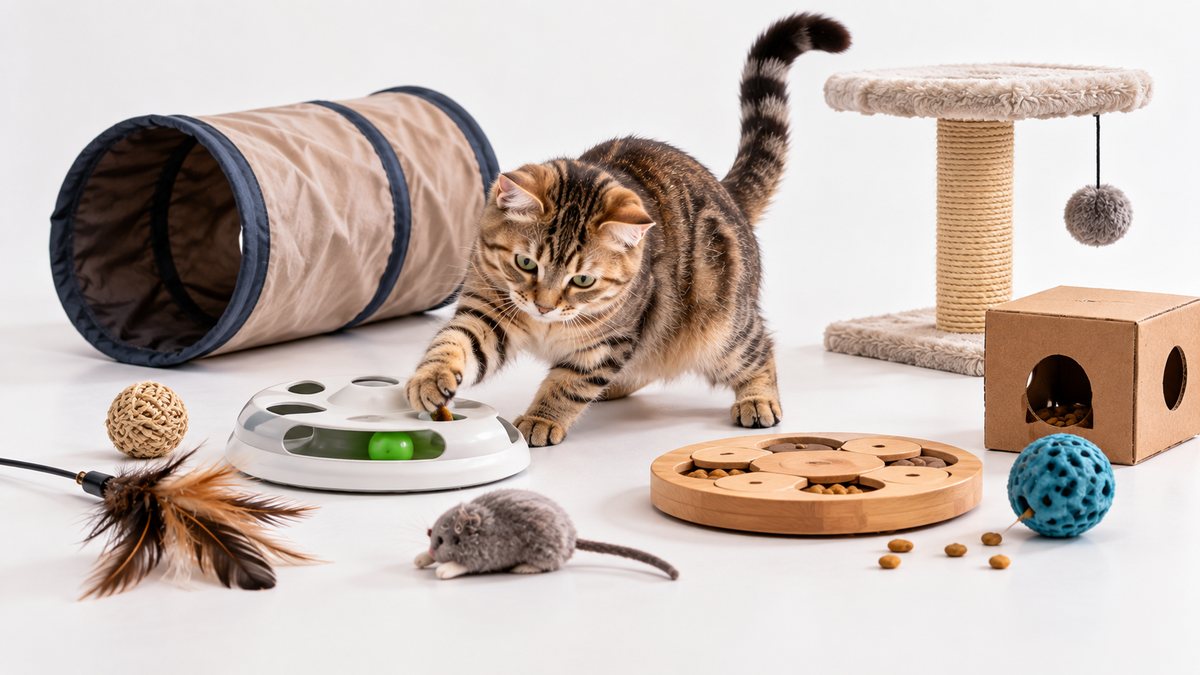
| Enrichment demand | Very high Very high enrichment demand: vigorous play, climbing, exploration and frequent social interaction suit this highly active and intelligent breed. |
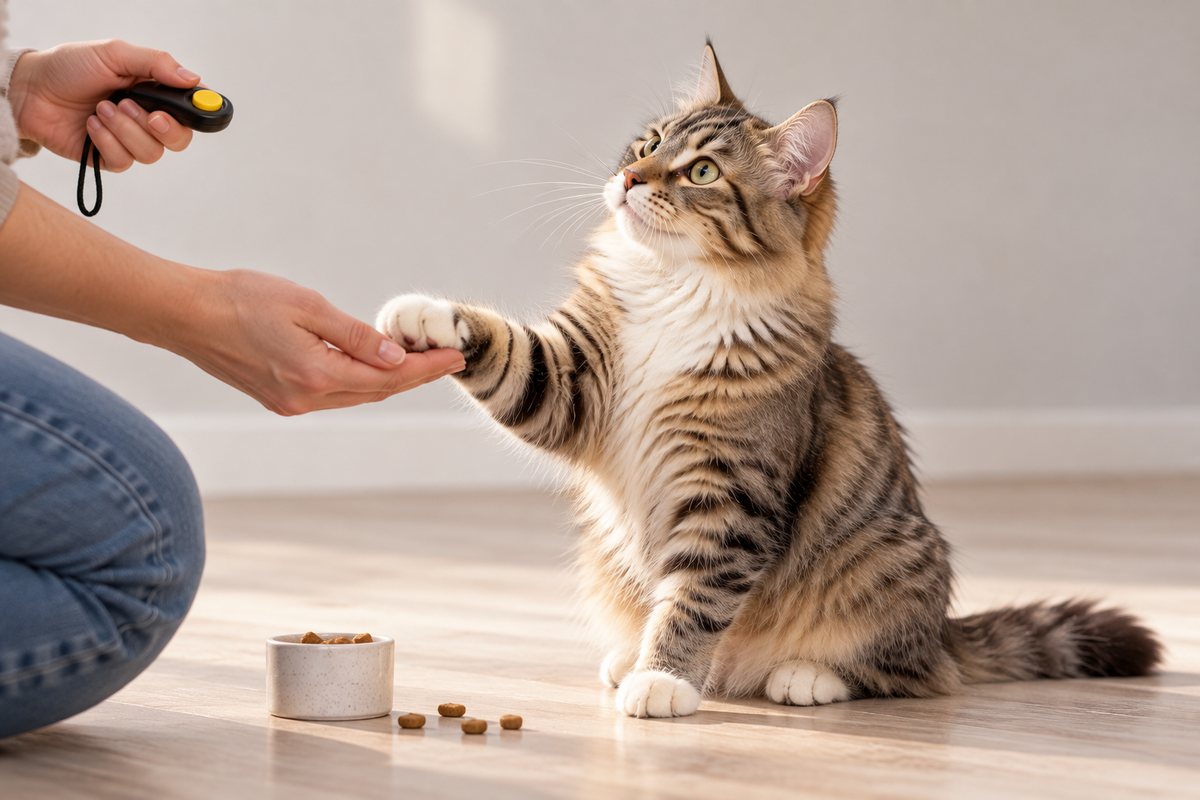
| Learning & training | High Turkish Angoras are highly intelligent and respond well to firm but gentle training. |
| Curiosity & exploration | High They are active, inquisitive cats that strongly engage with their surroundings. |
| Hunting & chasing tendencies | High Strong chasing is expected in this agile, athletic and inquisitive breed; running, climbing and pouncing games suit its high-energy play style. |
| Personality & social | |
| Sociability with familiar people | High Turkish Angoras commonly form very close bonds with their chosen people and involve themselves actively in household life, though their confident independence remains evident. |
| Affection | Following · interactive · selective physical Turkish Angoras often show affection by following, supervising and joining household activity; physical contact can be enthusiastic but is commonly on their own terms. |
| Lap & cuddling preference | Moderate Turkish Angoras bond strongly with chosen people but are active and self-directed; many enjoy physical closeness while preferring to decide when lap contact occurs. |
| Handling tolerance | Moderate Turkish Angoras are affectionate and people-focused but agile and strong-willed; most tolerate necessary handling while often preferring to control when and how physical contact occurs. |
| Independence & social demand | Moderate to high social demand Turkish Angoras often bond strongly with their household and seek involvement, but their assertive, self-directed temperament preserves meaningful independence. |
| Vocalization | Low to moderate; individual conversational style varies Moderately vocal and communicative; many use soft meows and chirps frequently with their people without matching Siamese-level intensity. |
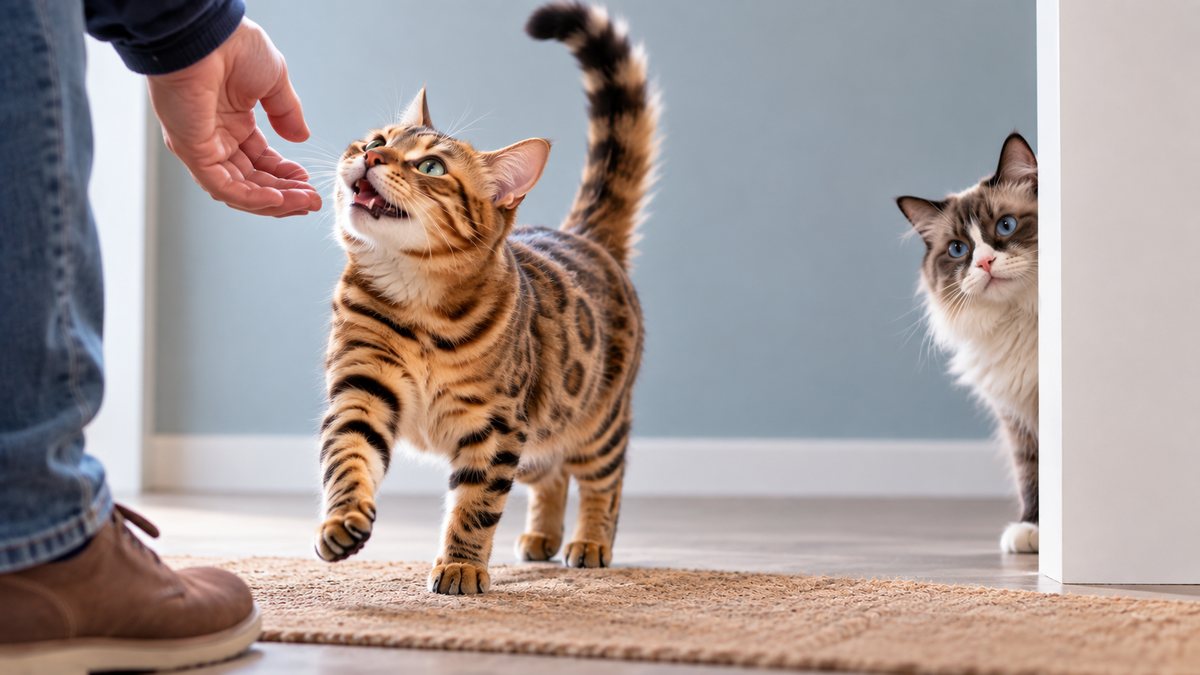
| Response to unfamiliar people | High Turkish Angoras are confident, curious and socially involved; many investigate visitors readily, although they often retain a selective streak about close handling. |
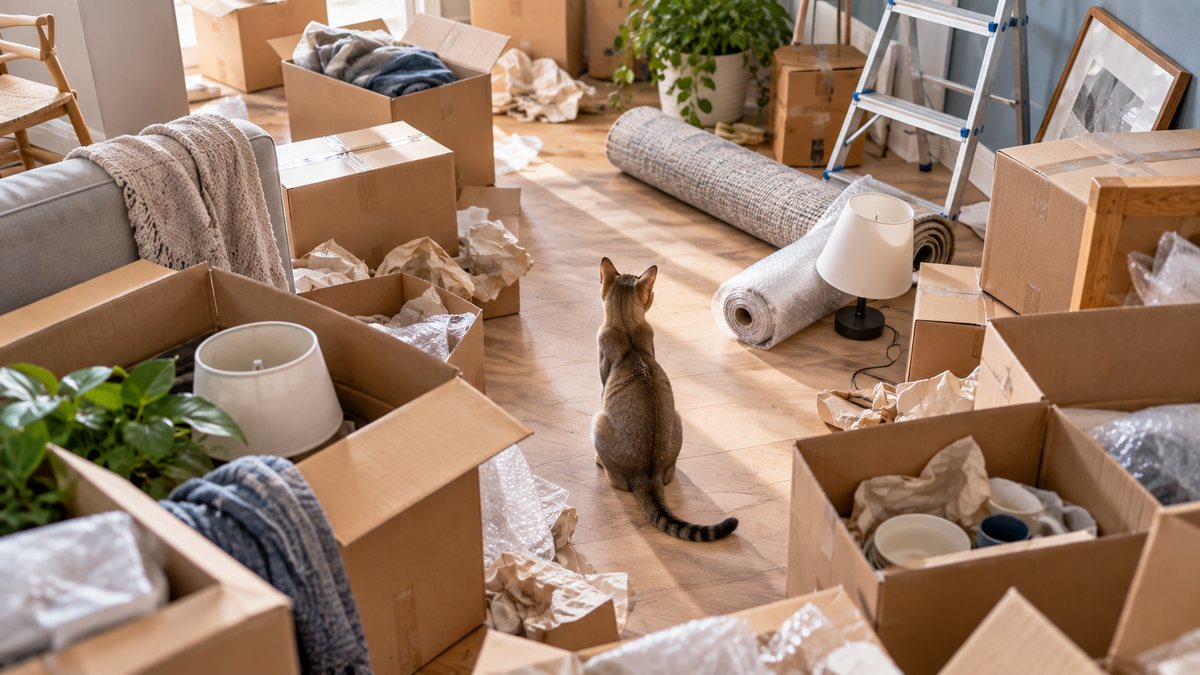
| Adaptability to change | High Turkish Angoras are intelligent, confident, and inquisitive and usually adapt well to environmental change, especially when they can explore and retain close contact with their chosen people. |
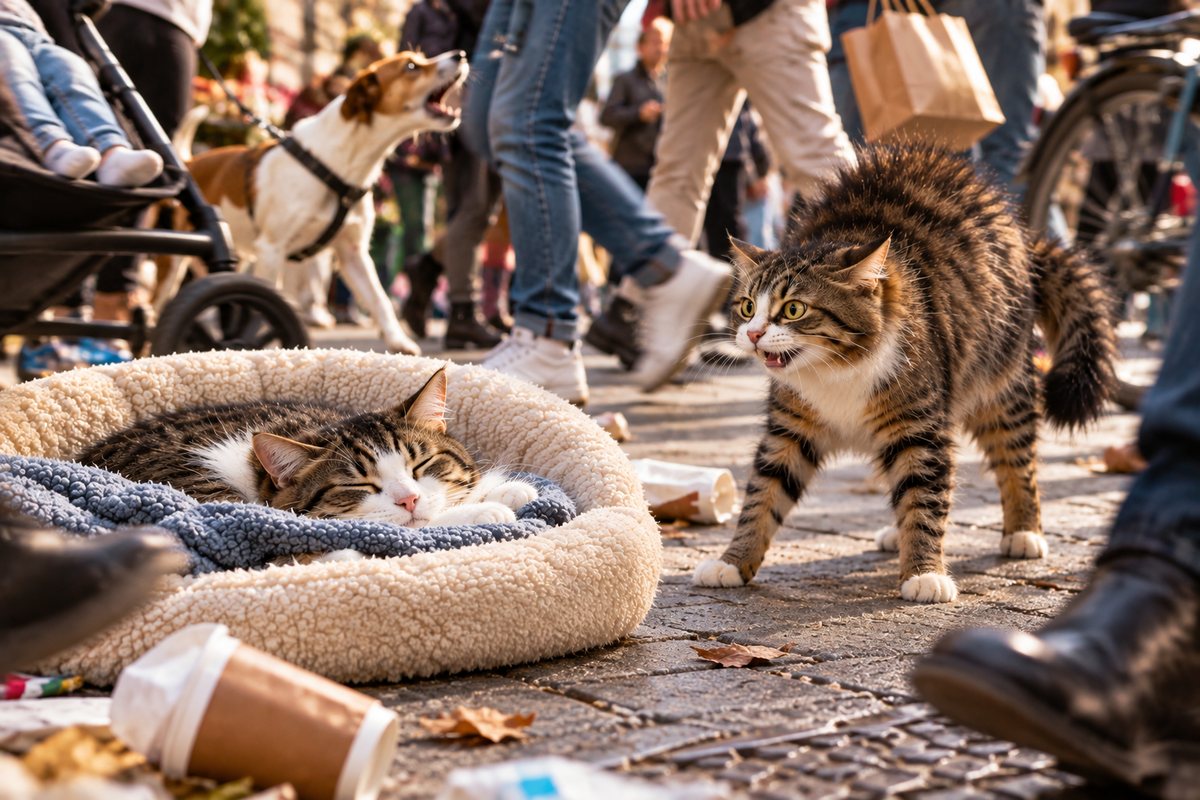
| Noise & busy-environment sensitivity | Low Confident, active and highly involved with its environment, the Turkish Angora generally handles busy household life well and often insists on participating in it. |
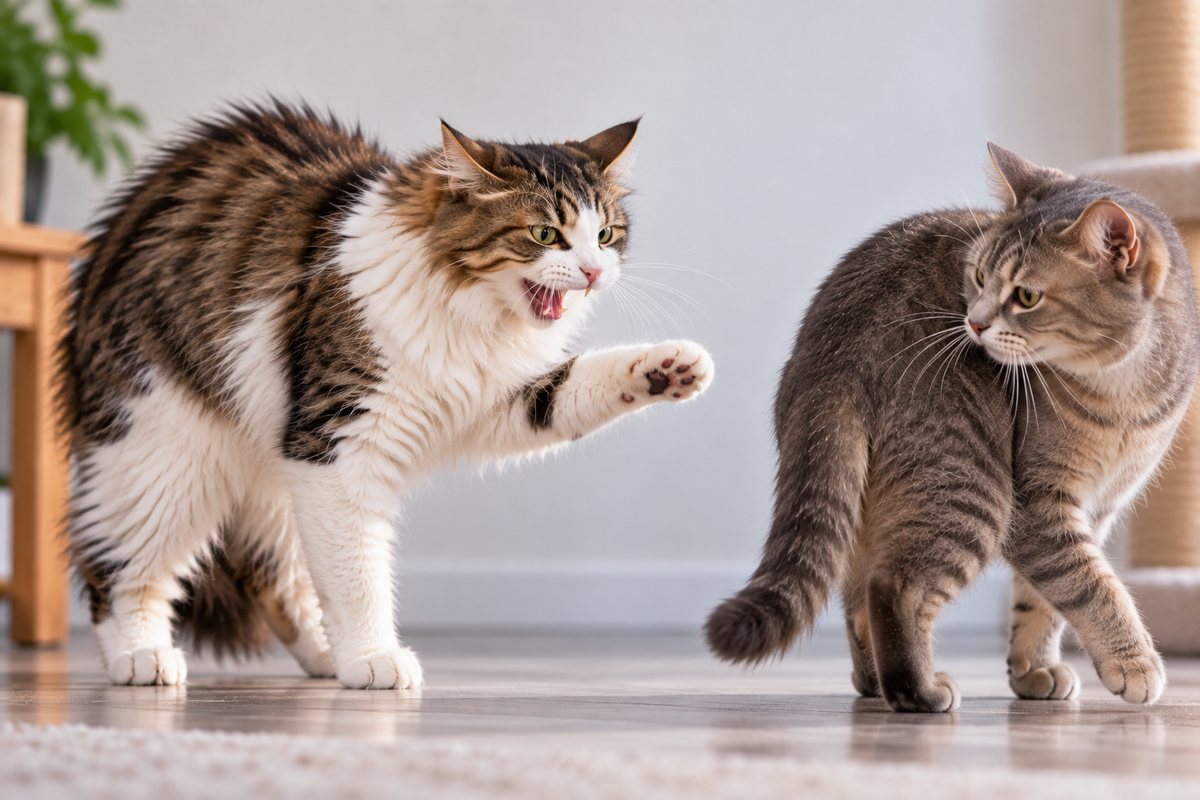
| Defensive & conflict behaviour | Moderate Turkish Angoras are intelligent, active and often strong-willed cats. They are usually affectionate with their chosen people but can be assertive about handling, territory, or preferred resources, giving them a somewhat firmer boundary-setting style than very placid breeds. |
| Household & environment | |
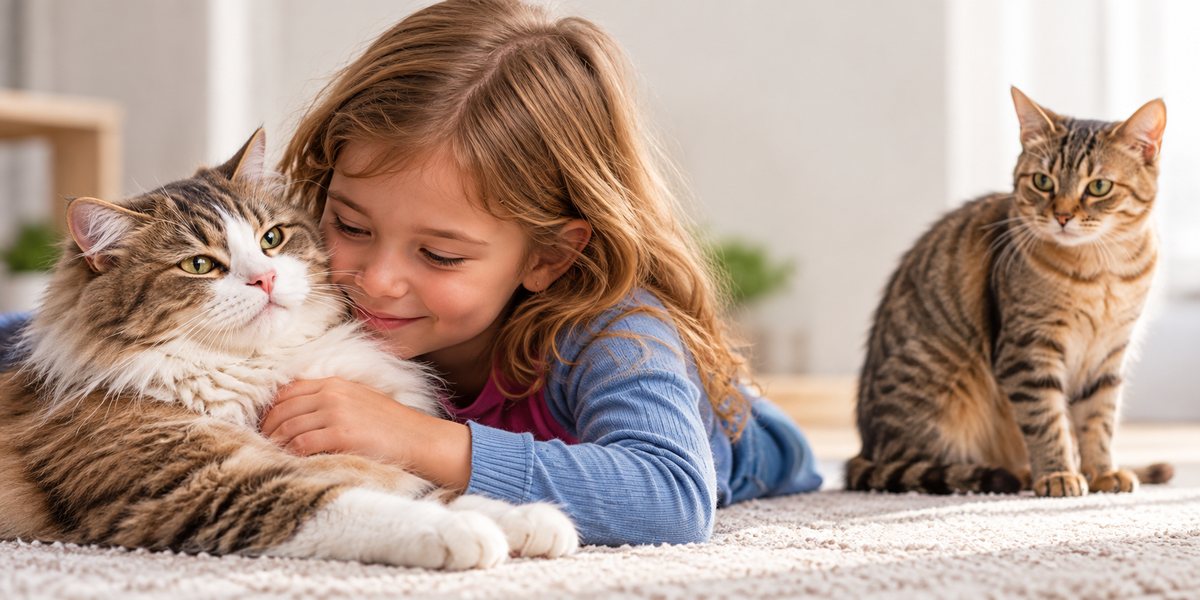
| Living with children | Moderate Turkish Angoras are intelligent, athletic and affectionate but can also be strong-willed about when and how they are handled. They often suit older or cat-savvy children well; persistent carrying or restraint is less appropriate than interactive play. |
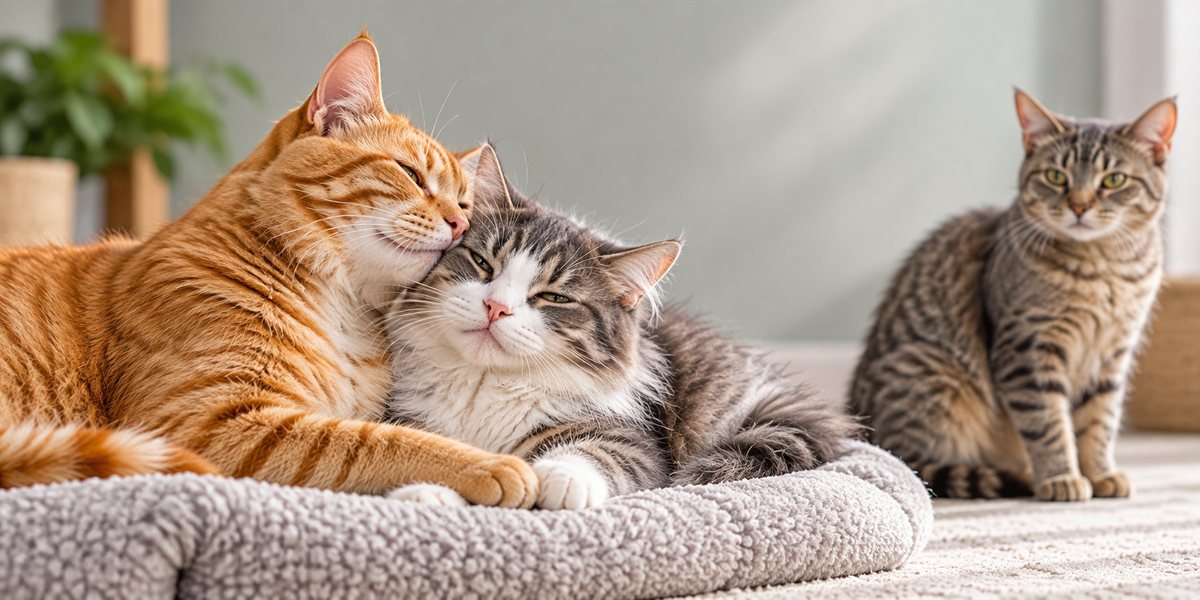
| Living with other cats | Favorable tendency Sociable and generally comfortable with other pets, though may prefer to dominate household social dynamics. |
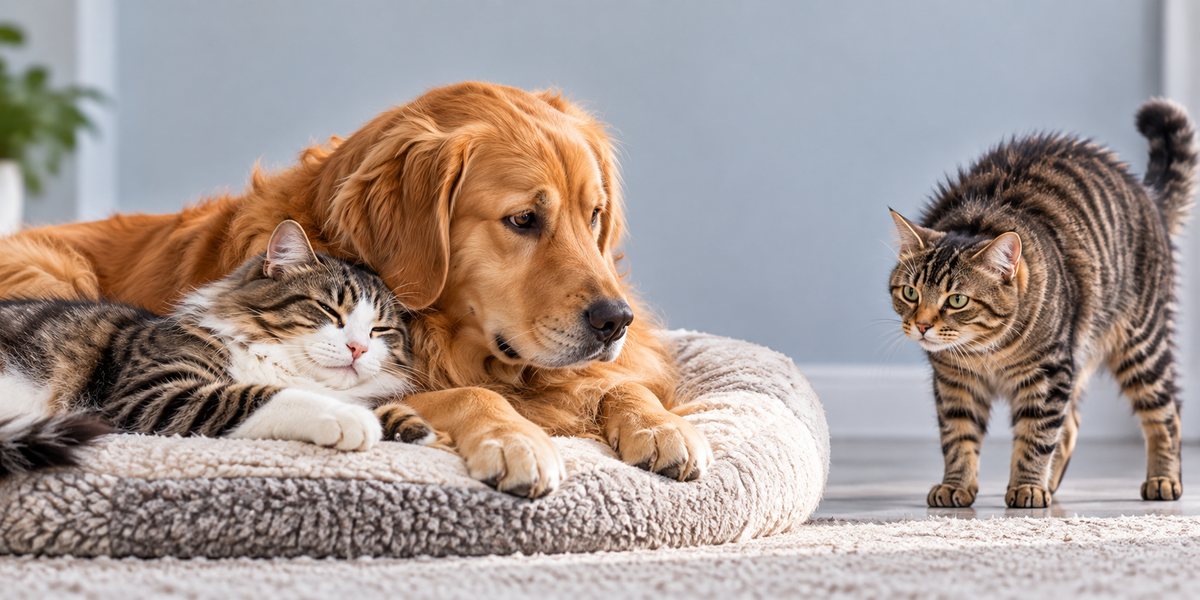
| Living with dogs | Moderate Turkish Angoras are confident, athletic and often strong-willed. They can live successfully with a respectful dog, but may insist firmly on personal space; a dog that obeys feline boundaries is a better match than an intrusive one. |
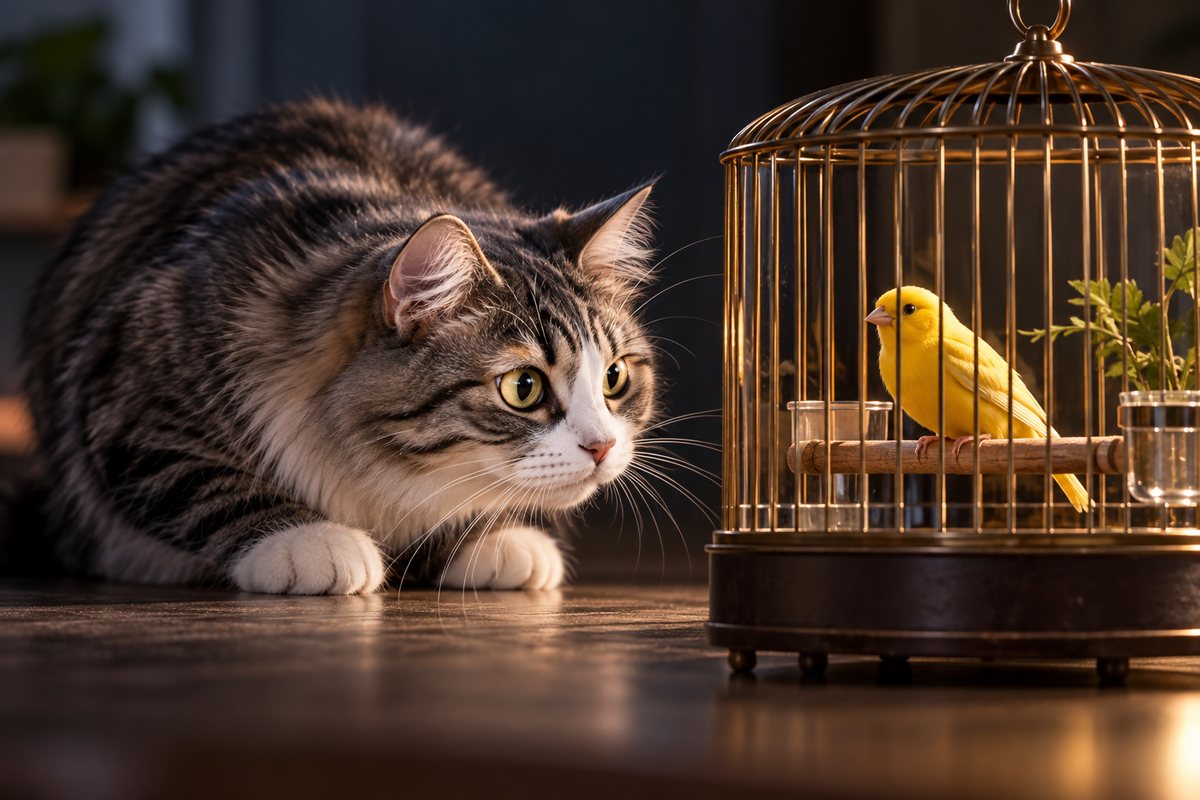
| Living around small pets | Additional caution Turkish Angoras are agile, intelligent and highly active cats with strong interest in movement and exploration. Their athletic pursuit ability warrants extra caution around birds, rodents and other small animals. |
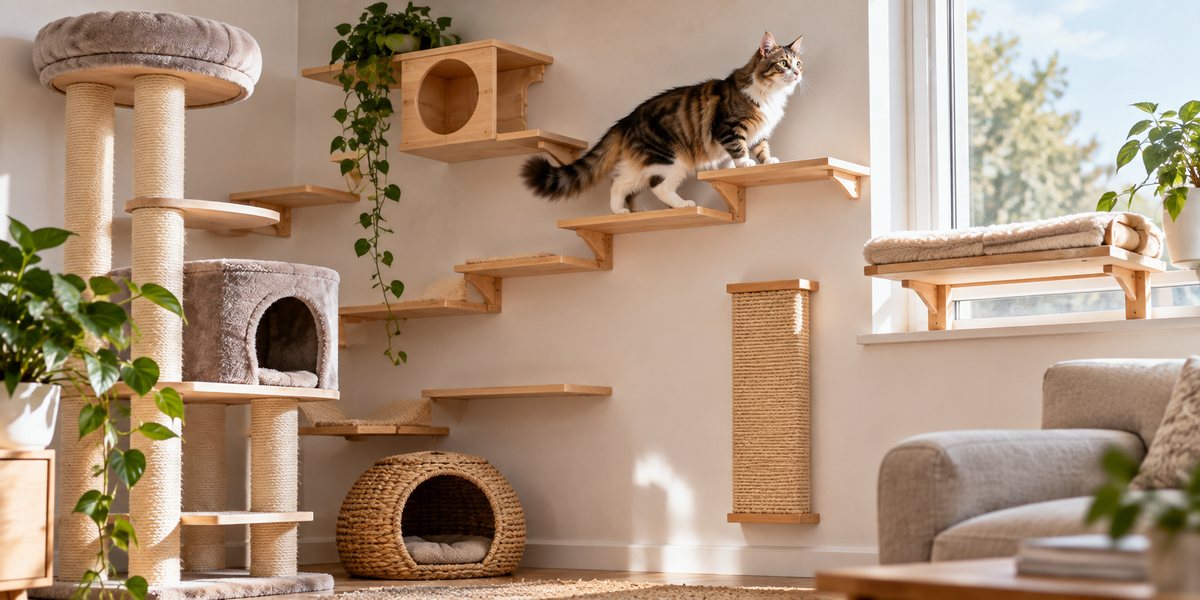
| Indoor & home environment needs | High activity indoor Turkish Angoras are athletic, intelligent climbers that often seek the highest usable points in a home. Tall stable cat trees, shelves, vigorous play, puzzle activities and freedom to move between social and quiet areas suit them well. |
| Outdoor access considerations | Secure high activity Turkish Angoras are agile, intelligent and determined explorers. Secure outdoor territory can provide climbing and sensory challenge, but their athleticism and curiosity make high-quality containment especially important. |
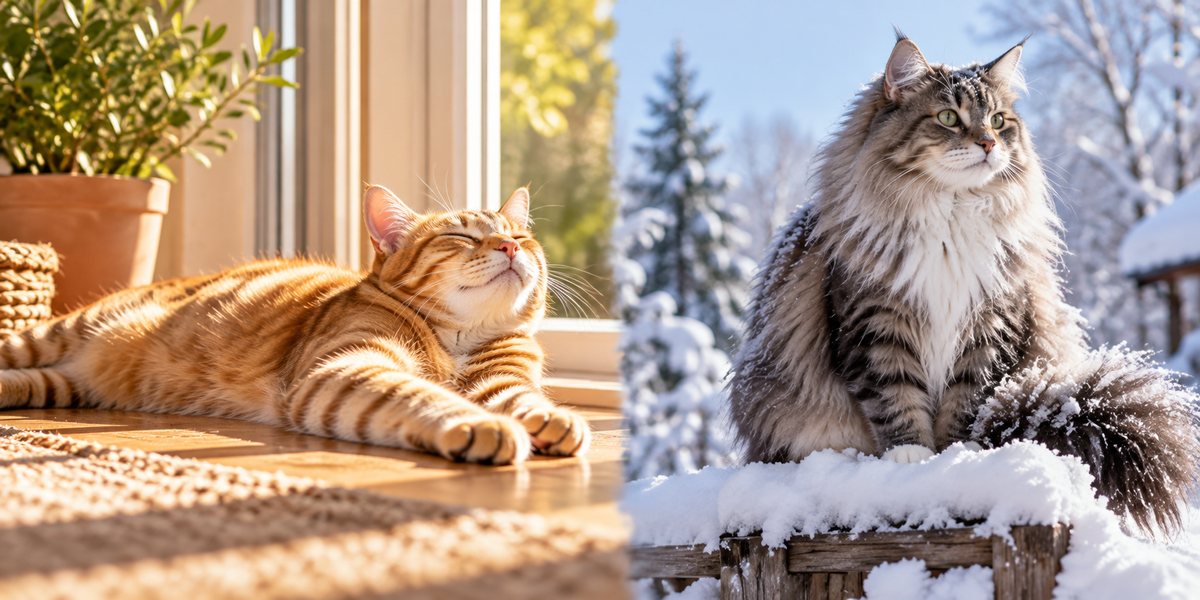
| Heat, cold & sun considerations | Semilong low undercoat Turkish Angoras have a silky semi-long coat with little undercoat, making them less heavily insulated than their appearance suggests. They adapt well indoors but need warm retreats in severe cold and normal shade and hydration during heat. |
| Caregiver time & experience | Very high This breed is likely to suit a caregiver who can provide substantial daily engagement and keep up with its routine care. |
| Health & welfare | |
| Documented health predispositions | HCM and deafness in some white cats are important concerns Hypertrophic cardiomyopathy deserves screening attention, while some white Turkish Angoras may have partial or complete deafness. |
| Screening & breeder questions | Ask about HCM screening and BAER testing where relevant Ask breeders about cardiac screening, and for white cats ask whether hearing has been evaluated with a BAER test. |
| Conformation-related welfare | Low conformation concern Turkish Angoras are elegant, athletic cats without a defining structural mutation. Selection should preserve muscular strength, normal facial anatomy and sound movement rather than exaggerating slenderness or coat at the expense of function. |
| Nutrition & weight management | High activity condition led Turkish Angoras are light, athletic cats and often remain very active. Feed to maintain muscle and healthy fat cover rather than trying to make the naturally elegant frame heavier, adjusting portions as activity changes. |
| Longevity | 14–18 years Turkish Angoras are lean, athletic and generally long-lived; about 14–18 years is a practical expectation, with some living longer. |
| Cost & availability | |
| Purchase cost | High: $700–$2,000 Turkish Angora: a practical breeder-market estimate is $700–$2,000. This reflects that it is an established but relatively uncommon pedigree breed outside specialist lines. |
| Adoption & rehoming cost | Uncommon in rescue: $100–$500 typical rescue/adoption fee Turkish Angora: $100–$500 typical rescue/adoption fee. The breed does appear in rescue, but much less often than mixed-breed cats or the most numerous pedigrees. |
| Recurring ownership costs | Enrichment/toy replacement The silky coat is usually maintained at home without heavy grooming expense, while active climbing and play justify good enrichment. In white cats, hearing assessment is a useful health expense; otherwise routine food and preventive care dominate. |
| Availability, waits & import | Moderately available Turkish Angoras have established breeders in Turkey, Europe, North America and other regions but are not highly numerous. A breeder can generally be found in major markets, with particular colors and preservation lines requiring more patience. |
| Identity & real-world context | |
| Ownership & import restrictions | No known breed specific restrictions There are no known breed-specific ownership restrictions. Ordinary animal-welfare, identification, vaccination and cross-border import rules still apply where relevant. |
| Registry recognition | CFA: recognized breed/division · TICA: Championship-recognized / current breed identity · FIFe: fully recognized breed / mapped breed identity Currently recognized in all three registries tracked by the FSC core matrix: CFA, TICA and FIFe. |
| Similar breeds & identity distinctions | Turkish Van Vankedisi Turkish Angoras are fine-boned, silky-coated cats that may be many colors. Turkish Vans are more substantial and classically show the van pattern; Vankedisi refers to white Turkish cats in a different naming tradition, making pedigree context important. |
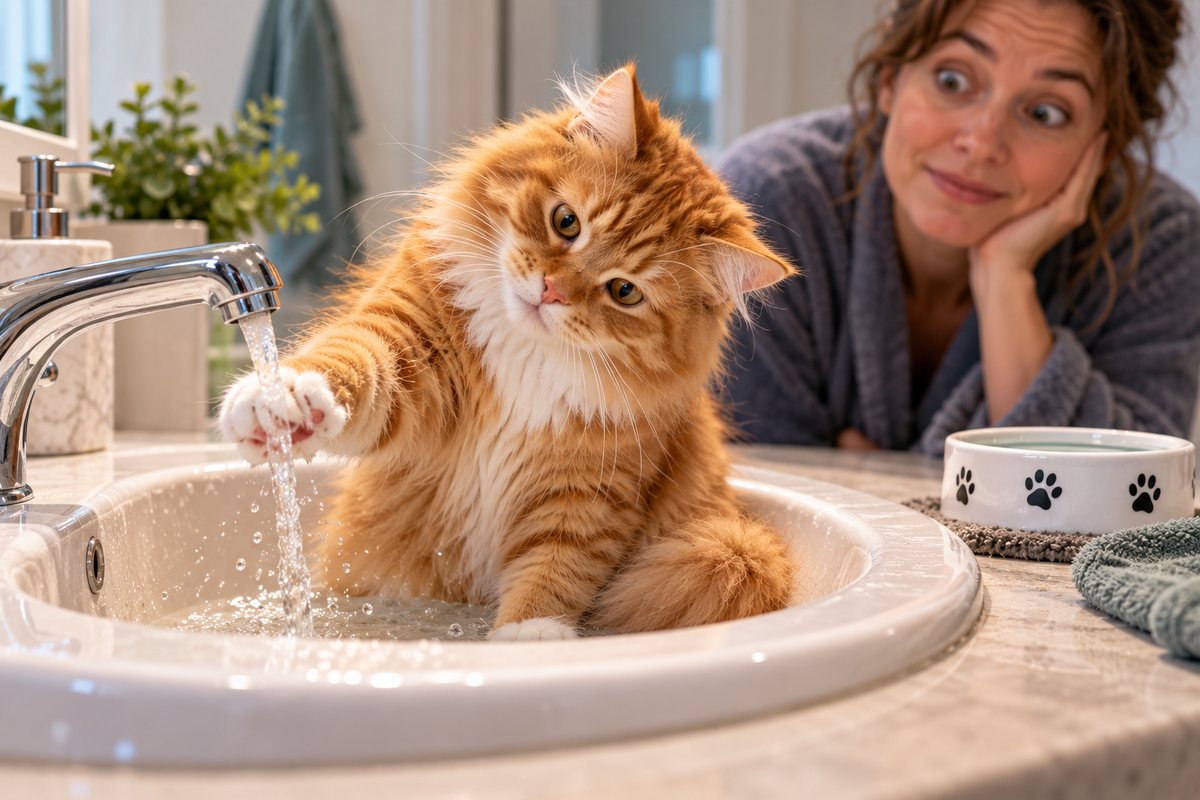
| Reported characteristic quirks | Unusual affinity for water; some swim Many Turkish Angoras are fascinated by water, and some will enter baths, showers or pools and swim. |
Browse all 53 breed characteristics
Open any characteristic to compare all breeds on that dimension.
 English