
Compare Cat Breeds
Compare up to three breeds across all 53 characteristics. Values are shown directly so the differences are easier to scan.
| Characteristic | 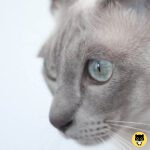 Tonkinese |
|---|---|
| Body & development | |
| Adult size | Medium |
| Adult weight | Females 2.7–3.6 kg (6.0–7.9 lb); Males 3.6–5.4 kg (7.9–11.9 lb) Females are commonly about 2.7–3.6 kg (6.0–7.9 lb) and males about 3.6–5.4 kg (7.9–11.9 lb). |
| Build & distinguishing morphology | Solid muscular · moderate Build: solid muscular; moderate. |
| Maturation | 12-18 months Tonkinese generally reach their medium, muscular adult frame around one year and continue filling out through roughly 12–18 months. |
| Coat & appearance | |
| Coat length | Short Short, dense, sleek coat. |
| Coat texture & undercoat | Short · thick · sleek soft Coat: short; thick; sleek soft. |
| Colors & patterns | Pointed · mink · solid patterns Colors/patterns: pointed; mink; solid patterns. |
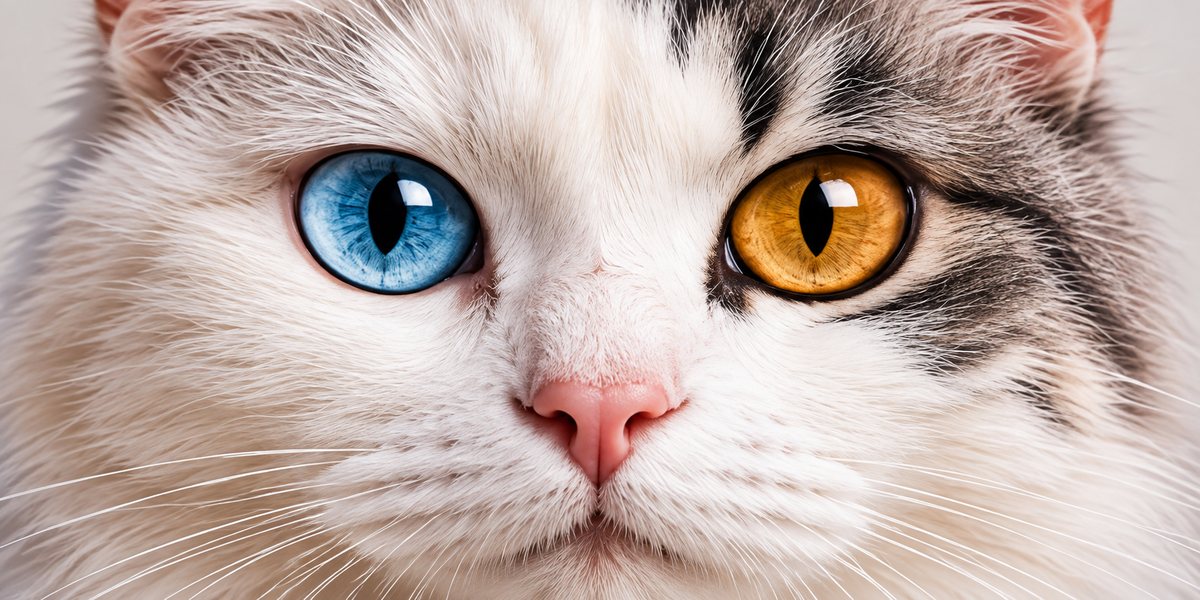
| Eye colors | Aqua; blue or green-gold by pattern Aqua is characteristic of mink Tonkinese; pointed cats tend bluer and solid/sepia cats greener to yellow-gold. |
| Coat & routine care | |
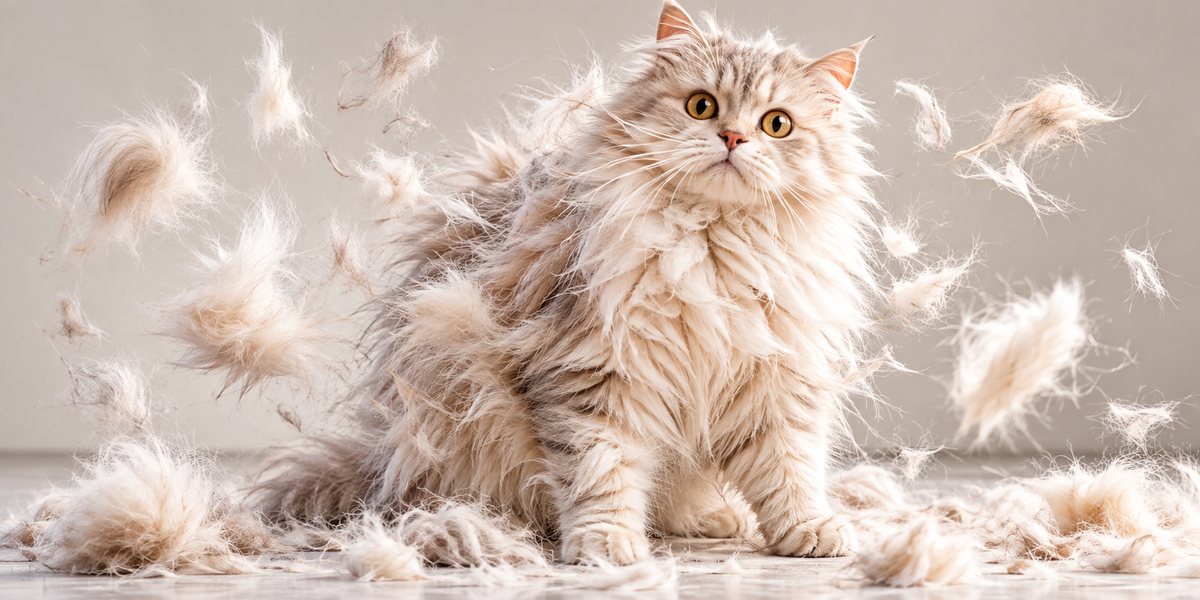
| Shedding | Low Low shedding from the fine, short, close coat. |
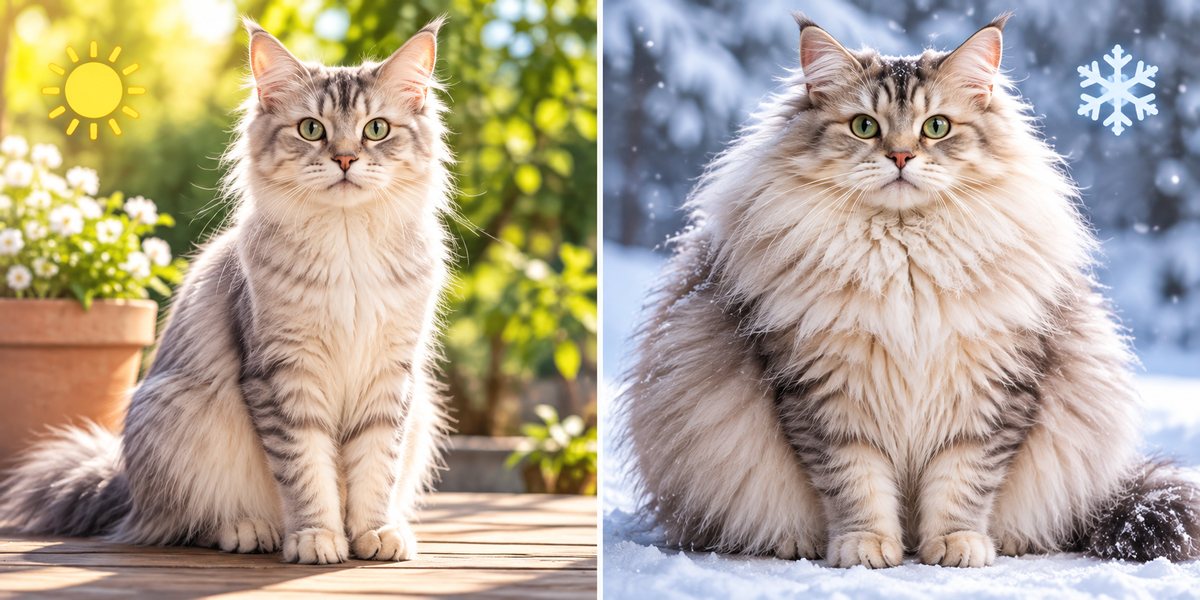
| Seasonal coat changes | Mild seasonal change The Tonkinese has a short sleek coat; seasonal turnover is generally mild, with a temporary increase in loose hair rather than a dramatic density change. |
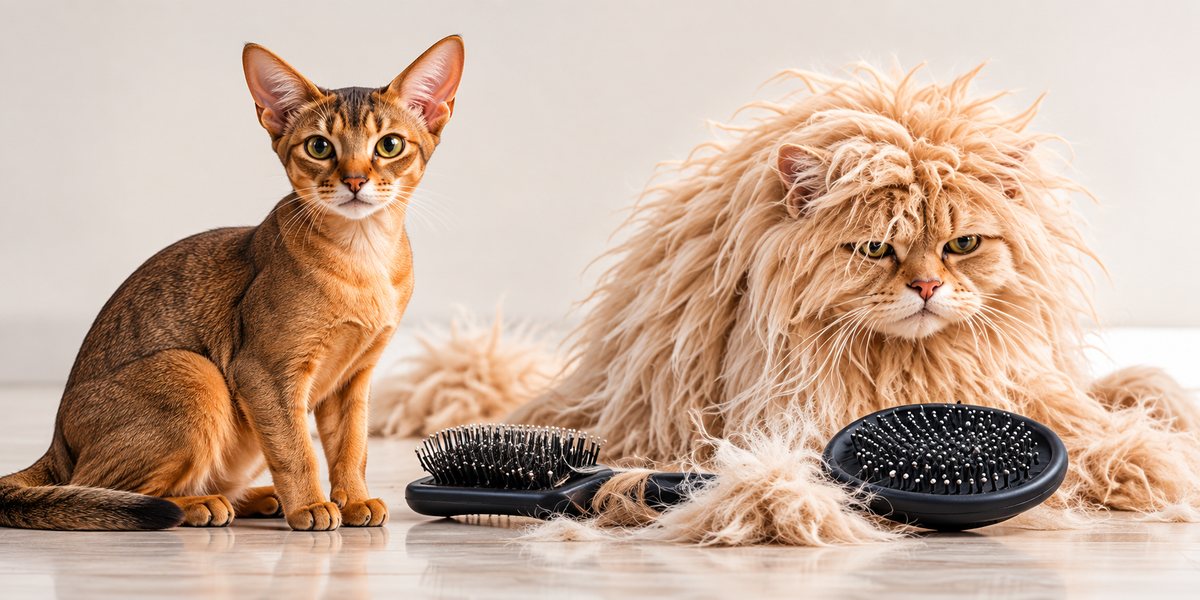
| Brushing & combing | Weekly rubber brush Brushing/combing: weekly rubber brush. |
| Tangle & matting tendency | Very low The short sleek coat is too close and smooth to develop routine mats. |
| Skin & bathing care | Bathing not routinely needed Routine bathing is generally unnecessary; bathe only when the coat is genuinely soiled or for a specific veterinary or grooming reason. |
| Distinctive routine care | Easy coat care; dental care deserves emphasis The coat needs little maintenance, but regular tooth brushing is especially worthwhile because gingivitis can be a concern. |
| Allergy & allergen evidence | No breed specific reduction established There is no known reason to regard this breed as hypoallergenic. All cats produce allergens, and coat length or shedding alone does not determine allergy risk. |
| Activity & intelligence | |
| Activity level | Moderate |
| Playfulness | Very high |
| Climbing & jumping | High Tonkinese combine Burmese muscularity with Siamese athleticism and are enthusiastic, agile climbers; tall interactive cat furniture is well suited to them. |
| Enrichment demand | High High enrichment demand: its exceptional playfulness and curiosity call for frequent interactive games, training, climbing and puzzle activities. |
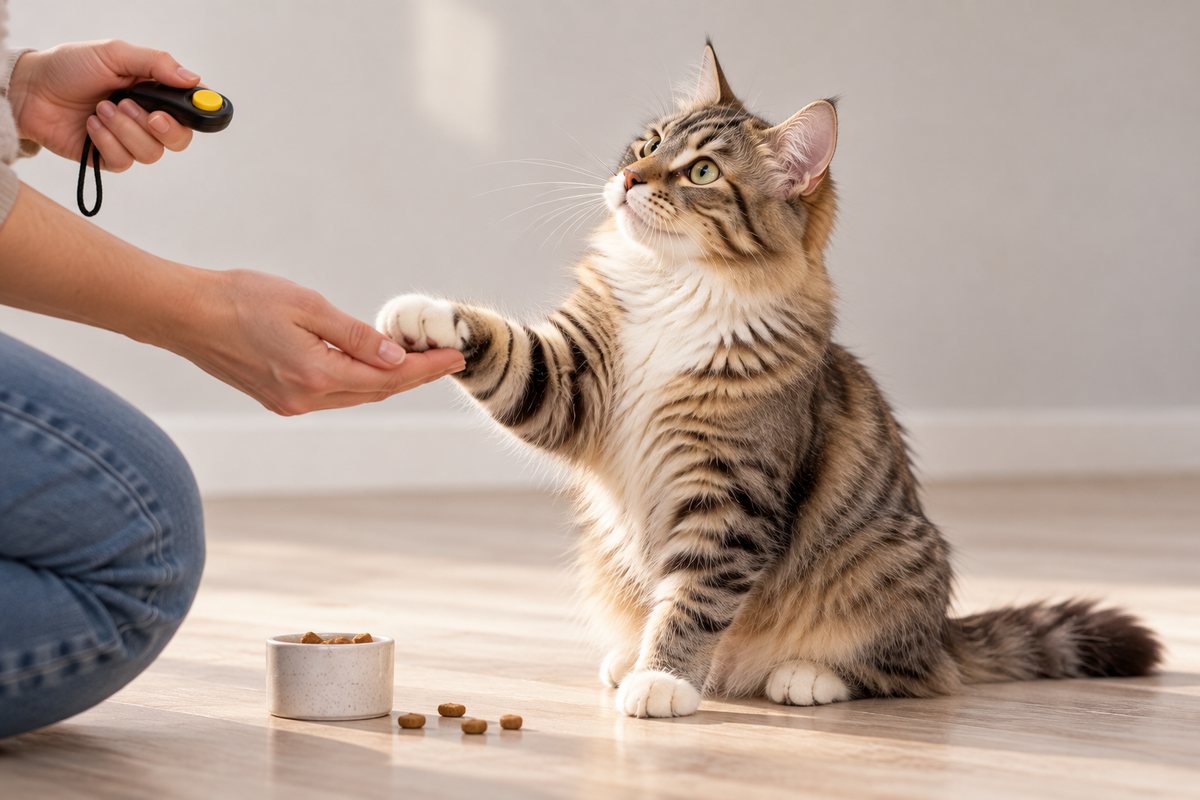
| Learning & training | Very high Tonkinese are highly intelligent, with strong memories and a pronounced capacity for learning household routines. |
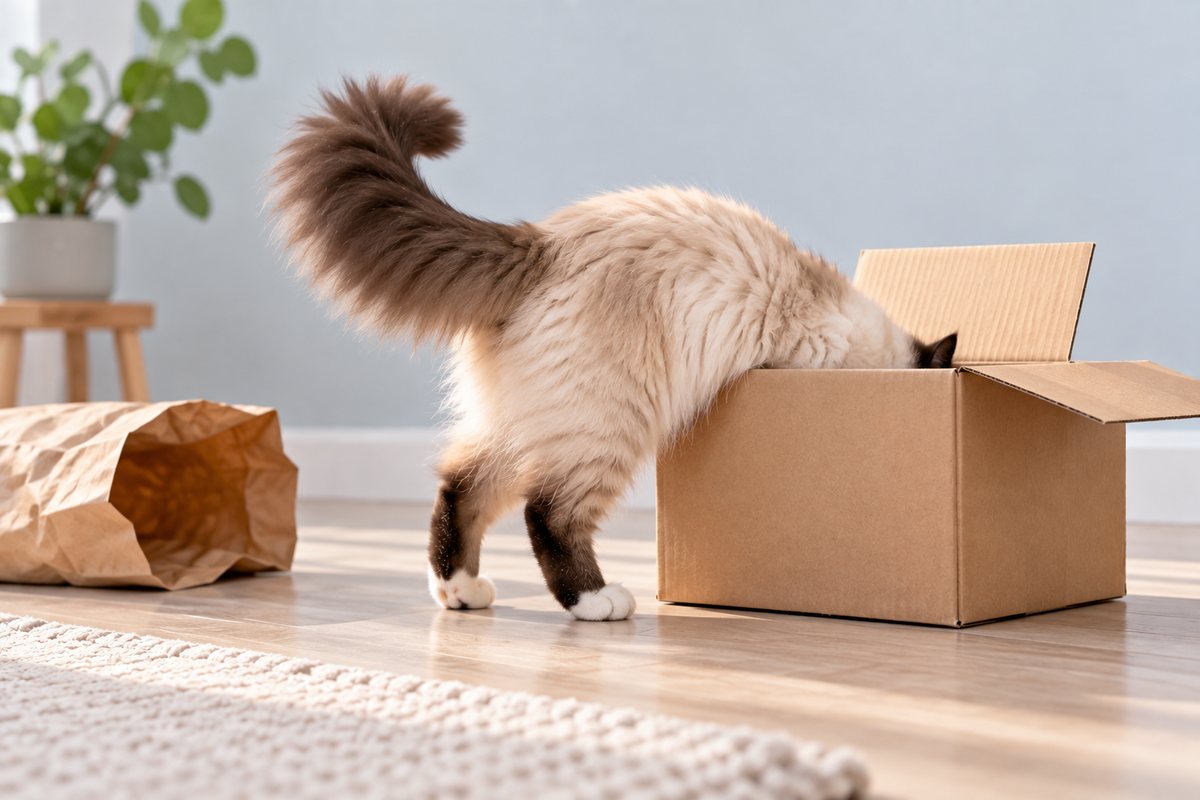
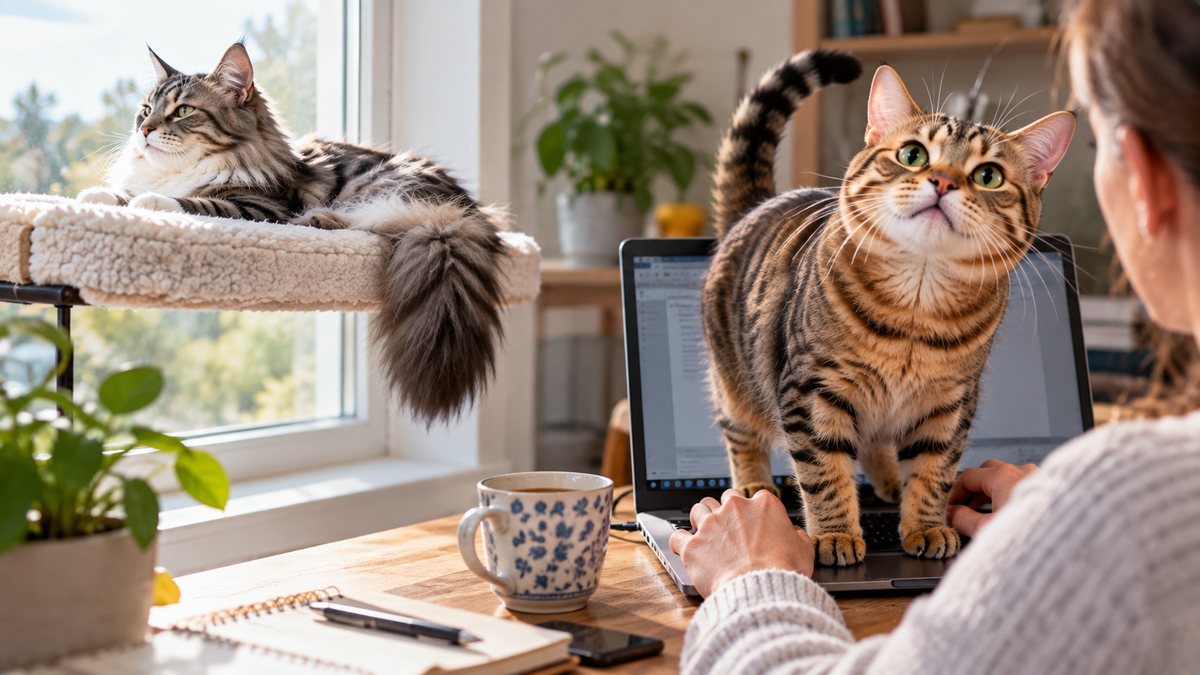
| Curiosity & exploration | Very high Tonkinese are inquisitive, involved cats that closely supervise household activity. |
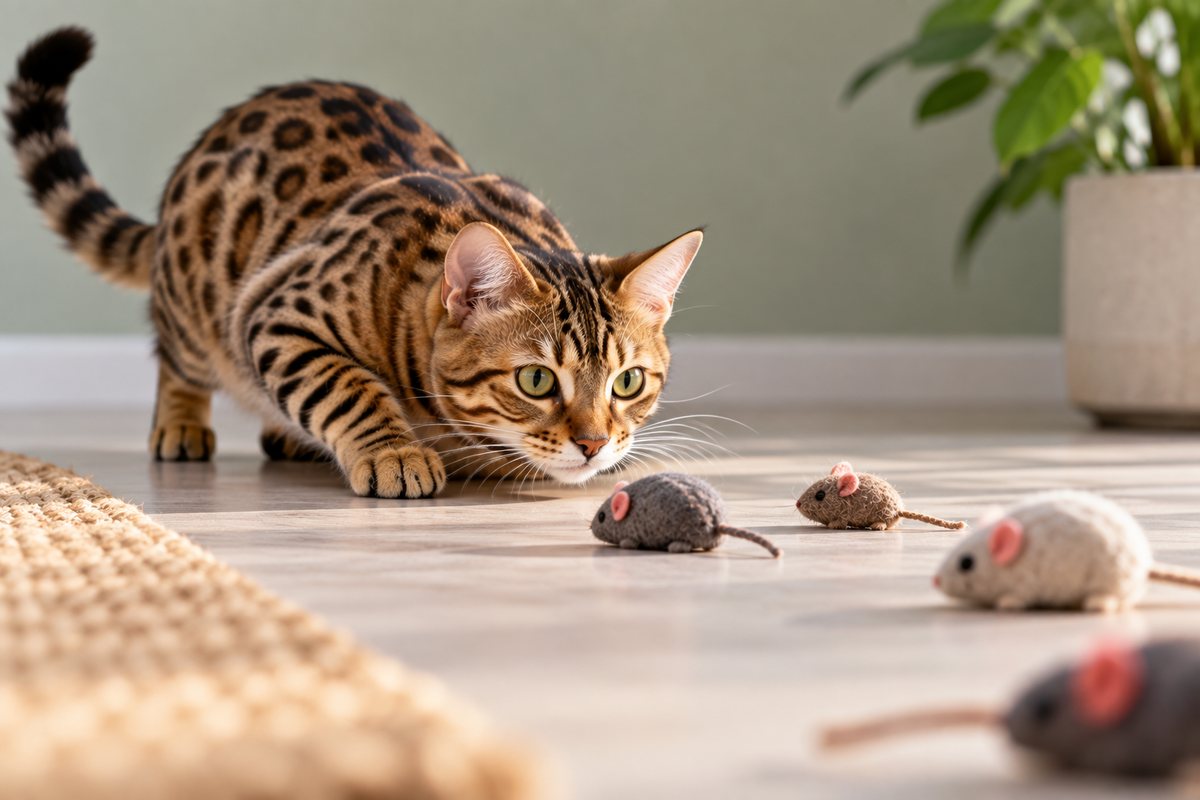
| Hunting & chasing tendencies | High Strong chasing is likely: Tonkinese are energetic, agile and persistently playful, and usually respond enthusiastically to fast interactive toys. |
| Personality & social | |
| Sociability with familiar people | Very high Tonkinese are intensely social, people-oriented cats that usually prefer frequent interaction to long periods alone. |
| Affection | Lap contact · following · vocal communicative · interactive playful Tonkinese affiliation is close, conversational and interactive. |
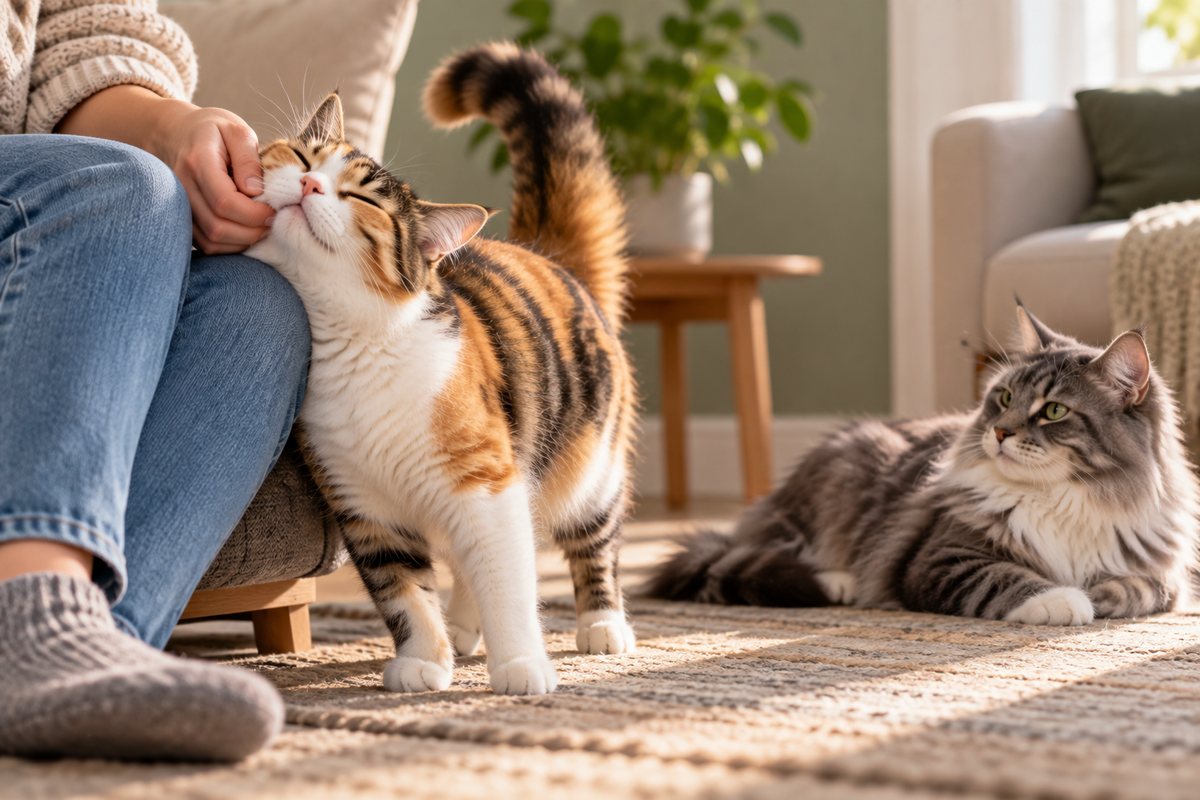
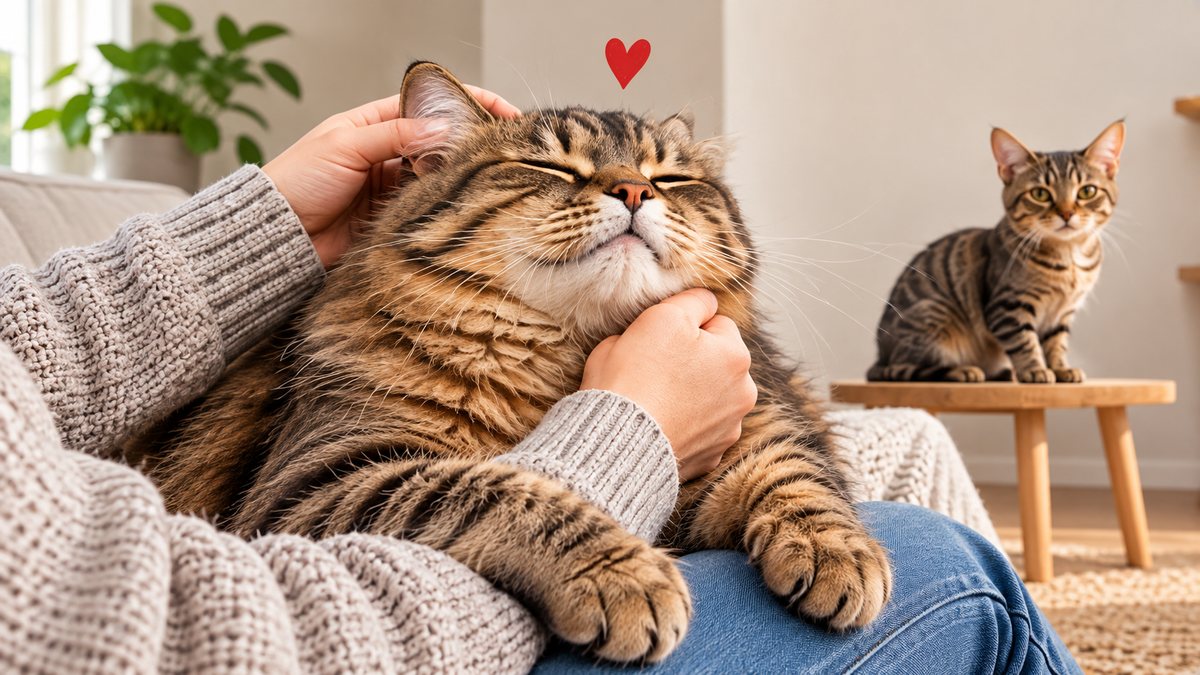
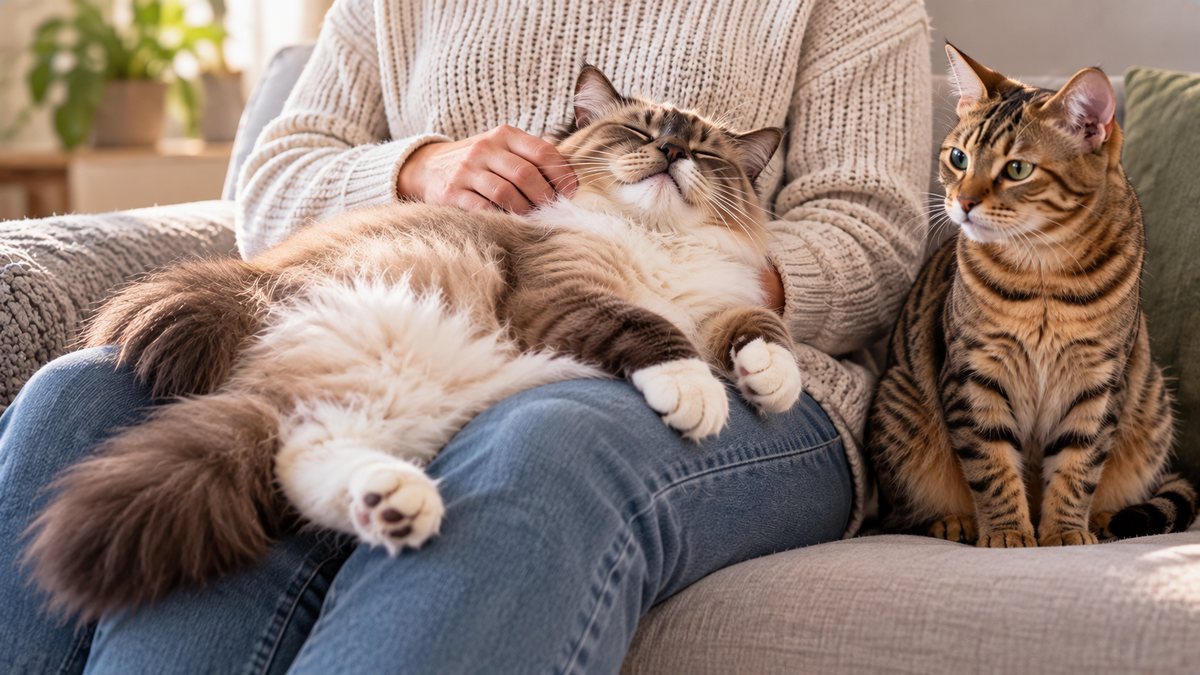
| Lap & cuddling preference | Very high Strong physical companionship is characteristic. |
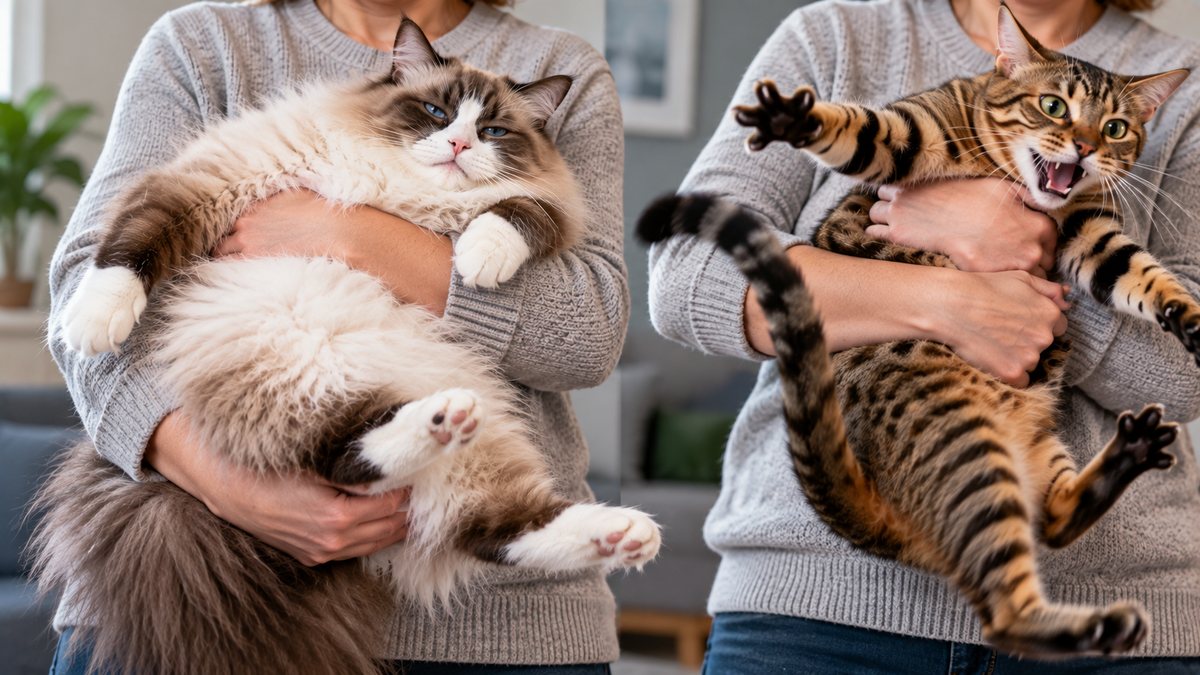
| Handling tolerance | Very high Tonkinese are exceptionally social, tactile and people-seeking; many actively enjoy being carried or held and usually tolerate routine handling very well. |
| Independence & social demand | Very high Tonkinese seek substantial companionship and dislike being socially isolated. |
| Vocalization | High Talkative and responsive but less continuously vocal than the strongest vocal breeds. |
| Response to unfamiliar people | Very high Outgoing temperament supports rapid engagement with visitors. |
| Adaptability to change | Very high Tonkinese are confident, playful, highly social cats that typically integrate readily into active households, making them especially well suited to ordinary changes in people and routine. |
| Noise & busy-environment sensitivity | Low Bold, playful and highly social, Tonkinese usually thrive in active homes and are comparatively tolerant of normal domestic noise and movement. |
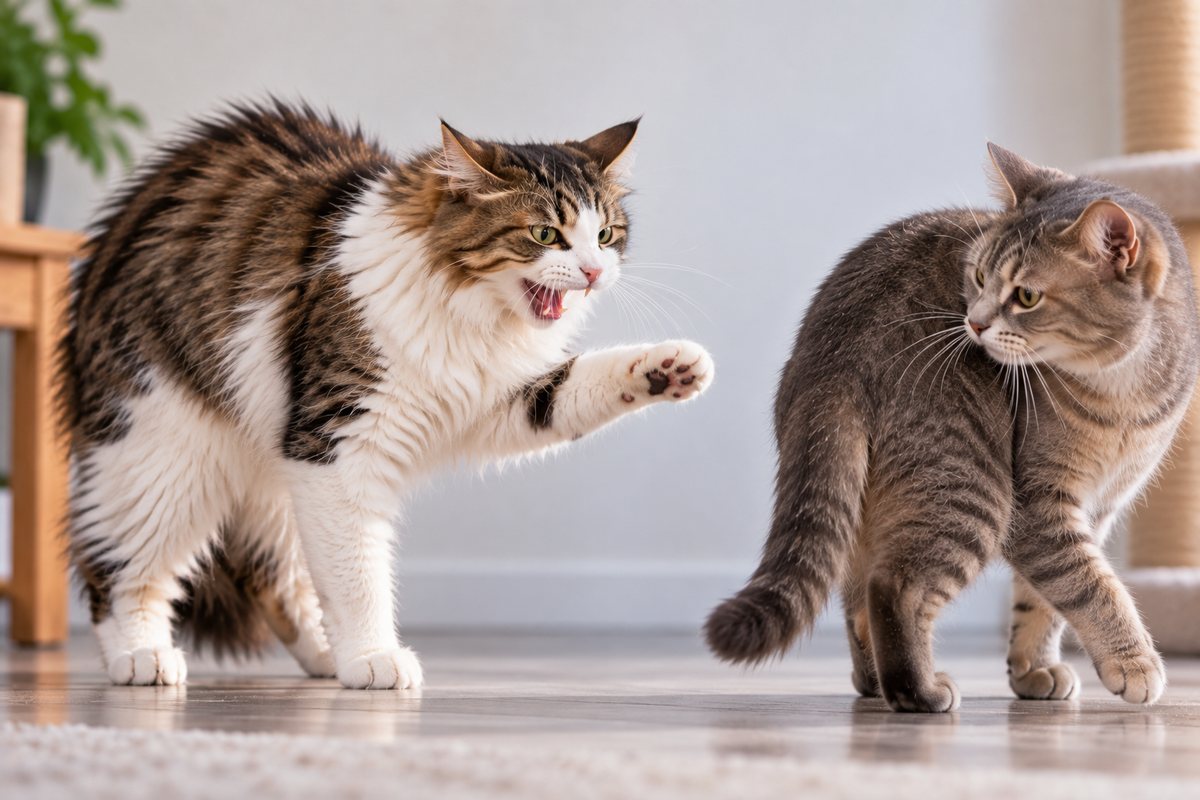
| Defensive & conflict behaviour | Low Tonkinese are typically outgoing, affectionate and socially confident, combining Burmese and Siamese traits. Their confidence generally limits fear-based defensiveness, although high social demand and energetic play can cause friction if companionship and enrichment are inadequate. |
| Household & environment | |
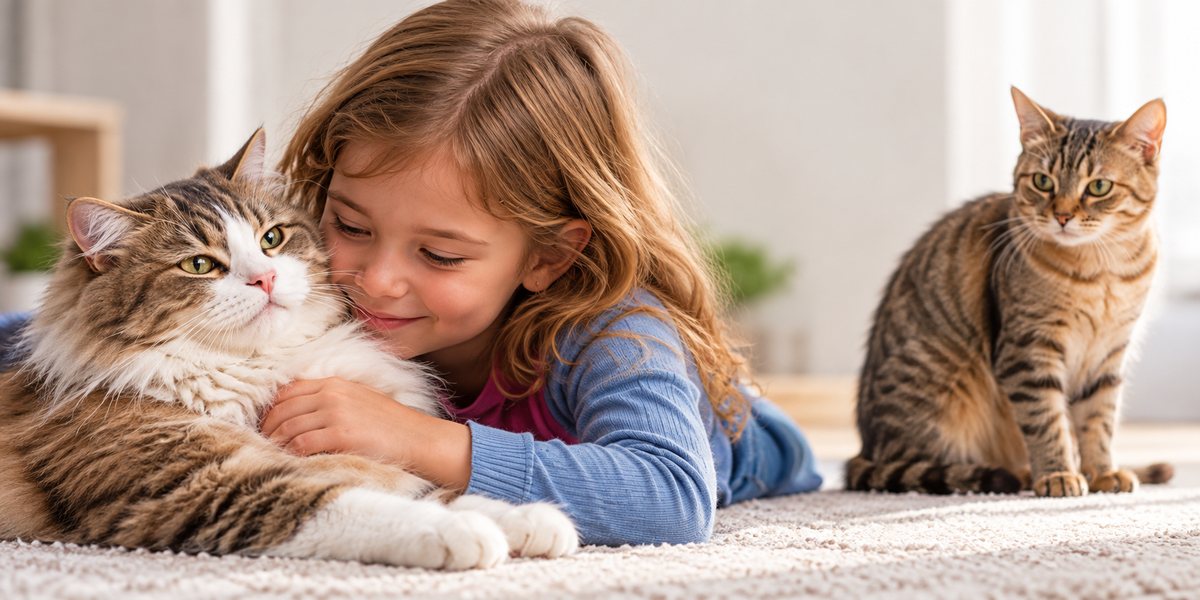
| Living with children | Favorable tendency Outgoing playful social temperament generally suits respectful family households. |
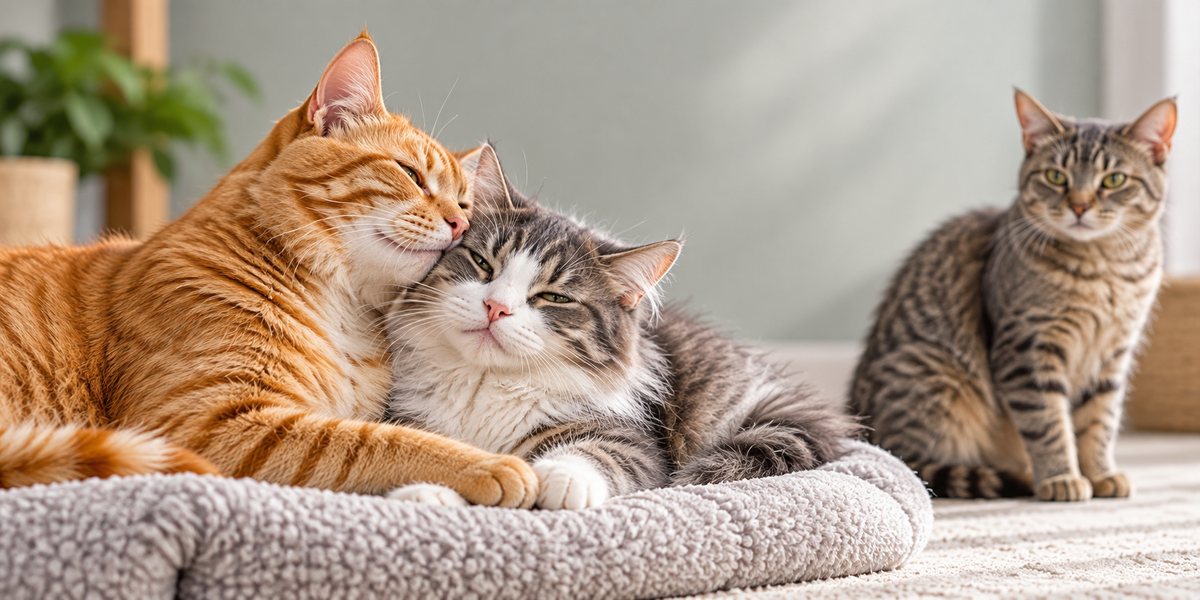
| Living with other cats | Favorable tendency |
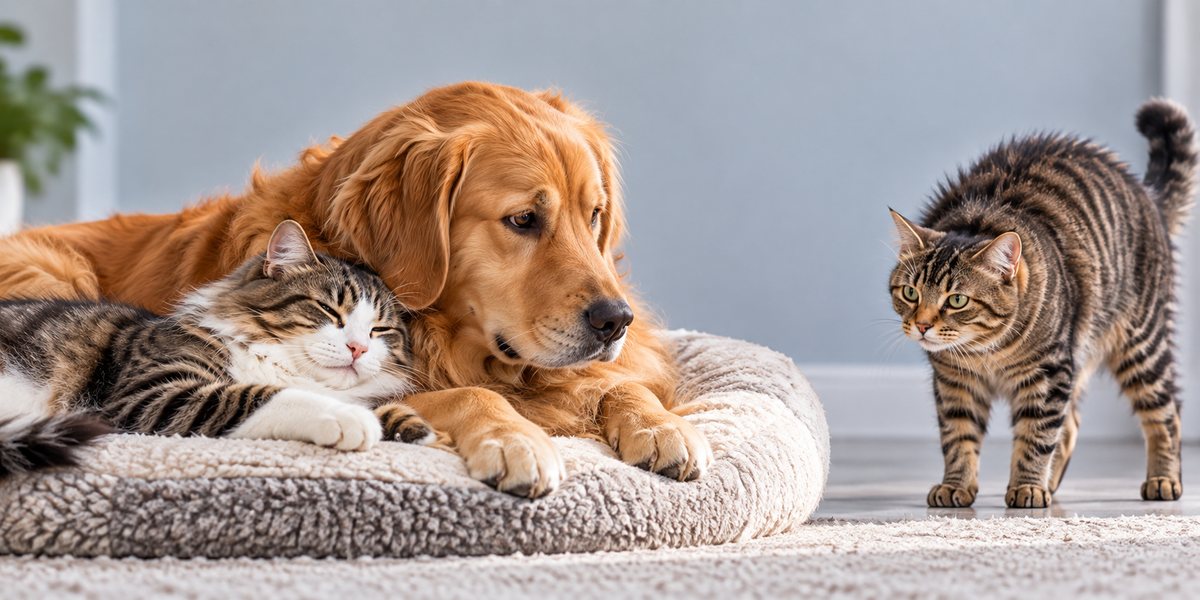
| Living with dogs | Good Strong social orientation supports compatible dog households. |
| Living around small pets | Additional caution Tonkinese are energetic, curious and highly playful, combining the active traits of Burmese and Siamese ancestry. Their chase-and-pounce behavior can endanger small pets, so secure separation is appropriate. |
| Indoor & home environment needs | Very high social contact · interactive play Tonkinese strongly seek companionship and active household involvement. |
| Outdoor access considerations | Secure social Tonkinese are outgoing, playful and highly curious. A secure enclosure or harness gives them outdoor variety while protecting a socially confident cat that may otherwise investigate people, animals and territory too freely. |
| Heat, cold & sun considerations | Shortcoat warmth preference Tonkinese have a short silky coat with limited cold insulation and commonly enjoy warm resting places. Normal indoor climates suit them well, with extra warmth in cold weather and shade and water during heat. |
| Caregiver time & experience | Very high High social demand makes regular companionship and interaction essential. |
| Health & welfare | |
| Documented health predispositions | Dental disease, FLUTD, IBD and amyloidosis are reported concerns Tonkinese are generally healthy, but dental disease, lower urinary tract disease, inflammatory bowel disease and amyloidosis are reported more often in the breed. |
| Screening & breeder questions | Ask about dental, urinary, gastrointestinal and amyloidosis history Ask about health history in the breeder’s lines, including dental disease, urinary disease, inflammatory bowel disease and amyloidosis. |
| Conformation-related welfare | Low conformation concern Tonkinese are medium, muscular cats with generally balanced proportions. Breeding should preserve normal facial length, jaw alignment and athletic movement and avoid drifting toward extremes from either Siamese or Burmese ancestry. |
| Nutrition & weight management | Active condition led Tonkinese are active, muscular cats and may have relatively high energy needs when young. Measured feeding should track activity and body condition so their solid feel remains muscle rather than gradual fat gain. |
| Longevity | 12–16+ years A typical reported life span is about 12–16 years or longer. |
| Cost & availability | |
| Purchase cost | Moderate to high: $600–$1,600 Tonkinese: a practical breeder-market estimate is $600–$1,600. This reflects that it is an established breed with moderate breeder availability. |
| Adoption & rehoming cost | Uncommon in rescue: $100–$500 typical rescue/adoption fee Tonkinese: $100–$500 typical rescue/adoption fee. The breed does appear in rescue, but much less often than mixed-breed cats or the most numerous pedigrees. |
| Recurring ownership costs | Enrichment/toy replacement The short coat is inexpensive, but Tonkinese are highly social and playful, so durable interactive enrichment is worthwhile. Routine food, litter, dental/preventive care and an emergency reserve make up the core budget. |
| Availability, waits & import | Widely available Tonkinese have an established breeder base across North America, Europe, Australia and other regions. Availability is generally reasonable in major markets, though particular mink, solid or point colors may affect waiting time. |
| Identity & real-world context | |
| Ownership & import restrictions | No known breed specific restrictions There are no known breed-specific ownership restrictions. Ordinary animal-welfare, identification, vaccination and cross-border import rules still apply where relevant. |
| Registry recognition | CFA: recognized breed/division · TICA: Championship-recognized / current breed identity Currently recognized by CFA and TICA in the FSC core matrix; it is not a separately recognized FIFe breed identity in that matrix. |
| Similar breeds & identity distinctions | Burmese Siamese Tonkinese sit morphologically between Burmese and Siamese, with a moderately muscular body and characteristic mink pattern in many cats. Pointed or solid Tonkinese can look especially close to the ancestral breeds, so pedigree and eye/color expression help distinguish them. |
| Reported characteristic quirks | Individual quirks often center on play and exploration Tonkinese often combine Burmese persistence with Siamese sociability: many retrieve toys, ride on shoulders, open lightweight doors or cabinets and insist on participating in household activity. |
Browse all 53 breed characteristics
Open any characteristic to compare all breeds on that dimension.

 English