
Compare Cat Breeds
Compare up to three breeds across all 53 characteristics. Values are shown directly so the differences are easier to scan.
| Characteristic | 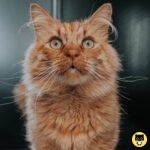 Somali |
|---|---|
| Body & development | |
| Adult size | Medium |
| Adult weight | Females 2.7–3.6 kg (6.0–7.9 lb); Males 3.6–4.5 kg (7.9–9.9 lb) Females are commonly about 2.7–3.6 kg (6.0–7.9 lb) and males about 3.6–4.5 kg (7.9–9.9 lb). |
| Build & distinguishing morphology | Foreign · lithe · muscular · medium long Build: foreign; lithe; muscular; medium long. |
| Maturation | 18-24 months Somalis reach much of their Abyssinian-type frame in the first year, while fuller musculature and the mature semi-long coat can continue developing into roughly 18–24 months. |
| Coat & appearance | |
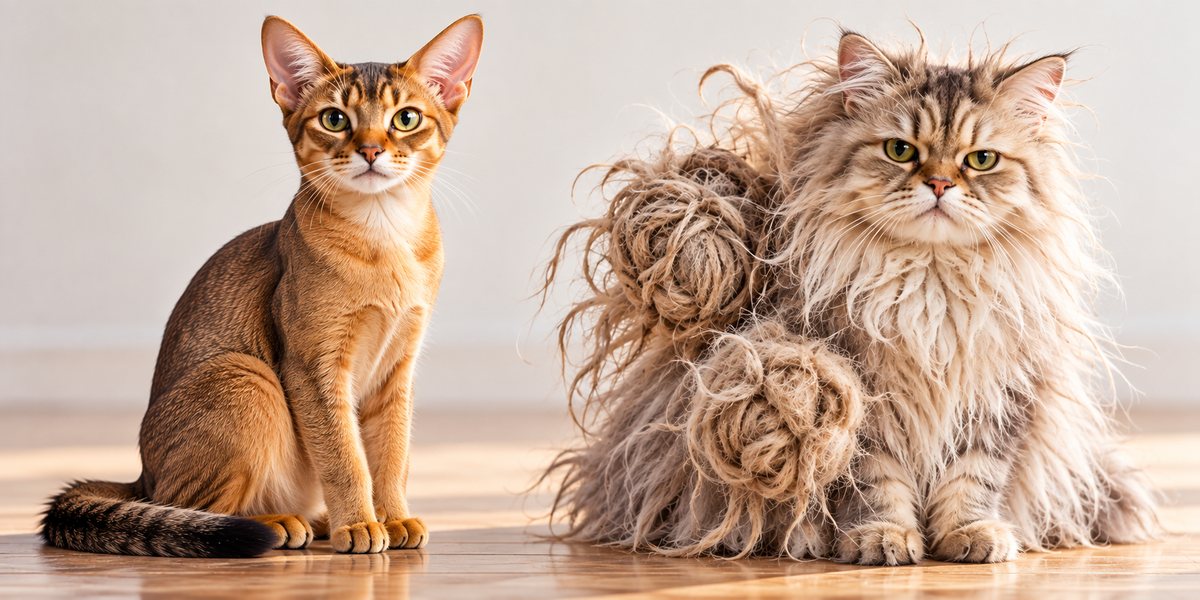
| Coat length | Semi long Semi-longhaired counterpart of the Abyssinian. |
| Coat texture & undercoat | Soft fine · semi long · agouti ticked Coat: soft fine; semi long; agouti ticked. |
| Colors & patterns | Ruddy · cinnamon · blue · fawn · chocolate · lilac · silver variants Colors/patterns: ruddy; cinnamon; blue; fawn; chocolate; lilac; silver variants. |
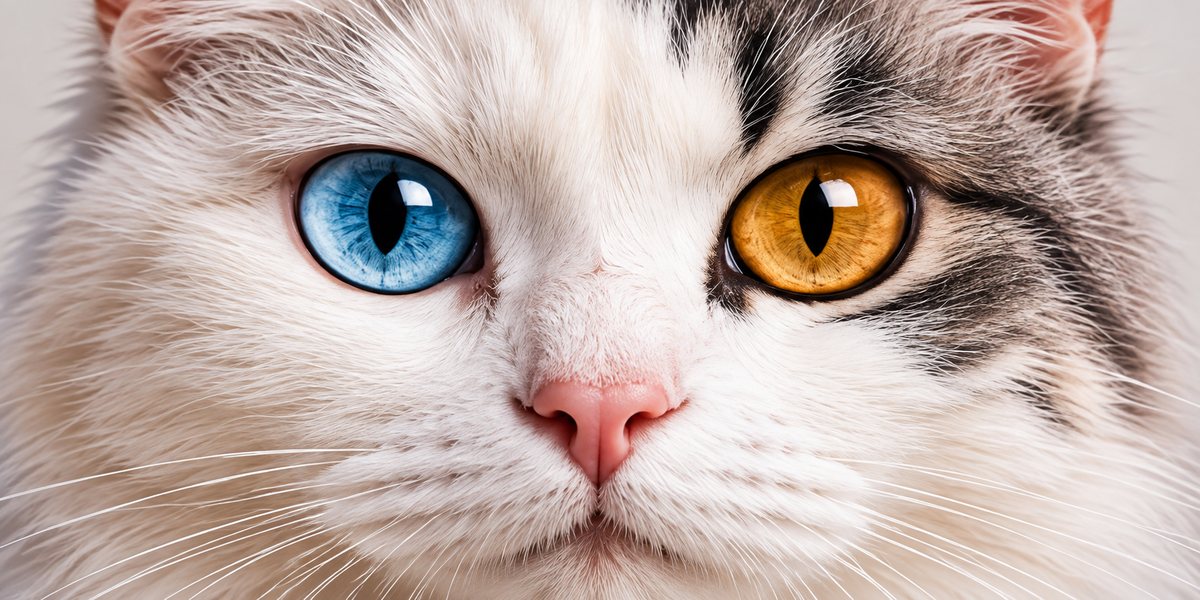
| Eye colors | Gold · amber · green Gold, amber or green are characteristic, as in the Abyssinian. |
| Coat & routine care | |
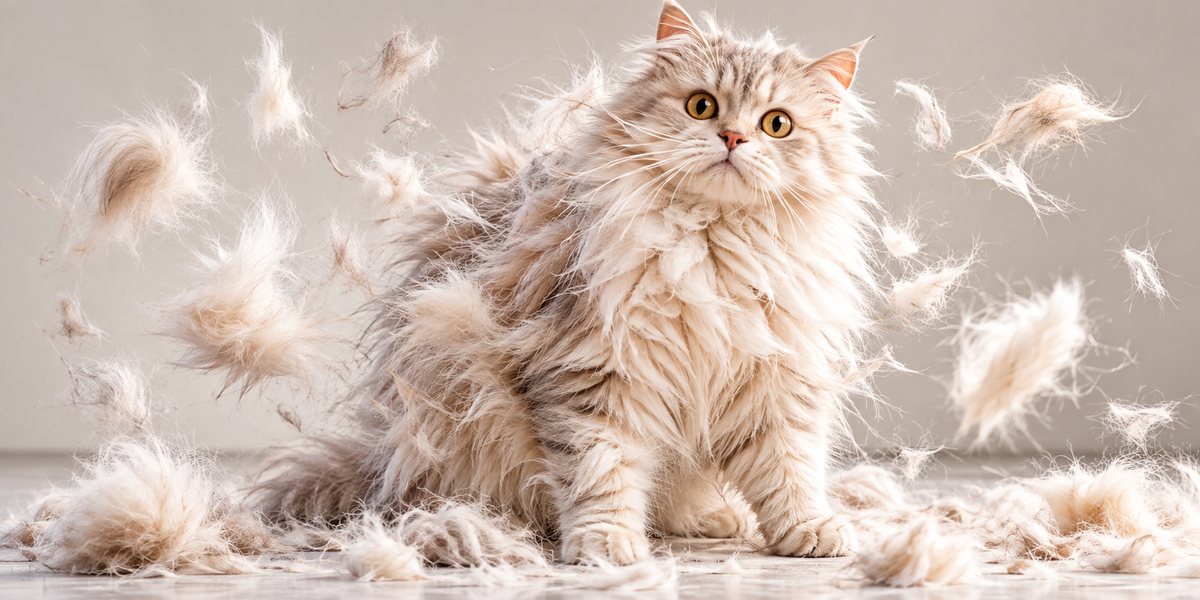
| Shedding | Moderate seasonal Moderate shedding with seasonal increases from the fine semi-long double coat. |
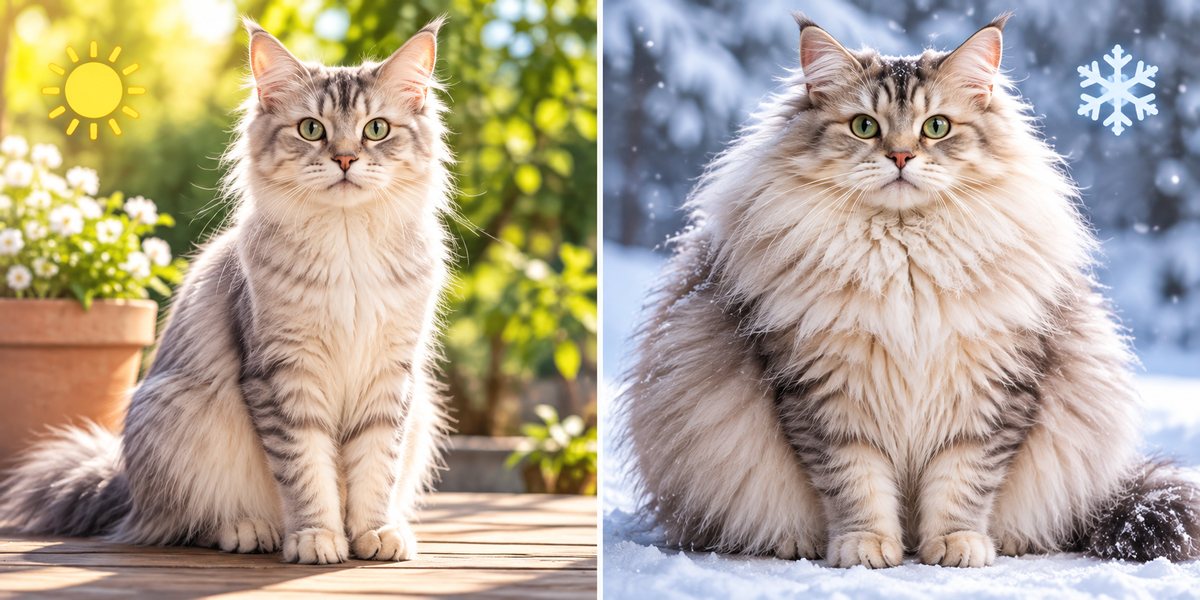
| Seasonal coat changes | Moderate spring shed The Somali’s fine semi-long coat develops more fullness in cooler weather and usually sheds more noticeably in spring, particularly around the ruff, breeches and tail. |
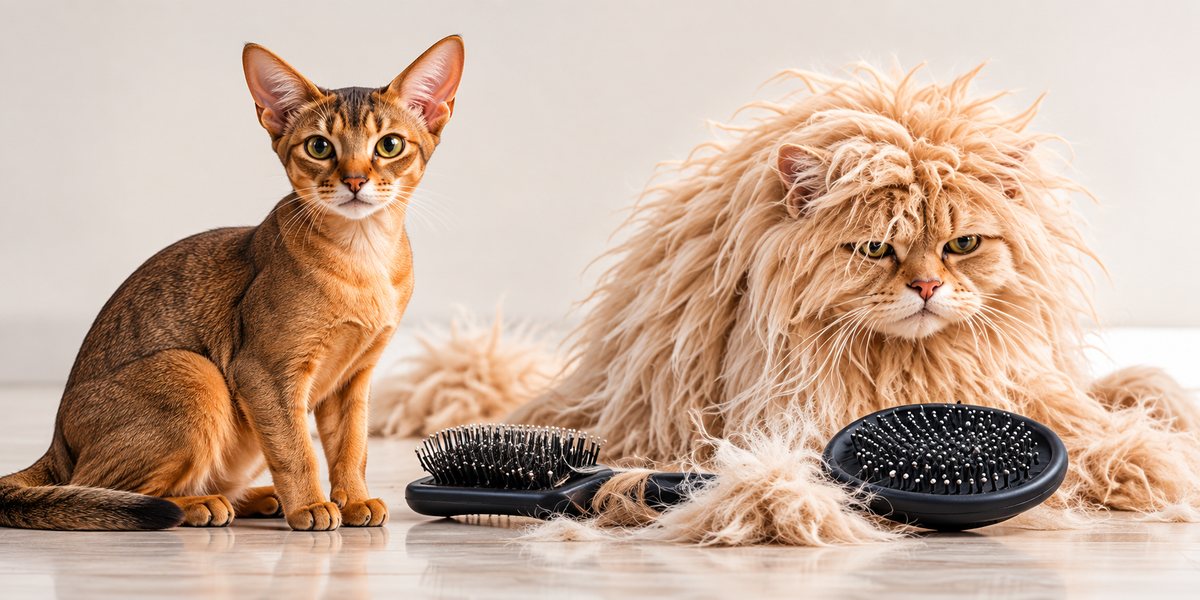
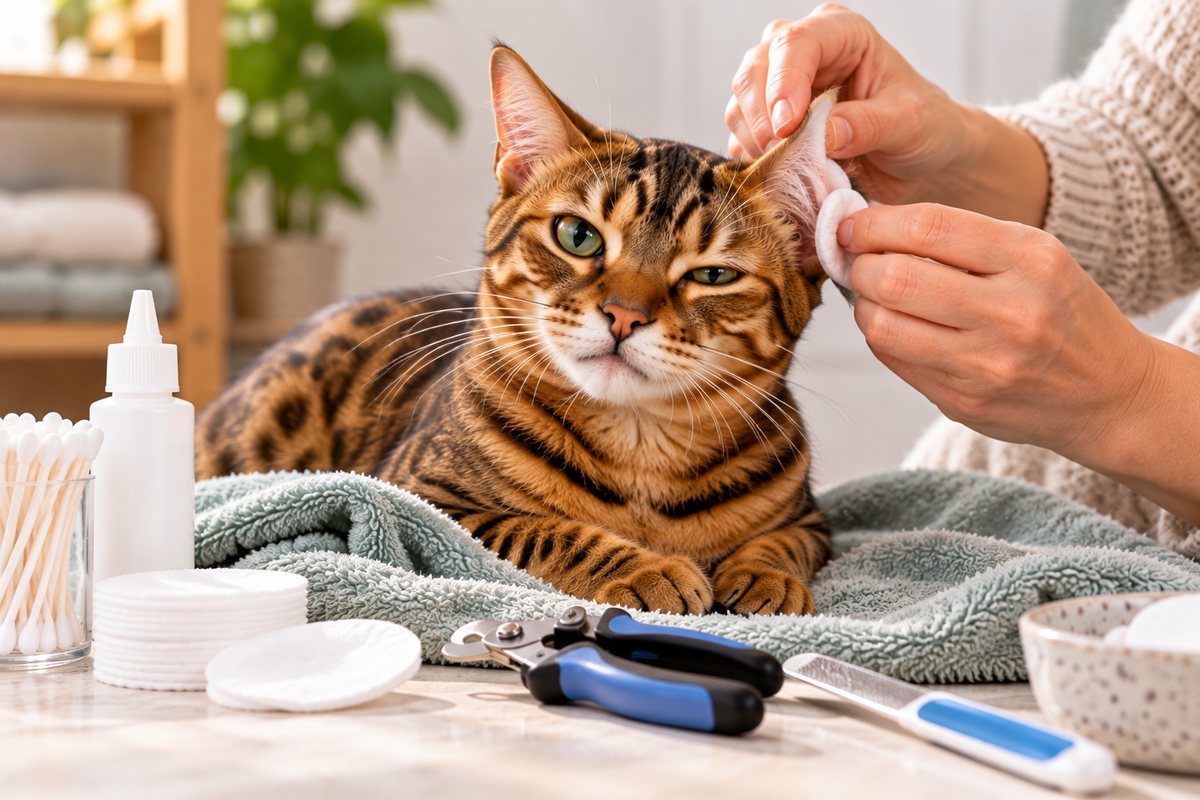
| Brushing & combing | Low or optional Brushing/combing: low or optional. |
| Tangle & matting tendency | Low to moderate The fine semi-long coat is less mat-prone than heavily undercoated longhairs, but the ruff, belly and breeches can still form knots without periodic combing. |
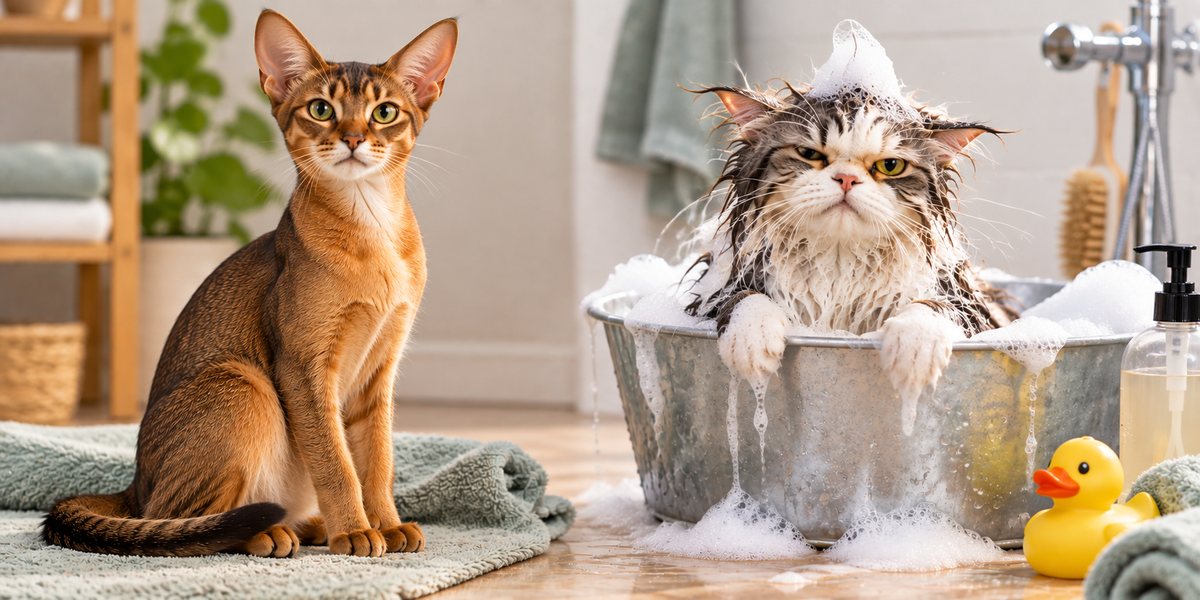
| Skin & bathing care | Bathing not routinely needed Routine bathing is generally unnecessary; bathe only when the coat is genuinely soiled or for a specific veterinary or grooming reason. |
| Distinctive routine care | Long coat is easier than it looks; dental care deserves attention The silky coat rarely mats, but regular dental care is particularly worthwhile because some lines are prone to dental problems. |
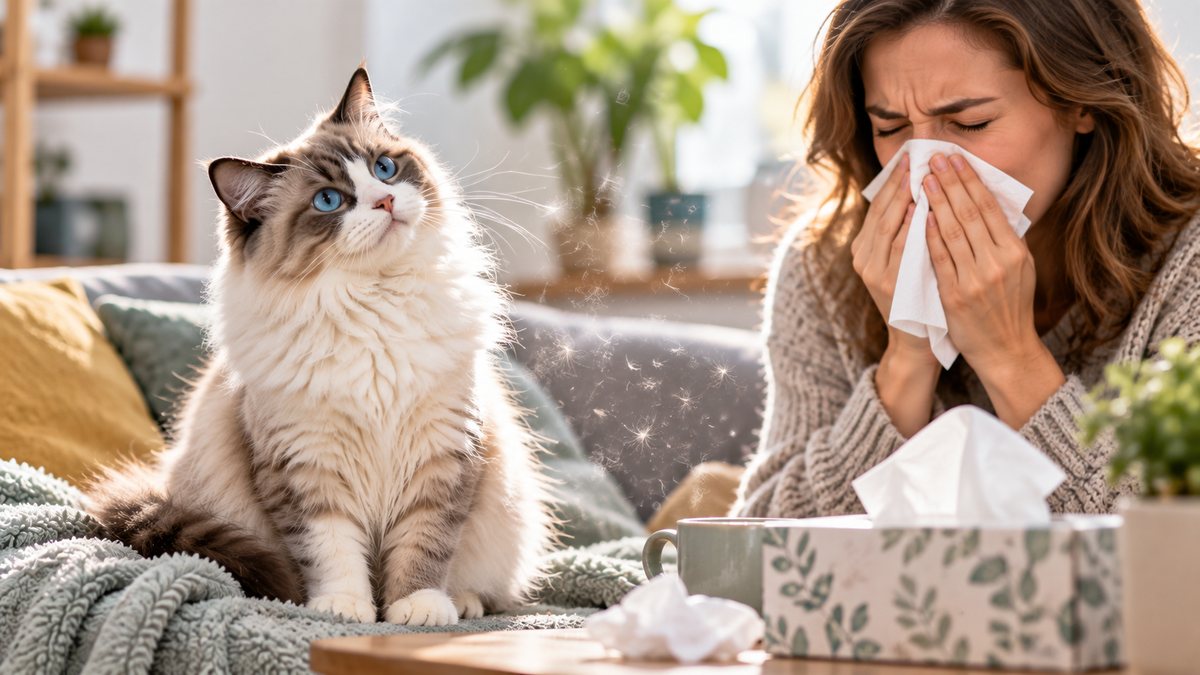
| Allergy & allergen evidence | No breed specific reduction established There is no known reason to regard this breed as hypoallergenic. All cats produce allergens, and coat length or shedding alone does not determine allergy risk. |
| Activity & intelligence | |
| Activity level | Very high |
| Playfulness | Very high |
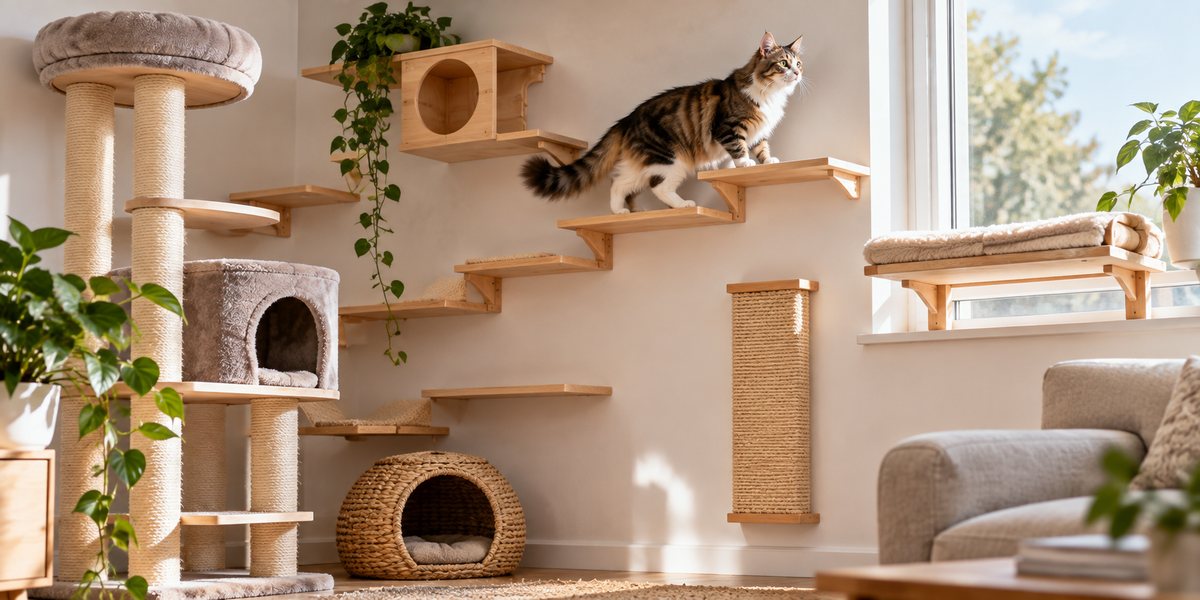
| Climbing & jumping | Very high |
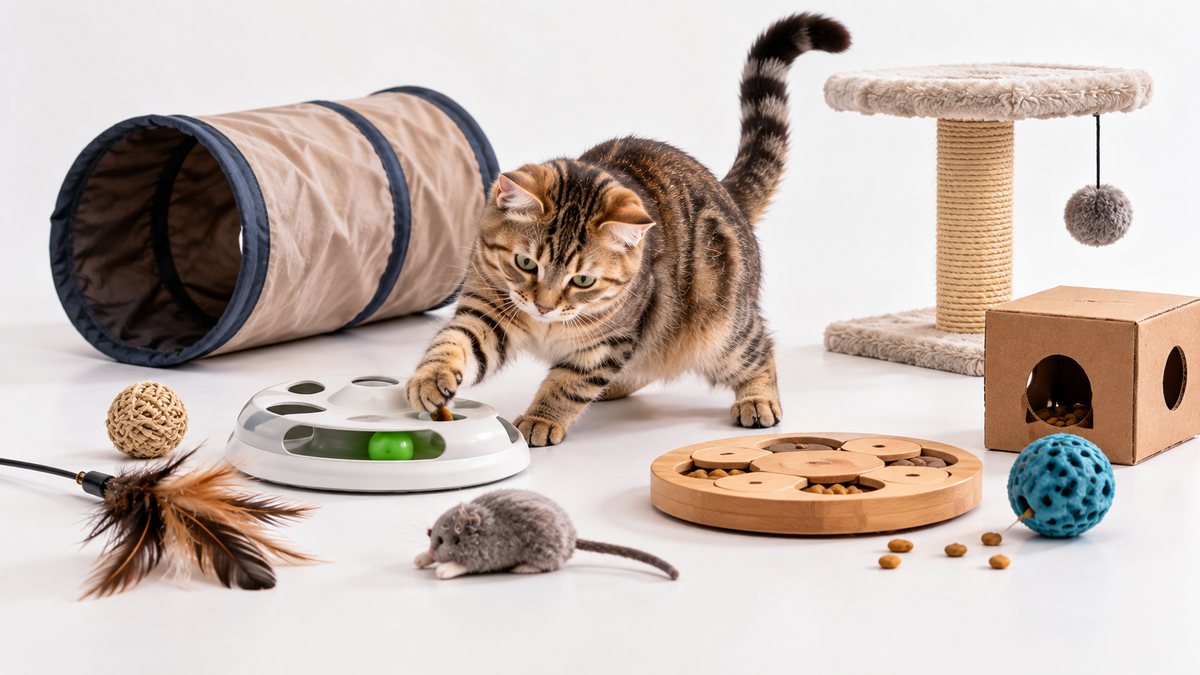
| Enrichment demand | Very high Very high enrichment demand: extensive climbing, interactive play, puzzle toys and frequent novelty suit its exceptional activity and curiosity. |
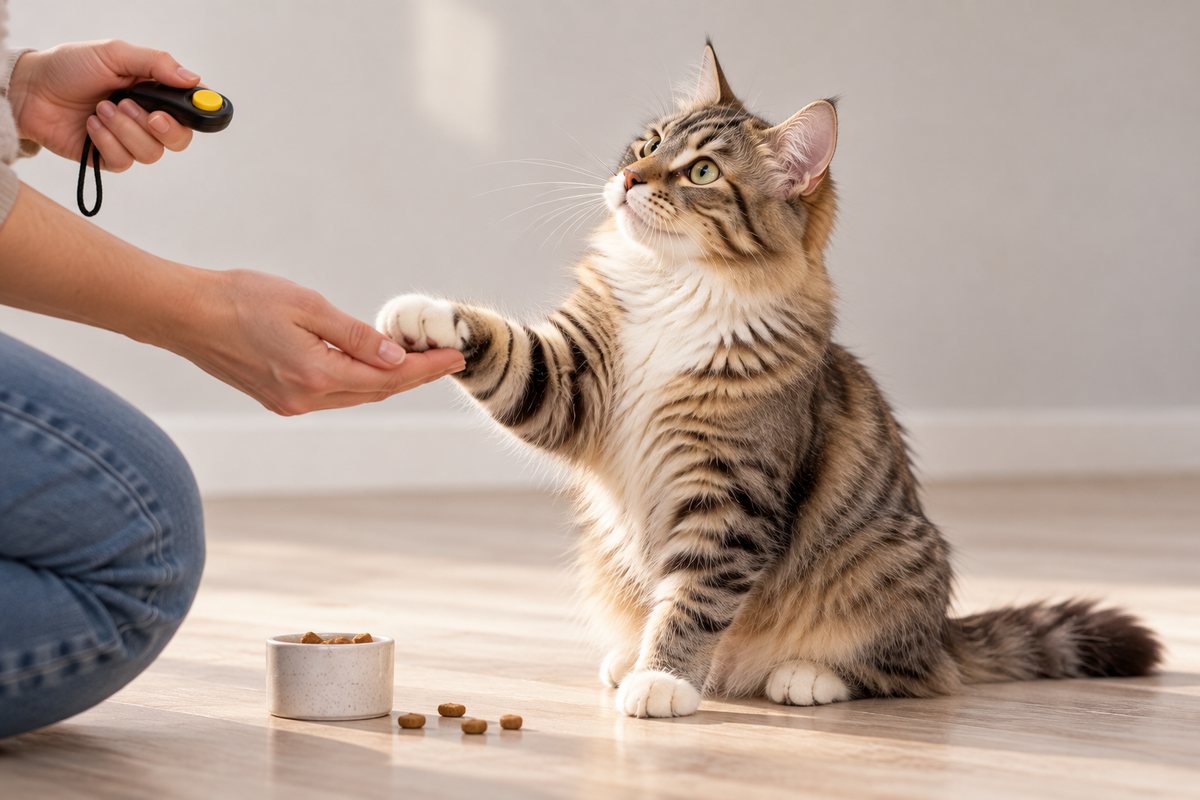
| Learning & training | High Somalis are highly intelligent, quick to engage and readily learn games and routines. |
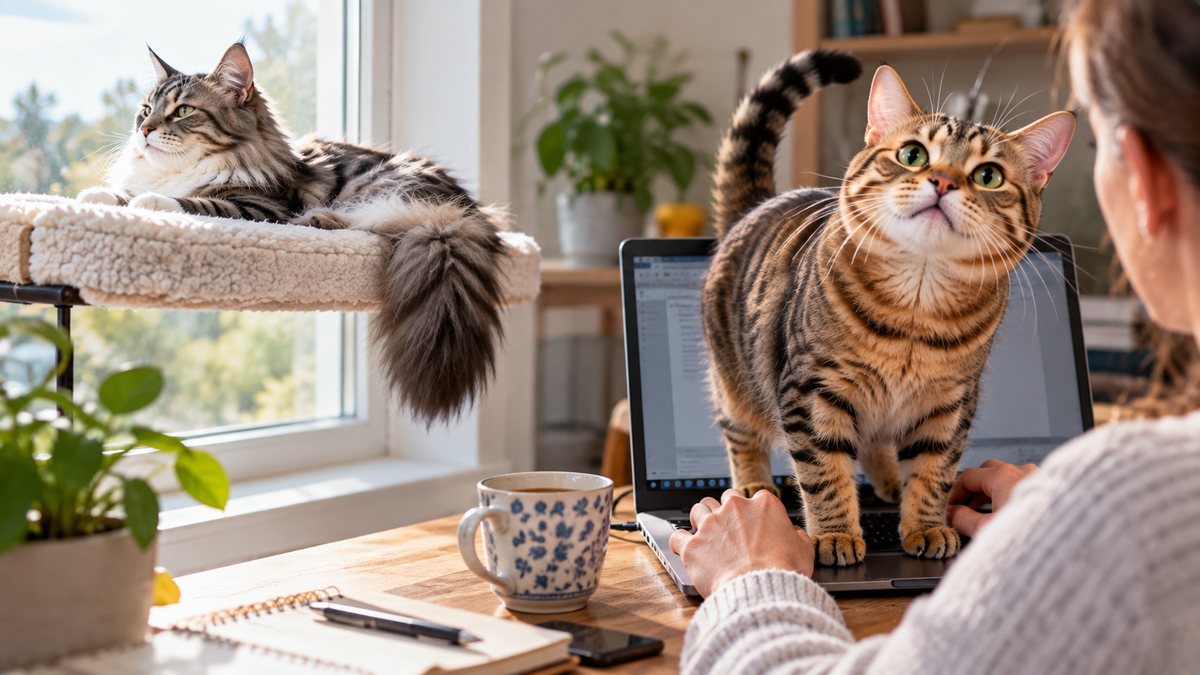
| Curiosity & exploration | Very high Somalis combine intense curiosity with near-constant environmental exploration; they are especially likely to inspect high places, moving objects and whatever their people are handling. |
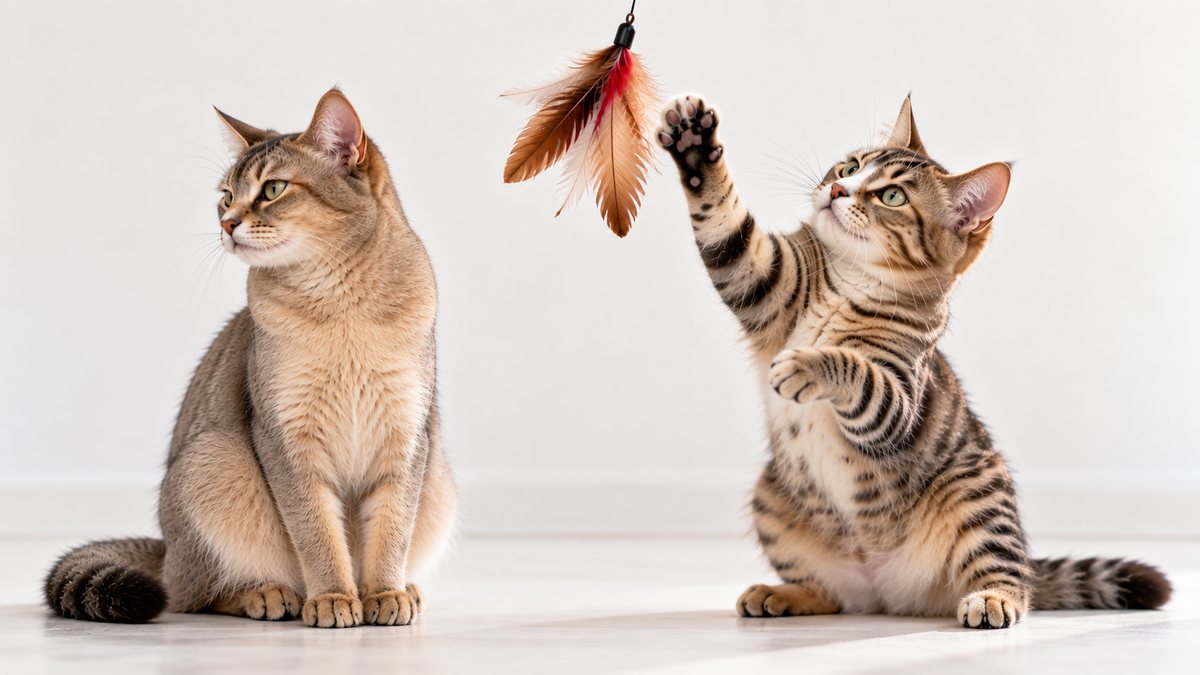
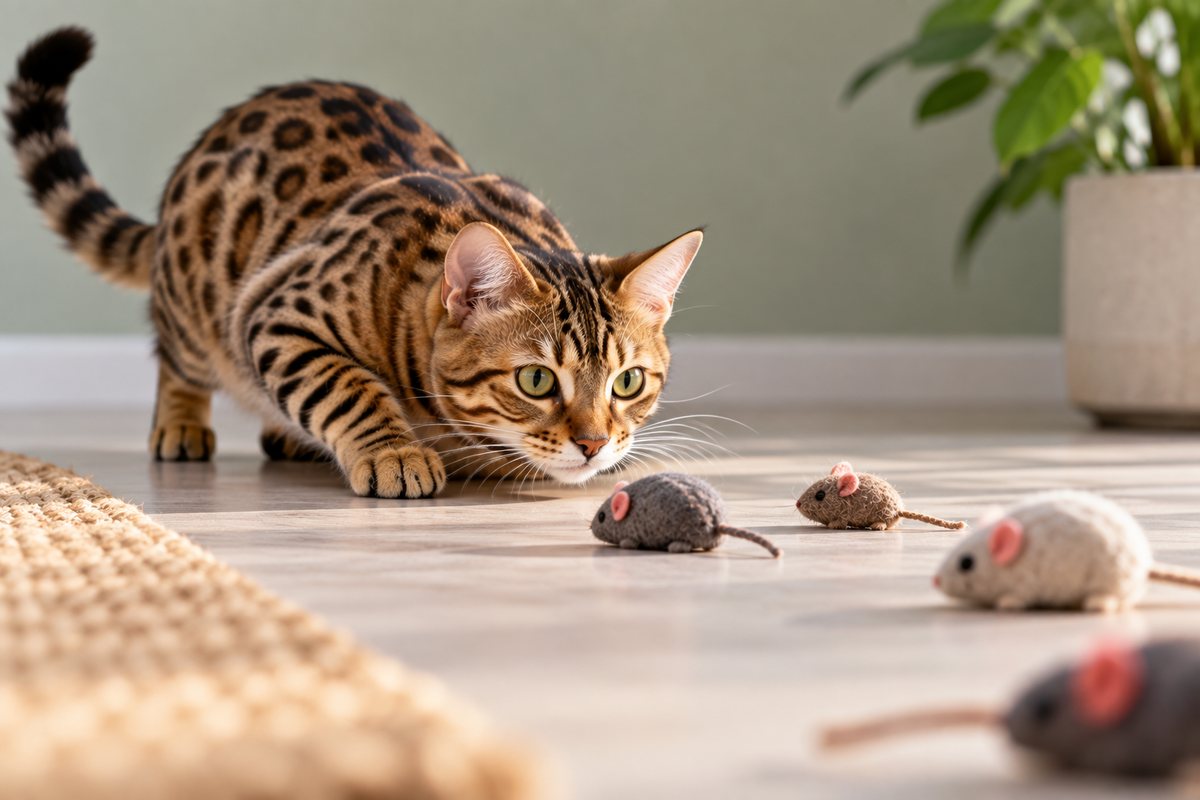
| Hunting & chasing tendencies | High Very strong chase play is likely. Somalis are exceptionally active, agile and curious, making stalking, sprinting and pouncing central enrichment activities. |
| Personality & social | |
| Sociability with familiar people | High Somalis are strongly interactive with their people and happiest when included in household life. |
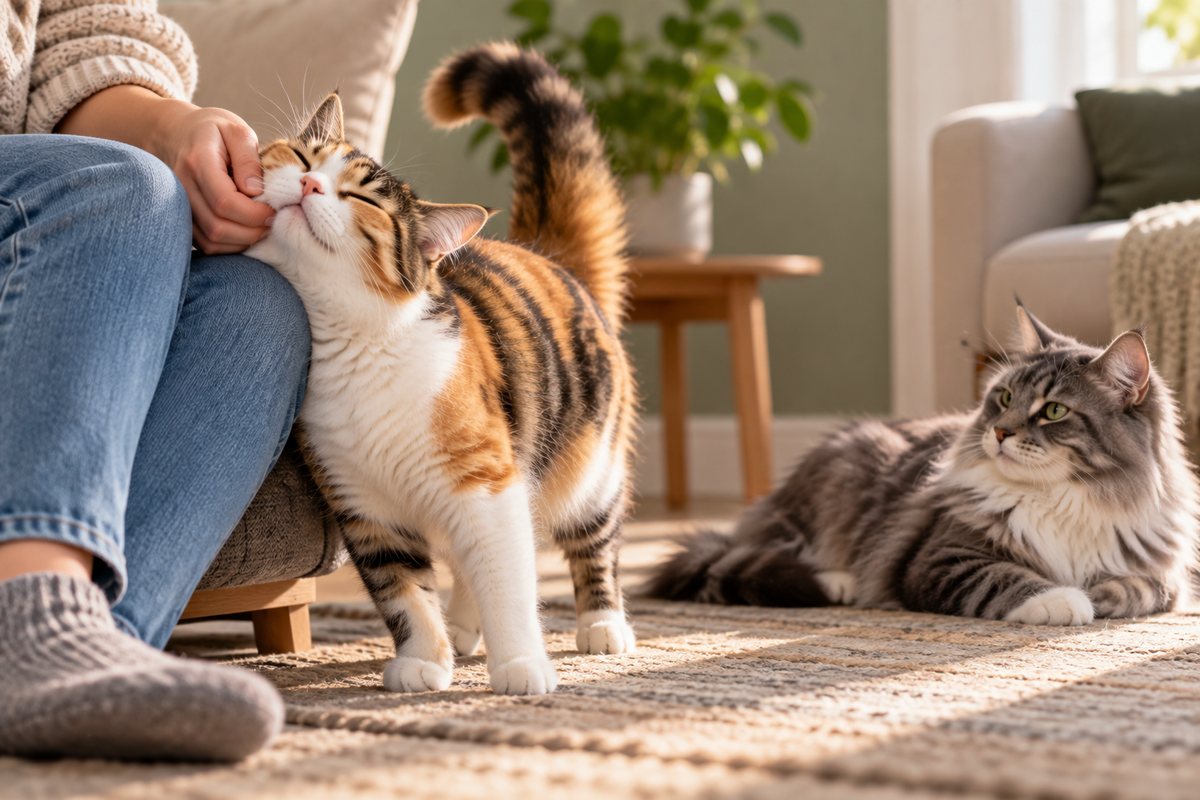
| Affection | Loyal, interactive and involved Affection is often expressed by staying involved in whatever their people are doing rather than simply remaining passive nearby. |
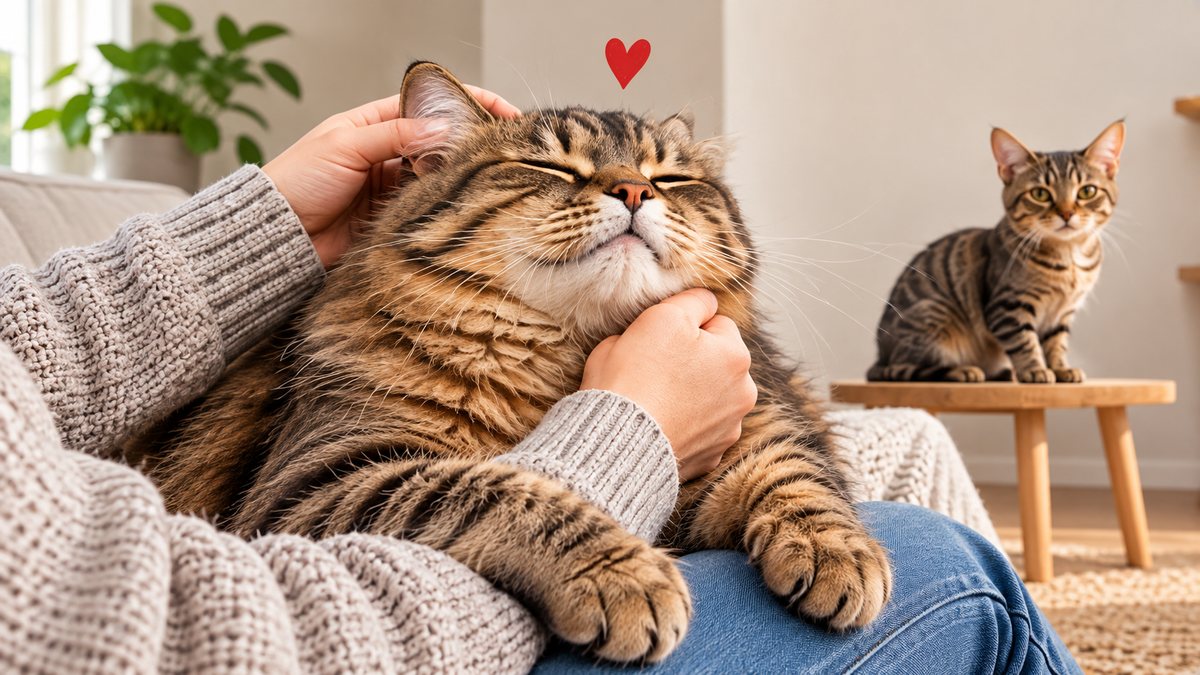
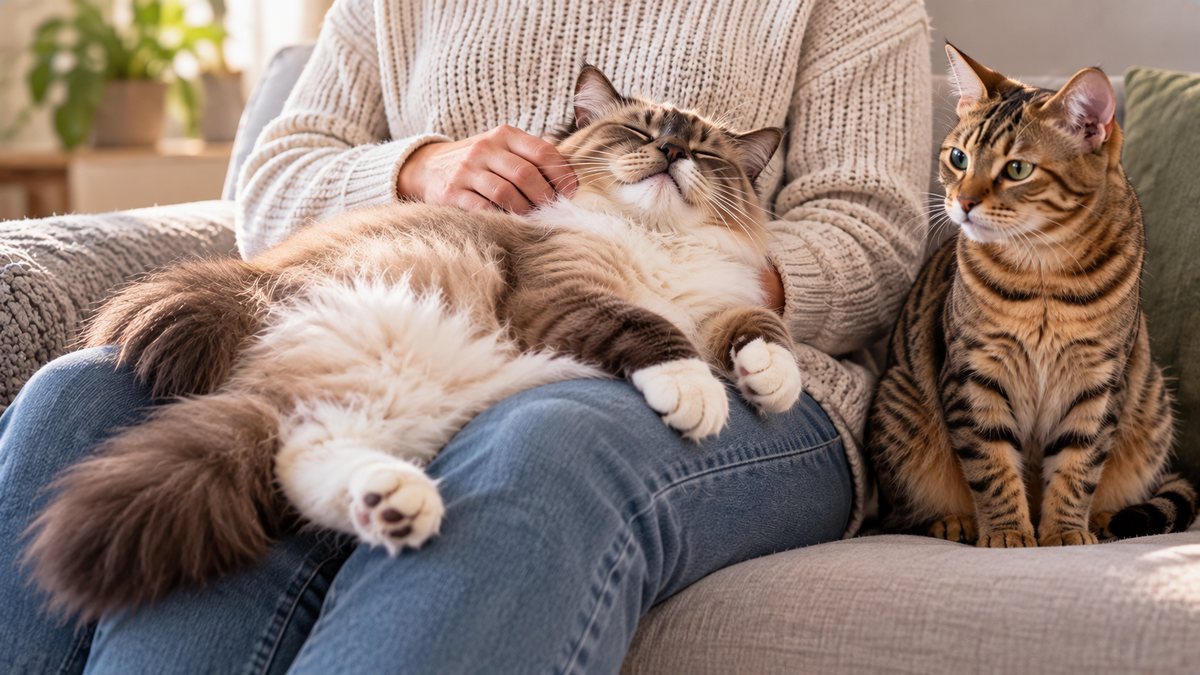
| Lap & cuddling preference | Low to moderate Somalis are affectionate but exceptionally active and inquisitive; they usually prefer participating in household activity to remaining on a lap for long stretches. |
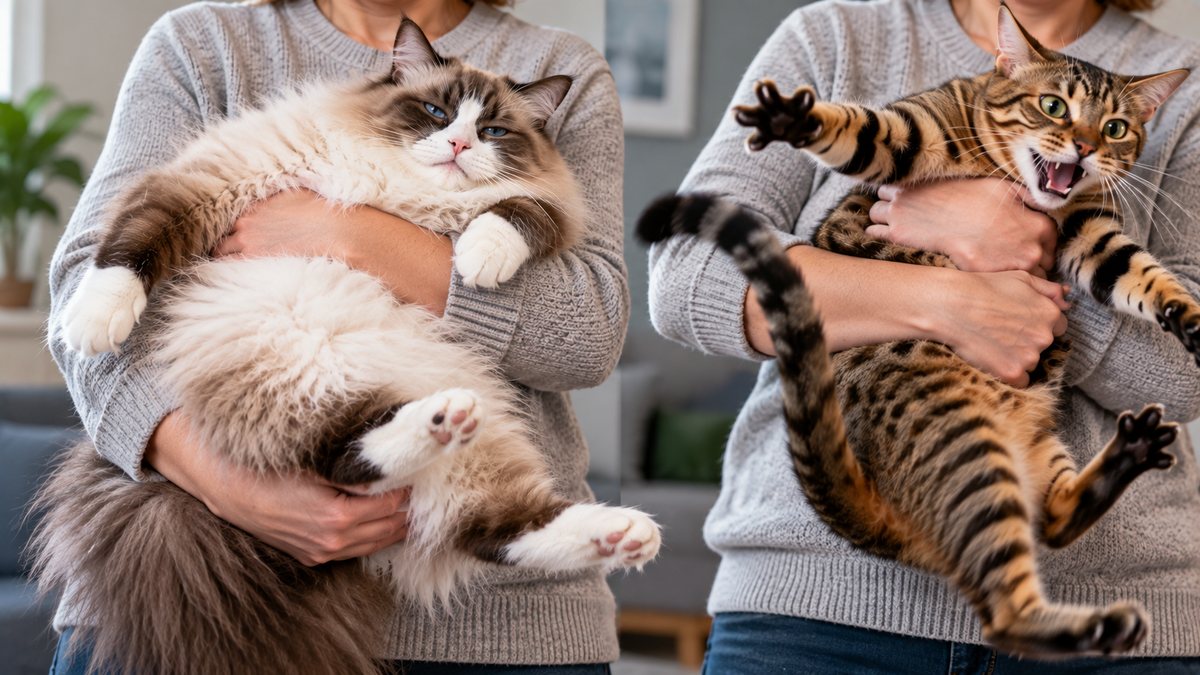
| Handling tolerance | Moderate Somalis are affectionate but exceptionally active and inquisitive; they usually tolerate brief handling but commonly prefer climbing, play and chosen contact to prolonged holding. |
| Independence & social demand | High social demand Somalis thrive on company and are best suited to homes where people or compatible cats provide regular companionship. |
| Vocalization | Usually conversational rather than extreme Somalis are socially engaged cats, but extreme vocality is not a defining feature of the breed. |
| Response to unfamiliar people | High Somalis are inquisitive, active and socially engaged; most are inclined to investigate newcomers and often warm to them quickly. |
| Adaptability to change | High Somalis are highly curious, active explorers; environmental novelty is often engaging rather than threatening when they have vertical space, play, and familiar social contact. |
| Noise & busy-environment sensitivity | Low Active, confident and intensely curious, the Somali generally tolerates a busy household well and is more likely to investigate activity than consistently hide from it. |
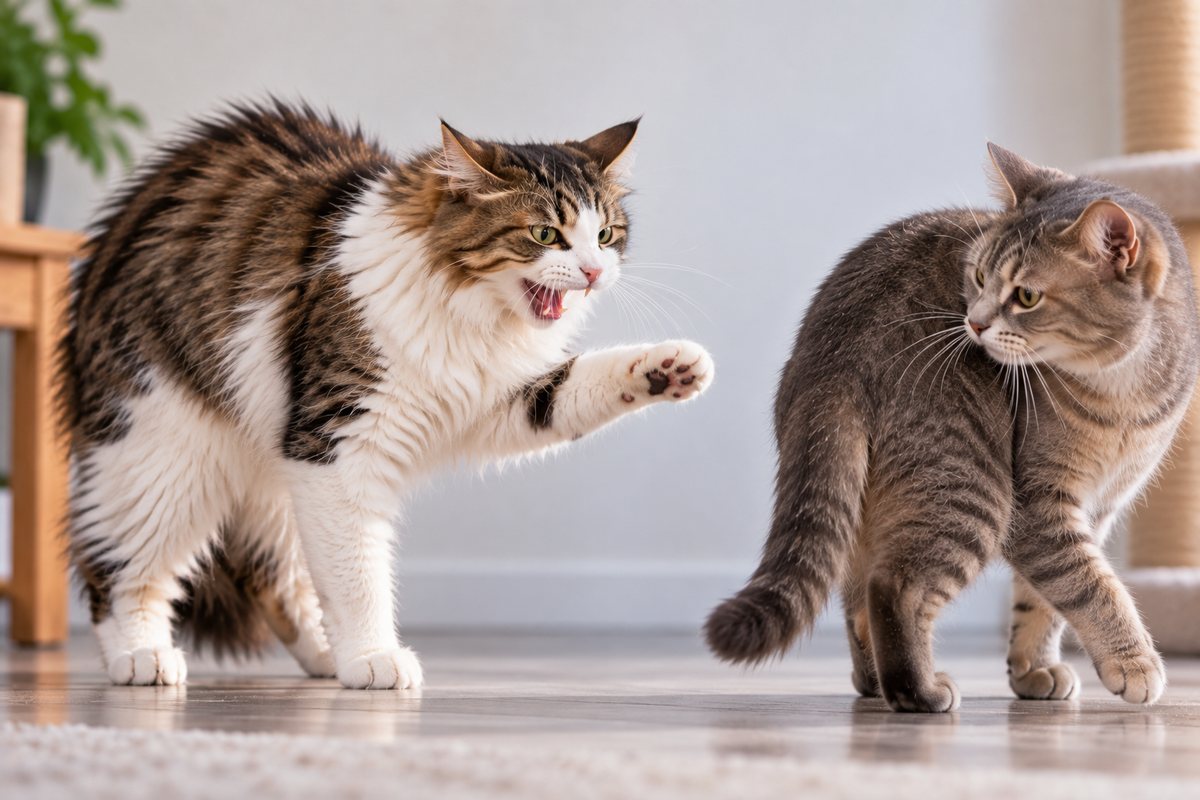
| Defensive & conflict behaviour | Low Somalis are energetic, curious and socially engaged cats that usually channel arousal into exploration and play rather than confrontation. Conflict risk is generally low, though insufficient enrichment can increase rough play or social friction. |
| Household & environment | |
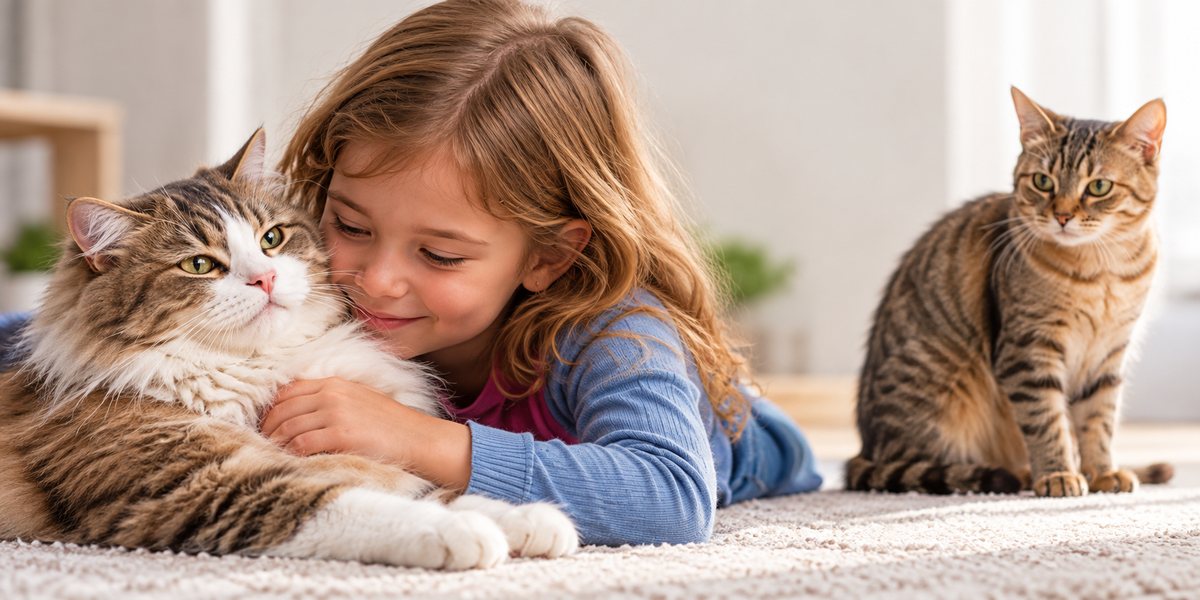
| Living with children | Good with engaged, respectful children Their playful intelligence can work especially well with older children who enjoy training and interactive play. |
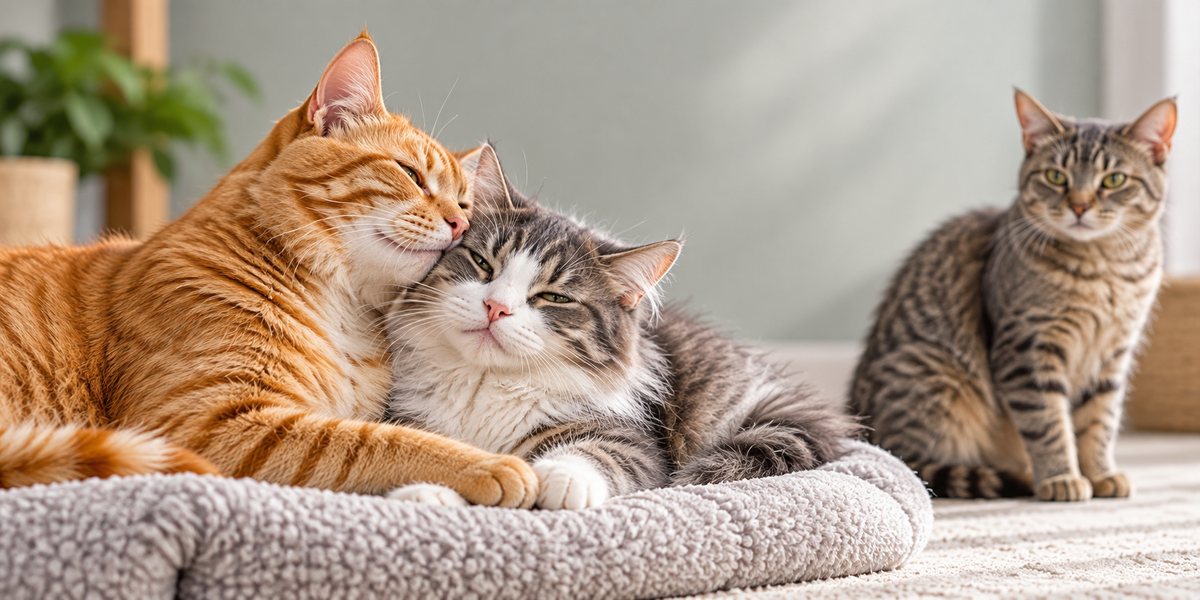
| Living with other cats | Favorable tendency |
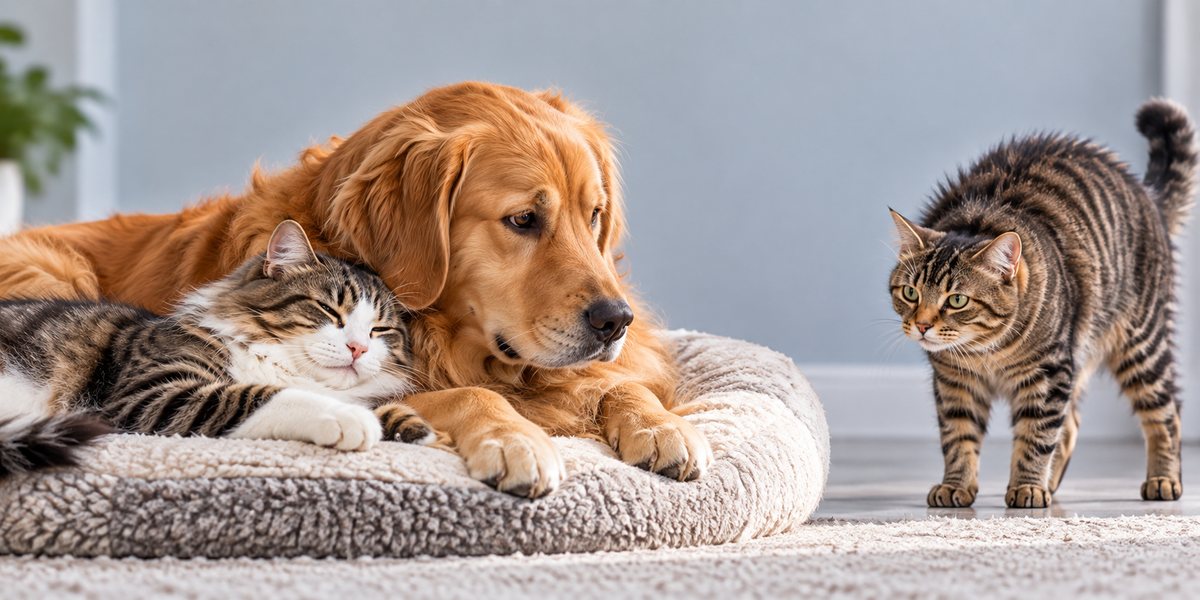
| Living with dogs | Good Somalis are energetic, curious and socially engaged. A playful, cat-friendly dog can be a good companion for their high activity level, provided introductions are gradual and the cat has climbing routes unavailable to the dog. |
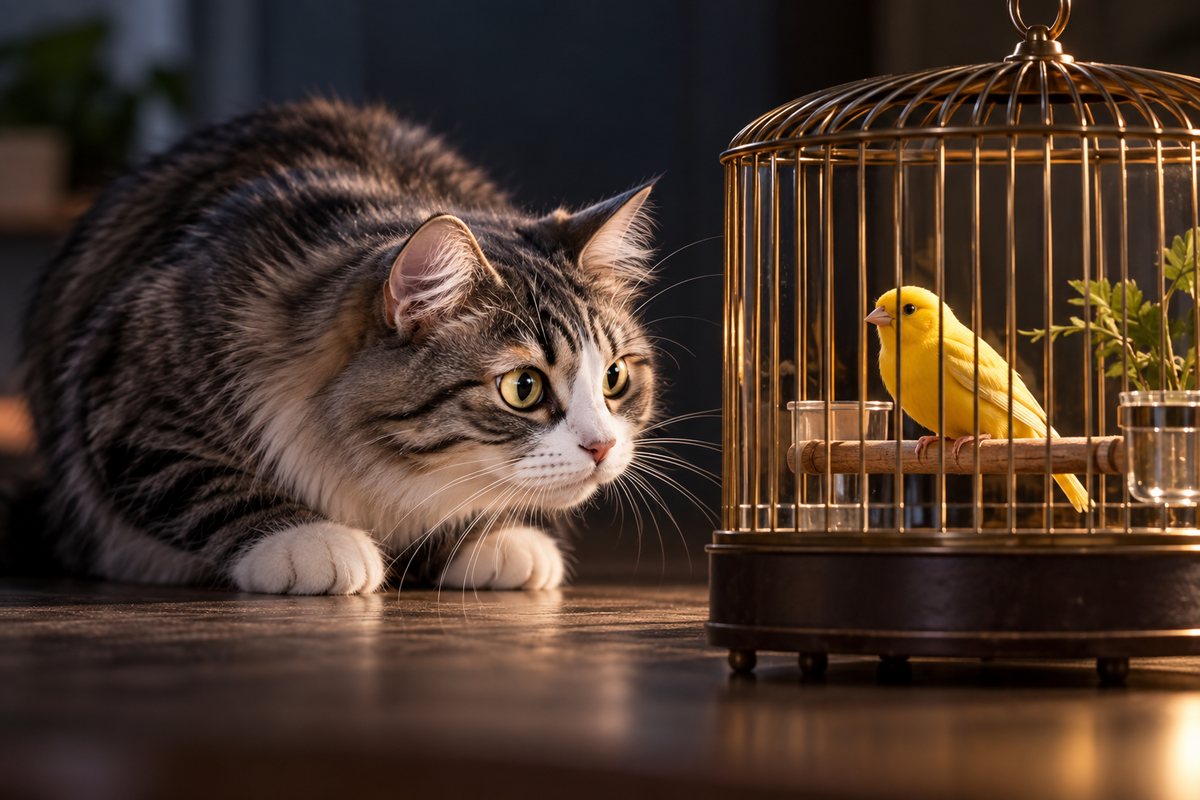
| Living around small pets | Additional caution Somalis are exceptionally active, agile and exploratory cats that readily pursue moving targets. Their high play and chase drive creates meaningful predation risk for birds, rodents and other small pets. |
| Indoor & home environment needs | High activity indoor Somalis are exceptionally agile, exploratory cats and need a physically and mentally rich indoor territory. Tall climbing routes, running and jumping opportunities, puzzle feeding and frequent interactive hunting games are particularly valuable. |
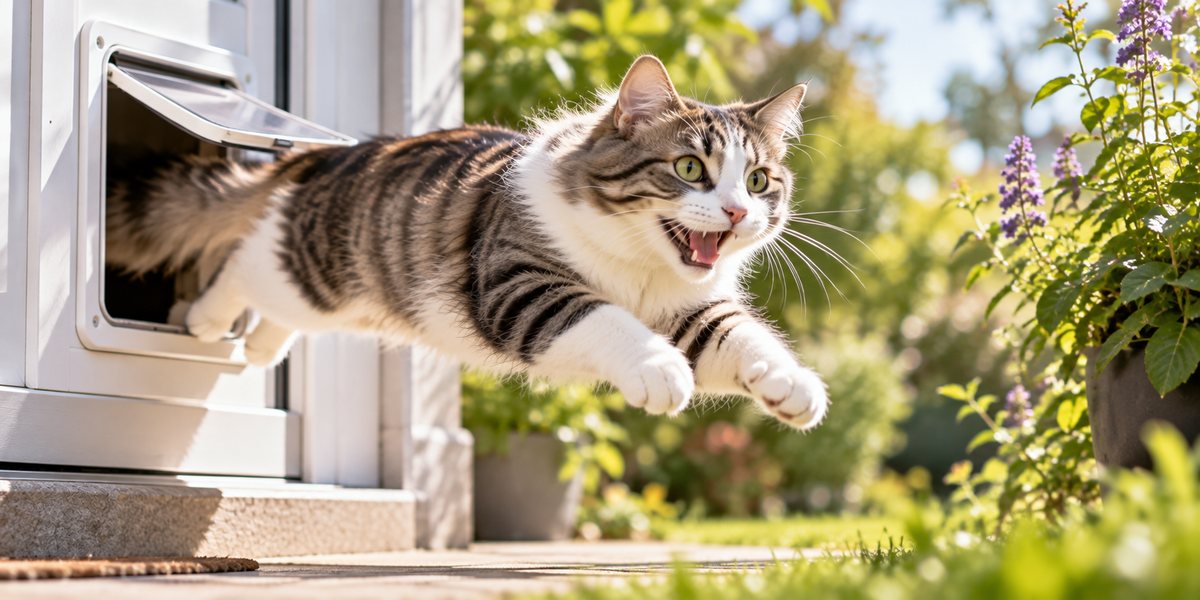
| Outdoor access considerations | Secure high activity Somalis are exceptionally agile, energetic explorers. A large secure enclosure or enclosed garden can provide climbing and movement opportunities, while containment reduces hunting, escape and traffic risk for a cat inclined to investigate widely. |
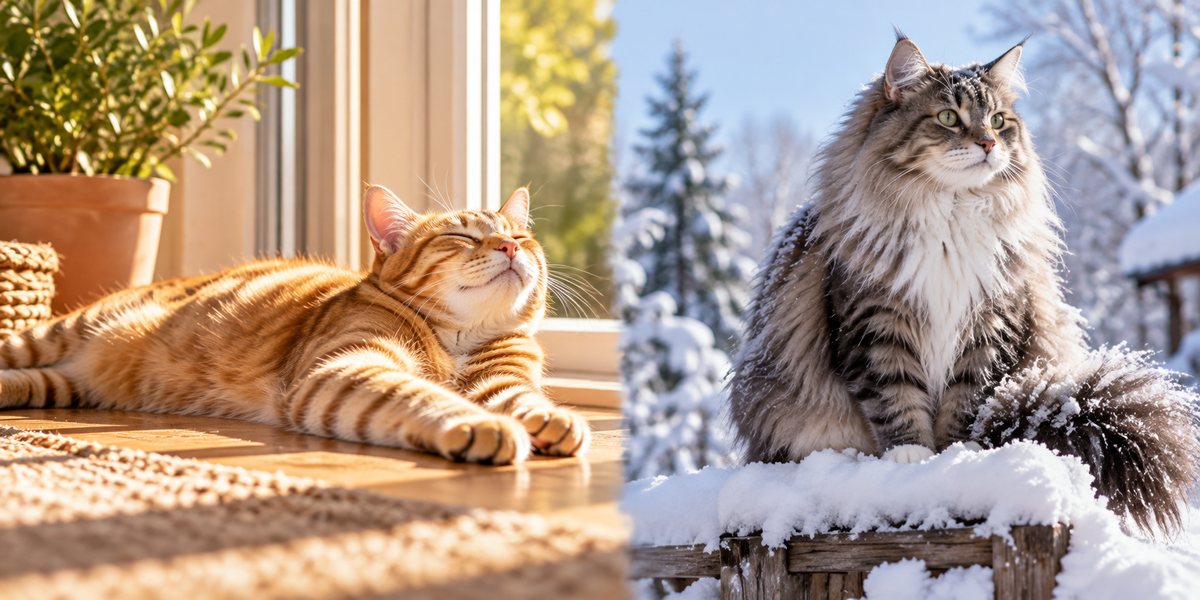
| Heat, cold & sun considerations | Semilong heat caution Somalis have a semi-long coat and very high activity level. They need access to cool shaded resting areas and water during warm weather, while their coat provides useful insulation in cooler conditions. |
| Caregiver time & experience | Very high This breed is likely to suit a caregiver who can provide substantial daily engagement and keep up with its routine care. |
| Health & welfare | |
| Documented health predispositions | Elevated known risks Somalis share key inherited risks with Abyssinians, particularly pyruvate kinase deficiency and progressive retinal atrophy. Renal amyloidosis is also reported in the breed family, making DNA testing and family health history important. |
| Screening & breeder questions | Ask for PK-def DNA status · Ask about PRA genetic/eye screening Ask for DNA results for pyruvate kinase deficiency and progressive retinal atrophy and whether renal amyloidosis has occurred in the family. Request actual results for the breeding parents and information on longevity in close relatives. |
| Conformation-related welfare | Low conformation concern Somalis have an athletic Abyssinian-derived body with no defining structural mutation. Welfare selection should preserve muscular condition, sound joints and normal facial anatomy while maintaining the semi-long coat. |
| Nutrition & weight management | High activity condition led Somalis are extremely active and may have high energy needs, but their athletic outline should remain muscular rather than simply thin. Match a complete diet to actual activity and monitor muscle and body fat as they mature. |
| Longevity | 10–19+ years Reported life span is broad, roughly 10–19 years or longer with good care. |
| Cost & availability | |
| Purchase cost | Moderate to high: $700–$1,800 Somali: a practical breeder-market estimate is $700–$1,800. This reflects that it is an established longhaired Abyssinian relative with moderate breeder availability. |
| Adoption & rehoming cost | Uncommon in rescue: $100–$500 typical rescue/adoption fee Somali: $100–$500 typical rescue/adoption fee. The breed does appear in rescue, but much less often than mixed-breed cats or the most numerous pedigrees. |
| Recurring ownership costs | Enrichment/toy replacement The semi-long coat needs regular home combing and this active breed benefits from climbing and interactive toys. Dental/preventive care and breed-family genetic/health awareness add more value than professional grooming. |
| Availability, waits & import | Moderately available Somalis have an established international breeder base but are less numerous than Abyssinians. In major cat-fancy markets a breeder can usually be located, while smaller regions may require travel or a waiting list. |
| Identity & real-world context | |
| Ownership & import restrictions | No known breed specific restrictions There are no known breed-specific ownership restrictions. Ordinary animal-welfare, identification, vaccination and cross-border import rules still apply where relevant. |
| Registry recognition | CFA: recognized breed/division · TICA: Championship-recognized / current breed identity · FIFe: fully recognized breed / mapped breed identity Currently recognized in all three registries tracked by the FSC core matrix: CFA, TICA and FIFe. |
| Similar breeds & identity distinctions | Abyssinian Somalis share the Abyssinian's ticked color and athletic type but carry a semi-long coat, fuller ruff and plumed tail. They are best understood as the longhaired counterpart of the Abyssinian breeding family. |
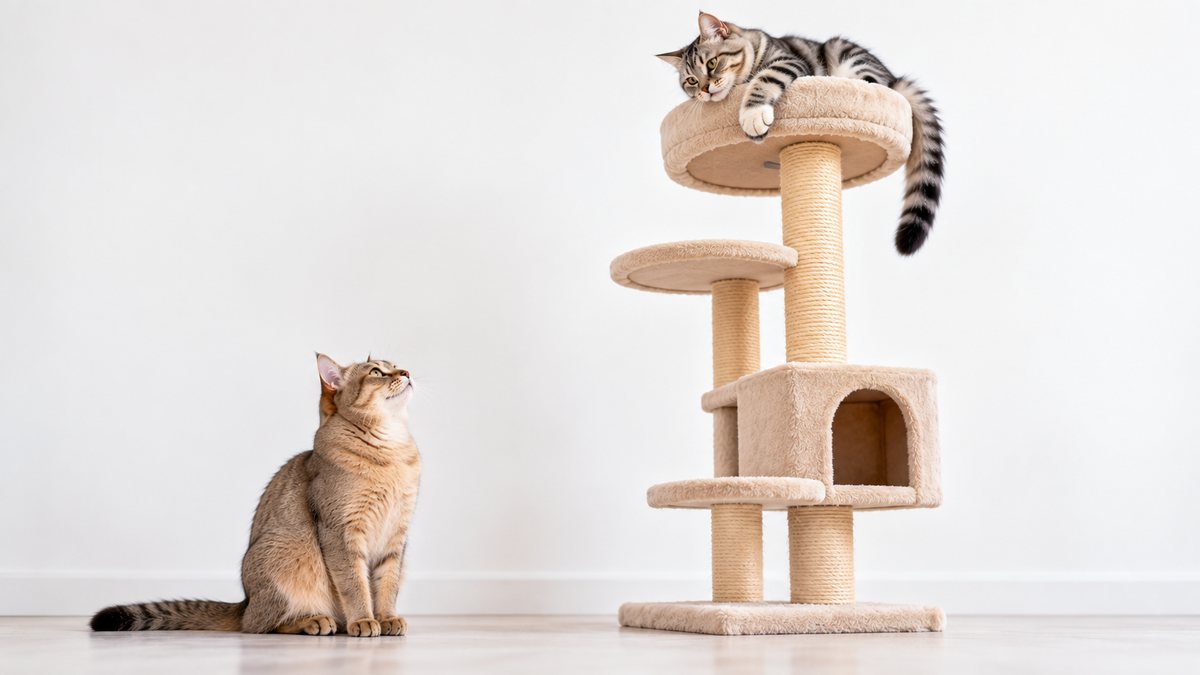
| Reported characteristic quirks | Seeks the highest available viewpoints Somalis are famous for exploring upward and may appear on refrigerators, doors and bookcases to supervise the room. |
Browse all 53 breed characteristics
Open any characteristic to compare all breeds on that dimension.

 English