
Compare Cat Breeds
Compare up to three breeds across all 53 characteristics. Values are shown directly so the differences are easier to scan.
| Characteristic | 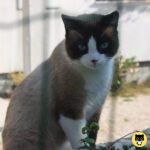 Snowshoe |
|---|---|
| Body & development | |
| Adult size | Medium |
| Adult weight | Females 3.2–4.5 kg (7.1–9.9 lb); Males 4.1–5.4 kg (9.0–11.9 lb) Females are commonly about 3.2–4.5 kg (7.1–9.9 lb) and males about 4.1–5.4 kg (9.0–11.9 lb). |
| Build & distinguishing morphology | Rectangular · muscular runner jumper Build: rectangular; muscular runner jumper. |
| Maturation | Color points white development up to 2 years Maturation: color points white development up to 2 years. |
| Coat & appearance | |
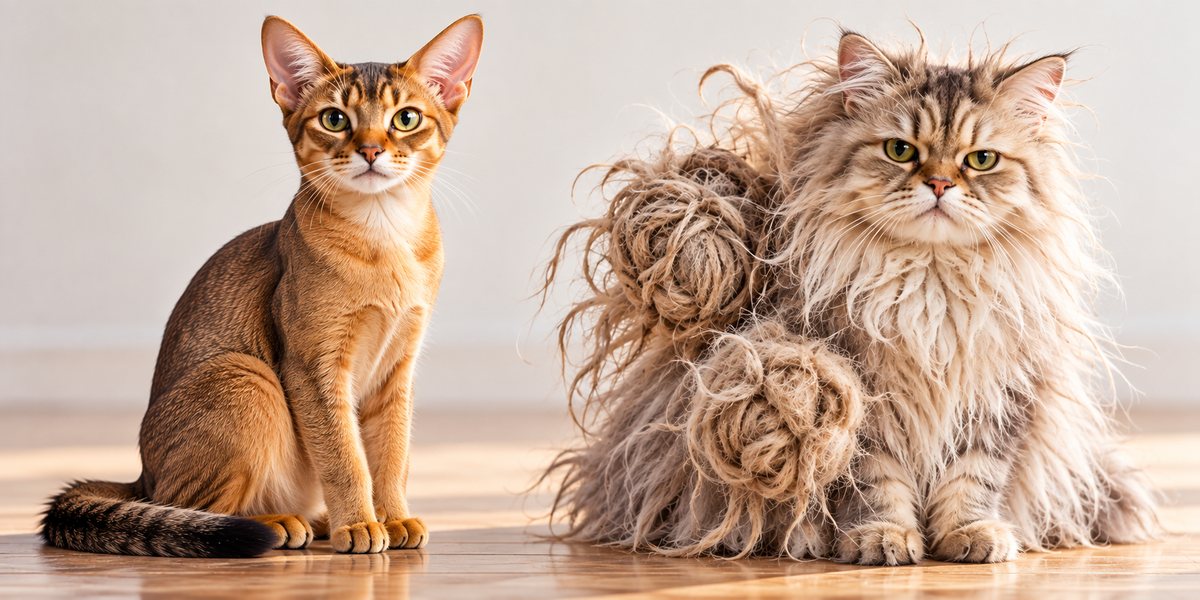
| Coat length | Short Single-layer shorthair coat. |
| Coat texture & undercoat | Short · single layer · no undercoat · smooth Coat: short; single layer; no undercoat; smooth. |
| Colors & patterns | Pointed with white Colors/patterns: pointed with white. |
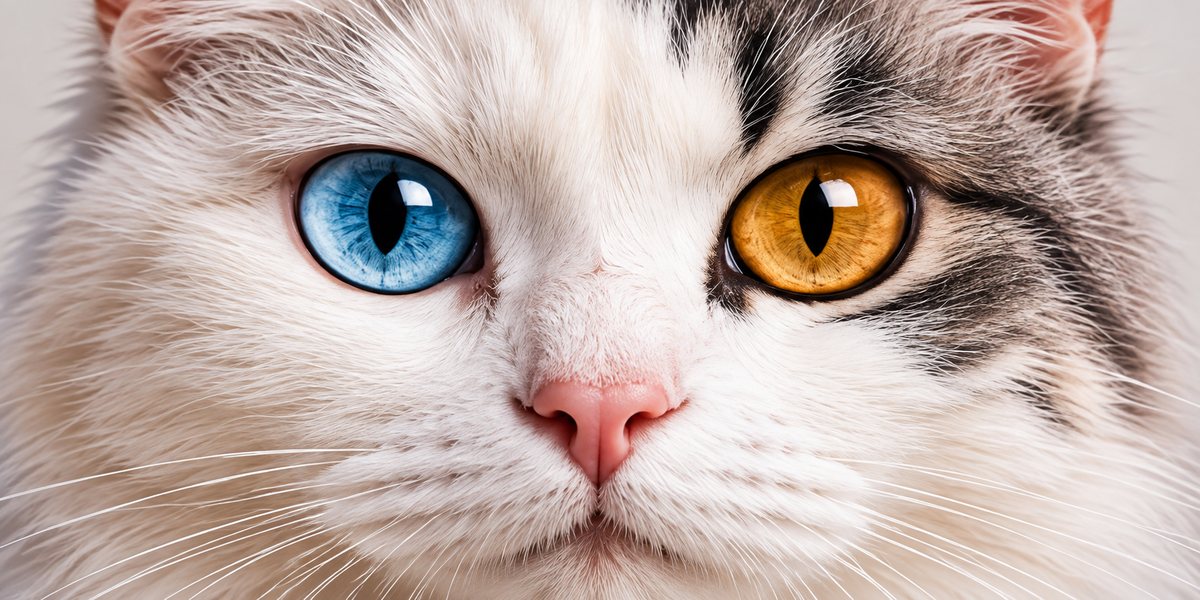
| Eye colors | Blue Blue eyes are characteristic because the breed is based on the Siamese colourpoint pattern. |
| Coat & routine care | |
| Shedding | Low Low shedding from the short, smooth Siamese-derived coat. |
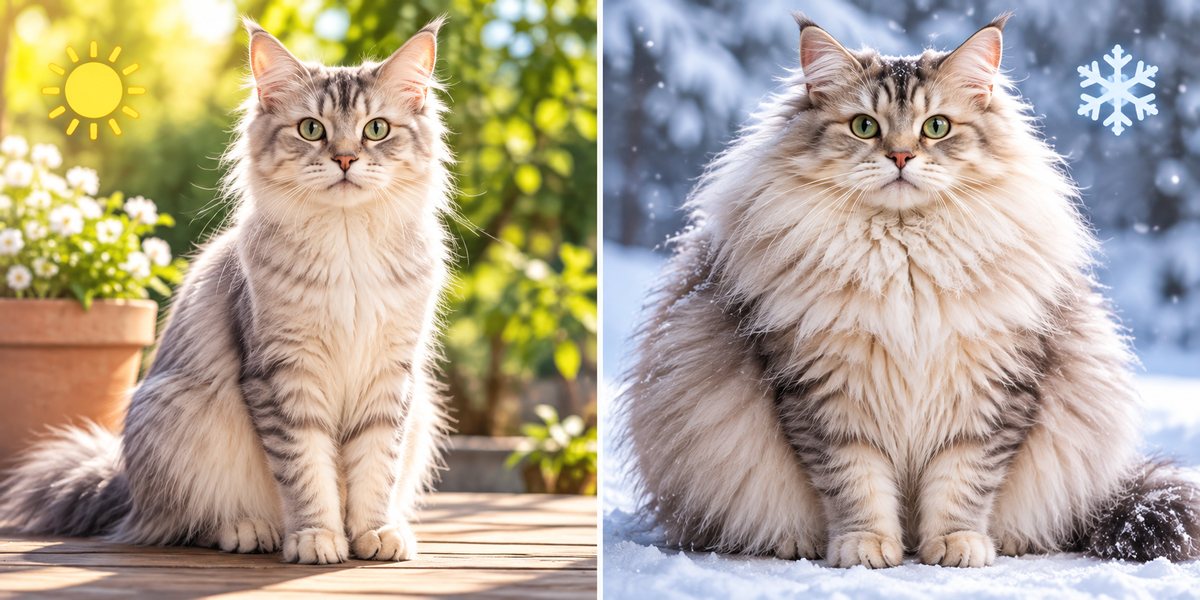
| Seasonal coat changes | Minimal seasonal change The Snowshoe’s smooth single-layer coat has no undercoat, so seasonal coat change is minimal apart from a small temporary rise in loose hair. |
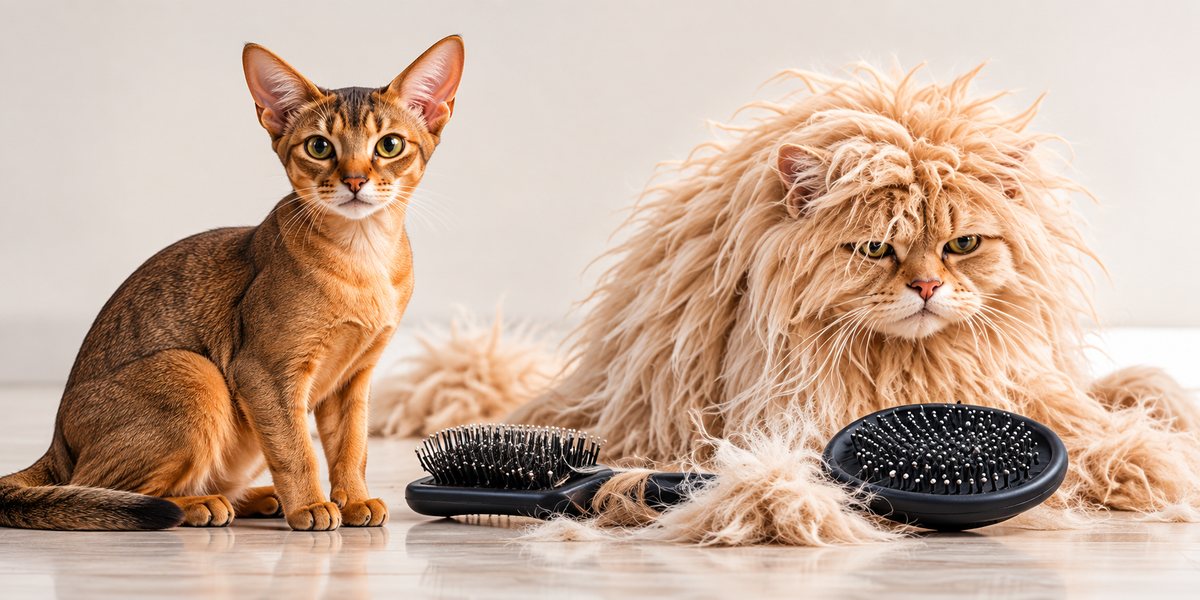
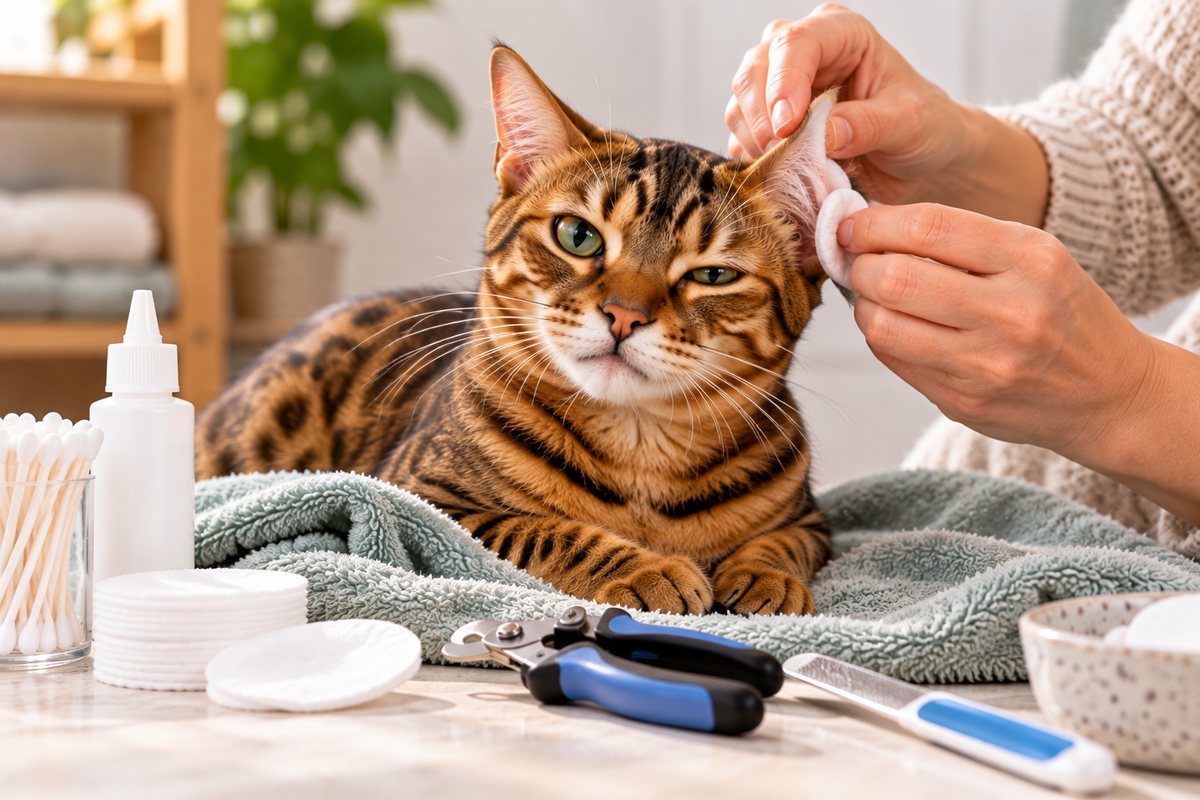
| Brushing & combing | Weekly A weekly soft brushing or grooming-mitt session is enough for the short smooth coat and usually keeps loose hair under control. |
| Tangle & matting tendency | Very low The smooth single-layer coat lacks undercoat and almost never tangles. |
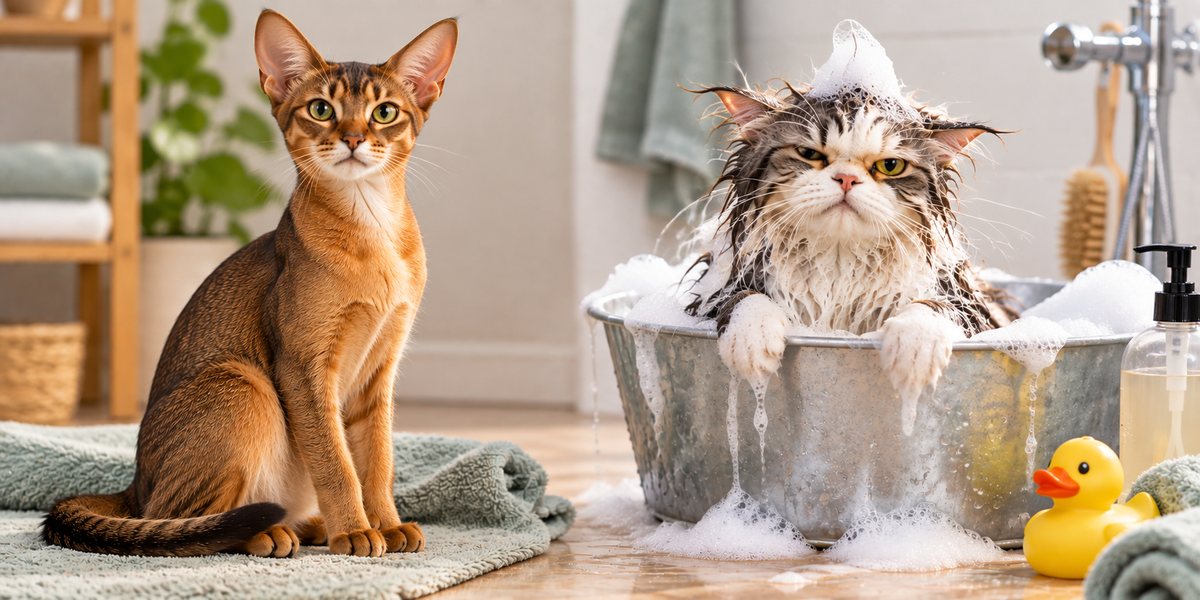
| Skin & bathing care | Bathing not routinely needed Routine bathing is generally unnecessary; bathe only when the coat is genuinely soiled or for a specific veterinary or grooming reason. |
| Distinctive routine care | Low-maintenance coat Weekly brushing is generally sufficient for the short coat. |
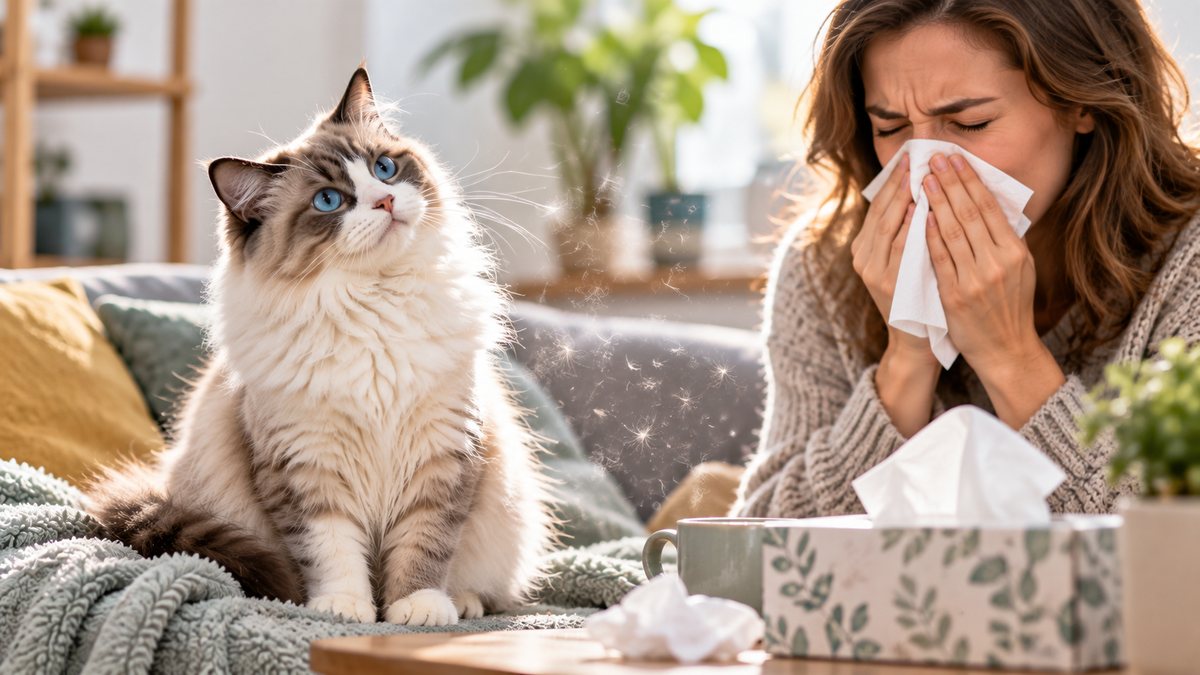
| Allergy & allergen evidence | No breed specific reduction established There is no known reason to regard this breed as hypoallergenic. All cats produce allergens, and coat length or shedding alone does not determine allergy risk. |
| Activity & intelligence | |
| Activity level | Very high |
| Playfulness | Very high |
| Climbing & jumping | High |
| Enrichment demand | Very high Very high enrichment demand: active social games, climbing and problem-solving help satisfy its playful, intelligent and people-oriented nature. |
| Learning & training | High Snowshoes are intelligent and readily learn tricks, leash walking, fetch and even how to open doors. |
| Curiosity & exploration | High Athletic and inquisitive, Snowshoes actively explore and can become mischievous when under-stimulated. |
| Hunting & chasing tendencies | High Above-average chasing is likely because Snowshoes combine Siamese-derived activity with a playful, interactive temperament; pursuit games should be regular enrichment. |
| Personality & social | |
| Sociability with familiar people | High Snowshoes are strongly social and form loyal relationships with their people. |
| Affection | Loyal and involved Affection is typically expressed through close involvement with household life and sustained companionship. |
| Lap & cuddling preference | High Snowshoes are affectionate, people-focused cats that often choose close physical companionship; laps and cuddling are common outlets for that attachment. |
| Handling tolerance | High Snowshoes combine Siamese sociability with a generally moderate companion temperament; most socialized cats accept lifting and routine handling readily. |
| Independence & social demand | High social demand Snowshoes are very social and generally do not thrive when routinely left alone for long periods. |
| Vocalization | Variable |
| Response to unfamiliar people | Variable; outgoing to somewhat shy Most are outgoing, but some Snowshoes are distinctly shy with strangers. |
| Adaptability to change | High Snowshoes are generally social, intelligent, and moderately outgoing, supporting good adjustment to new routines and homes when companionship remains dependable. |
| Noise & busy-environment sensitivity | Low to moderate Social and Siamese-derived but often somewhat softer in temperament, the Snowshoe generally handles ordinary family activity well with access to a quiet retreat. |
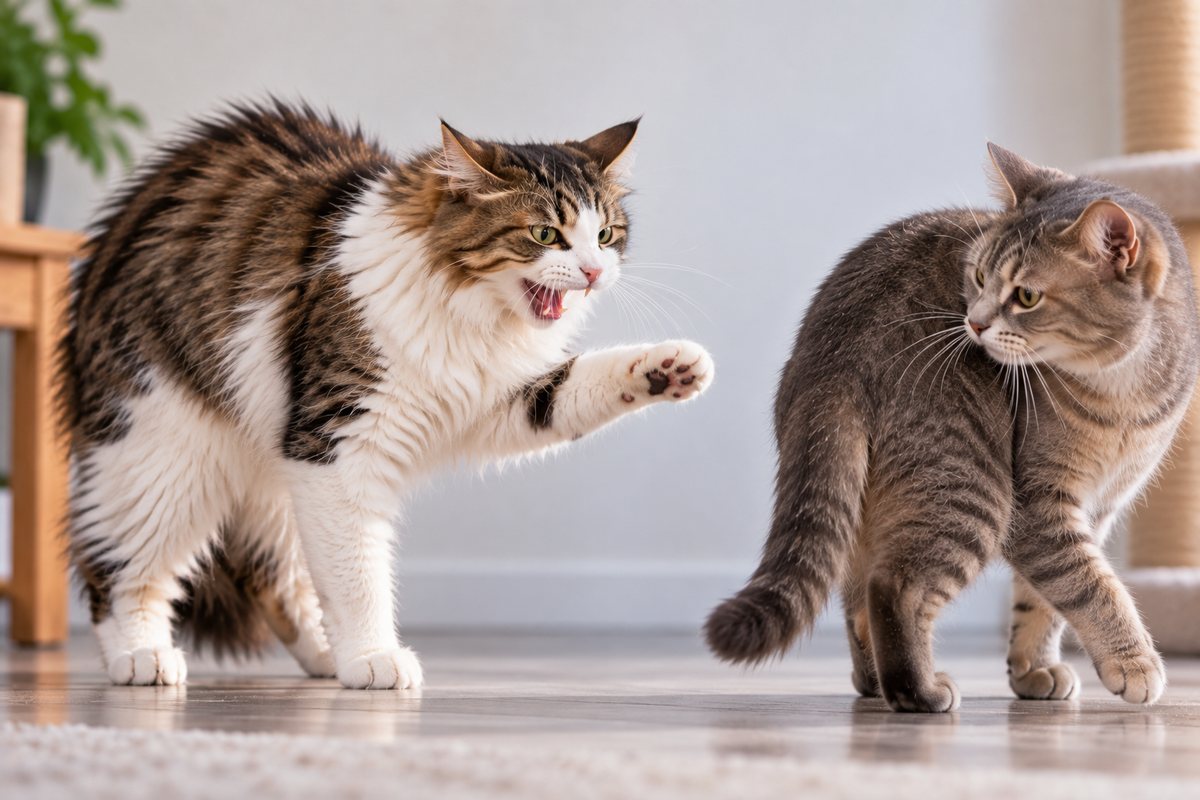
| Defensive & conflict behaviour | Low Snowshoes are generally social, affectionate and interactive cats with a confident Siamese-derived temperament tempered by a companion-oriented style. They are usually low-conflict, though boredom or competition for attention can produce vocal or assertive boundary-setting. |
| Household & environment | |
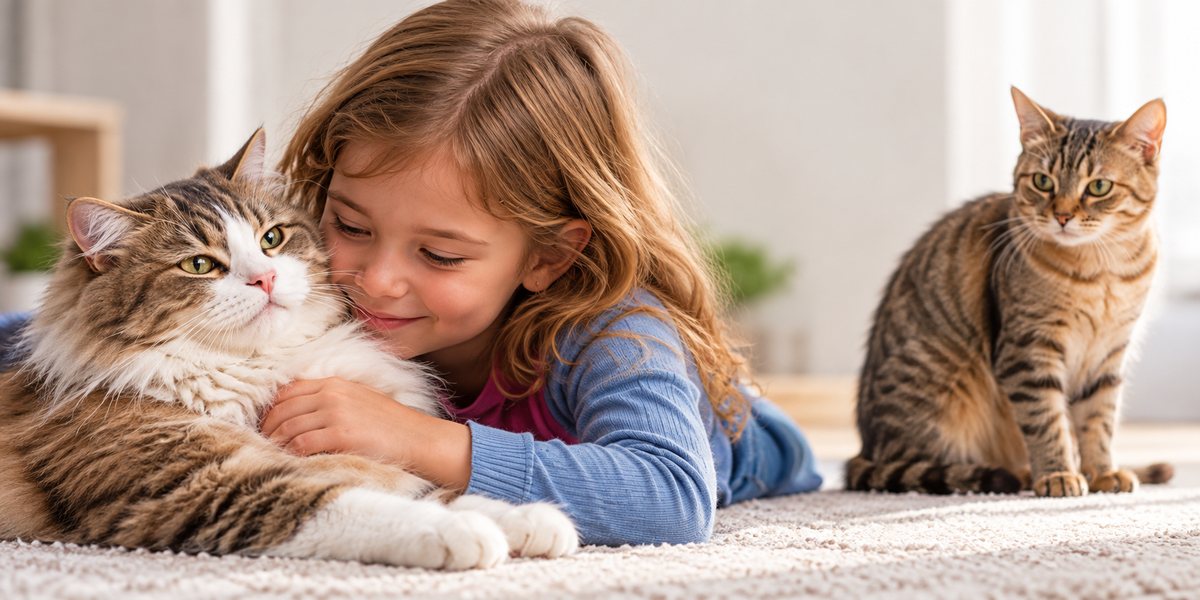
| Living with children | Generally good with children The breed is usually a strong family companion and commonly does well with children. |
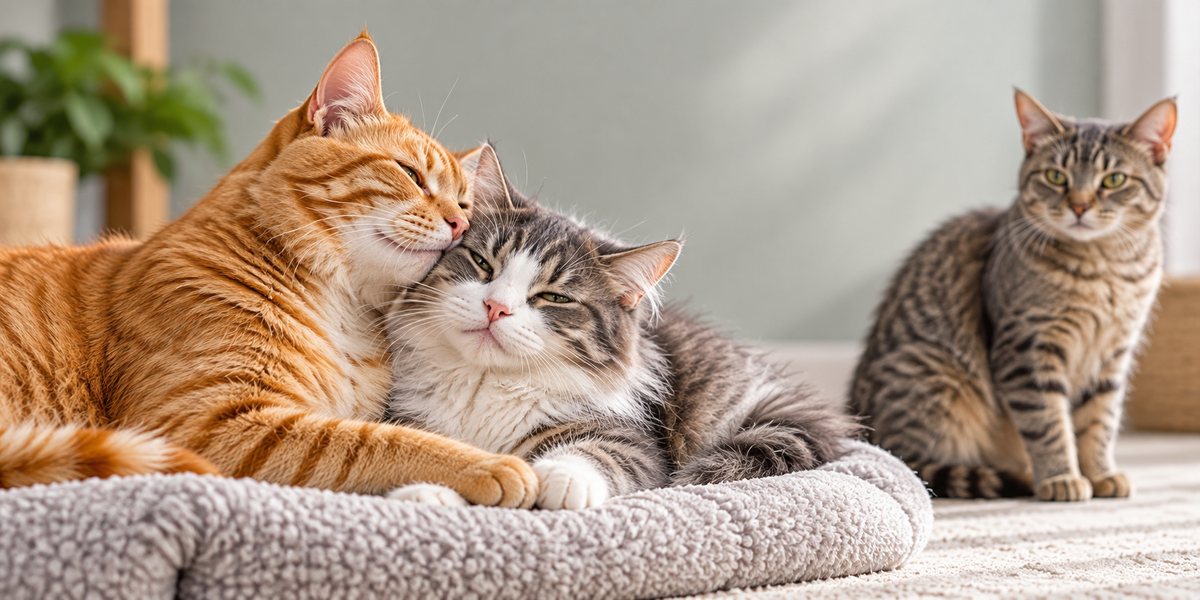
| Living with other cats | Favorable tendency Generally gets along well with other cats, though some individuals prefer more exclusive attention. |
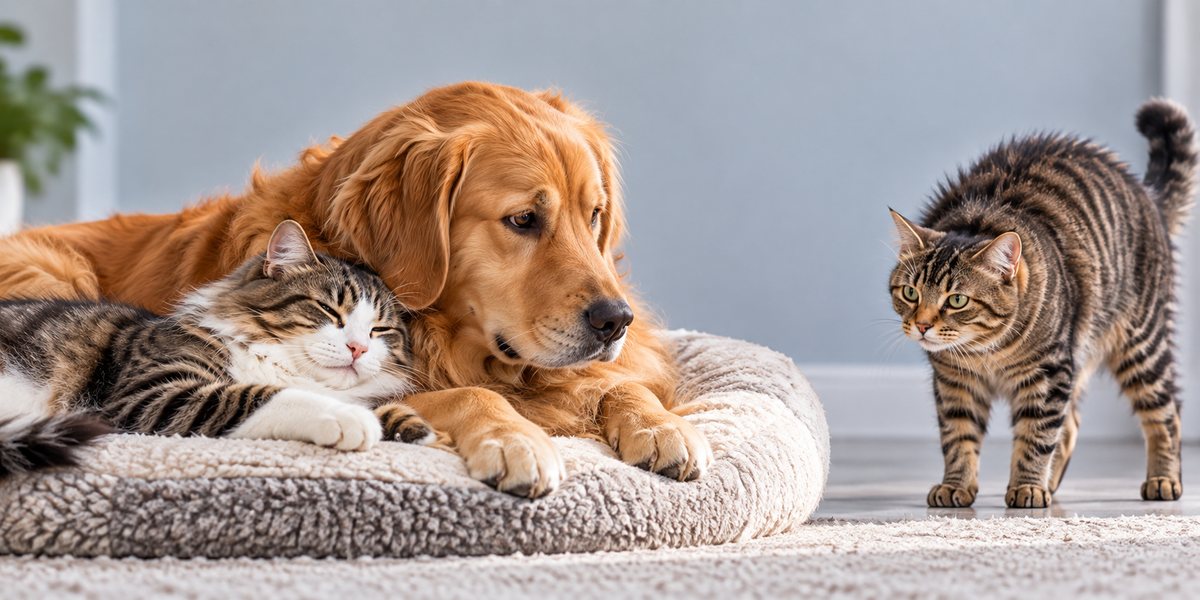
| Living with dogs | Good Snowshoes are generally social, playful and confident cats. Many can form good relationships with friendly dogs, especially when the dog enjoys interaction without chasing and both animals receive enough attention. |
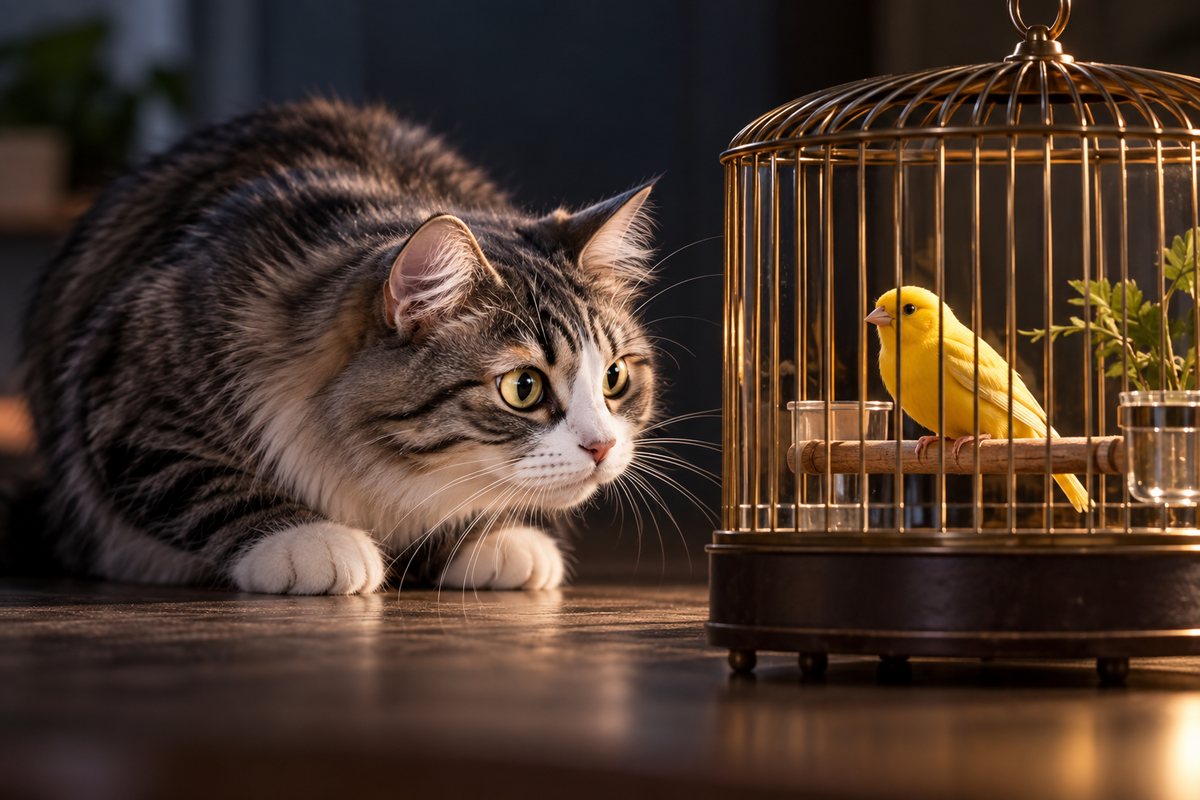
| Living around small pets | Additional caution Snowshoes are active, intelligent Siamese-derived cats with a playful chase-and-pounce style. Small animals can trigger that response, making secure separation prudent around birds and rodents. |
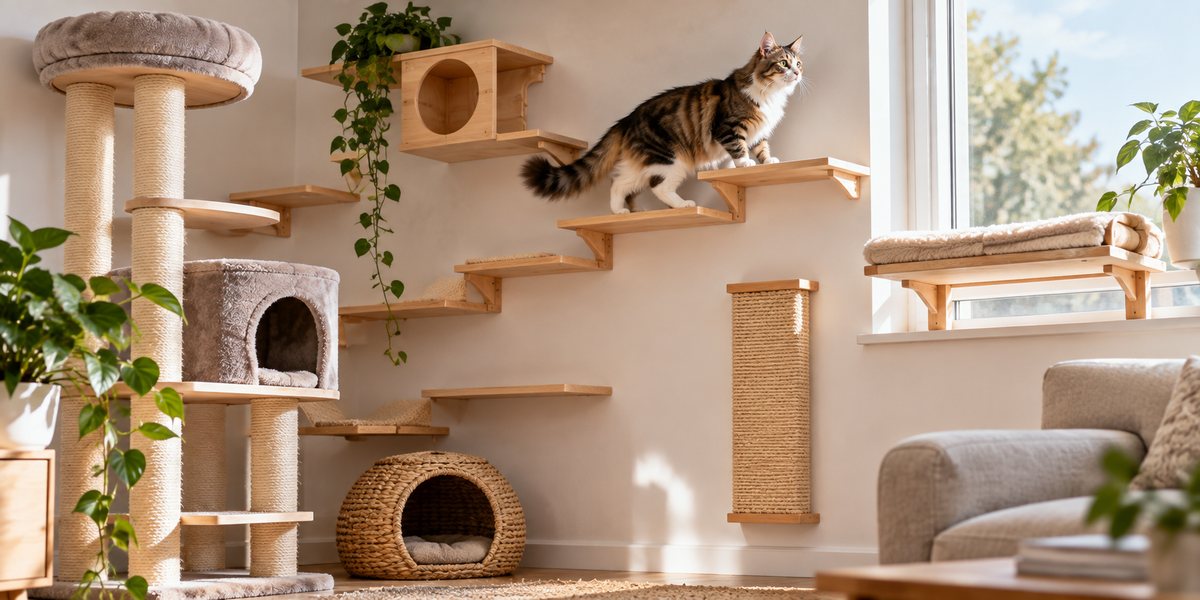
| Indoor & home environment needs | Social enriched indoor Snowshoes are active, social Siamese-derived cats that generally want both play and companionship. Indoor homes should provide climbing territory, interactive games, puzzle feeding and regular involvement with people or compatible animals. |
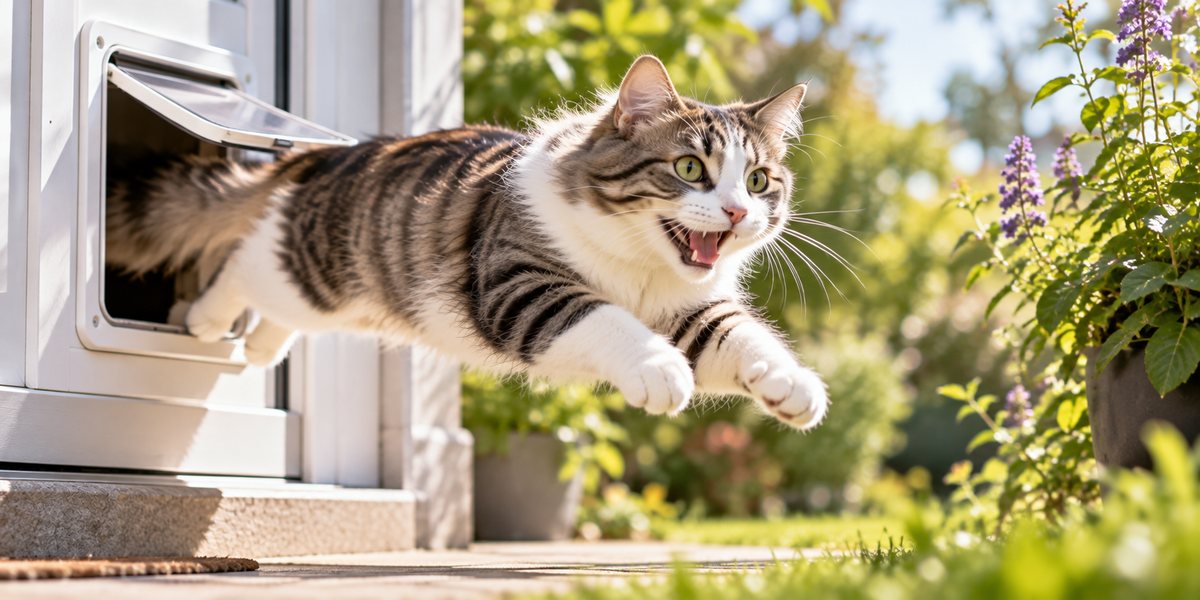
| Outdoor access considerations | Secure social Snowshoes are active, social and curious Siamese-derived cats. Secure garden, catio or harness access can add useful exploration without exposing an inquisitive companion to the hazards of unrestricted roaming. |
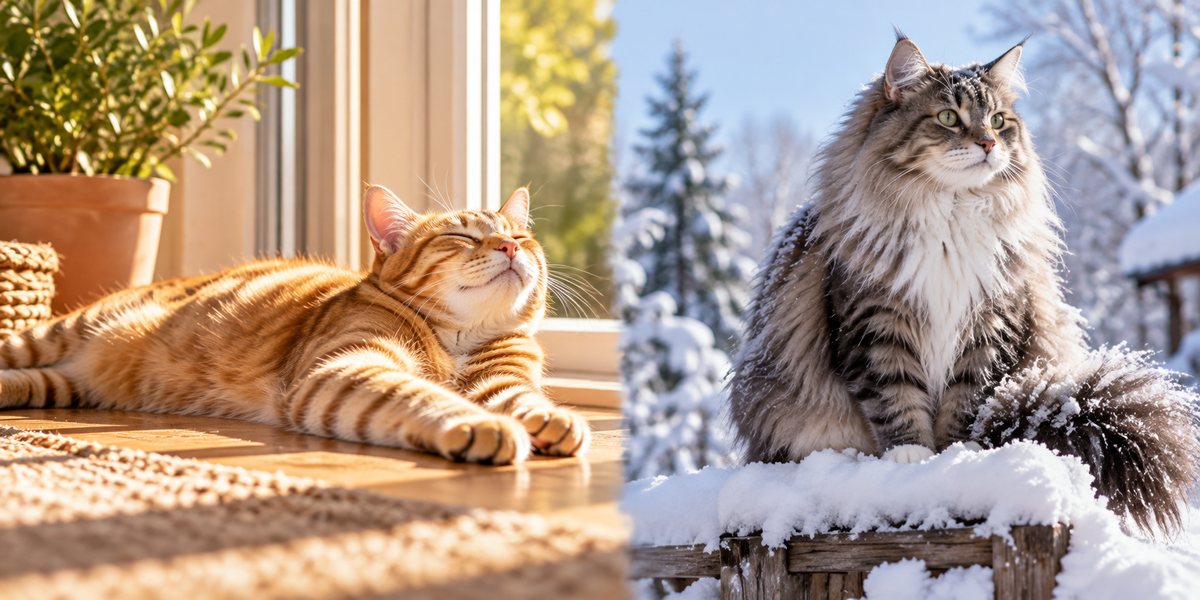
| Heat, cold & sun considerations | Shortcoat warmth preference Snowshoes have a short coat with moderate insulation and generally suit normal indoor temperatures. They may seek warm resting places in cold weather, while shade and plentiful water remain important during heat. |
| Caregiver time & experience | Very high This breed is likely to suit a caregiver who can provide substantial daily engagement and keep up with its routine care. |
| Health & welfare | |
| Documented health predispositions | No major breed-specific predisposition is known The Snowshoe is generally regarded as a healthy breed without a prominent breed-specific disease pattern. |
| Screening & breeder questions | Ask for documentation relevant to the breed’s recorded health concerns Ask about hypertrophic cardiomyopathy, progressive retinal atrophy, amyloidosis and kidney disease in the family, and what cardiac or genetic screening is used given the breed's Siamese ancestry. |
| Conformation-related welfare | Low conformation concern Snowshoes have moderate Siamese-derived proportions without a defining structural mutation. Breeding should preserve normal facial anatomy, muscular condition and sound movement rather than pushing the type toward extreme refinement. |
| Nutrition & weight management | Active condition led Snowshoes are active, muscular cats with no special dietary requirement. A complete diet adjusted to exercise and body condition is appropriate, with measured feeding preventing gradual gain as youthful activity declines. |
| Longevity | 15–20+ years Reported life span is commonly around 15–20 years or longer. |
| Cost & availability | |
| Purchase cost | High: $600–$1,800 Snowshoe: a practical breeder-market estimate is $600–$1,800. This reflects that it is an recognized but less common Siamese-derived breed. |
| Adoption & rehoming cost | Uncommon in rescue: $100–$500 typical rescue/adoption fee Snowshoe: $100–$500 typical rescue/adoption fee. The breed does appear in rescue, but much less often than mixed-breed cats or the most numerous pedigrees. |
| Recurring ownership costs | Enrichment/toy replacement Routine costs are moderate: simple coat care, ordinary food and litter, dental/preventive veterinary work and plenty of social play. Their rarity affects acquisition more than everyday maintenance. |
| Availability, waits & import | Uncommon but established Snowshoes have established breeders in North America, Europe and elsewhere but are far less numerous than Siamese. Prospective owners may need to search regionally and wait for the characteristic white-marked kittens. |
| Identity & real-world context | |
| Ownership & import restrictions | No known breed specific restrictions There are no known breed-specific ownership restrictions. Ordinary animal-welfare, identification, vaccination and cross-border import rules still apply where relevant. |
| Registry recognition | TICA: Championship-recognized / current breed identity Currently recognized by TICA in the FSC core matrix; it is not a separately recognized CFA or FIFe breed identity there. |
| Similar breeds & identity distinctions | Siamese Birman Snowshoes combine Siamese-derived colorpoint with white feet and facial/body white spotting. They are shorter and more moderate than many modern Siamese and lack the Birman's semi-long coat; the characteristic white pattern plus pedigree is central. |
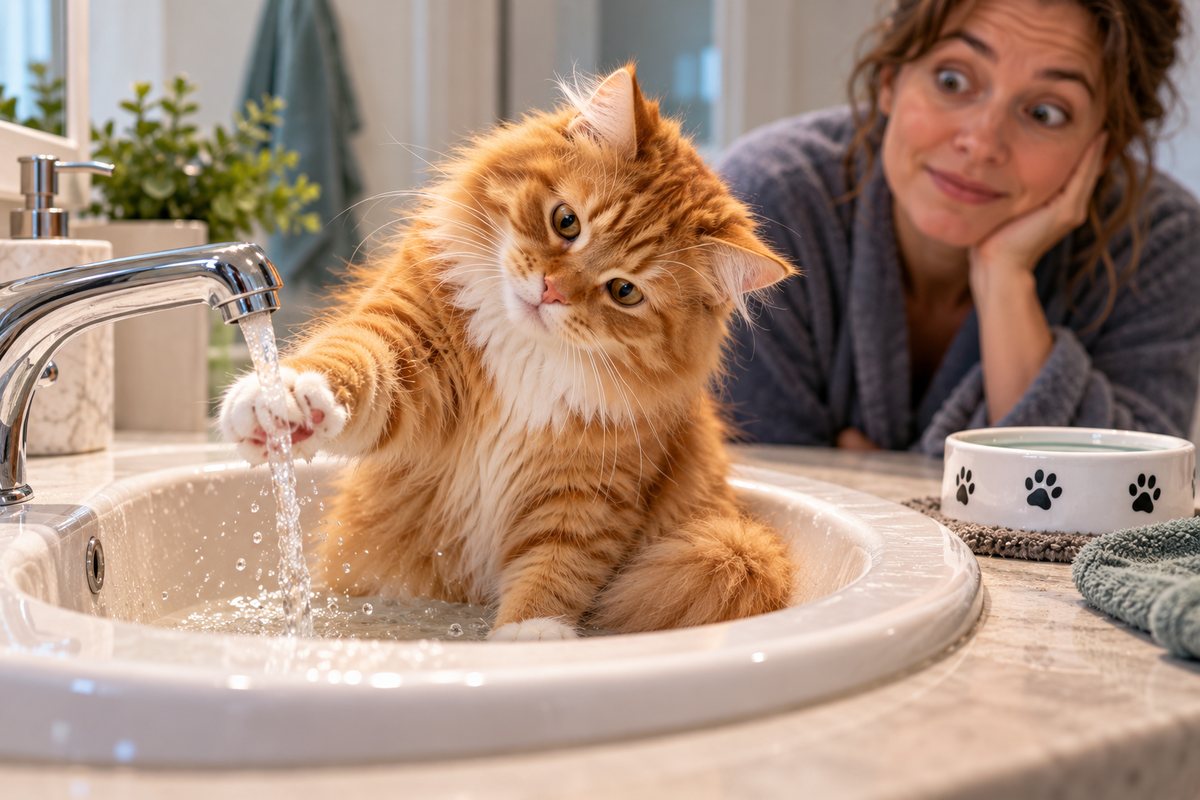
| Reported characteristic quirks | Many are fascinated by water and may swim Snowshoes are unusually interested in water; some will splash, join a bath or even swim. |
Browse all 53 breed characteristics
Open any characteristic to compare all breeds on that dimension.
 English