
Compare Cat Breeds
Compare up to three breeds across all 53 characteristics. Values are shown directly so the differences are easier to scan.
| Characteristic | 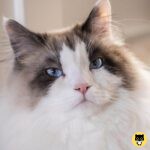 Siberian |
|---|---|
| Body & development | |
| Adult size | Medium to large |
| Adult weight | Females 3.5–5.5 kg (7.7–12.1 lb); males 5.0–8.0 kg (11.0–17.6 lb) Siberians are substantial and sexually dimorphic; females are commonly about 3.5–5.5 kg (7.7–12.1 lb), males 5.0–8.0 kg (11.0–17.6 lb). |
| Build & distinguishing morphology | Powerful · heavy boned · barrel contours Build: powerful; heavy boned; barrel contours. |
| Maturation | 3-5 years Siberians are slow-maturing cats. Their large frame, powerful musculature and full triple coat can continue developing for several years, with full physical maturity commonly around 3–5 years. |
| Coat & appearance | |
| Coat length | Semi long Seasonally variable semi-longhair triple coat. |
| Coat texture & undercoat | Semilong · triple coat · thick winter undercoat · water resistant Coat: semilong; triple coat; thick winter undercoat; water resistant. |
| Colors & patterns | Wide variety including pointed Colors/patterns: wide variety including pointed. |
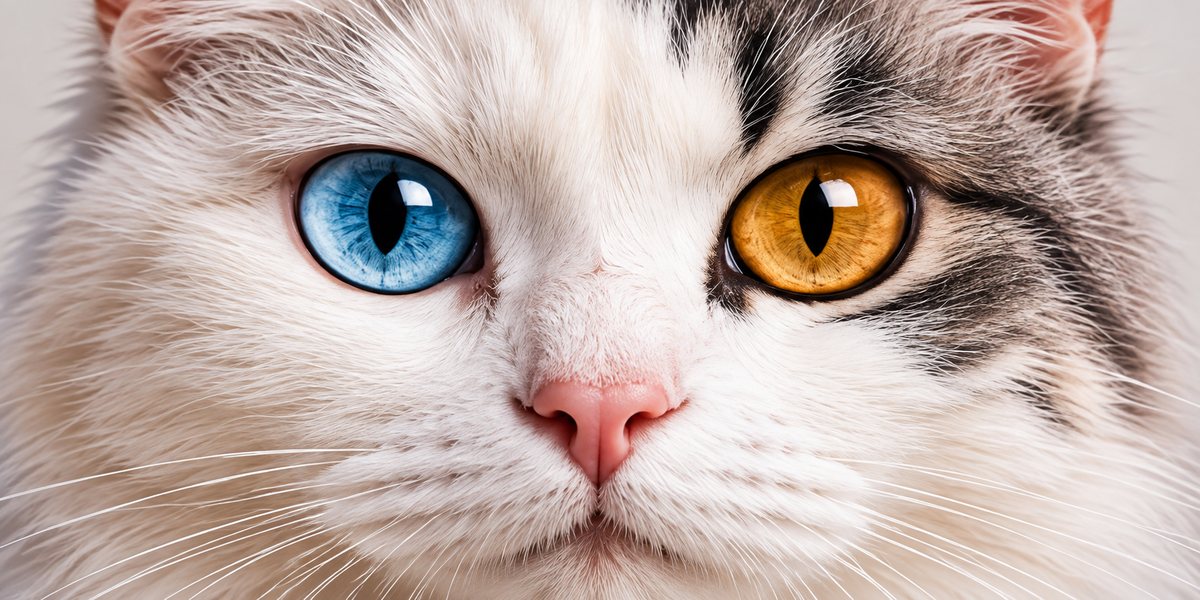
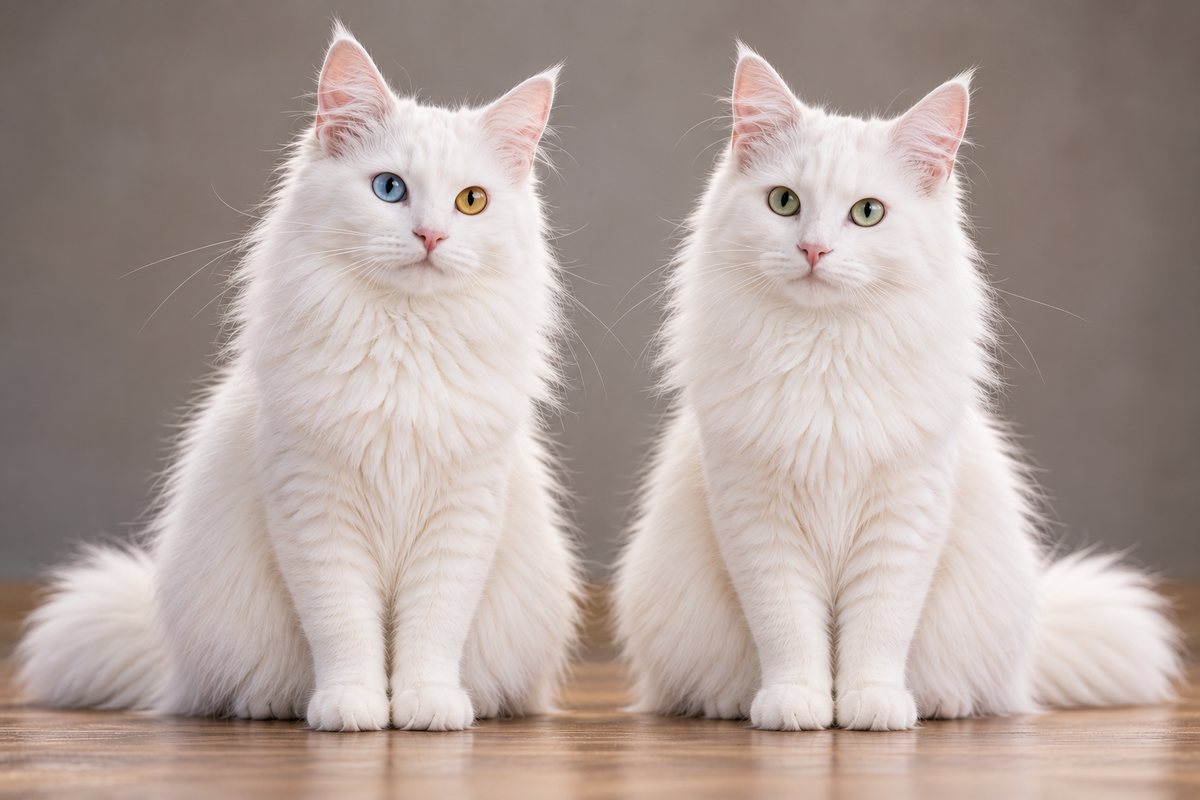
| Eye colors | Green · gold · copper; blue in pointed or white Green, gold and copper occur widely; blue is associated with pointed Neva-type cats and can occur in white cats. |
| Coat & routine care | |
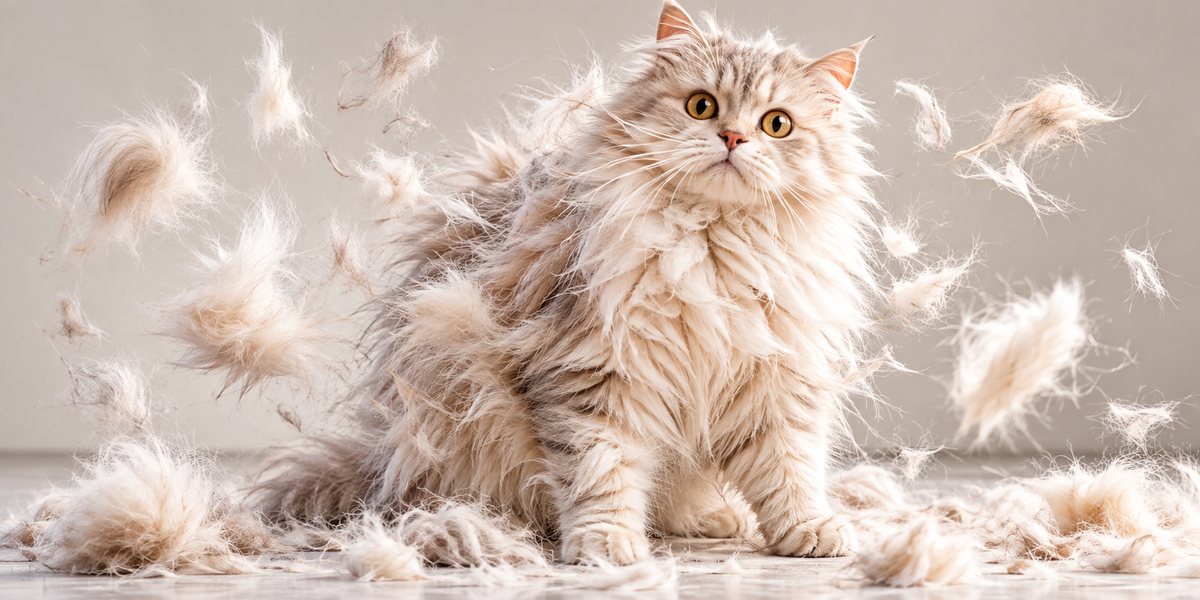
| Shedding | High seasonal High seasonal shedding, especially during spring release of the dense winter undercoat. |
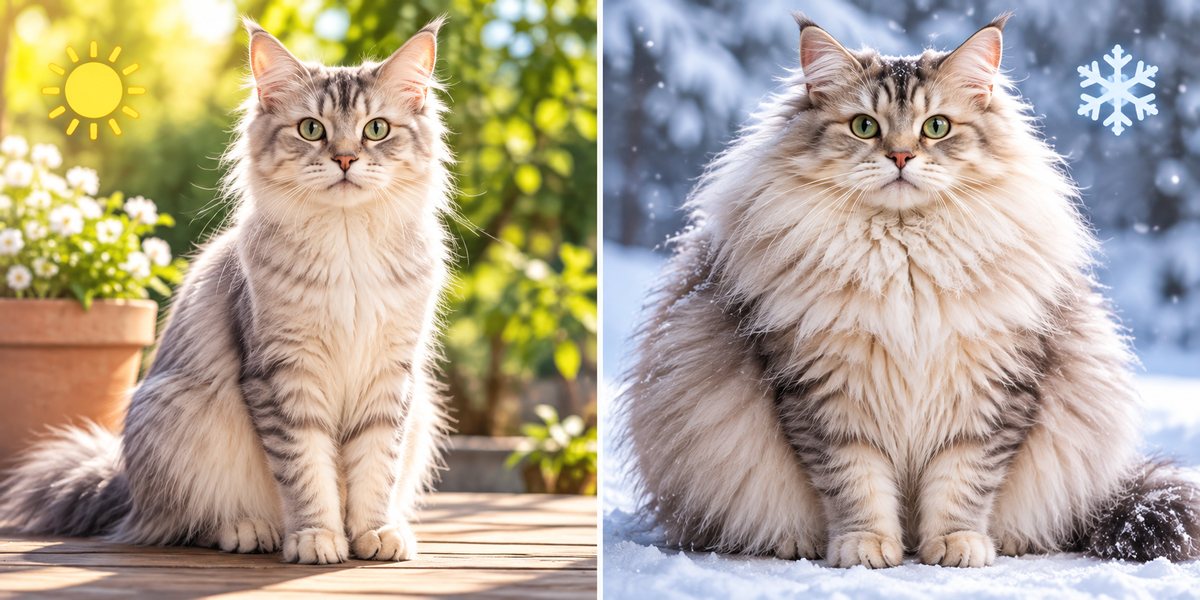
| Seasonal coat changes | Thick full winter triple coat · shorter less dense summer Seasonal coat: thick full winter triple coat; shorter less dense summer. |
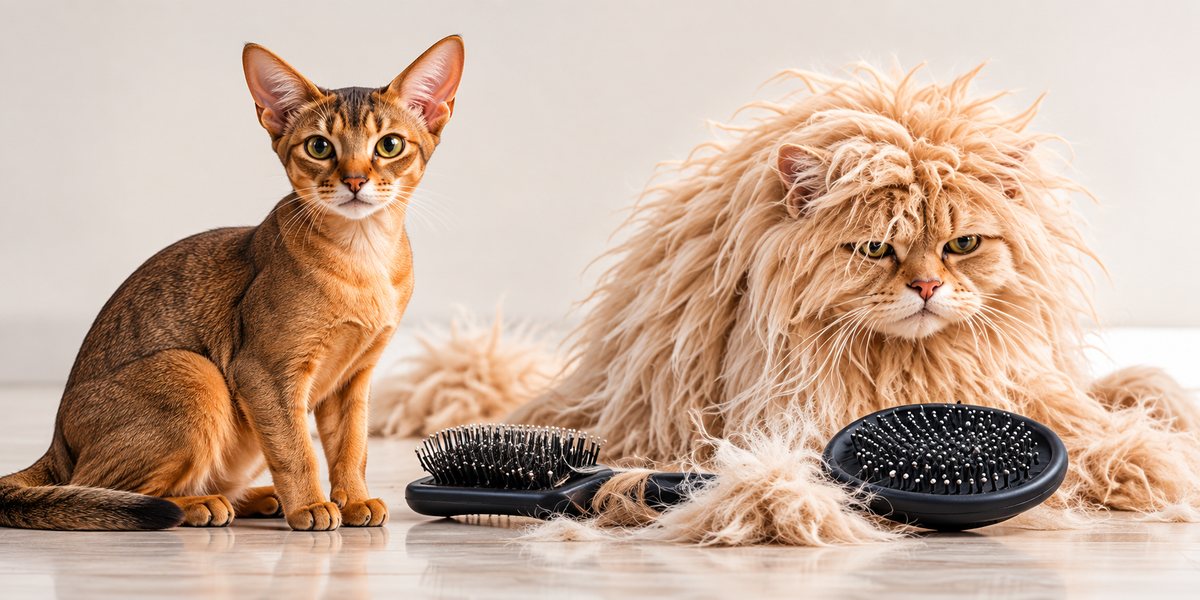
| Brushing & combing | 2x week · more shed season Brushing/combing: 2x week; more shed season. |
| Tangle & matting tendency | Moderate to high seasonal The semi-long triple coat can knot as the thick winter undercoat sheds; ruff, belly, armpits and trousers need the closest attention. |
| Skin & bathing care | Bath rare due water resistant coat Skin/bathing: bath rare due water resistant coat. |
| Distinctive routine care | Dense triple coat care Siberians need regular combing through the dense weather-resistant coat, with much more work during seasonal shedding. Pay particular attention to armpits, belly and hindquarters and use grooming to monitor body condition under the heavy coat. |
| Allergy & allergen evidence | Not hypoallergenic · possible lower fel d1 in some individuals Siberians are not reliably hypoallergenic. Some individual cats may produce comparatively less Fel d 1, but production varies within the breed and cannot be assumed for a particular cat. |
| Activity & intelligence | |
| Activity level | High |
| Playfulness | High |
| Climbing & jumping | High |
| Enrichment demand | High High enrichment demand: climbing, vigorous play, hunting-style games and exploration suit its powerful, curious and athletic nature. |
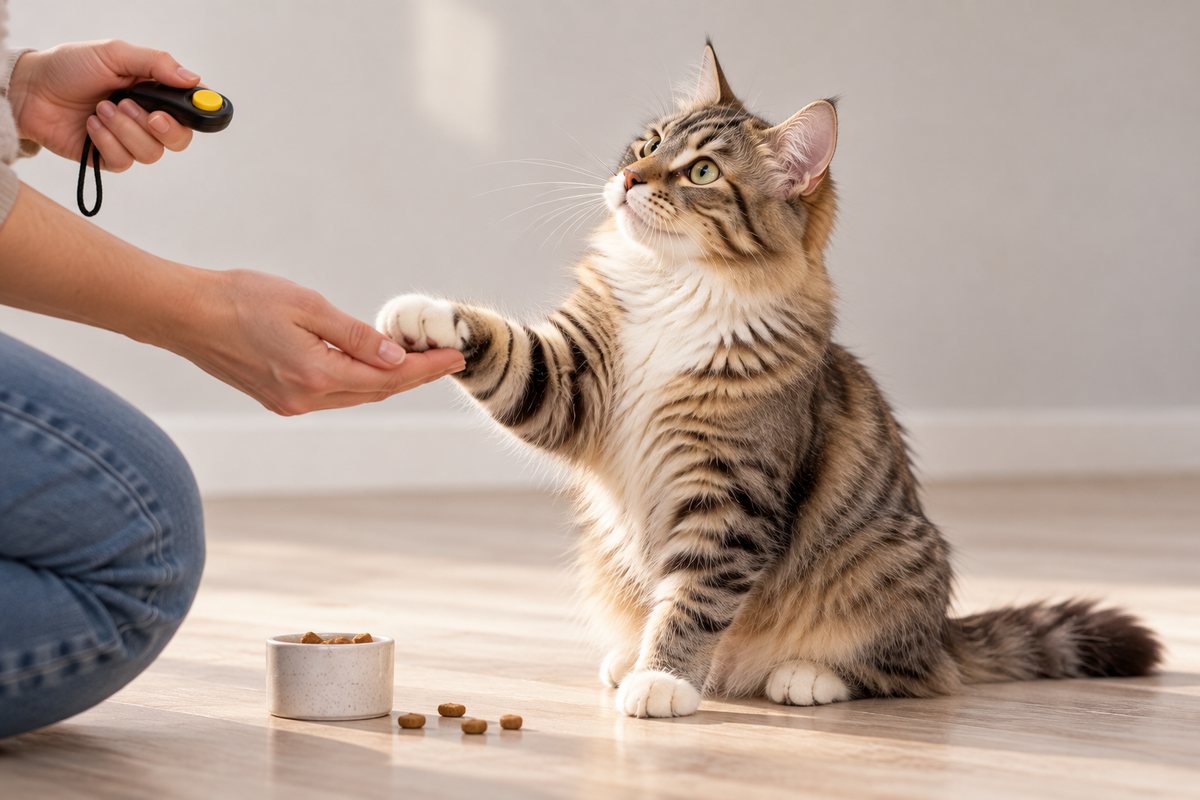
| Learning & training | High Siberians are extremely intelligent and quick to learn household rules; their curiosity and problem-solving ability also make puzzles and interactive training rewarding. |
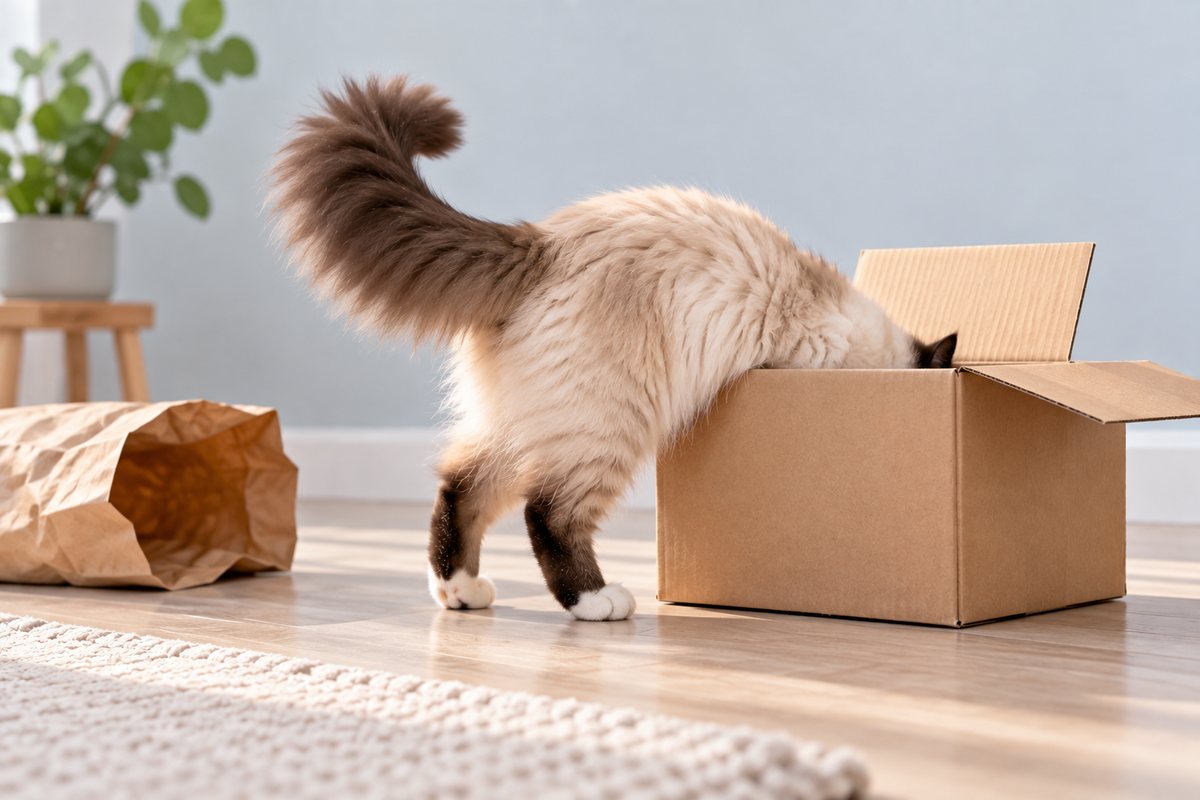
| Curiosity & exploration | Very high Siberians are intensely inquisitive, athletic cats that readily investigate cupboards, cabinets, bags and elevated spaces and tend to engage actively with environmental novelty. |
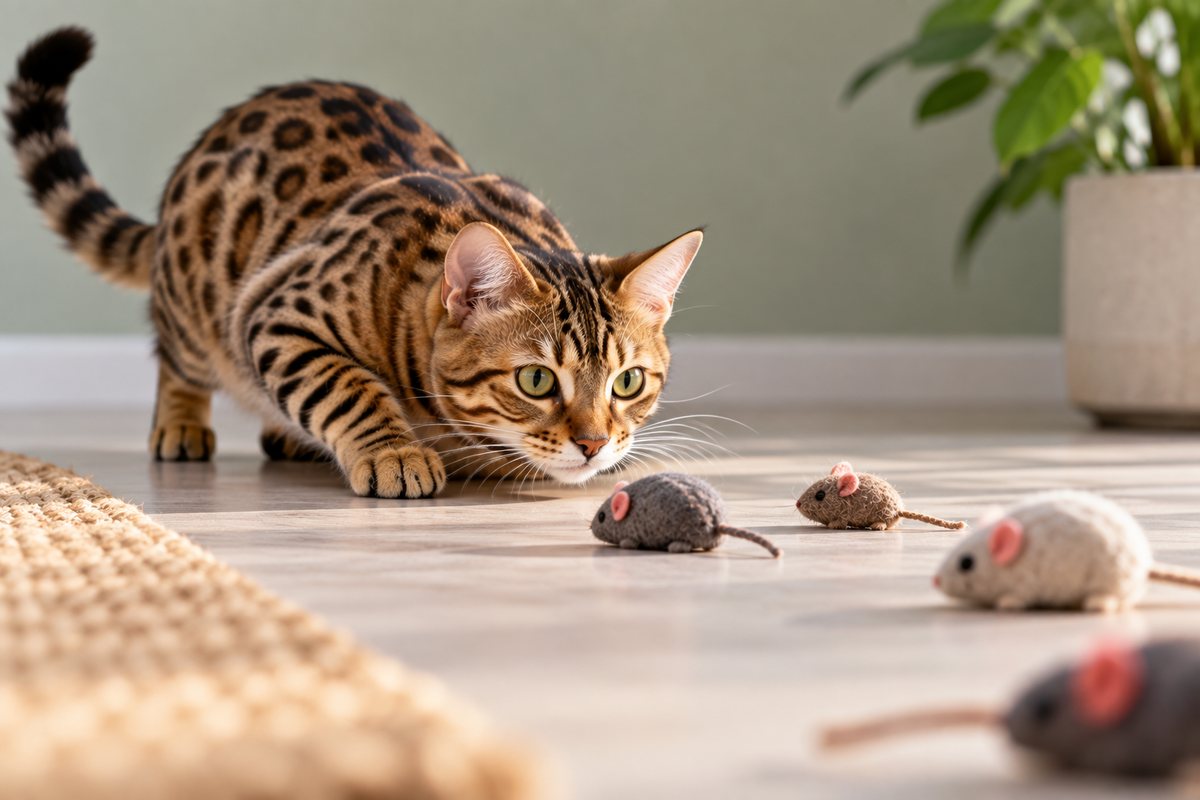
| Hunting & chasing tendencies | High Strong hunting behavior is expected. Siberians are powerful, agile natural cats with established hunting ability and typically enjoy stalking and pursuit games. |
| Personality & social | |
| Sociability with familiar people | Very high Siberians are strongly people-oriented family companions that commonly combine affection with confident sociability. |
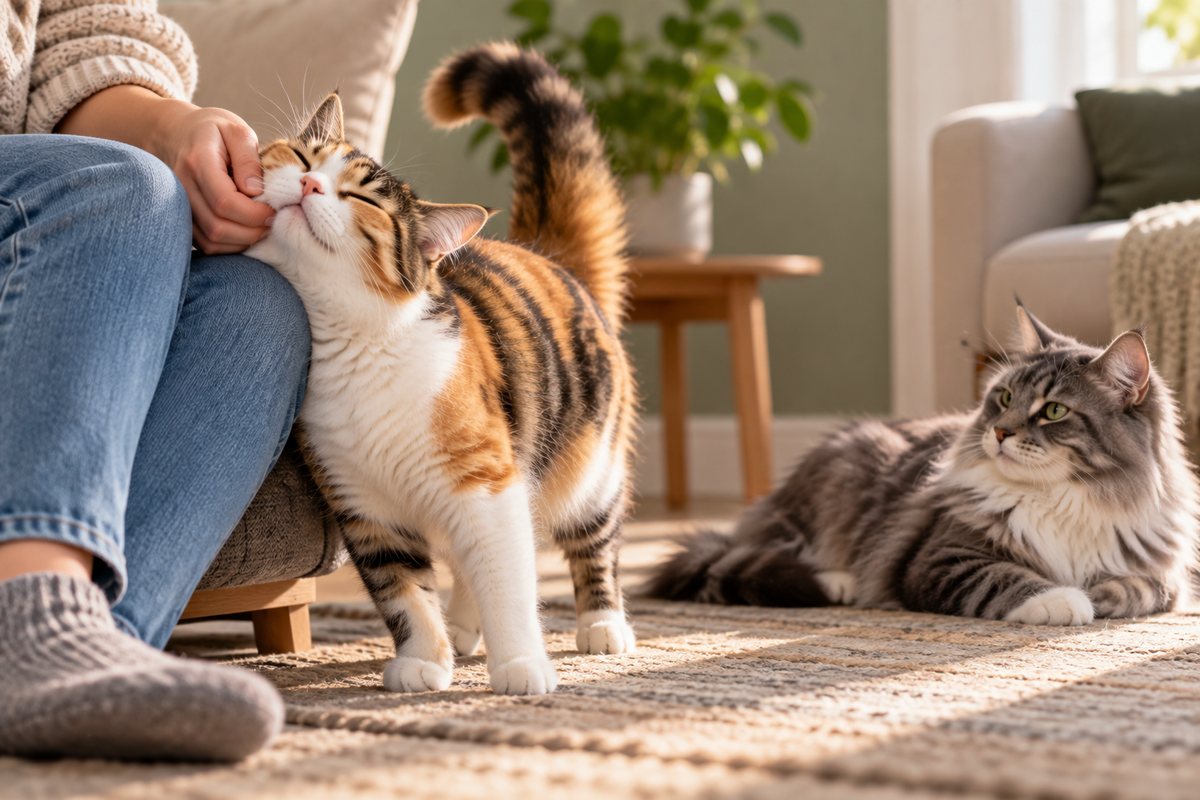
| Affection | Following · proximity · interactive playful · lap contact Affection combines following, participation and close contact. |
| Lap & cuddling preference | High Close physical companionship is common. |
| Handling tolerance | High Siberians are typically confident, sociable and physically robust, and most accustomed cats tolerate grooming, lifting and examination well; support the large hindquarters when carrying. |
| Independence & social demand | High Strong family involvement supports high social engagement without evidence of extreme dependence. |
| Vocalization | Moderate Communicates with characteristic chirping, especially in greeting, without evidence for very high continuous vocalization. |
| Response to unfamiliar people | High Confident friendly temperament generally supports visitor acceptance. |
| Adaptability to change | High Confident natural-breed temperament supports good adaptability. |
| Noise & busy-environment sensitivity | Low Confident, adaptable and robust, Siberians generally cope well with active households and ordinary noise, especially when climbing and retreat options are available. |
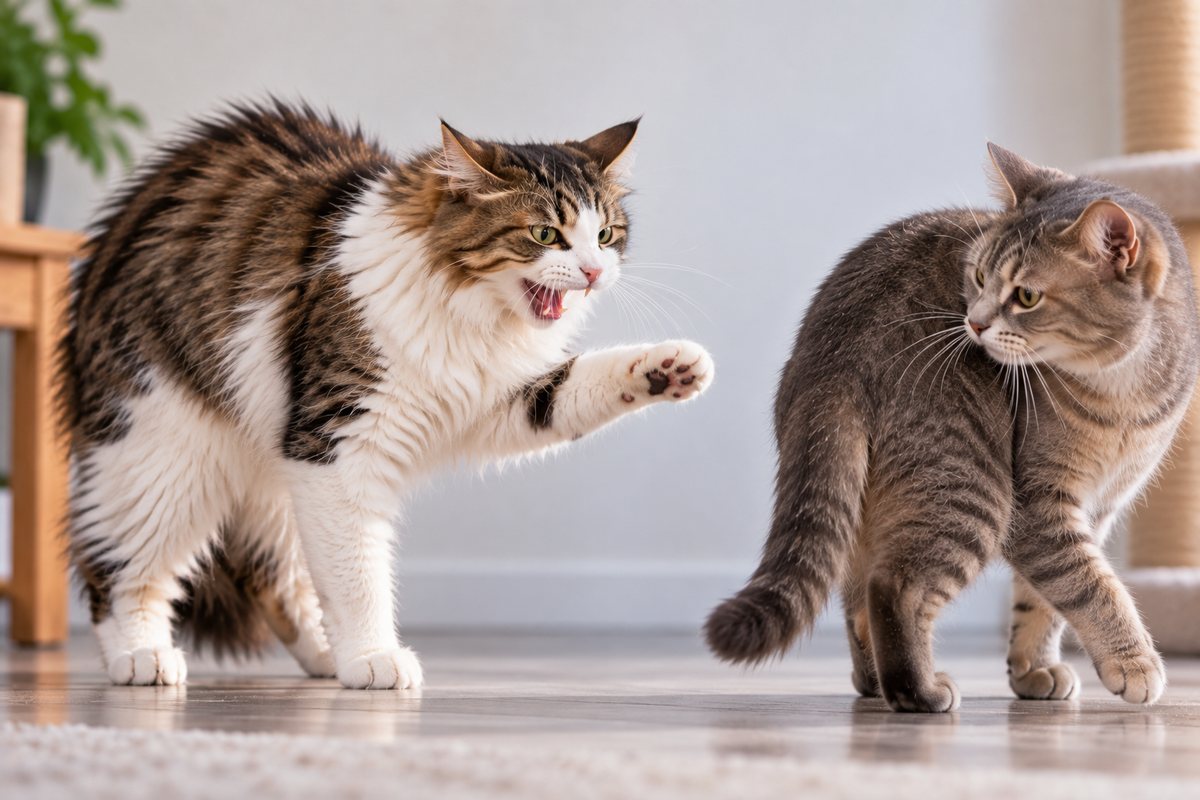
| Defensive & conflict behaviour | Low Siberians are generally confident, sociable and steady cats whose self-assurance tends to reduce fear-based defensiveness. They are powerful animals and can enforce boundaries firmly, but ordinary household conflict is usually manageable with space and gradual introductions. |
| Household & environment | |
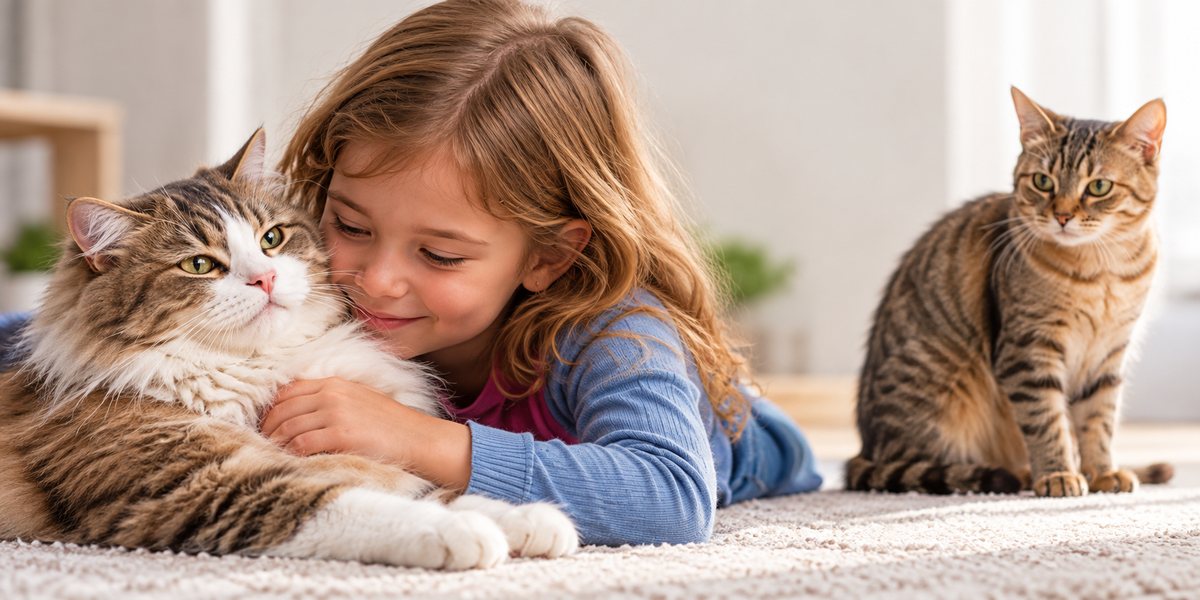
| Living with children | Favorable tendency Friendly confident family temperament generally suits respectful children. |
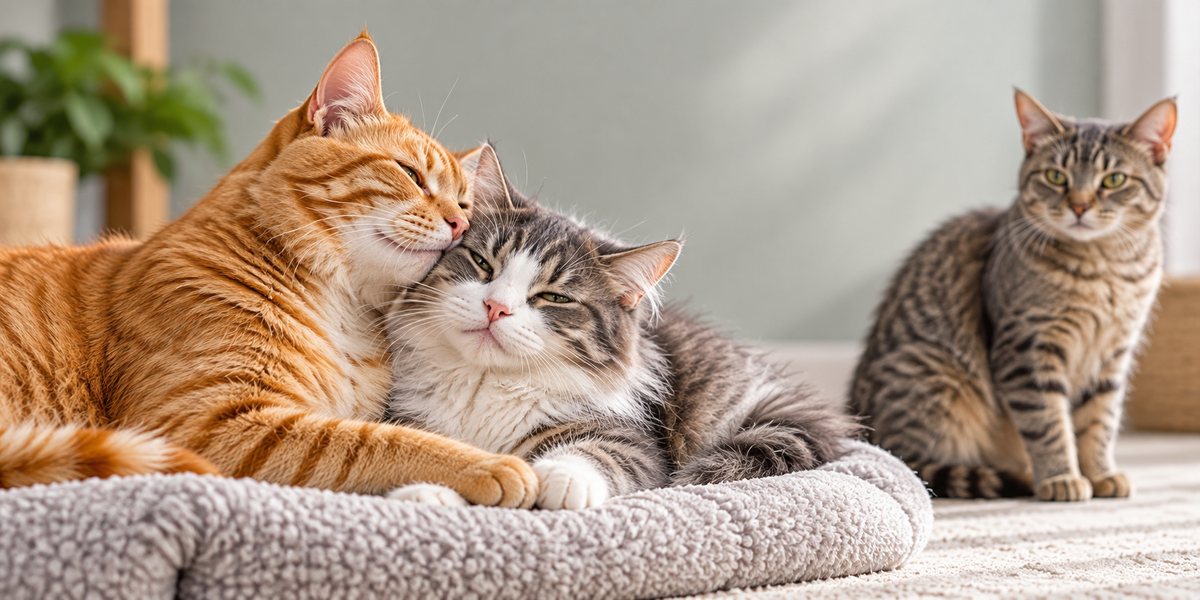
| Living with other cats | Often workable Siberians are typically social, confident family cats and often live successfully with other cats. Their size and playfulness make matched energy levels and generous shared resources useful in multi-cat homes. |
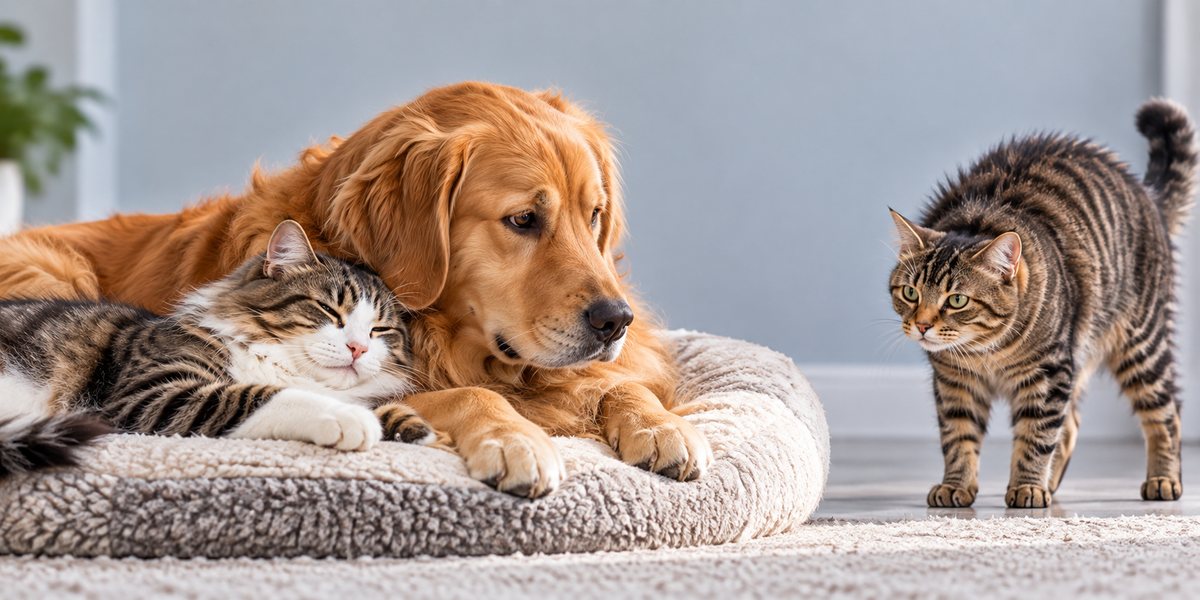
| Living with dogs | Moderate Confident sociability can support compatible dogs. |
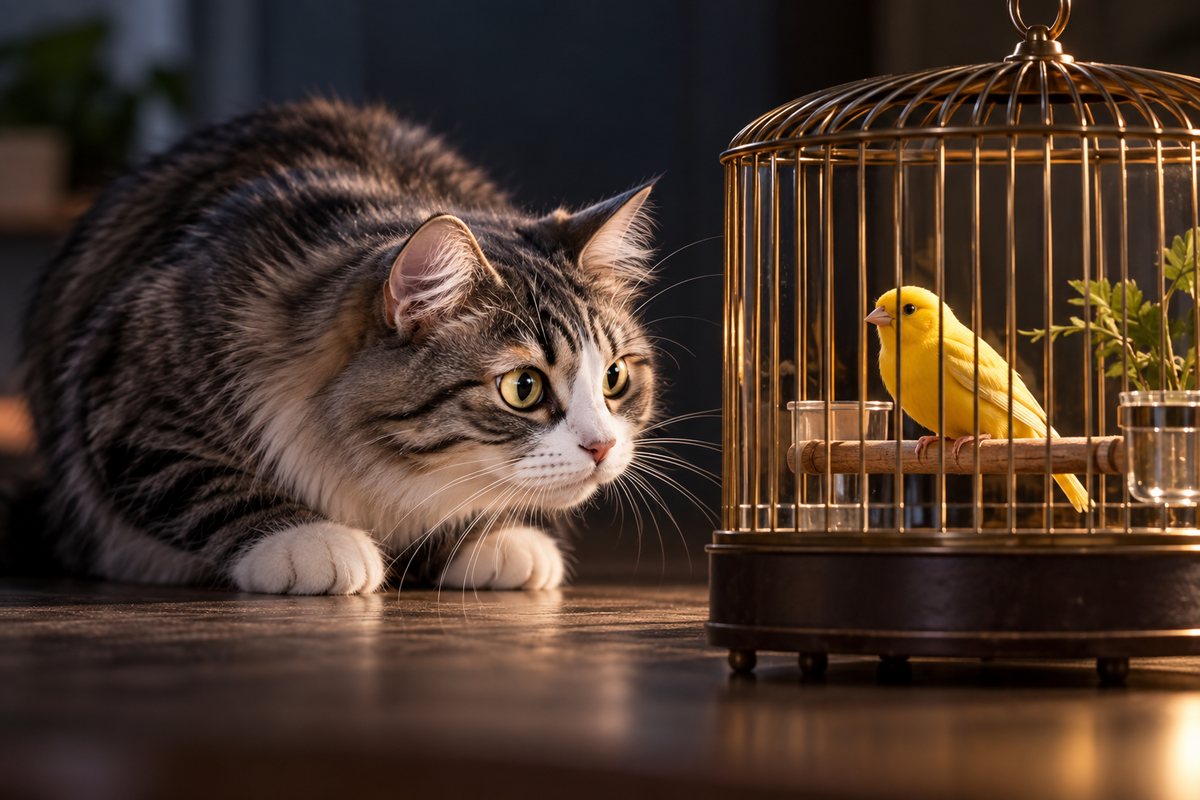
| Living around small pets | Additional caution Siberians are powerful, agile natural-breed cats with substantial climbing and hunting ability. Their friendly social temperament does not reduce the physical risk they pose to birds, rodents and other small animals. |
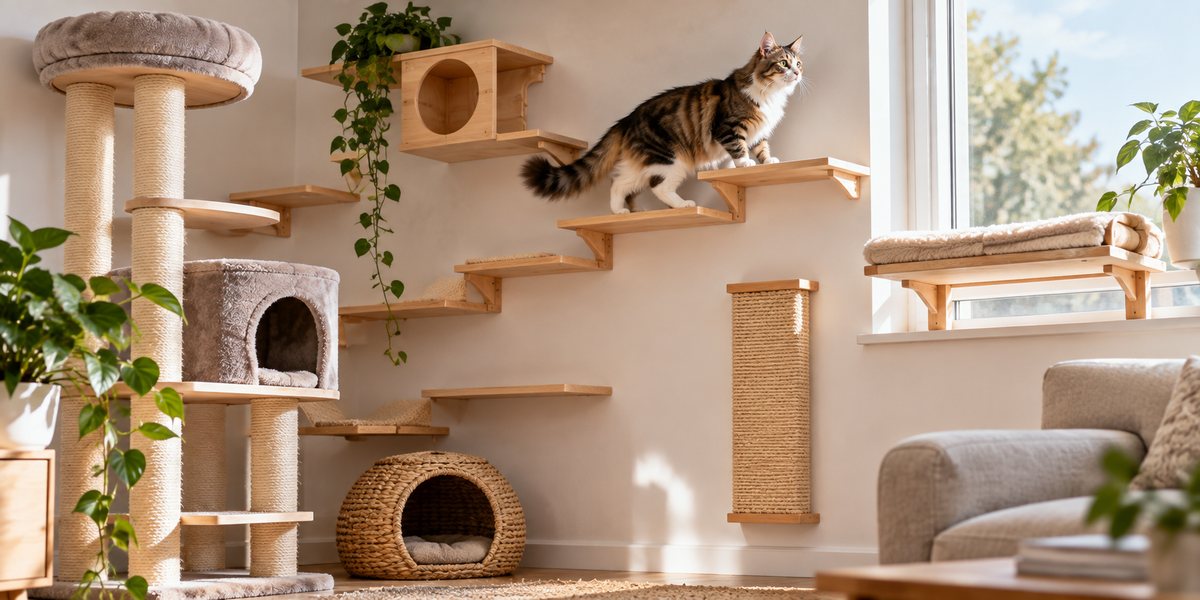
| Indoor & home environment needs | Vertical space · interactive home Agility, investigation and family involvement favor climbing and interactive opportunities. |
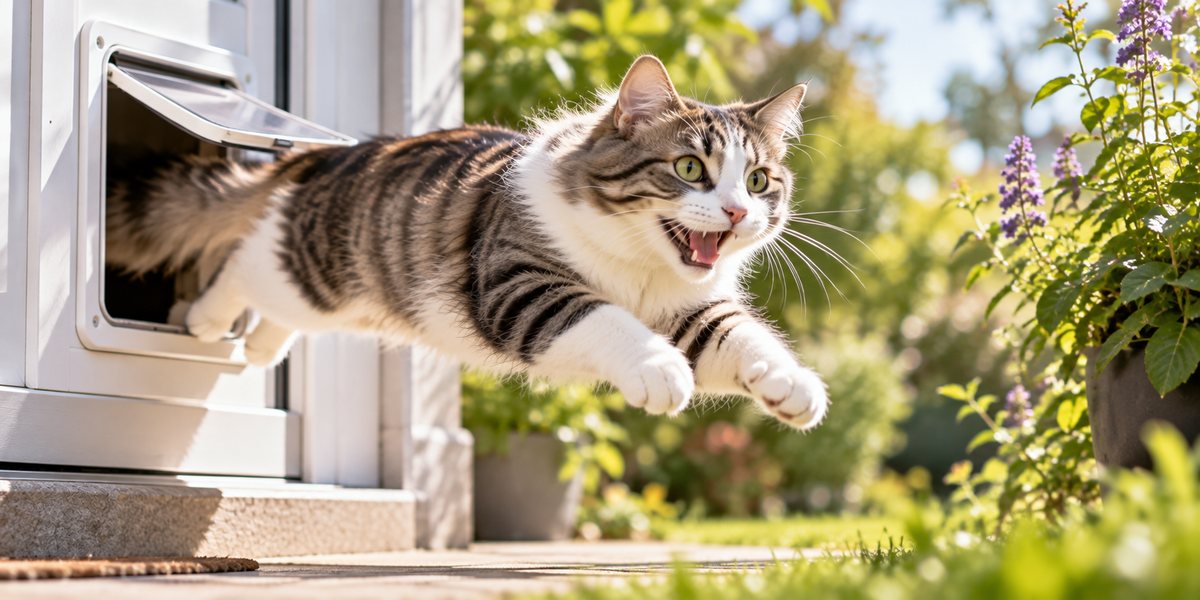
| Outdoor access considerations | Secure outdoor access possible · hunting management Natural-breed robustness supports outdoor activity, while hunting/general outdoor risks still require control. |
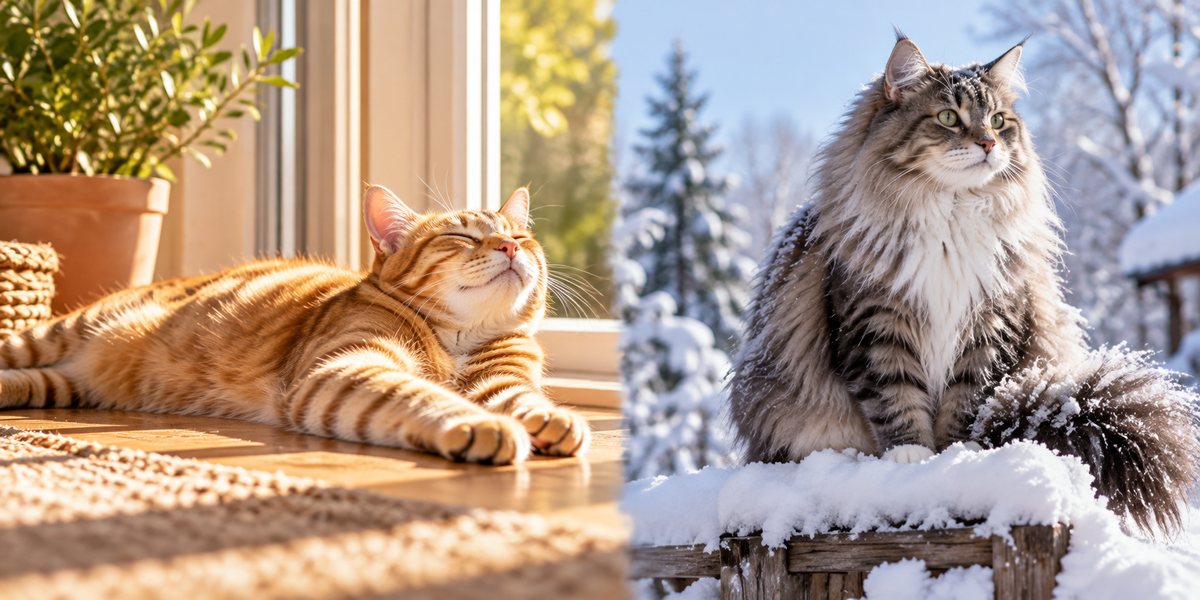
| Heat, cold & sun considerations | Cold adapted Triple/semi-long weather-resistant coat reflects strong cold-climate adaptation. |
| Caregiver time & experience | Moderate Coat maintenance and substantial family interaction require regular involvement. |
| Health & welfare | |
| Documented health predispositions | Moderate known risks Siberians are generally robust, but hypertrophic cardiomyopathy is a recognized inherited concern in the breed. Cardiac screening and family history are therefore important even when an individual appears exceptionally healthy and athletic. |
| Screening & breeder questions | Ask what health problems are tracked in the lines and request actual test results Ask for repeated hypertrophic cardiomyopathy screening information, including echocardiography and family cardiac history. Request records for both parents because a healthy appearance does not rule out inherited HCM risk. |
| Conformation-related welfare | Low to moderate large type Siberians are large, powerful natural-breed cats whose size should remain compatible with agility and sound joints. Selection should preserve functional climbing and movement rather than maximizing mass or coat volume. |
| Nutrition & weight management | Large growth weight control Siberians are large, muscular cats that mature gradually. Support steady growth with complete nutrition rather than accelerated size, then keep adults lean to protect joints and cardiac health; dense coat makes hands-on assessment important. |
| Longevity | 12–17 years Siberians are robust, naturally developed cats; about 12–17 years is a practical expectation, with cardiac screening relevant in some lines. |
| Cost & availability | |
| Purchase cost | High: $800–$2,500 Siberian / Siberian Forest: a practical breeder-market estimate is $800–$2,500. This reflects that it is an popular pedigree breed with strong demand and substantial breeder presence. |
| Adoption & rehoming cost | Occasionally available: $75–$400 typical rescue/adoption fee Siberian / Siberian Forest: $75–$400 typical rescue/adoption fee. The breed is sufficiently numerous that genuine examples sometimes enter ordinary rescue or breed-rescue channels. |
| Recurring ownership costs | Coat maintenance · large robust climbing equipment Large size, a dense seasonal coat and sturdy equipment make routine costs somewhat above average. Home grooming can control coat expense, while HCM-aware veterinary planning and a good emergency reserve are prudent. |
| Availability, waits & import | Widely available Siberians have a substantial breeder population across Russia, Europe, North America and other regions. Availability is generally good in major markets, although particular lines or colors may still involve waiting lists. |
| Identity & real-world context | |
| Ownership & import restrictions | No known breed specific restrictions There are no known breed-specific ownership restrictions. Ordinary animal-welfare, identification, vaccination and cross-border import rules still apply where relevant. |
| Registry recognition | CFA: recognized breed/division · TICA: Championship-recognized / current breed identity · FIFe: fully recognized breed / mapped breed identity Currently recognized in all three registries tracked by the FSC core matrix: CFA, TICA and FIFe. |
| Similar breeds & identity distinctions | Neva Masquerade Norwegian Forest Maine Coon Siberians are large, rounded and powerful with a dense triple coat. Neva Masquerades are their colorpoint counterpart; Norwegian Forest Cats are more triangular-headed and Maine Coons more rectangular with a square muzzle. |
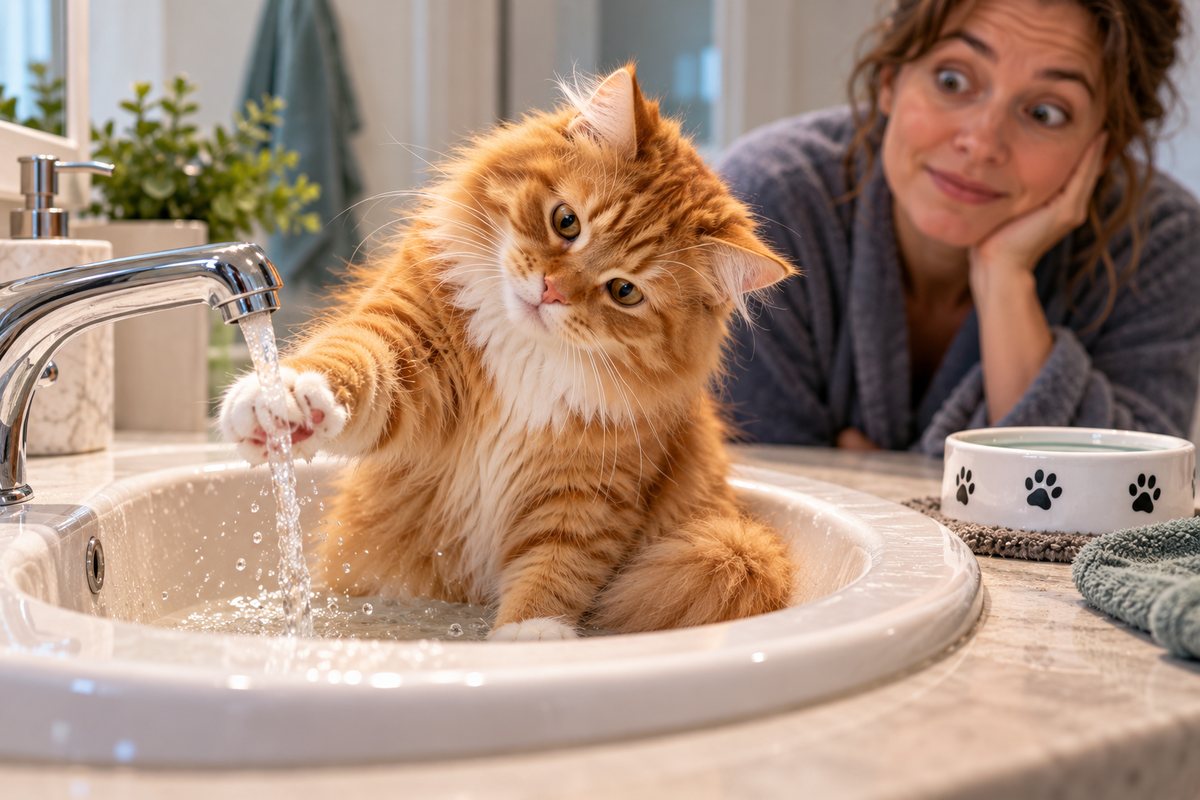
| Reported characteristic quirks | Individual quirks often center on play and exploration Siberians are often fascinated by water and may paw at bowls or taps, while their powerful build does not stop ambitious jumps to high perches. Some also retrieve toys persistently. |
Browse all 53 breed characteristics
Open any characteristic to compare all breeds on that dimension.

 English