
Compare Cat Breeds
Compare up to three breeds across all 53 characteristics. Values are shown directly so the differences are easier to scan.
| Characteristic |  Siamese |
|---|---|
| Body & development | |
| Adult size | Medium |
| Adult weight | Females 2.3–3.6 kg (5.1–7.9 lb); Males 3.6–5.4 kg (7.9–11.9 lb) Siamese females are commonly about 2.3–3.6 kg (5–8 lb) and males about 3.6–5.4 kg (8–12 lb), carried on a long, fine-boned but muscular frame. |
| Build & distinguishing morphology | Long, lean, muscular and angular The modern Siamese is long and tubular, with long legs and tail, a triangular head and a surprisingly muscular frame. |
| Maturation | 12-18 months Siamese cats generally reach their long, slender adult frame within the first year and finish developing muscle and adult condition through roughly 12–18 months. |
| Coat & appearance | |
| Coat length | Very short Very short, close-lying coat. |
| Coat texture & undercoat | Short · fine glossy · close lying · minimal undercoat The Siamese coat is short, very fine, glossy and close-lying, with little undercoat and almost no plush stand-off from the body. |
| Colors & patterns | Pointed pattern in recognized Siamese colors The defining pattern is a pale body with darker points on the face, ears, legs and tail. |
| Eye colors | Vivid blue Vivid blue eyes are required by the colourpoint phenotype. |
| Coat & routine care | |
| Shedding | Low Low shedding from the very short, fine coat with little undercoat. |
| Seasonal coat changes | Minimal to mild seasonal change The Siamese coat is very short, fine and lightly undercoated; seasonal change is normally subtle, although shedding can rise briefly in spring or autumn. |
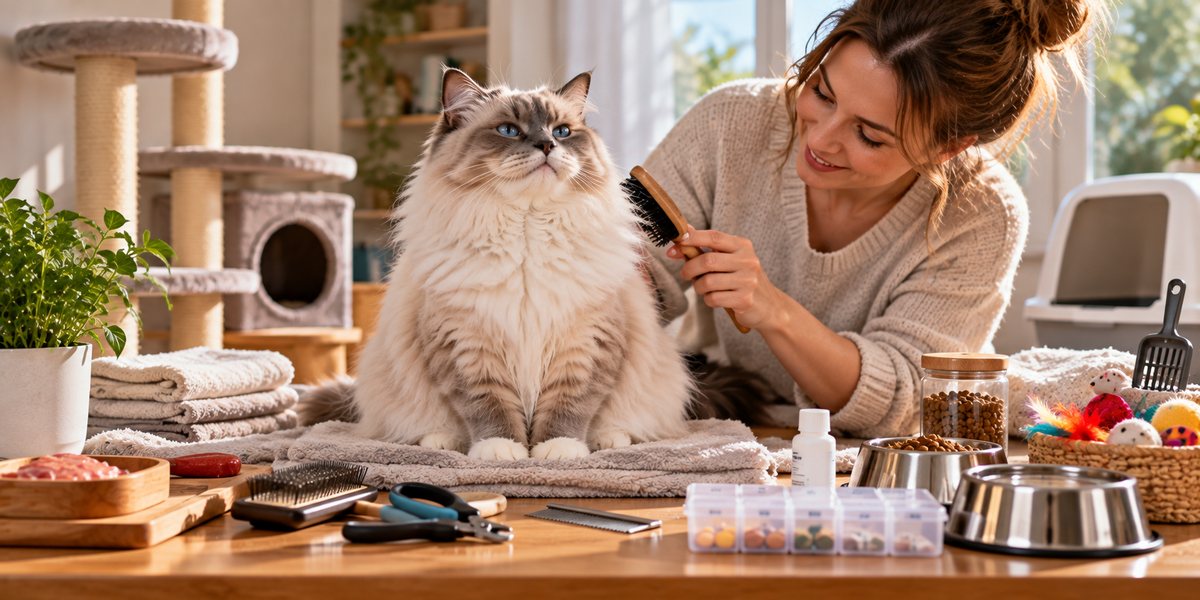
| Brushing & combing | Weekly or as needed The very short coat needs only occasional to weekly soft brushing; many Siamese can be maintained largely by hand grooming. |
| Tangle & matting tendency | Very low The very fine close coat has minimal undercoat and essentially no matting tendency. |
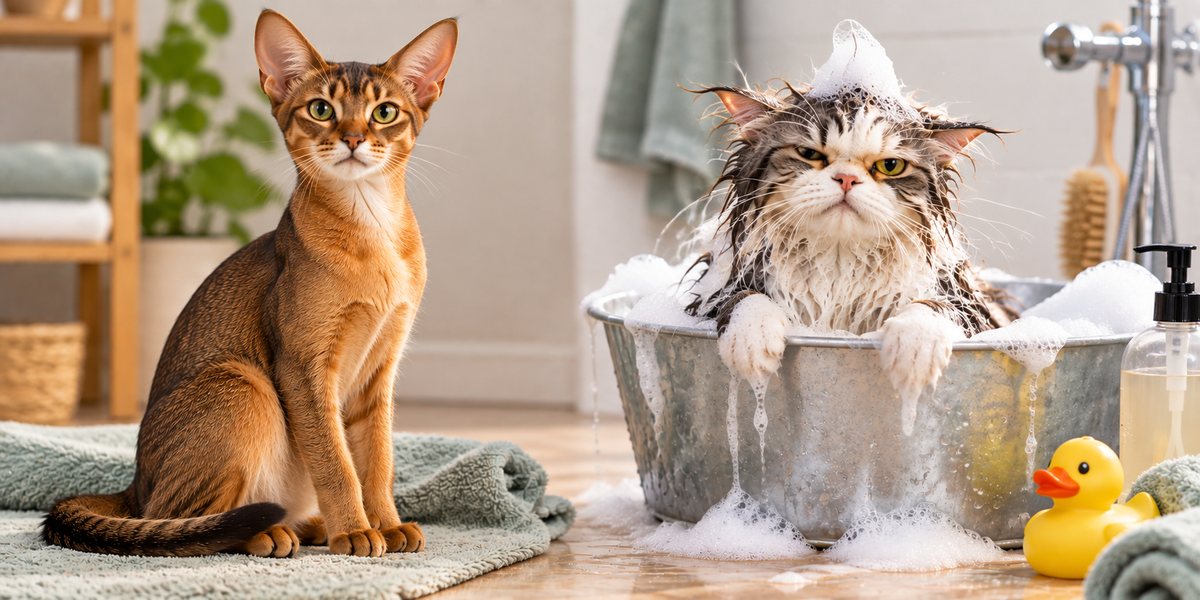
| Skin & bathing care | Bathing not routinely needed Routine bathing is generally unnecessary; bathe only when the coat is genuinely soiled or for a specific veterinary or grooming reason. |
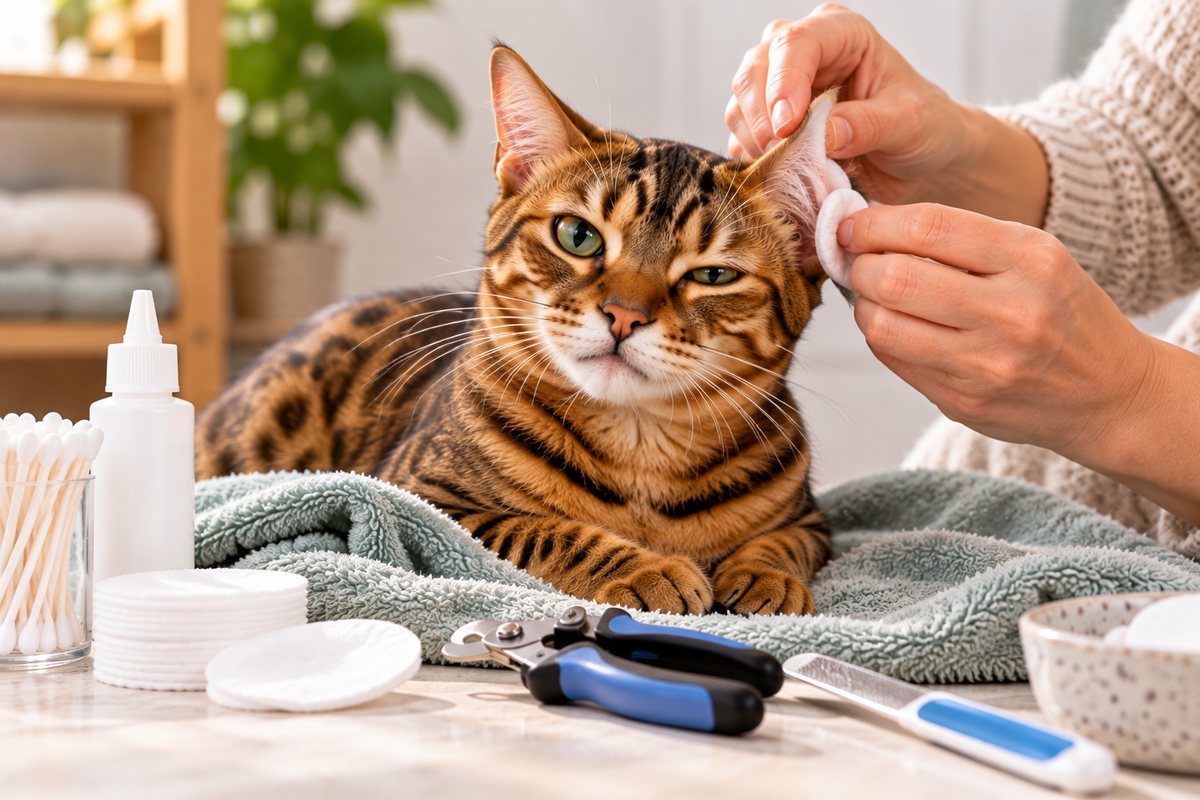
| Distinctive routine care | Simple coat social dental care Siamese coats need very little maintenance, but dental hygiene and routine nails and ears deserve attention. Frequent social interaction and mental stimulation are also recurring care needs for this highly involved breed. |
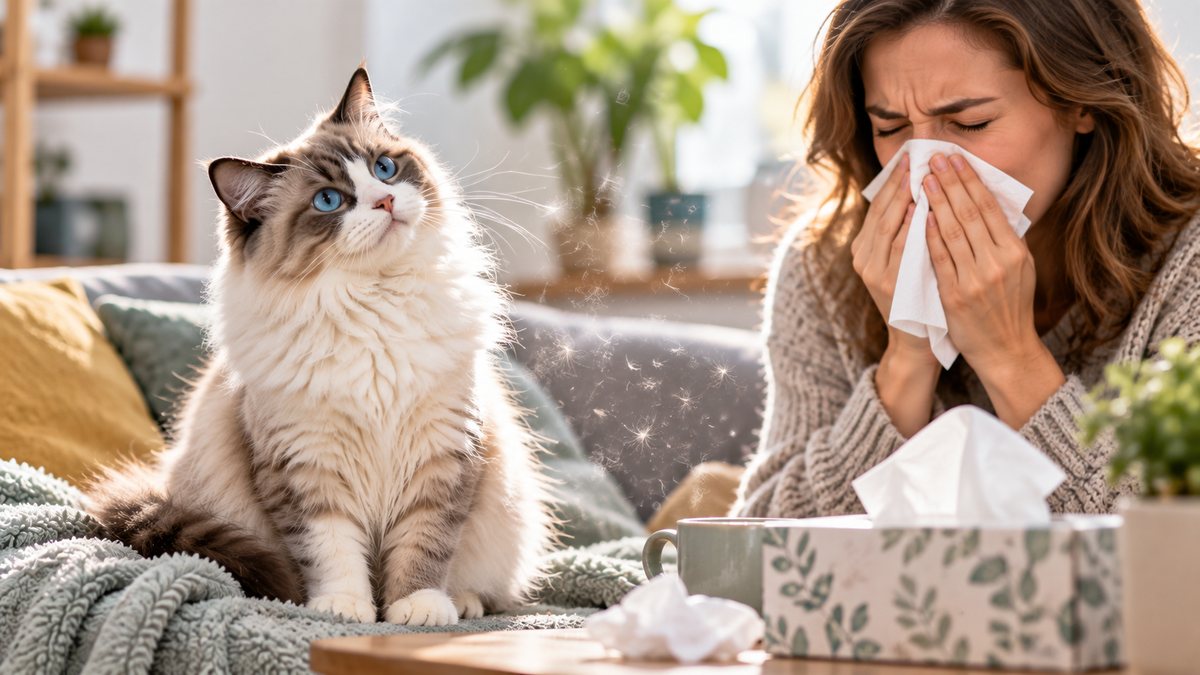
| Allergy & allergen evidence | No breed specific reduction established There is no known reason to regard this breed as hypoallergenic. All cats produce allergens, and coat length or shedding alone does not determine allergy risk. |
| Activity & intelligence | |
| Activity level | Very high |
| Playfulness | Very high |
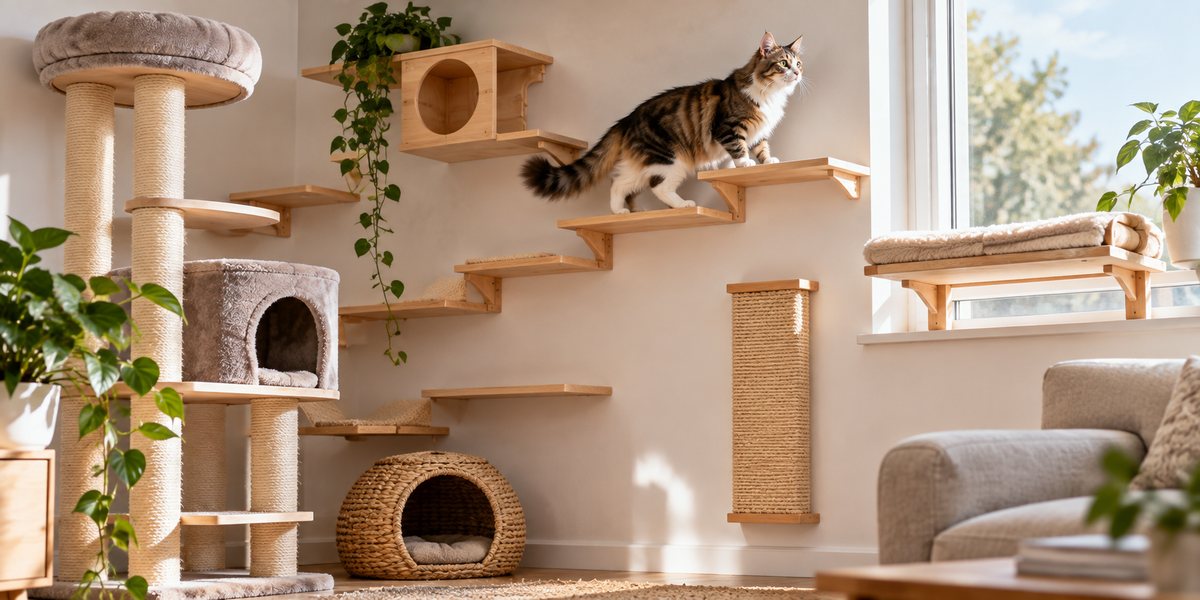
| Climbing & jumping | Very high The long, light, intensely active Siamese is an accomplished jumper and climber that commonly seeks high shelves, furniture and observation points. |
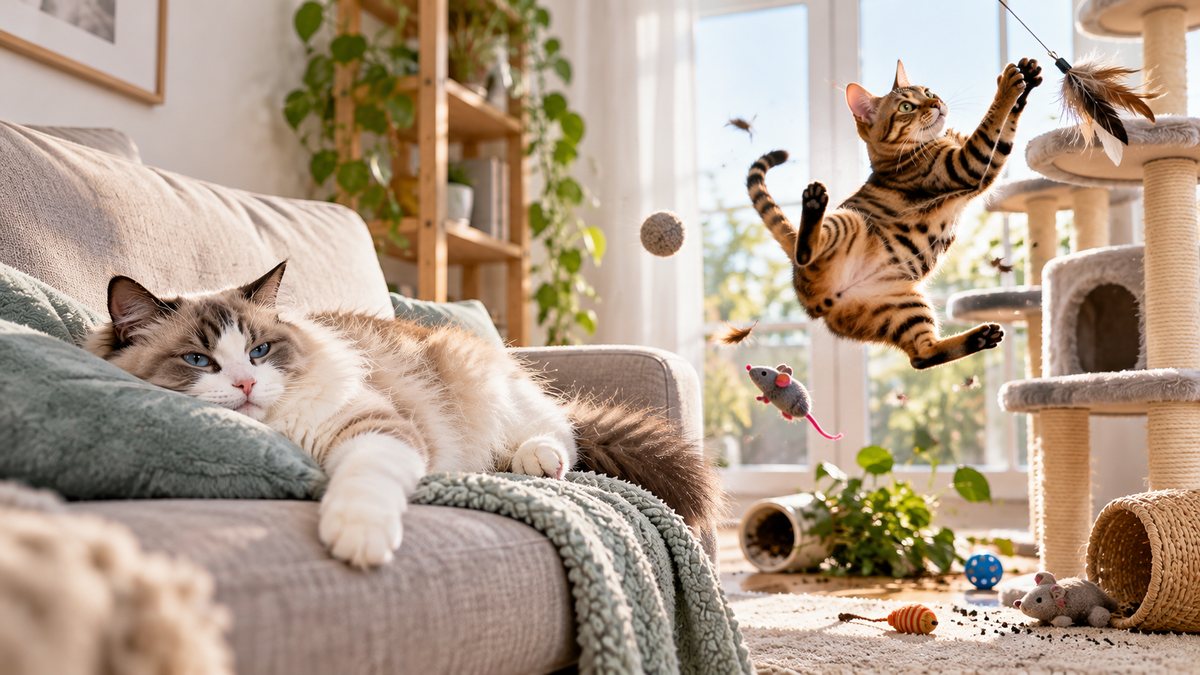
| Enrichment demand | Very high Very high enrichment demand: frequent social play, training, climbing and puzzle activities are important for this active, intelligent and intensely interactive breed. |
| Learning & training | High Siamese are highly intelligent, interactive cats that learn household routines and games readily. |
| Curiosity & exploration | High A Siamese is typically lively and strongly interested in people, activity and its surroundings. |
| Hunting & chasing tendencies | High Strong chasing is characteristic of the Siamese activity profile: athleticism, curiosity and persistent play make moving-target games important daily enrichment. |
| Personality & social | |
| Sociability with familiar people | Very high Siamese are intensely people-oriented, interactive cats that usually seek frequent attention and involvement. |
| Affection | Vocal communicative · following · lap contact · interactive playful Affection is expressed through conversation, following, physical closeness and participation. |
| Lap & cuddling preference | High Close physical companionship is commonly sought, though individuals vary. |
| Handling tolerance | High Siamese cats are intensely people-oriented and commonly accept close physical handling, although they are active and vocal enough to make their objections unmistakable when restraint lasts too long. |
| Independence & social demand | Very high |
| Vocalization | Very high Exceptionally vocal, persistent and interactive communicator. |
| Response to unfamiliar people | High Outgoing social temperament generally extends to visitors after introduction. |
| Adaptability to change | High Siamese cats are intelligent, curious, and intensely social; they often adapt well to new surroundings when their bond with people and opportunities for interaction remain intact. |
| Noise & busy-environment sensitivity | Low to moderate Highly social, curious and engaged, Siamese usually participate in busy household life; they can react vocally to disruption but are not generally timid cats requiring exceptional quiet. |
| Defensive & conflict behaviour | Moderate Siamese cats are intensely social, vocal and persistent rather than typically defensive. They often communicate displeasure clearly and can become assertive when frustrated, under-stimulated, or competing for attention, so household conflict can be more conspicuous than in placid breeds. |
| Household & environment | |
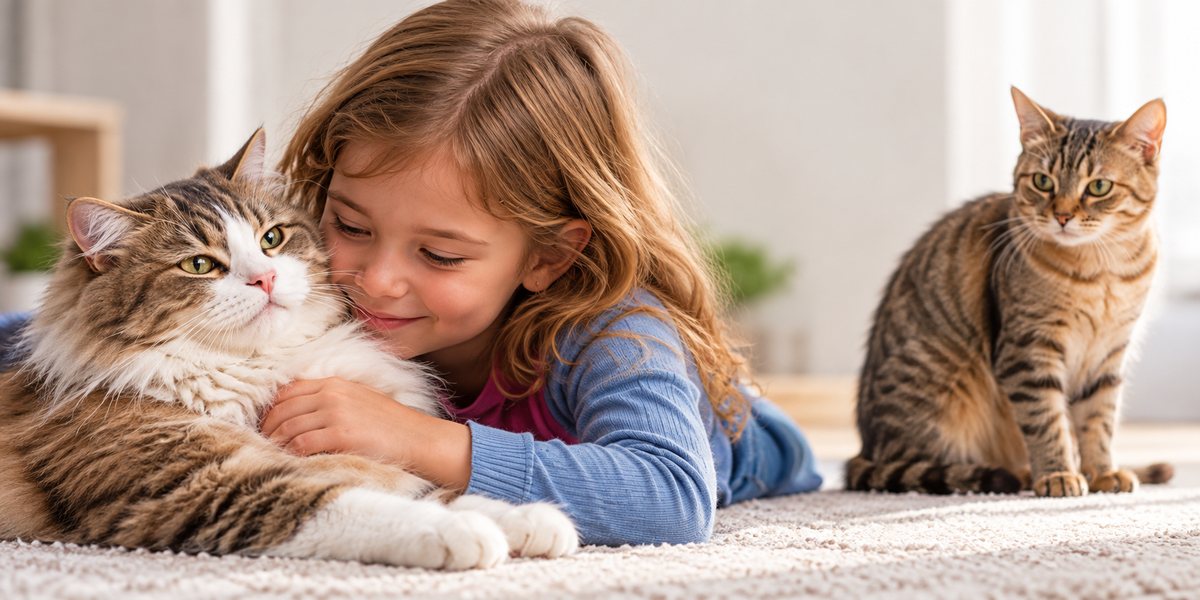
| Living with children | Often workable Highly social/playful Siamese can thrive with respectful children, but intense interaction and vocality should suit the household. |
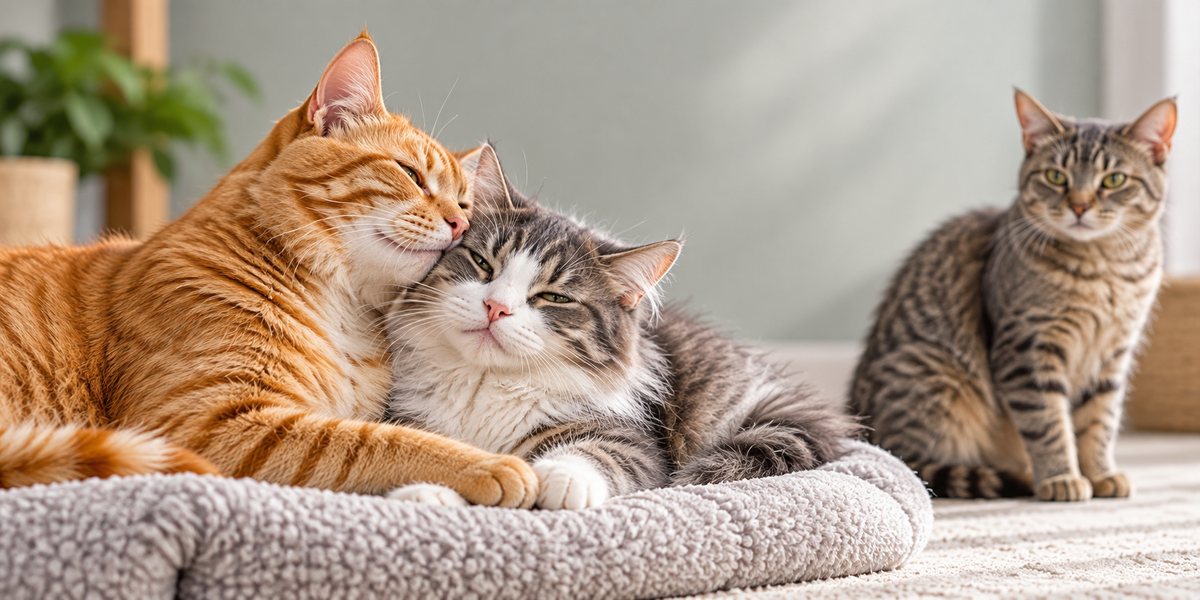
| Living with other cats | Favorable tendency Strong social needs generally support compatible feline companionship. |
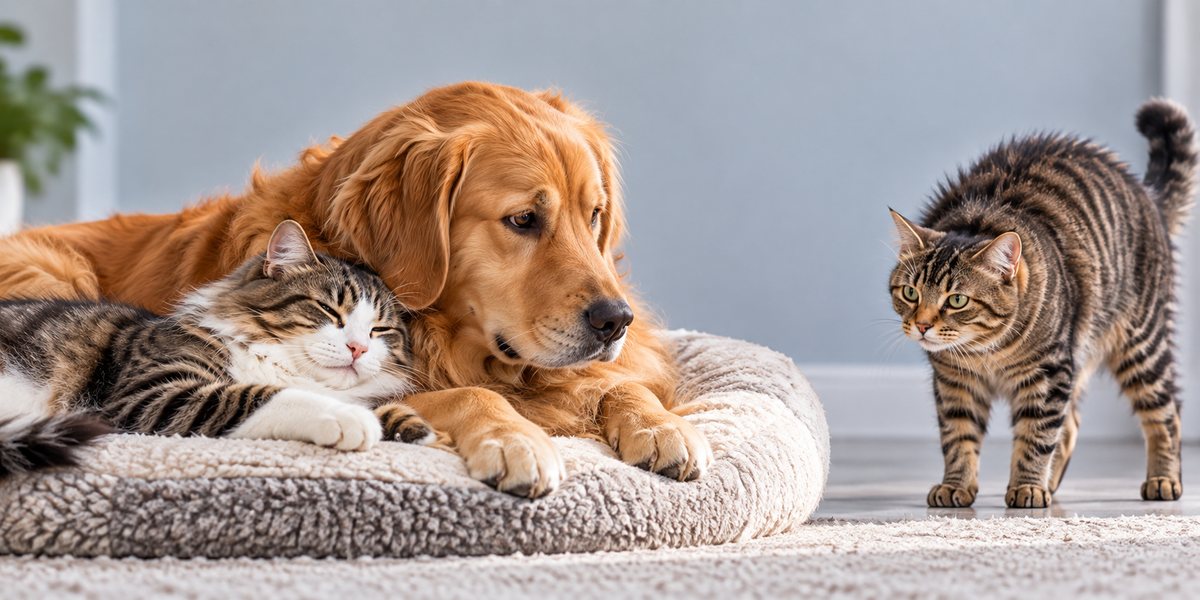
| Living with dogs | Moderate Strong social needs can support compatible dogs after introduction. |
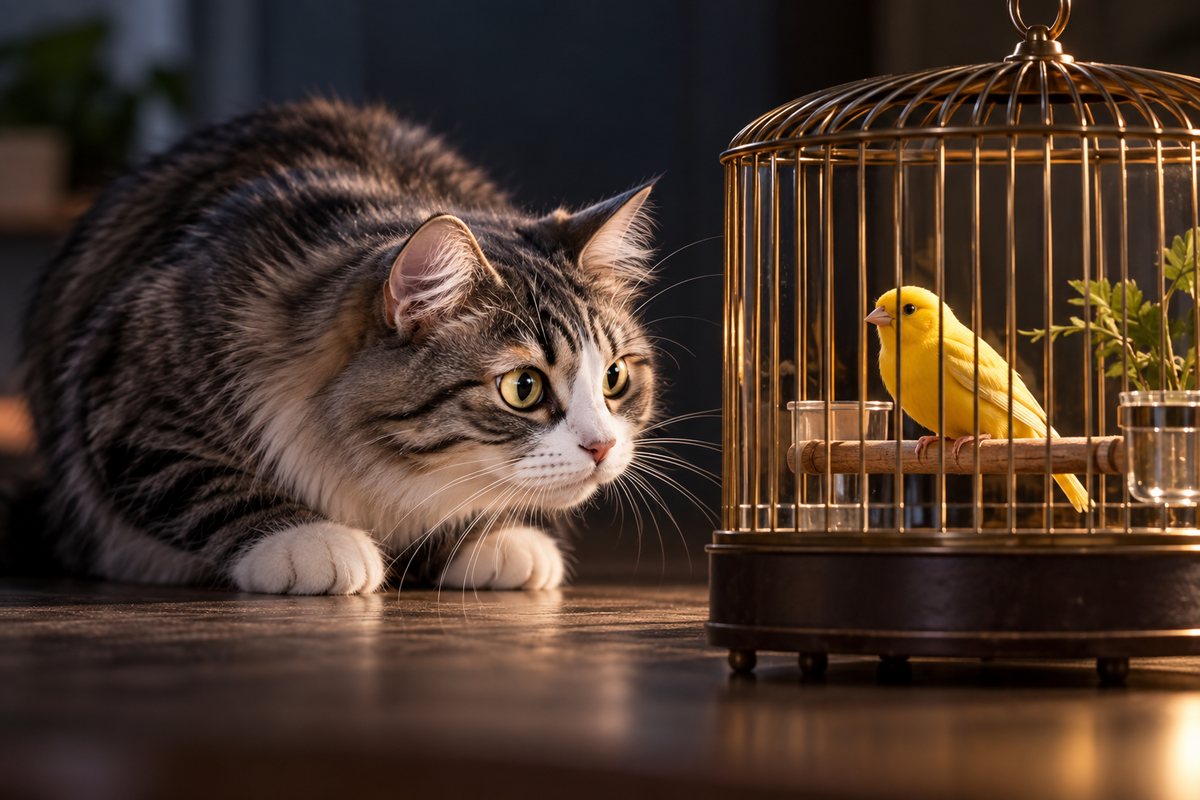
| Living around small pets | Additional caution Siamese cats are active, intelligent and persistent, with strong interest in moving stimuli and interactive hunting games. Their energetic chase-and-pounce behavior warrants extra caution around birds, rodents and other small pets. |
| Indoor & home environment needs | Very high social contact · interactive play Siamese require substantial companionship and interactive household life. |
| Outdoor access considerations | Secure social Siamese cats are intelligent, active and highly inquisitive. Harness activity or secure outdoor enclosures can provide excellent stimulation, while unrestricted roaming adds avoidable risk for a bold cat likely to explore and approach people. |
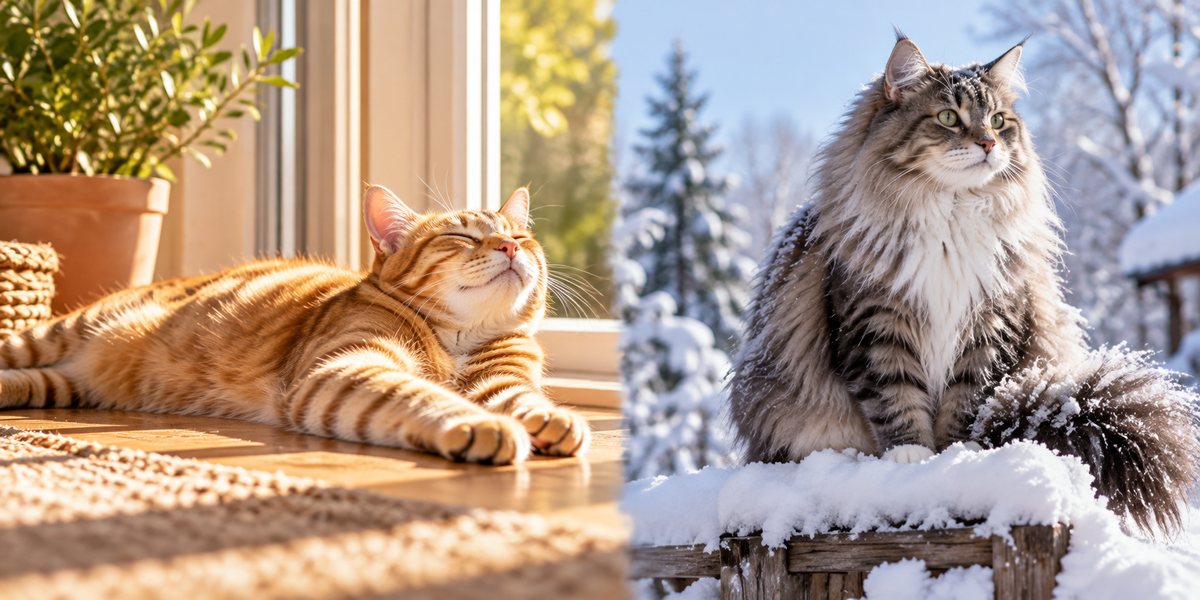
| Heat, cold & sun considerations | Shortcoat warmth preference Siamese have a very short close coat and lean body, providing limited insulation in cold weather. They commonly seek warm resting places; during heat they still need shade, water and freedom to reduce activity. |
| Caregiver time & experience | Very high Very high social and interactive demand makes caregiver availability particularly important. |
| Health & welfare | |
| Documented health predispositions | Moderate known risks Siamese lines have recognized predispositions including amyloidosis and progressive retinal atrophy, with asthma and several other inherited disorders reported. Health risk varies by family, so genetic results and longevity and disease history in close relatives are useful. |
| Screening & breeder questions | Ask about PRA testing/eye health in the line Ask about progressive retinal atrophy and amyloidosis in the family, what DNA testing is used, and whether breeding cats receive cardiac assessment. Also ask about asthma and longevity in close relatives. |
| Conformation-related welfare | Low slender type monitoring Modern Siamese can have a very elongated body and extreme wedge head. Welfare-focused selection should retain strong musculature, normal jaw and airway anatomy and healthy eye placement rather than rewarding ever greater refinement. |
| Nutrition & weight management | High activity condition led Siamese are naturally lean, active cats and may need substantial energy when young. Maintain strong muscle and healthy fat cover rather than selecting or feeding toward extreme thinness, and adjust portions as activity falls with age. |
| Longevity | 15–20 years Siamese are often long-lived and many reach the later teens; about 15–20 years is a useful expectation, although inherited and age-related disease can shorten individual lifespan. |
| Cost & availability | |
| Purchase cost | Moderate to high: $500–$1,500 Siamese: a practical breeder-market estimate is $500–$1,500; widely established pedigree breed with comparatively broad breeder availability. |
| Adoption & rehoming cost | Occasionally available: $75–$400 typical rescue/adoption fee Siamese: $75–$400 typical rescue/adoption fee. The breed is sufficiently numerous that genuine examples sometimes enter ordinary rescue or breed-rescue channels. |
| Recurring ownership costs | Enrichment/toy replacement Coat care is minimal, but Siamese benefit from sustained interactive enrichment and consistent dental care. Routine food and litter costs are moderate; insurance or emergency provision remains sensible given breed-family health risks. |
| Availability, waits & import | Very widely available Siamese are one of the most established and widely available pedigree breeds worldwide. Prospective owners in most major markets can compare breeders and lines rather than needing to import solely to find the breed. |
| Identity & real-world context | |
| Ownership & import restrictions | No known breed specific restrictions There are no known breed-specific ownership restrictions. Ordinary animal-welfare, identification, vaccination and cross-border import rules still apply where relevant. |
| Registry recognition | CFA: recognized breed/division · TICA: Championship-recognized / current breed identity · FIFe: fully recognized breed / mapped breed identity Currently recognized in all three registries tracked by the FSC core matrix: CFA, TICA and FIFe. |
| Similar breeds & identity distinctions | Thai Colorpoint Shorthair Modern Siamese are highly elongated, wedge-headed colorpoint cats with blue eyes. Thai cats retain a more moderate traditional Siamese type, while Colorpoint Shorthairs share modern Siamese structure but extend the accepted point-color range in systems that separate them. |
| Reported characteristic quirks | Strong conversational relationship with people Siamese often turn vocal communication into an ongoing conversation with their people. |
Browse all 53 breed characteristics
Open any characteristic to compare all breeds on that dimension.

 English