
Compare Cat Breeds
Compare up to three breeds across all 53 characteristics. Values are shown directly so the differences are easier to scan.
| Characteristic | 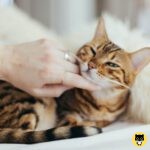 Serengeti |
|---|---|
| Body & development | |
| Adult size | Medium |
| Adult weight | Females 3.6–5.4 kg (7.9–11.9 lb); Males 4.5–6.8 kg (9.9–15.0 lb) Females are commonly about 3.6–5.4 kg (7.9–11.9 lb) and males about 4.5–6.8 kg (9.9–15.0 lb); the breed is tall and athletic rather than bulky. |
| Build & distinguishing morphology | Long legged · upright · muscular · large ears Build: long legged; upright; muscular; large ears. |
| Maturation | 18-24 months The long-legged, athletic Serengeti reaches much of its frame size during the first year and can continue muscular development into roughly 18–24 months. |
| Coat & appearance | |
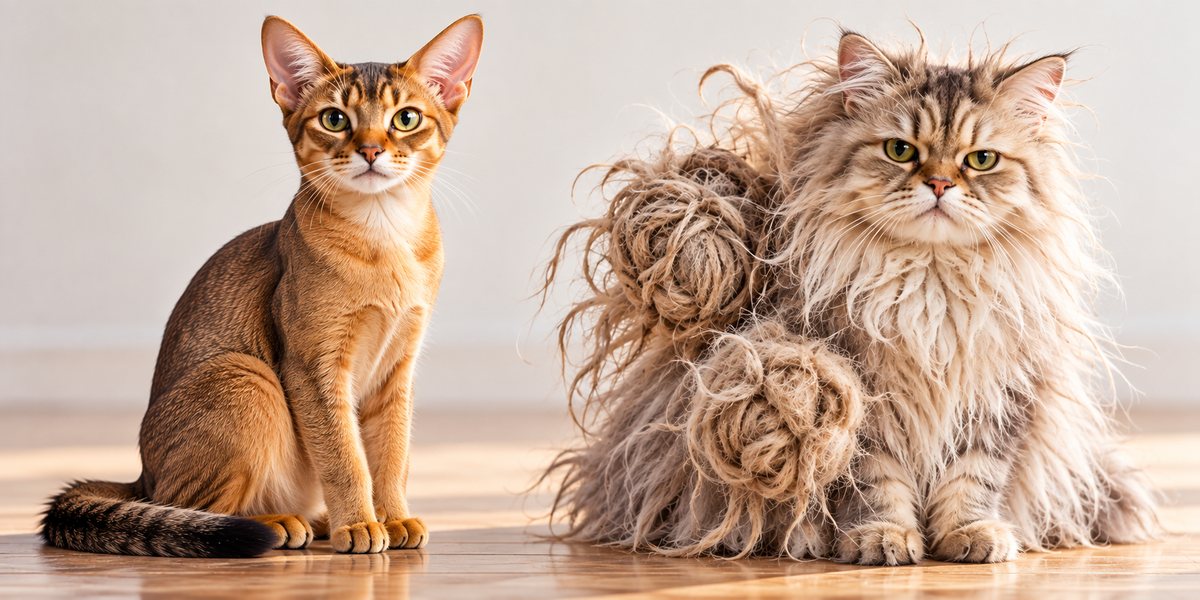
| Coat length | Short Short, tight, silky coat. |
| Coat texture & undercoat | Short · tight · silky Coat: short; tight; silky. |
| Colors & patterns | Gold yellow black spots · solid black · grey spotted · silver spotted Colors/patterns: gold yellow black spots; solid black; grey spotted; silver spotted. |
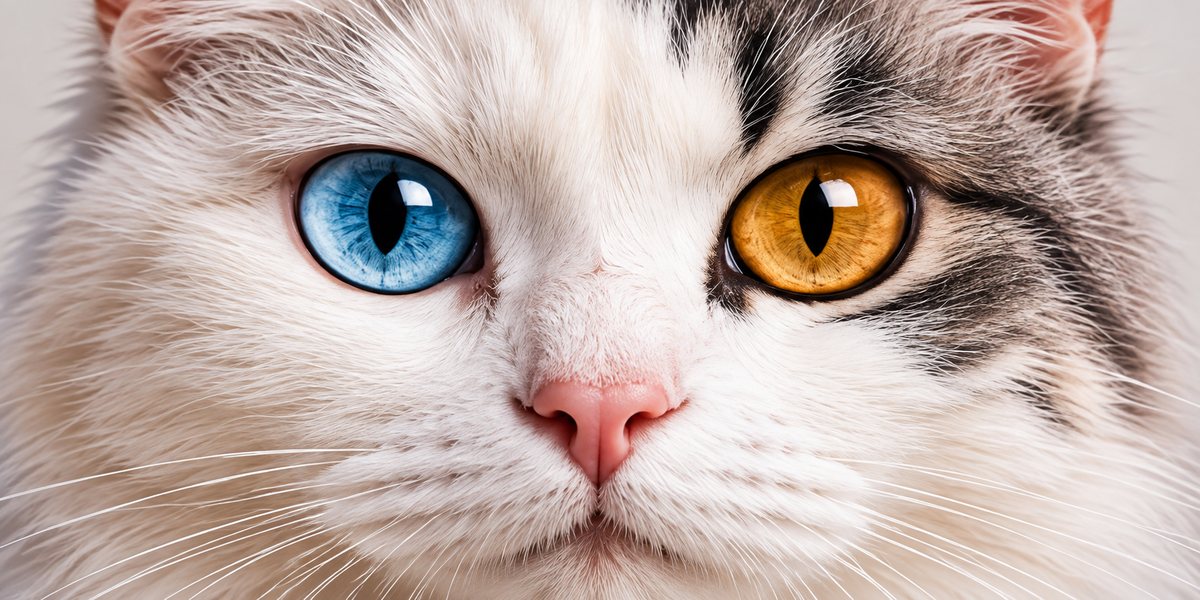
| Eye colors | Gold · amber · green · hazel Gold, amber, green and hazel are typical, supporting the breed’s wild-spotted appearance. |
| Coat & routine care | |
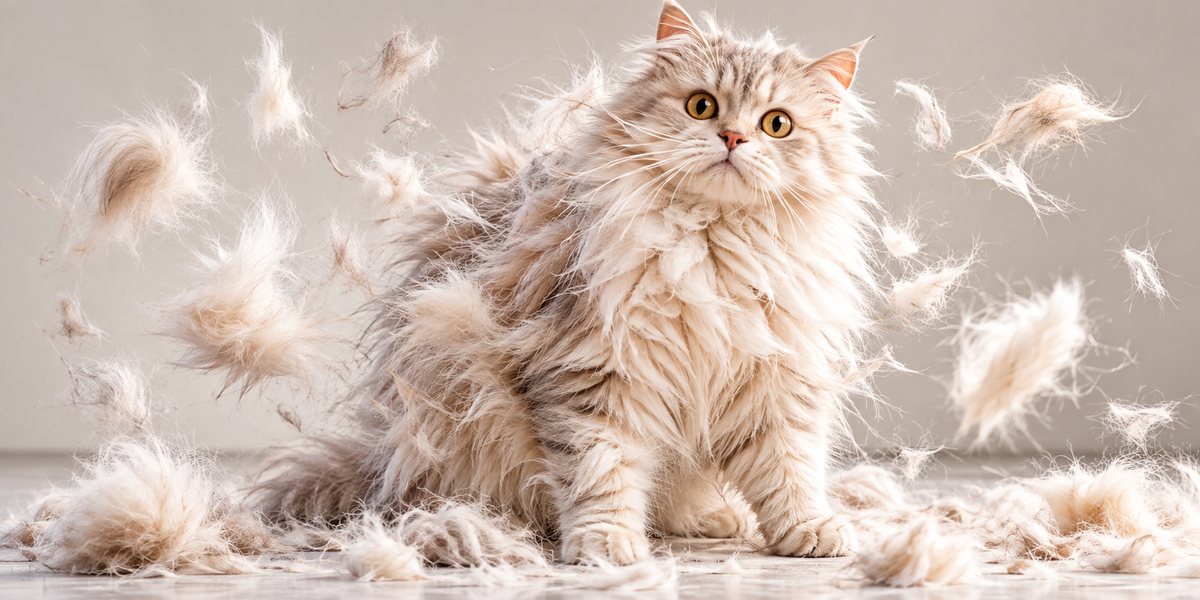
| Shedding | Low to moderate Low to moderate shedding from the short, close coat. |
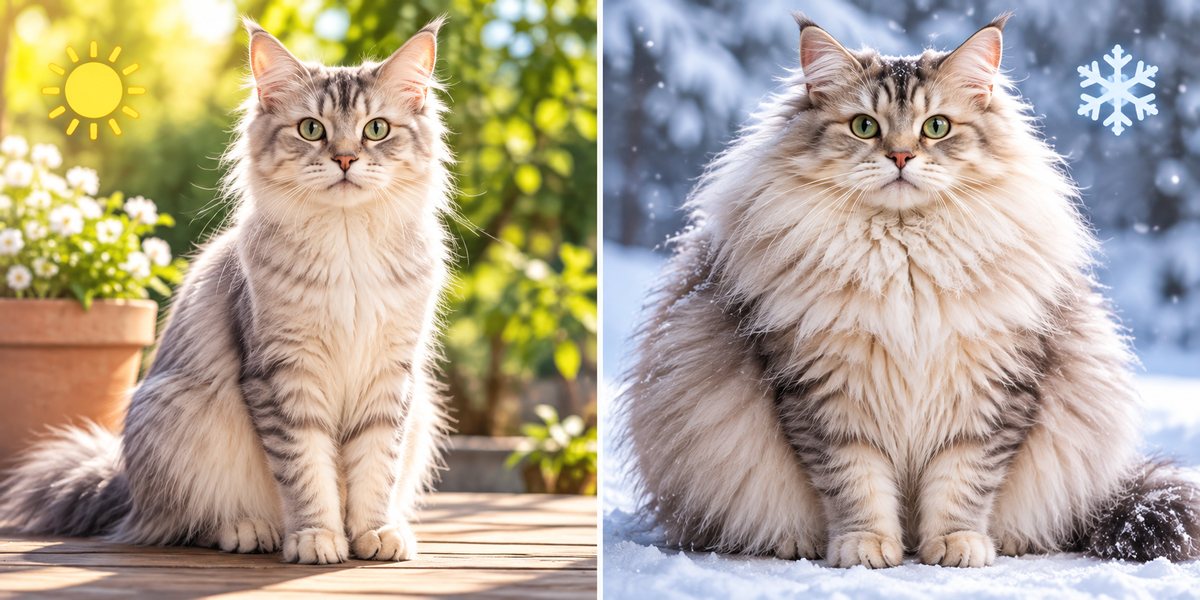
| Seasonal coat changes | Modest seasonal change The Serengeti’s short tight coat normally changes only modestly through the year, with some seasonal shedding but little change in overall coat volume. |
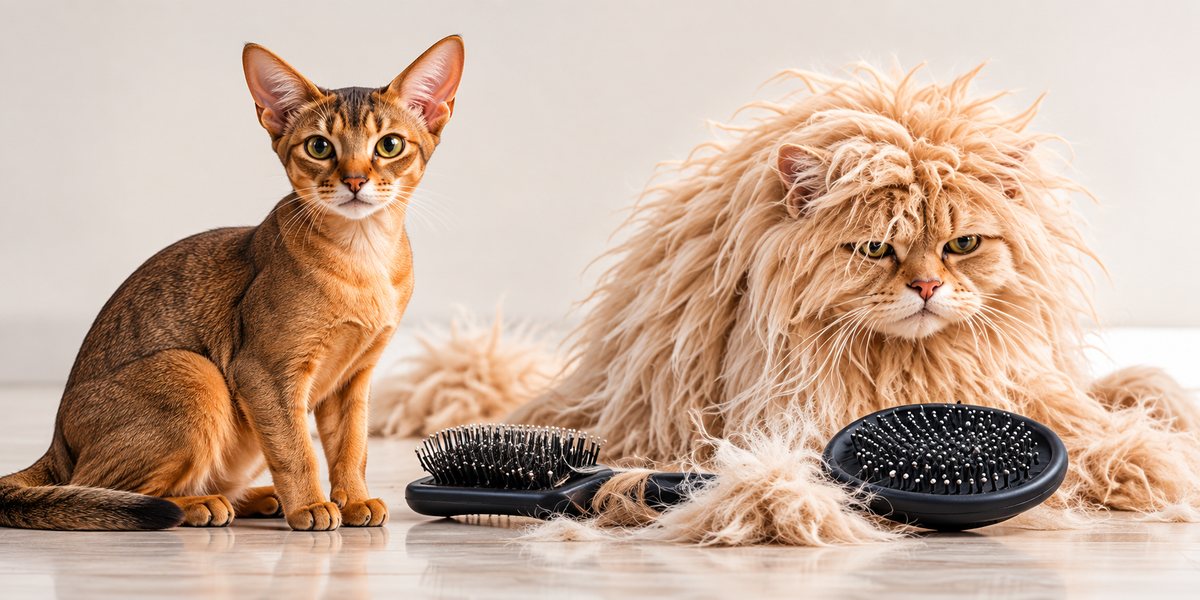
| Brushing & combing | Weekly or as needed A soft weekly brushing or grooming mitt is sufficient for the sleek short coat and normally controls loose hair. |
| Tangle & matting tendency | Very low The short tight silky coat is highly resistant to matting. |
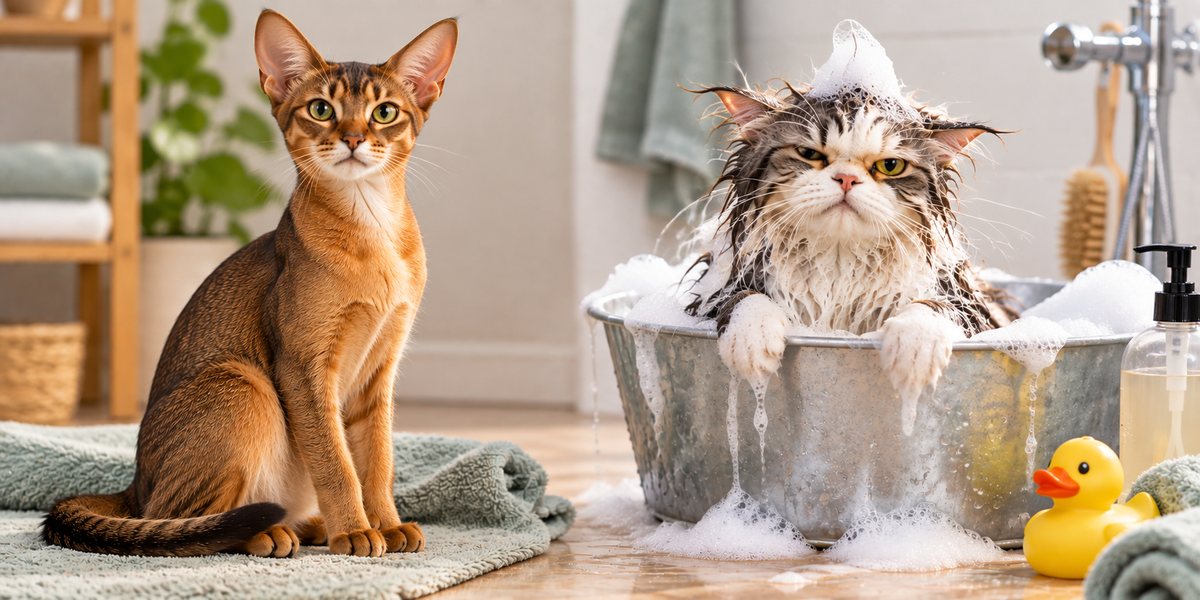
| Skin & bathing care | Bathing not routinely needed Routine bathing is generally unnecessary; bathe only when the coat is genuinely soiled or for a specific veterinary or grooming reason. |
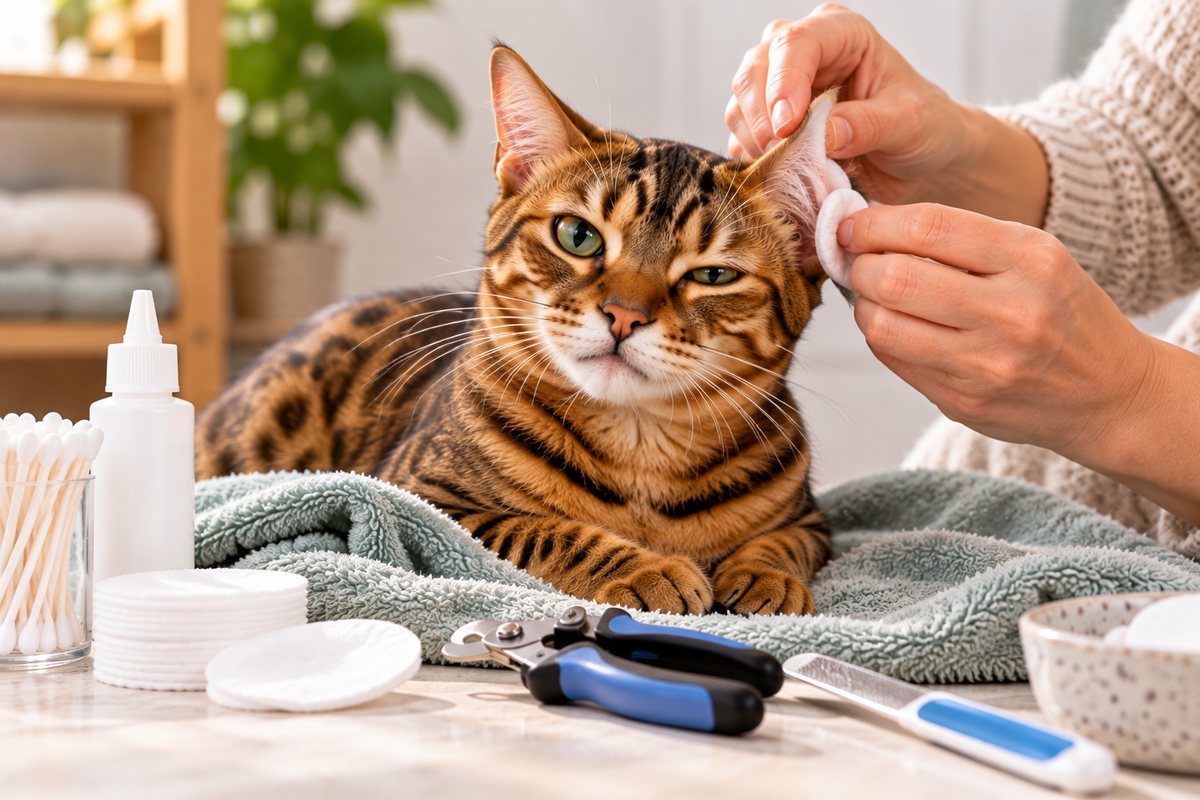
| Distinctive routine care | Simple coat high activity The short coat is easy, with routine nails, ears and dental hygiene. Serengetis need substantial daily active play and climbing opportunities, making enrichment the distinctive part of routine care. |
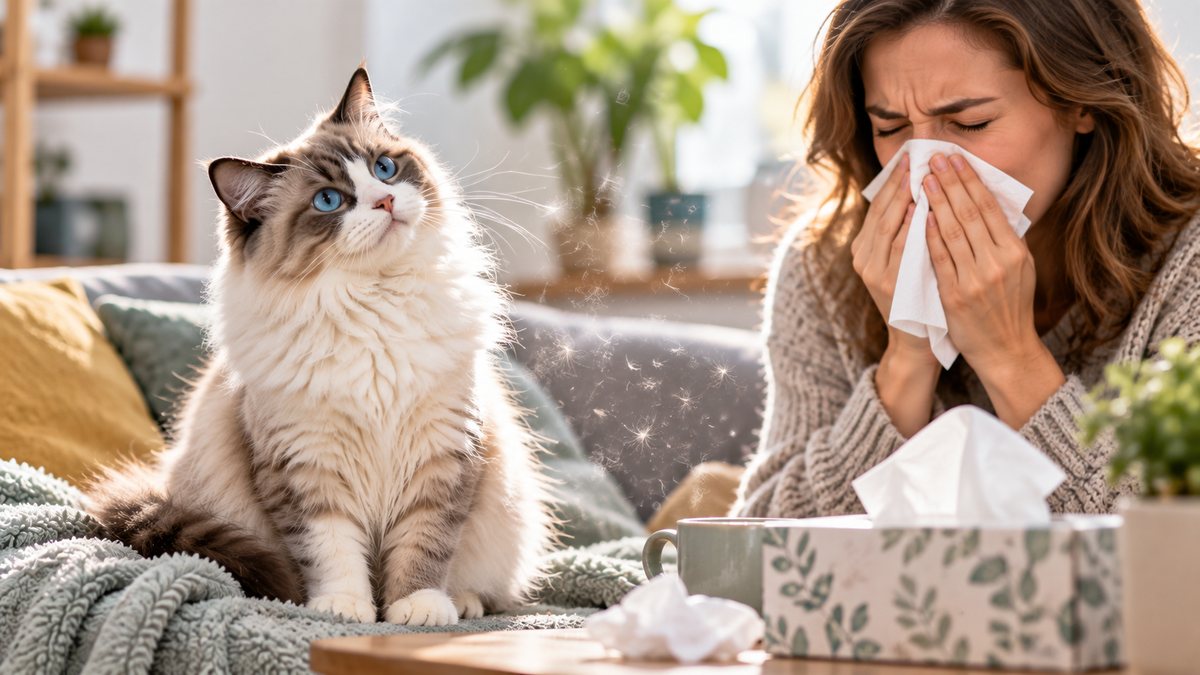
| Allergy & allergen evidence | No breed specific reduction established There is no known reason to regard this breed as hypoallergenic. All cats produce allergens, and coat length or shedding alone does not determine allergy risk. |
| Activity & intelligence | |
| Activity level | Very active and athletic. |
| Playfulness | Energetic and playful. |
| Climbing & jumping | Extremely agile and strongly inclined to seek high places. |
| Enrichment demand | High High enrichment demand: substantial climbing, running and chase play plus regular novelty are appropriate for this exceptionally agile, athletic cat. |
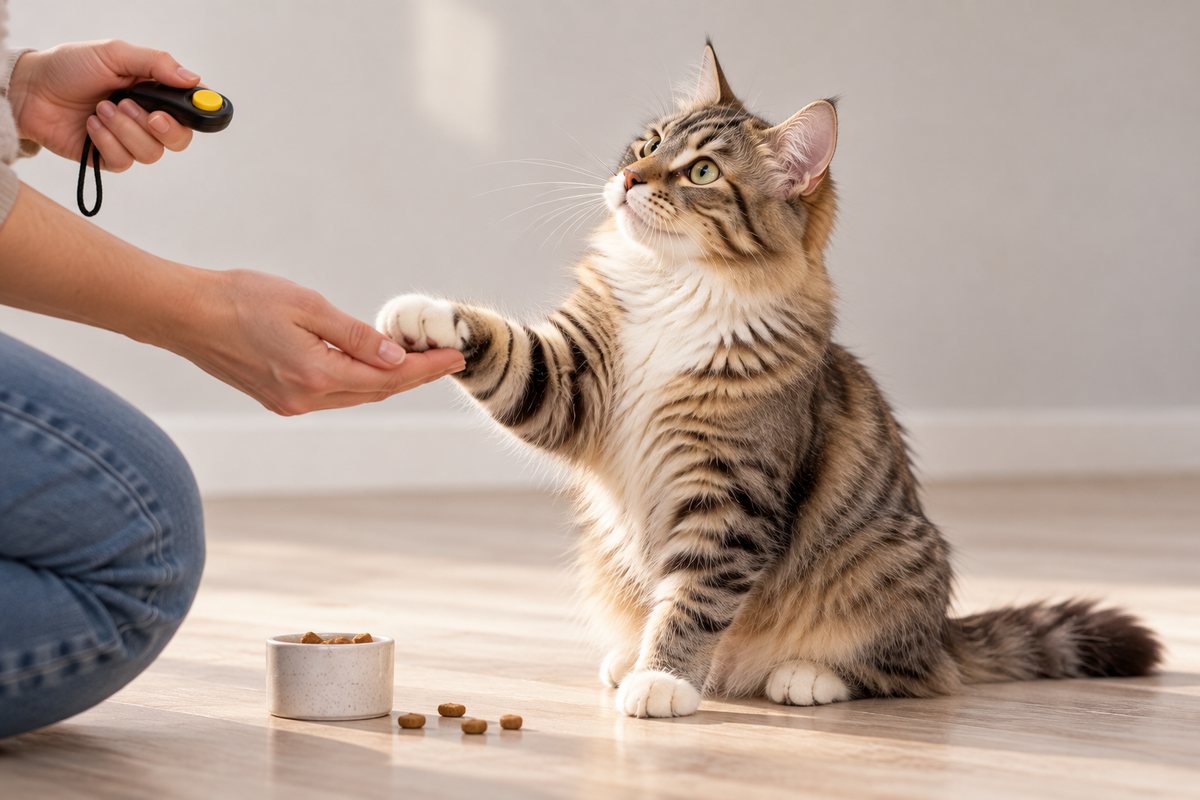
| Learning & training | High The Serengeti’s athletic, curious temperament makes puzzle solving and interactive training a good fit; short, active sessions should hold attention better than repetition. |
| Curiosity & exploration | High Serengetis were developed from active Oriental and Bengal-related stock; they are athletic, alert and likely to explore vertical space and environmental changes with high persistence. |
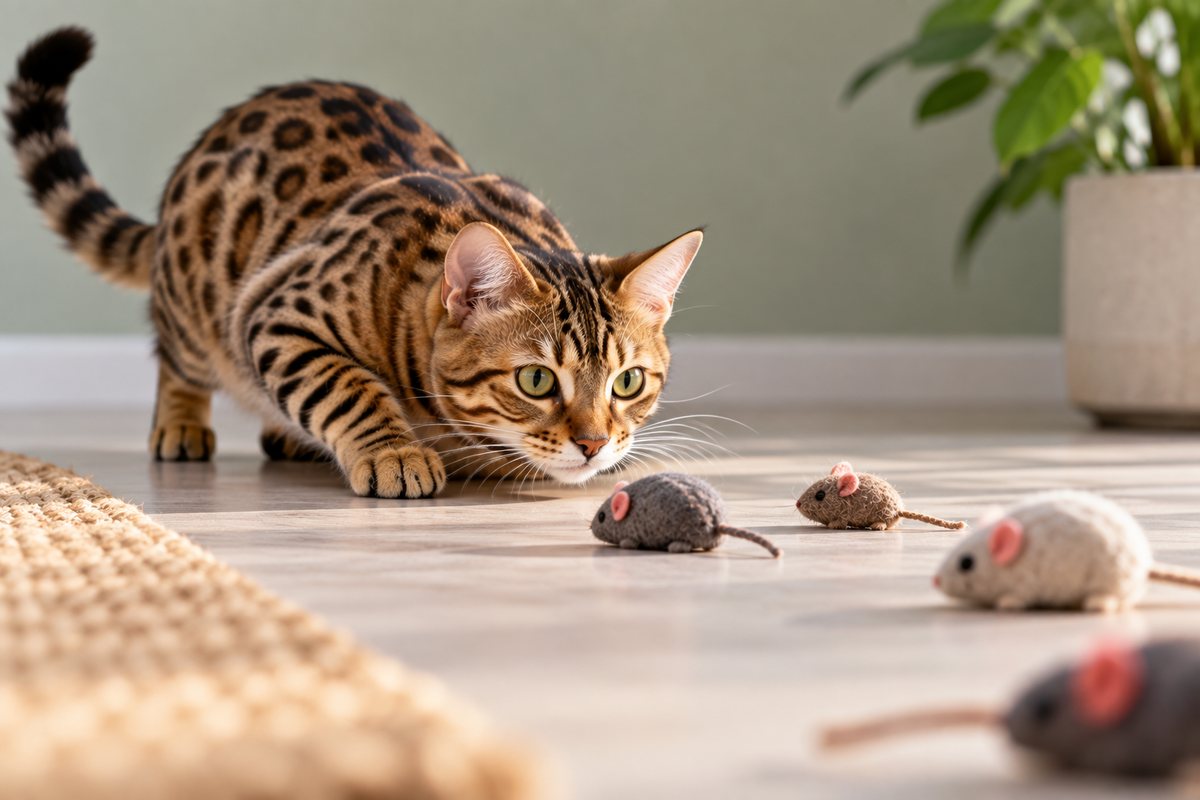
| Hunting & chasing tendencies | Moderate to high Strong chasing is expected from this athletic, long-legged, active breed; running and pursuit games are likely to be particularly rewarding. |
| Personality & social | |
| Sociability with familiar people | Very high Outgoing and strongly attached to familiar people. |
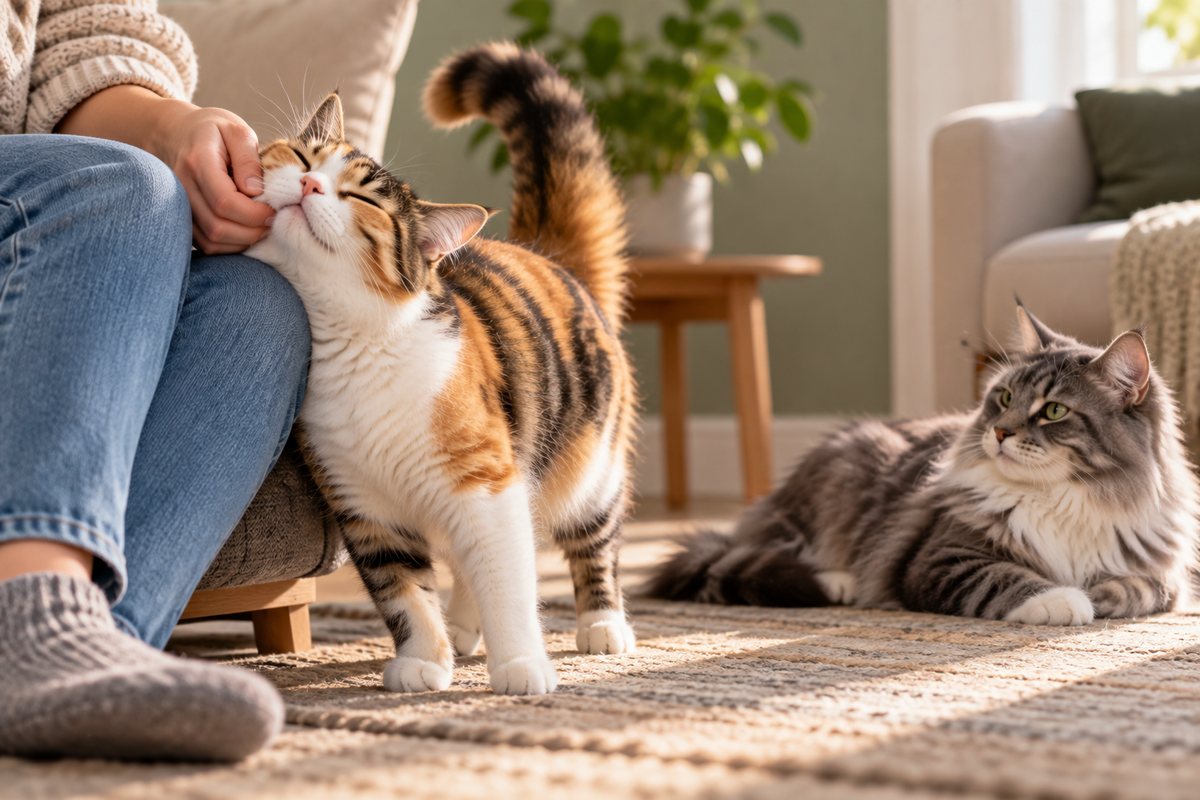
| Affection | Can become intensely companion-oriented once settled. |
| Lap & cuddling preference | Variable There is not enough reason to make lap-sitting a defining breed trait; individual preference is likely to dominate. |
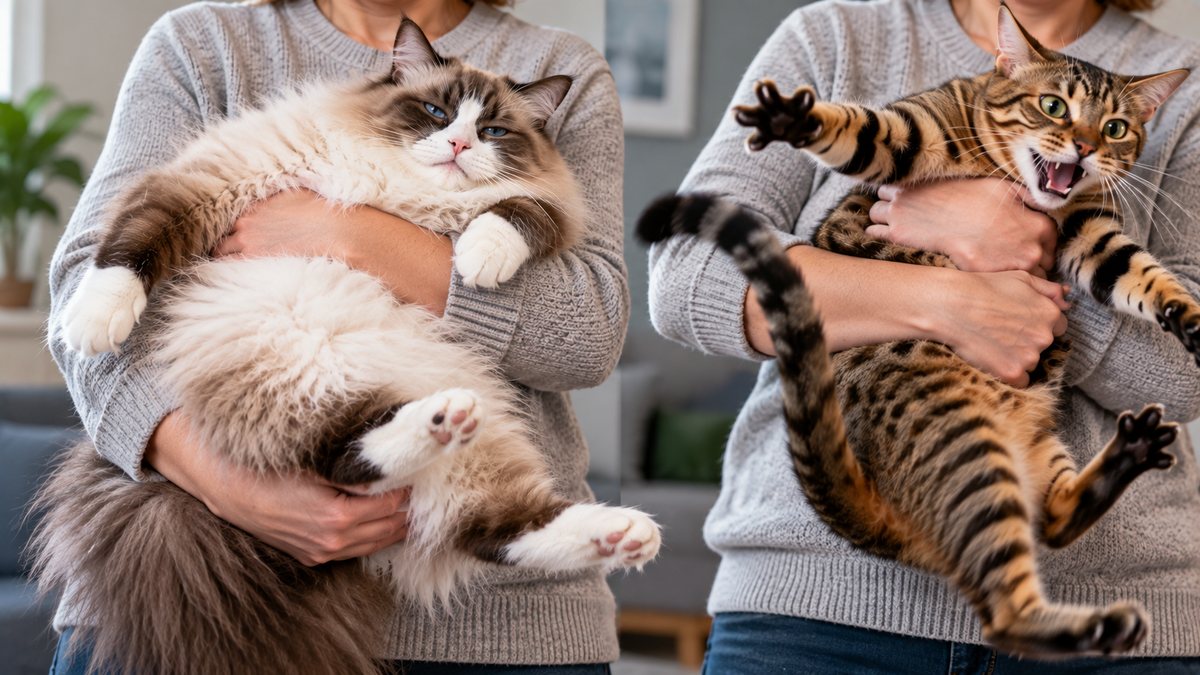
| Handling tolerance | Moderate Serengetis are confident, energetic and interactive; routine handling is usually manageable, but this long-legged active breed is more likely to prefer movement to prolonged restraint. |
| Independence & social demand | High social demand Serengetis are active, confident and interactive cats that benefit from regular social engagement and stimulation rather than long periods alone. |
| Vocalization | High Can be distinctly vocal and conversational, consistent with Oriental ancestry. |
| Response to unfamiliar people | May be briefly shy in a new situation but often warms quickly. |
| Adaptability to change | High Serengetis are active, confident, and exploratory; once given a secure base, those traits generally support good adjustment to a new home and changing routines. |
| Noise & busy-environment sensitivity | Low Active, confident and highly curious, the Serengeti is generally suited to a lively environment and is expected to tolerate routine household noise relatively well. |
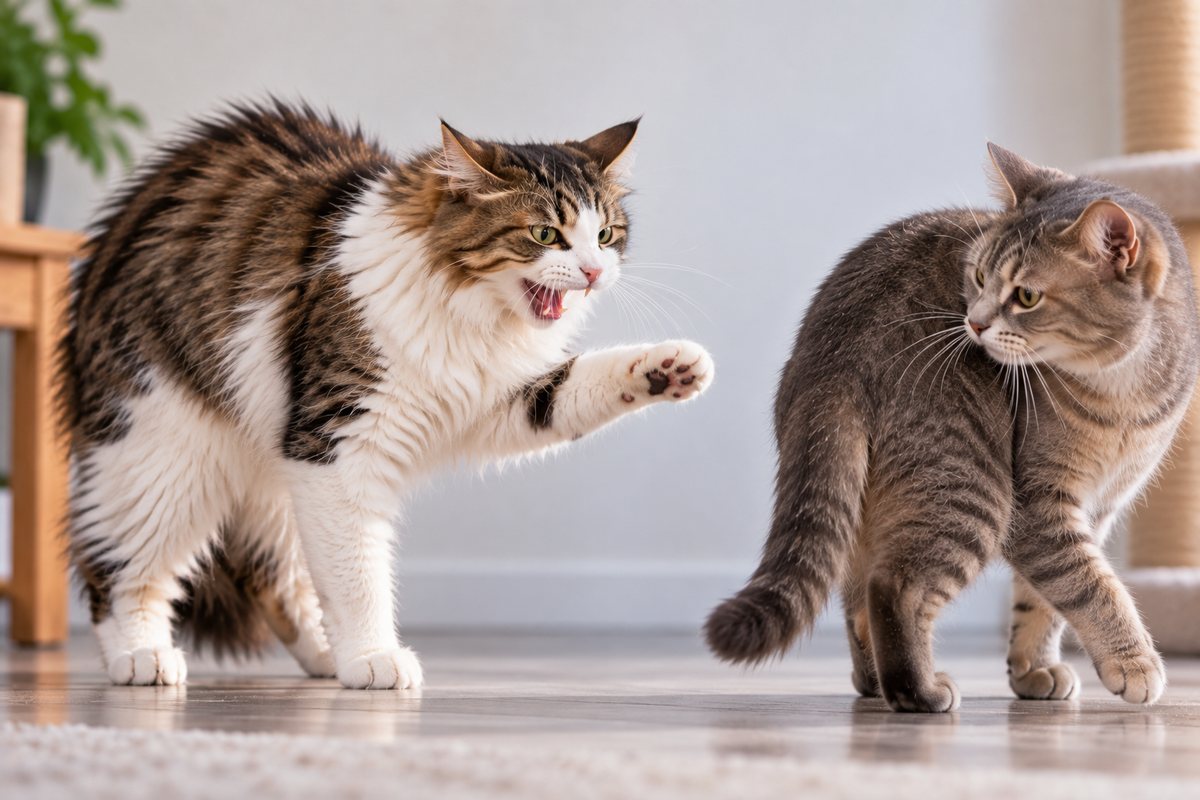
| Defensive & conflict behaviour | Moderate Serengetis are athletic, energetic and confident cats developed from domestic breeds. They are not inherently aggressive, but high activity and assertive play can create friction if companions cannot match their intensity or introductions are rushed. |
| Household & environment | |
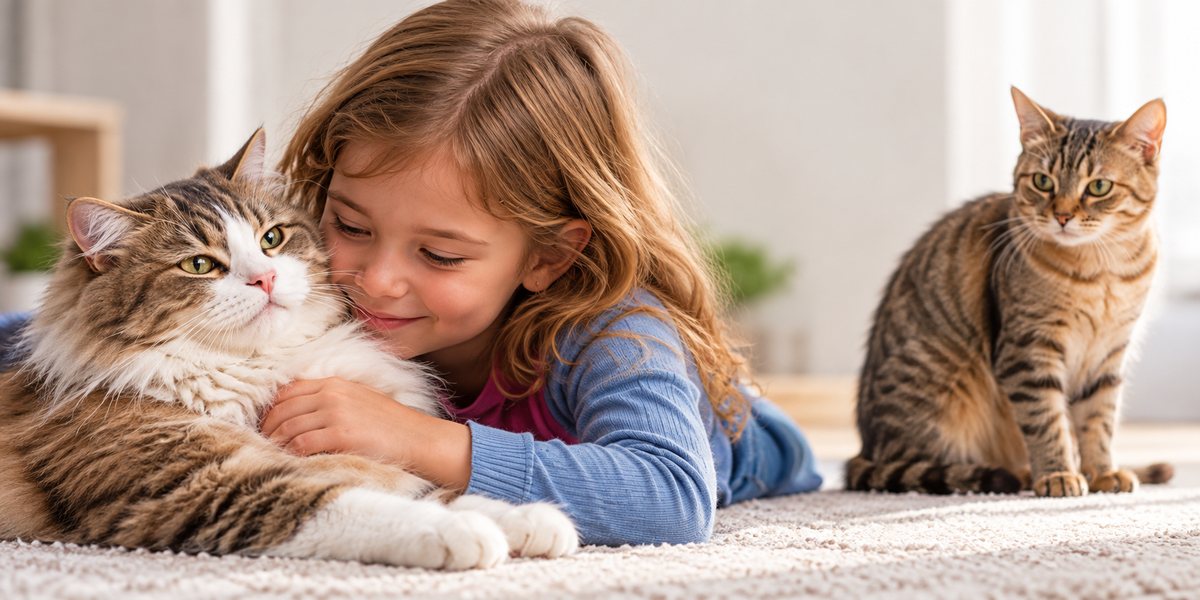
| Living with children | Good Serengetis are athletic, energetic and confident cats that can be engaging companions for active, cat-savvy children. They need substantial play and climbing opportunities; high-energy games should use toys so hands and feet do not become targets. |
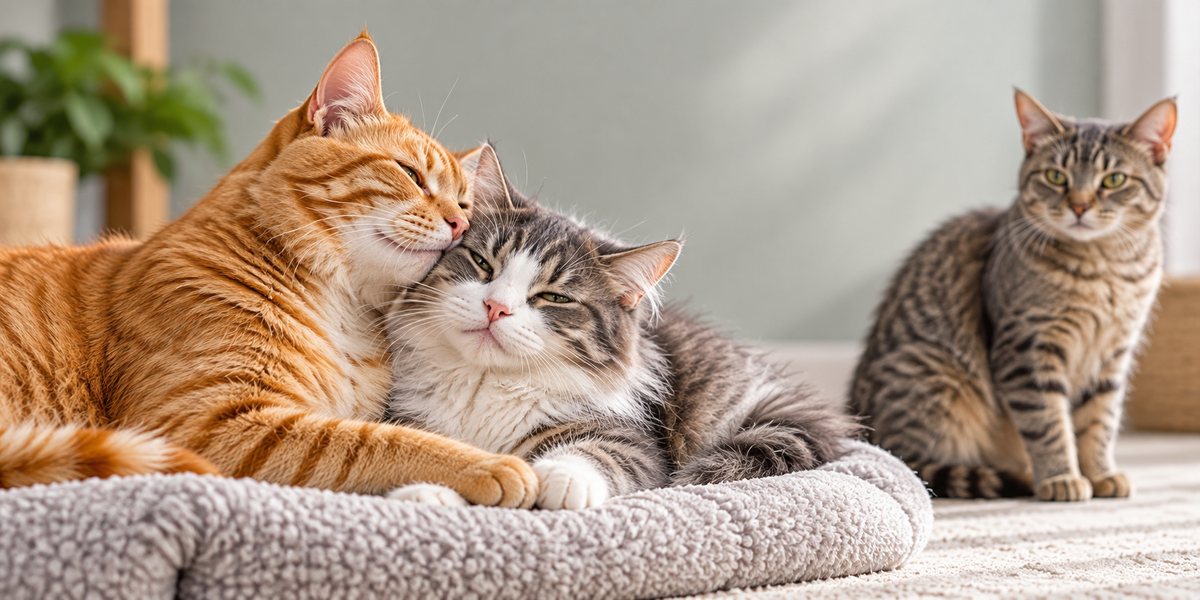
| Living with other cats | Favorable tendency |
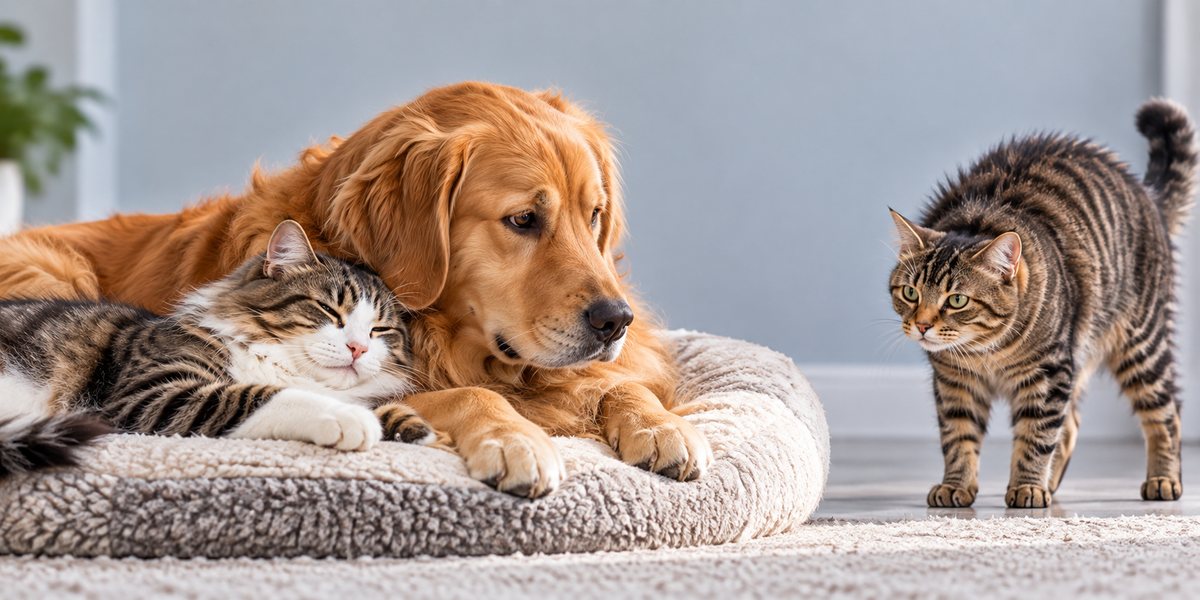
| Living with dogs | Good Can live well with other compatible pets after proper introductions. |
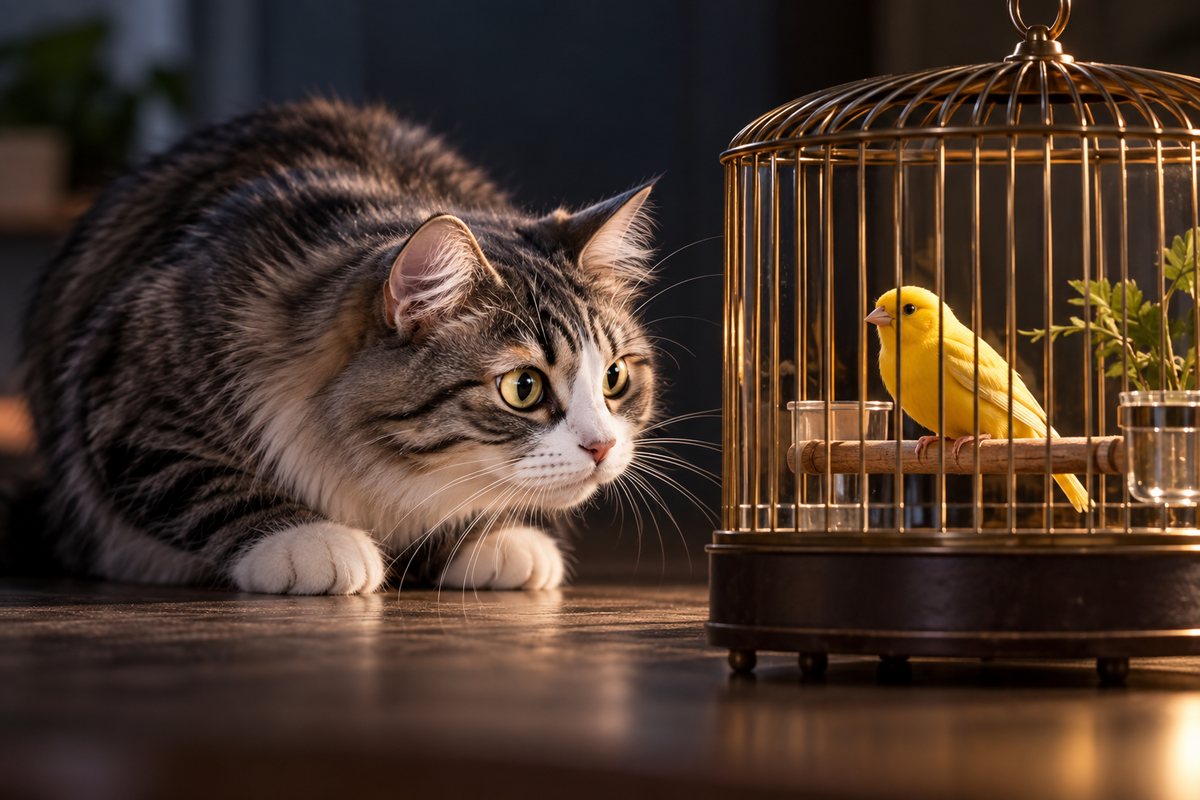
| Living around small pets | Additional caution Serengetis are athletic, high-energy cats developed for a long-legged, wild-looking form. Their speed and strong chase-oriented play make access to birds, rodents and other small pets a meaningful management risk. |
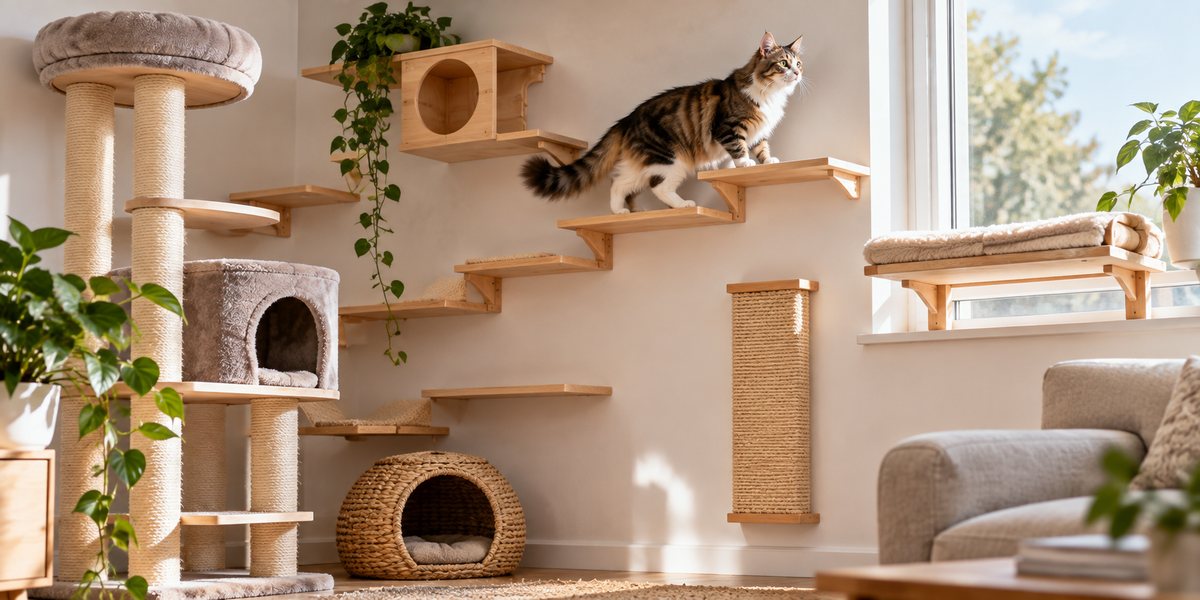
| Indoor & home environment needs | High activity indoor Serengetis are long-legged, athletic cats that need substantial indoor outlets for running, jumping and chasing. Tall sturdy climbing structures, open movement routes, puzzle feeding and frequent vigorous play are particularly appropriate. |
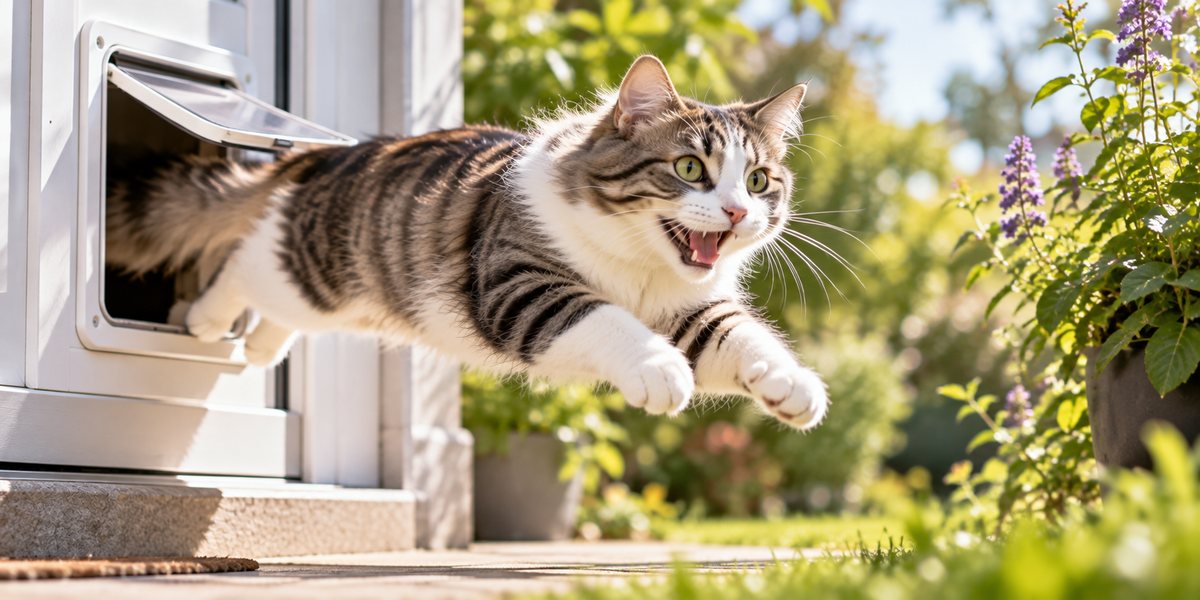
| Outdoor access considerations | Secure high activity Serengetis are long-legged, athletic and highly curious. They can benefit from a large secure enclosure or well-contained garden that permits running and climbing, while their jumping ability makes containment quality especially important. |
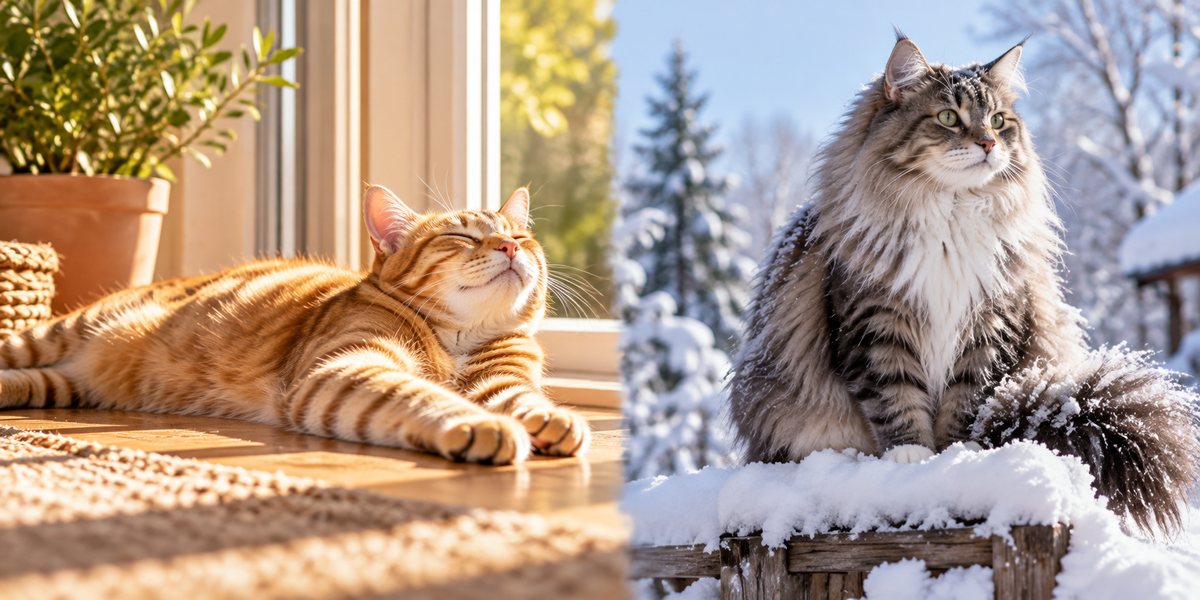
| Heat, cold & sun considerations | Shortcoat heat activity caution Serengetis have a short coat and long athletic body, so coat insulation is modest while activity is high. They suit normal warmth but need hydration, shade and reduced peak-heat exercise, plus warm indoor shelter in cold weather. |
| Caregiver time & experience | Above average Serengetis are long-legged, athletic cats that need substantial daily exercise and mental stimulation. Their short coat is easy, but vigorous play, climbing and secure environmental management create an above-average time commitment. |
| Health & welfare | |
| Documented health predispositions | Limited specific risk Serengetis are a relatively young breed without a single firmly established inherited disease syndrome. Their small population and athletic build make genetic diversity, cardiac history and orthopedic soundness useful priorities in breeding and health assessment. |
| Screening & breeder questions | Ask what health problems are tracked in the lines and request actual test results Ask about heart and orthopedic disease in relatives, what cardiac and structural examinations breeding cats receive, and how genetic diversity is managed in this relatively young, uncommon breed. |
| Conformation-related welfare | Low conformation concern Serengetis are long-legged athletic cats bred for a wild-looking silhouette without wild ancestry. Their height and ear size should remain compatible with sound joints, balance and normal sensory function rather than being exaggerated for appearance. |
| Nutrition & weight management | High activity condition led Serengetis are long-legged, athletic cats with potentially high activity needs. Feed a complete diet to exercise and body condition, maintaining lean muscle rather than using their tall frame to justify excess intake. |
| Longevity | 12–16 years Serengetis are athletic domestic cats developed mainly from Bengal and Oriental lines; about 12–16 years is a reasonable working range. |
| Cost & availability | |
| Purchase cost | Very high: $1,000–$3,000 Serengeti: a practical breeder-market estimate is $1,000–$3,000. This reflects that it is an rare developing breed with limited breeder supply. |
| Adoption & rehoming cost | Very rare in rescue: $100–$600 when genuinely available Serengeti: $100–$600 when genuinely available. The breed is scarce enough that a verified purebred rescue placement is unusual; transport may exceed the adoption fee. |
| Recurring ownership costs | Typical cat costs Grooming is inexpensive, but the breed's athletic temperament calls for durable climbing and play equipment and regular toy replacement. Food, litter and preventive veterinary costs are otherwise conventional. |
| Availability, waits & import | Rare Serengetis have a small international breeder population and are much less common than Bengals or Savannahs. In many countries there may be no local breeder, so a long-distance search is often necessary. |
| Identity & real-world context | |
| Ownership & import restrictions | No known breed specific restrictions There are no known breed-specific ownership restrictions. Ordinary animal-welfare, identification, vaccination and cross-border import rules still apply where relevant. |
| Registry recognition | Recognized/listed by TICA Serengeti is currently listed by TICA; it is not a separately recognized CFA or FIFe breed identity in the FSC core matrix. |
| Similar breeds & identity distinctions | Savannah Bengal Serengetis were bred for a tall, spotted wild look without recent wild-cat ancestry. They can resemble Savannahs, but lack serval ancestry and typically have a more domestic scale; Bengals are generally more compact and often rosetted. |
| Reported characteristic quirks | “Velcro” attachment after acclimation After an initially cautious period, some Serengetis become remarkably persistent followers of their people. |
Browse all 53 breed characteristics
Open any characteristic to compare all breeds on that dimension.




 English