
Compare Cat Breeds
Compare up to three breeds across all 53 characteristics. Values are shown directly so the differences are easier to scan.
| Characteristic | 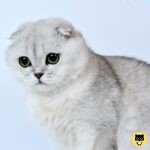 Scottish Fold |
|---|---|
| Body & development | |
| Adult size | Medium |
| Adult weight | 2.7–6.0 kg (6.0–13.2 lb) Scottish Folds are medium, rounded cats; about 2.7–6.0 kg (6.0–13.2 lb) is a useful adult range, with males toward the upper end. |
| Build & distinguishing morphology | Medium · rounded · sturdy · moderate bone The Scottish Fold is medium, rounded and sturdy, with a broad round head, moderate bone, rounded paws and the characteristic forward-folding ears. |
| Maturation | 2-3 years Scottish Folds have a rounded, substantial body that can continue broadening after the first year; full adult development is reasonably placed around 2–3 years. |
| Coat & appearance | |
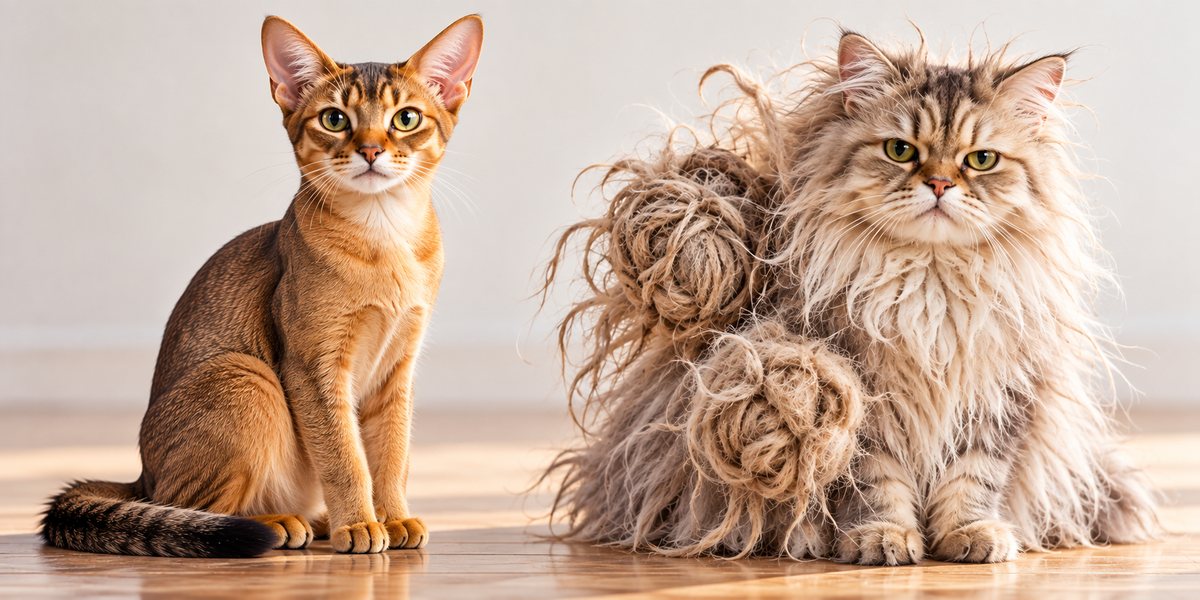
| Coat length | Short · long Scottish Folds occur in both shorthaired and longhaired forms; the longhair has fuller furnishings while retaining the same folded-ear identity. |
| Coat texture & undercoat | Short plush or long soft · dense undercoat Scottish Folds may be shorthaired with a dense plush coat or longhaired with fuller soft furnishings; both commonly carry a substantial undercoat. |
| Colors & patterns | All traditional and pointed colors and patterns Scottish Folds occur in the traditional and pointed divisions, in both long- and shorthaired varieties. |
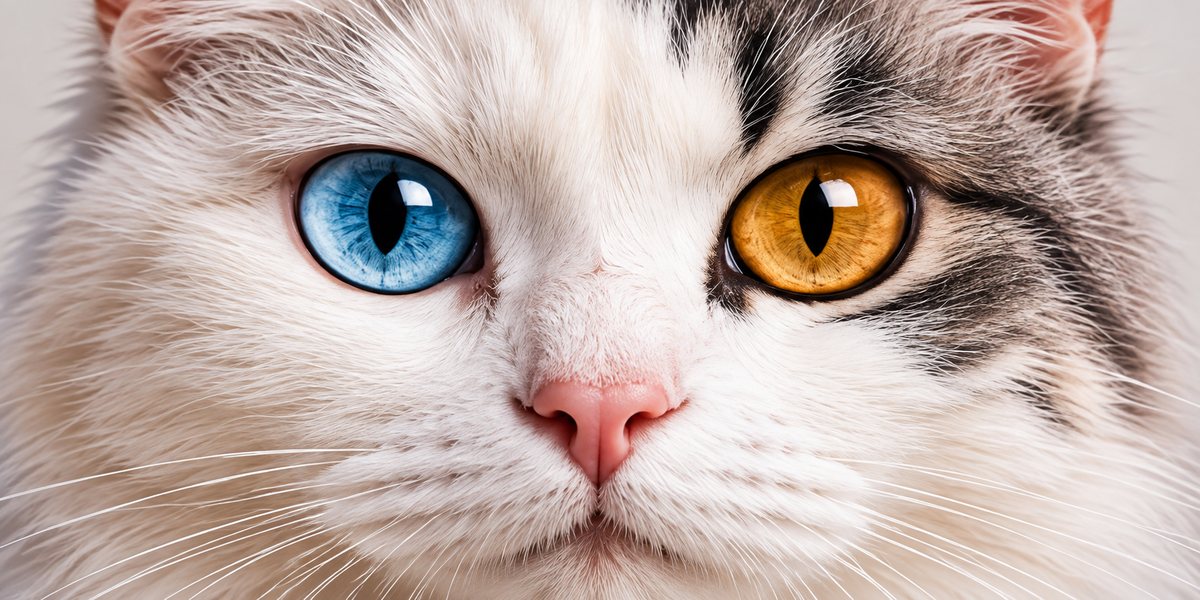
| Eye colors | Copper · gold · green · blue; coat-dependent A broad coat-linked range occurs: copper/gold, green, and blue where white or pointed genetics permit. |
| Coat & routine care | |
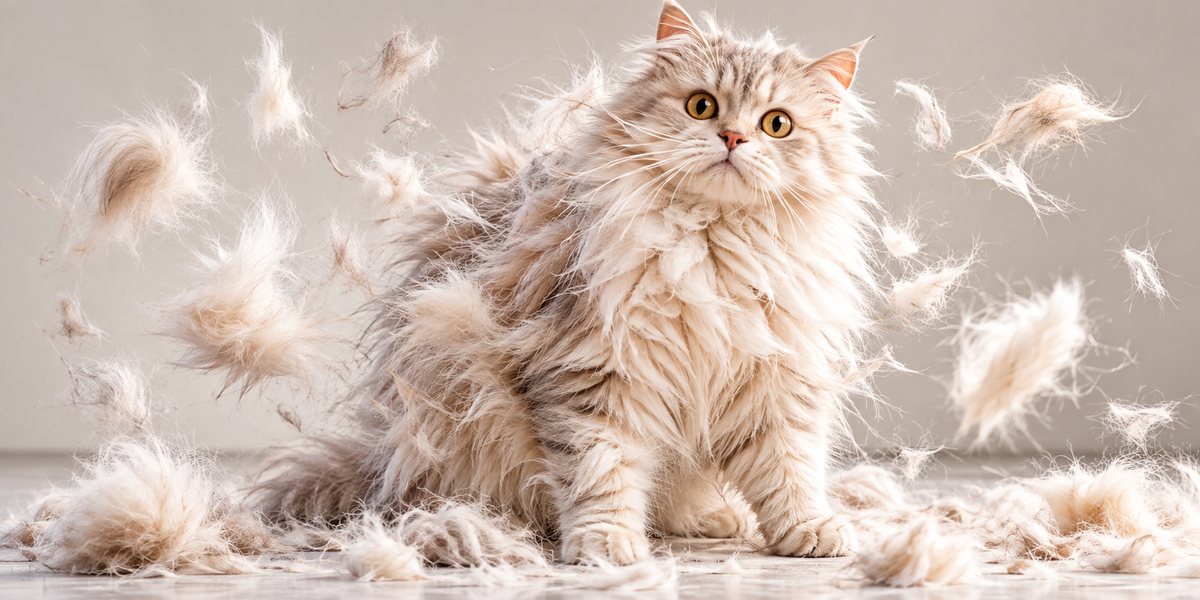
| Shedding | Moderate Moderate shedding; dense shorthair coats shed steadily, while longhair variants produce more visible loose hair. |
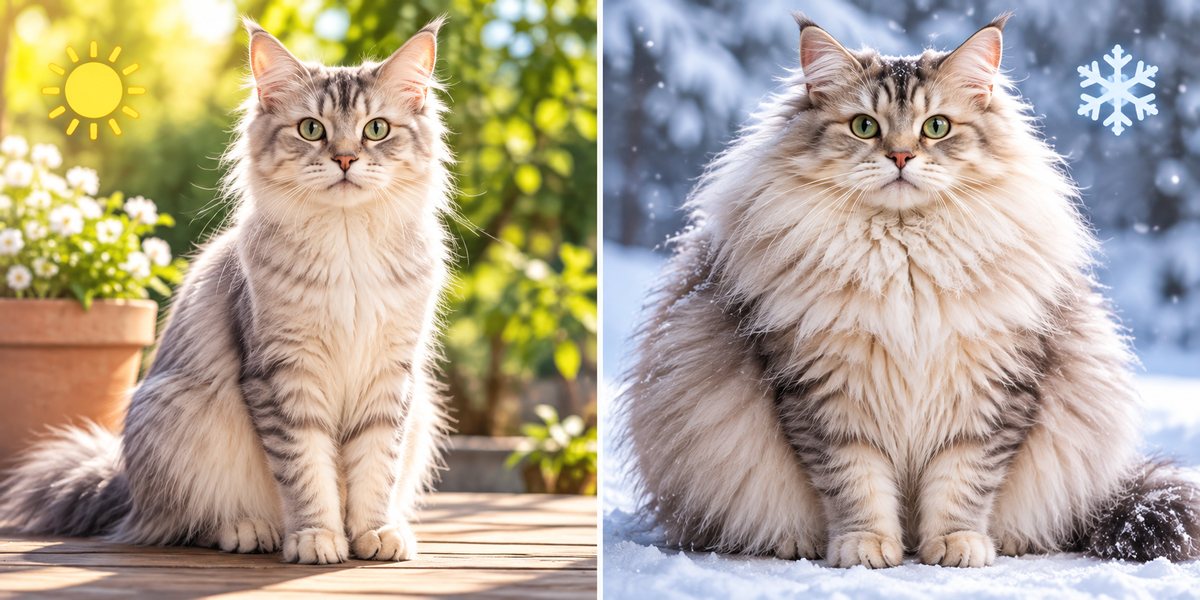
| Seasonal coat changes | Moderate spring fall shed Scottish Folds commonly shed more in spring and autumn as their dense undercoat turns over; longhaired Folds show the change more visibly. |
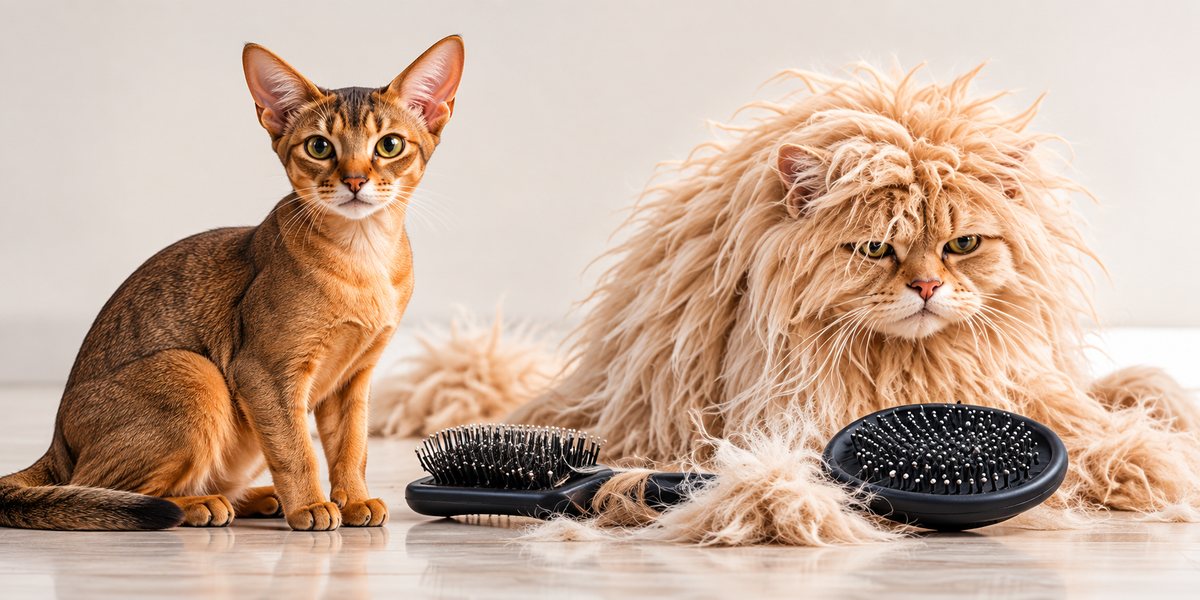
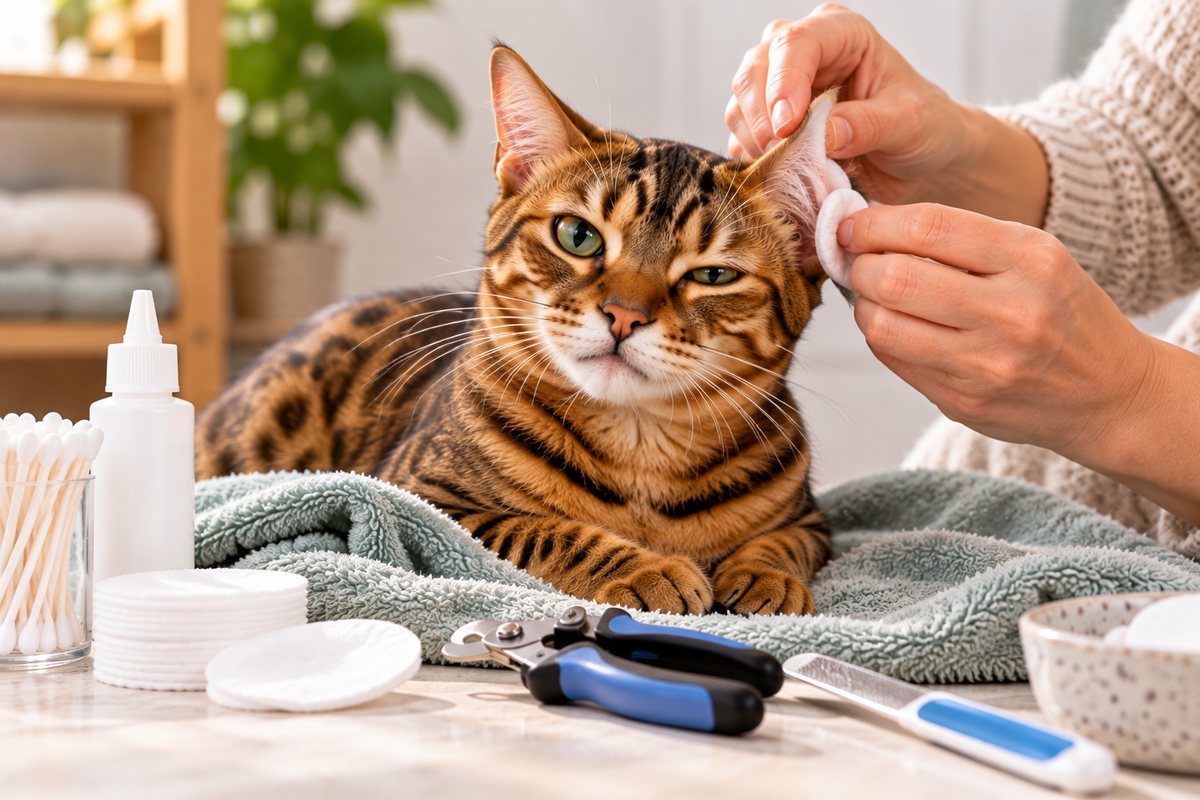
| Brushing & combing | 3x week or as needed Brush shorthairs weekly; longhaired Folds need combing two or three times weekly and more often during seasonal shedding. |
| Tangle & matting tendency | Low to moderate by length Shorthaired Folds have low risk despite dense undercoat; longhaired Folds can mat around the ruff, belly, trousers and behind the ears. |
| Skin & bathing care | Bathing not routinely needed Routine bathing is generally unnecessary; bathe only when the coat is genuinely soiled or for a specific veterinary or grooming reason. |
| Distinctive routine care | Weekly brushing or combing Weekly brushing suits the shorthair; the longhair variety benefits from weekly combing. |
| Allergy & allergen evidence | No breed specific reduction established There is no known reason to regard this breed as hypoallergenic. All cats produce allergens, and coat length or shedding alone does not determine allergy risk. |
| Activity & intelligence | |
| Activity level | Low |
| Playfulness | Moderate |
| Climbing & jumping | Moderate Scottish Folds are usually moderate rather than acrobatic, and skeletal/joint concerns make easy-access perches and modest jump heights a prudent choice. |
| Enrichment demand | Moderate Moderate enrichment demand: daily play, puzzles and accessible climbing opportunities are useful, with activity arrangements mindful of possible joint disease. |
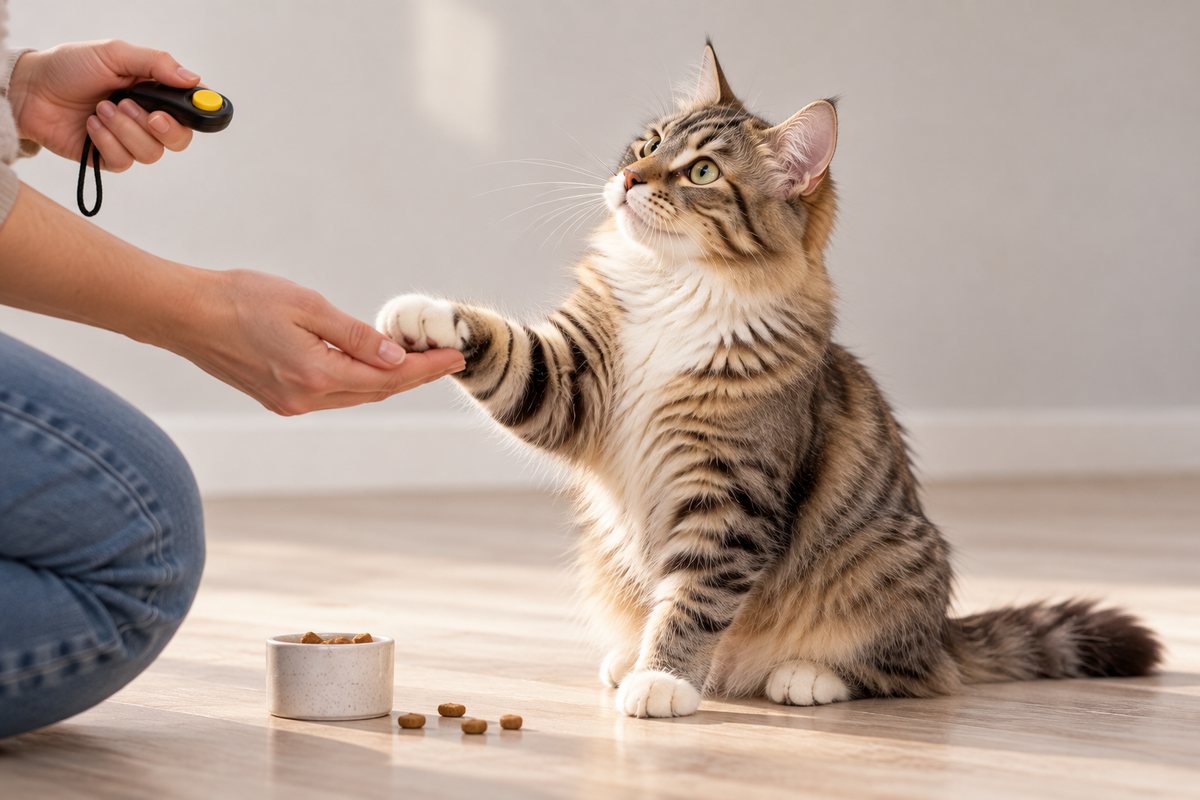
| Learning & training | High Scottish Folds are intelligent and can learn basic tricks. |
| Curiosity & exploration | High They are curious cats and readily investigate new objects or activity around the home. |
| Hunting & chasing tendencies | Moderate Chasing is generally moderate; Scottish Folds can be playful but are not typically relentless pursuers, and cats with joint disease may need especially low-impact games. |
| Personality & social | |
| Sociability with familiar people | High Scottish Folds are people-oriented and tend to remain involved with their household. |
| Affection | Following · proximity · lap contact They are affectionate companions that often follow their people and enjoy close contact. |
| Lap & cuddling preference | High Scottish Folds are typically gentle and strongly attached to their households; many enjoy cuddling and lap contact, although some prefer lying immediately beside their person. |
| Handling tolerance | Moderate Usually sweet-tempered and manageable, but handling should be particularly gentle because osteochondrodysplasia can make the tail, limbs or joints painful in affected cats. |
| Independence & social demand | High social demand Scottish Folds generally prefer regular companionship and do not do well when left alone for long periods. |
| Vocalization | Low Scottish Folds are generally quiet cats that communicate in a soft, unobtrusive way. |
| Response to unfamiliar people | Low Some Scottish Folds are initially reserved with unfamiliar people. |
| Adaptability to change | Moderate to high Scottish Folds are usually calm and easygoing, supporting good household adjustment, though individuals with painful osteochondrodysplasia may tolerate environmental disruption less well. |
| Noise & busy-environment sensitivity | Moderate Scottish Folds are generally calm, easygoing cats that tolerate normal household sounds but tend to suit a moderate, predictable environment better than sustained chaos. |
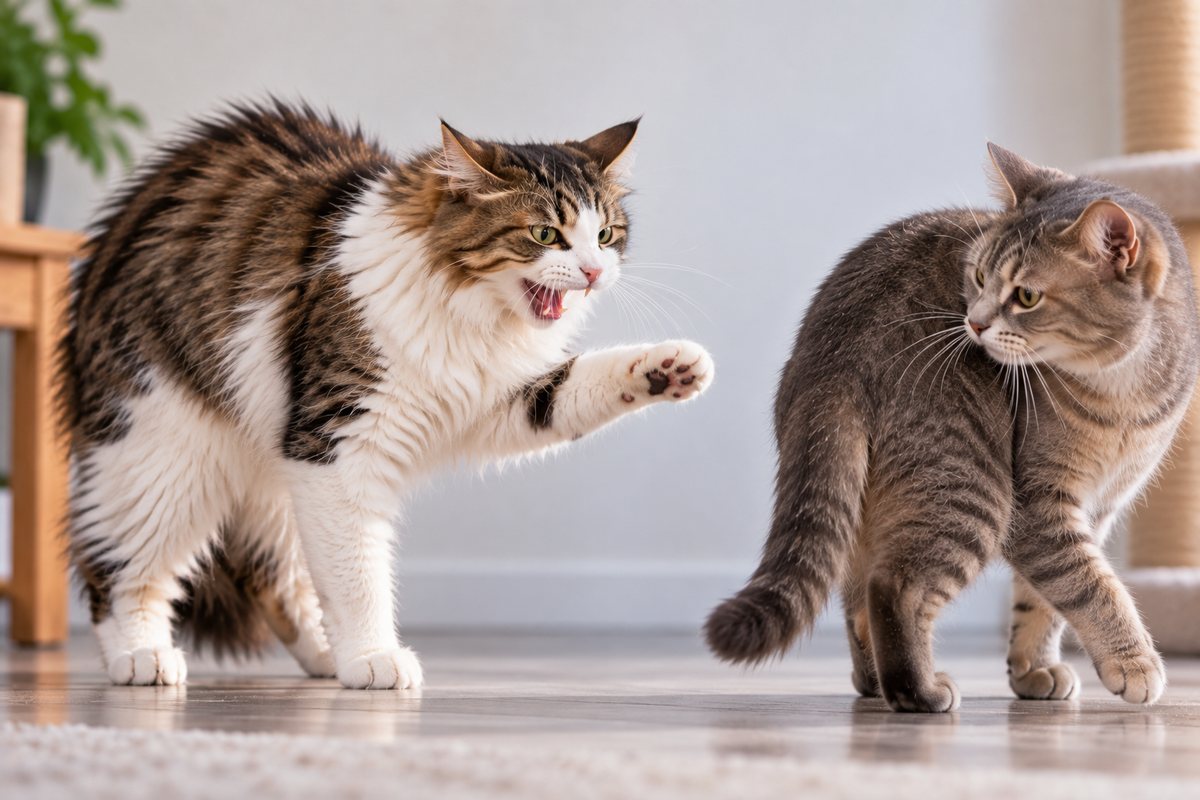
| Defensive & conflict behaviour | Low Scottish Folds are generally calm, companionable cats with low baseline conflict tendency. However, osteochondrodysplasia can cause chronic pain, and pain can materially reduce handling tolerance or produce defensive reactions; behavioral change warrants veterinary attention. |
| Household & environment | |
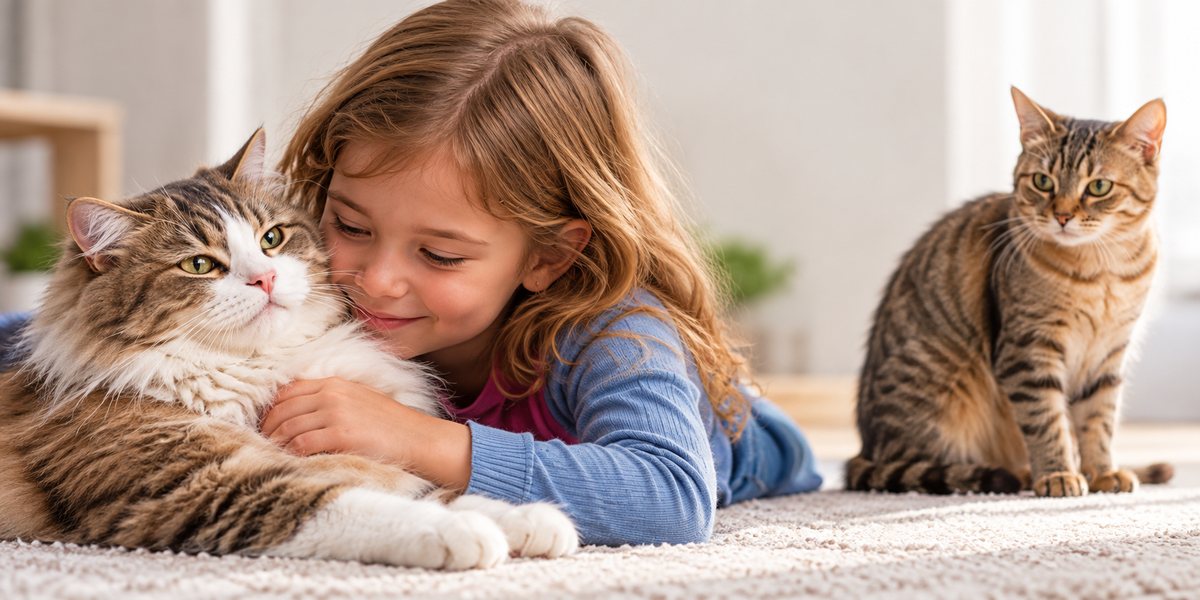
| Living with children | Favorable tendency Their even, patient temperament generally works well with respectful children. |
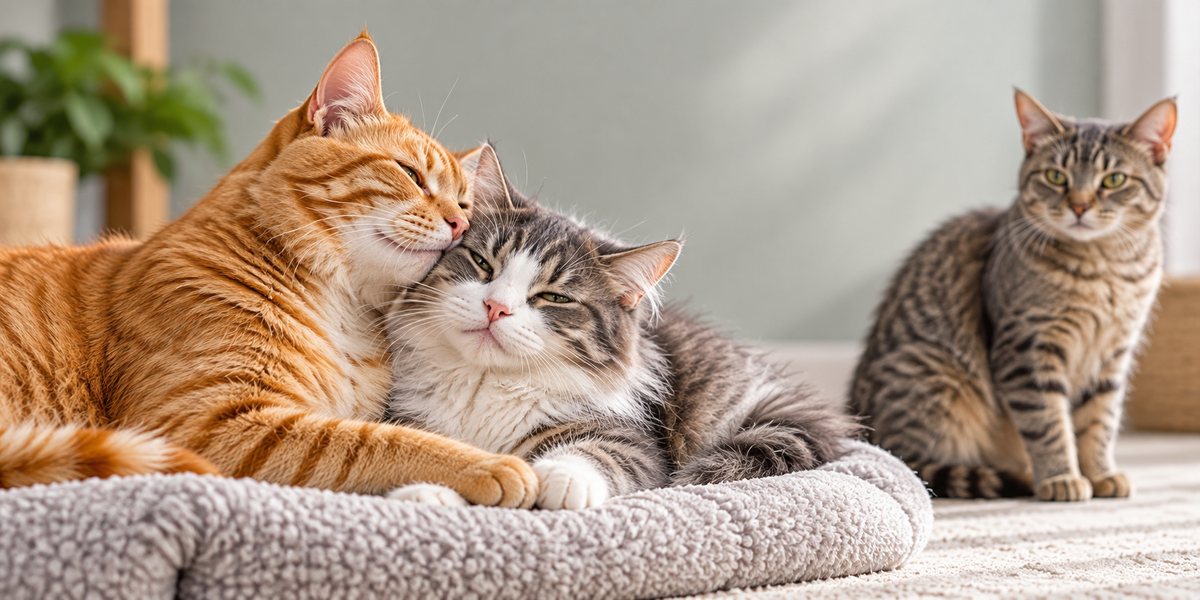
| Living with other cats | Often workable Generally companionable, but household introductions and individual history remain important. |
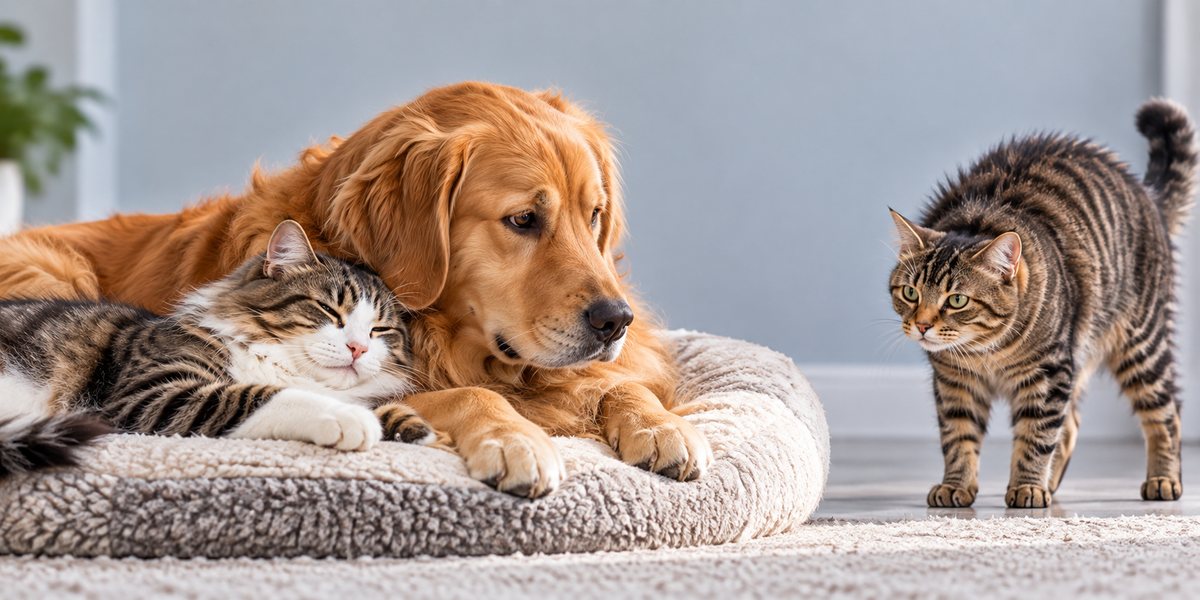
| Living with dogs | Good Scottish Folds generally get along well with cat-friendly dogs. |
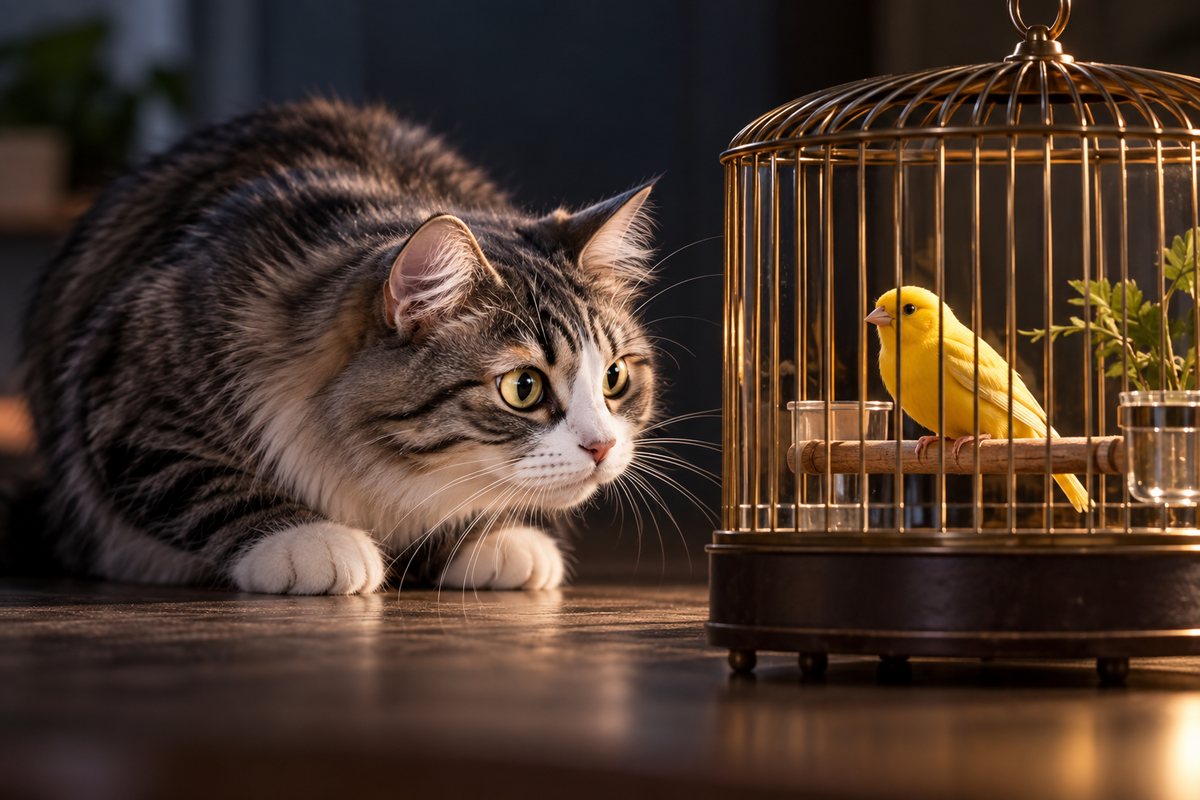
| Living around small pets | Normal predatory caution Scottish Folds are generally calm companions, and affected cats may have reduced mobility from osteochondrodysplasia. Neither placidity nor mobility limitation makes prey-sized pets safe; normal separation precautions remain necessary. |
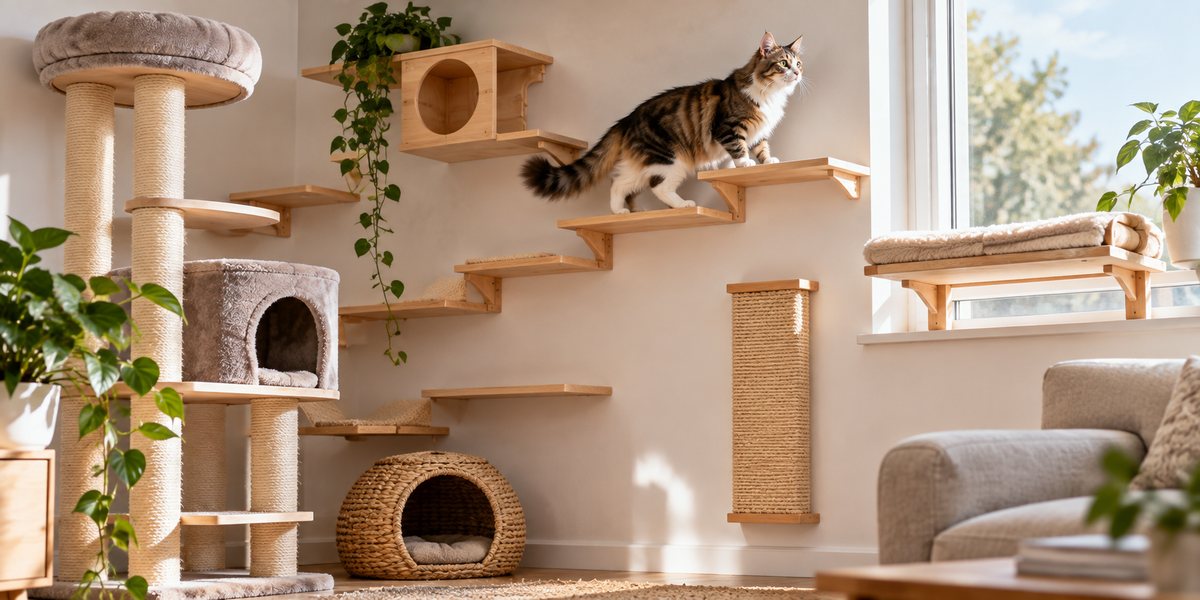
| Indoor & home environment needs | Accessible indoor comfort Scottish Folds require an indoor environment designed around the possibility of painful osteochondrodysplasia. Use easy-access beds, litter boxes and low or stepped perches, avoid demanding jumps, and adjust play to the cat's comfort and mobility. |
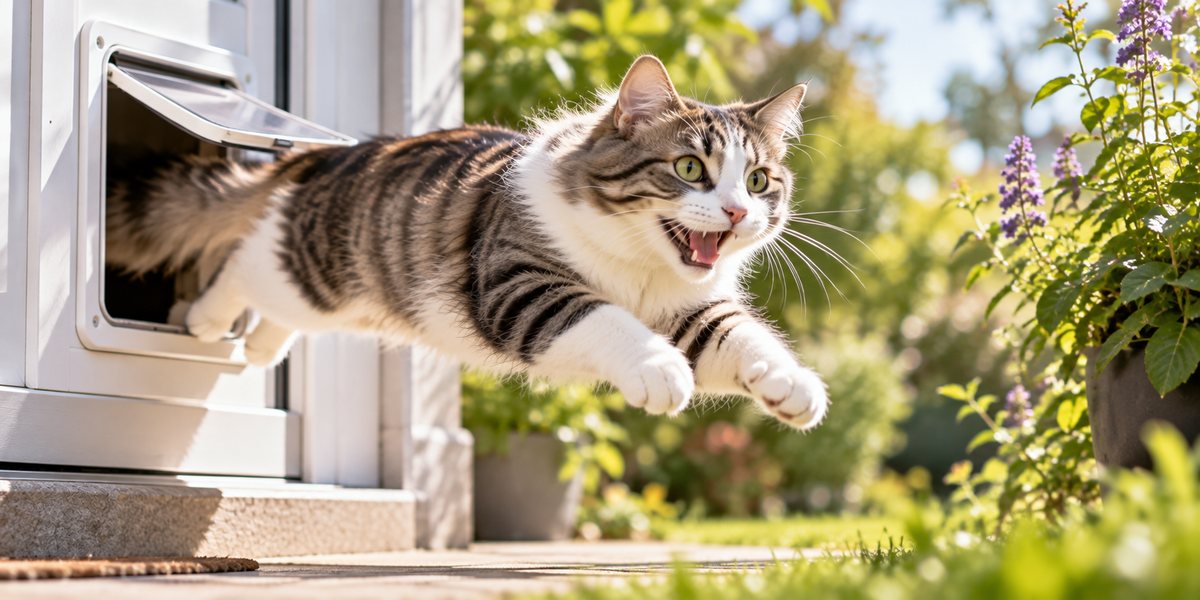
| Outdoor access considerations | Protected secure only Scottish Folds should not depend on unrestricted outdoor mobility because osteochondrodysplasia can cause painful, progressive joint and skeletal changes. If outdoor time is offered, use an accessible secure enclosure with shelter and easy routes. |
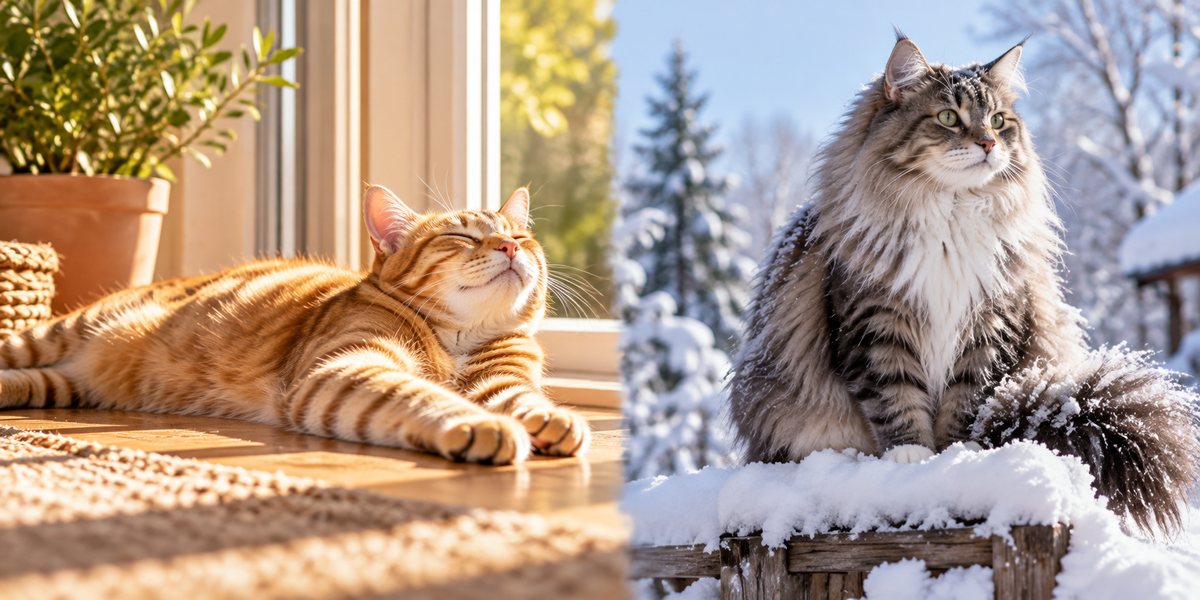
| Heat, cold & sun considerations | Dense coat heat caution Scottish Folds usually have a dense coat that offers good cool-weather insulation. During heat provide water and cool accessible resting places; cats with painful joint disease may be less able to relocate themselves comfortably and need resources close by. |
| Caregiver time & experience | High health management Scottish Folds require more than routine companionship because osteochondrodysplasia can cause lifelong painful skeletal disease. Caregivers need to monitor gait, jumping, stiffness and pain closely and be prepared for veterinary and environmental management. |
| Health & welfare | |
| Documented health predispositions | High conformation risk Every Scottish Fold with folded ears carries the cartilage mutation responsible for osteochondrodysplasia. Severity varies, but painful progressive joint and bone disease is intrinsic to the fold trait, making mobility, stiffness and pain the central breed health concern. |
| Screening & breeder questions | Ask about parent ear status, mating policy and signs of stiffness/pain/lameness in lines Ask whether the kitten has the fold mutation and how the breeder monitors the resulting osteochondrodysplasia risk. Request veterinary assessment of joints and mobility; a normal-looking young kitten does not prove future soundness. |
| Conformation-related welfare | Very high fold cartilage concern The folded ear is produced by the same cartilage mutation that causes osteochondrodysplasia throughout the skeleton. This is an intrinsic welfare problem rather than a cosmetic ear issue; selection cannot retain the fold while eliminating the underlying mutation. |
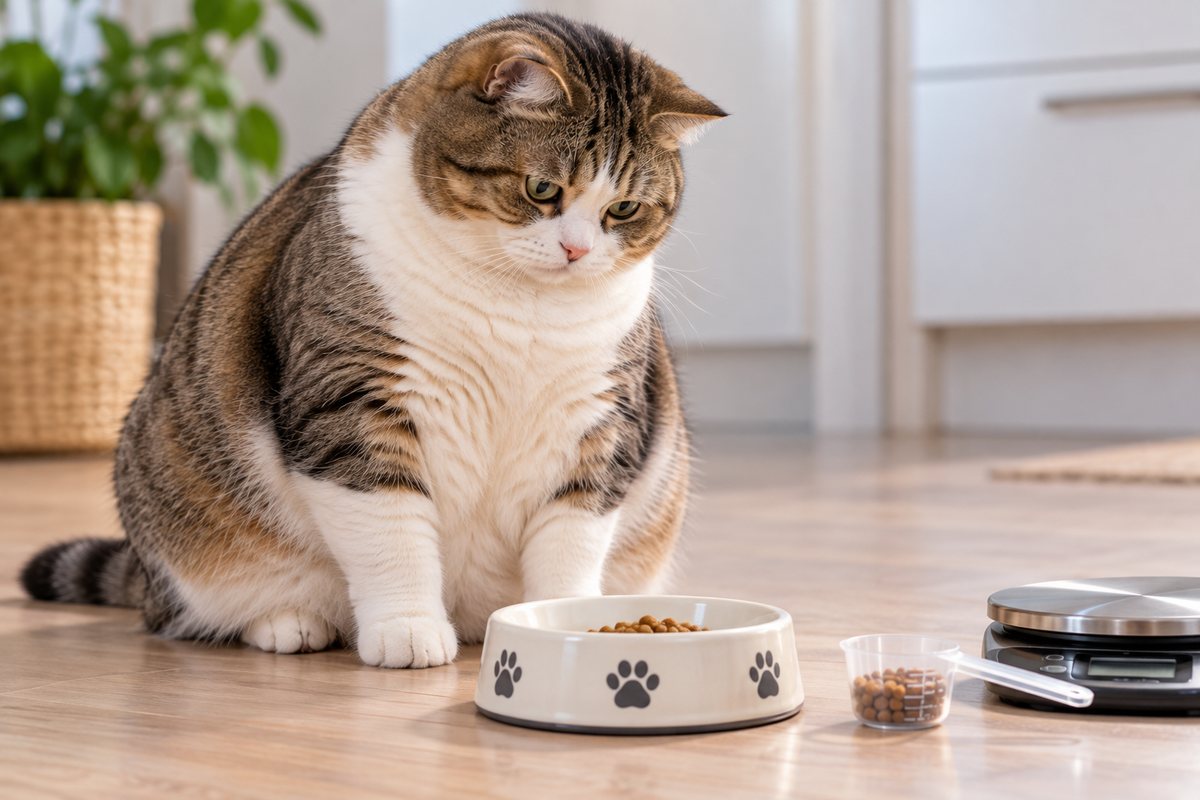
| Nutrition & weight management | Weight joint priority Scottish Folds can develop painful osteochondrodysplasia, making excess weight particularly harmful. Measured feeding and careful body-condition control reduce unnecessary load on affected joints; reduced activity from pain should trigger veterinary assessment, not merely calorie restriction. |
| Longevity | 11–14+ years A typical reported life span is about 11–14 years or longer. |
| Cost & availability | |
| Purchase cost | High: $800–$2,500 Scottish Fold: a practical breeder-market estimate is $800–$2,500. This reflects that it is an popular mutation breed, although welfare restrictions reduce legal breeder supply in some countries. |
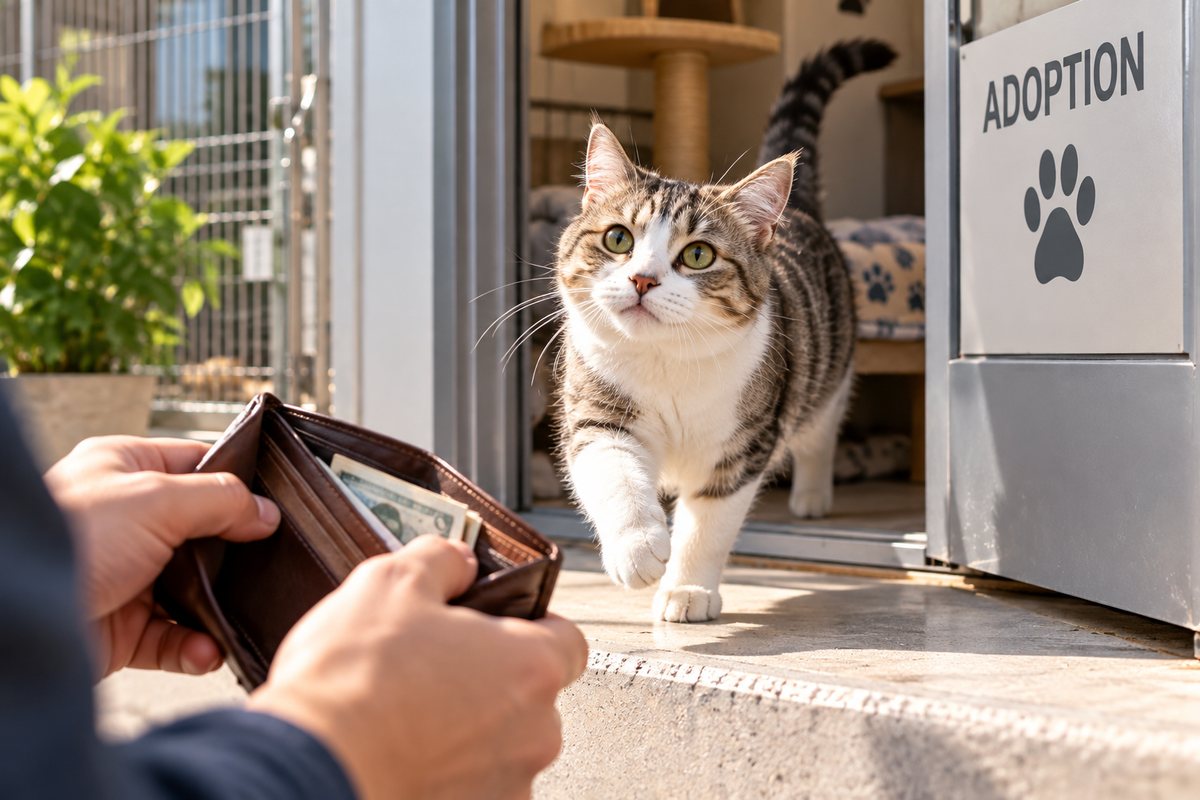
| Adoption & rehoming cost | Occasionally available: $75–$400 typical rescue/adoption fee Scottish Fold: $75–$400 typical rescue/adoption fee. The breed is sufficiently numerous that genuine examples sometimes enter ordinary rescue or breed-rescue channels. |
| Recurring ownership costs | Coat maintenance Veterinary provision should be treated as a major potential cost because the fold mutation causes osteochondrodysplasia and affected cats may require imaging, pain management or long-term mobility care. Ordinary food and grooming costs are secondary to that welfare risk. |
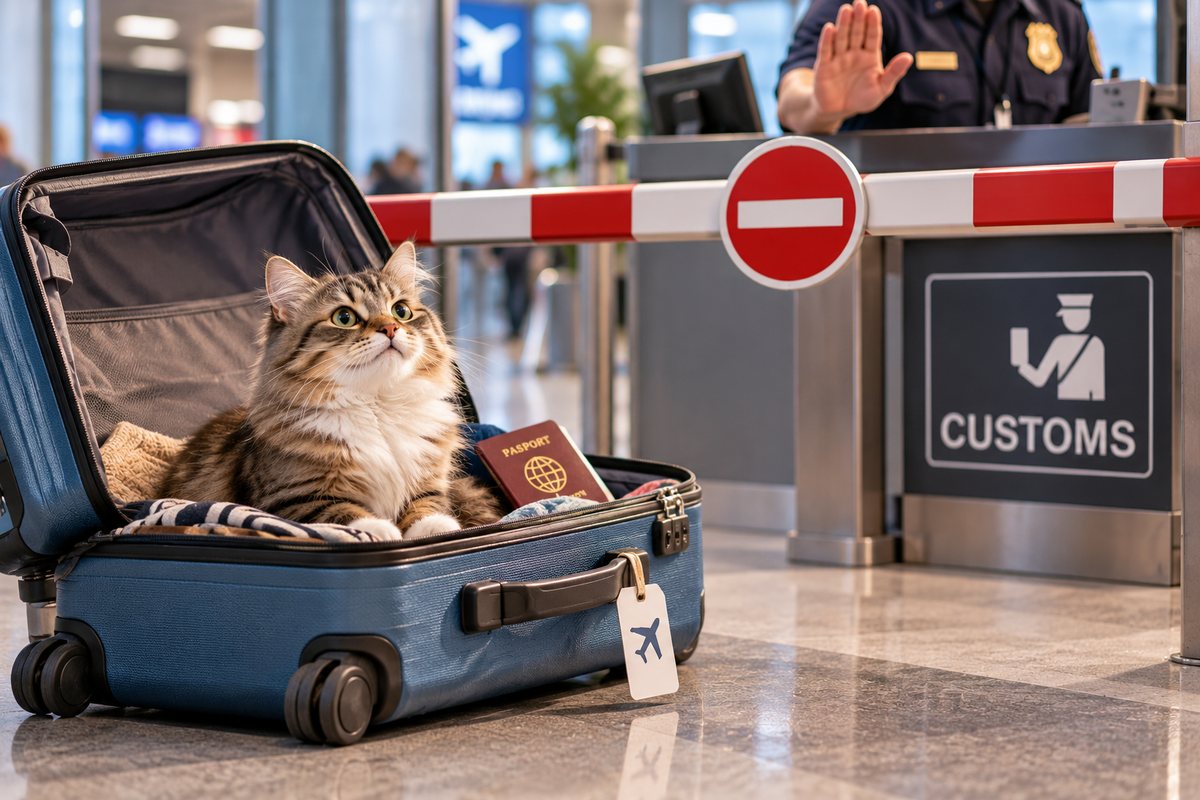
| Availability, waits & import | Widely sold but restricted Scottish Folds are commercially widespread in some markets, but breeding or recognition is restricted or opposed in a number of countries because the fold mutation causes osteochondrodysplasia. Availability should not be treated as evidence that breeding the trait is welfare-neutral. |
| Identity & real-world context | |
| Ownership & import restrictions | No known breed specific restrictions There are no known breed-specific ownership restrictions. Ordinary animal-welfare, identification, vaccination and cross-border import rules still apply where relevant. |
| Registry recognition | CFA: recognized breed/division · TICA: Championship-recognized / current breed identity Currently recognized by CFA and TICA in the FSC core matrix; it is not a separately recognized FIFe breed identity in that matrix. |
| Similar breeds & identity distinctions | Scottish Straight British Shorthair Scottish Folds are identified by forward-folded ears caused by the fold mutation. Scottish Straights share much of the round body and head but have normal upright ears and should not carry the fold phenotype; British Shorthairs can look similar but belong to a separate breeding population. |
| Reported characteristic quirks | Known for upright “prairie-dog” and human-like sitting postures Scottish Folds are known for unusual sitting positions, including sitting upright to inspect a sound and the so-called Buddha sit. |
Browse all 53 breed characteristics
Open any characteristic to compare all breeds on that dimension.



 English