
Compare Cat Breeds
Compare up to three breeds across all 53 characteristics. Values are shown directly so the differences are easier to scan.
| Characteristic | 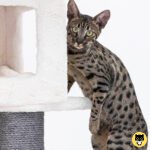 Savannah |
|---|---|
| Body & development | |
| Adult size | Medium to large |
| Adult weight | 4.0–9.0 kg (8.8–19.8 lb), with early-generation males sometimes larger Savannah weight varies unusually widely by generation and sex; many adults are about 4.0–9.0 kg (8.8–19.8 lb), while some early-generation males exceed that. |
| Build & distinguishing morphology | Tall lanky · very long legs · long neck · short thick tail Build: tall lanky; very long legs; long neck; short thick tail. |
| Maturation | 2-3 years Savannahs, especially earlier-generation and larger individuals, can continue developing their tall frame and lean musculature beyond the first year, with full physical maturity better expected around 2–3 years. |
| Coat & appearance | |
| Coat length | Short Short coat without a heavy undercoat. |
| Coat texture & undercoat | Short · no heavy undercoat Coat: short; no heavy undercoat. |
| Colors & patterns | Brown spotted · silver spotted · black · black smoke Colors/patterns: brown spotted; silver spotted; black; black smoke. |
| Eye colors | Gold · green · hazel · brown Gold, green, hazel and brownish tones occur, complementing the spotted serval-influenced phenotype. |
| Coat & routine care | |
| Shedding | Low to moderate Low to moderate shedding from the short coat, with modest seasonal increase in many cats. |
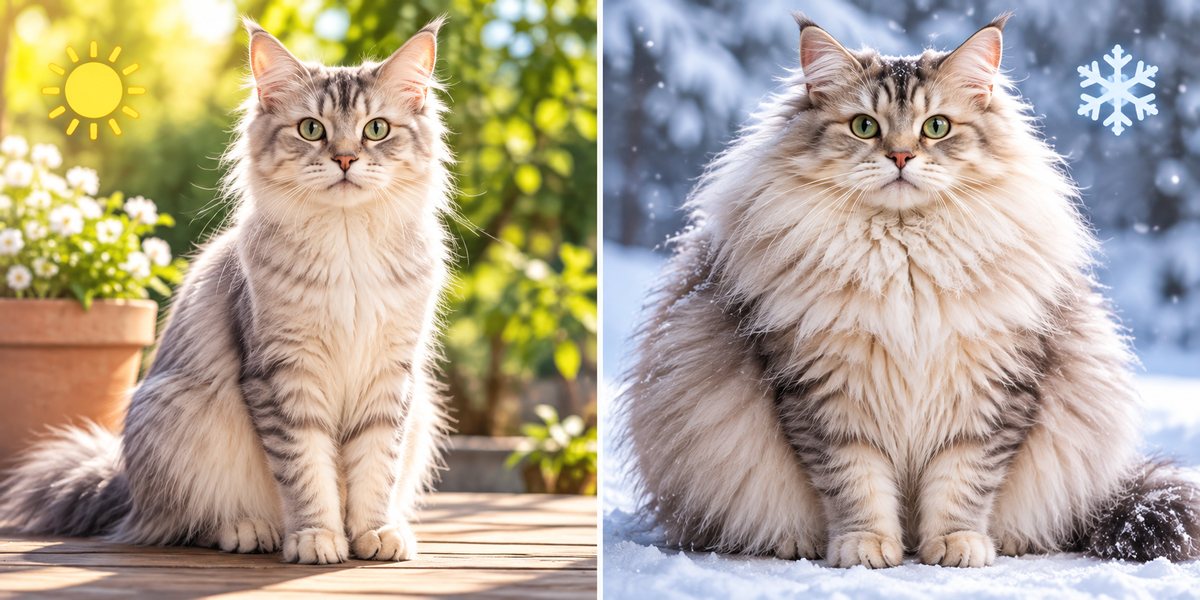
| Seasonal coat changes | Mild seasonal change The short Savannah coat has no heavy undercoat, so seasonal change is usually mild, with a modest increase in loose hair during spring or autumn. |
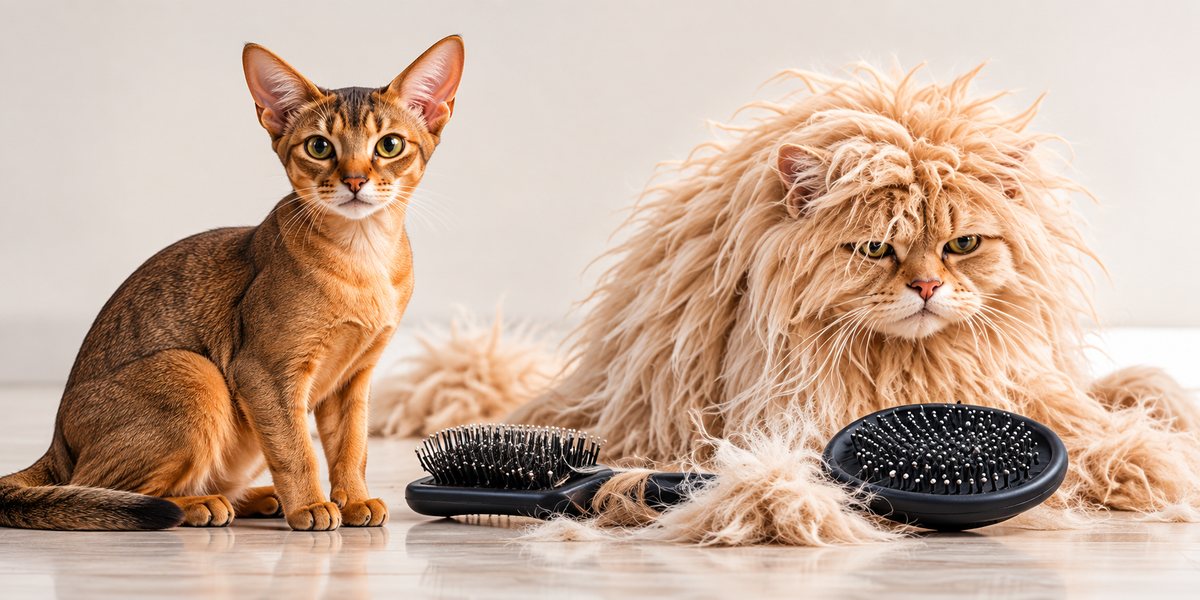
| Brushing & combing | Occasional · more shedding season Brushing/combing: occasional; more shedding season. |
| Tangle & matting tendency | Very low The short coat lacks a heavy undercoat and rarely mats. |
| Skin & bathing care | Bathing not routinely needed Routine bathing is generally unnecessary; bathe only when the coat is genuinely soiled or for a specific veterinary or grooming reason. |
| Distinctive routine care | Simple coat high activity Savannahs need little specialized coat maintenance. The recurring workload is instead vigorous daily activity, robust enrichment, nail and dental care and secure environmental management appropriate to a tall, athletic cat. |
| Allergy & allergen evidence | No breed specific reduction established There is no known reason to regard this breed as hypoallergenic. All cats produce allergens, and coat length or shedding alone does not determine allergy risk. |
| Activity & intelligence | |
| Activity level | Very high |
| Playfulness | Very high |
| Climbing & jumping | Very high |
| Enrichment demand | Very high Very high enrichment demand: extensive exercise, climbing, complex play, training and puzzle challenges are central to managing this exceptionally active hybrid breed. |
| Learning & training | Very high Savannahs are highly intelligent, energetic learners that thrive on trick training, interactive puzzles and other tasks that combine movement with problem solving. |
| Curiosity & exploration | Very high Savannahs are exceptionally inquisitive and persistent explorers, often investigating household objects, mechanisms, high places and novel spaces with unusual intensity. |
| Hunting & chasing tendencies | High Very strong chasing is expected. Savannahs combine exceptional athleticism, high activity and serval ancestry, so vigorous prey-style enrichment and careful small-animal management are important. |
| Personality & social | |
| Sociability with familiar people | High Savannahs can be loyal, interactive companions that become strongly engaged with their familiar people. |
| Affection | Interactive playful · following · proximity Affection is often active, loyal and participatory rather than conventional lap behavior. |
| Lap & cuddling preference | Low Savannah social attachment does not imply a strong breed-wide preference for prolonged lap cuddling. |
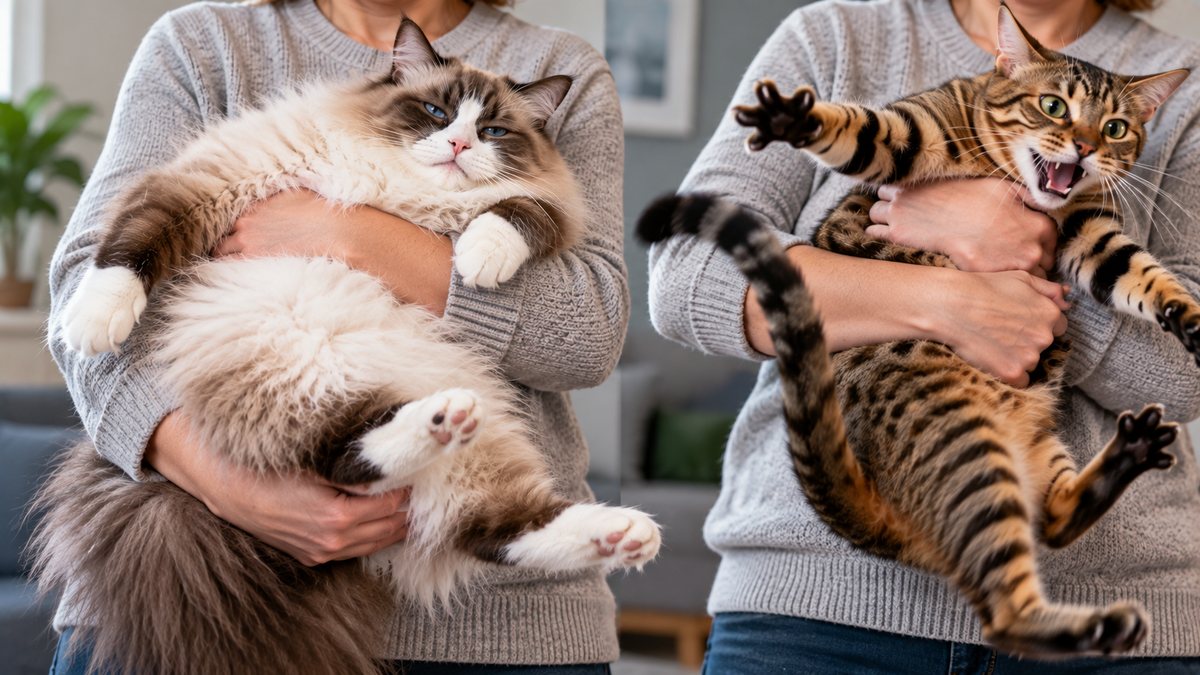
| Handling tolerance | Low to moderate Savannahs are intensely interactive but athletic and autonomy-seeking; many dislike being physically restrained even when bonded closely, and cooperative handling is preferable to forced holding. |
| Independence & social demand | Very high |
| Vocalization | Low to moderate; individual conversational style varies Moderately vocal and sometimes conspicuous, using meows, chirps, hisses and other calls; individual generation and socialization can strongly affect frequency. |
| Response to unfamiliar people | Low Savannahs may be selective/reserved with unfamiliar people despite strong family loyalty. |
| Adaptability to change | Moderate Curiosity aids adjustment, but intensity and environmental needs make a uniformly high adaptability score inappropriate. |
| Noise & busy-environment sensitivity | Low Savannahs are highly alert but usually bold, athletic and novelty-seeking; well-socialized individuals often cope with busy environments, although intense startle responses can accompany their vigilance. |
| Defensive & conflict behaviour | Moderate Confident, intense behavior warrants neutral/moderate rather than inferred aggression. |
| Household & environment | |
| Living with children | Often workable Savannahs can fit experienced family homes, but size, intensity and generation/individual differences make a blanket favorable label inappropriate. |
| Living with other cats | Often workable A compatible companion cat can be beneficial, but individual background and hybrid-generation context make a stronger universal claim inappropriate. |
| Living with dogs | Moderate |
| Living around small pets | Additional caution Strong chasing behavior and serval-derived predatory motor patterns justify additional caution around small animals. |
| Indoor & home environment needs | High enrichment · robust vertical space · secure home Savannahs need exceptional environmental management for a domestic cat: robust tall climbing structures, secure doors and windows, challenging puzzle enrichment and substantial daily interactive activity. Their jumping ability, curiosity and persistence make ordinary minimal indoor setups inadequate. |
| Outdoor access considerations | Secure enclosure or harness · escape management Athletic jumping and curiosity make secure containment particularly important. |
| Heat, cold & sun considerations | Shortcoat heat activity caution Savannahs have a short coat and generally tolerate ordinary warmth, but their high activity can generate substantial heat during play. Provide shade, water and cooler resting areas and avoid intense exercise during extreme temperatures. |
| Caregiver time & experience | Very high Exceptional enrichment, space, training and management demands make this a high-involvement breed. |
| Health & welfare | |
| Documented health predispositions | Moderate hybrid risks Savannahs are generally athletic, but their hybrid ancestry and large size make careful cardiac, orthopedic and reproductive history important. Hypertrophic cardiomyopathy has been reported, and responsible care should not assume hybrid status confers protection from domestic-cat disease. |
| Screening & breeder questions | Ask what health problems are tracked in the lines and request actual test results Ask about hypertrophic cardiomyopathy and orthopedic problems in the family, what cardiac screening breeding cats receive, and whether generation from serval ancestry creates any reproductive, anesthetic or management issues relevant to the specific cat. |
| Conformation-related welfare | Moderate large hybrid type Savannahs are tall, long-legged hybrid-derived cats. Their dramatic height should remain compatible with sound joints, spine and gait; breeding for ever greater size or wild-type proportions should not outrank comfortable domestic-cat function. |
| Nutrition & weight management | Large high activity condition led Savannahs are tall, athletic cats and may have high energy expenditure, but they do not require an exotic or raw diet simply because of hybrid ancestry. Feed nutritionally complete food to actual activity, growth and body condition. |
| Longevity | 12–16 years Savannahs are generally athletic and robust; about 12–16 years is a sensible expectation, with generation, body size and individual health influencing longevity. |
| Cost & availability | |
| Purchase cost | Very high: $1,500–$10,000+ Savannah: a practical breeder-market estimate is $1,500–$10,000+; hybrid-origin breed whose generation, fertility and legal status can produce exceptionally high prices. |
| Adoption & rehoming cost | Very rare in rescue: $100–$600 when genuinely available Savannah: $100–$600 when genuinely available. The breed is scarce enough that a verified purebred rescue placement is unusual; transport may exceed the adoption fee. |
| Recurring ownership costs | Robust enrichment/containment equipment · possible import/documentation complexity for early-generation hybrids Savannahs can be expensive to maintain: large athletic cats need robust climbing/enrichment equipment and may eat more, while legal, travel or specialized veterinary considerations can add costs. Insurance and a substantial emergency reserve are prudent. |
| Availability, waits & import | Moderately available with legal limits Savannahs have an established specialist breeder network, particularly in North America and Europe, but legal rules and generation restrictions vary by jurisdiction. Later-generation cats may be obtainable while import or ownership of earlier generations is restricted. |
| Identity & real-world context | |
| Ownership & import restrictions | CITES hybrid recent-lineage rules can affect international trade/import documentation for early-generation wild-cat hybrids Savannah ownership is restricted or generation-limited in some jurisdictions because of serval ancestry. Early-generation cats can also face wildlife/CITES import and documentation requirements, so legality must be checked for the destination and generation. |
| Registry recognition | TICA: Championship-recognized / current breed identity Currently recognized by TICA in the FSC core matrix; it is not a separately recognized CFA or FIFe breed identity there. |
| Similar breeds & identity distinctions | Chausie Bengal Savannahs are tall, long-legged cats with serval ancestry and a spotted coat. Chausies derive from jungle cats and are usually less conspicuously spotted as adults, while Bengals are generally more compact and show leopard-like rosettes or marbling. |
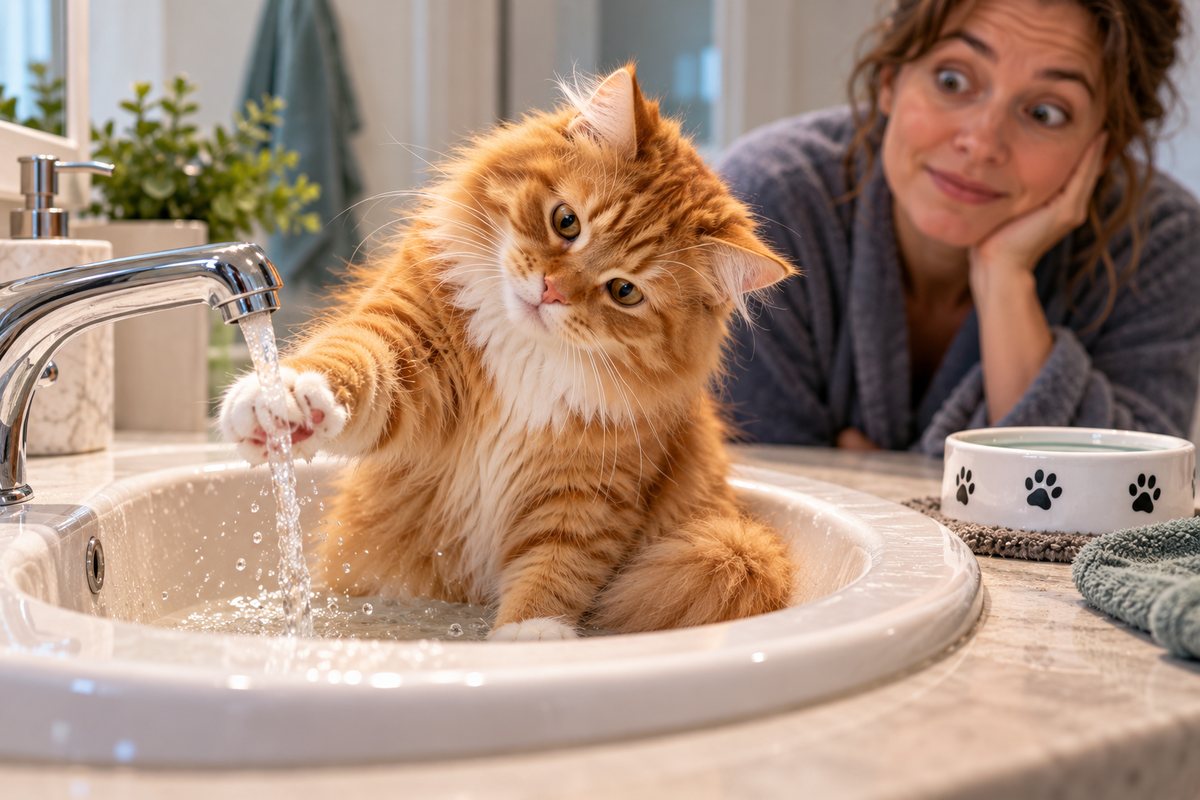
| Reported characteristic quirks | May open doors, operate faucets and play in water Their intelligence and curiosity can show up as opening doors, turning on faucets, flushing toilets or playing in water. |
Browse all 53 breed characteristics
Open any characteristic to compare all breeds on that dimension.

 English