
Compare Cat Breeds
Compare up to three breeds across all 53 characteristics. Values are shown directly so the differences are easier to scan.
| Characteristic |  Sam Sawet |
|---|---|
| Body & development | |
| Adult size | Medium |
| Adult weight | 4.1–6.4 kg (9.0–14.1 lb) Adults are commonly around 4.1–6.4 kg (9–14 lb). |
| Build & distinguishing morphology | Slender · angular head · balanced The Sam Sawet has a slender frame and angular head, with a balanced natural-cat build. |
| Maturation | 12-18 months As a moderate Thai natural-type cat, the Sam Sawet is expected to complete most skeletal growth within a year and fill out through roughly 12–18 months. |
| Coat & appearance | |
| Coat length | Short The Sam Sawet is a natural Thai shorthair with a close, practical coat rather than a developed long or semi-long coat. |
| Coat texture & undercoat | Short · fine close lying · light undercoat The Sam Sawet has a short, close, fine natural Thai coat with a relatively light undercoat, suited to a warm climate. |
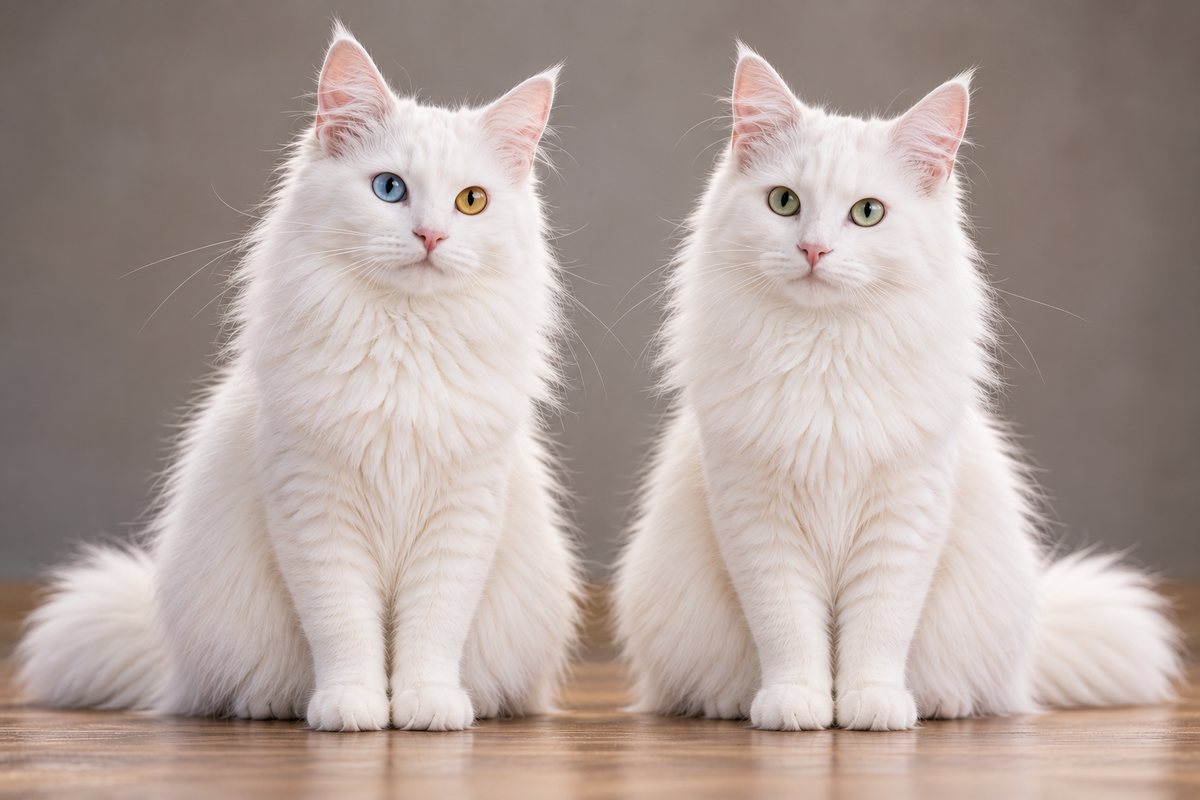
| Colors & patterns | White · black · blue · brown · fawn · solid The breed is described in solid colours including white, black, blue-grey, brown and fawn. |
| Eye colors | Yellow · green · gold Yellow, green and gold tones are plausible for this Thai natural-type cat; no single eye colour defines it. |
| Coat & routine care | |
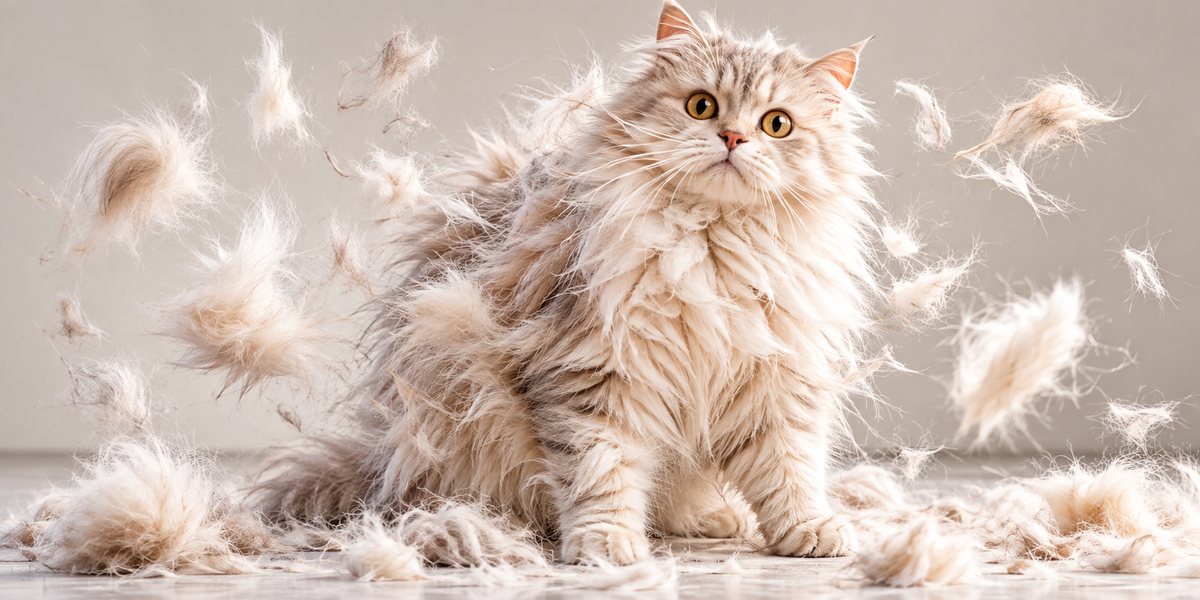
| Shedding | Low Low shedding is expected from the short, close Thai landrace-type coat. |
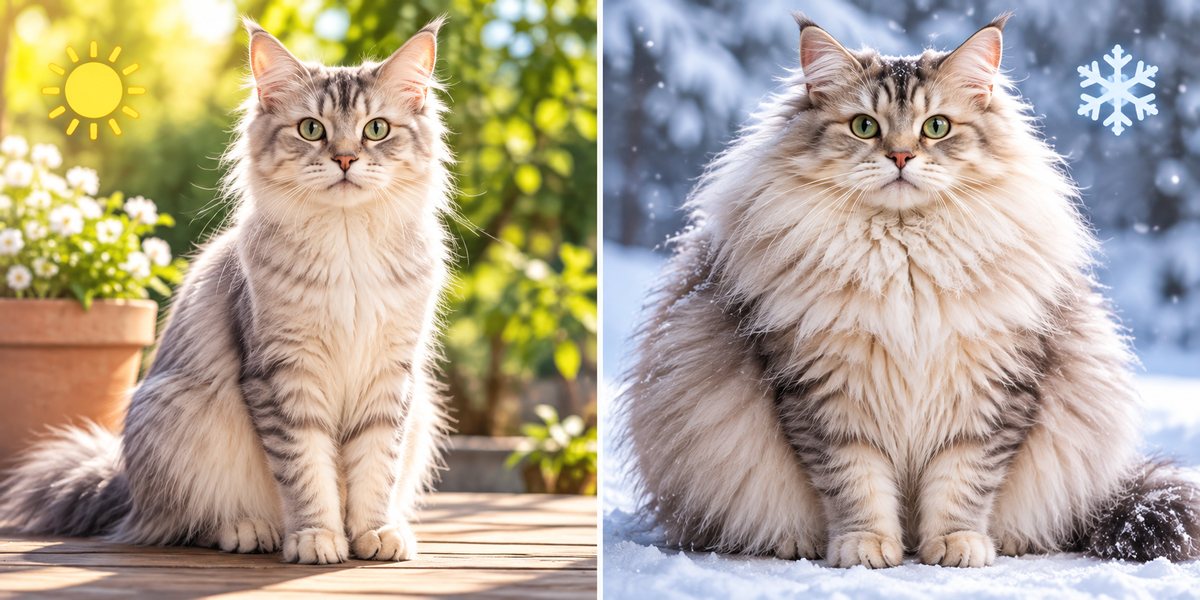
| Seasonal coat changes | Minimal to mild seasonal change The Sam Sawet’s short, fine Thai coat should change only slightly with season, producing little more than a temporary increase in loose hair. |
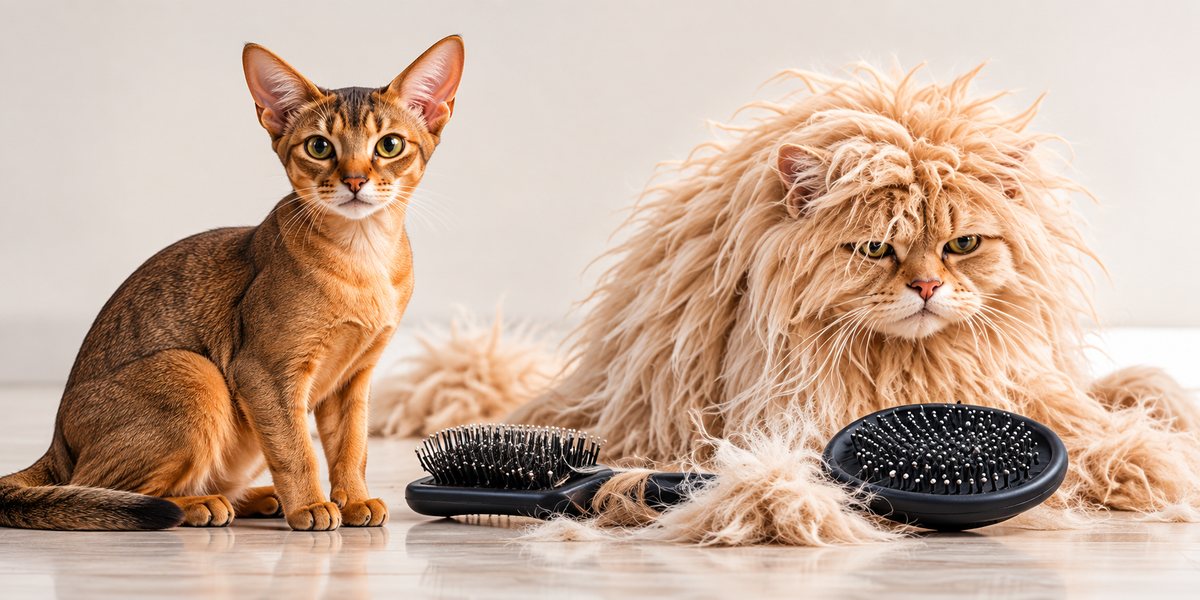
| Brushing & combing | Weekly or as needed Weekly combing is a practical starting point, increased when the coat is changing or beginning to tangle. |
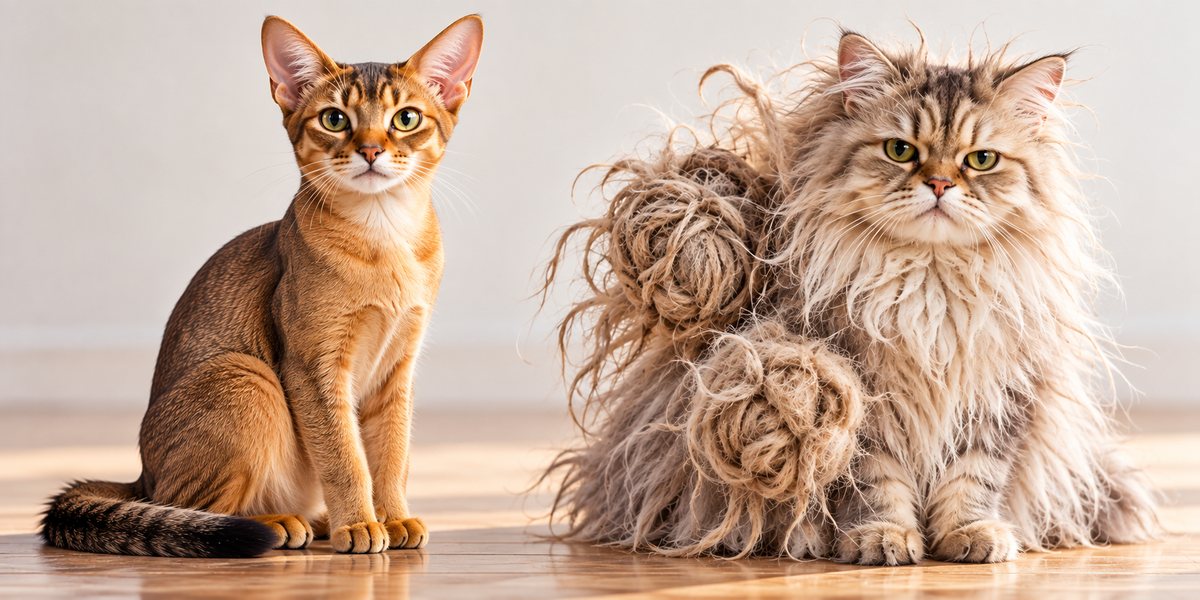
| Tangle & matting tendency | Very low The short fine Thai-type coat has little undercoat and is not normally prone to tangling. |
| Skin & bathing care | Bathing not routinely needed Routine bathing is generally unnecessary; bathe only when the coat is genuinely soiled or for a specific veterinary or grooming reason. |
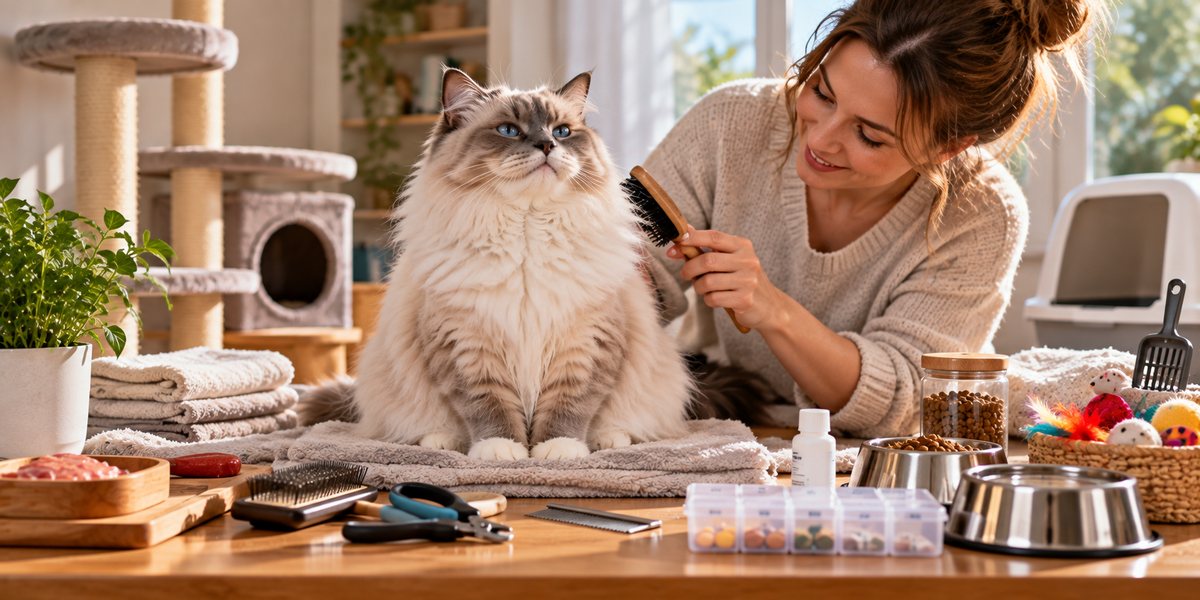
| Distinctive routine care | Simple coat general care Sam Sawet cats should need straightforward short-coat care: occasional brushing, nails, ears and dental hygiene. Because breed-specific evidence is sparse, regular hands-on health checks are more useful than imposing an elaborate special routine. |
| Allergy & allergen evidence | No breed specific reduction established There is no known reason to regard this breed as hypoallergenic. All cats produce allergens, and coat length or shedding alone does not determine allergy risk. |
| Activity & intelligence | |
| Activity level | High Sam Sawets are lively and active cats. |
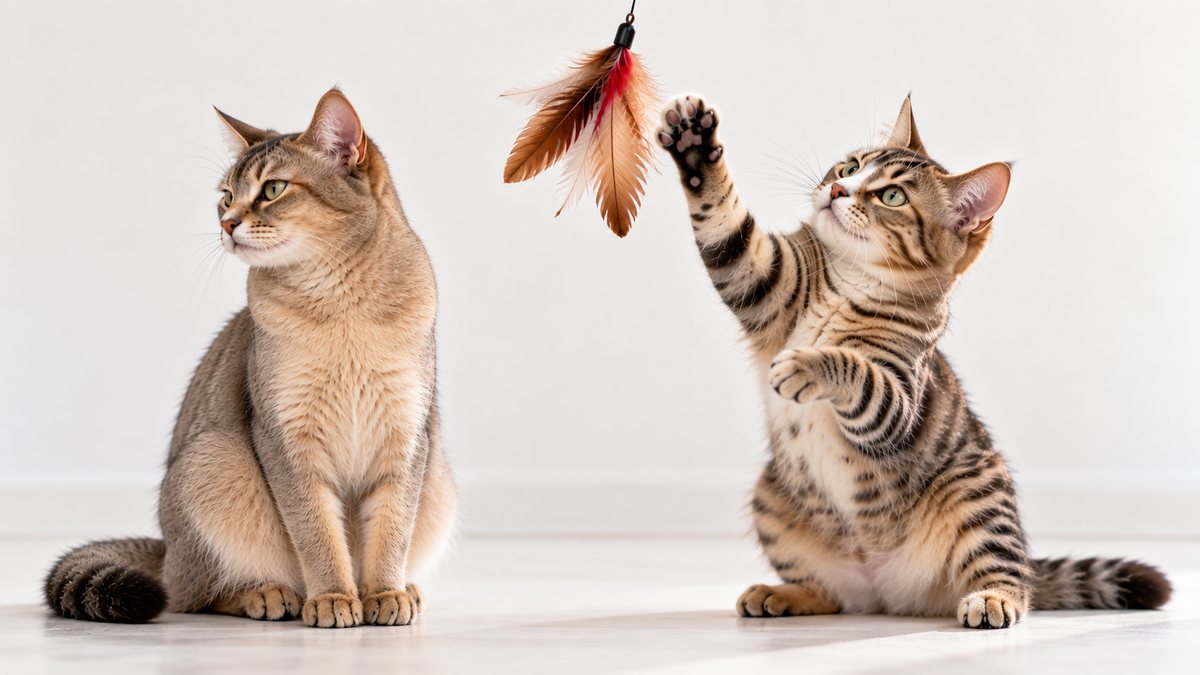
| Playfulness | High The breed is playful and tends to retain an interest in games into adulthood. |
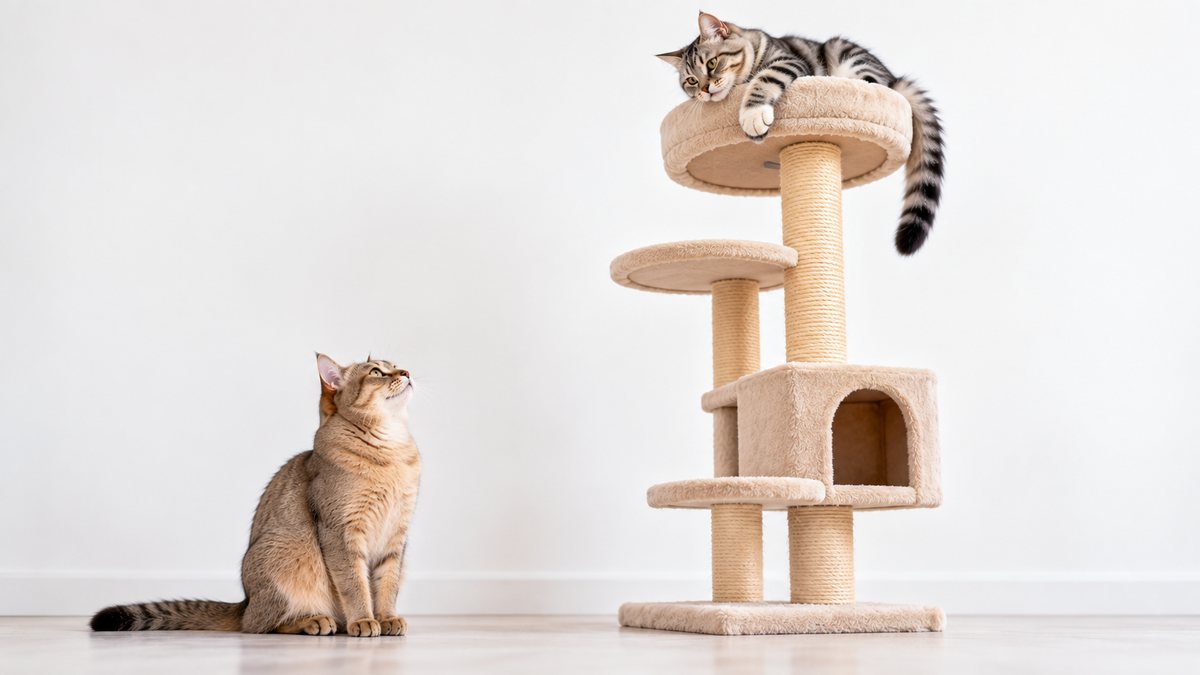
| Climbing & jumping | Moderate to high The lean Thai landrace background suggests good agility and above-average willingness to climb; varied vertical territory is a useful part of enrichment. |
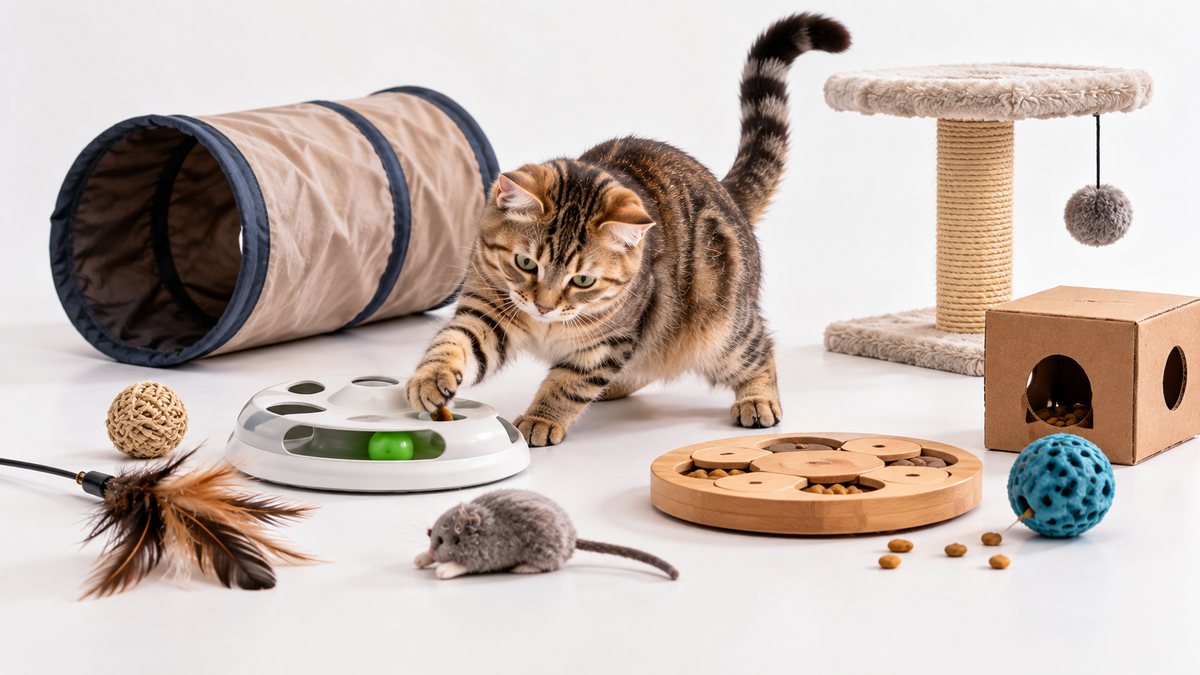
| Enrichment demand | High High enrichment demand: active social play, exploration and varied interactive toys are appropriate for this lively, curious Thai landrace type. |
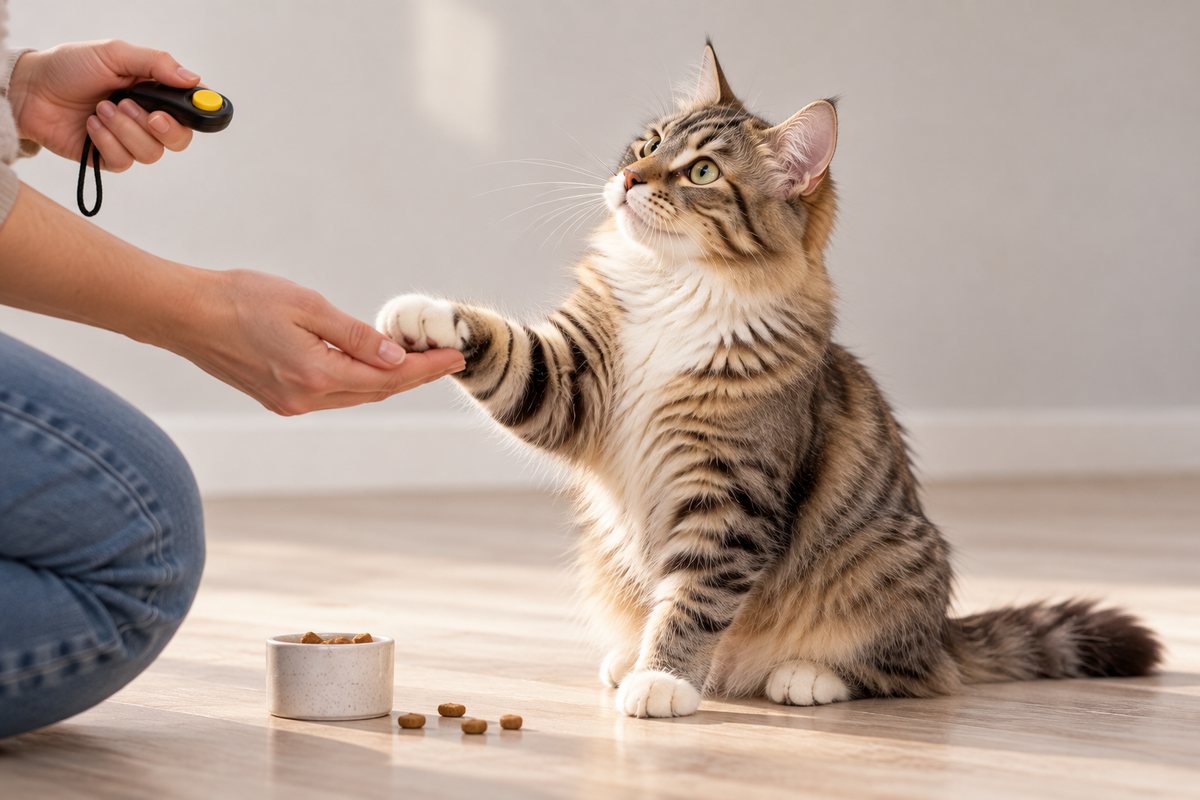
| Learning & training | High The Sam Sawet’s alert, social Thai-cat profile supports good everyday learning, particularly when food, play and human interaction are used as rewards. |
| Curiosity & exploration | High Sam Sawets are notably curious and interested in household activity. |
| Hunting & chasing tendencies | Moderate to high A moderate-to-strong chase tendency is plausible for this active Thai natural type; prey-style play should be provided even though detailed breed-specific evidence is limited. |
| Personality & social | |
| Sociability with familiar people | Very high Sam Sawets tend to form strong bonds and stay closely engaged with their families. |
| Affection | Affectionate · people oriented · follows people Affection is people-oriented and involved; many stay close to family members and follow household activity. |
| Lap & cuddling preference | Moderate Sam Sawets are adaptable, friendly Thai cats; many can enjoy close contact, but there is not a strong basis for treating persistent lap sitting as a defining breed trait. |
| Handling tolerance | Moderate This Thai natural type is expected to be alert and people-compatible but less standardized for handling temperament; routine contact should be workable with early socialization. |
| Independence & social demand | High social demand The breed is people-oriented and tends to prefer regular company to long periods alone. |
| Vocalization | Moderate Sam Sawets are moderately communicative without usually reaching the vocal intensity of Siamese cats. |
| Response to unfamiliar people | High Sam Sawets are generally confident and curious with visitors rather than strongly fearful. |
| Adaptability to change | High The breed is generally adaptable when introduced gradually to new situations. |
| Noise & busy-environment sensitivity | Moderate As a Thai natural-type cat with limited standardized behavioral data, a moderate, adaptable domestic-cat response to familiar household noise is the most reasonable estimate. |
| Defensive & conflict behaviour | Moderate Sam Sawet cats are not documented well enough behaviorally to justify a low or high extreme. As a Thai natural-type population, they are best expected to show ordinary feline territorial and defensive responses shaped strongly by individual socialization. |
| Household & environment | |
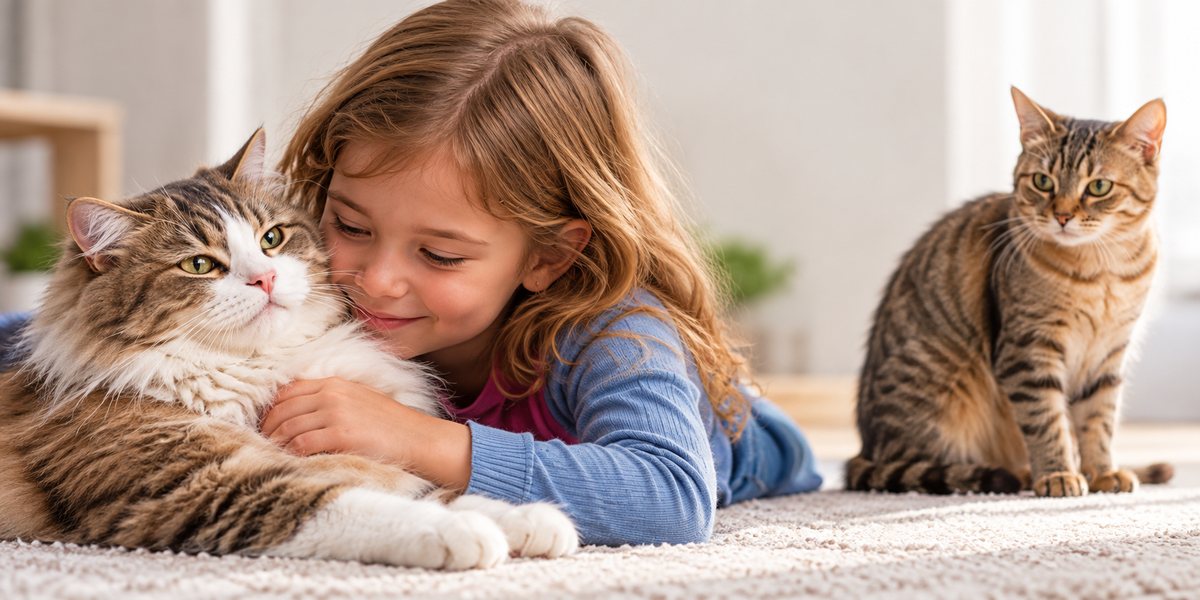
| Living with children | Favorable tendency Sam Sawets are generally a good match for respectful children. |
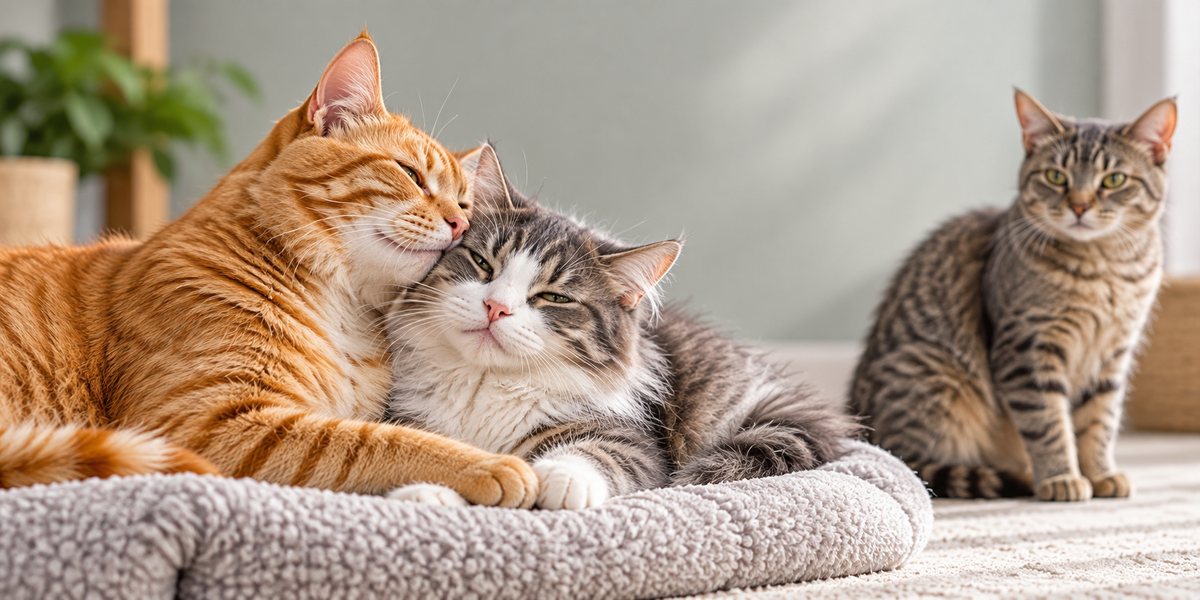
| Living with other cats | Favorable tendency Sam Sawets generally coexist well with compatible cats. |
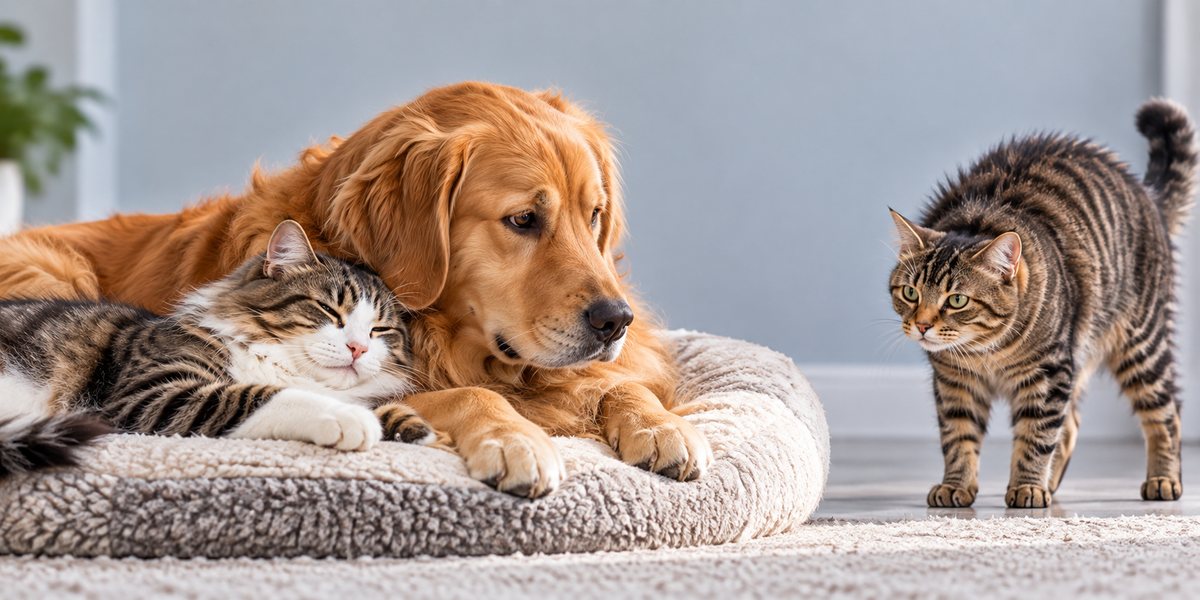
| Living with dogs | Good Sam Sawets can generally live with calm, cat-friendly dogs after gradual introductions. |
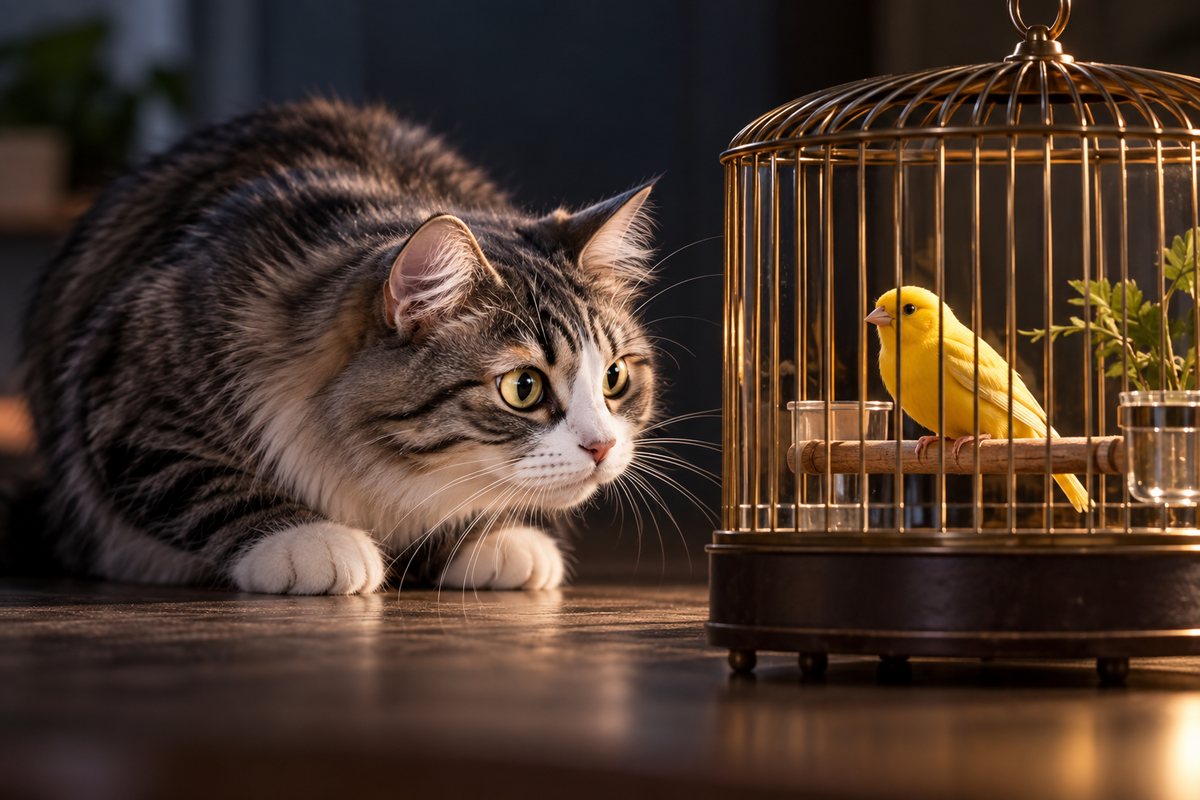
| Living around small pets | Normal predatory caution Sam Sawet cats are too sparsely documented for a confident breed-specific prey-drive claim. Their Thai domestic-cat background supports ordinary feline hunting caution: vulnerable small pets should not have unrestricted contact. |
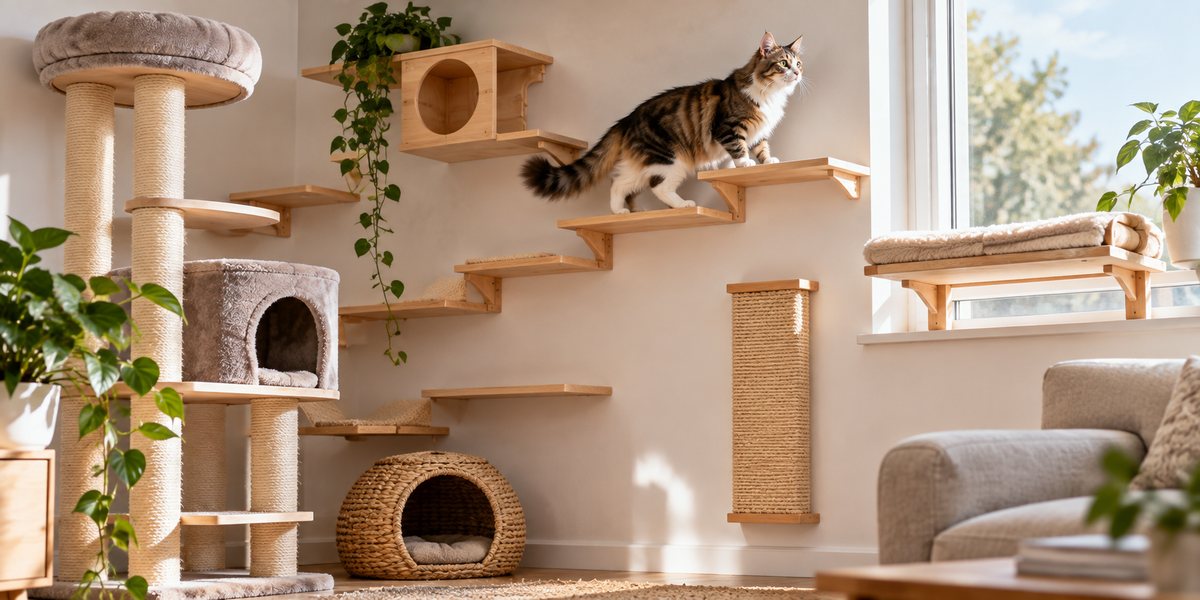
| Indoor & home environment needs | Balanced indoor Sam Sawet cats are too sparsely documented for highly specialized housing claims. A well-designed indoor environment should therefore cover robust feline basics: vertical territory, hiding and resting places, scratching options, window observation and regular interactive play. |
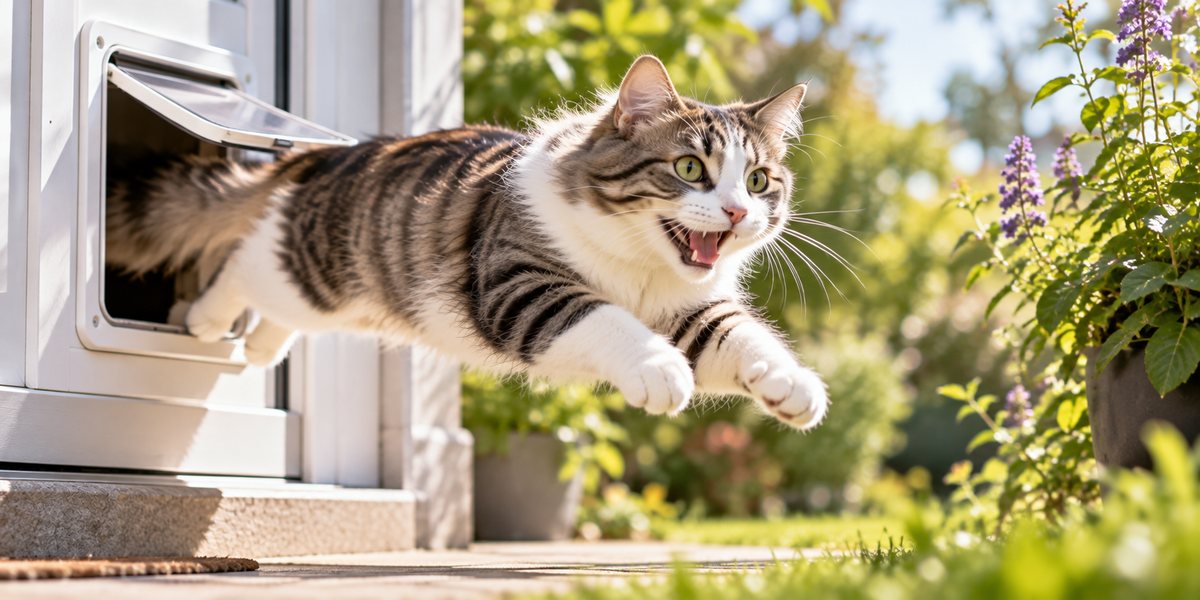
| Outdoor access considerations | Secure optional Sam Sawet cats are too sparsely documented for a special outdoor recommendation. Their needs can be met indoors; where outdoor enrichment is desired, secure access is safer than assuming a rare Thai domestic type requires free roaming. |
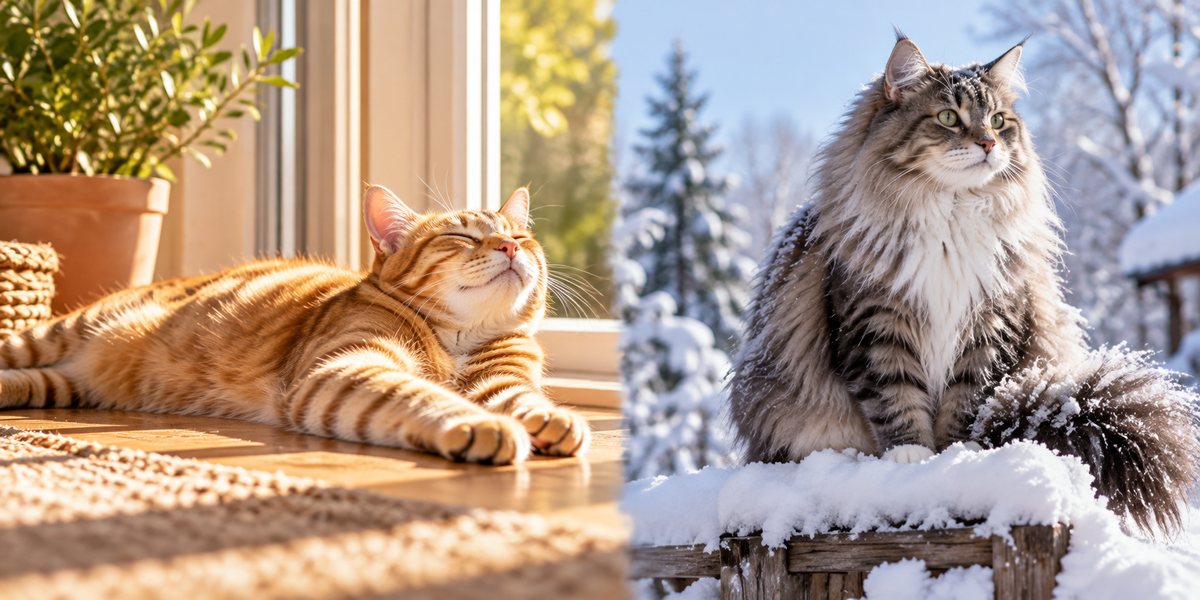
| Heat, cold & sun considerations | Shortcoat warm climate Sam Sawet cats are Thai domestic-type cats with a short coat and warm-climate background. They should have shade and hydration in tropical heat and warm indoor retreats when living in cold climates. |
| Caregiver time & experience | Moderate Sam Sawet cats are rare Thai domestic-type cats with little evidence for specialized daily care. A moderate routine of play, companionship, simple coat care and attentive health observation is the best current assessment. |
| Health & welfare | |
| Documented health predispositions | Limited specific risk Sam Sawet cats are rare Thai domestic-type cats without a documented signature inherited disorder. The small evidence base makes genetic diversity, family history and ordinary preventive health assessment more meaningful than a claim of breed-specific disease. |
| Screening & breeder questions | Ask what health problems are tracked in the lines and request actual test results Ask for multigenerational health and longevity records, what heart, kidney or reproductive problems have occurred, and how genetic diversity is maintained in this rare Thai domestic-type population. |
| Conformation-related welfare | Low conformation concern Sam Sawet cats are rare Thai domestic-type cats without a known structural extreme. Preservation should prioritize healthy conventional anatomy and genetic diversity rather than creating exaggerated features to distinguish the breed. |
| Nutrition & weight management | Moderate condition led Sam Sawet cats have no established breed-specific dietary requirement. Complete feline nutrition adjusted to life stage, activity and body condition is the best current recommendation for this rare Thai domestic type. |
| Longevity | 14–18 years As a Thai natural-type cat without a known life-shortening breed syndrome, the Sam Sawet is reasonably estimated at about 14–18 years, with some individuals potentially living longer. |
| Cost & availability | |
| Purchase cost | Very high: $1,000–$3,000+ Sam Sawet: a practical breeder-market estimate is $1,000–$3,000+. This reflects that it is an rare Thai landrace/type with little formal international breeder supply. |
| Adoption & rehoming cost | Very rare in rescue: $100–$600 when genuinely available Sam Sawet: $100–$600 when genuinely available. The breed is scarce enough that a verified purebred rescue placement is unusual; transport may exceed the adoption fee. |
| Recurring ownership costs | Typical cat costs Breed-specific recurring expenses are not established for this rare Thai type. Budget as for a healthy shorthaired cat—food, litter, preventive veterinary and dental care, plus enrichment—while maintaining a general contingency because documentation is sparse. |
| Availability, waits & import | Extremely rare Sam Sawet cats are rare Thai domestic-type cats with little organized international breeding. Outside Thailand, genuine pedigree or preservation-breeding availability is extremely limited and claims should be verified carefully. |
| Identity & real-world context | |
| Ownership & import restrictions | No known breed specific restrictions There are no known breed-specific ownership restrictions. Ordinary animal-welfare, identification, vaccination and cross-border import rules still apply where relevant. |
| Registry recognition | No separate current CFA/TICA/FIFe recognition Sam Sawet is not a separately recognized current breed identity in CFA, TICA or FIFe within the FSC core registry matrix; recognition by smaller, national or experimental registries can differ. |
| Similar breeds & identity distinctions | Thai domestic types Sam Sawet cats can look like ordinary Thai domestic shorthairs because the name is tied to a rare traditional type rather than a dramatically unique morphology. Documented ancestry and breeding context are therefore essential to identity. |
| Reported characteristic quirks | Individual quirks often center on play and exploration Sam Sawet is more culturally distinctive than behaviorally documented: Thai tradition attaches auspicious meaning to the type, while evidence is too thin to claim a particular trick as breed-wide. |
Browse all 53 breed characteristics
Open any characteristic to compare all breeds on that dimension.




 English