
Compare Cat Breeds
Compare up to three breeds across all 53 characteristics. Values are shown directly so the differences are easier to scan.
| Characteristic |  Russian |
|---|---|
| Body & development | |
| Adult size | Medium |
| Adult weight | 3.0–5.5 kg (6.6–12.1 lb) Russian-type cats are lean but muscular; about 3.0–5.5 kg (6.6–12.1 lb) is a practical adult range, with males usually heavier. |
| Build & distinguishing morphology | Foreign · graceful · muscular Build: foreign; graceful; muscular. |
| Maturation | 18-24 months Russian Blue-type cats generally reach near-adult frame size in the first year and continue developing their firm musculature and dense adult coat into roughly 18–24 months. |
| Coat & appearance | |
| Coat length | Short Short dense blue coat. |
| Coat texture & undercoat | Short · dense double · plush · silver tipped Coat: short; dense double; plush; silver tipped. |
| Colors & patterns | Blue only Colors/patterns: blue only. |
| Eye colors | Vivid green Vivid green is the hallmark eye colour of the Russian Blue-type breed. |
| Coat & routine care | |
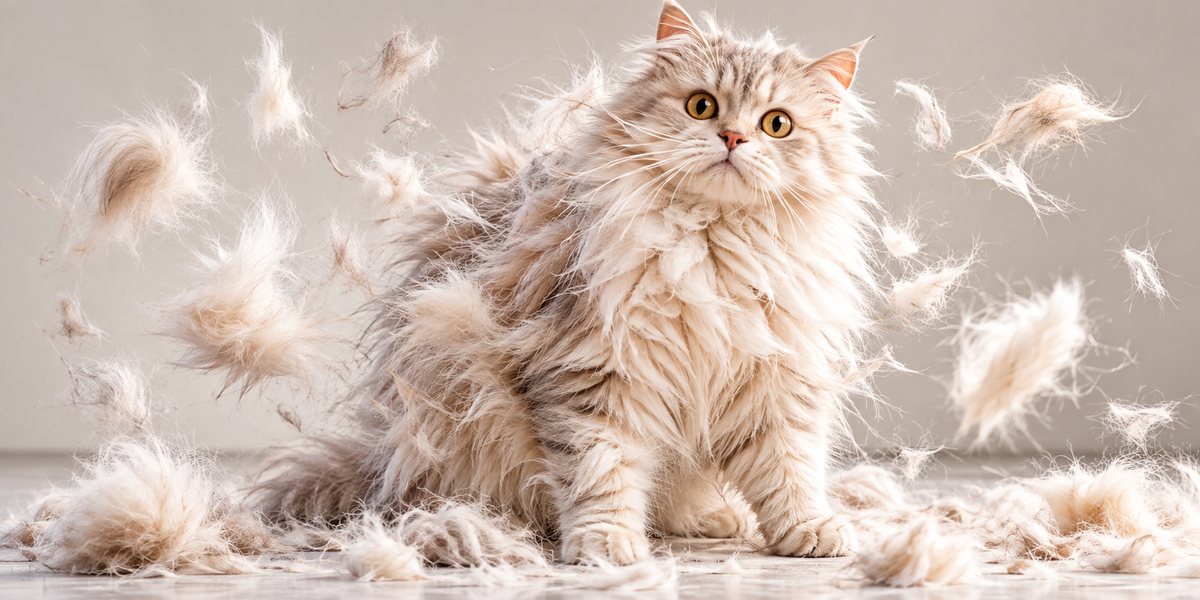
| Shedding | Moderate seasonal Moderate shedding with seasonal peaks from the dense plush double coat typical of Russian Blue-type cats. |
| Seasonal coat changes | Pronounced spring shed The dense plush double coat of the Russian type can shed surprisingly heavily in spring despite its short length, as the thick undercoat turns over. |
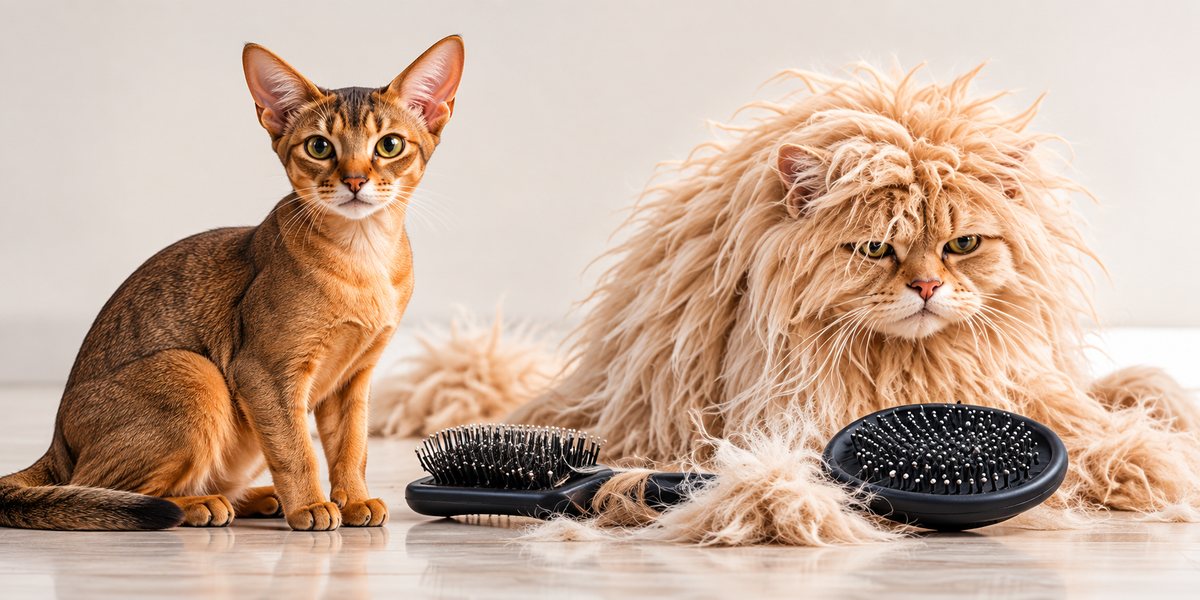
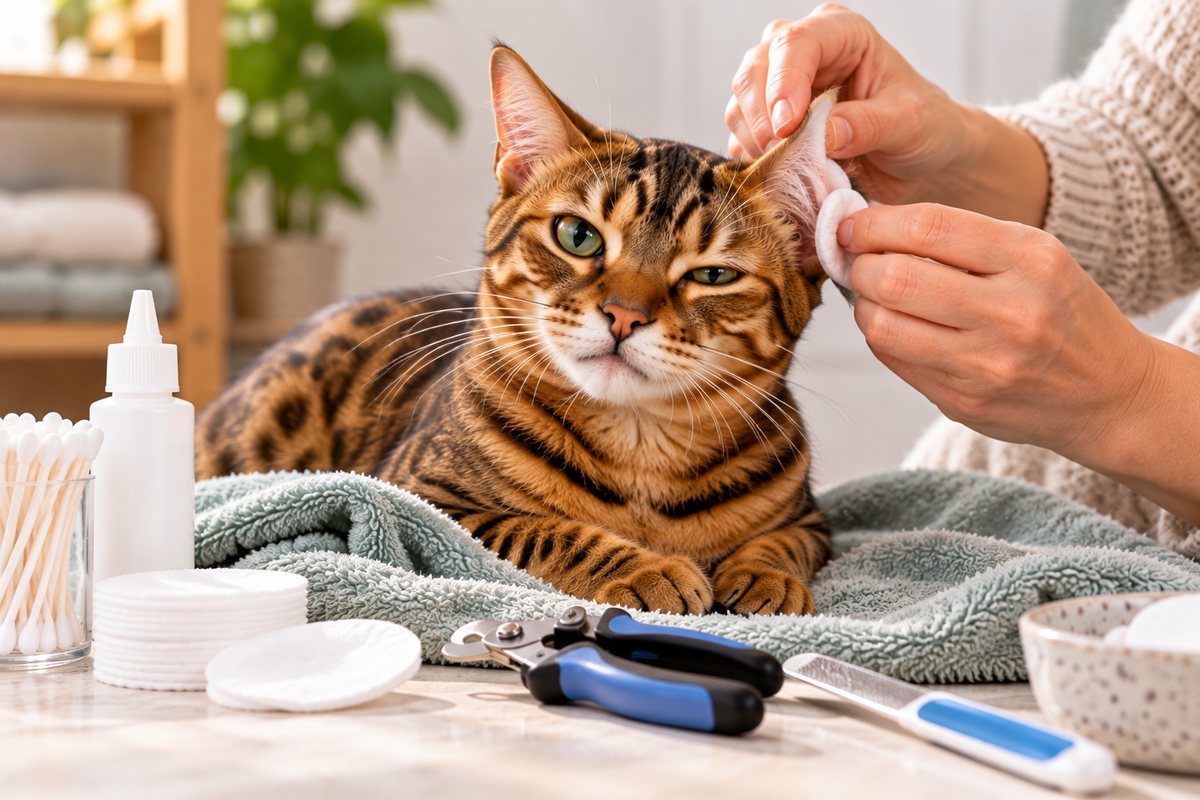
| Brushing & combing | 2x week Brushing/combing: 1-2x week. |
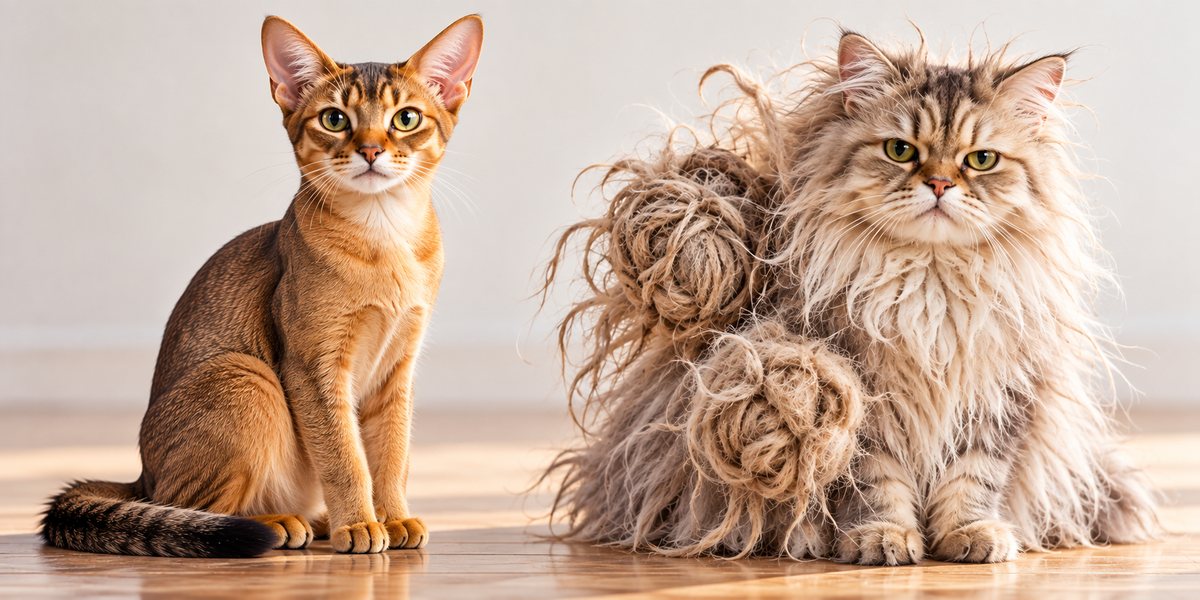
| Tangle & matting tendency | Low The dense double coat is short and plush rather than long enough to tangle; shed undercoat may compact slightly but true mats are uncommon. |
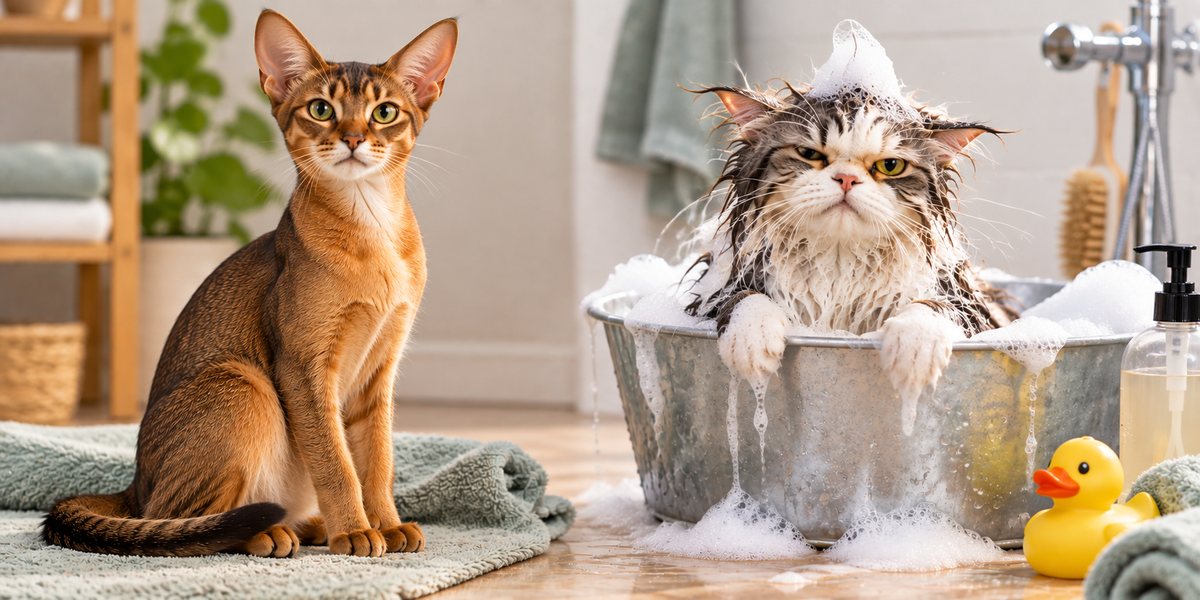
| Skin & bathing care | Bathing not routinely needed Routine bathing is generally unnecessary; bathe only when the coat is genuinely soiled or for a specific veterinary or grooming reason. |
| Distinctive routine care | Dense shortcoat weight watch The dense short coat is generally easy, with occasional brushing and more attention during shedding. Routine care should emphasize dental hygiene, nail care and weight monitoring because a plush coat can soften the visual signs of gradual gain. |
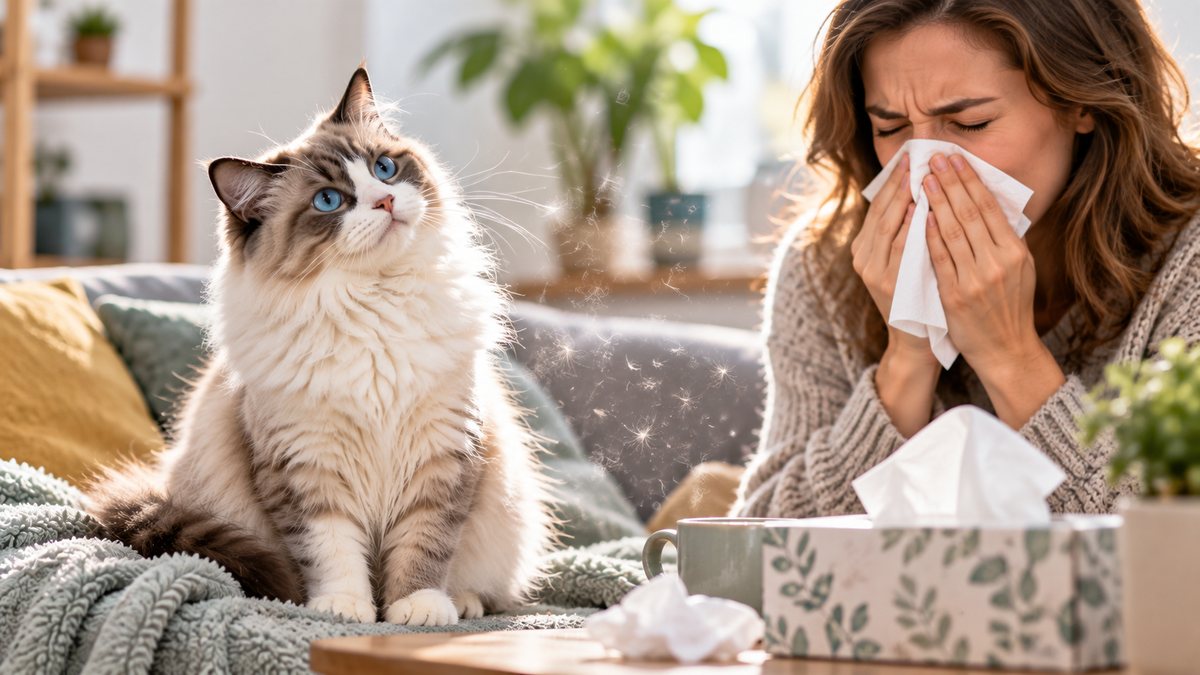
| Allergy & allergen evidence | No breed specific reduction established There is no known reason to regard this breed as hypoallergenic. All cats produce allergens, and coat length or shedding alone does not determine allergy risk. |
| Activity & intelligence | |
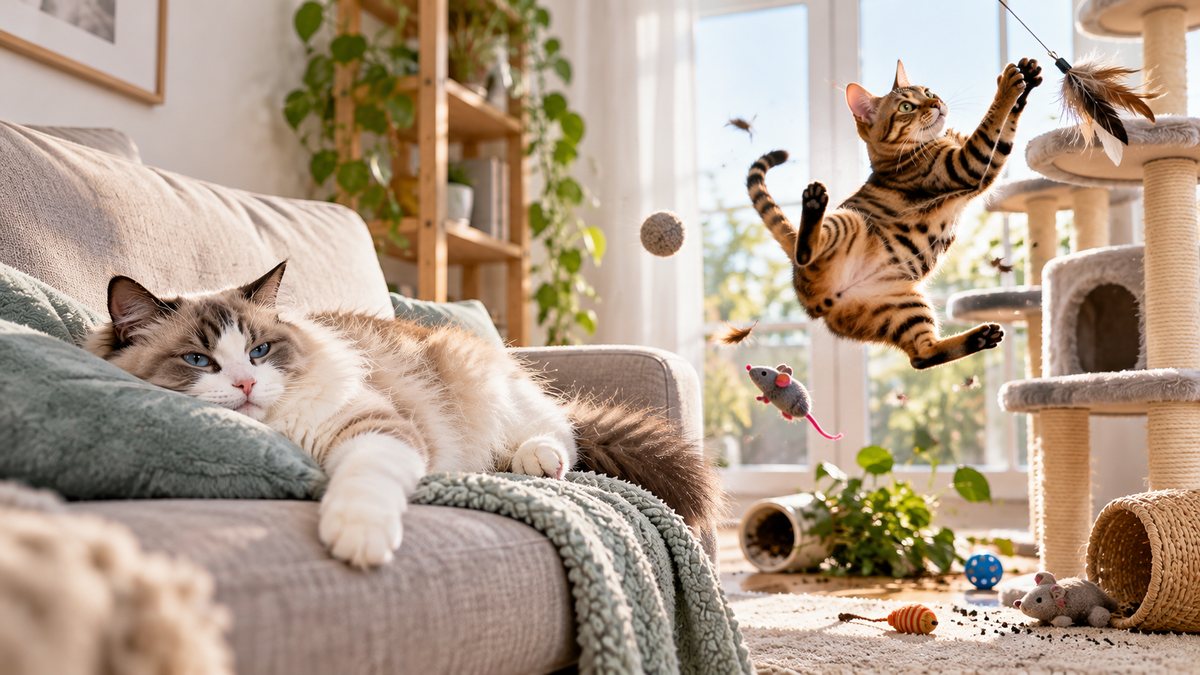
| Activity level | Moderate Playful and physically capable with retrieving/jumping/climbing, balanced by substantial quiet/alone time. |
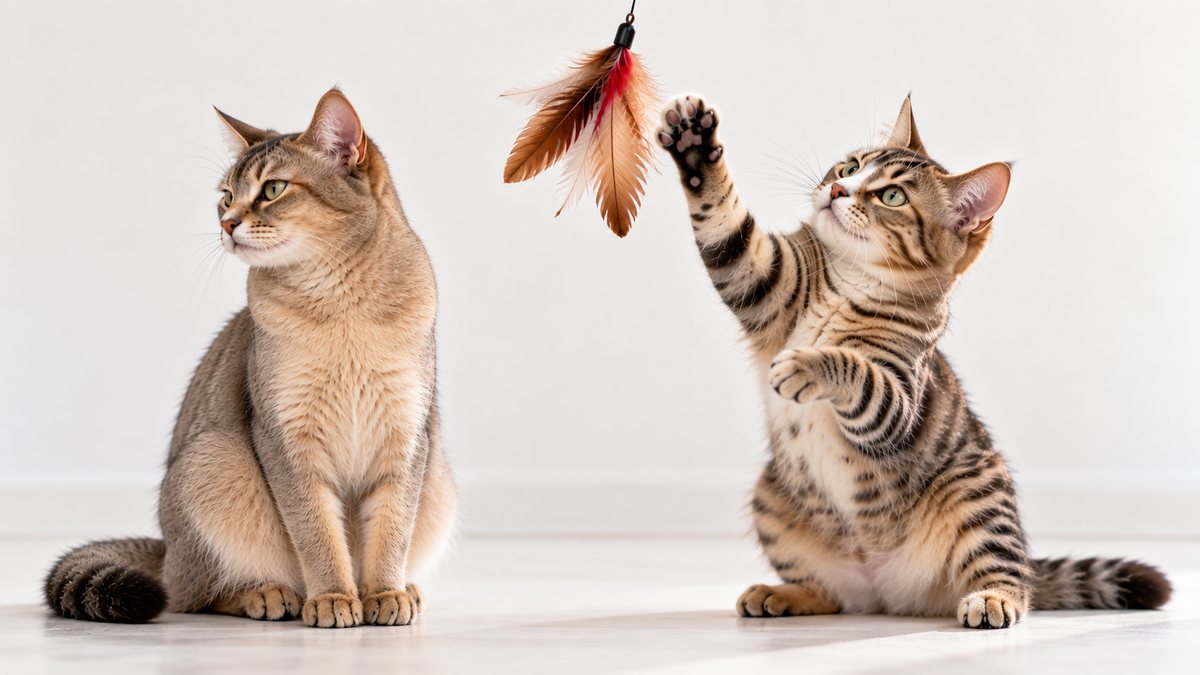
| Playfulness | High |
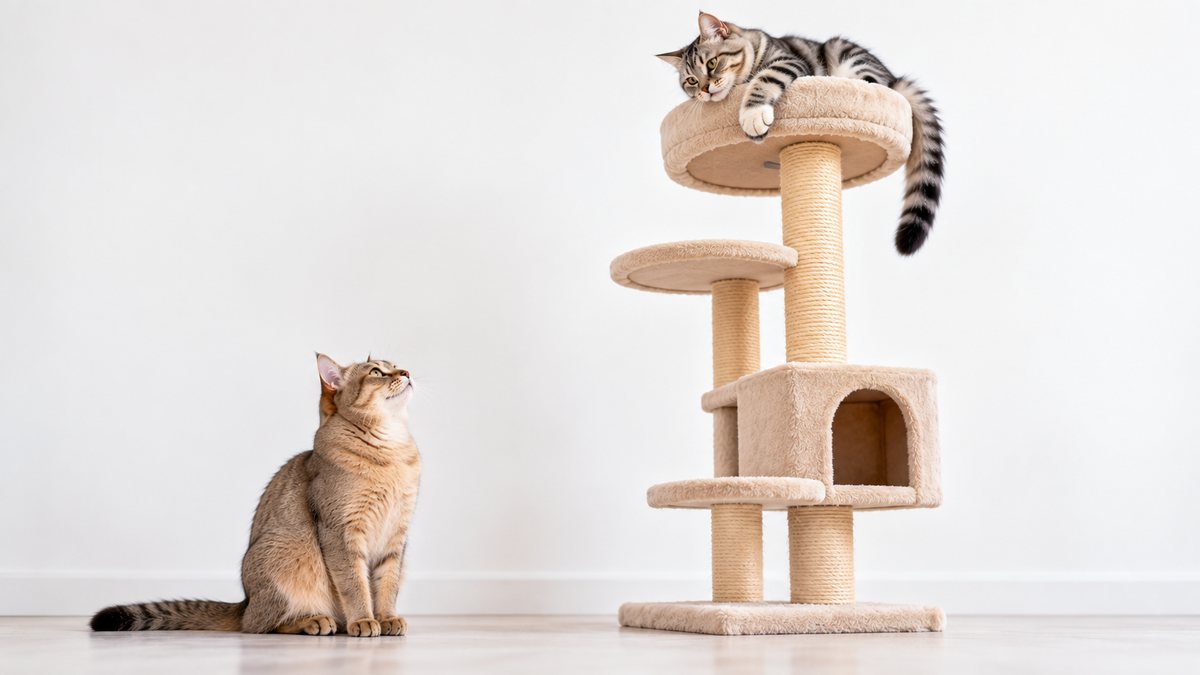
| Climbing & jumping | High |
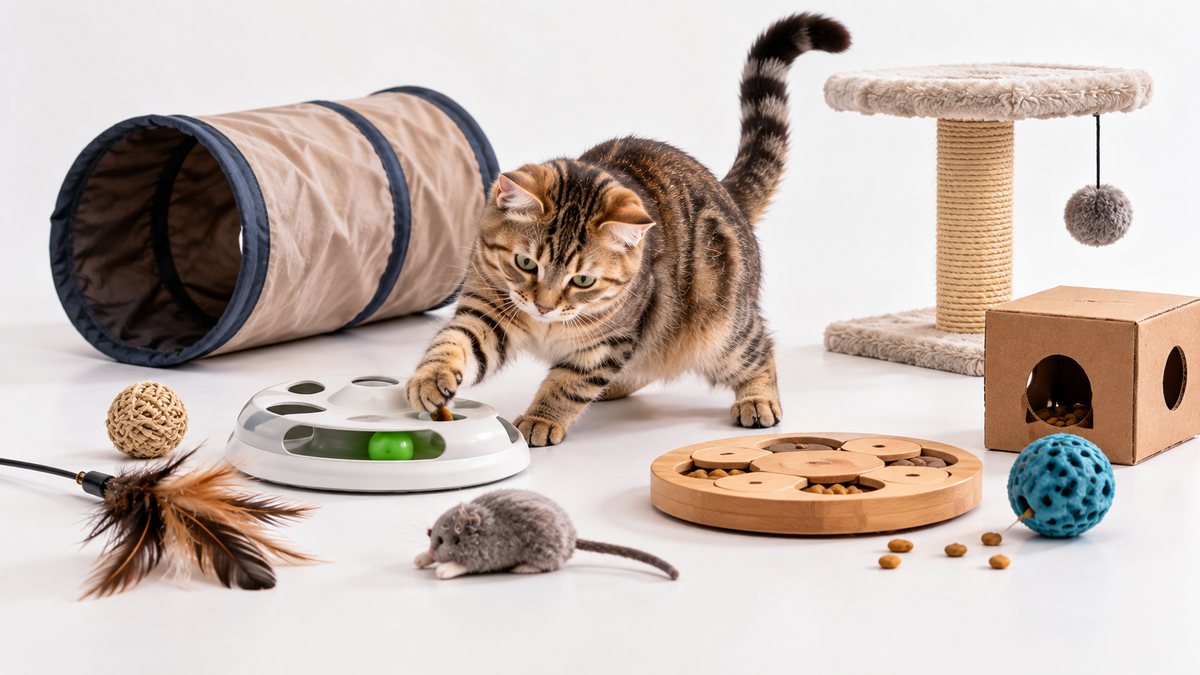
| Enrichment demand | High High enrichment demand: puzzle feeding, interactive games, climbing and predictable mental challenges suit its intelligent, playful and observant temperament. |
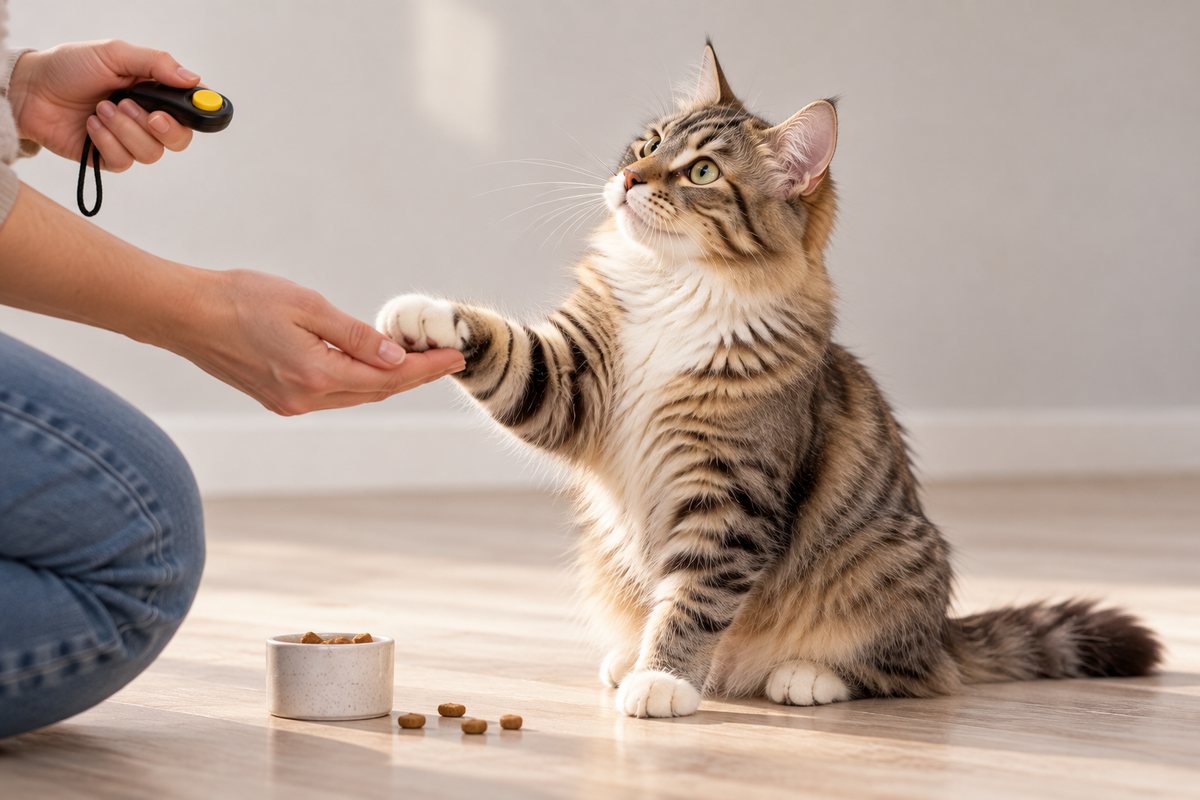
| Learning & training | Very high Russian-type cats are quick problem solvers that can learn fetch, tricks, puzzle manipulation and even mechanisms such as doors or drawers. |
| Curiosity & exploration | High Russian cats are observant and inquisitive, often seeking high vantage points and learning to manipulate doors or drawers while remaining somewhat deliberate around unfamiliar situations. |
| Hunting & chasing tendencies | High The Russian Blue-type profile supports moderately strong hunting play: these cats can be fast, agile and intensely focused on moving toys while remaining quiet indoors. |
| Personality & social | |
| Sociability with familiar people | High Russian Blues tend to form strong, loyal attachments to familiar people while being more selective socially than highly outgoing breeds. |
| Affection | Following · proximity · selective reserved Russian affection is close with trusted people but characteristically selective. |
| Lap & cuddling preference | Moderate Many enjoy close contact with trusted people, but selective reserve makes a universal lap label inappropriate. |
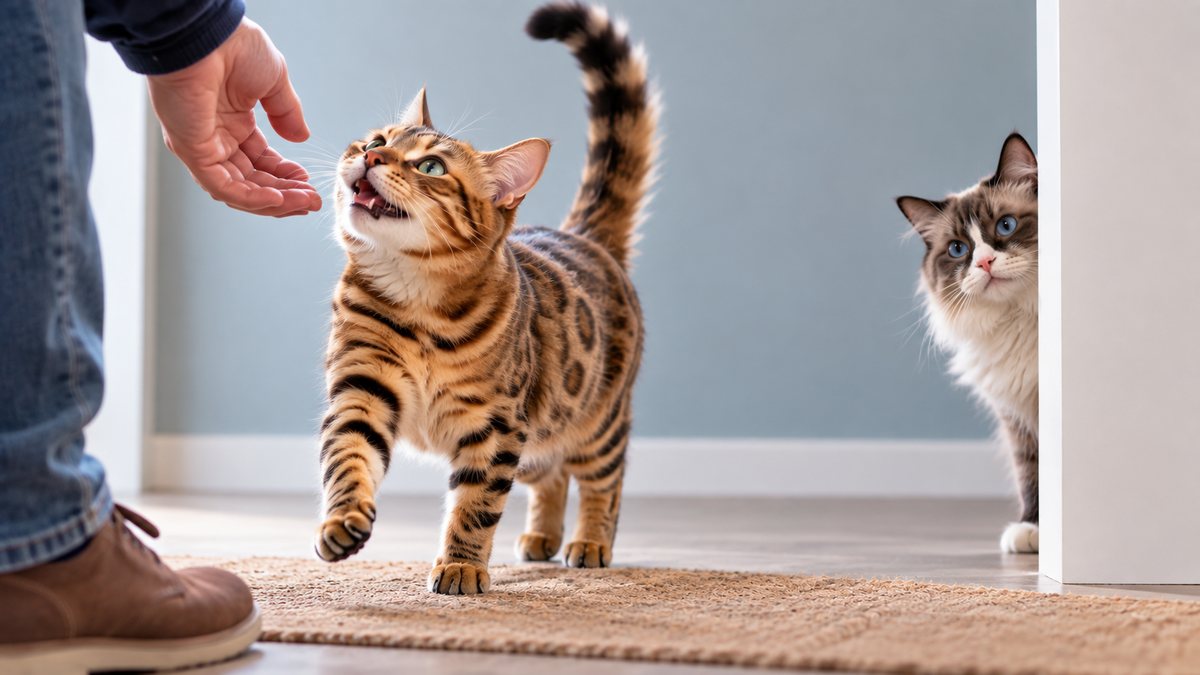
| Handling tolerance | Moderate Russian Blue-type cats are gentle with familiar people but often reserved with strangers; routine home handling is usually easy, whereas unfamiliar restraint may produce withdrawal rather than cooperation. |
| Independence & social demand | Moderate Strong attachment coexists with an ability to entertain themselves. |
| Vocalization | Variable Generally quiet, yet capable of persistent conversational back-and-forth when engaged. |
| Response to unfamiliar people | Low Russian cats are characteristically cautious with strangers and often watch from a safe distance before deciding whether to approach. |
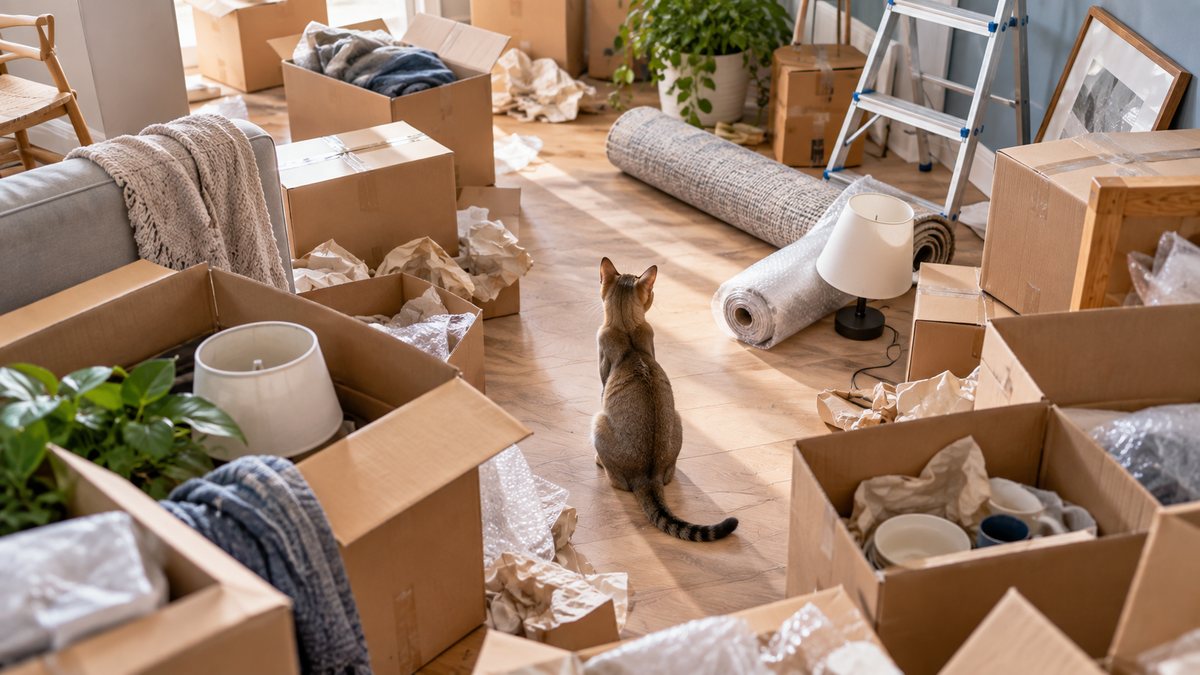
| Adaptability to change | Low Registry material emphasizes preference for routine and a stable environment. |
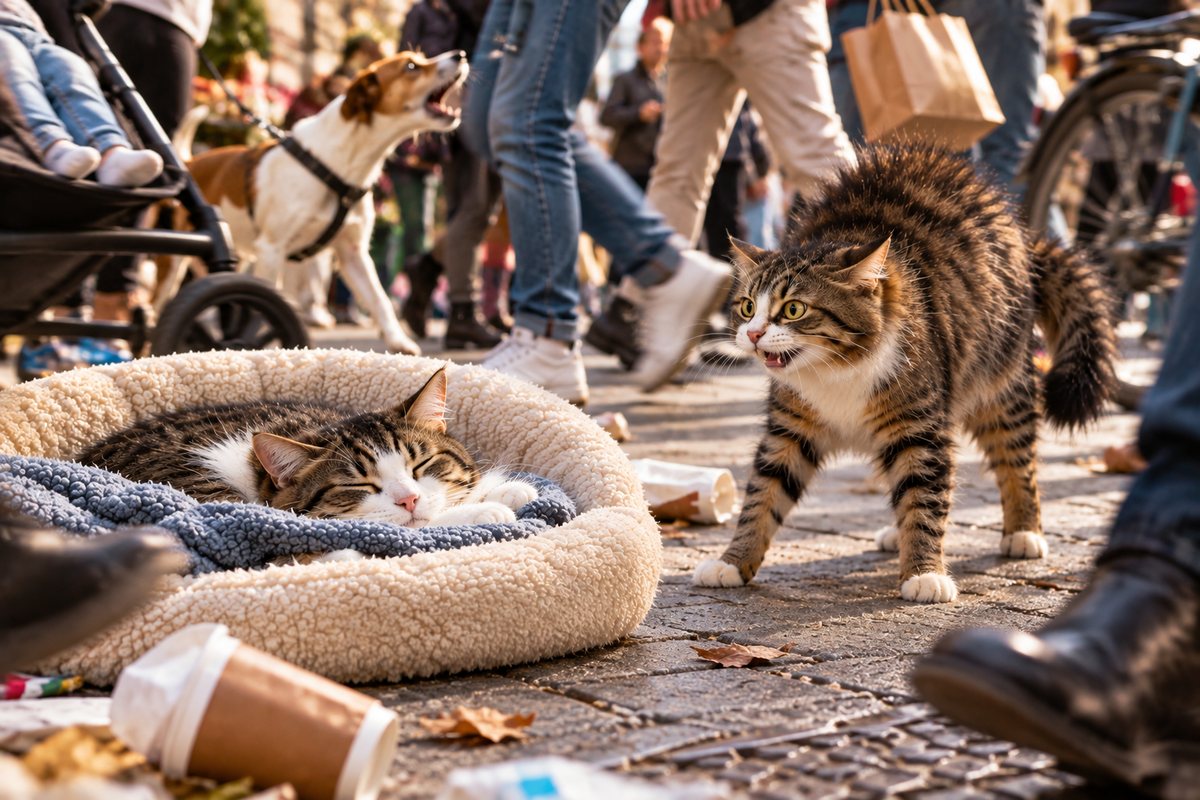
| Noise & busy-environment sensitivity | High Russian Blue-type cats are commonly reserved, routine-oriented and sensitive to disruption; many prefer quieter homes and may withdraw when unfamiliar noise or activity increases. |
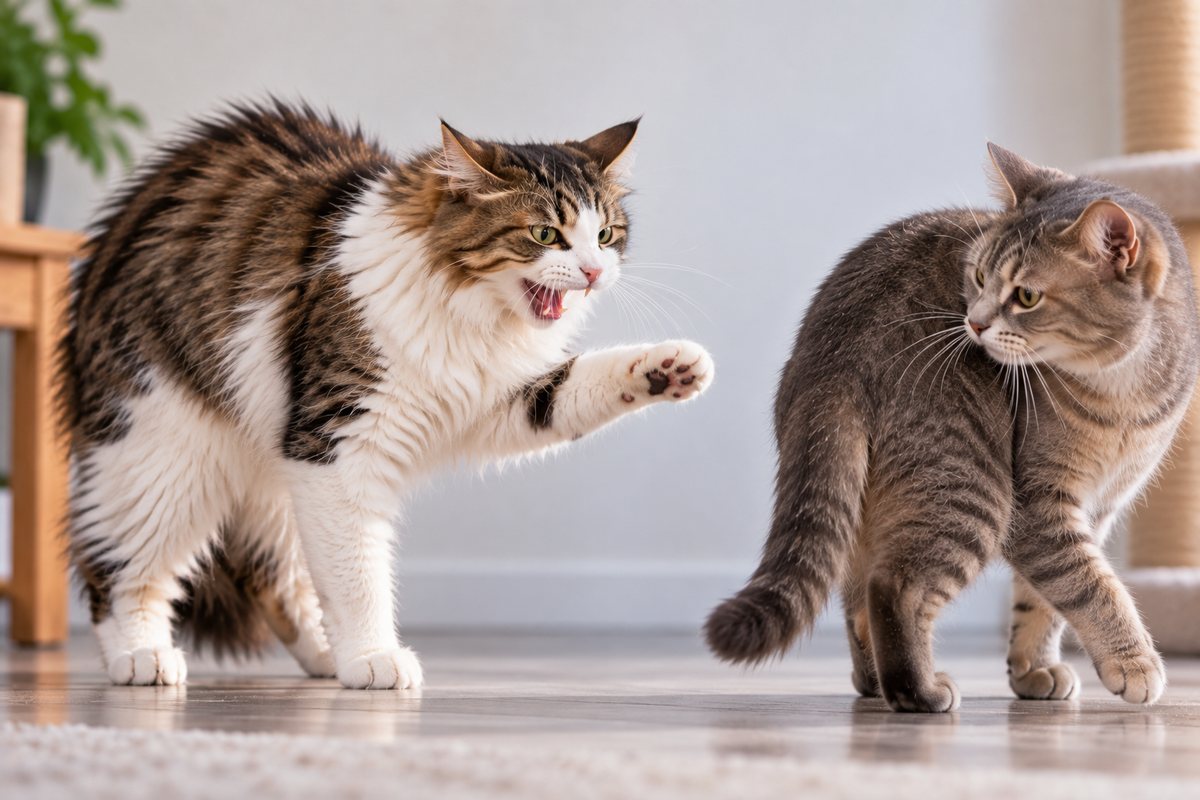
| Defensive & conflict behaviour | Low Russian-type cats are generally gentle and reserved rather than confrontational. They often respond to social pressure by observing from a distance or withdrawing; defensive behavior becomes more likely mainly when a cautious cat is prevented from retreating. |
| Household & environment | |
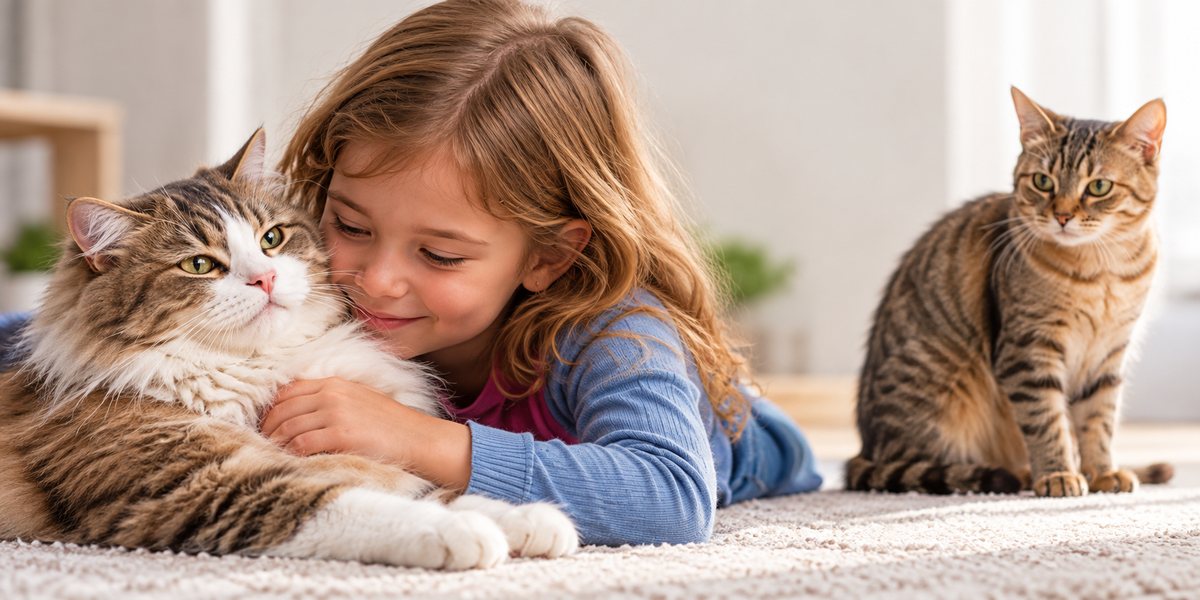
| Living with children | Often workable Gentle family attachment can suit calm respectful children; noisy unpredictable handling is less ideal. |
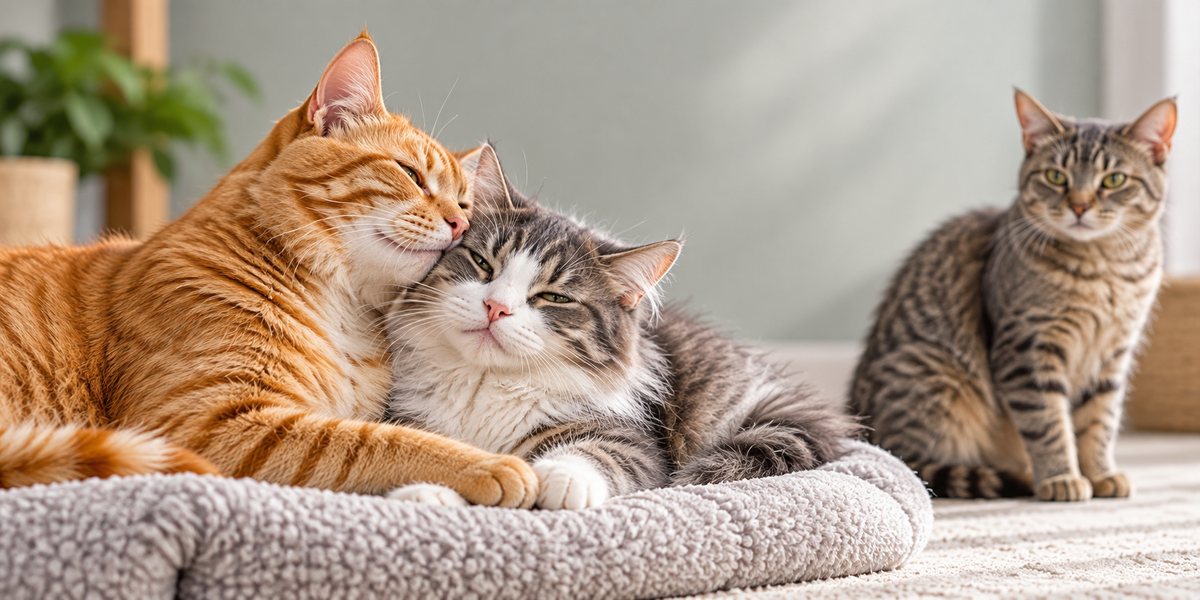
| Living with other cats | Favorable tendency |
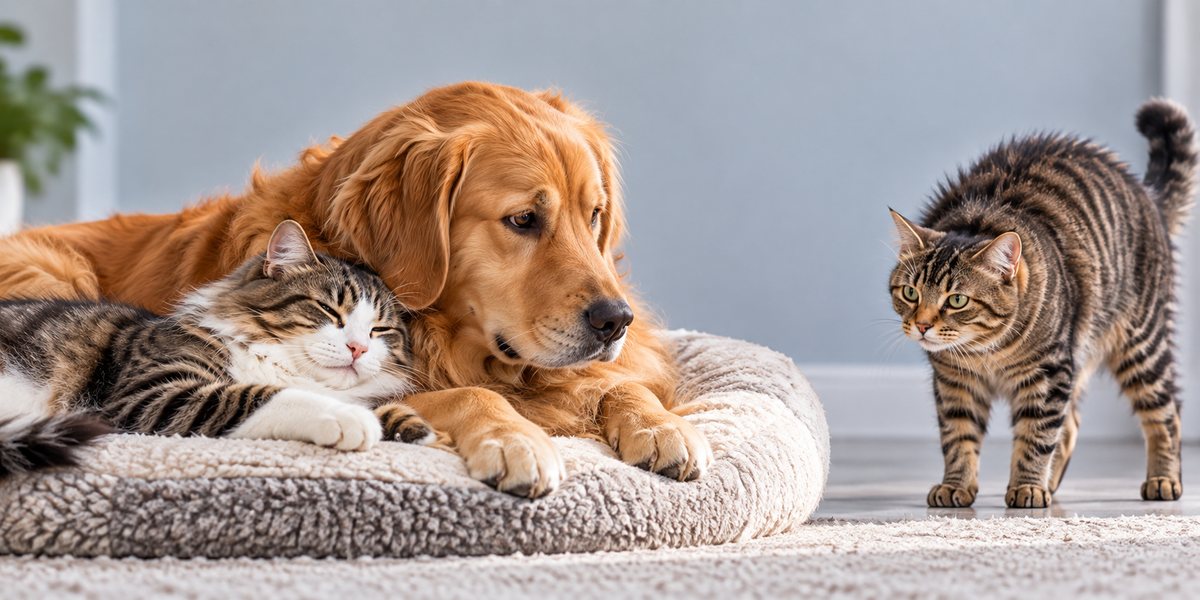
| Living with dogs | Moderate Can coexist with compatible dogs, but cautious temperament makes gradual introduction particularly important. |
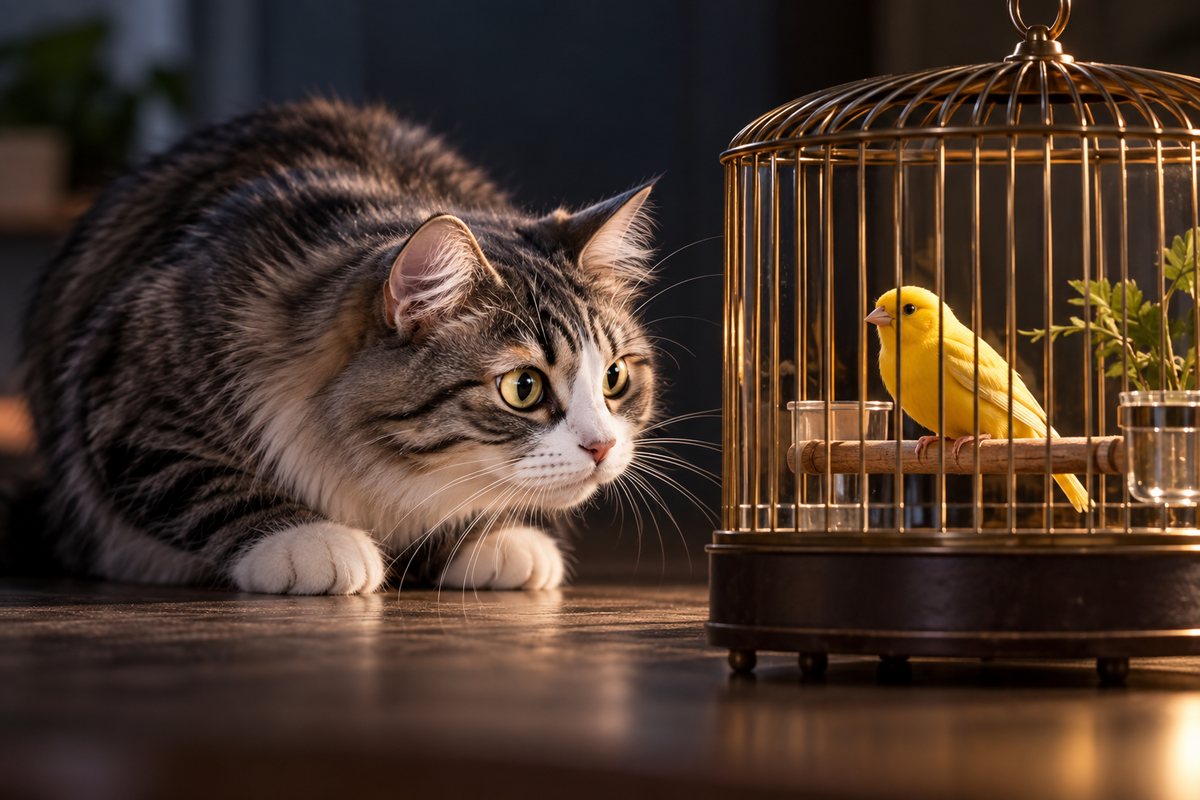
| Living around small pets | Normal predatory caution Russian-type cats are often quiet and reserved, but they retain normal feline stalking and hunting behavior. A subdued household temperament should not be interpreted as safety around birds, rodents or other vulnerable pets. |
| Indoor & home environment needs | Quiet predictable home · routine · high perches Russian-type cats often appreciate predictable routines, quiet retreat areas and high observation points from which they can watch before joining activity. Daily play and climbing remain important, but the environment should also protect their preference for calm, controllable social contact. |
| Outdoor access considerations | Secure quiet access Russian-type cats are often cautious and attached to predictable territory. A quiet enclosed balcony or catio can offer outdoor observation while allowing immediate retreat; uncontrolled roaming is unnecessary and may be stressful for more reserved individuals. |
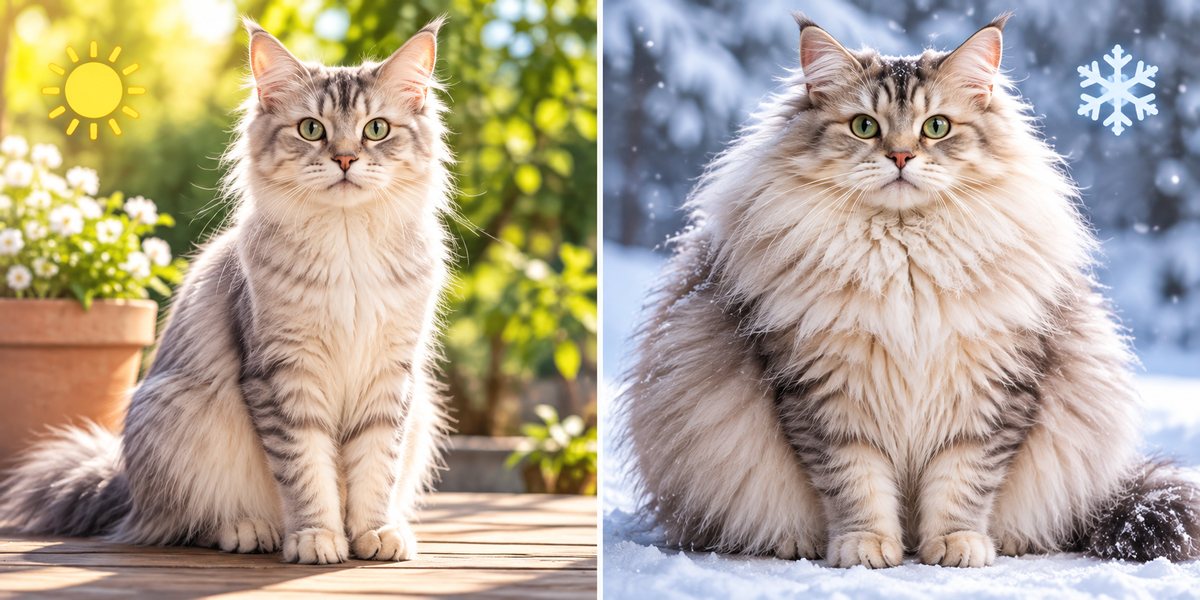
| Heat, cold & sun considerations | Dense shortcoat heat caution Russian-type cats have a dense short double coat that provides notable insulation despite its length. They generally cope well with cool indoor conditions but benefit from cool shaded resting areas and good hydration during sustained heat. |
| Caregiver time & experience | Low Moderate independence and straightforward coat care reduce daily management, provided the home respects routine. |
| Health & welfare | |
| Documented health predispositions | Limited specific risk Russian-type cats are generally regarded as robust and no single inherited disease dominates the breed profile. Obesity can become a practical problem in food-motivated indoor cats, while family cardiac and kidney history remains useful as in any breed. |
| Screening & breeder questions | Ask what health problems are tracked in the lines and request actual test results Ask about heart and kidney disease, urinary problems, obesity and longevity in close relatives, and what routine veterinary screening breeding cats receive. Line-specific history matters more than the breed's generally healthy reputation. |
| Conformation-related welfare | Low conformation concern Russian-type cats have a moderate, elegant body without a defining structural mutation. Welfare selection should preserve muscular condition, normal facial anatomy and functional movement rather than pushing toward excessive slenderness. |
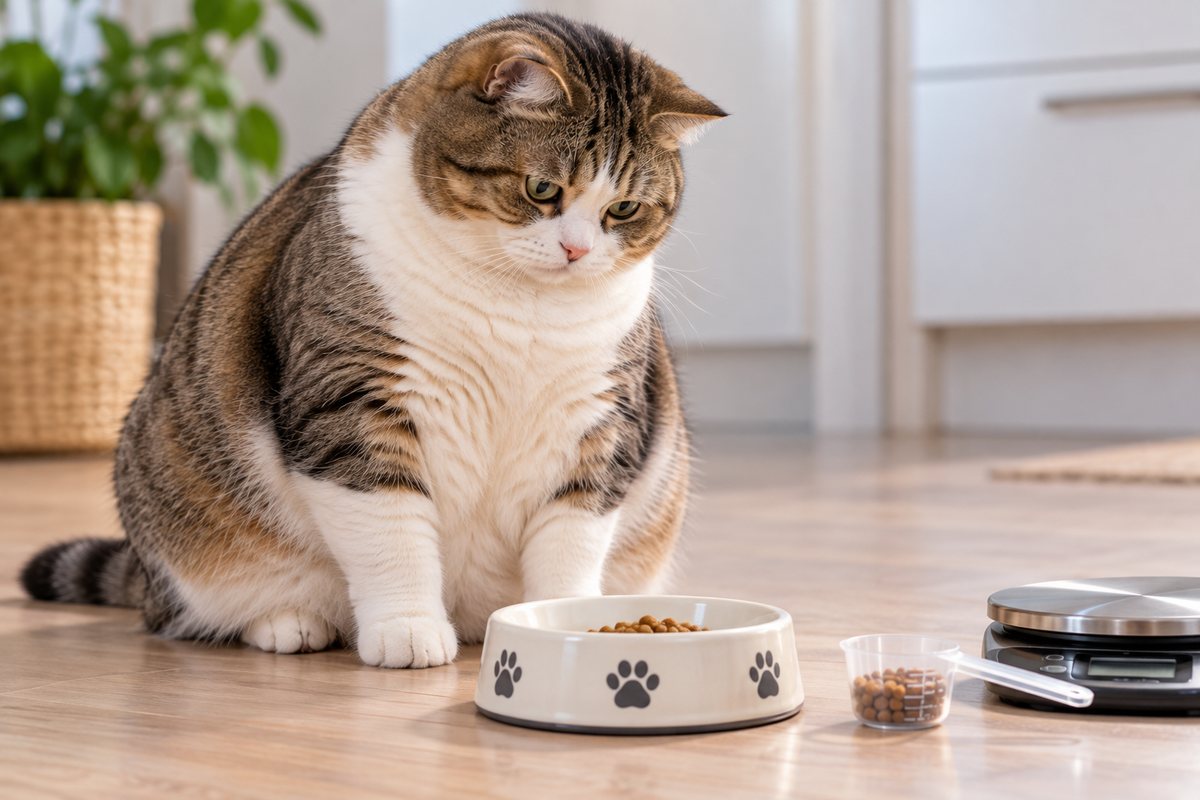
| Nutrition & weight management | Weight gain watch Russian-type cats are athletic but can be food-motivated and gain weight in quiet indoor homes. A complete diet in measured portions, daily play and regular body-condition checks are preferable to free feeding. |
| Longevity | 15–20 years Russian-type cats are generally lean, moderate and notably long-lived; about 15–20 years is a reasonable expectation, with some exceeding it. |
| Cost & availability | |
| Purchase cost | Moderate to high: $600–$1,800 Russian: a practical breeder-market estimate is $600–$1,800. This reflects that it is an established Russian Blue-type breed with broad international demand. |
| Adoption & rehoming cost | Occasionally available: $75–$400 typical rescue/adoption fee Russian: $75–$400 typical rescue/adoption fee. The breed is sufficiently numerous that genuine examples sometimes enter ordinary rescue or breed-rescue channels. |
| Recurring ownership costs | Enrichment/toy replacement Russian Blues have low grooming costs and ordinary equipment needs. The recurring budget is mainly quality complete food, litter, dental/preventive veterinary care and play, with weight monitored because the plush coat can disguise gain. |
| Availability, waits & import | Widely available Russian-type pedigree cats, especially Russian Blues, have a broad international breeder population. Availability is generally good in major markets, though rarer color variants and registry-specific forms may require a more specialized search. |
| Identity & real-world context | |
| Ownership & import restrictions | No known breed specific restrictions There are no known breed-specific ownership restrictions. Ordinary animal-welfare, identification, vaccination and cross-border import rules still apply where relevant. |
| Registry recognition | CFA: recognized breed/division · TICA: Championship-recognized / current breed identity · FIFe: fully recognized breed / mapped breed identity Currently recognized in all three registries tracked by the FSC core matrix: CFA, TICA and FIFe. |
| Similar breeds & identity distinctions | Korat Chartreux Russian Blues can be confused with Korats and Chartreux. Russian Blues are elegant and wedge-headed with a dense silver-tipped blue coat and green eyes; Korats have a heart-shaped head, while Chartreux are heavier and normally copper- or gold-eyed. |
| Reported characteristic quirks | Individual quirks often center on play and exploration Russian Blues often develop precise household routines and may appear at the same place for meals, play or bedtime each day, then reveal a playful private side once the home is quiet. |
Browse all 53 breed characteristics
Open any characteristic to compare all breeds on that dimension.

 English