
Compare Cat Breeds
Compare up to three breeds across all 53 characteristics. Values are shown directly so the differences are easier to scan.
| Characteristic | 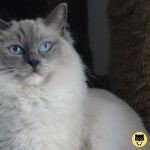 Ragdoll |
|---|---|
| Body & development | |
| Adult size | Large |
| Adult weight | Females 4.5–6.8 kg (9.9–15.0 lb); Males 6.8–9.1 kg (15.0–20.1 lb) Ragdoll females are commonly about 4.5–6.8 kg (10–15 lb) and males about 6.8–9.1 kg (15–20 lb), with mature males often substantially larger than females. |
| Build & distinguishing morphology | Long substantial · sturdy boning · rectangular Build: long substantial; sturdy boning; rectangular. |
| Maturation | Size up to 4 years · full color about 3 years Maturation: size up to 4 years; full color about 3 years. |
| Coat & appearance | |
| Coat length | Semi long Semi-long silky coat. |
| Coat texture & undercoat | Medium semilong · silky plush · some undercoat · minimal woolly undercoat Coat: medium semilong; silky plush; some undercoat; minimal woolly undercoat. |
| Colors & patterns | Pointed · colorpoint mitted bicolor · seal blue chocolate lilac cinnamon fawn red cream Colors/patterns: pointed; colorpoint mitted bicolor; seal blue chocolate lilac cinnamon fawn red cream. |
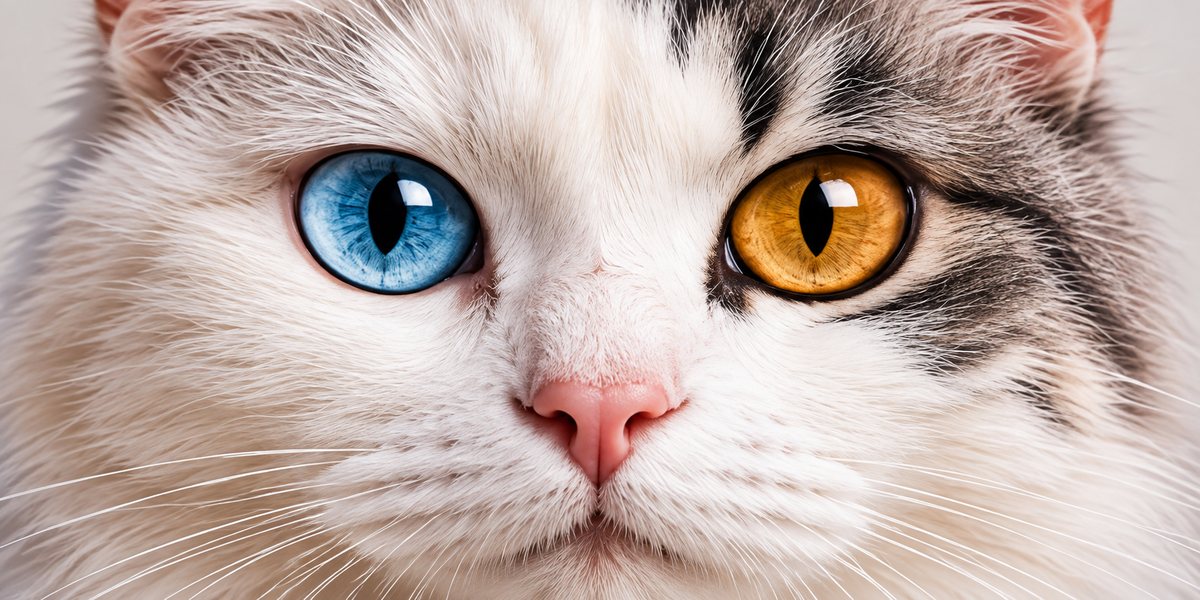
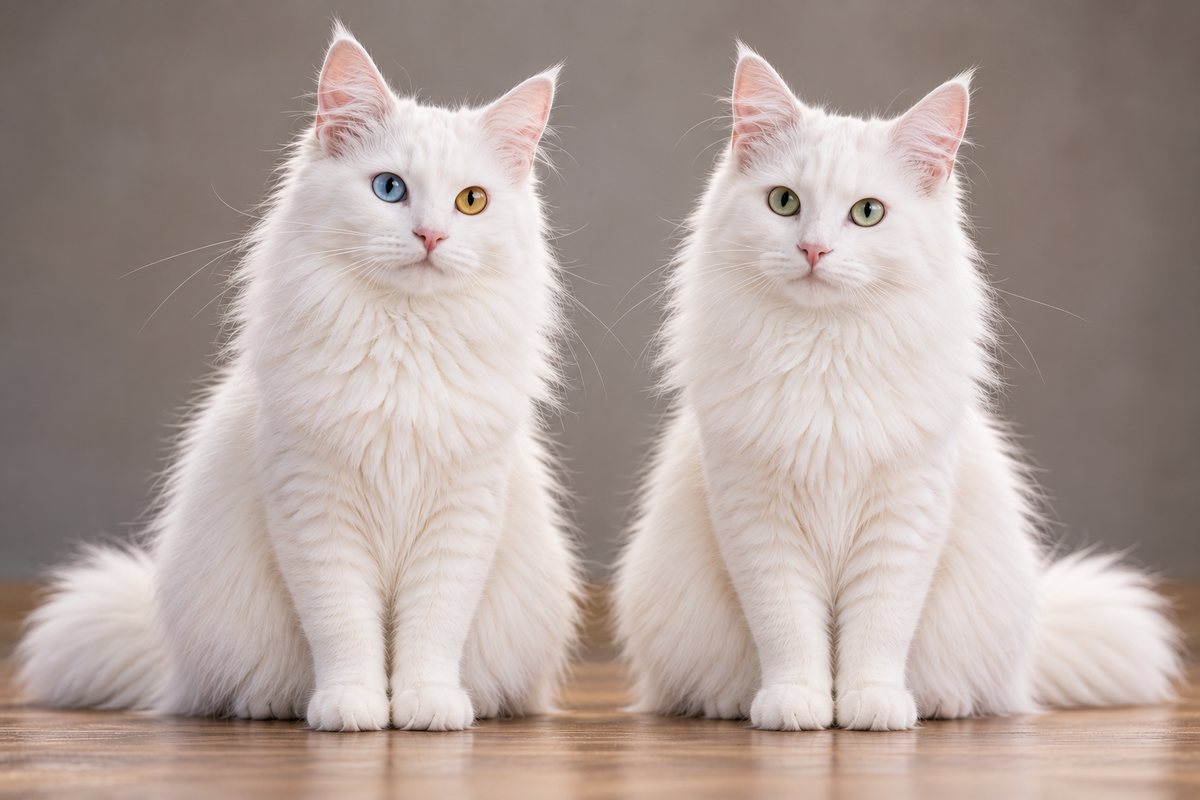
| Eye colors | Blue Blue eyes are characteristic of the traditional pointed Ragdoll phenotype. |
| Coat & routine care | |
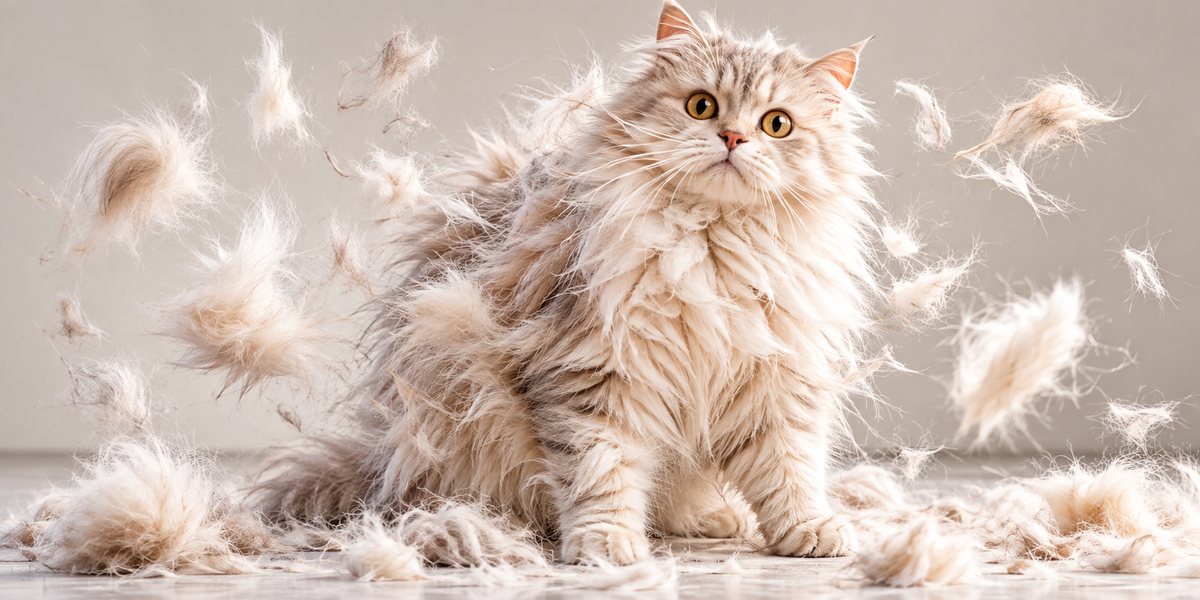
| Shedding | Low to moderate seasonal Low to moderate shedding for a semi-longhair, with a more noticeable seasonal increase as the coat changes. |
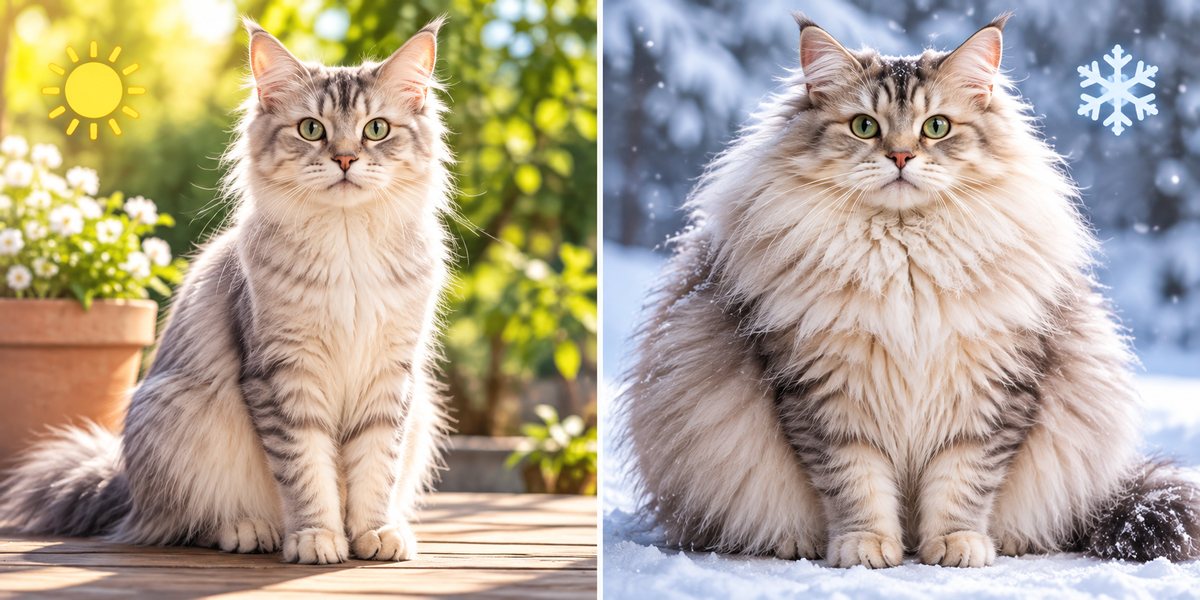
| Seasonal coat changes | Spring fall shed · density varies by season Seasonal coat: spring fall shed; density varies by season. |
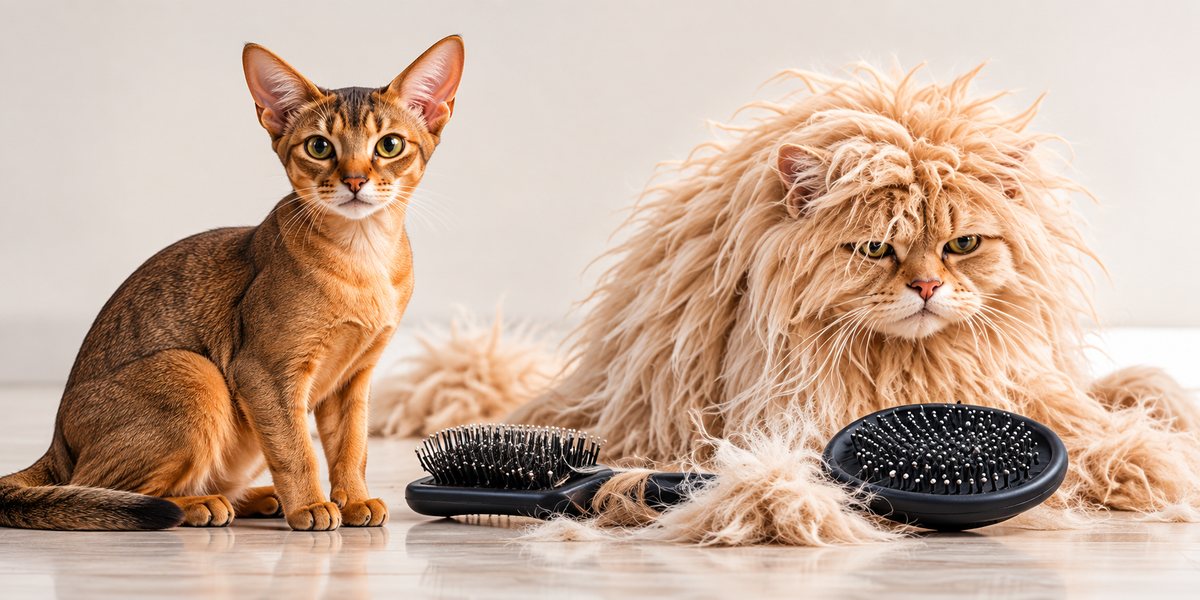
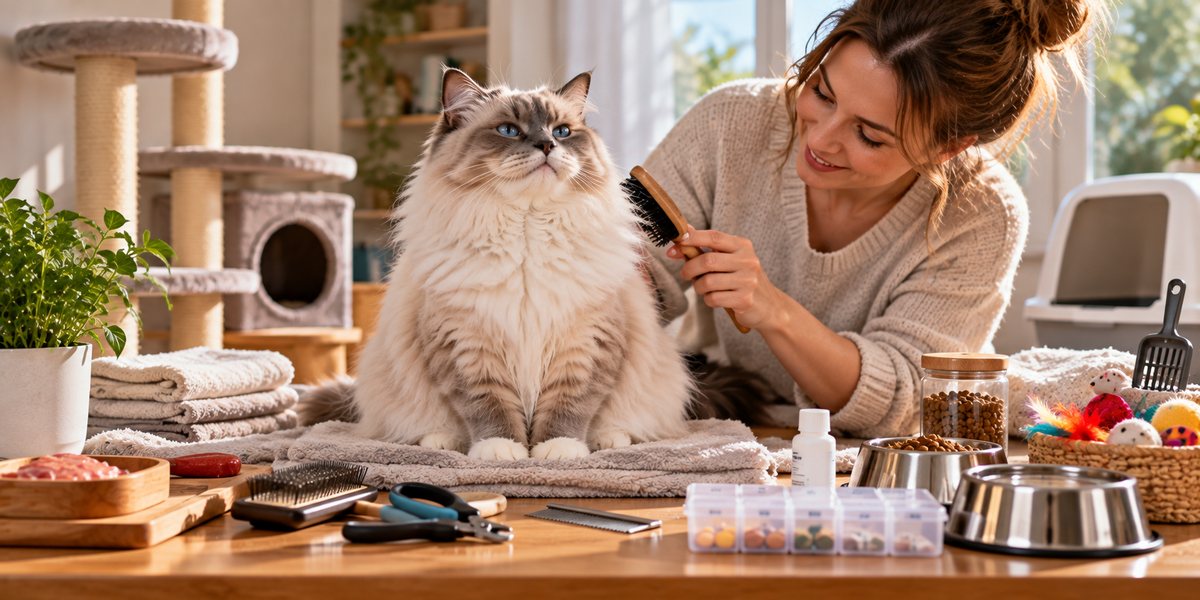
| Brushing & combing | Weekly or more Brushing/combing: weekly or more. |
| Tangle & matting tendency | Low to moderate The silky semi-long coat has relatively little woolly undercoat, so severe matting is uncommon; armpits, belly and shedding-season friction areas are the usual trouble spots. |
| Skin & bathing care | Bathing not routinely needed Routine bathing is generally unnecessary; bathe only when the coat is genuinely soiled or for a specific veterinary or grooming reason. |
| Distinctive routine care | Weekly combing; watch friction areas during shedding The silky semi-long coat generally needs weekly combing, with extra attention under the armpits during seasonal shedding. |
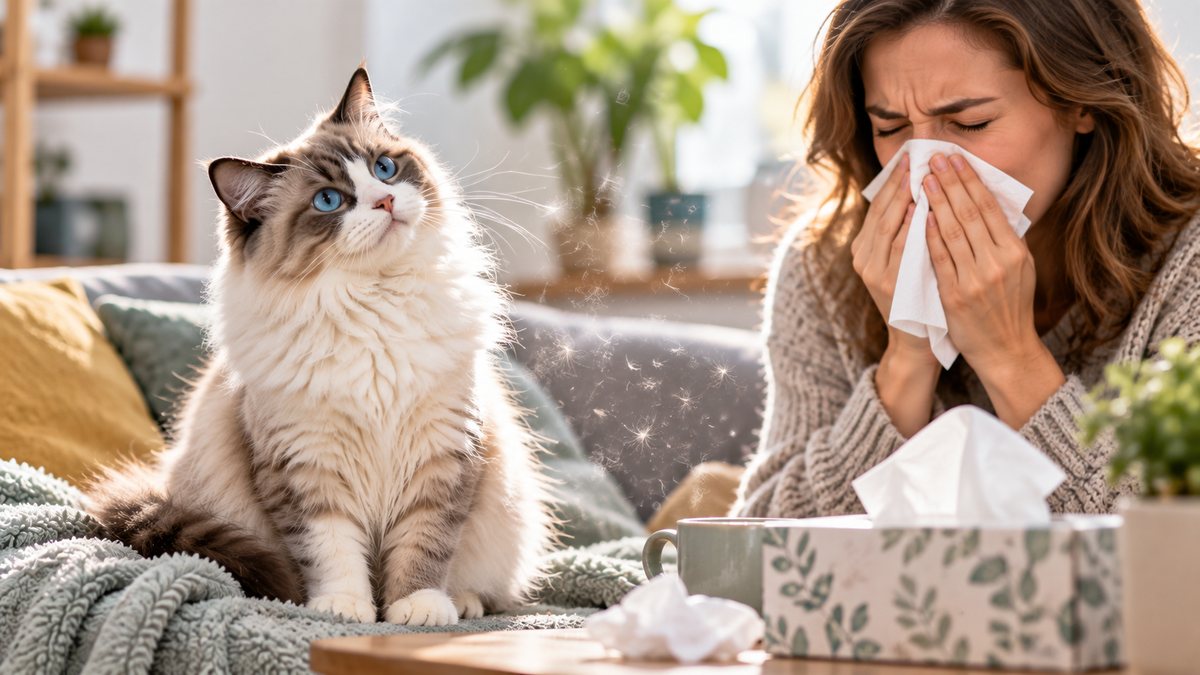
| Allergy & allergen evidence | No breed specific reduction established There is no known reason to regard this breed as hypoallergenic. All cats produce allergens, and coat length or shedding alone does not determine allergy risk. |
| Activity & intelligence | |
| Activity level | Low |
| Playfulness | Moderate |
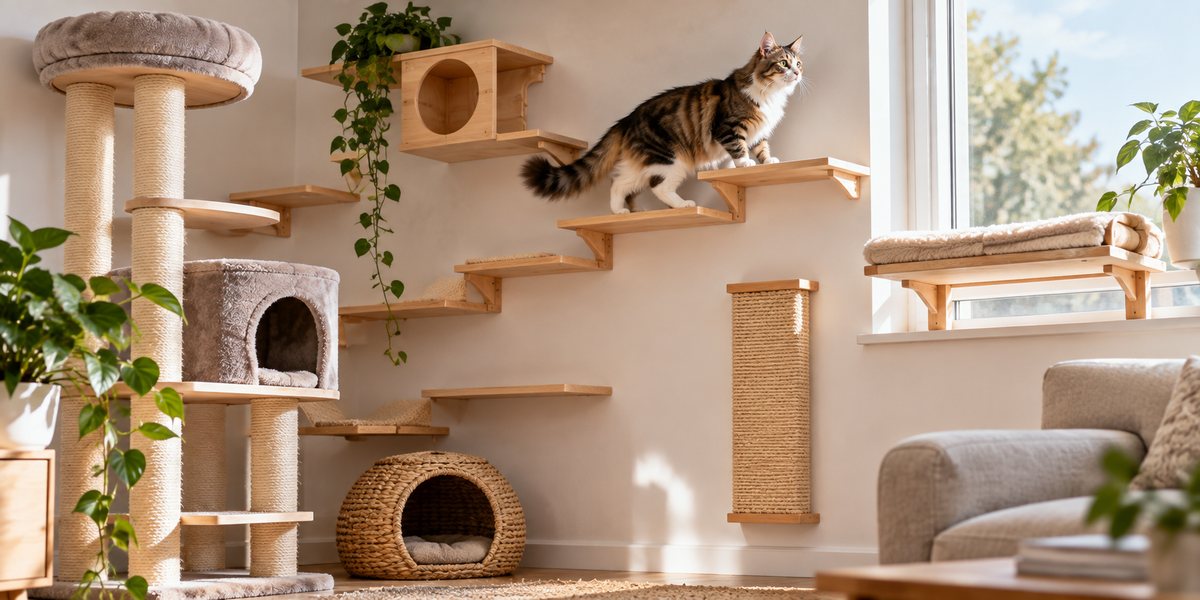
| Climbing & jumping | Moderate Ragdolls can climb and jump normally, but their large body and relaxed temperament favor broad, stable, moderately high perches over highly acrobatic setups. |
| Enrichment demand | Moderate Moderate enrichment demand: daily interactive games and puzzle toys are useful for its curiosity, while its lower activity level rarely requires relentless exercise. |
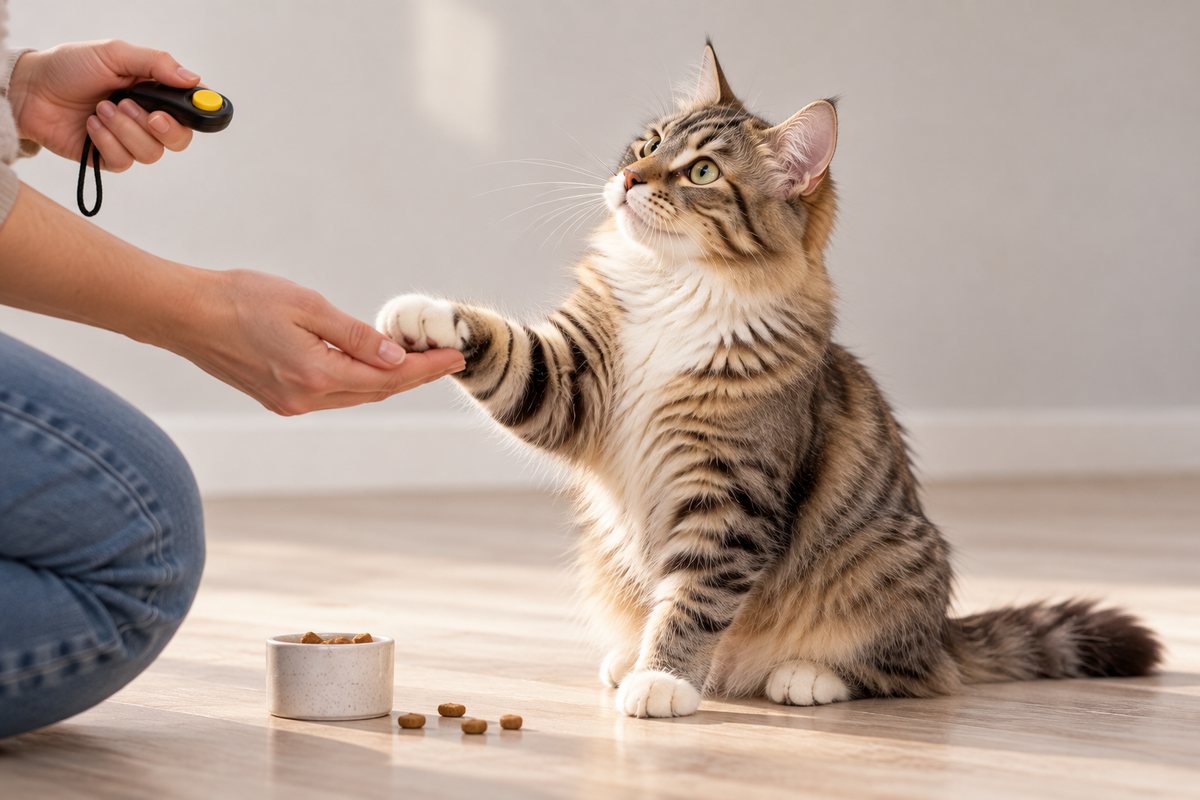
| Learning & training | High Ragdolls are intelligent and can learn games such as fetch. |
| Curiosity & exploration | High Ragdolls are socially attentive and will often follow household activity, but their exploratory drive is usually moderate rather than high-intensity; interest tends to center on people and accessible spaces. |
| Hunting & chasing tendencies | Moderate Expect moderate or somewhat low chase intensity. Ragdolls play and pounce normally but their relaxed temperament generally makes sustained predatory pursuit less prominent. |
| Personality & social | |
| Sociability with familiar people | Very high Ragdolls are strongly people-oriented companions that commonly seek family company and relaxed physical closeness. |
| Affection | Following · lap contact · proximity Ragdolls commonly follow people and seek close relaxed physical proximity. |
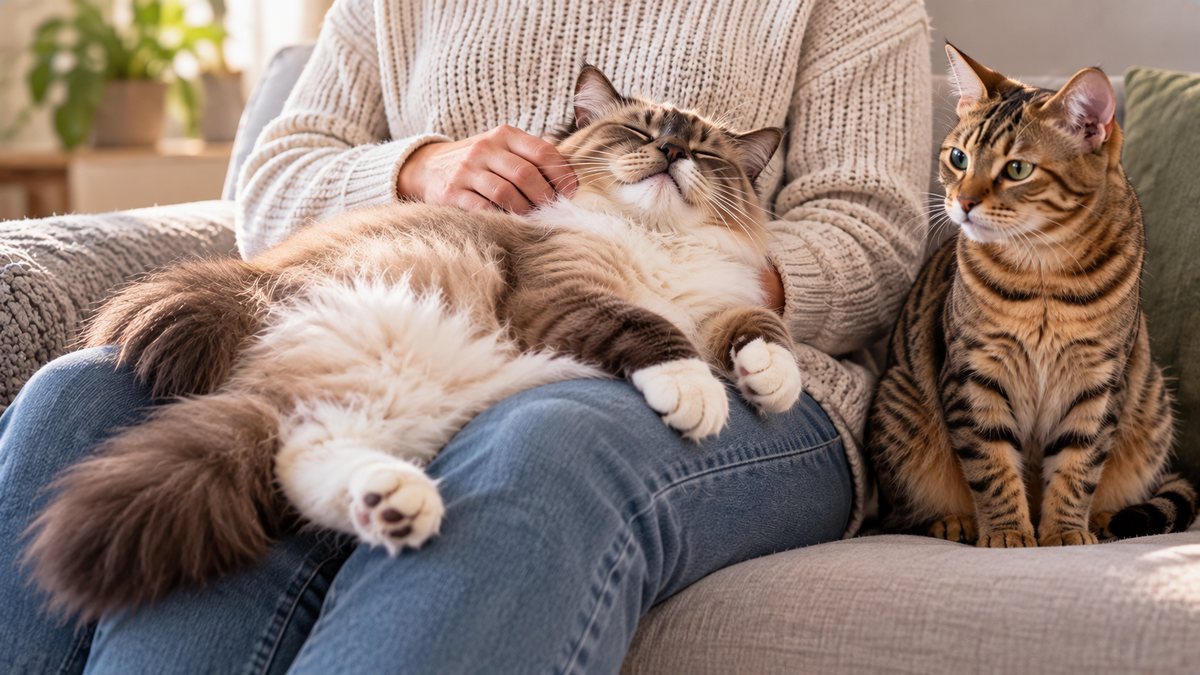
| Lap & cuddling preference | Very high Breed sources consistently support sustained close-body companionship and relaxed cuddling. |
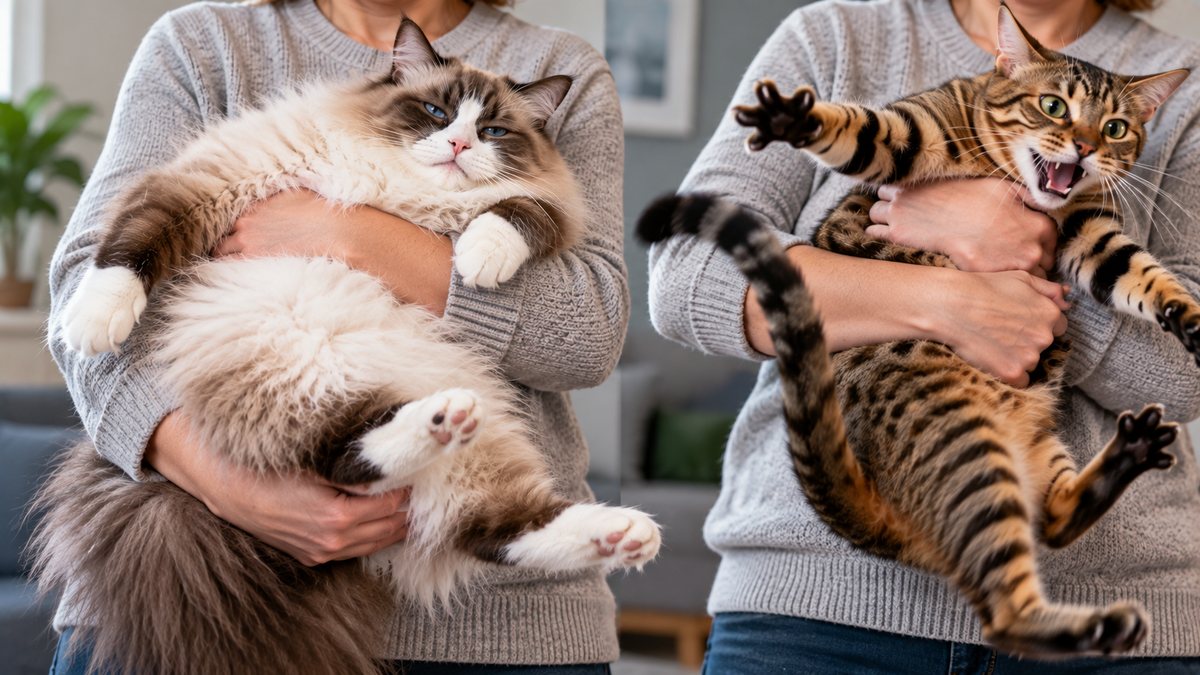
| Handling tolerance | Very high The breed's relaxed response to ordinary handling is a defining historical temperament trait, while individual consent still matters. |
| Independence & social demand | High Ragdolls strongly prefer human company but are generally less relentlessly demanding than Oriental-type breeds. |
| Vocalization | Low Generally relatively quiet. |
| Response to unfamiliar people | High Ragdolls are easygoing and socially tolerant; most accept visitors well, although some prefer a calm introduction before seeking contact. |
| Adaptability to change | Very high Ragdolls generally adapt readily to different home environments and do not require a large living space. |
| Noise & busy-environment sensitivity | Moderate Ragdolls are calm and socially tolerant, so everyday family sounds are usually manageable; their laid-back temperament is nevertheless better matched to predictable activity than constant chaos. |
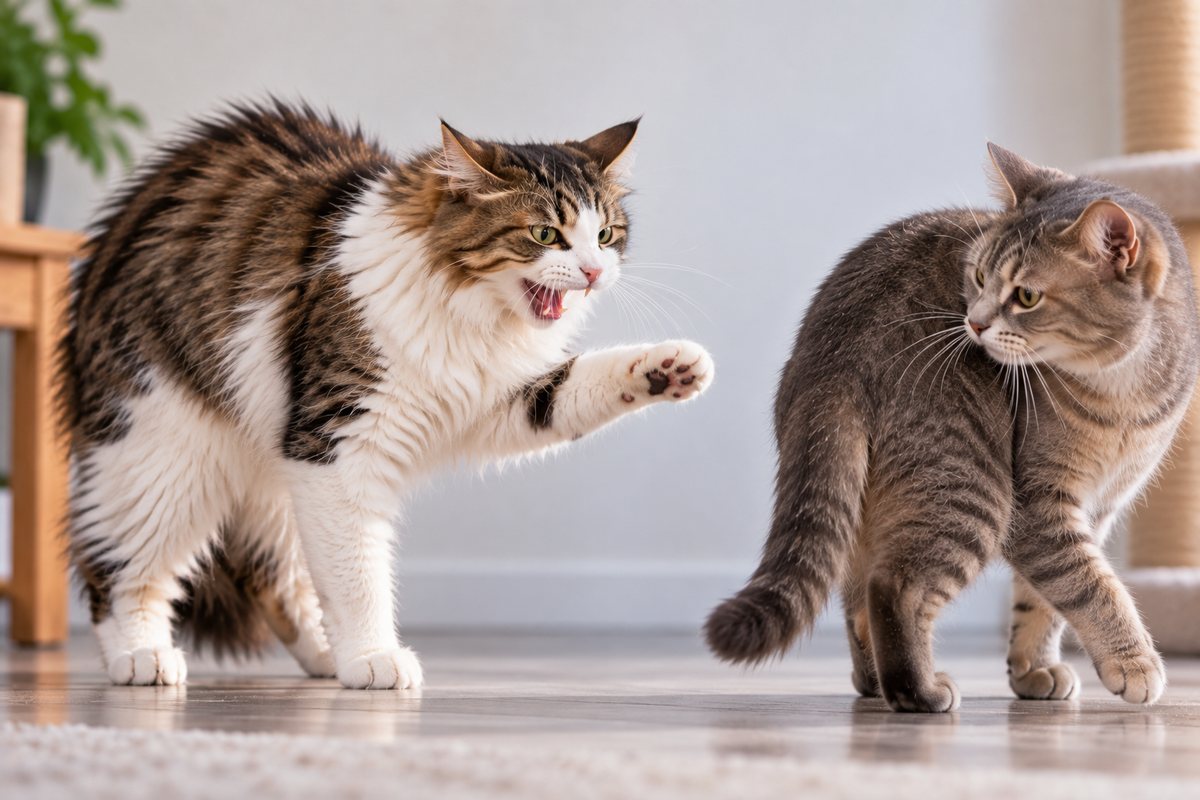
| Defensive & conflict behaviour | Very low Breed sources consistently emphasize placid, non-confrontational temperament. |
| Household & environment | |
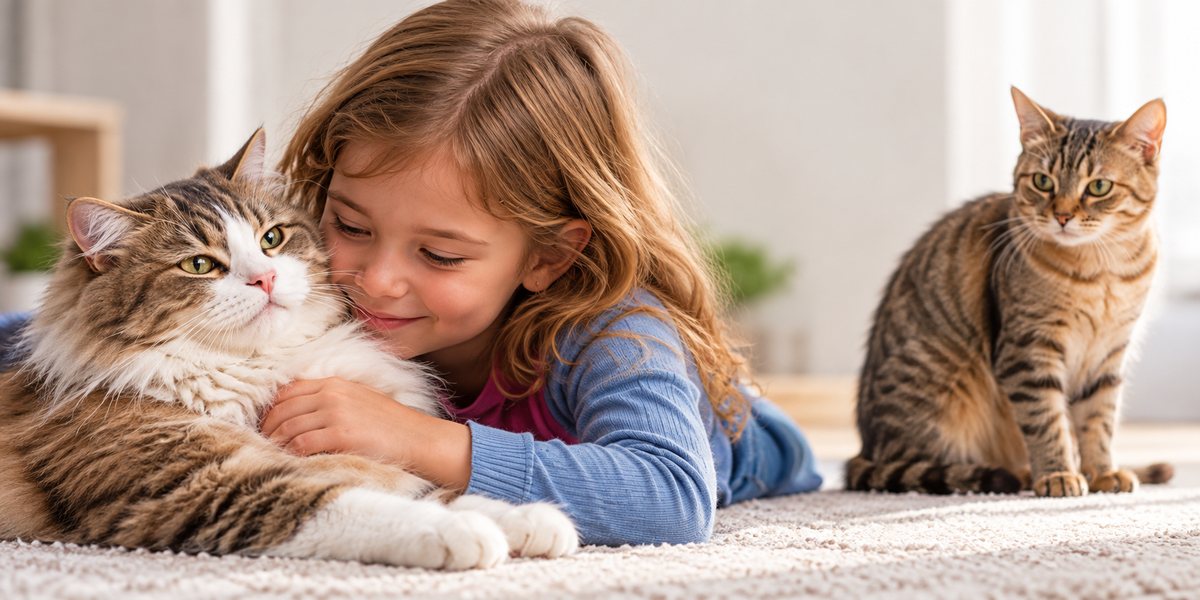
| Living with children | Favorable tendency |
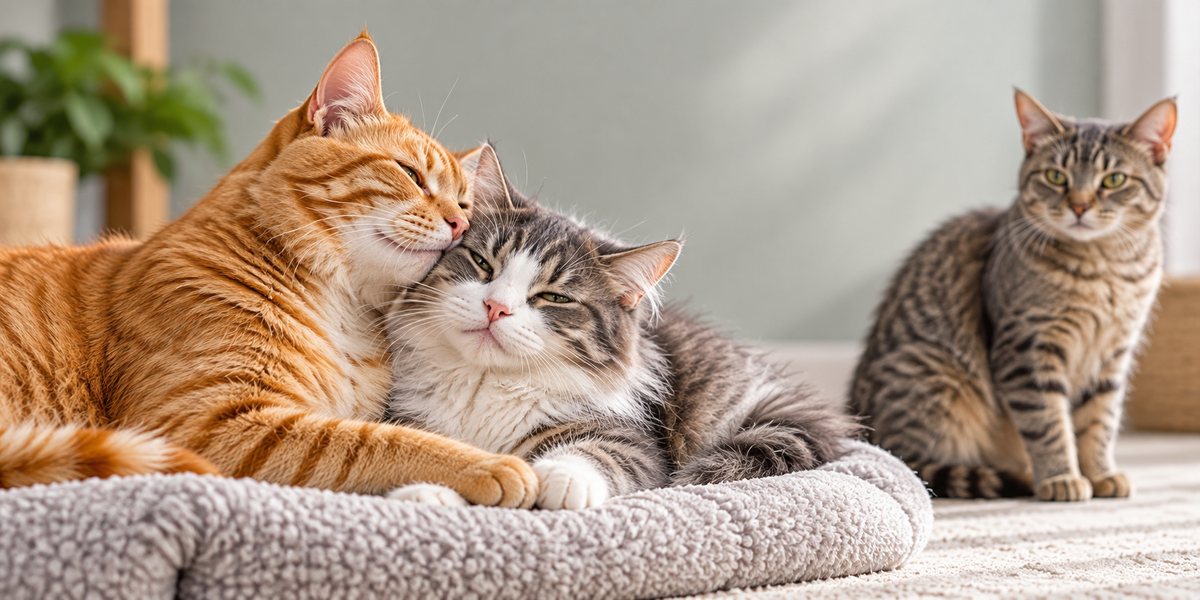
| Living with other cats | Often workable Generally favorable tendency for compatible multi-cat living. |
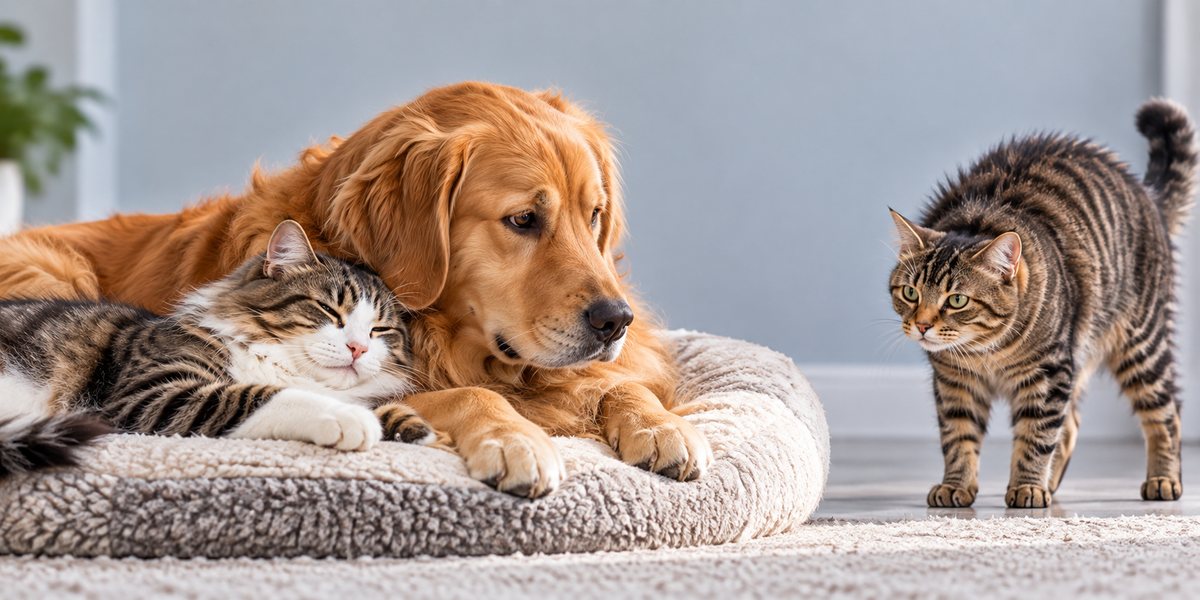
| Living with dogs | Good Breed profiles consistently support compatibility with cat-friendly dogs after introduction. |
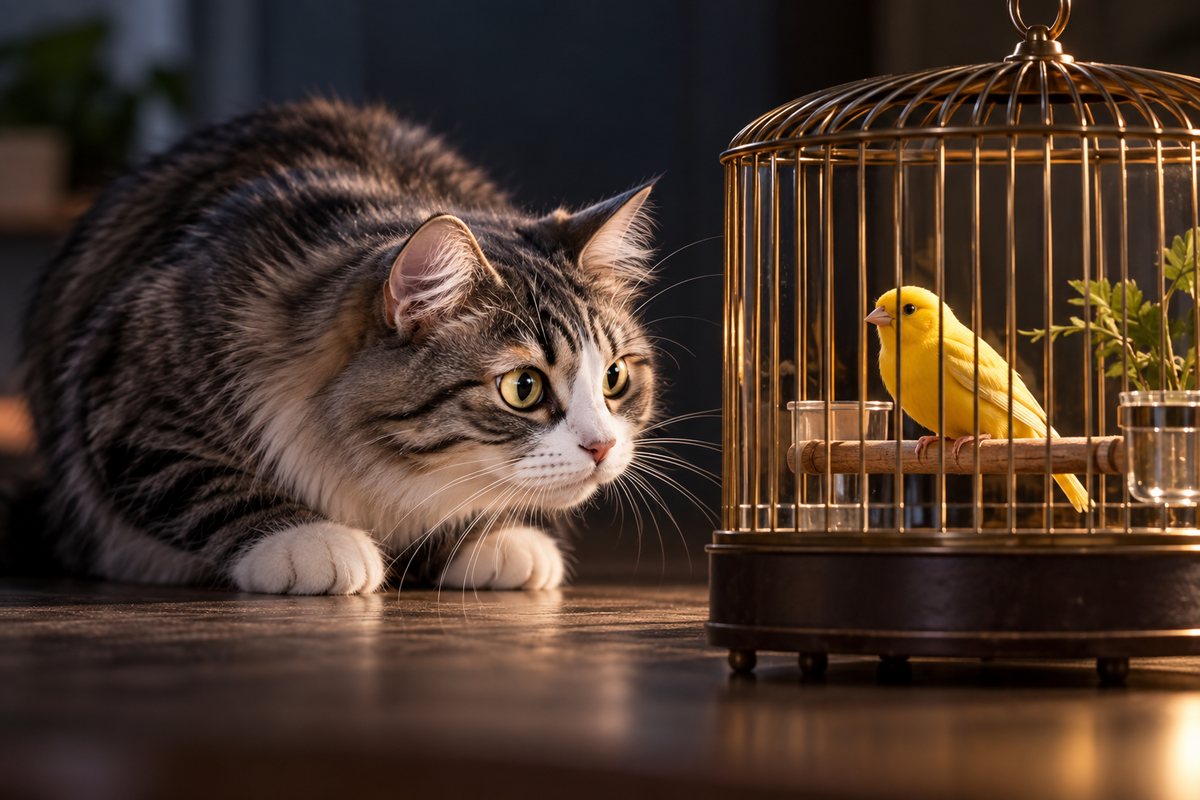
| Living around small pets | Normal predatory caution Ragdolls are famously relaxed and people-oriented, but their docile social temperament does not switch off feline predation. Small mammals and birds should still have secure cat-proof housing and no unsupervised direct contact. |
| Indoor & home environment needs | Calm companionship · secure indoor living Ragdolls benefit from close household companionship and secure living rather than reliance on outdoor independence. |
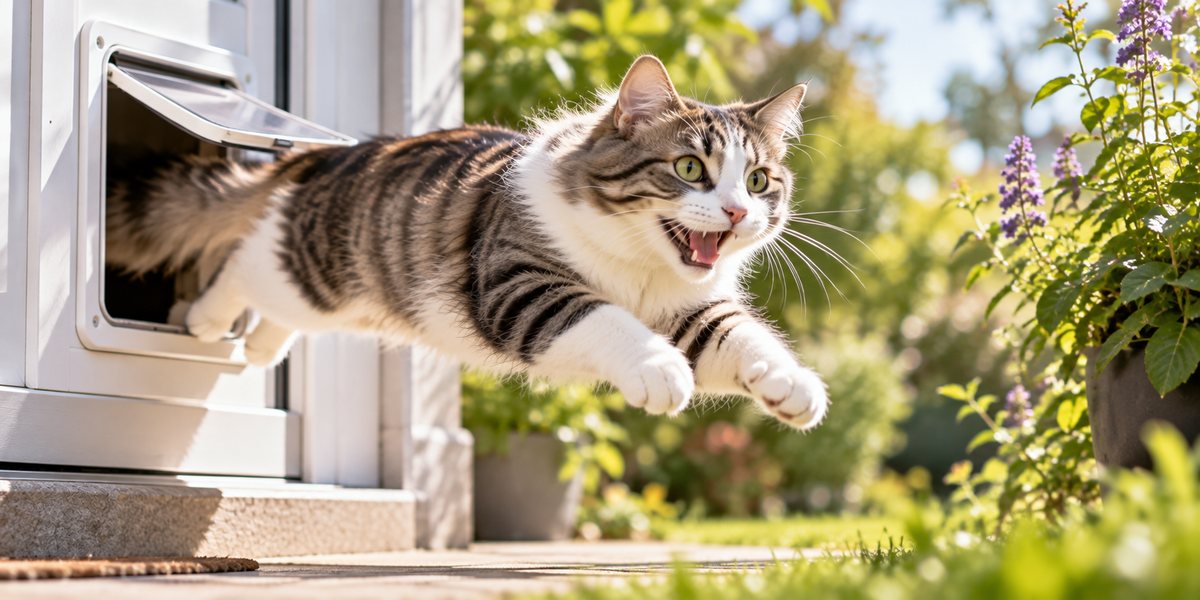
| Outdoor access considerations | Indoor or secure Ragdolls are relaxed, people-oriented cats and generally suit protected indoor life very well. A secure catio or enclosed garden can provide outdoor stimulation without relying on the cat's road awareness, territorial caution or ability to evade threats. |
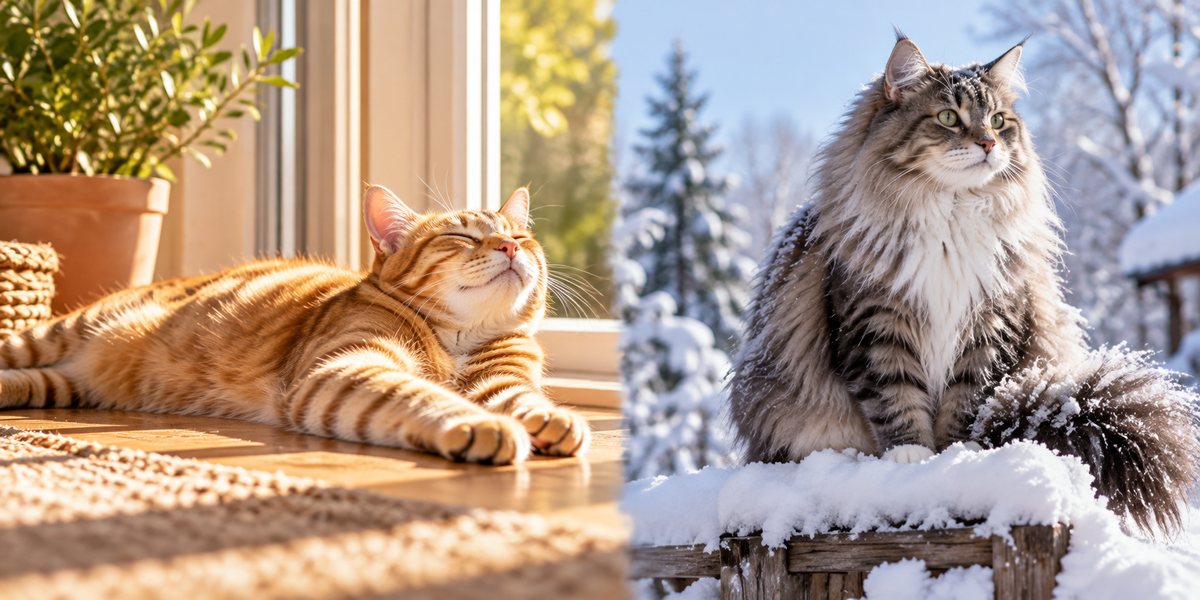
| Heat, cold & sun considerations | Semilong heat caution Ragdolls have a semi-long coat and large body, giving useful insulation but also increasing heat burden. They should have plentiful water, shade and cool resting surfaces in warm weather and should not be pushed into strenuous activity during heat. |
| Caregiver time & experience | Moderate Social companionship and coat care require regular involvement, but temperament is generally manageable for less-experienced caregivers. |
| Health & welfare | |
| Documented health predispositions | Moderate known risks Hypertrophic cardiomyopathy is the best-established inherited health concern in Ragdolls, including a known breed-associated MYBPC3 variant. Bladder stones and kidney disease also occur, but cardiac screening and responsible use of genetic testing are especially important. |
| Screening & breeder questions | Ask about Ragdoll HCM DNA status and cardiac screening Ask for the parents' Ragdoll-associated HCM DNA results and, importantly, echocardiographic screening history, because a negative DNA result does not exclude all hypertrophic cardiomyopathy. Ask about kidney and bladder disease in relatives as well. |
| Conformation-related welfare | Low to moderate large type Ragdolls are large, substantial cats but should remain mobile and athletic enough for normal feline behavior. Selection should prioritize sound joints, healthy body condition and functional facial anatomy rather than maximizing size or heaviness. |
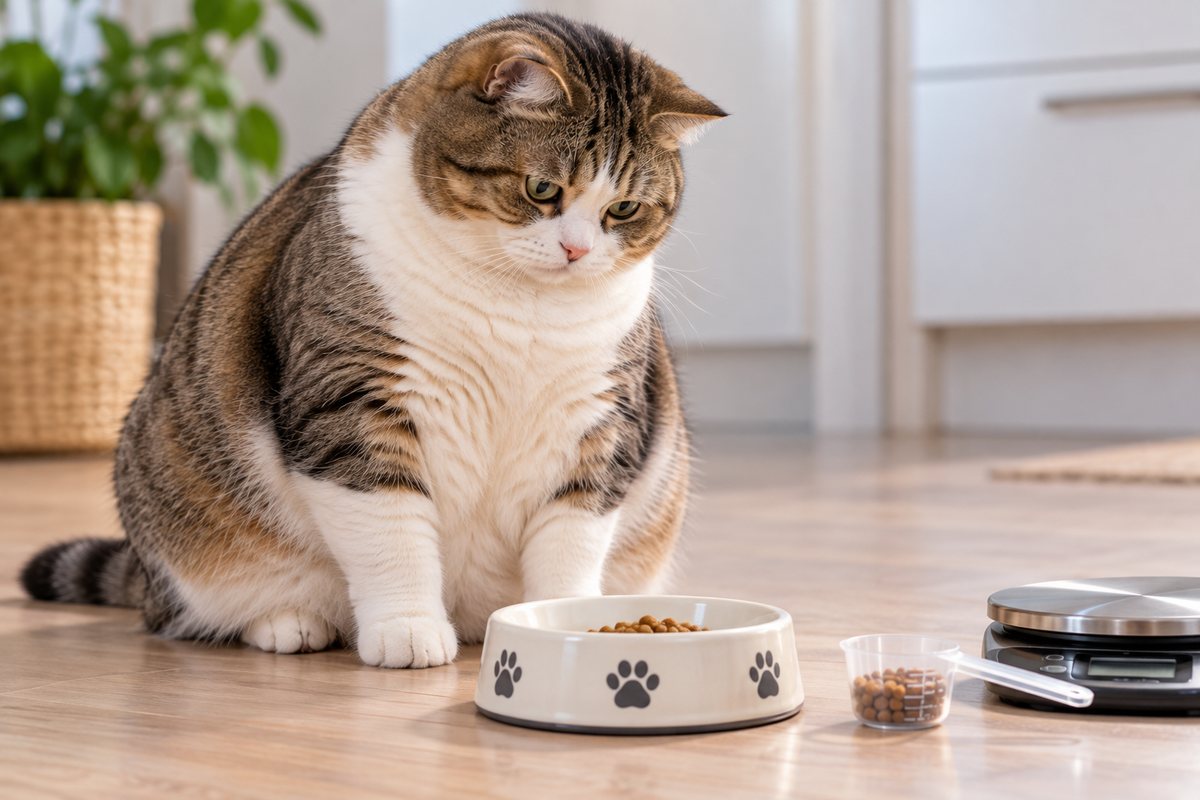
| Nutrition & weight management | Large coated weight watch Ragdolls are large, relatively relaxed cats whose semi-long coat can disguise weight gain. Maintain their substantial frame with measured portions and hands-on body-condition scoring; excess weight adds avoidable joint and cardiac burden. |
| Longevity | 12–16 years Ragdolls commonly live into their teens; about 12–16 years is a practical range, with hypertrophic cardiomyopathy risk making screening and cardiac health relevant. |
| Cost & availability | |
| Purchase cost | High: $800–$2,500+ Ragdoll: a practical breeder-market estimate is $800–$2,500+. This reflects that it is an very popular pedigree breed with broad supply and premium lines. |
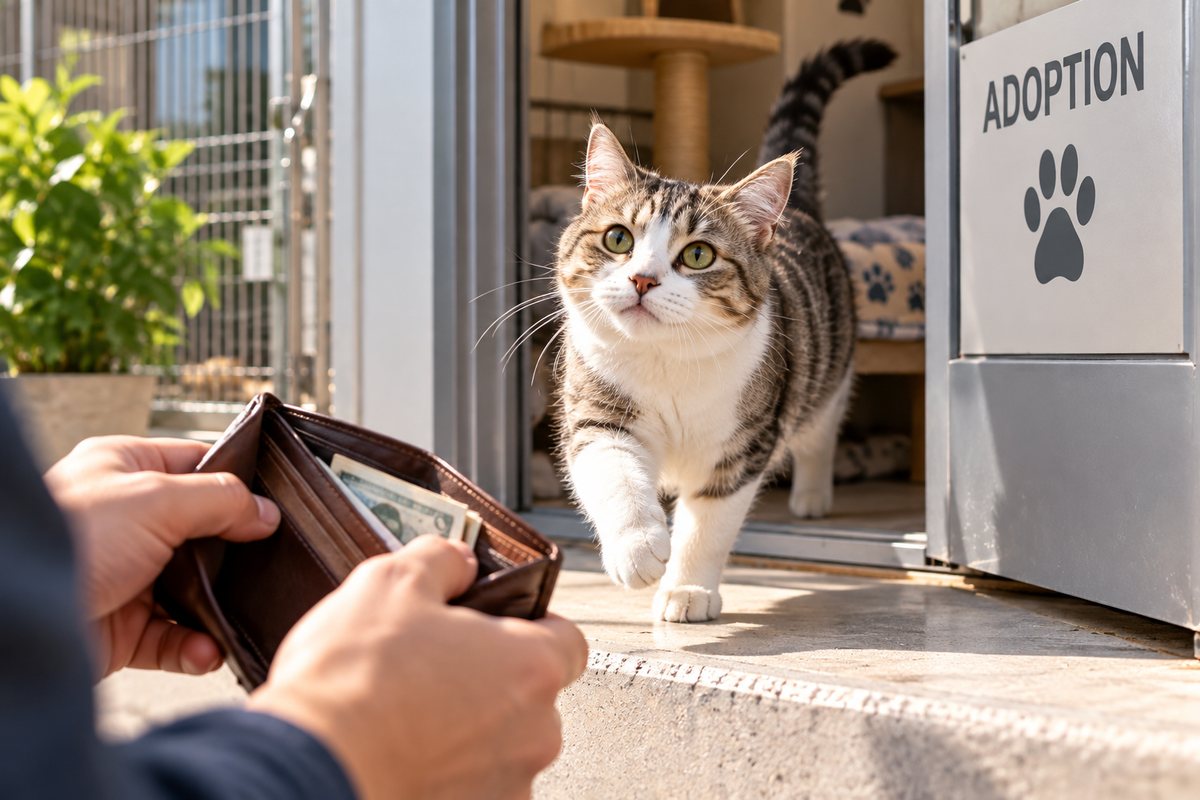
| Adoption & rehoming cost | Occasionally available: $75–$400 typical rescue/adoption fee Ragdoll: $75–$400 typical rescue/adoption fee. The breed is sufficiently numerous that genuine examples sometimes enter ordinary rescue or breed-rescue channels. |
| Recurring ownership costs | Larger-body food/litter/equipment sizing · coat maintenance Large size increases food, litter, carrier and sturdy-furniture costs, and the semi-long coat needs regular combing. HCM-aware veterinary planning makes insurance or a strong emergency reserve sensible despite generally manageable grooming. |
| Availability, waits & import | Very widely available Ragdolls are among the most widely bred pedigree cats internationally. In many countries buyers can compare multiple programs, making health screening, temperament and breeder quality more important than simply locating an available kitten. |
| Identity & real-world context | |
| Ownership & import restrictions | No known breed specific restrictions There are no known breed-specific ownership restrictions. Ordinary animal-welfare, identification, vaccination and cross-border import rules still apply where relevant. |
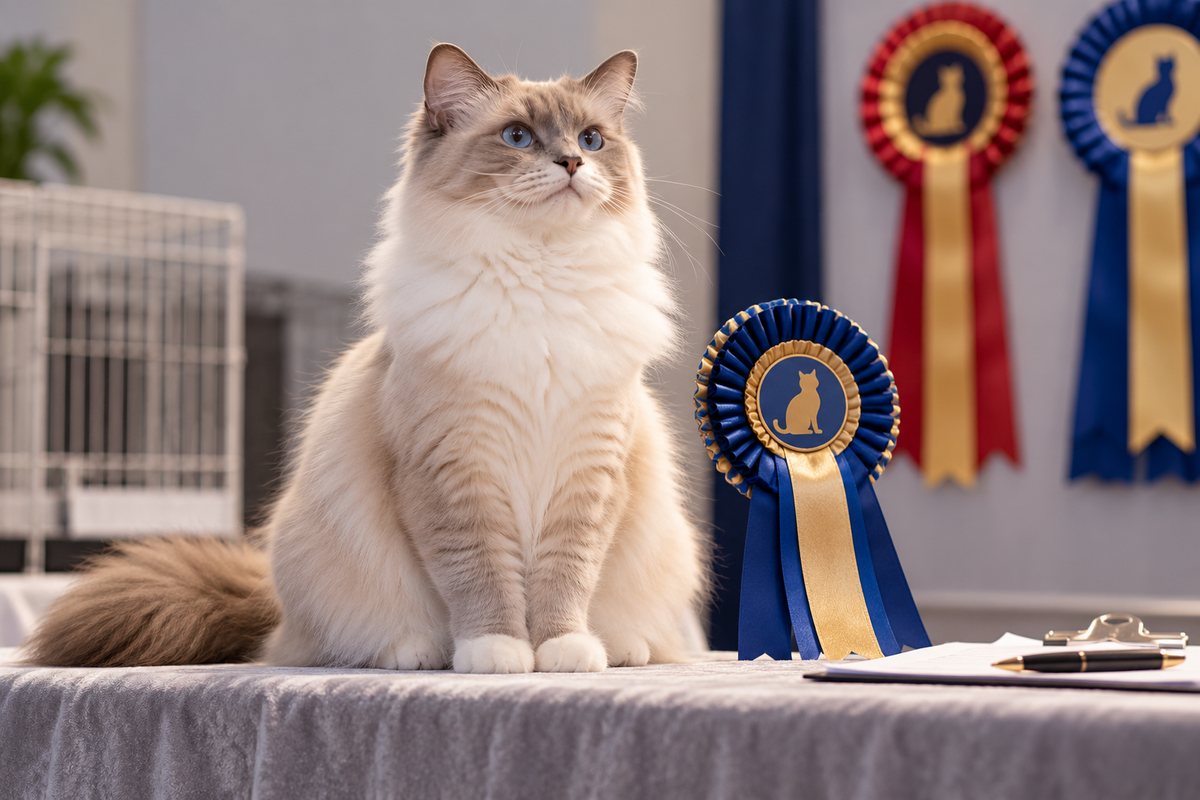
| Registry recognition | CFA: recognized breed/division · TICA: Championship-recognized / current breed identity · FIFe: fully recognized breed / mapped breed identity Currently recognized in all three registries tracked by the FSC core matrix: CFA, TICA and FIFe. |
| Similar breeds & identity distinctions | Birman RagaMuffin Ragdolls are large colorpointed semi-longhairs that can resemble Birmans and RagaMuffins. Birmans have characteristic white gloves and a different body type; RagaMuffins permit broader non-point colors and are a separate pedigree population. |
| Reported characteristic quirks | Many relax or go limp when comfortably held The breed name reflects the tendency of many Ragdolls to relax heavily in the arms when they feel secure. |
Browse all 53 breed characteristics
Open any characteristic to compare all breeds on that dimension.


 English