
Compare Cat Breeds
Compare up to three breeds across all 53 characteristics. Values are shown directly so the differences are easier to scan.
| Characteristic | 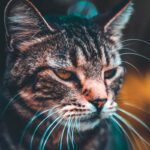 Pixie-bob |
|---|---|
| Body & development | |
| Adult size | Medium to large |
| Adult weight | Females 3.6–5.4 kg (7.9–11.9 lb); Males 5.4–7.7 kg (11.9–17.0 lb) Females are commonly about 3.6–5.4 kg (7.9–11.9 lb) and males about 5.4–7.7 kg (11.9–17.0 lb), with mature males especially substantial. |
| Build & distinguishing morphology | Substantial boning · muscular rangy · bobtail · polydactyly allowed Build: substantial boning; muscular rangy; bobtail; polydactyly allowed. |
| Maturation | 2-3 years The substantial Pixie-bob is a comparatively slow-maturing cat; after most skeletal growth in the first 12–18 months, its heavy musculature and mature body can continue developing until roughly 2–3 years. |
| Coat & appearance | |
| Coat length | Short · long Occurs in both shorthair and longhair forms. |
| Coat texture & undercoat | Thick double woolly · short or long Coat: thick double woolly; short or long. |
| Colors & patterns | Brown spotted tabby Colors/patterns: brown spotted tabby. |
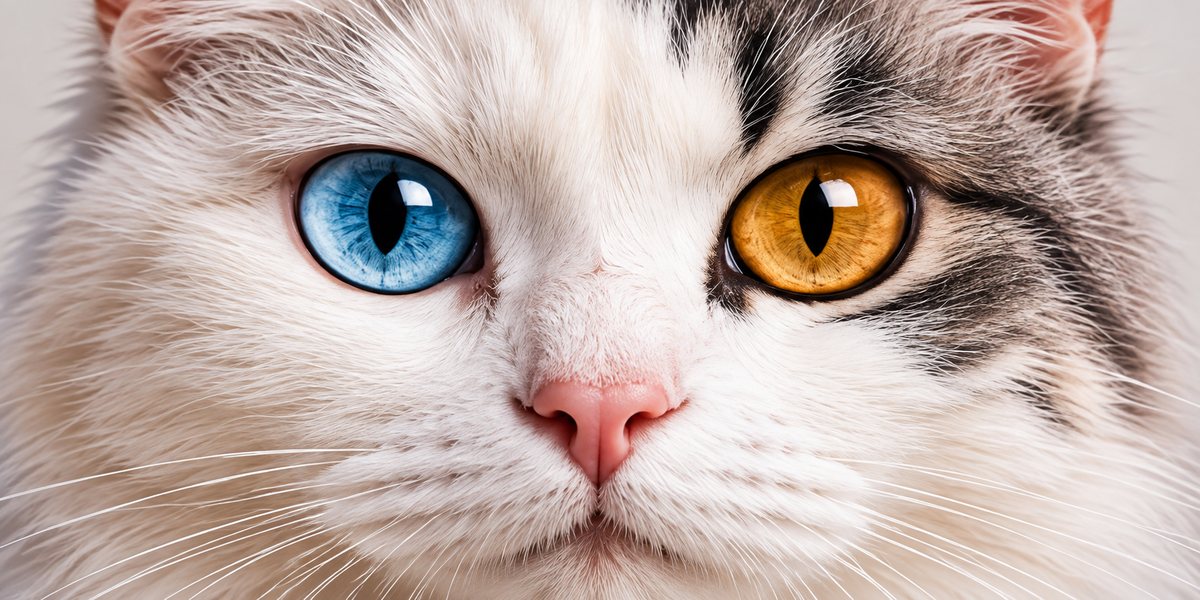
| Eye colors | Gold · brown · gooseberry green Gold to brown and gooseberry-green shades are characteristic; blue is not typical. |
| Coat & routine care | |
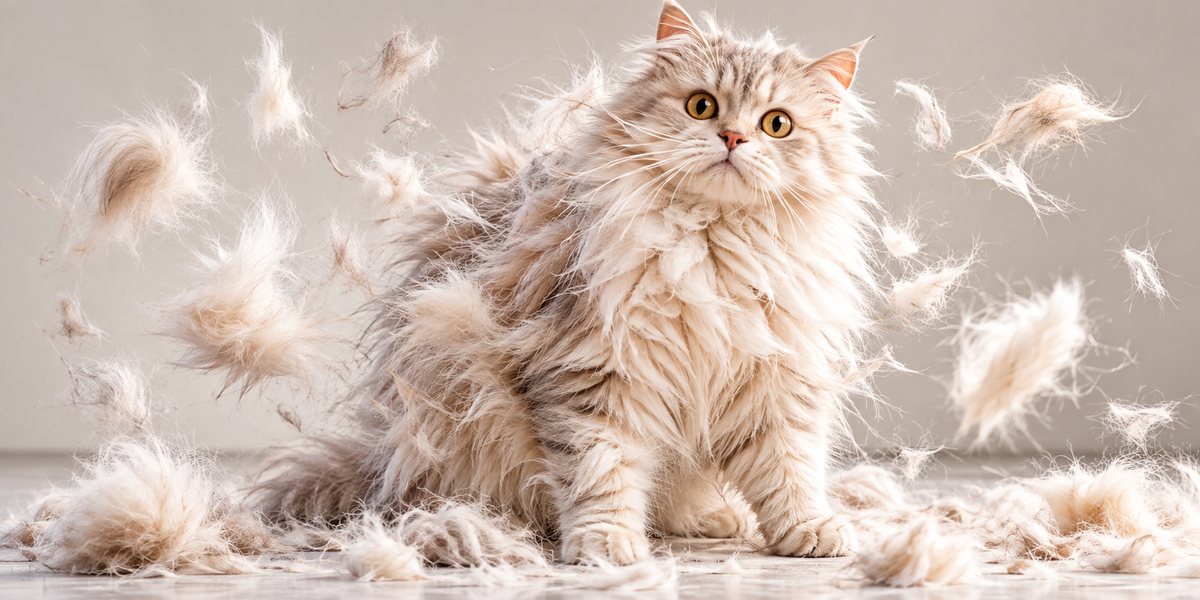
| Shedding | Moderate to high seasonal Moderate to high seasonal shedding from the dense double coat, with longhaired cats leaving more visible hair. |
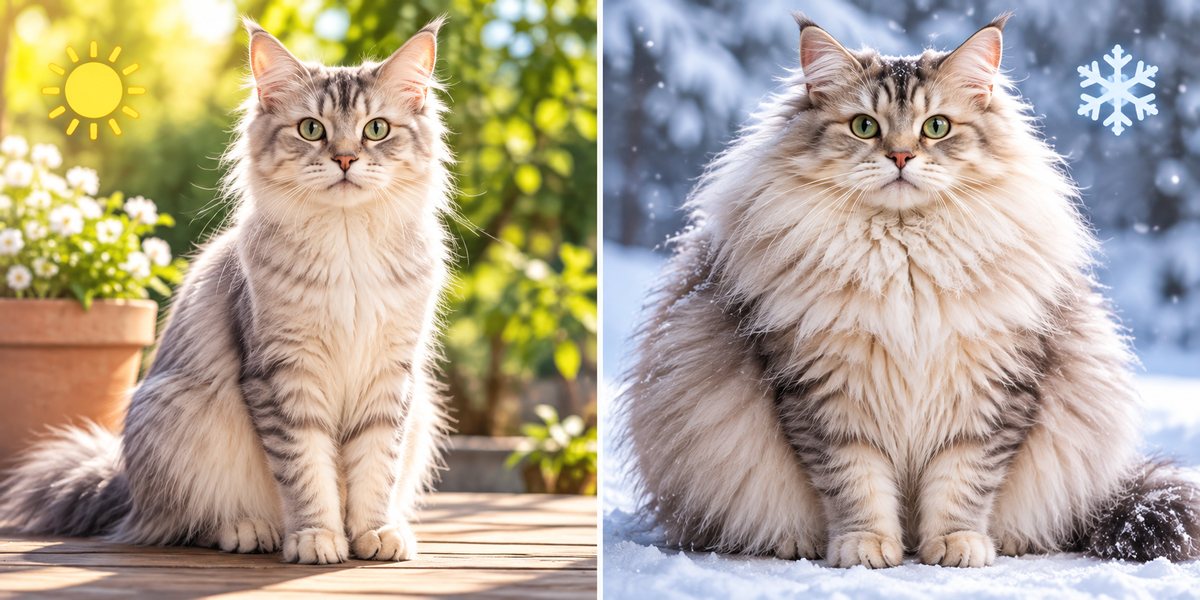
| Seasonal coat changes | Pronounced seasonal shed The thick Pixie-bob double coat commonly changes substantially with the seasons, producing a noticeable spring shed in both short- and longhaired cats. |
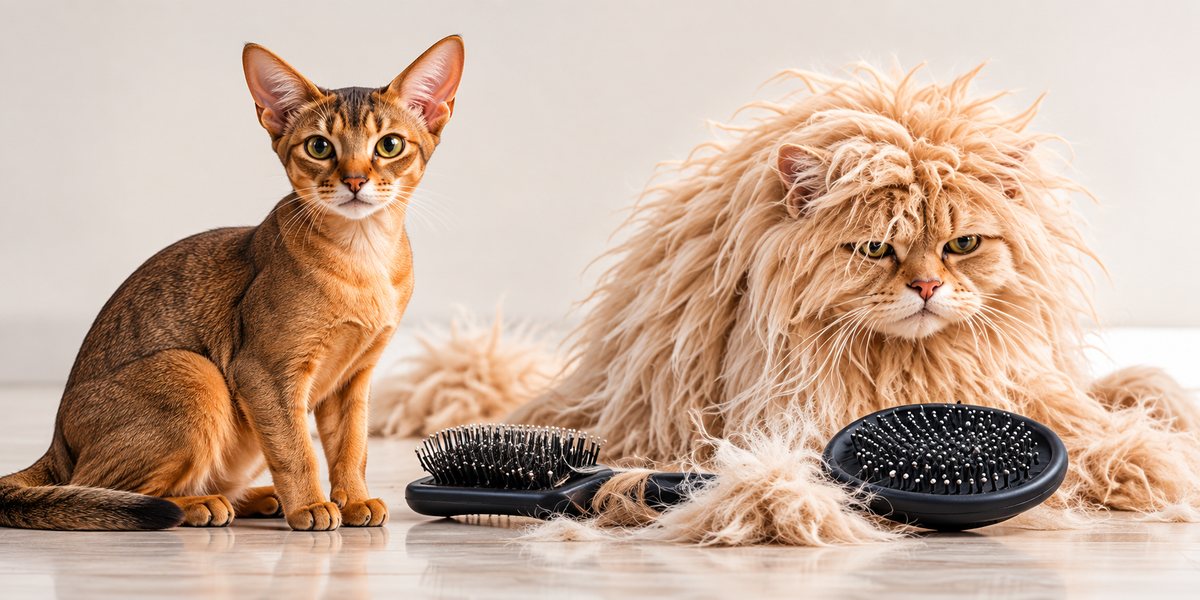
| Brushing & combing | Regular Brushing/combing: regular. |
| Tangle & matting tendency | Moderate in longhair The thick woolly double coat can pack during shedding; longhaired Pixie-bobs need particular attention to the belly, britches and underarms. |
| Skin & bathing care | Bathing not routinely needed Routine bathing is generally unnecessary; bathe only when the coat is genuinely soiled or for a specific veterinary or grooming reason. |
| Distinctive routine care | Coat length variable Pixie-bob grooming varies with coat length: short coats are easy, while longer coats benefit from regular combing. Check nails carefully where extra toes are present and monitor tail, spine and gait as part of routine handling. |
| Allergy & allergen evidence | No breed specific reduction established There is no known reason to regard this breed as hypoallergenic. All cats produce allergens, and coat length or shedding alone does not determine allergy risk. |
| Activity & intelligence | |
| Activity level | Moderate |
| Playfulness | High |
| Climbing & jumping | High The substantial Pixie-bob remains active and capable; sturdy climbing structures and broad elevated platforms suit its heavier frame better than delicate perches. |
| Enrichment demand | High High enrichment demand: interactive play, climbing, training-style games and environmental exploration suit its playful and inquisitive character. |
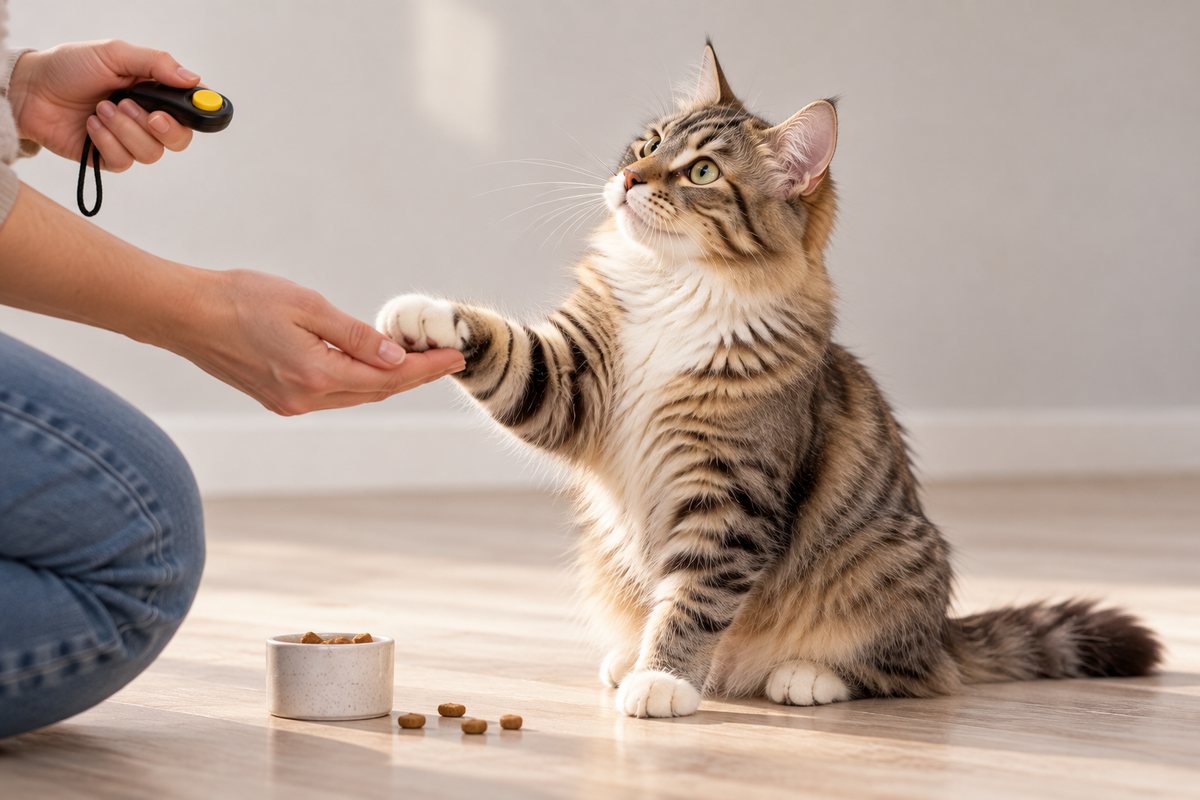
| Learning & training | High Pixie-bobs are commonly responsive to people and interactive routines; many should take readily to harness work, retrieval-style play and simple trained cues. |
| Curiosity & exploration | High Pixie-bobs are confident, interactive cats that often combine calmness with an interest in games and household activity; curiosity is moderately high rather than frenetic. |
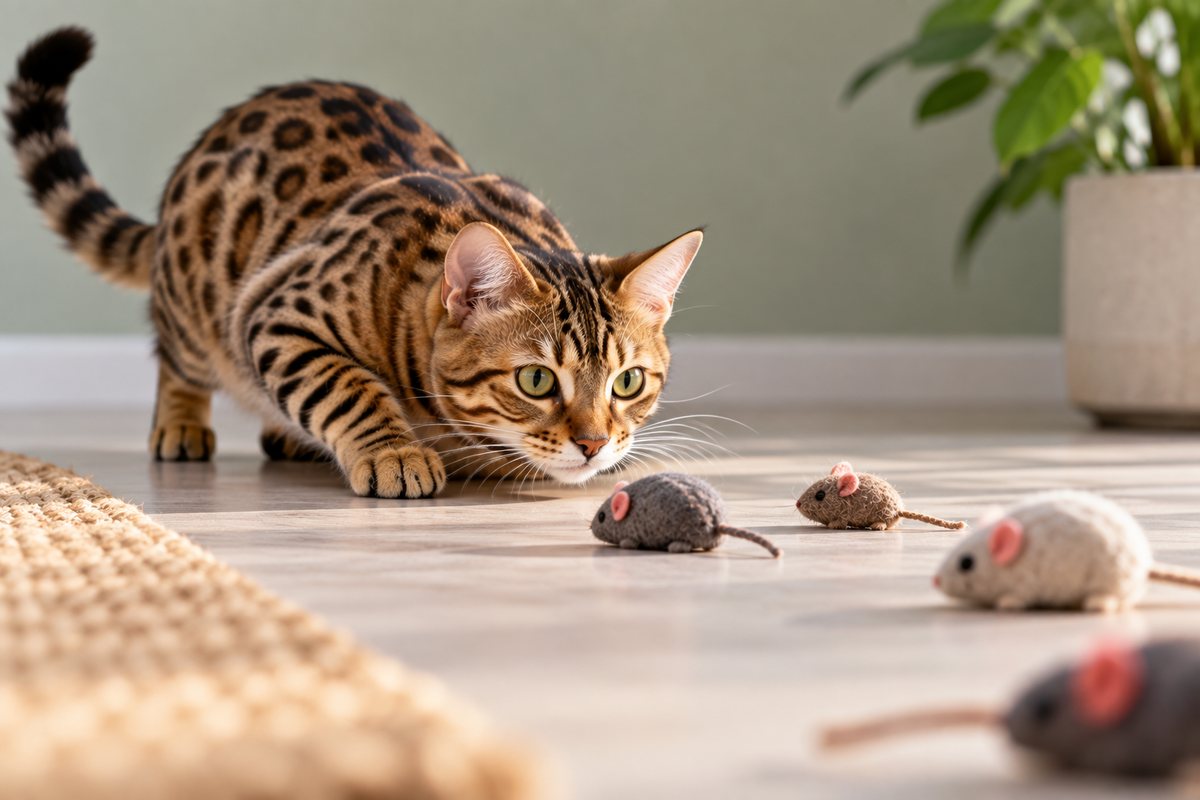
| Hunting & chasing tendencies | High Expect moderately strong to strong hunting play. Pixie-bobs are athletic, active cats and are likely to enjoy stalking and pursuing toys, although individual intensity varies. |
| Personality & social | |
| Sociability with familiar people | Very high Pixie-bobs are known for unusually strong family attachment and often behave as devoted, interactive companions that want to remain involved with their people. |
| Affection | Following · loyal · interactive · proximity Pixie-bob affection often resembles devoted companionship: they follow familiar people, stay nearby and seek regular interactive contact. |
| Lap & cuddling preference | Moderate Pixie-bobs are devoted and sociable but often comparatively laid-back in how they show affection; many stay close to family without needing to occupy a lap continuously. |
| Handling tolerance | High Pixie-bobs are generally steady, devoted companion cats and often accept routine handling well; their substantial body should be supported securely rather than tightly restrained. |
| Independence & social demand | Moderate to high social demand Pixie-bobs commonly form strong family bonds and enjoy household participation, but are generally less socially demanding than Oriental-type breeds. |
| Vocalization | Moderate Communicates with an unusual repertoire including chirps and chitters; repertoire richness should not be confused with constant loud meowing. |
| Response to unfamiliar people | Moderate Pixie-bobs are strongly bonded, calm and socially capable, but often somewhat reserved in manner; many inspect visitors before choosing to interact. |
| Adaptability to change | High Pixie-bobs are generally steady, social, and trainable; many should handle moves and routine changes well when given a predictable introduction to the new environment. |
| Noise & busy-environment sensitivity | Low to moderate Generally confident and easygoing, the Pixie-bob usually handles ordinary family bustle well and tends to be less reactive than delicate or highly reserved breeds. |
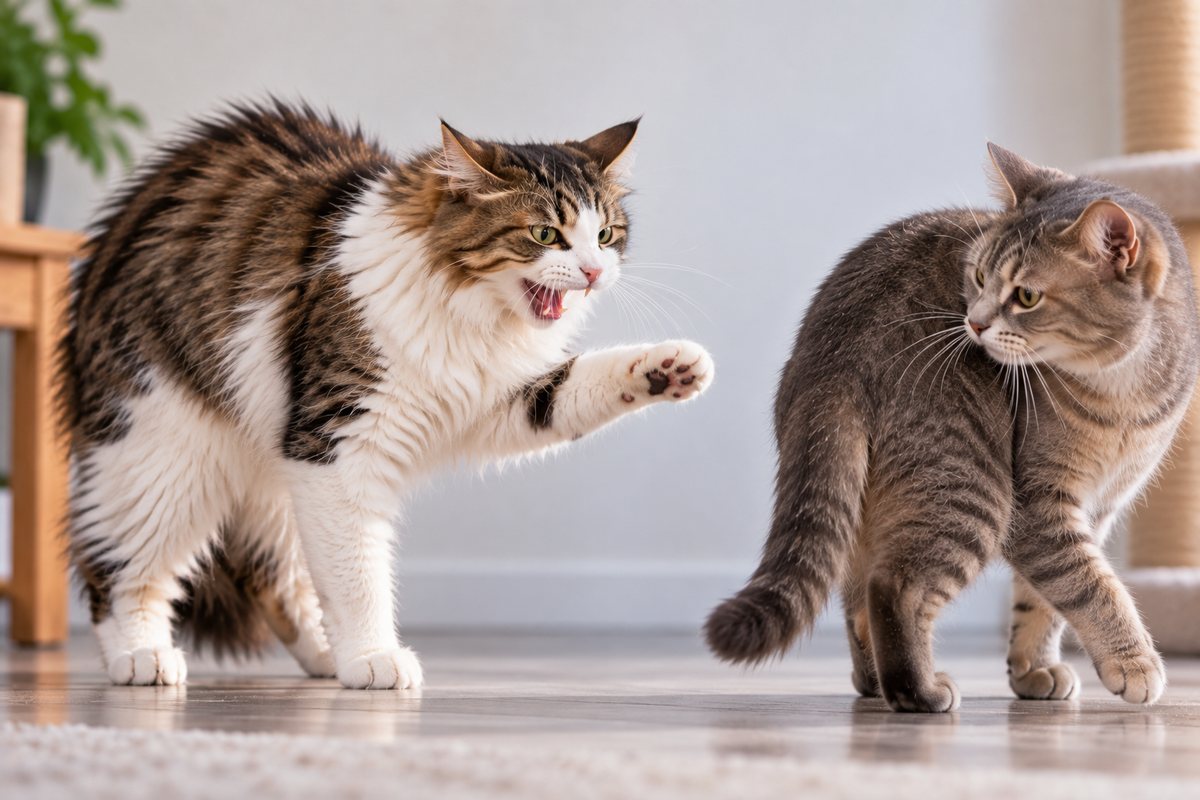
| Defensive & conflict behaviour | Low Pixie-bobs are generally described as confident, steady and strongly bonded to their household. Despite their rugged appearance, they are not expected to be unusually confrontational and typically manage ordinary social friction without rapid escalation. |
| Household & environment | |
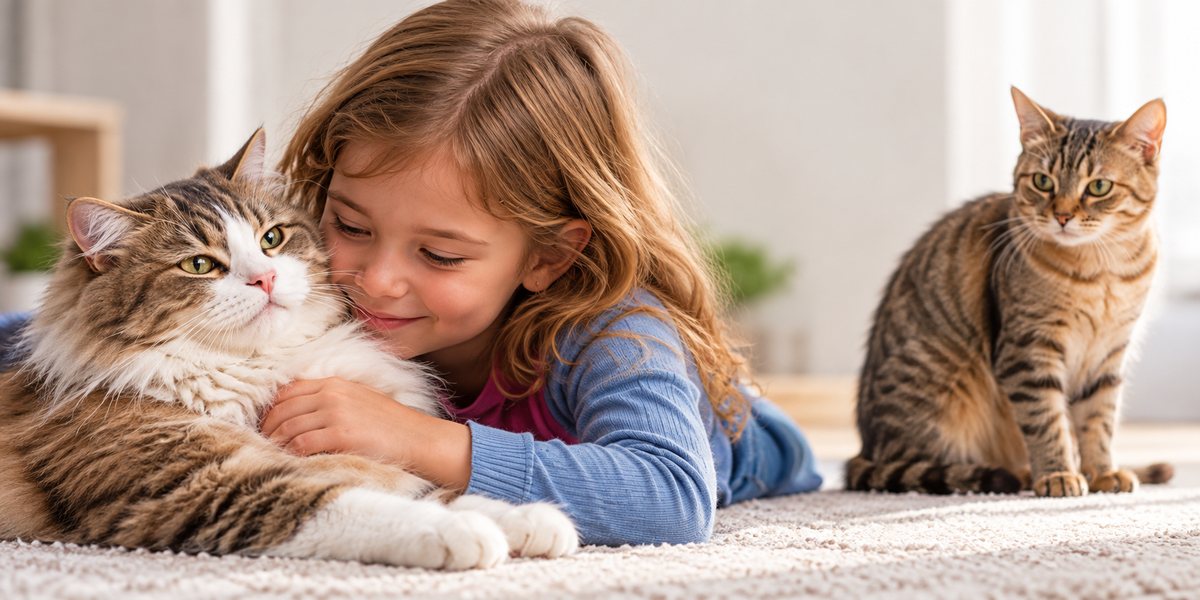
| Living with children | Good Pixie-bobs are generally steady, confident and family-oriented cats, and many tolerate the activity of a household with children well. Their substantial build suits interactive play, but children should still avoid rough handling and respect resting places. |
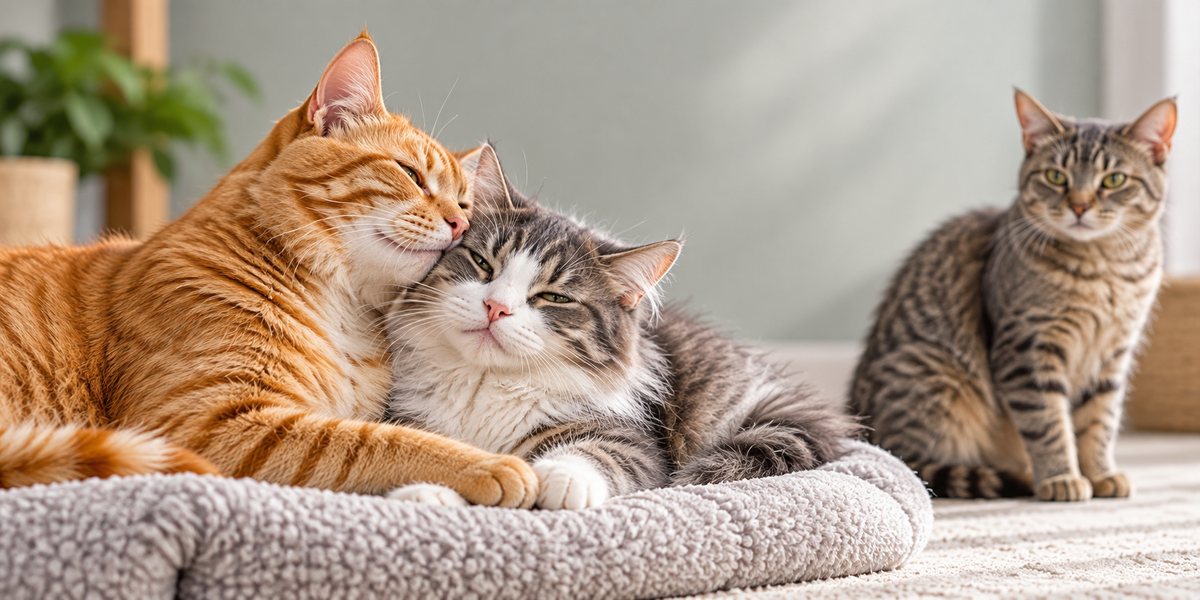
| Living with other cats | Often workable Generally favorable tendency for compatible multi-pet living. |
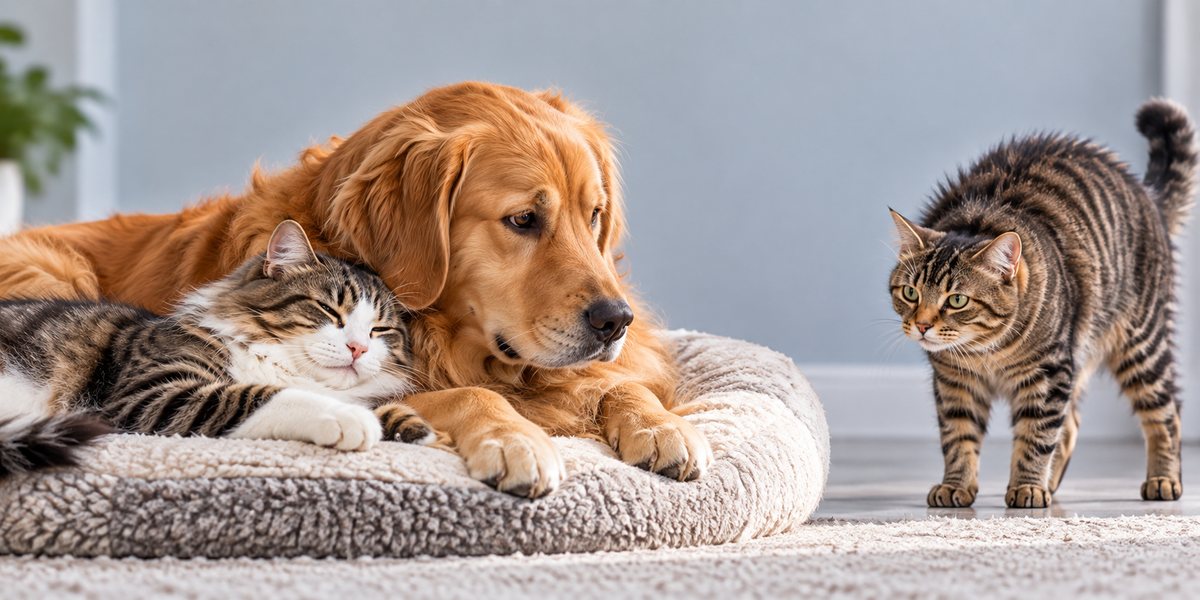
| Living with dogs | Good Pixie-bobs are generally confident, steady and social household cats. Their robust build and relaxed temperament can suit life with a cat-friendly dog, though introductions should still be controlled and individual preferences respected. |
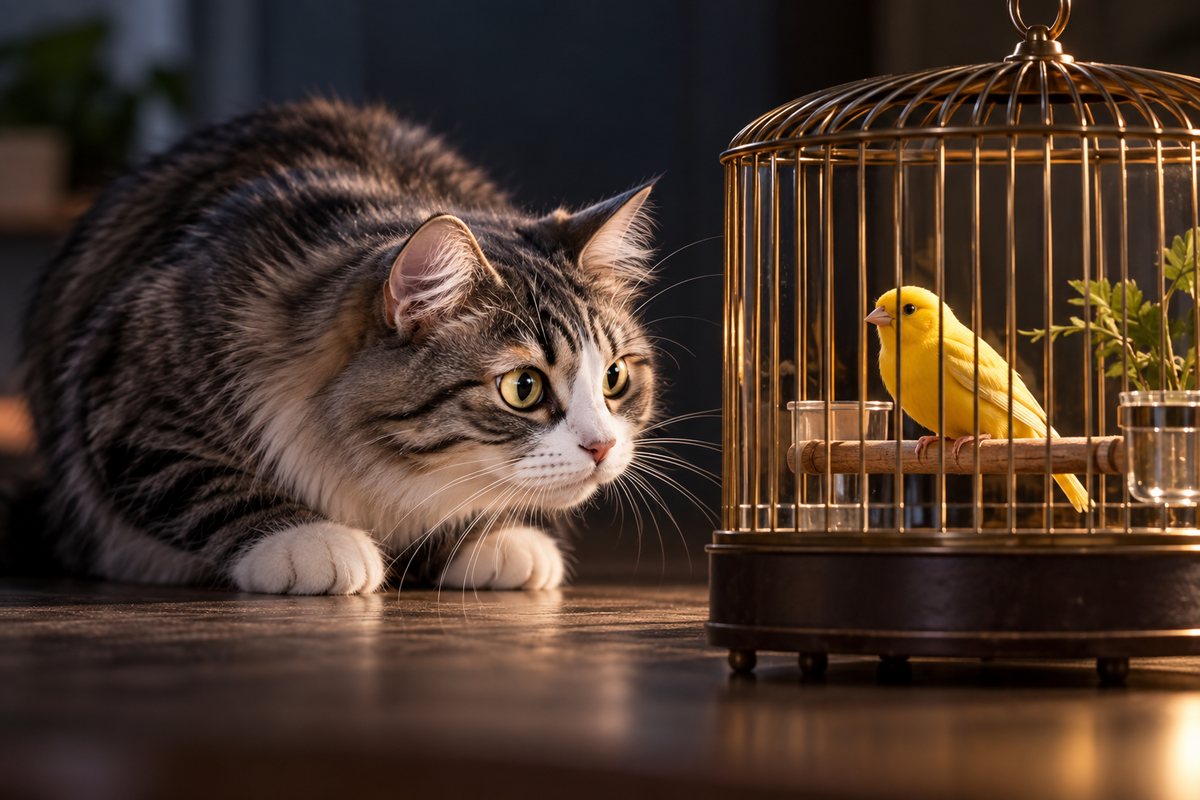
| Living around small pets | Additional caution Pixie-bobs are robust, athletic cats with strong exploratory and play behavior. Their size and physical capability make predatory interactions with rodents, birds and other small pets potentially serious, so secure separation is warranted. |
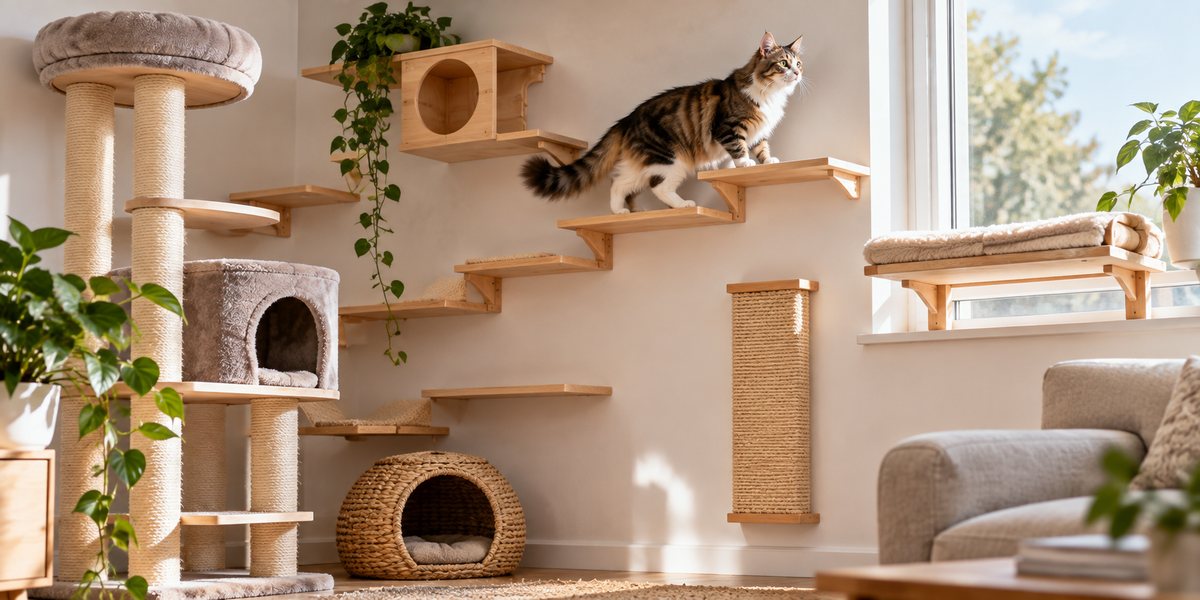
| Indoor & home environment needs | Active indoor enrichment Pixie-bobs are robust, active cats that benefit from sturdy climbing and scratching structures sized for a substantial body. Regular interactive play, exploration opportunities and quiet retreat areas help balance their social and physical needs. |
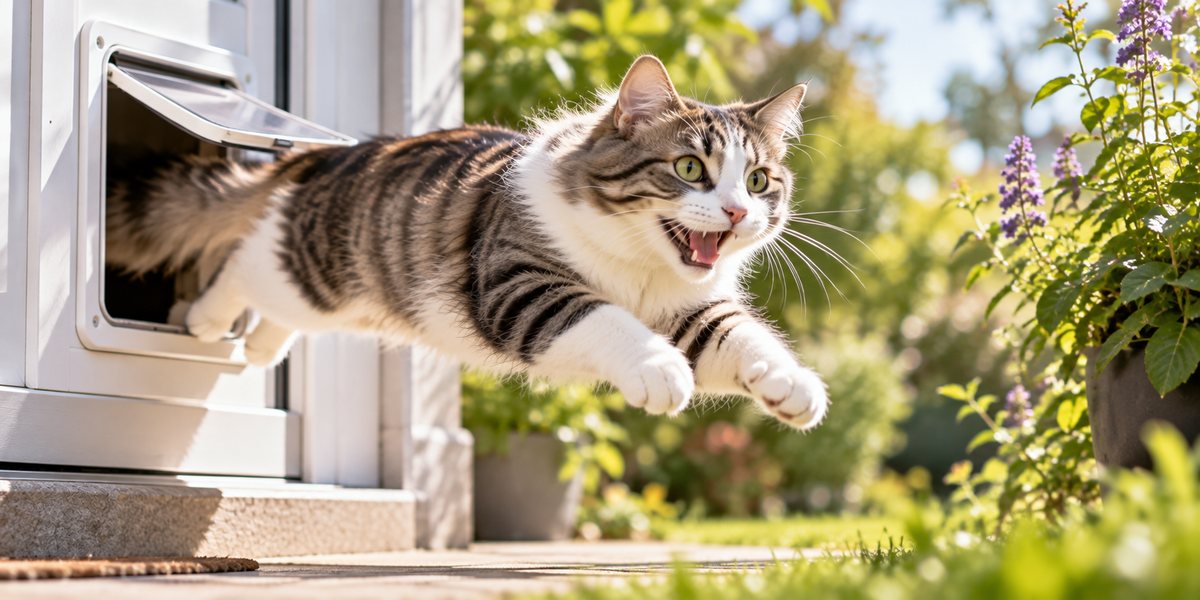
| Outdoor access considerations | Secure high activity Pixie-bobs are robust, exploratory cats that may enjoy substantial outdoor activity. A secure garden or large catio provides room to investigate and exercise while preventing roaming, hunting and encounters with vehicles or hostile animals. |
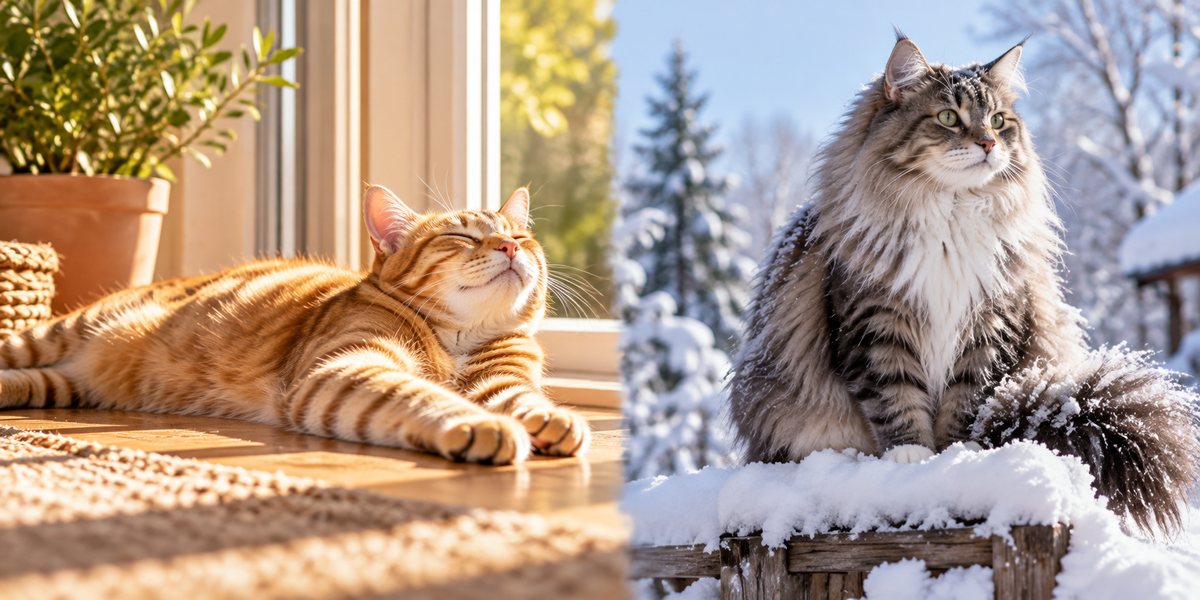
| Heat, cold & sun considerations | Weather resistant heat caution Pixie-bobs often have a substantial short or long coat and robust build that provide useful cool-weather protection. During hot weather their size and coat make shade, water and cool resting areas important. |
| Caregiver time & experience | Moderate Pixie-bobs are robust, social cats that benefit from regular play and sturdy enrichment. Grooming is usually manageable, though longer coats need more attention; overall they suit committed caregivers without usually requiring specialist handling. |
| Health & welfare | |
| Documented health predispositions | Limited specific risk Pixie-bobs are generally considered robust, without one well-established inherited disorder dominating the breed. Because polydactyly and shortened tails occur, breeders should still select for normal limb, spine and tail function and maintain transparent family health records. |
| Screening & breeder questions | Ask what health problems are tracked in the lines and request actual test results Ask about heart, hip, knee and spinal health in relatives, whether shortened tails remain functional and pain-free, and what veterinary screening breeding cats receive. Ask how polydactyl feet are assessed for functional structure where present. |
| Conformation-related welfare | Moderate tail polydactyl monitoring Pixie-bobs may combine shortened tails with polydactyly. Welfare selection should ensure normal spine and gait, pain-free functional tails and well-aligned extra toes rather than rewarding more extreme tail reduction or foot structure. |
| Nutrition & weight management | Large frame condition led Pixie-bobs are substantial cats and may carry a large frame, but correct type should remain muscular rather than fat. Measured portions and hands-on body-condition checks help distinguish healthy size from gradual excess weight. |
| Longevity | 13–16 years Pixie-bobs are sturdy, substantial domestic cats; about 13–16 years is a reasonable working range under good care. |
| Cost & availability | |
| Purchase cost | High: $800–$2,000 Pixie-bob: a practical breeder-market estimate is $800–$2,000. This reflects that it is an specialty breed with moderate-to-low breeder availability. |
| Adoption & rehoming cost | Uncommon in rescue: $100–$500 typical rescue/adoption fee Pixie-bob: $100–$500 typical rescue/adoption fee. The breed does appear in rescue, but much less often than mixed-breed cats or the most numerous pedigrees. |
| Recurring ownership costs | Coat maintenance · higher food/larger equipment · enrichment/toy replacement The substantial body can increase food and sturdy-equipment costs, and longhaired individuals need more grooming. Polydactyl nails require routine checking but not inherently expensive care; enrichment and preventive veterinary work complete the budget. |
| Availability, waits & import | Uncommon regional Pixie-bobs have their strongest breeder base in North America and are less common elsewhere. Prospective owners in Europe and other regions may face limited local choice and should verify pedigree and any local rules affecting the breed. |
| Identity & real-world context | |
| Ownership & import restrictions | No known breed specific restrictions There are no known breed-specific ownership restrictions. Ordinary animal-welfare, identification, vaccination and cross-border import rules still apply where relevant. |
| Registry recognition | TICA: Championship-recognized / current breed identity Currently recognized by TICA in the FSC core matrix; it is not a separately recognized CFA or FIFe breed identity there. |
| Similar breeds & identity distinctions | American Bobtail Pixie-bobs and American Bobtails are both substantial short-tailed cats. Pixie-bobs are selected for a specific brown spotted wild look and may be polydactyl, while American Bobtails accept a much broader range of colors and patterns. |
| Reported characteristic quirks | Individual quirks often center on play and exploration Pixie-bobs are often described as dog-like, with reports of retrieving toys, learning leash routines and following family members. Some use chirps and chatters more than ordinary meows. |
Browse all 53 breed characteristics
Open any characteristic to compare all breeds on that dimension.





 English