
Compare Cat Breeds
Compare up to three breeds across all 53 characteristics. Values are shown directly so the differences are easier to scan.
| Characteristic | 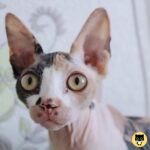 Peterbald |
|---|---|
| Body & development | |
| Adult size | Medium |
| Adult weight | Females 2.3–3.2 kg (5.1–7.1 lb); Males 3.2–4.5 kg (7.1–9.9 lb) Females are commonly about 2.3–3.2 kg (5.1–7.1 lb) and males about 3.2–4.5 kg (7.1–9.9 lb); the Oriental-type body is slender but muscular. |
| Build & distinguishing morphology | Long tubular · muscular · large ears · long toes Build: long tubular; muscular; large ears; long toes. |
| Maturation | 12-18 months Peterbalds generally reach their long, lean adult frame within the first year and complete muscular development through roughly 12–18 months; coat type can continue changing as the cat matures. |
| Coat & appearance | |
| Coat length | Hairless · very short · short · variable Coat expression ranges from completely bald through altered brush/velvet-like coats to normal coat. |
| Coat texture & undercoat | Hairless · peach · down · brush · straight coat variable Coat: hairless; peach; down; brush; straight coat variable. |
| Colors & patterns | All colors including pointed Colors/patterns: all colors including pointed. |
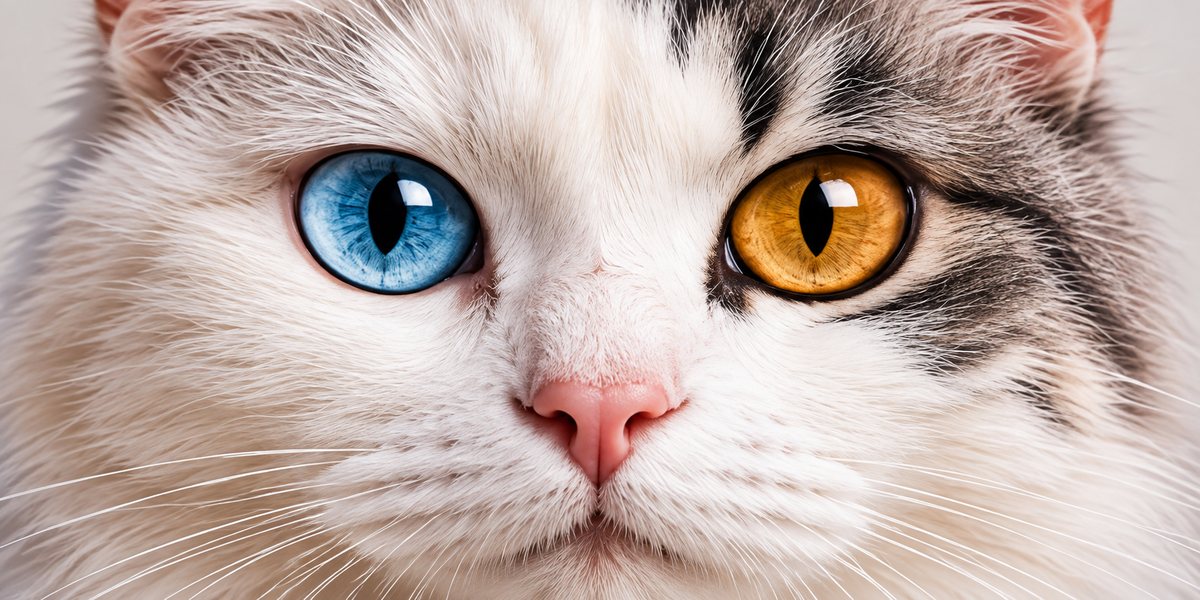
| Eye colors | All eye colors; coat-dependent A broad range occurs; green is common in Oriental-type colours and blue in pointed cats. |
| Coat & routine care | |
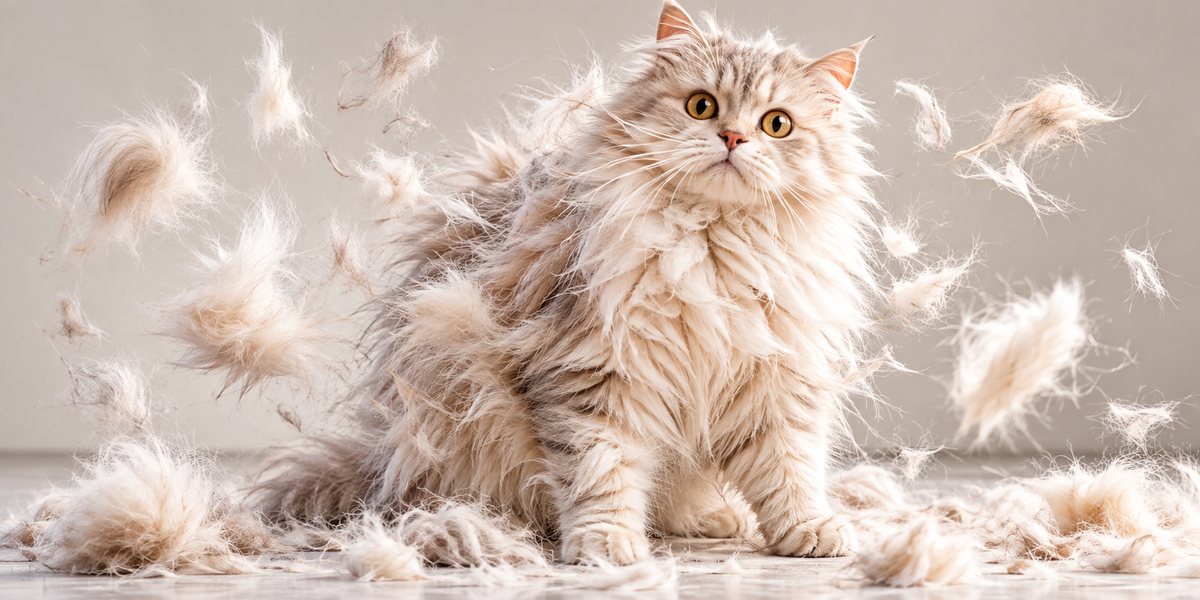
| Shedding | Minimal to low Minimal shedding in bald and flock coats; brush-coated Peterbalds can shed more noticeable fine hair. |
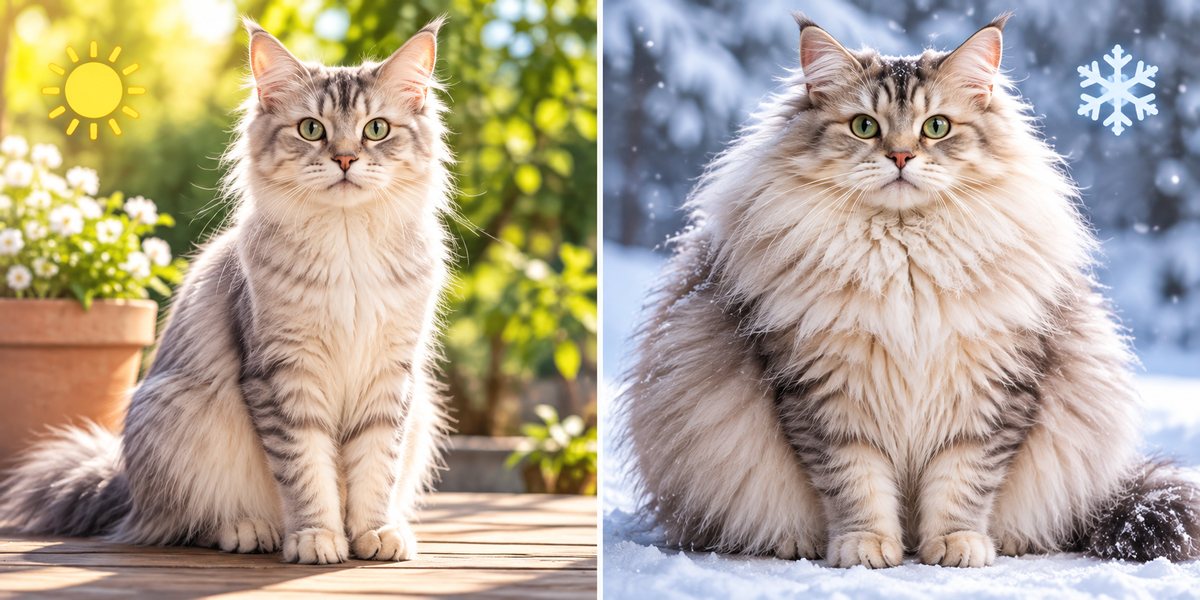
| Seasonal coat changes | Variable minimal hair cycle change Peterbald coat types range from bald to brush or straight, so seasonal change varies; hairless cats show virtually none while coated individuals may show modest density changes. |
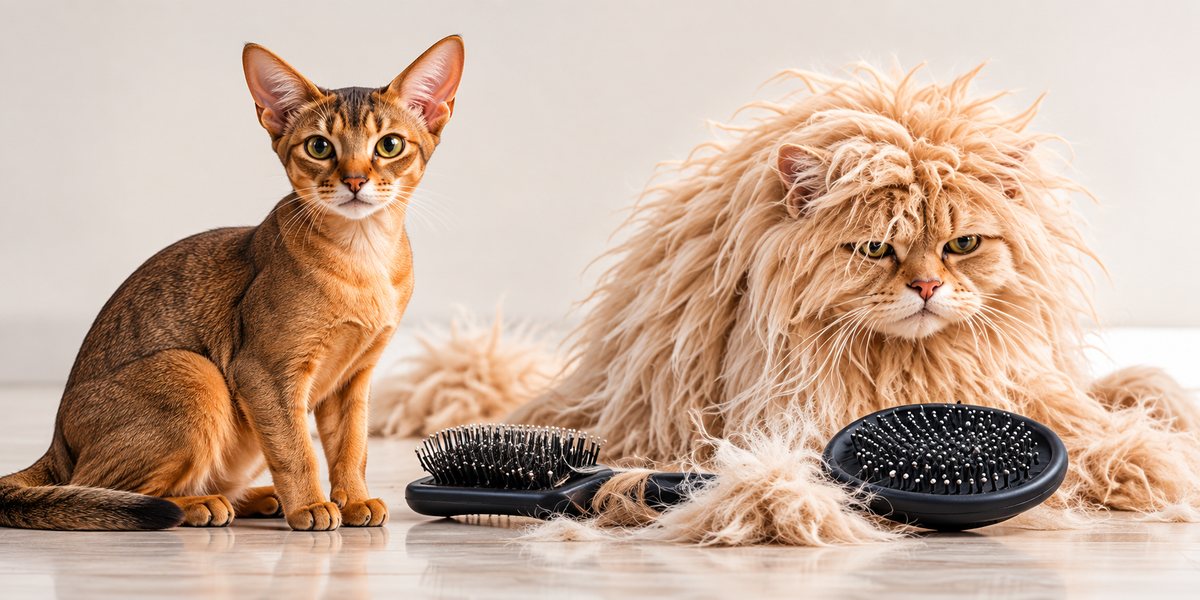
| Brushing & combing | Weekly for coated types Brushing/combing: weekly for coated types. |
| Tangle & matting tendency | Negligible Hairless, peach and down coats do not form conventional mats; brush or straight-coated individuals may need only ordinary light detangling. |
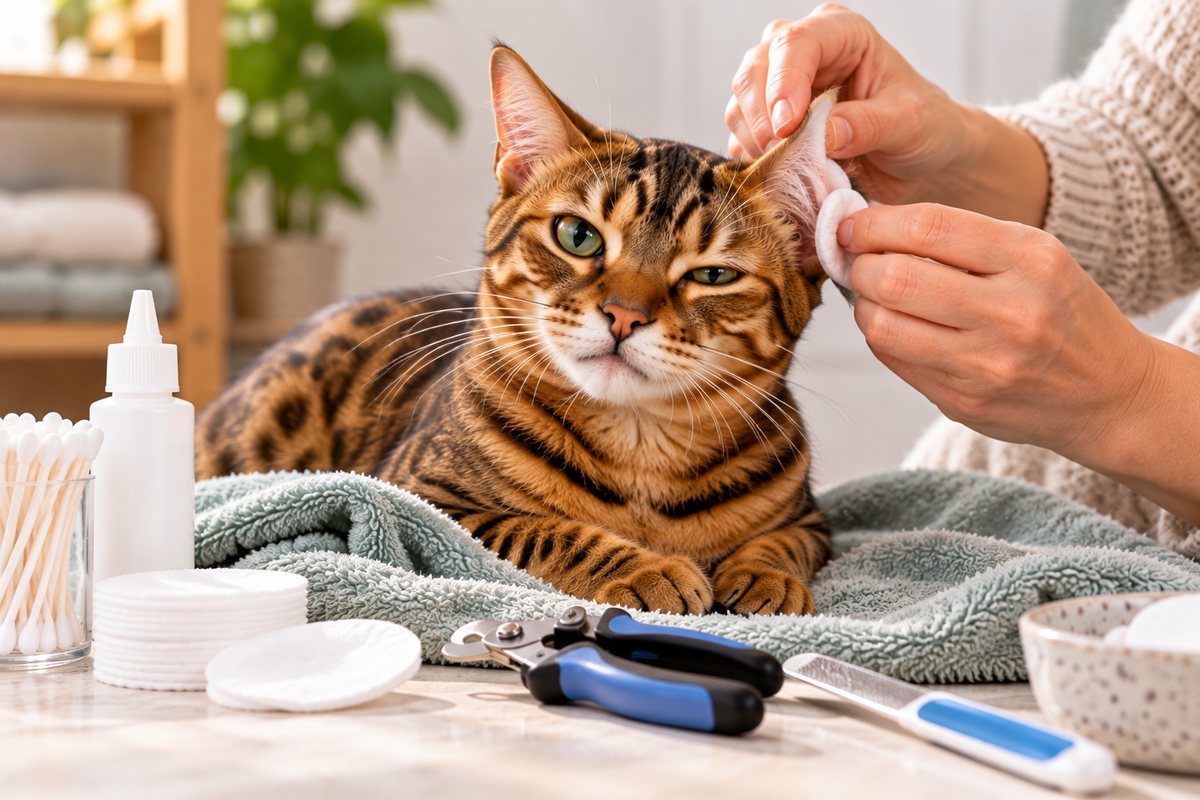
| Skin & bathing care | Hairless or sparse skin care · periodic bathing · sun and cold protection Hairless or very sparse Peterbalds need periodic gentle bathing or wiping to control skin oil, plus ear and nail-bed cleaning and protection from strong sun and cold. |
| Distinctive routine care | Coat variable skin care Peterbald care varies with coat type: nearly naked cats need more skin, ear and temperature management, while brush-coated individuals need less. All benefit from routine nail-bed checks, dental care and protection appropriate to their actual coat coverage. |
| Allergy & allergen evidence | Not hypoallergenic · individual tolerance varies Peterbalds are not hypoallergenic. Hairless or sparse-coated individuals still produce feline allergens in saliva and skin secretions, so tolerance is individual rather than breed-guaranteed. |
| Activity & intelligence | |
| Activity level | Very high |
| Playfulness | Very high |
| Climbing & jumping | High |
| Enrichment demand | Very high Very high enrichment demand: frequent interactive play, social engagement, climbing and puzzle activities suit its energetic and curious temperament. |
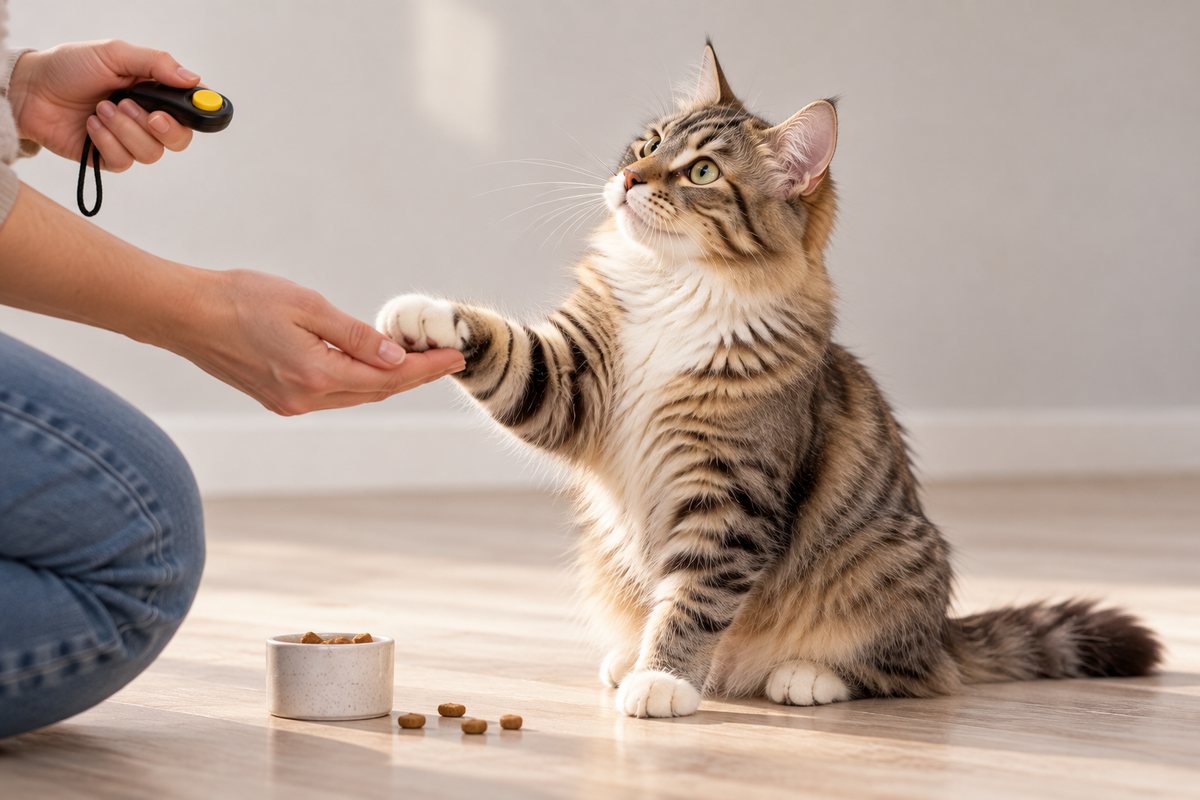
| Learning & training | High Peterbalds are highly engaged, people-oriented learners; retrieval play, interactive cues and frequent mental challenges fit their active social temperament. |
| Curiosity & exploration | High Peterbalds are intelligent, social and active cats closely related to Oriental-type stock; they usually investigate novelty readily and prefer being involved in household activity. |
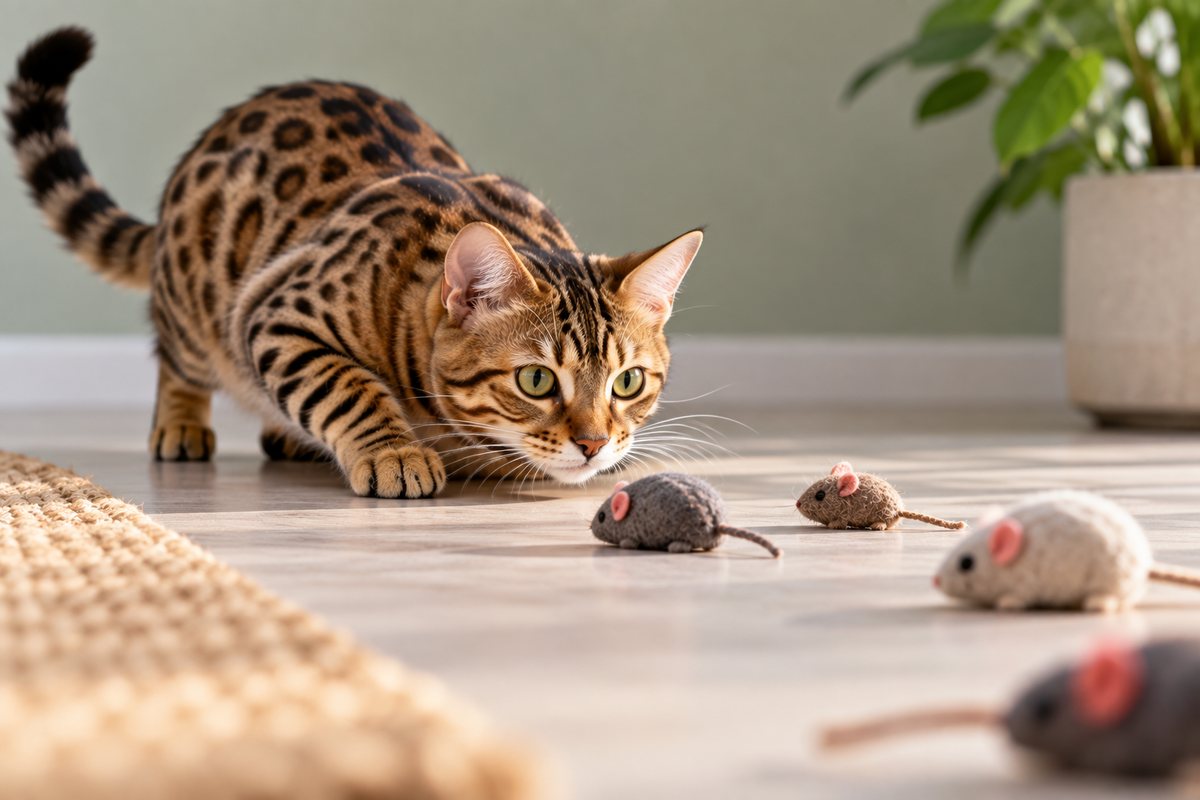
| Hunting & chasing tendencies | High Strong chasing is likely because Peterbalds are active, curious and closely related behaviorally to Oriental-type cats; interactive pursuit games should be frequent. |
| Personality & social | |
| Sociability with familiar people | Very high Peterbalds are exceptionally social cats that strongly seek human company. |
| Affection | Highly affectionate and loyal The breed is notably loving and loyal, commonly following favorite people around the home. |
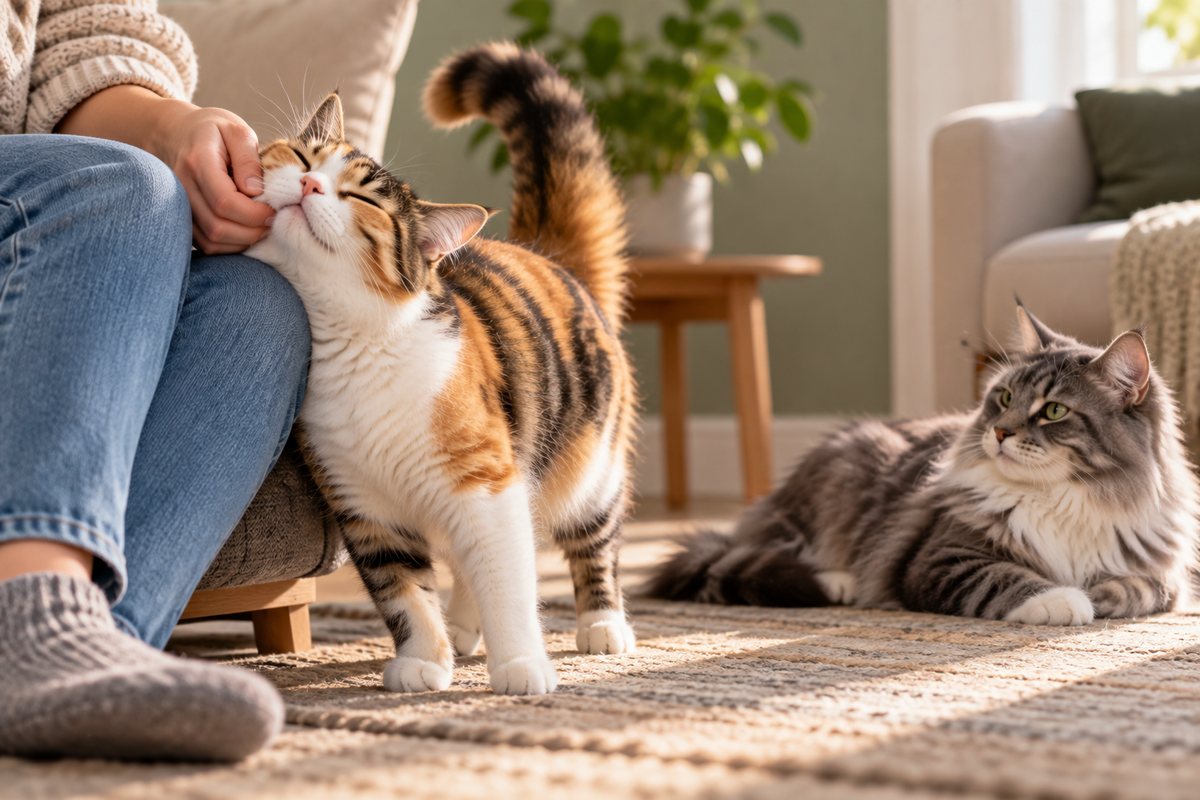
| Lap & cuddling preference | High After active play, many Peterbalds readily curl up on a lap or under the covers. |
| Handling tolerance | Very high Peterbalds are characteristically social, affectionate and physically people-seeking; many readily accept carrying and close handling, while their exposed skin calls for gentle grip and support. |
| Independence & social demand | Very high social demand Peterbalds are characteristically affectionate, interactive and people-focused, generally needing frequent companionship and involvement. |
| Vocalization | Moderate Often vocal and inclined to talk interactively with familiar people. |
| Response to unfamiliar people | Usually outgoing Peterbalds commonly welcome visitors and can be enthusiastic hosts. |
| Adaptability to change | High Peterbalds are typically outgoing, intelligent, and strongly social, which favors quick adjustment to new people and places when warmth and companionship are maintained. |
| Noise & busy-environment sensitivity | Low Peterbalds are typically extroverted, social and curious, and most should tolerate an active household well rather than consistently retreat from normal noise. |
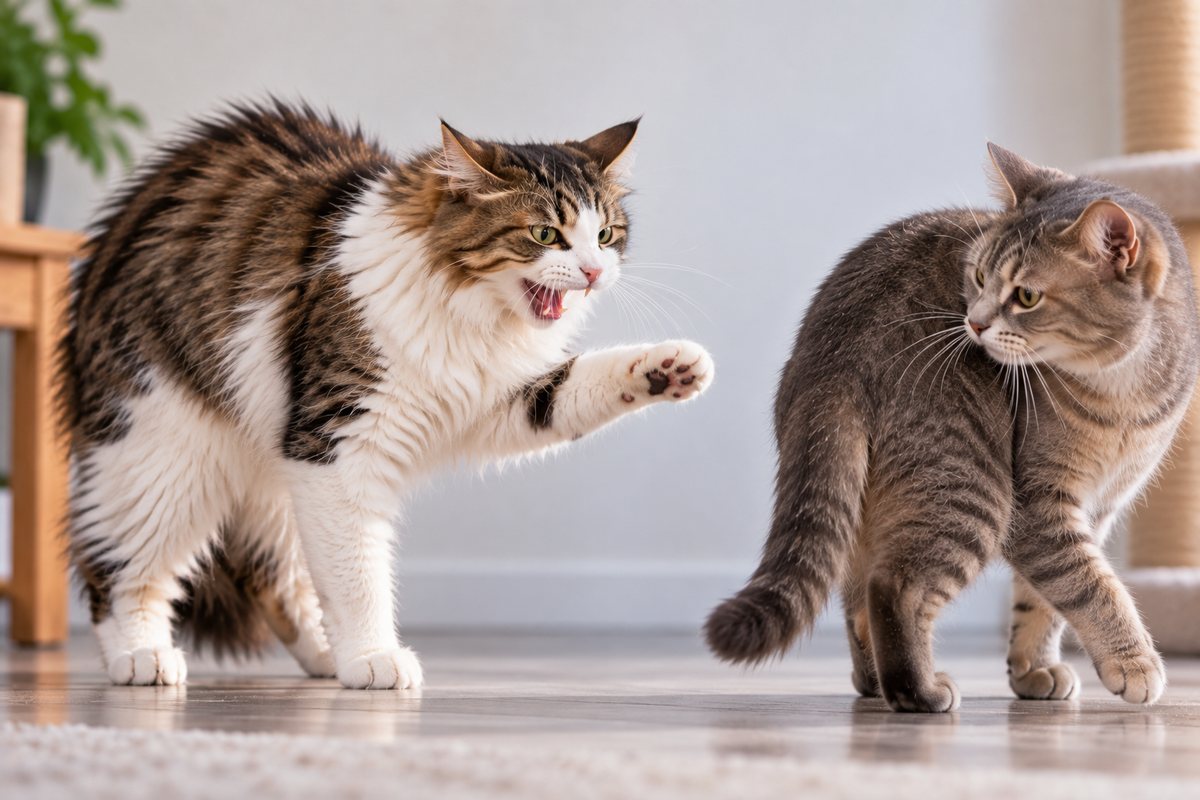
| Defensive & conflict behaviour | Low Peterbalds are typically affectionate, people-focused and socially engaged. They usually seek contact rather than confrontation, so baseline conflict tendency is low; lack of coat and sensitivity to cold or rough handling can nevertheless make discomfort-related defensiveness important. |
| Household & environment | |
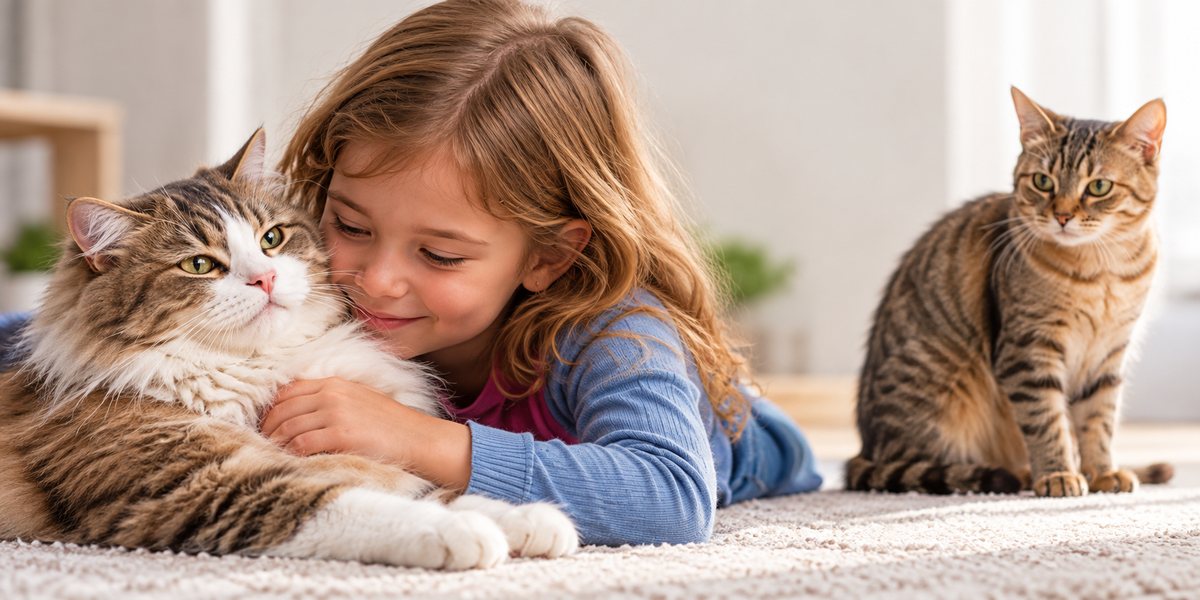
| Living with children | Generally excellent Their social, affectionate temperament generally suits family homes with children. |
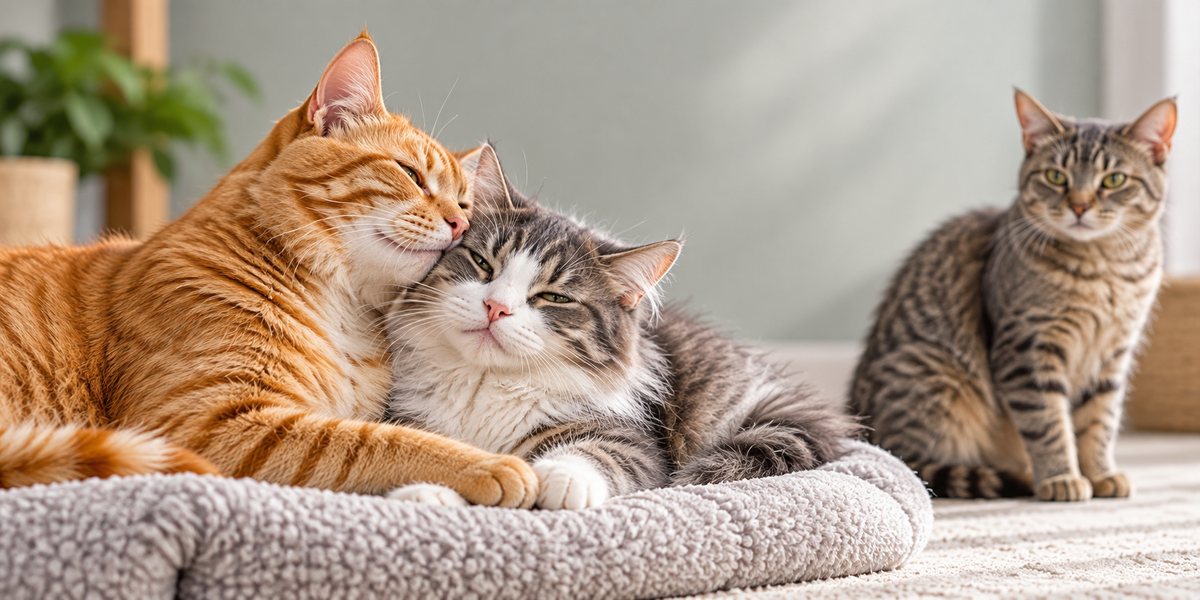
| Living with other cats | Favorable tendency |
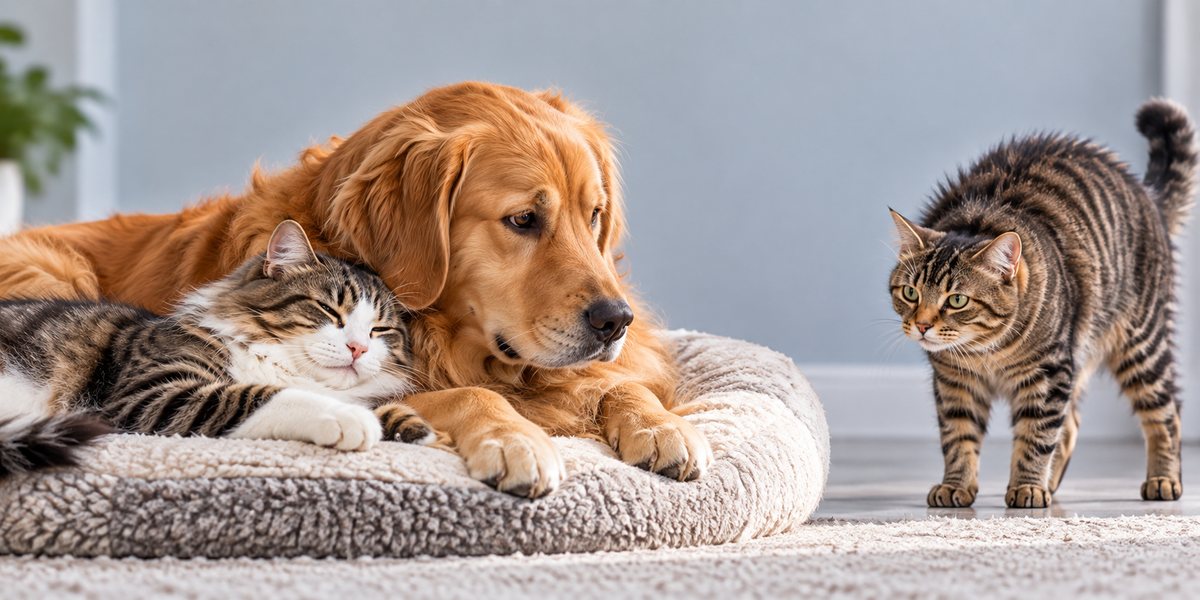
| Living with dogs | Good Peterbalds commonly live well with other animals, including compatible dogs. |
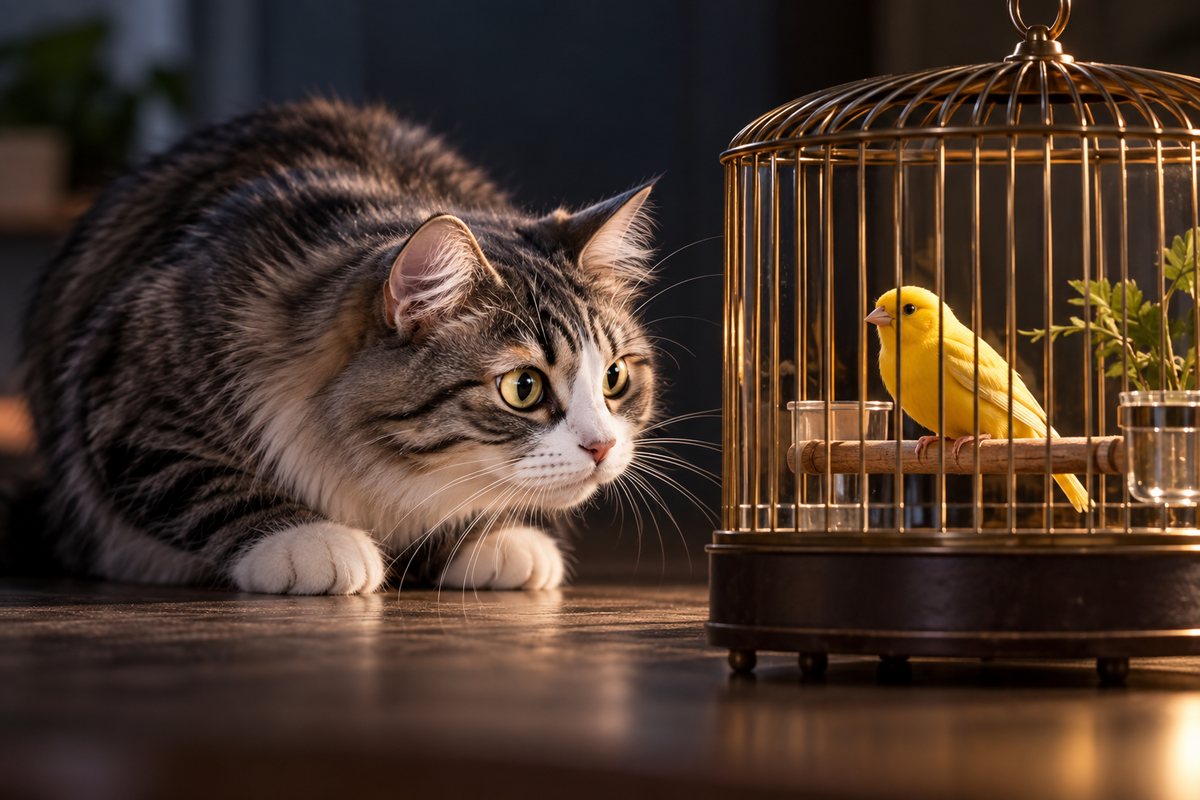
| Living around small pets | Normal predatory caution Peterbalds are active and curious but are primarily notable for their social, people-oriented temperament rather than exceptional hunting drive. Ordinary feline predatory risk still makes secure separation from birds and rodents necessary. |
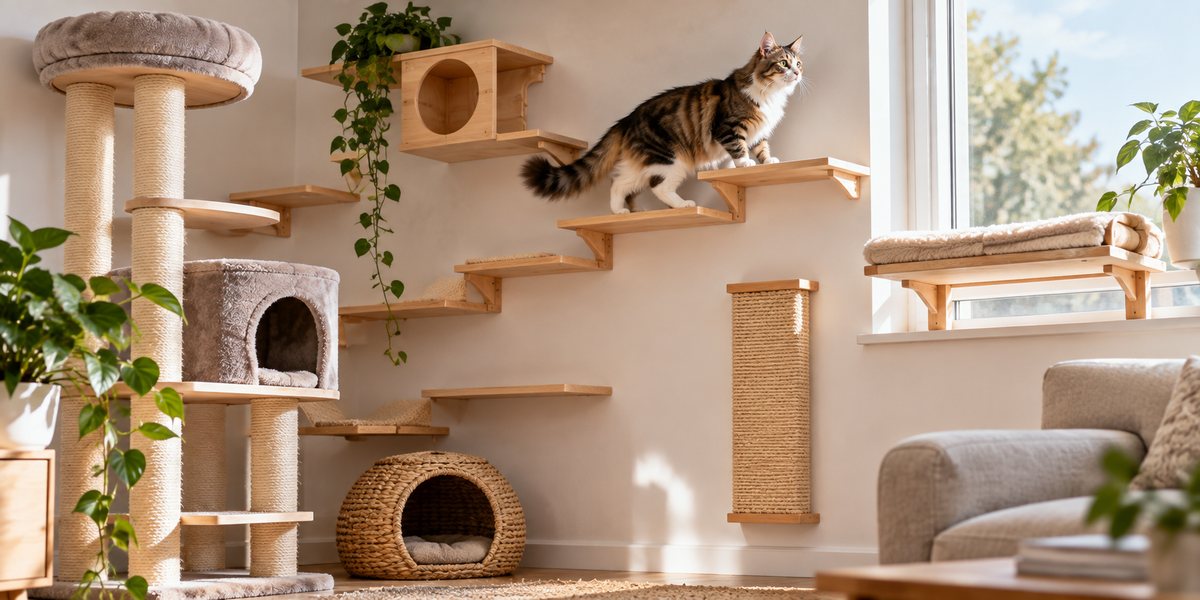
| Indoor & home environment needs | Warm social indoor Peterbalds with little or no coat need protection from cold and excessive sun and usually seek substantial social contact. Warm resting places, climbing and scratching resources, frequent interactive play and household involvement suit indoor life well. |
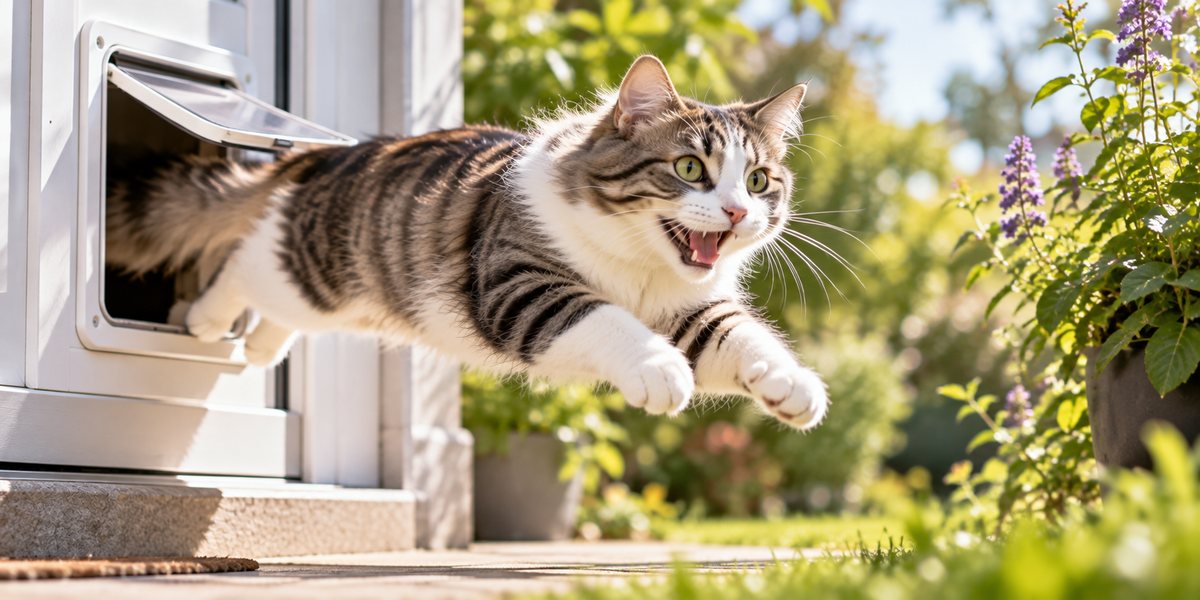
| Outdoor access considerations | Protected secure only Peterbalds with little or no coat need protection from cold and strong sunlight. Outdoor time should be secure, supervised and temperature-appropriate, with easy access to warm indoor shelter. |
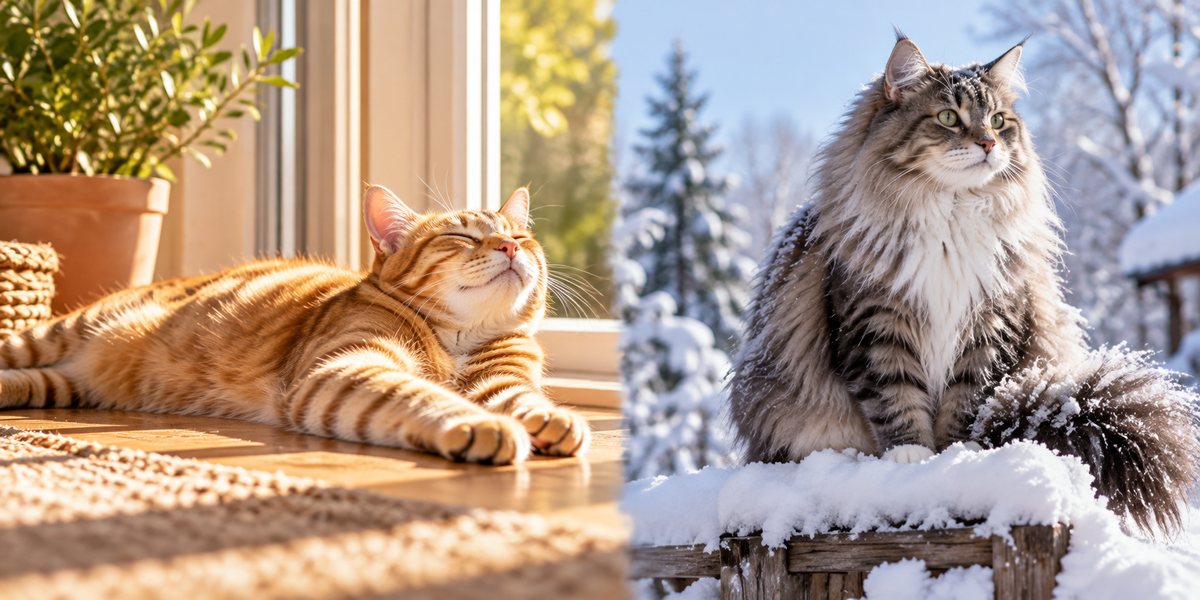
| Heat, cold & sun considerations | Variable hairless sun cold sensitive Peterbald coats range from hairless to lightly coated, so climate tolerance varies, but minimally coated individuals need substantial protection from cold and ultraviolet exposure. Warm shelter and shade should be available whenever skin is exposed. |
| Caregiver time & experience | Very high This breed is likely to suit a caregiver who can provide substantial daily engagement and keep up with its routine care. |
| Health & welfare | |
| Documented health predispositions | No major breed-specific predisposition is currently established No specific breed health problem has emerged prominently enough to define routine Peterbald screening, although ordinary veterinary preventive care remains important. |
| Screening & breeder questions | Ask for documentation relevant to the breed’s recorded health concerns Ask about hypertrophic cardiomyopathy, dental problems, skin disease and hereditary myopathy in relatives, and how breeding cats are screened for cardiac health and problems associated with sparse or absent coat. |
| Conformation-related welfare | Moderate hairless concern Peterbald conformation ranges from coated to hairless. Minimally coated cats need functional skin and temperature regulation, while breeding should avoid exaggerating hairlessness or very slender structure in ways that compromise resilience or normal activity. |
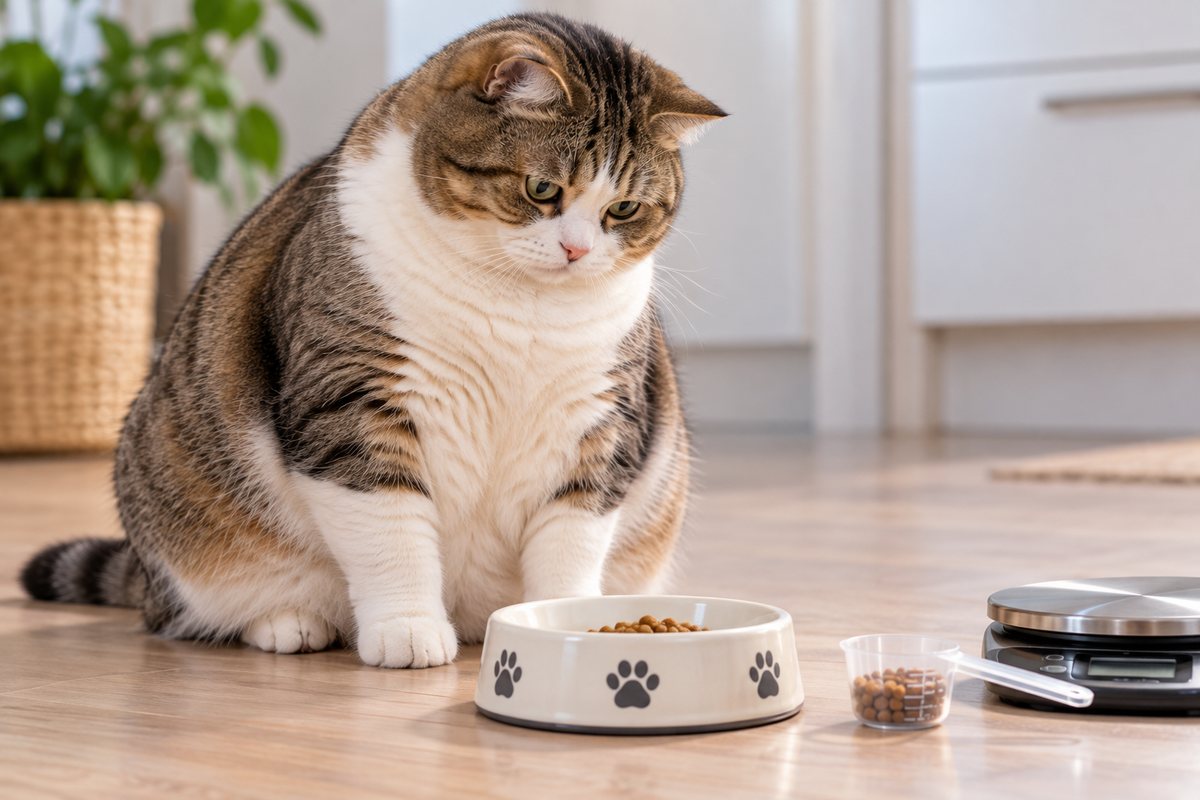
| Nutrition & weight management | Hairless active condition led Peterbalds can be highly active and minimally coated, both of which may raise energy use. Feed to measured body and muscle condition and ambient circumstances rather than automatically increasing food because a cat is hairless. |
| Longevity | 12–16 years Peterbalds commonly fit a roughly 12–16-year expectation; dental, skin and temperature-management needs can affect long-term health in individual cats. |
| Cost & availability | |
| Purchase cost | Very high: $1,200–$3,000 Peterbald: a practical breeder-market estimate is $1,200–$3,000. This reflects that it is an rare hairless/coat-variable breed with specialist breeders. |
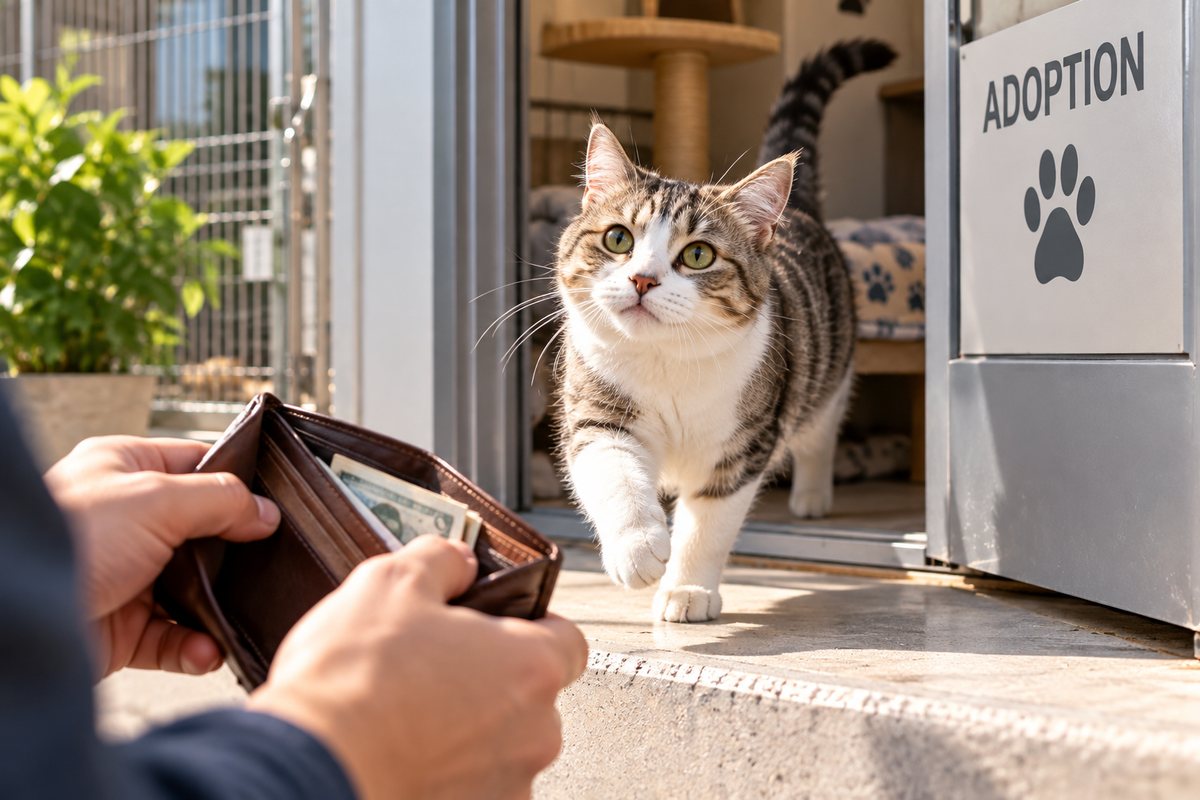
| Adoption & rehoming cost | Very rare in rescue: $100–$600 when genuinely available Peterbald: $100–$600 when genuinely available. The breed is scarce enough that a verified purebred rescue placement is unusual; transport may exceed the adoption fee. |
| Recurring ownership costs | Enrichment/toy replacement Costs vary with coat type, but nearly naked Peterbalds need more skin/ear care, warm bedding and temperature management. Dental care and general veterinary provision can make upkeep somewhat higher than for a conventional shorthaired cat. |
| Availability, waits & import | Regionally uncommon Peterbalds are established internationally but remain concentrated in Russia, eastern Europe and specialist programs elsewhere. Many countries have only a few breeders, making regional travel or import relatively common. |
| Identity & real-world context | |
| Ownership & import restrictions | No known breed specific restrictions There are no known breed-specific ownership restrictions. Ordinary animal-welfare, identification, vaccination and cross-border import rules still apply where relevant. |
| Registry recognition | TICA: Championship-recognized / current breed identity · FIFe: fully recognized breed / mapped breed identity Currently recognized by TICA and FIFe in the FSC core matrix; it is not a separately recognized CFA breed identity in that matrix. |
| Similar breeds & identity distinctions | Donskoy Oriental Sphynx Peterbalds combine an Oriental-style elongated body and wedge head with variable hairlessness derived historically from Donskoy lines. Donskoys are more moderate in type, while Sphynx have different hairless genetics and a less Oriental structure. |
| Reported characteristic quirks | Coat type can change over time A Peterbald born with hair may change coat type as it matures, and the breed spans everything from bald skin to an ordinary coat. |
Browse all 53 breed characteristics
Open any characteristic to compare all breeds on that dimension.



 English