
Compare Cat Breeds
Compare up to three breeds across all 53 characteristics. Values are shown directly so the differences are easier to scan.
| Characteristic | 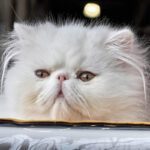 Persian |
|---|---|
| Body & development | |
| Adult size | Medium |
| Adult weight | 3.0–5.5 kg (6.6–12.1 lb) Persians are cobby, medium cats; healthy adults commonly fall around 3.0–5.5 kg (6.6–12.1 lb), with coat making them look larger. |
| Build & distinguishing morphology | Cobby · broad chest · muscular Persians have a solid cobby build with a broad chest and muscular body. |
| Maturation | 2-3 years Persians mature relatively slowly; the cobby body, broad head and full adult coat can continue developing well after the first year, commonly to about 2–3 years. |
| Coat & appearance | |
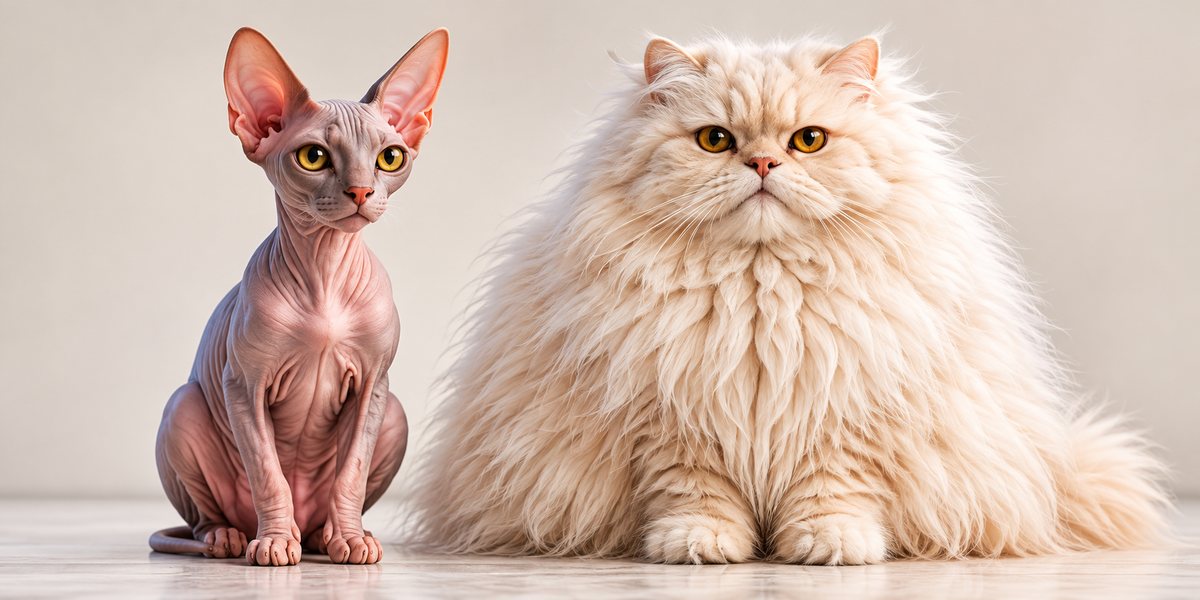
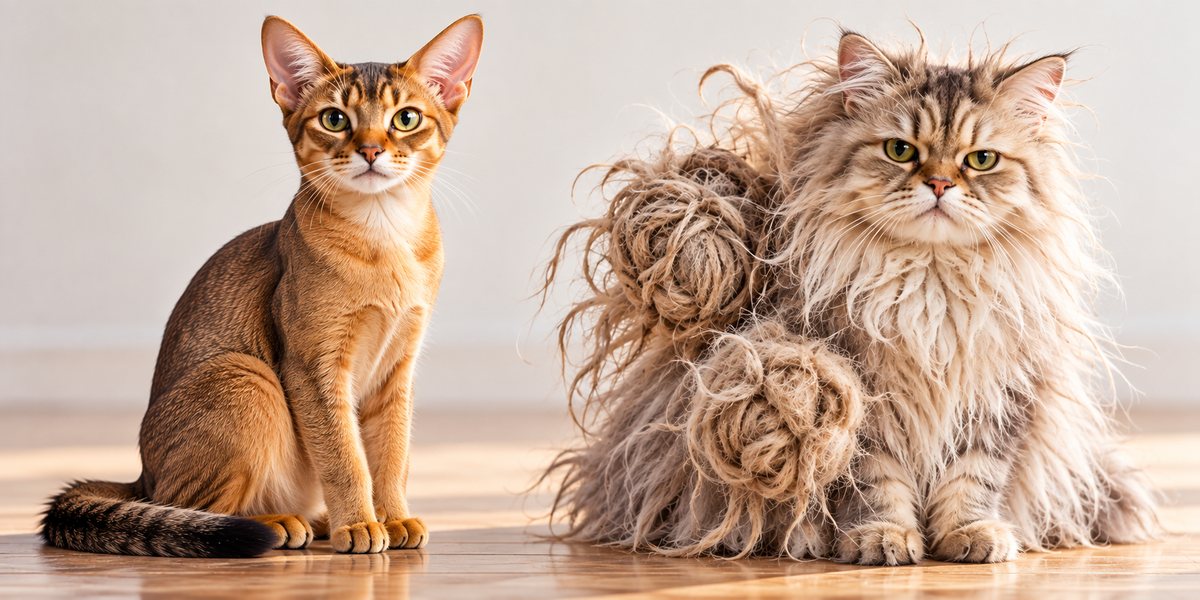
| Coat length | Long Long luxuriant coat is a defining Persian characteristic. |
| Coat texture & undercoat | Long · very dense · heavy undercoat · fine guard hairs The Persian has a very dense long double coat with abundant undercoat and fine longer hairs, producing the full stand-away texture that drives its intensive grooming needs. |
| Colors & patterns | Very broad palette; solid · tabby · tortie · bicolor · smoke · shaded · silver · golden · colorpoint Persians have one of the broadest pedigreed palettes: solids, tabbies, torties, bicolours, smokes, shaded/silver/golden and colourpoint varieties. |
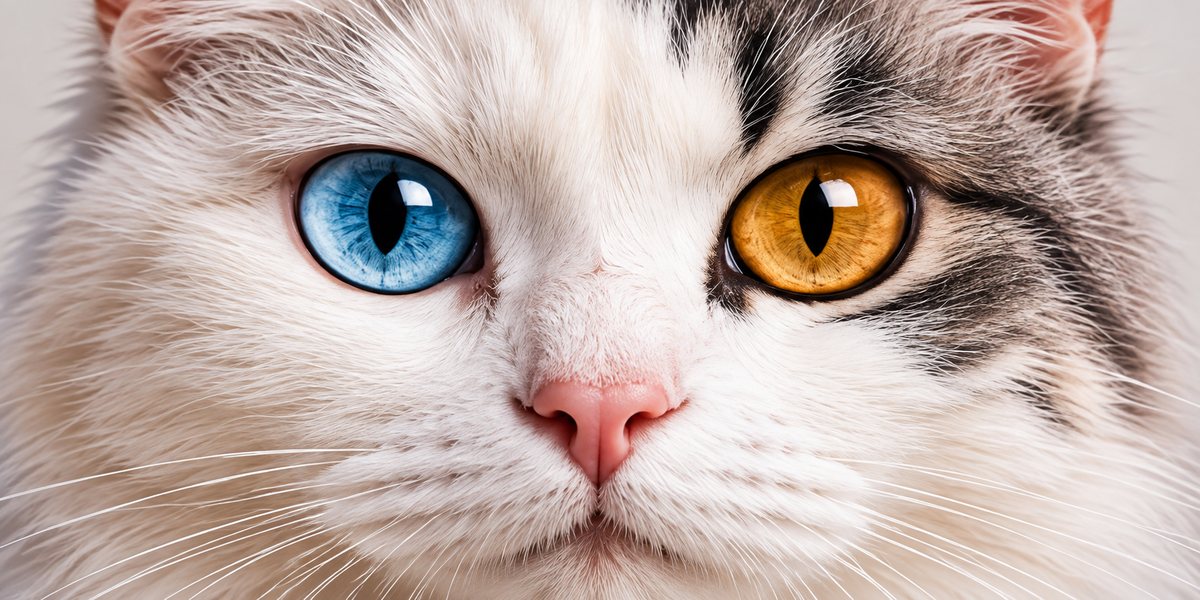
| Eye colors | Copper · green · blue; coat-dependent Copper is common; green occurs in some silver/golden Persians and blue in colourpointed Himalayans. |
| Coat & routine care | |
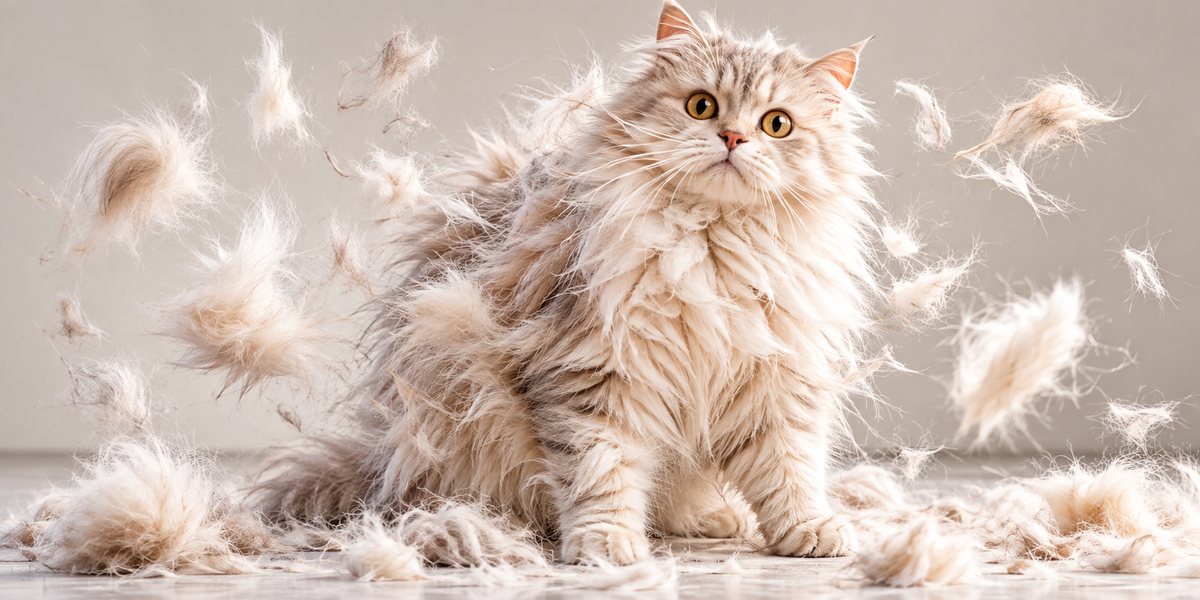
| Shedding | High High shedding from the exceptionally long, dense coat; loose hair is a year-round grooming issue with seasonal peaks. |
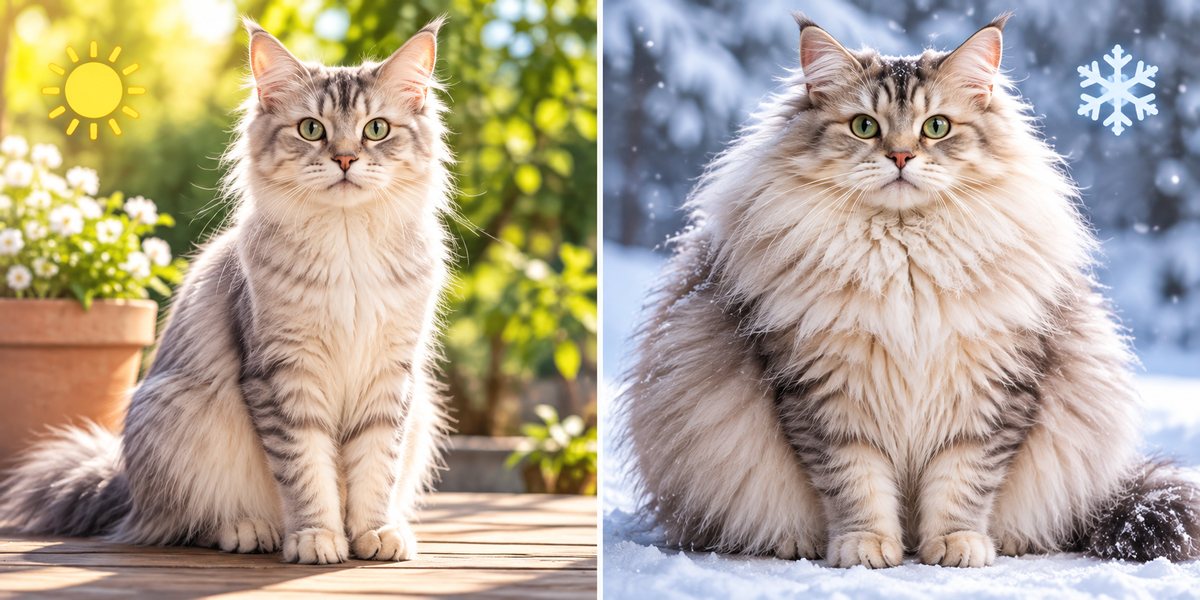
| Seasonal coat changes | Heavy spring fall shed The Persian’s very dense long coat has a pronounced seasonal turnover, with heavy shedding as winter undercoat is released and renewed. |
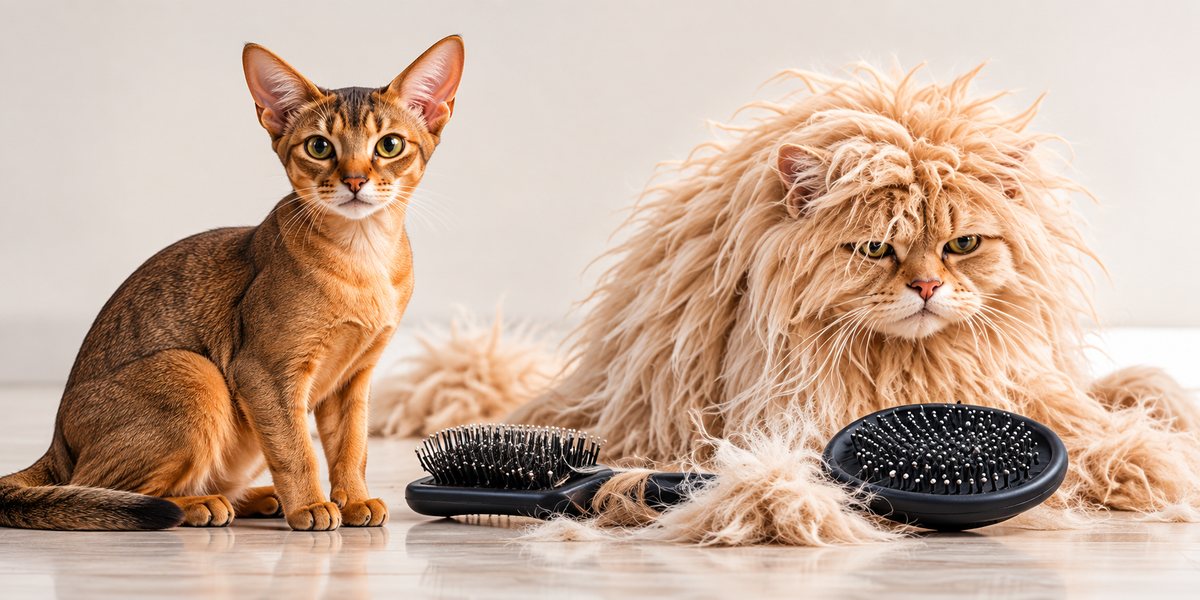
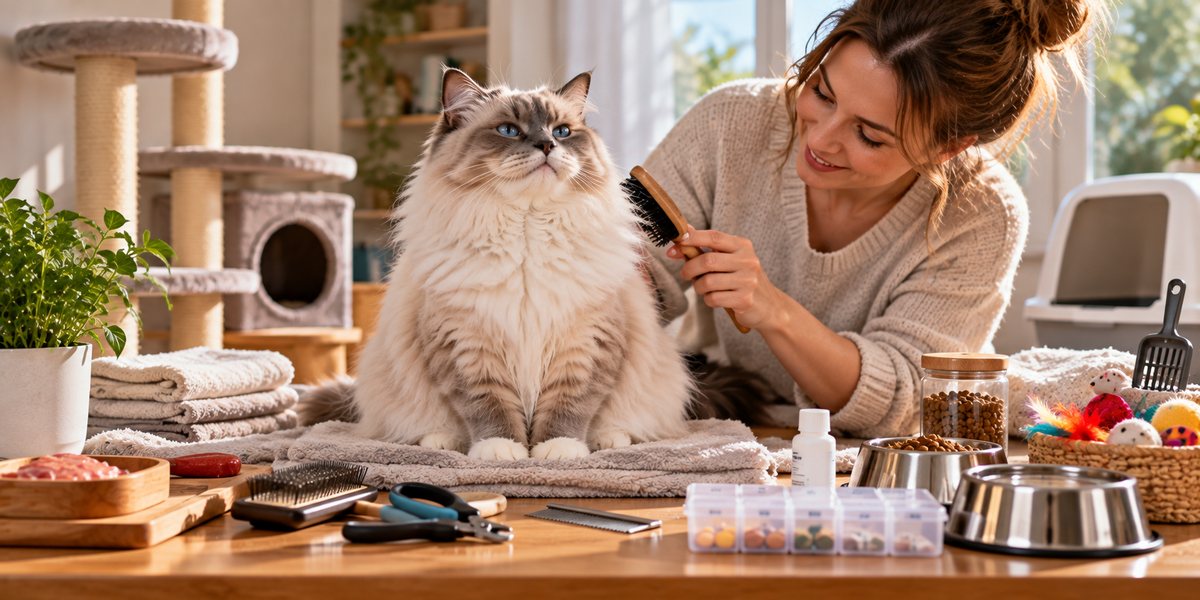
| Brushing & combing | 3x week or as needed Daily combing is the safest routine for the dense long coat, working to the skin and paying special attention to armpits, belly, chest and hindquarters. |
| Tangle & matting tendency | Very high The long fine coat and abundant undercoat readily felt into tight mats; daily combing is normally needed to prevent painful knots close to the skin. |
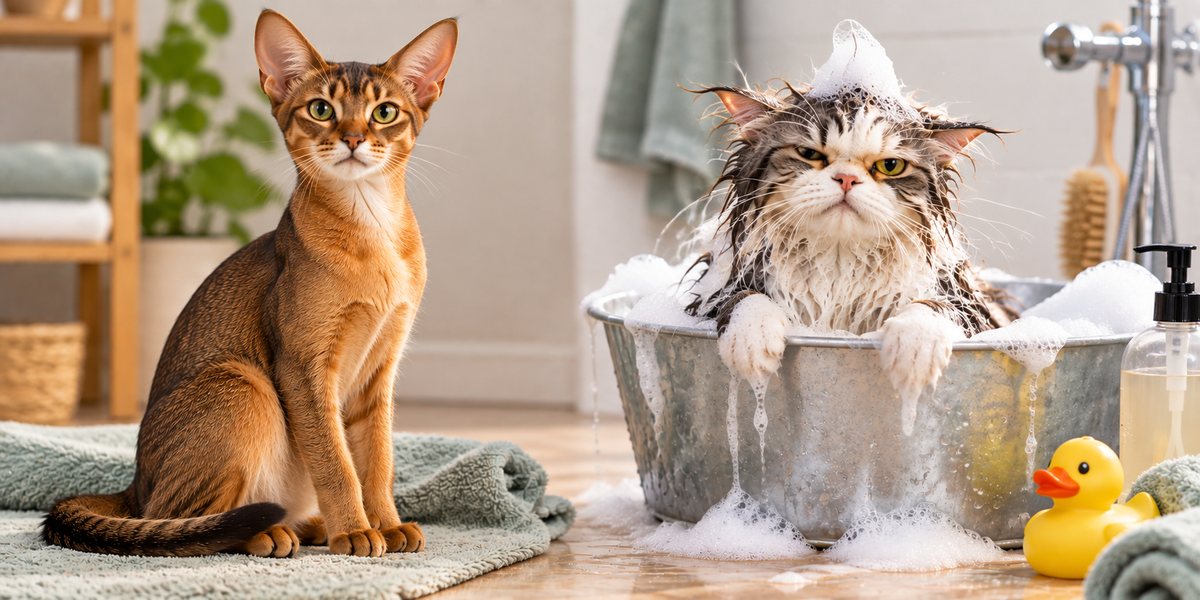
| Skin & bathing care | Bathing not routinely needed Routine bathing is generally unnecessary; bathe only when the coat is genuinely soiled or for a specific veterinary or grooming reason. |
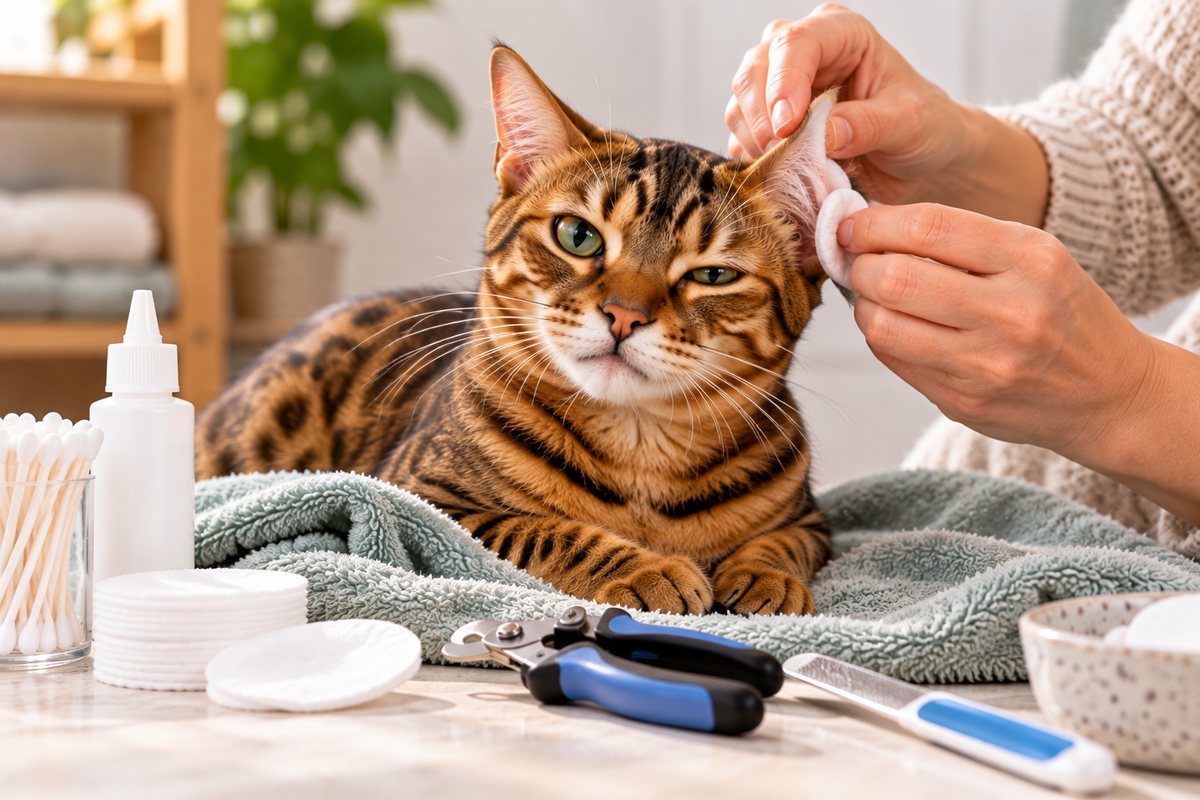
| Distinctive routine care | Face eye dental monitoring The shortened facial structure makes routine attention to eyes, facial folds where present, and dental condition particularly worthwhile. |
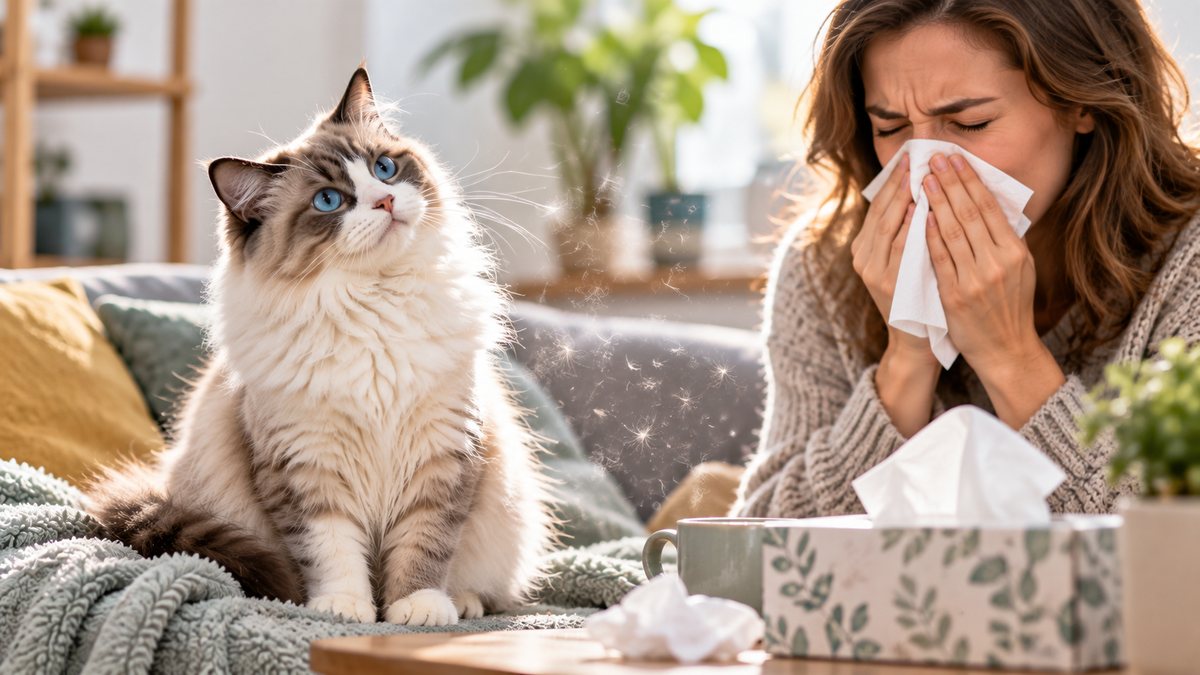
| Allergy & allergen evidence | No breed specific reduction established There is no known reason to regard this breed as hypoallergenic. All cats produce allergens, and coat length or shedding alone does not determine allergy risk. |
| Activity & intelligence | |
| Activity level | Very low |
| Playfulness | Low |
| Climbing & jumping | Very low |
| Enrichment demand | Low Low enrichment demand: gentle short games, easy-access toys and comfortable observation points are generally more suitable than strenuous or prolonged activity. |
| Learning & training | Moderate Persians are capable, cooperative learners despite their calm demeanor; they can learn grooming routines, household boundaries and their names with consistent gentle reinforcement. |
| Curiosity & exploration | Low to moderate Persians are generally calm rather than relentlessly exploratory, preferring a settled home and gentle play. |
| Hunting & chasing tendencies | Low Predatory play is usually relatively low-intensity. Persians still stalk and pounce, but their calm temperament and body type favor short, gentle chase sessions. |
| Personality & social | |
| Sociability with familiar people | High Persians are sweet, affectionate companions whose social style is usually calm, gentle and family-oriented. |
| Affection | Lap contact · proximity · selective reserved Affection tends to be calm, close and non-demanding. |
| Lap & cuddling preference | High Persians commonly enjoy quiet lap/close-body companionship. |
| Handling tolerance | High Persians are usually placid and comparatively tolerant of the frequent grooming and face care their coat and conformation require, provided handling remains gentle and breathing is unobstructed. |
| Independence & social demand | Low The breed is affectionate but characteristically calm and not highly demanding. |
| Vocalization | Low Gentle, quiet breed with a soft musical voice. |
| Response to unfamiliar people | Low Persians tend to reserve affection for familiar people rather than immediately engaging everyone. |
| Adaptability to change | Moderate The Persian’s easygoing temperament generally suits a stable household, although a calm environment fits the breed best. |
| Noise & busy-environment sensitivity | Moderate Persians are placid and tolerant but strongly suited to a calm rhythm; ordinary domestic sounds are usually acceptable, while sustained loud activity is less compatible with their temperament. |
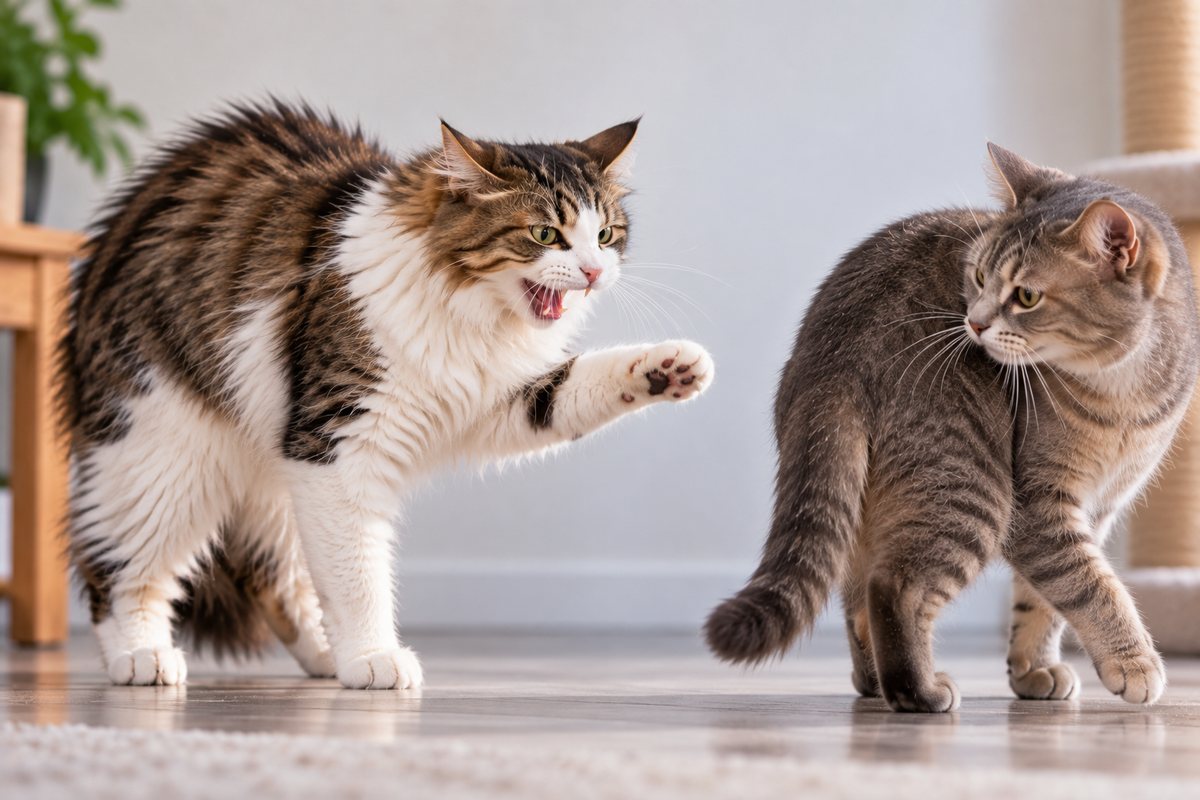
| Defensive & conflict behaviour | Very low Breed sources emphasize placid, gentle temperament. |
| Household & environment | |
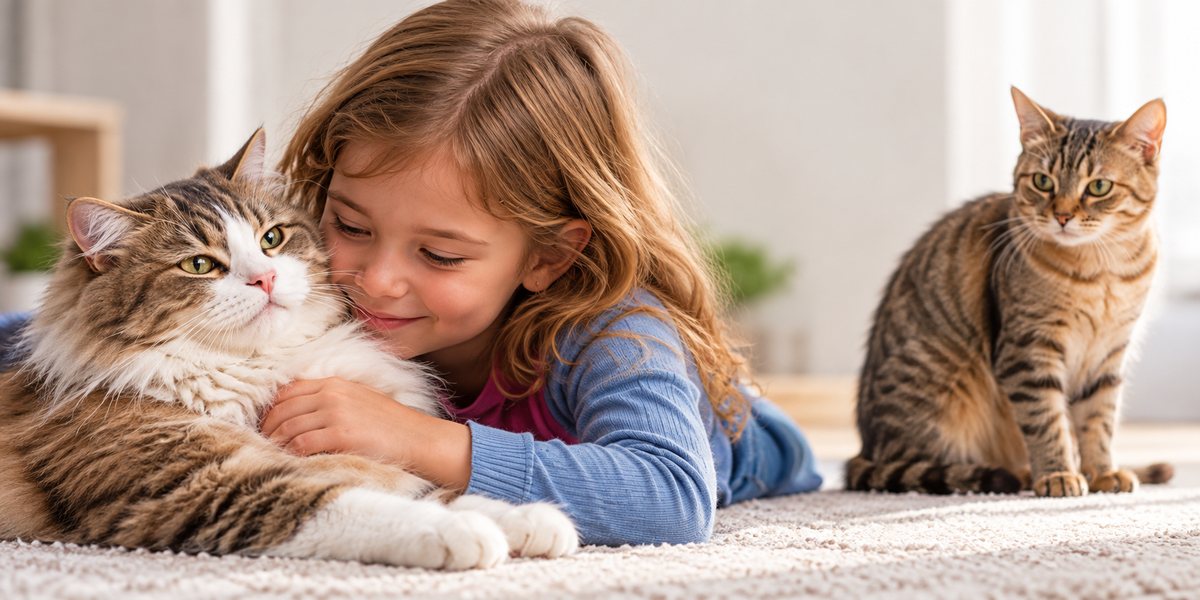
| Living with children | Often workable Gentle Persians can live with calm respectful children, but hectic handling/noise is a poor fit. |
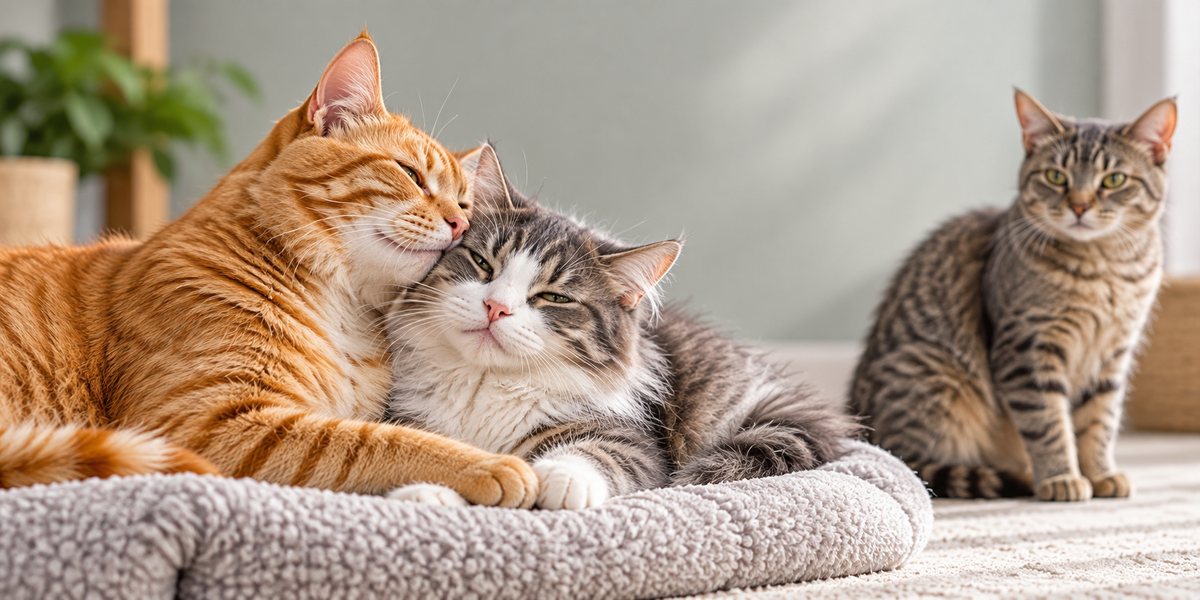
| Living with other cats | Often workable Adaptable and generally friendly, though the reviewed primary material does not give a sufficiently direct other-cat claim for the strongest category. |
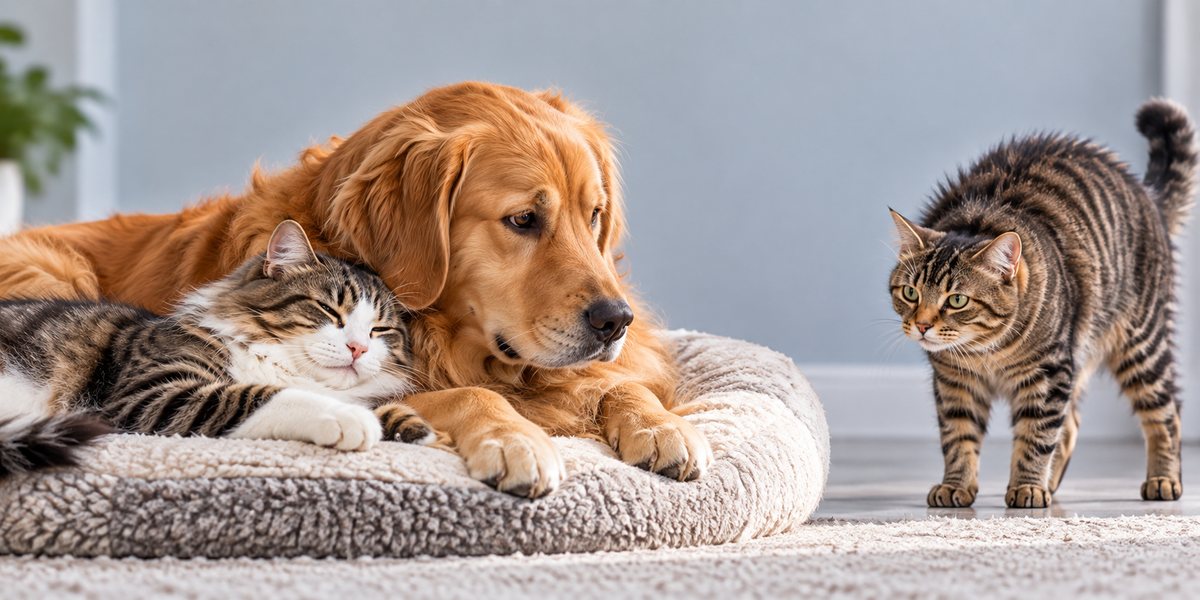
| Living with dogs | Moderate Placid temperament may work with calm cat-compatible dogs; direct evidence is less strong than for family temperament. |
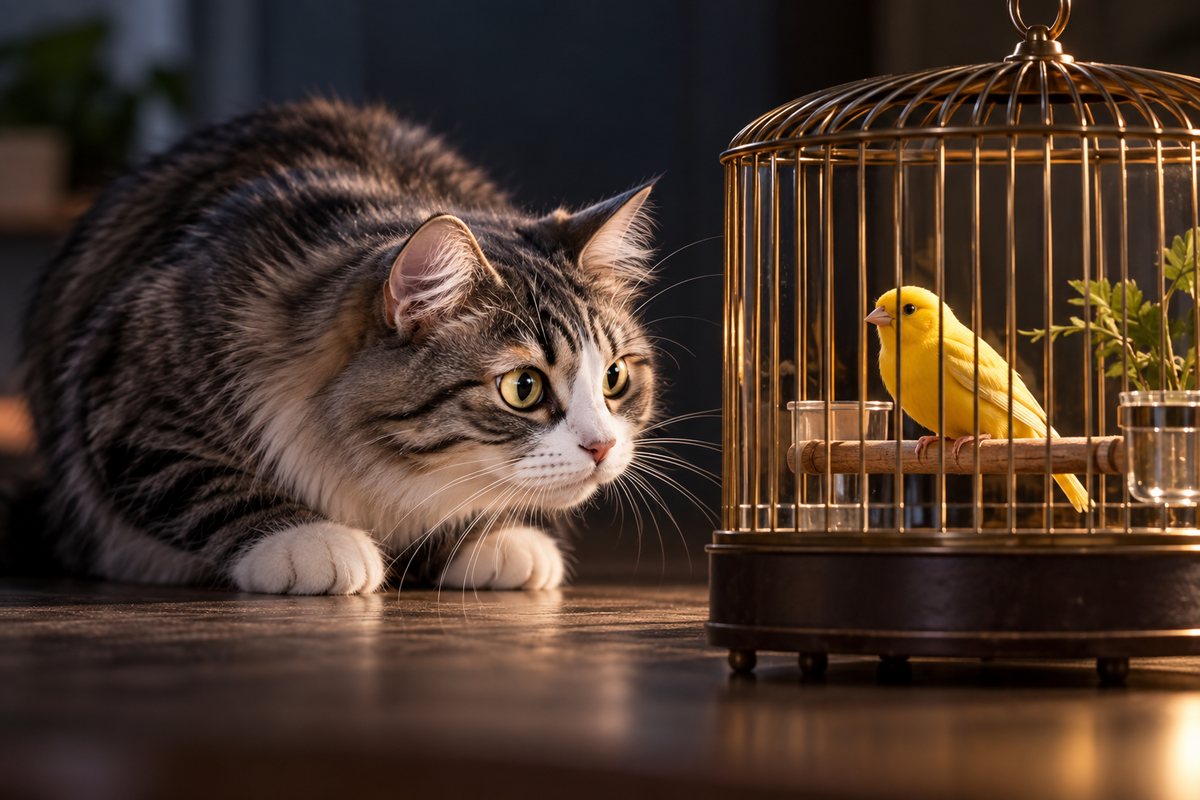
| Living around small pets | Normal predatory caution Persians are typically low-activity, placid cats and may show less sustained pursuit than highly athletic breeds. Even so, an individual can stalk or pounce on small animals, so secure separation remains the safe default. |
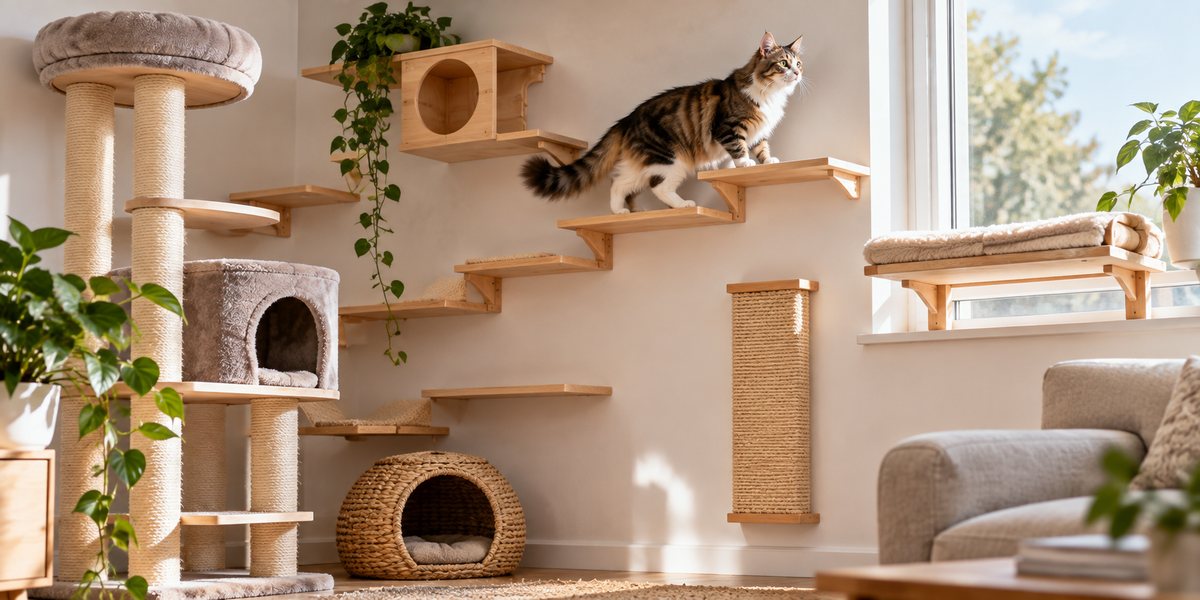
| Indoor & home environment needs | Calm home · ground level access · routine Persians generally suit a calm indoor home with accessible resting places, scratching options and gentle daily play. Because of their placid style and flat-faced conformation in many lines, useful enrichment should not depend on strenuous jumping or prolonged exertion. |
| Outdoor access considerations | Secure indoor living Coat, conformation and placid temperament favor controlled, protected living rather than unmanaged outdoor exposure. |
| Heat, cold & sun considerations | Heat caution Brachycephalic conformation and heavy coat justify heat-management caution. |
| Caregiver time & experience | Very high Daily coat/face care plus conformation-related monitoring creates high routine-care demand. |
| Health & welfare | |
| Documented health predispositions | Elevated conformation risks Persians have important inherited risks including polycystic kidney disease and hypertrophic cardiomyopathy. Brachycephalic conformation can additionally cause chronic eye drainage, dental crowding, airway compromise and difficult birth, making facial structure a major welfare issue. |
| Screening & breeder questions | Ask for PKD1 DNA status / renal screening history · Ask how extreme facial conformation is selected against and about breathing/eye/dental history Ask for PKD test results and cardiac screening records, and evaluate how freely the parents breathe, whether their eyes drain chronically and whether teeth align normally. Screening should address brachycephalic welfare as well as inherited disease. |
| Conformation-related welfare | High brachycephalic concern Extreme Persian brachycephaly can impair breathing, tear drainage, dental alignment, temperature regulation and normal birth. Welfare-focused selection should favor functional airways, less extreme facial shortening and cats able to eat, groom and exercise comfortably. |
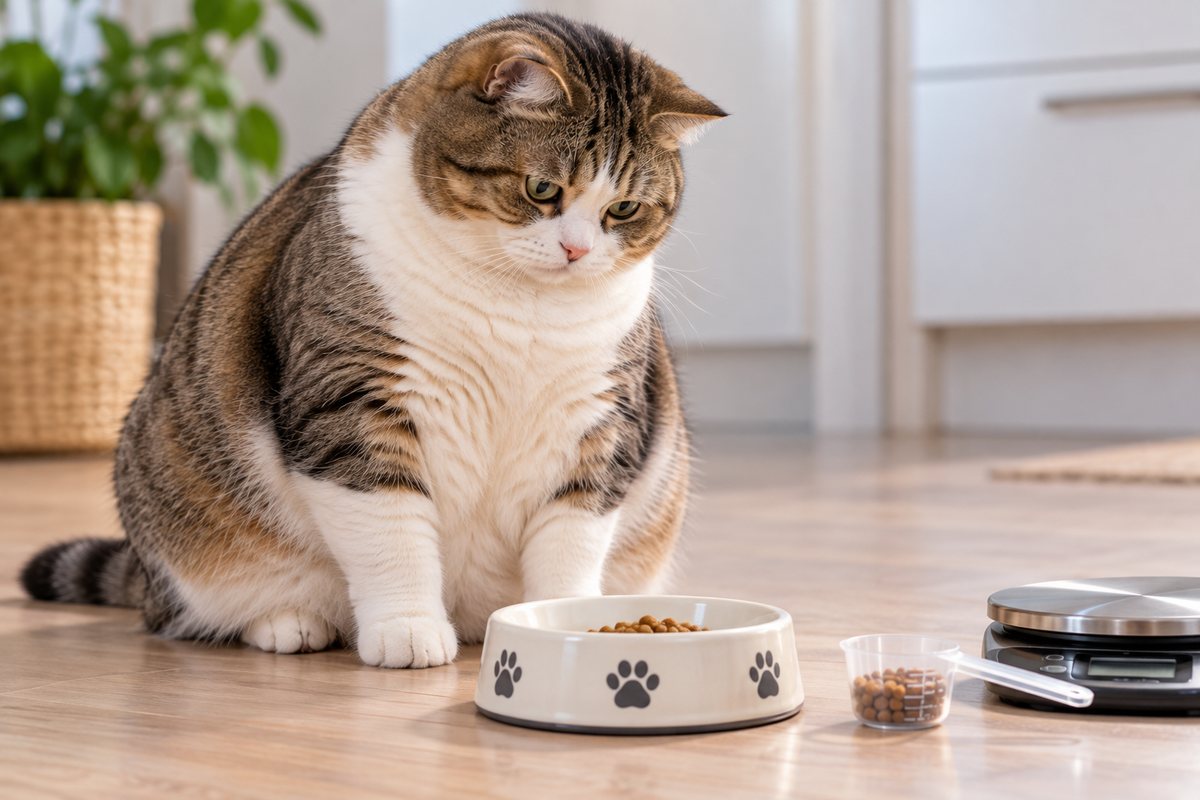
| Nutrition & weight management | Weight brachy priority Persians are commonly low-activity cats, and excess weight can further burden breathing, joints, grooming and heat tolerance. Measured portions, hands-on body-condition scoring and comfortable daily play are more useful than a special Persian formula. |
| Longevity | 10–15 years Persians commonly live into their teens, but brachycephaly, renal disease and other line-specific problems can reduce longevity; about 10–15 years is a practical range. |
| Cost & availability | |
| Purchase cost | High: $700–$2,500+ Persian: a practical breeder-market estimate is $700–$2,500+. This reflects that it is an very established breed; pedigree, facial type and coat color create a wide price spread. |
| Adoption & rehoming cost | Occasionally available: $75–$400 typical rescue/adoption fee Persian: $75–$400 typical rescue/adoption fee. The breed is sufficiently numerous that genuine examples sometimes enter ordinary rescue or breed-rescue channels. |
| Recurring ownership costs | Professional/home grooming and coat maintenance · eye/facial care associated with brachycephalic conformation Persians can have substantially above-average maintenance costs: dense coat grooming combines with eye, dental, airway and skin-fold care, and PKD/HCM history warrants health-conscious veterinary planning. Professional grooming may add a recurring expense if home coat care is insufficient. |
| Availability, waits & import | Very widely available Persians have one of the largest and most geographically widespread pedigree-cat breeder populations. Availability is rarely the main obstacle in major markets, so prospective owners can be selective about health screening and moderate, functional facial conformation. |
| Identity & real-world context | |
| Ownership & import restrictions | No known breed specific restrictions There are no known breed-specific ownership restrictions. Ordinary animal-welfare, identification, vaccination and cross-border import rules still apply where relevant. |
| Registry recognition | CFA: recognized breed/division · FIFe: fully recognized breed / mapped breed identity Currently recognized by CFA and FIFe in the FSC core matrix; it is not a separately recognized TICA breed identity there. |
| Similar breeds & identity distinctions | Exotic Shorthair Himalayan Persians and Exotic Shorthairs share the same cobby body and brachycephalic head, with coat length the obvious distinction. Himalayans are Persian-type cats specifically carrying colorpoint pattern and may be classified within Persian depending on registry. |
| Reported characteristic quirks | Individual quirks often center on social routines Persians often turn comfort into a routine, selecting favored resting stations and appearing at predictable times for grooming or attention. Their placid reputation does not exclude occasional short, comic bursts of play. |
Browse all 53 breed characteristics
Open any characteristic to compare all breeds on that dimension.


 English