
Compare Cat Breeds
Compare up to three breeds across all 53 characteristics. Values are shown directly so the differences are easier to scan.
| Characteristic |  Oriental Shorthair |
|---|---|
| Body & development | |
| Adult size | Medium |
| Adult weight | Females 2.3–3.6 kg (5.1–7.9 lb); Males 3.6–5.4 kg (7.9–11.9 lb) Females are typically about 2.3–3.6 kg (5–8 lb) and males about 3.6–5.4 kg (8–12 lb). |
| Build & distinguishing morphology | Long slender tubular · fine boned · large ears Build: long slender tubular; fine boned; large ears. |
| Maturation | 18-24 months Matures comparatively slowly, often reaching full development around 18–24 months. |
| Coat & appearance | |
| Coat length | Short Short, sleek coat. |
| Coat texture & undercoat | Very short · glossy · close lying Coat: very short; glossy; close lying. |
| Colors & patterns | Very broad palette · hundreds registry combinations Colors/patterns: very broad palette; hundreds registry combinations. |
| Eye colors | Green; blue in pointed or white Green is characteristic in most varieties; blue is associated with pointed genetics and may occur in white cats. |
| Coat & routine care | |
| Shedding | Low Low shedding from the very short, fine, close-lying coat. |
| Seasonal coat changes | Minimal to mild seasonal change The Oriental Shorthair’s very short close coat has little insulating bulk, so seasonal change is slight and generally easy to manage. |
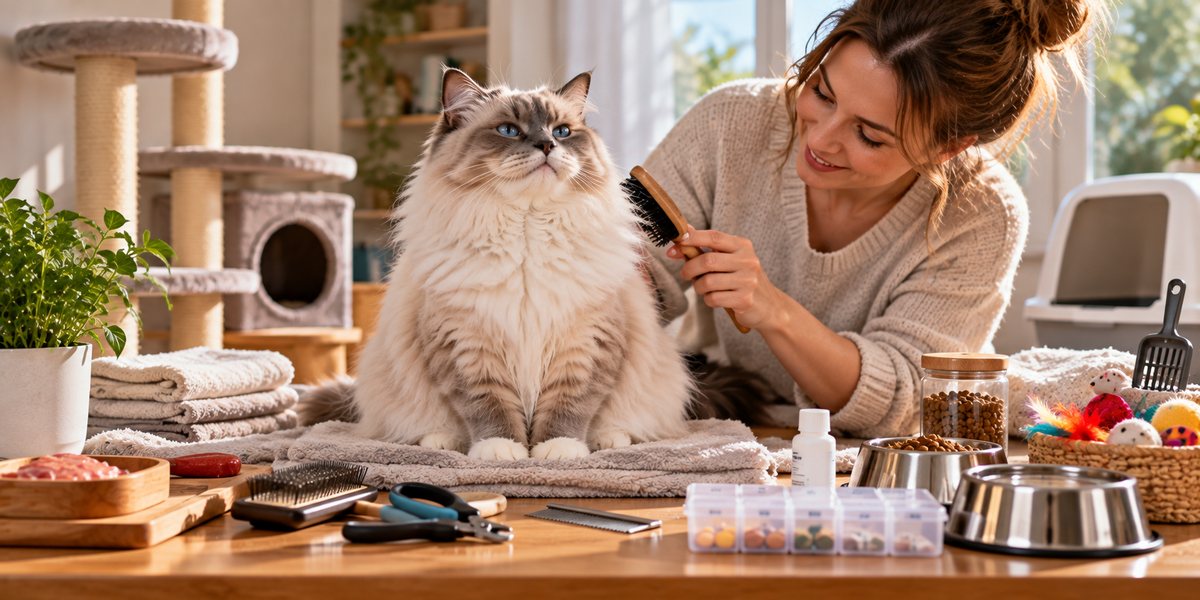
| Brushing & combing | Every couple weeks Brushing/combing: every couple weeks. |
| Tangle & matting tendency | Very low The very short close coat essentially does not mat. |
| Skin & bathing care | Bathing not routinely needed Routine bathing is generally unnecessary; bathe only when the coat is genuinely soiled or for a specific veterinary or grooming reason. |
| Distinctive routine care | Straightforward coat care The short coat is generally simple to maintain with ordinary light grooming. |
| Allergy & allergen evidence | No breed specific reduction established There is no known reason to regard this breed as hypoallergenic. All cats produce allergens, and coat length or shedding alone does not determine allergy risk. |
| Activity & intelligence | |
| Activity level | Very high Lively, athletic and highly active. |
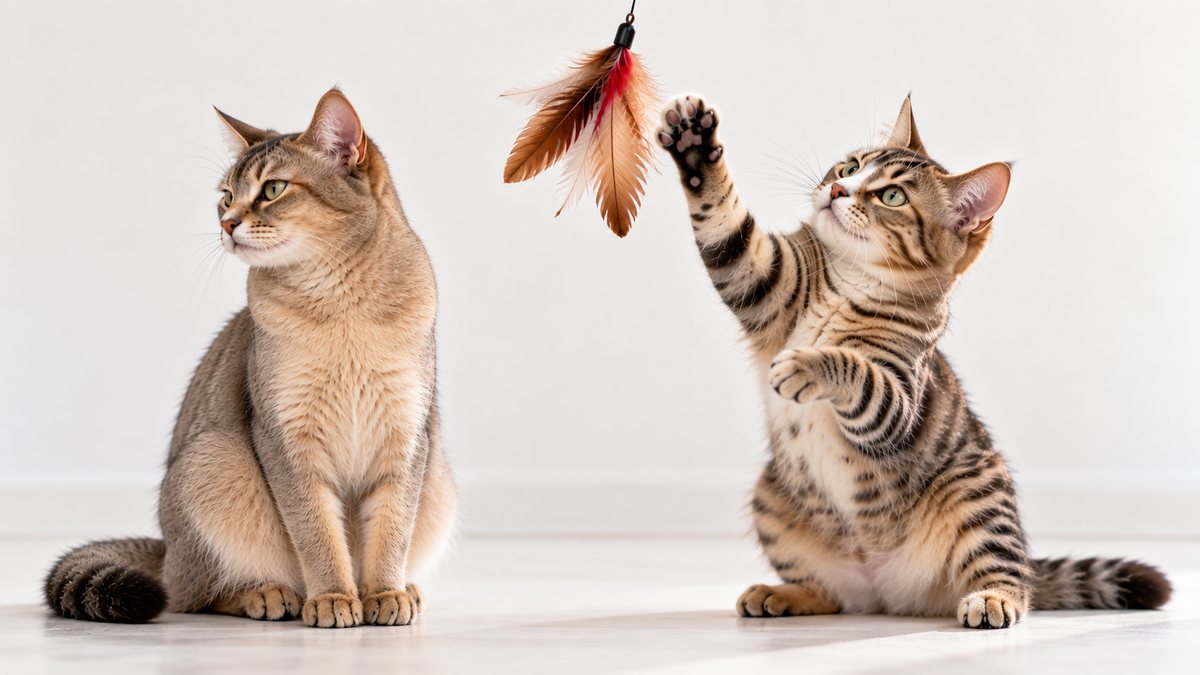
| Playfulness | Very high Highly playful and often remains kitten-like well into adulthood. |
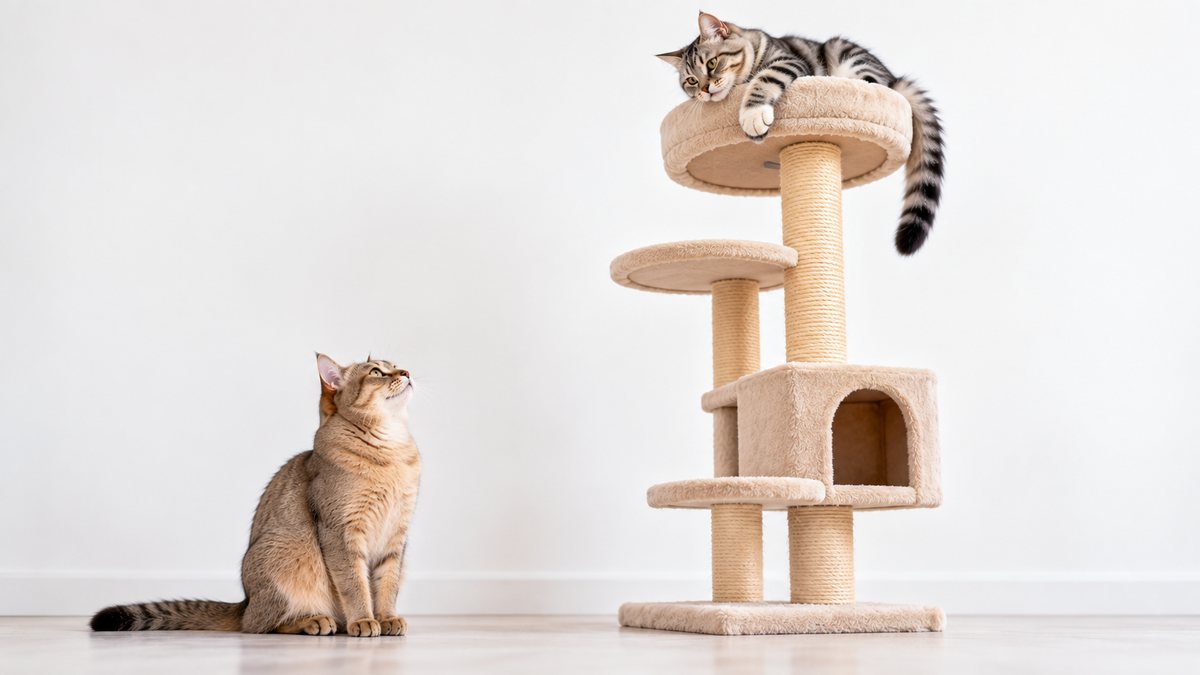
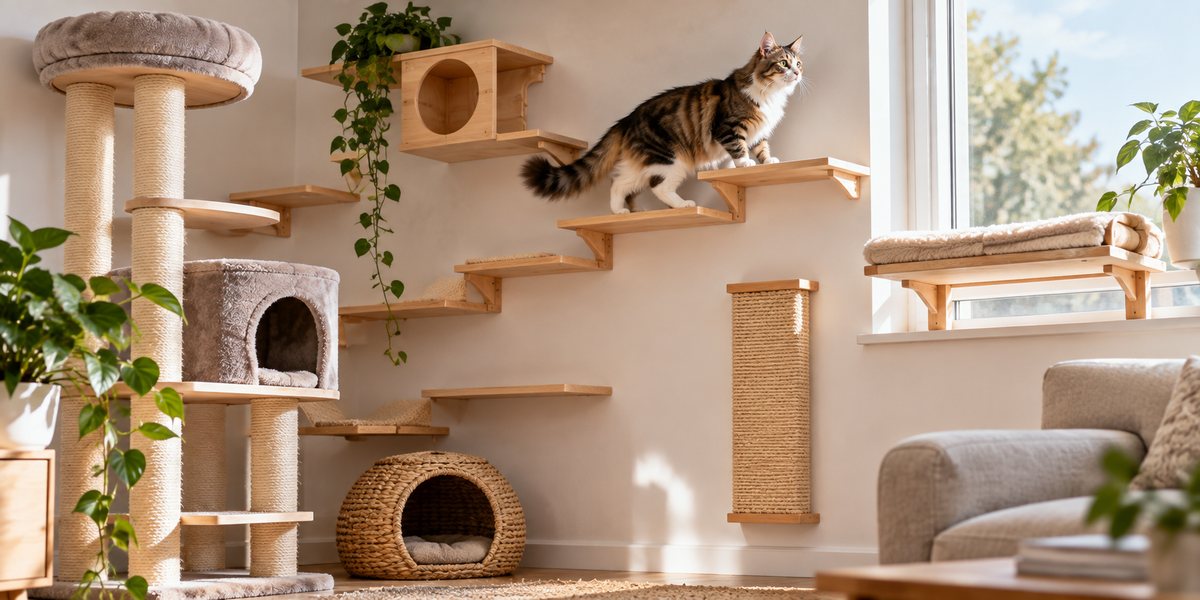
| Climbing & jumping | Very high An athletic high jumper that readily explores shelves and elevated spaces. |
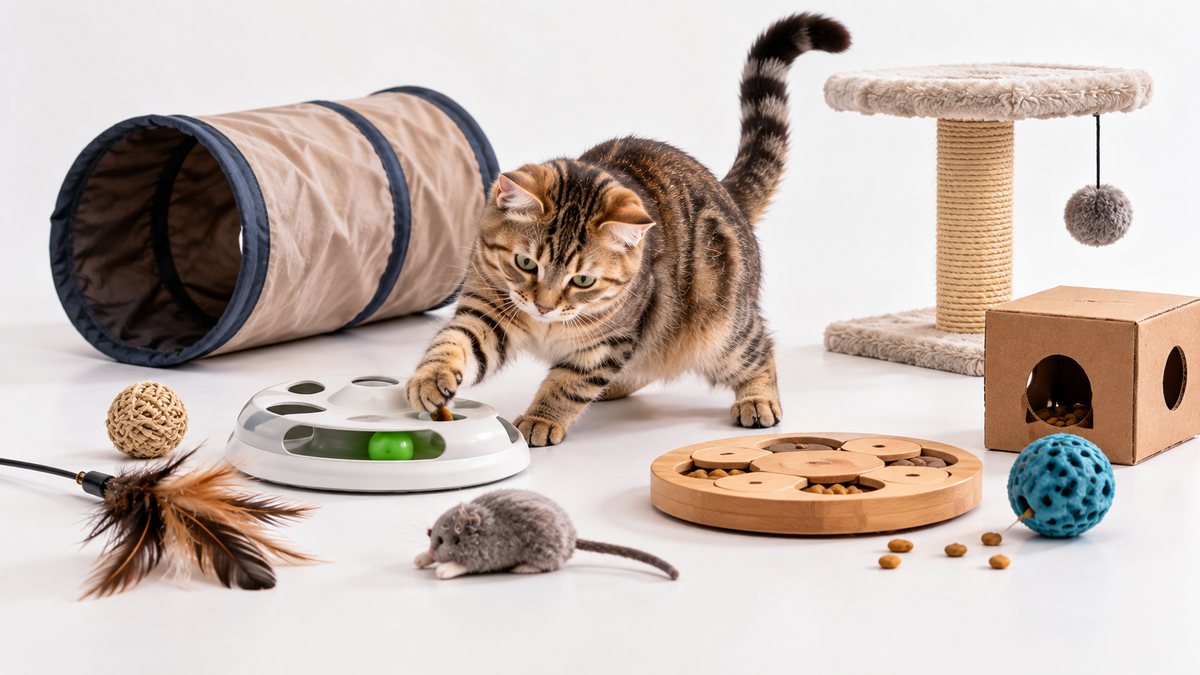
| Enrichment demand | Very high Very high enrichment demand: this highly active, social and inquisitive cat benefits from frequent games, training, vertical space and changing mental challenges. |
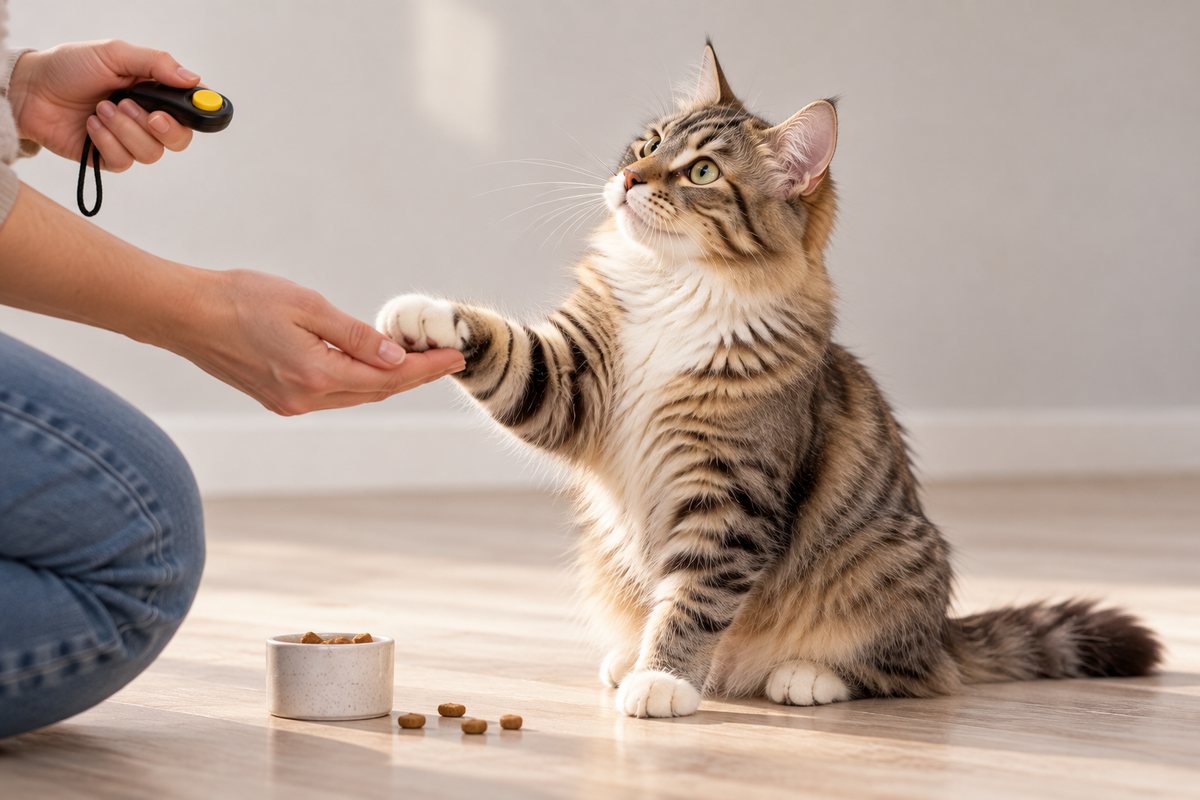
| Learning & training | Very high Highly intelligent, receptive to training and often enthusiastic about fetch and agility-style games. |
| Curiosity & exploration | Very high Exceptionally inquisitive and inclined to investigate high shelves, cupboards and household activity. |
| Hunting & chasing tendencies | High Chasing is likely very strong; the breed is exceptionally active, inquisitive and playful, and typically needs frequent moving-target games. |
| Personality & social | |
| Sociability with familiar people | Very high Extremely social and closely bonded to family members. |
| Affection | Highly affectionate · interactive · people oriented Highly affectionate, interactive and devoted to people. |
| Lap & cuddling preference | Very high Strong lap and snuggling tendency, including sleeping close to people. |
| Handling tolerance | High Oriental Shorthairs commonly seek intense human contact and generally tolerate handling well; they are active and expressive, so willingness to be held still varies by moment. |
| Independence & social demand | Very high social demand Needs substantial companionship and generally does poorly with prolonged isolation. |
| Vocalization | Very high A notably talkative breed that commonly uses its voice to interact with the household. |
| Response to unfamiliar people | Outgoing Typically outgoing with visitors and household activity rather than reserved. |
| Adaptability to change | High Oriental Shorthairs are curious, interactive, and confident enough to handle many changes well, although disruption that also removes companionship can be stressful. |
| Noise & busy-environment sensitivity | Low to moderate Boldly social and inquisitive, Oriental Shorthairs generally cope with lively homes well, though abrupt environmental changes may provoke vocal or behavioral responses. |
| Defensive & conflict behaviour | Moderate Oriental Shorthairs are outgoing, demanding and highly interactive. They are not characteristically aggressive, but their social intensity, vocal persistence and high activity can amplify frustration or inter-cat tension when attention, space, or enrichment is inadequate. |
| Household & environment | |
| Living with children | Favorable tendency Generally good with respectful children. |
| Living with other cats | Strongly social Usually benefits from feline companionship and often does poorly as an only cat. |
| Living with dogs | Moderate Generally good with compatible dogs. |
| Living around small pets | Additional caution Oriental Shorthairs are energetic, agile and intensely curious, often pursuing moving toys with persistence. That chase-and-pounce style makes vulnerable small pets unsafe without secure separation. |
| Indoor & home environment needs | Very high social contact · interactive play · vertical space Oriental Shorthairs need both social and environmental intensity: frequent companionship, vigorous interactive play, tall climbing territory and puzzle activities. Long periods alone in a low-stimulation home are a poor match for their athletic, involved temperament. |
| Outdoor access considerations | Secure social Oriental Shorthairs are athletic, intensely curious cats that investigate new spaces readily. Secure enclosures or harness activity provide outdoor challenge while preventing a bold, socially confident cat from roaming into traffic or conflict. |
| Heat, cold & sun considerations | Shortcoat warmth preference Oriental Shorthairs have a very close coat and lean body with little insulation. They commonly seek warm resting places and should be protected from prolonged cold, while summer heat still requires shade, water and cool retreats. |
| Caregiver time & experience | Very high Unusually high social demand and interaction needs create high caregiver-time requirements. |
| Health & welfare | |
| Documented health predispositions | Moderate known risks Oriental Shorthairs share several inherited concerns with Siamese-related cats, including progressive retinal atrophy and amyloidosis, with hypertrophic cardiomyopathy also reported. Breeding-line history matters because risk is not uniform across all cats. |
| Screening & breeder questions | Ask about PRA testing/eye health in the line Ask for relevant progressive retinal atrophy testing, family history of amyloidosis and documented cardiac screening for hypertrophic cardiomyopathy. Ask how results influence mating decisions. |
| Conformation-related welfare | Low slender type monitoring Oriental Shorthairs have an intentionally elongated, fine-boned body and wedge head. Welfare-focused breeding should retain muscular strength, normal jaw and airway anatomy and avoid escalating refinement into frailty or functional facial exaggeration. |
| Nutrition & weight management | High activity condition led Oriental Shorthairs are naturally slender and active. Feed enough to maintain muscle and healthy fat cover without treating extreme thinness as ideal, and adjust portions as activity and age change. |
| Longevity | 12–17 years Oriental Shorthairs often remain active into their teens; about 12–17 years is a practical range, with some individuals living longer. |
| Cost & availability | |
| Purchase cost | Moderate to high: $600–$1,800 Oriental Shorthair: a practical breeder-market estimate is $600–$1,800. This reflects that it is an established and fairly available specialist breed. |
| Adoption & rehoming cost | Uncommon in rescue: $100–$500 typical rescue/adoption fee Oriental Shorthair: $100–$500 typical rescue/adoption fee. The breed does appear in rescue, but much less often than mixed-breed cats or the most numerous pedigrees. |
| Recurring ownership costs | Enrichment/toy replacement Coat maintenance costs almost nothing, but high social and activity needs justify durable climbing and interactive enrichment. Dental care and breed-family cardiac awareness are more important budget items than grooming. |
| Availability, waits & import | Widely available Oriental Shorthairs are broadly established across Europe, North America and other major markets. Multiple breeders are available in many regions, though particular colors and patterns may require waiting for a planned mating. |
| Identity & real-world context | |
| Ownership & import restrictions | No known breed specific restrictions There are no known breed-specific ownership restrictions. Ordinary animal-welfare, identification, vaccination and cross-border import rules still apply where relevant. |
| Registry recognition | CFA: recognized breed/division · TICA: Championship-recognized / current breed identity · FIFe: fully recognized breed / mapped breed identity Currently recognized in all three registries tracked by the FSC core matrix: CFA, TICA and FIFe. |
| Similar breeds & identity distinctions | Siamese Colorpoint Shorthair Oriental Shorthairs share the extreme elongated Siamese body and wedge head but occur in a very broad range of non-point colors and patterns, usually with green eyes. Siamese and Colorpoint Shorthairs are defined by point coloration and blue eyes. |
| Reported characteristic quirks | Highly interactive; may sleep under the covers with people Orientals often seek intense involvement with their people and may sleep under the covers or pile together with companions. |
Browse all 53 breed characteristics
Open any characteristic to compare all breeds on that dimension.
 English