
Compare Cat Breeds
Compare up to three breeds across all 53 characteristics. Values are shown directly so the differences are easier to scan.
| Characteristic |  Oriental Longhair |
|---|---|
| Body & development | |
| Adult size | Medium |
| Adult weight | 2.7–5.5 kg (6.0–12.1 lb) Oriental Longhairs retain the slender Oriental body type; about 2.7–5.5 kg (6.0–12.1 lb) is typical, males usually being heavier. |
| Build & distinguishing morphology | Long tubular · fine boned · muscular · plumed tail The Oriental Longhair is long and tubular, fine-boned but muscular, with long legs, wedge-shaped head, large ears and a plumed tail. |
| Maturation | 18-24 months The Oriental Longhair reaches its long, fine-boned adult frame relatively early, while full body condition and coat development can continue into roughly 18–24 months. |
| Coat & appearance | |
| Coat length | Semi long Longhaired Oriental phenotype with a fine, flowing coat. |
| Coat texture & undercoat | Semi long · fine silky · minimal undercoat The Oriental Longhair has a fine, silky semi-long coat with little woolly undercoat, producing a close, flowing appearance and plumed tail. |
| Colors & patterns | Very broad palette; solid · tabby · smoke · shaded · tortie · bicolor Oriental Longhairs occur in the very broad Oriental palette, including solids, tabbies, smokes/shaded colours, torties and cats with white. |
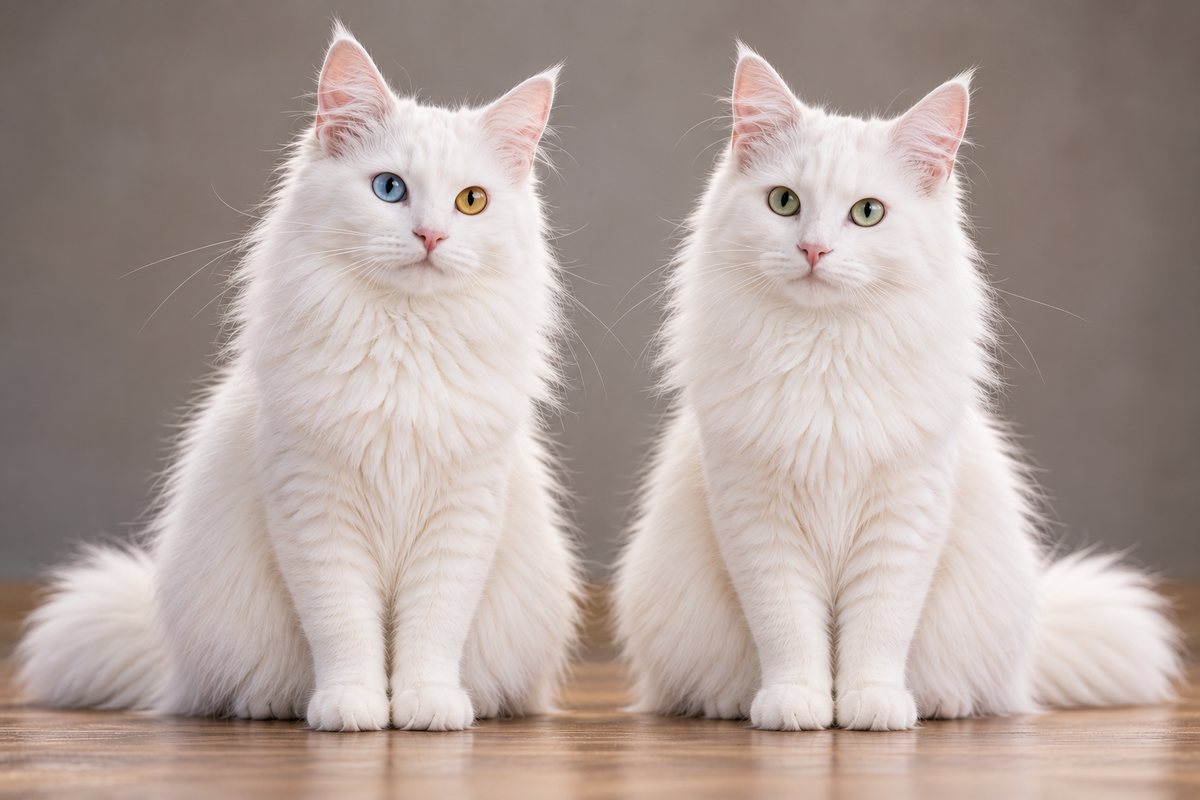
| Eye colors | Green; blue in pointed or white Green is characteristic in most non-pointed varieties; blue occurs with pointed genetics and can occur in white cats. |
| Coat & routine care | |
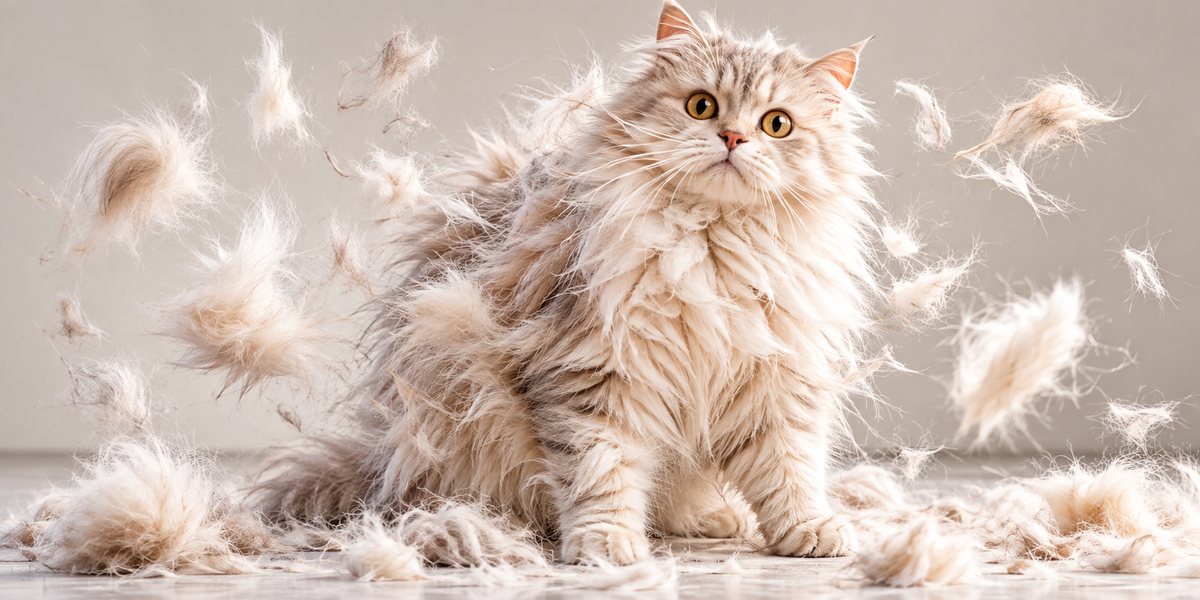
| Shedding | Low to moderate Low to moderate shedding; the fine semi-long coat generally lacks the dense woolly undercoat of heavier longhairs. |
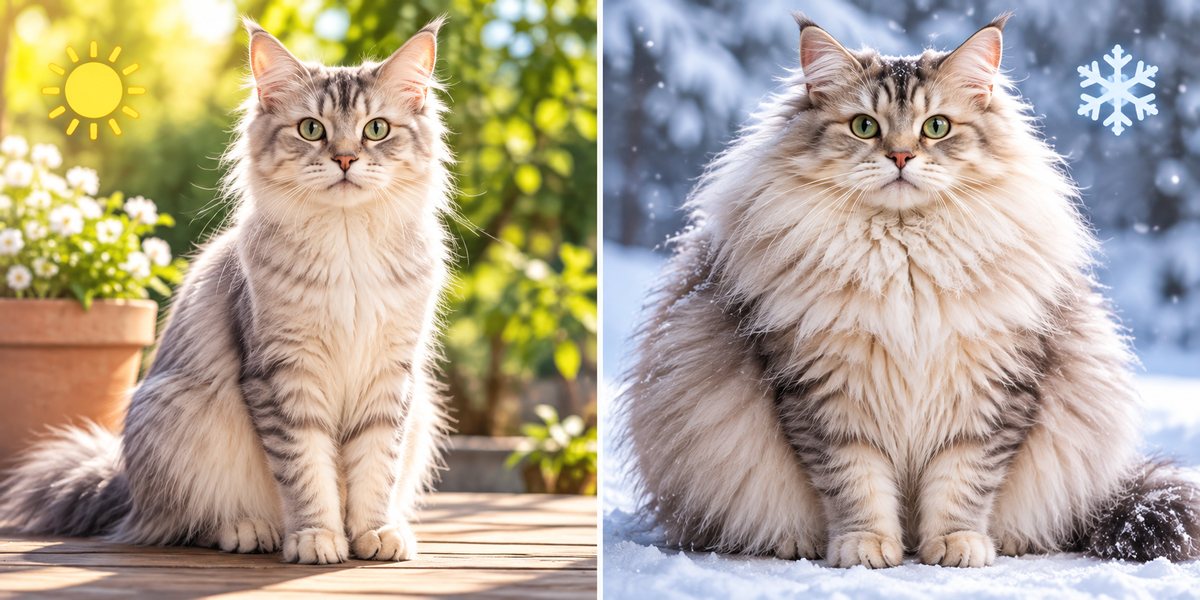
| Seasonal coat changes | Mild to moderate seasonal change The fine Oriental Longhair coat can become fuller in cooler months and shed more in spring, but minimal undercoat limits the intensity of the seasonal coat blow. |
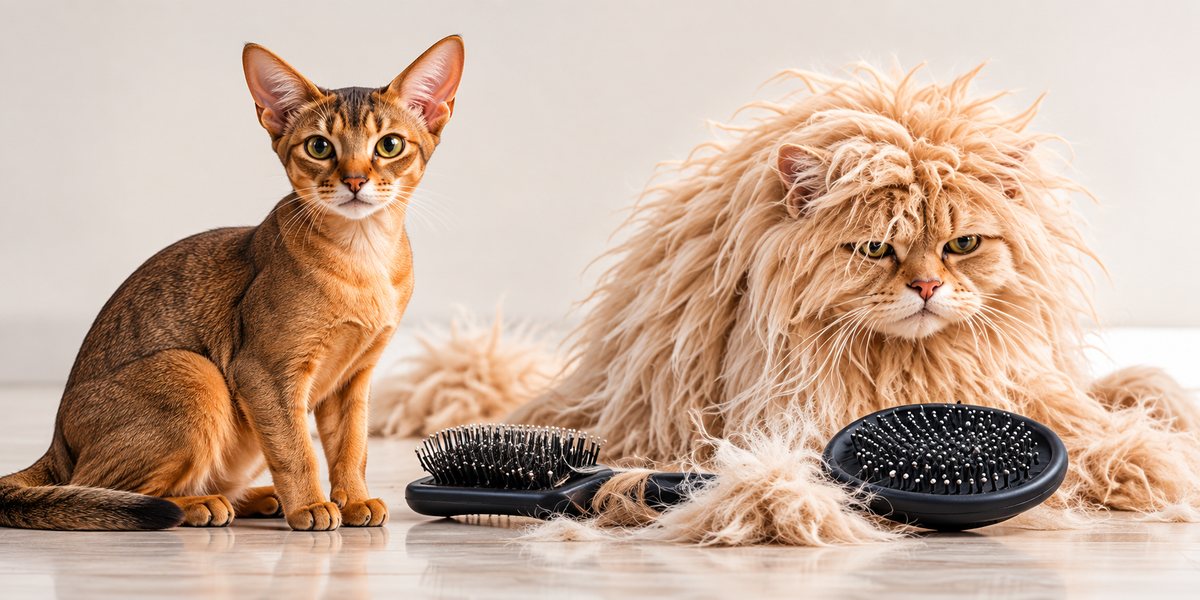
| Brushing & combing | 3x week or as needed Comb once or twice weekly through the fine semi-long coat, increasing during seasonal shedding; its limited undercoat keeps grooming moderate. |
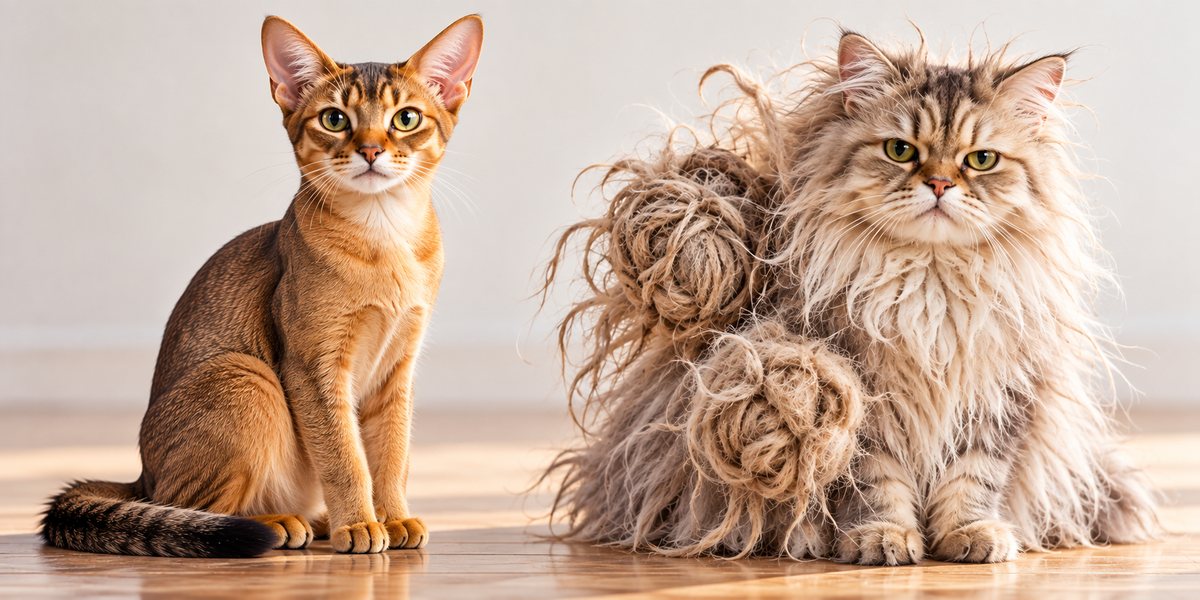
| Tangle & matting tendency | Low The fine silky semi-long coat has minimal woolly undercoat, so mats are uncommon; occasional combing of the plume, belly and friction areas is usually sufficient. |
| Skin & bathing care | Bathing not routinely needed Routine bathing is generally unnecessary; bathe only when the coat is genuinely soiled or for a specific veterinary or grooming reason. |
| Distinctive routine care | Fine semilong coat care The fine semi-long coat usually needs regular but not intensive combing because it lacks the heavy undercoat of many longhaired breeds. Routine dental care and substantial daily interaction are equally important. |
| Allergy & allergen evidence | No breed specific reduction established There is no known reason to regard this breed as hypoallergenic. All cats produce allergens, and coat length or shedding alone does not determine allergy risk. |
| Activity & intelligence | |
| Activity level | Very high Same Siamese/Oriental breed group; coat length does not supply evidence of a different activity phenotype. |
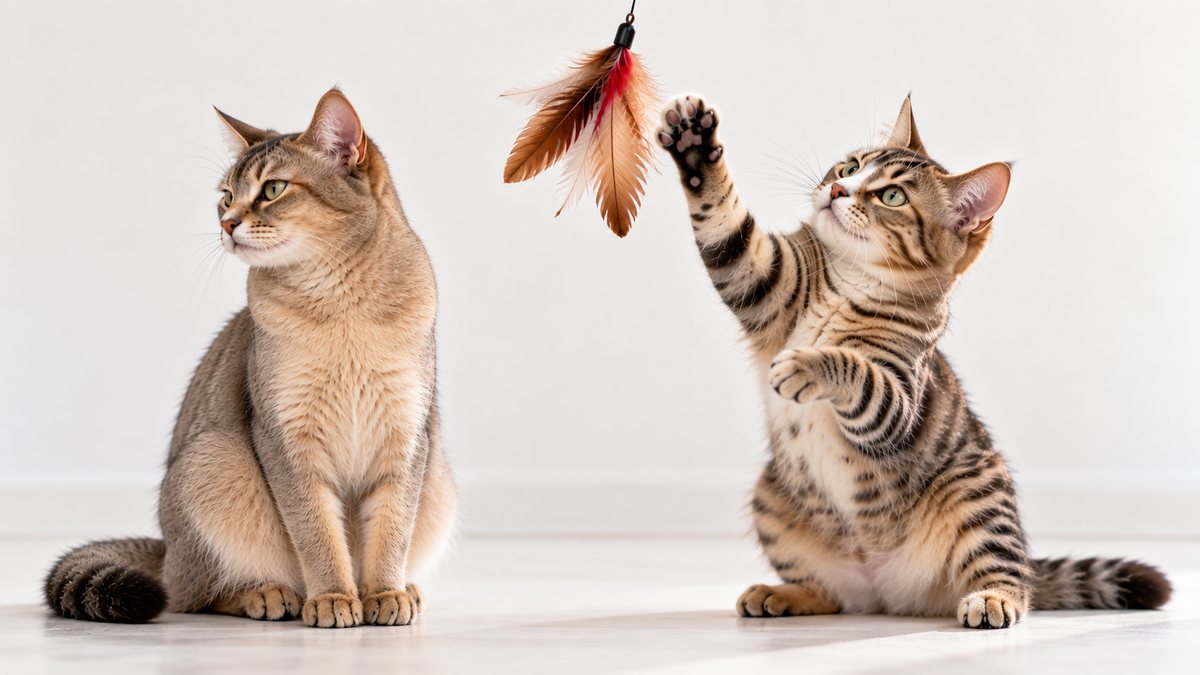
| Playfulness | Very high |
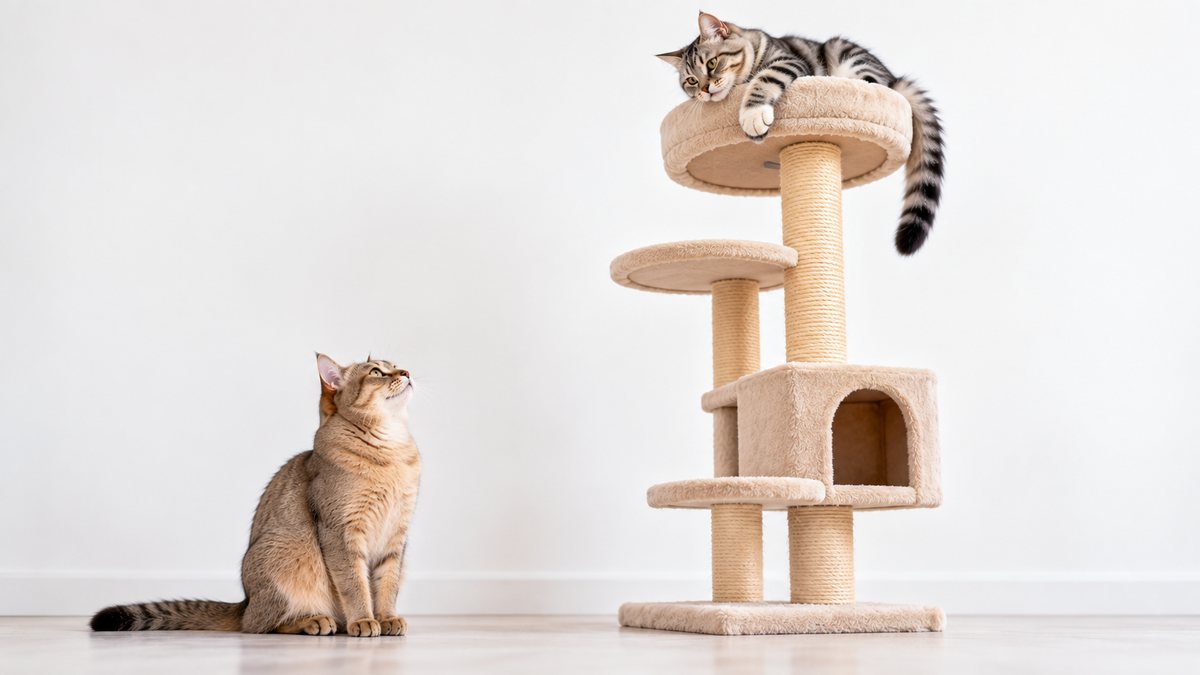
| Climbing & jumping | Very high |
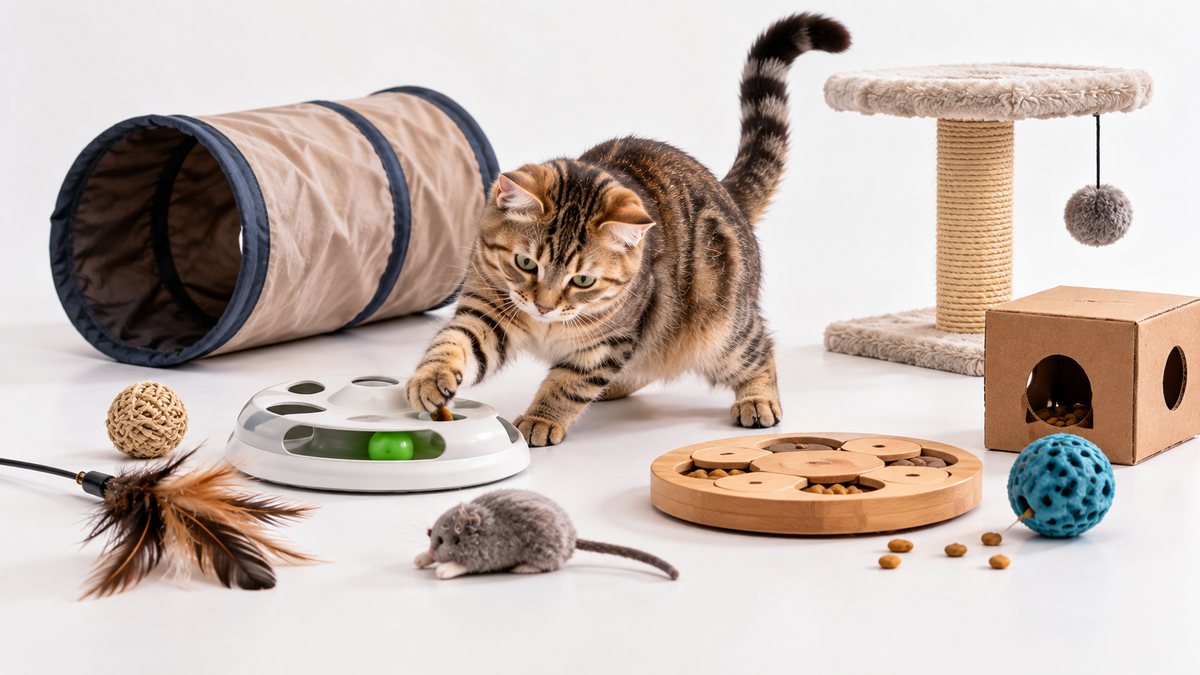
| Enrichment demand | Very high Very high enrichment demand: sustained social play, climbing, training and puzzle activities suit its intense activity, intelligence and exploratory drive. |
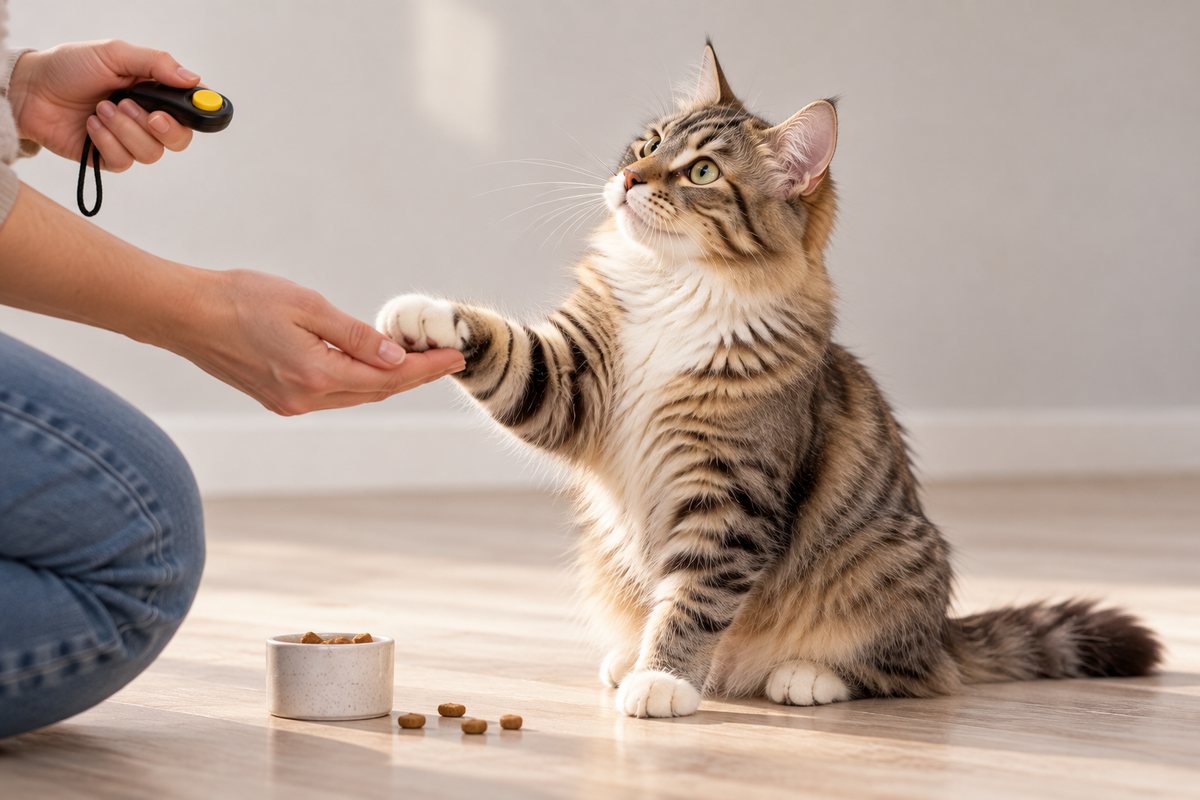
| Learning & training | High Oriental Longhairs share the Oriental family’s very high intelligence and social motivation, making them strong candidates for clicker work, tricks and puzzle-based learning. |
| Curiosity & exploration | Very high Oriental Longhairs share the Oriental group’s intense curiosity: they are highly inquisitive, socially involved and inclined to investigate rooms, objects and elevated spaces. |
| Hunting & chasing tendencies | High Expect strong pursuit play. Oriental Longhairs combine athleticism, curiosity and persistent social play, making chase games important enrichment. |
| Personality & social | |
| Sociability with familiar people | Very high Oriental Longhairs are highly people-focused cats that typically seek frequent interaction and close involvement with their household. |
| Affection | Vocal communicative · following · lap contact · interactive playful Oriental Longhairs express affection through conversation, following, lap contact and active participation in household life. |
| Lap & cuddling preference | High Oriental group evidence supports strong close-contact preference. |
| Handling tolerance | High Highly social and people-focused, the Oriental Longhair usually accepts grooming and close handling well, with activity level rather than fearfulness more likely to limit restraint. |
| Independence & social demand | Very high Oriental group evidence supports unusually high social demand. |
| Vocalization | Very high Highly talkative and interactive, consistent with the Oriental/Siamese breed group. |
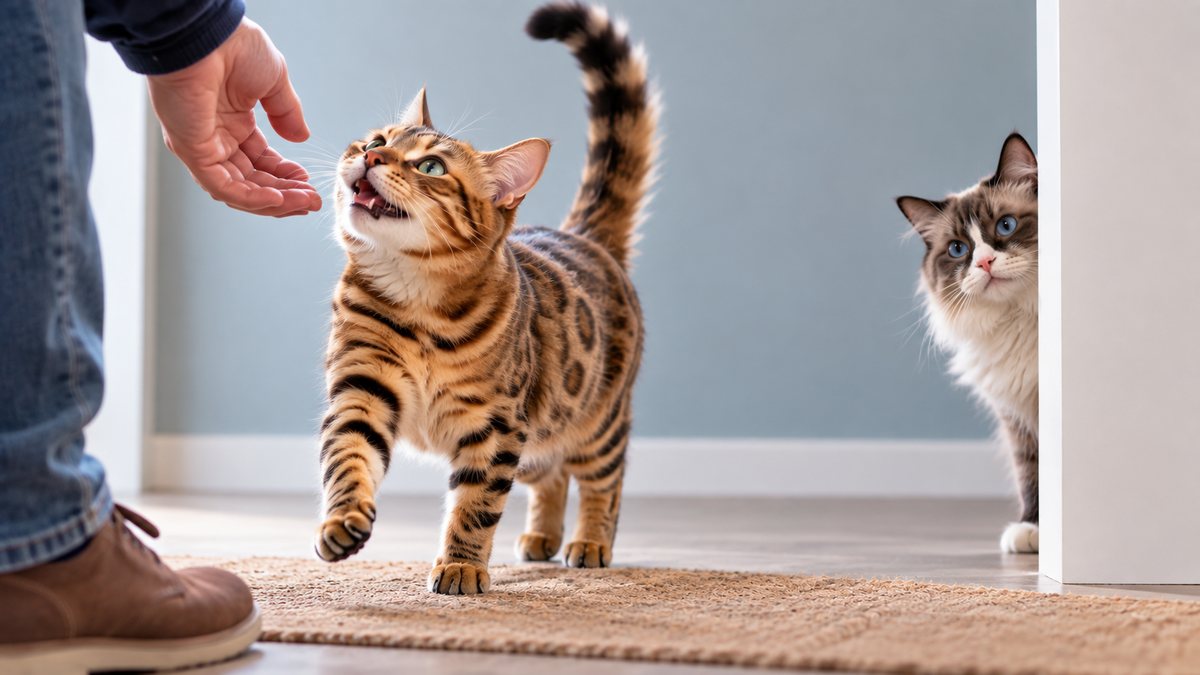
| Response to unfamiliar people | Very high Oriental Longhairs are extroverted, people-focused cats and commonly approach, investigate and interact with visitors rather than avoiding them. |
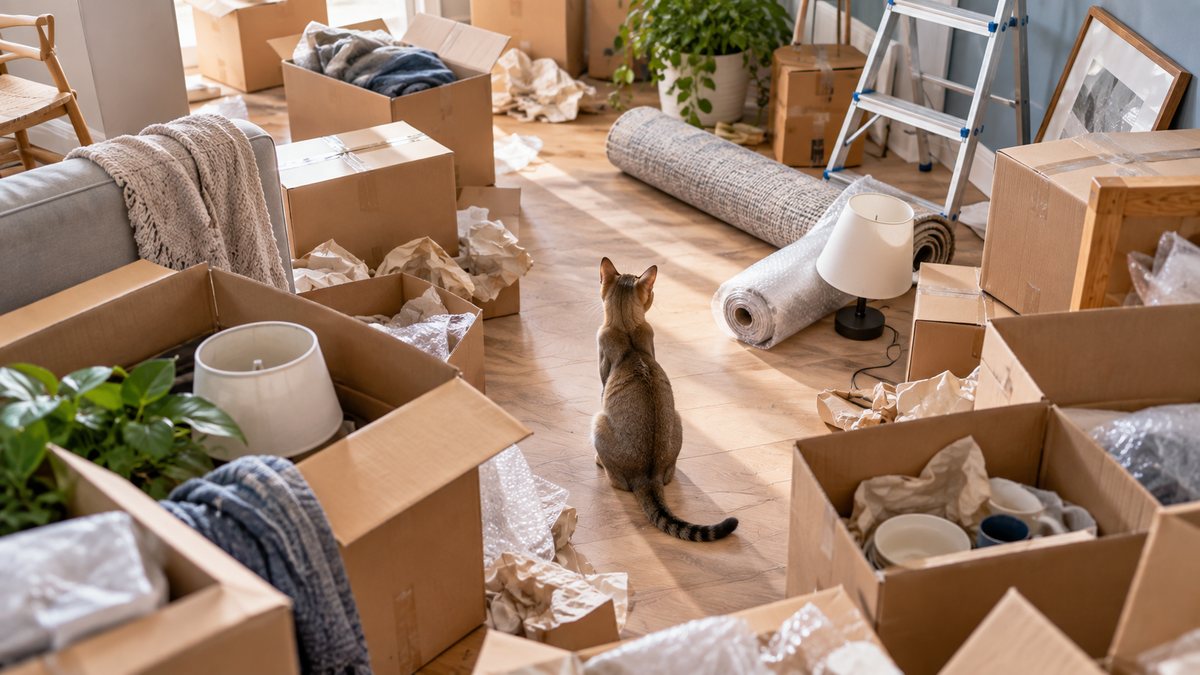
| Adaptability to change | High Oriental Longhairs are intelligent, curious, and socially demanding, so they usually accommodate new settings well when their human interaction and stimulation continue. |
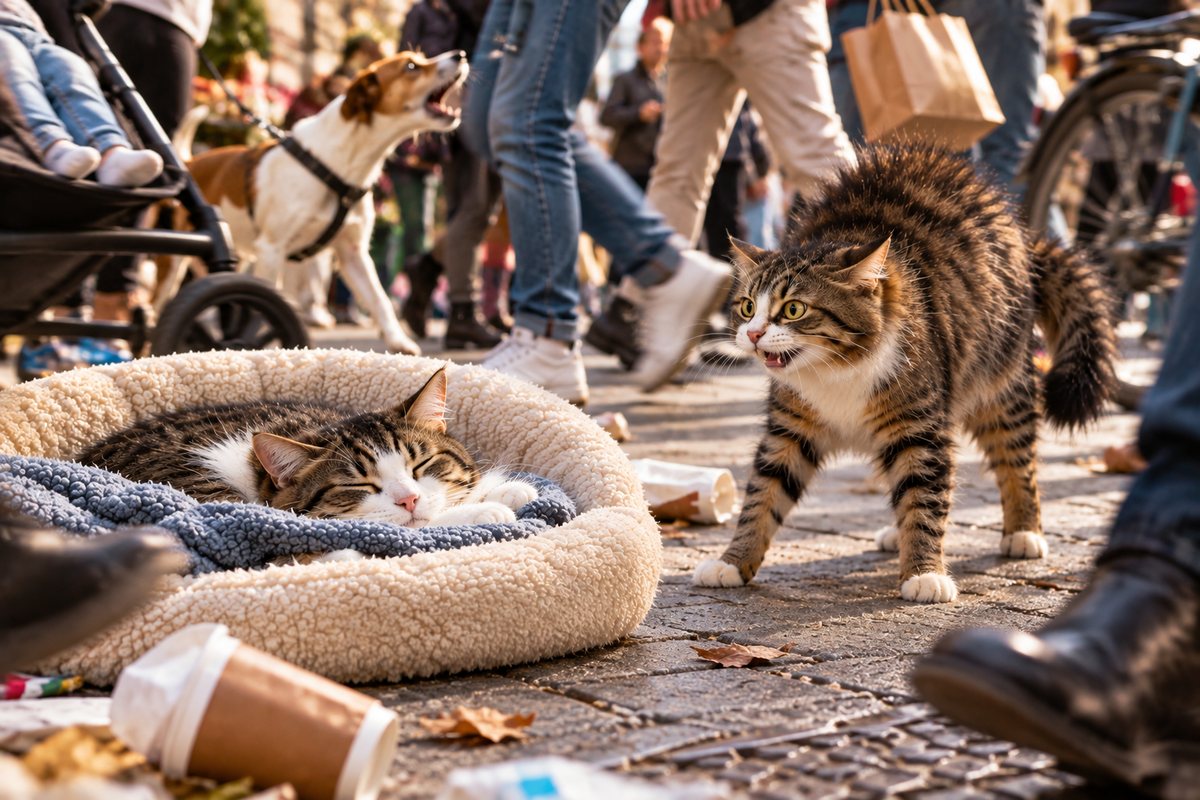
| Noise & busy-environment sensitivity | Low to moderate Active, social and people-focused, the Oriental Longhair usually remains involved in household life and is not typically a cat that requires exceptional quiet. |
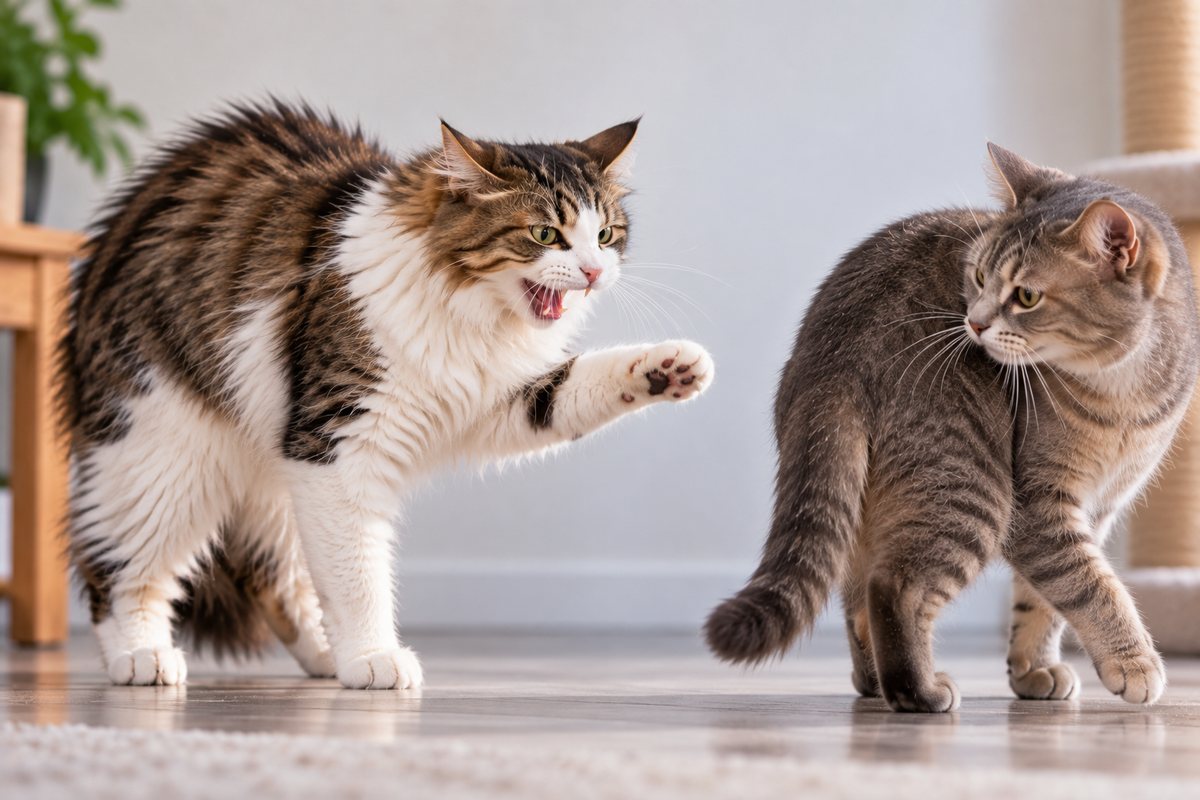
| Defensive & conflict behaviour | Moderate Oriental Longhairs are highly social and expressive, usually seeking interaction rather than avoiding it. Their intensity can produce assertive protest or friction when bored, excluded, or poorly introduced, though serious defensive behavior is not a defining breed tendency. |
| Household & environment | |
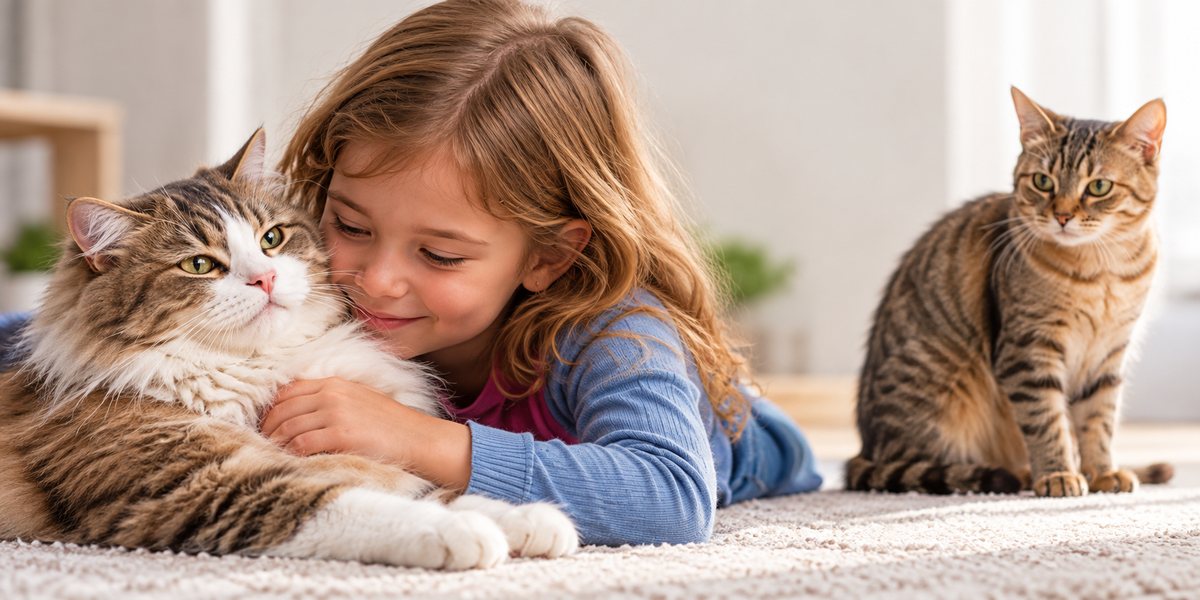
| Living with children | Often workable Oriental breed-group temperament supports family living with respectful children, with high interaction intensity. |
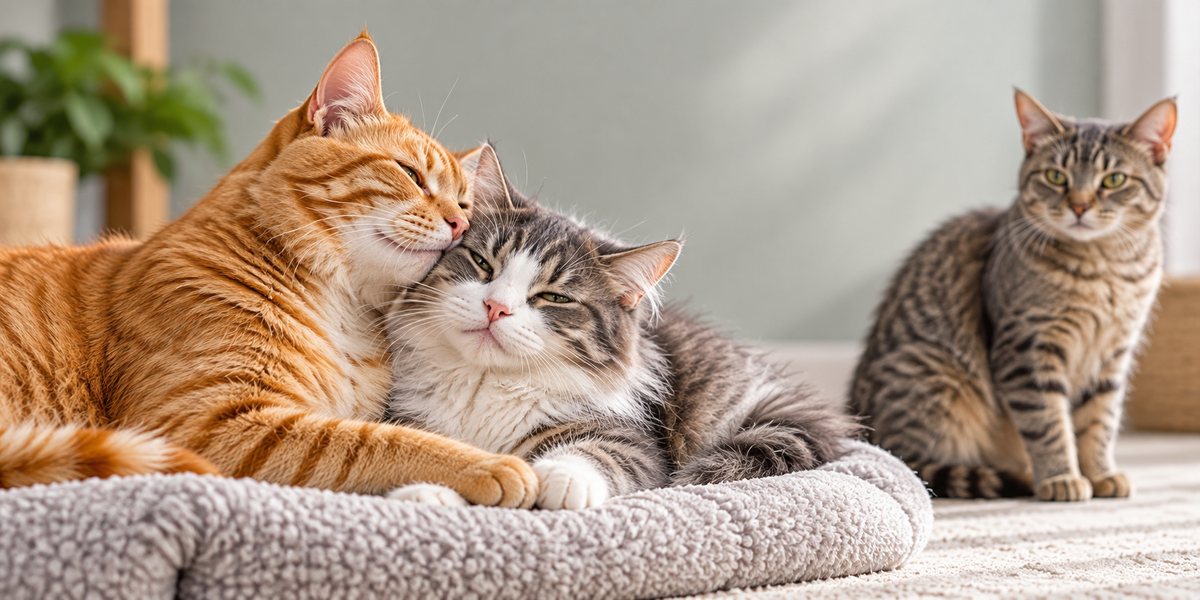
| Living with other cats | Favorable tendency Strong social needs generally make compatible feline companionship favorable. |
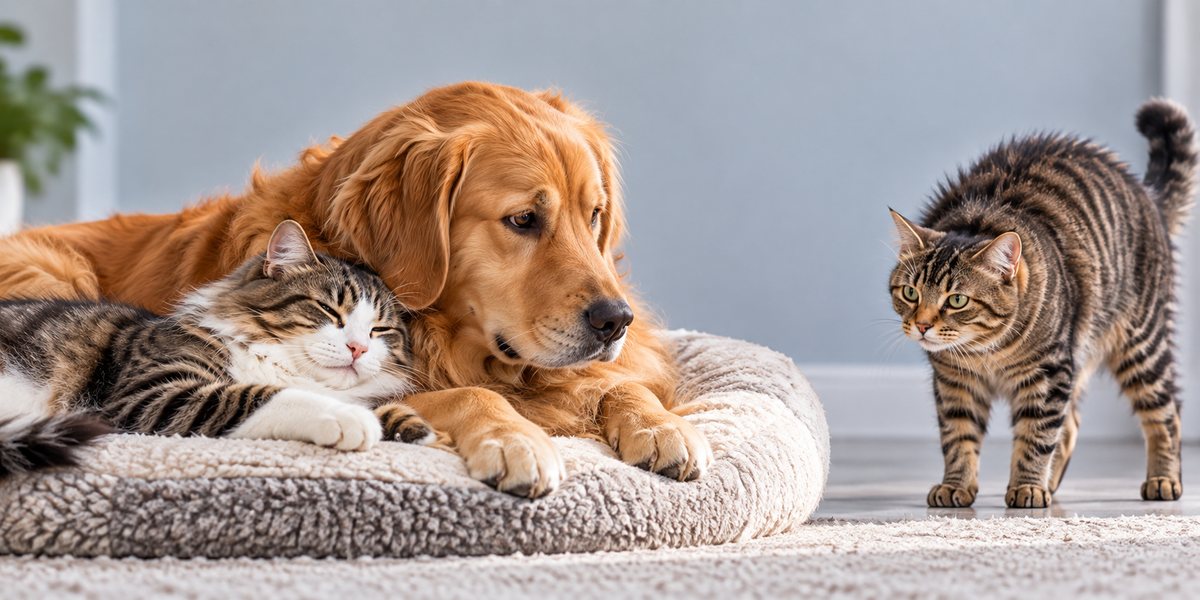
| Living with dogs | Moderate Oriental breed-group sociability can support compatible dogs. |
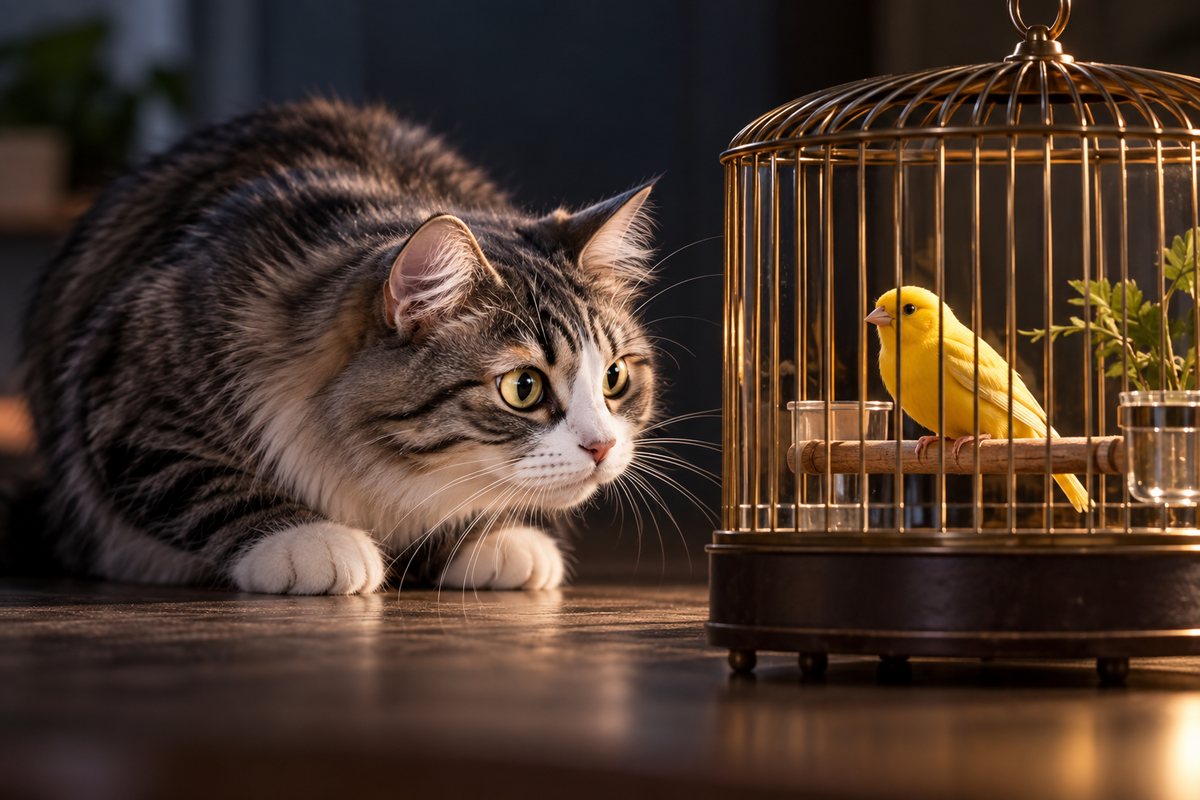
| Living around small pets | Additional caution Oriental Longhairs are active, intelligent and strongly play-motivated. Their quick pursuit of moving stimuli warrants extra caution around birds, rodents and other small animals despite their highly social temperament. |
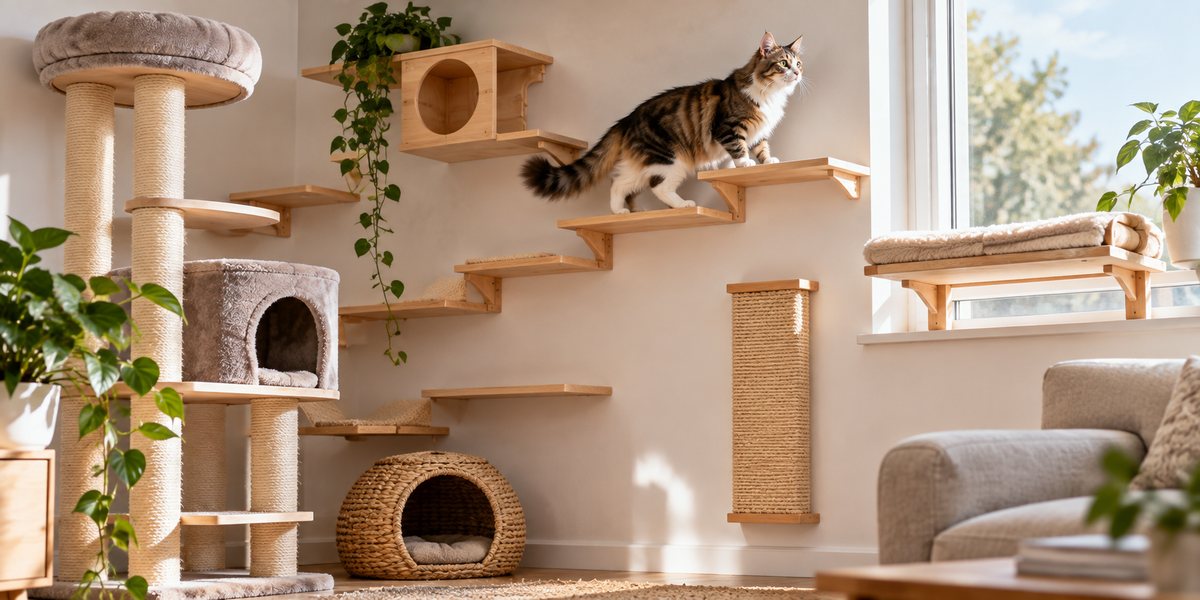
| Indoor & home environment needs | Very high social contact · interactive play · vertical space Oriental group needs apply with qualification to the longhaired form. |
| Outdoor access considerations | Secure social Oriental Longhairs are active, inquisitive and highly social. They can enjoy secure outdoor exploration, but their curiosity and household attachment are better served by a catio, enclosed garden or harness than unsupervised roaming. |
| Heat, cold & sun considerations | Semilong low undercoat Oriental Longhairs have a fine semi-long coat without the dense insulation of heavy double-coated breeds. They generally prefer protected indoor temperatures, with warm resting places in cold conditions and normal shade and hydration in heat. |
| Caregiver time & experience | Very high Oriental group social/interaction demand implies high caregiver time. |
| Health & welfare | |
| Documented health predispositions | Moderate known risks Oriental Longhairs share health risks with the wider Siamese/Oriental family, including progressive retinal atrophy and amyloidosis in some lines; hypertrophic cardiomyopathy can also occur. Breed-family genetic and cardiac history are therefore relevant. |
| Screening & breeder questions | Ask about PRA testing/eye health in the line Ask about progressive retinal atrophy and amyloidosis in the family, what relevant DNA testing is used, and whether breeding cats receive cardiac screening for hypertrophic cardiomyopathy. |
| Conformation-related welfare | Low slender type monitoring Oriental Longhairs have an elongated, fine-boned type that should remain strong and athletic. Selection should avoid excessive delicacy or wedge-head exaggeration that compromises jaw, dental or airway function. |
| Nutrition & weight management | High activity condition led Oriental Longhairs are lean, active cats whose fine build can make normal weight look light. Use hands-on muscle and fat assessment and match a complete diet to actual activity rather than feeding toward a generic scale target. |
| Longevity | 10+ years; some reach 20+ Oriental Longhairs commonly live beyond 10 years and some have been known to reach 20 years or more. |
| Cost & availability | |
| Purchase cost | Moderate to high: $600–$1,600 Oriental Longhair: a practical breeder-market estimate is $600–$1,600. This reflects that it is an established Oriental-family breed but less common than the shorthair. |
| Adoption & rehoming cost | Uncommon in rescue: $100–$500 typical rescue/adoption fee Oriental Longhair: $100–$500 typical rescue/adoption fee. The breed does appear in rescue, but much less often than mixed-breed cats or the most numerous pedigrees. |
| Recurring ownership costs | Coat maintenance · enrichment/toy replacement The fine semi-long coat needs modest home combing, while this social breed benefits from climbing, toys and interactive enrichment. Food, litter, dental and preventive veterinary care remain the largest routine expenses. |
| Availability, waits & import | Moderately available Oriental Longhairs have an established international breeder community but are much less numerous than Oriental Shorthairs. A breeder can usually be located in larger markets, sometimes under alternate registry naming such as Javanese-related classifications. |
| Identity & real-world context | |
| Ownership & import restrictions | No known breed specific restrictions There are no known breed-specific ownership restrictions. Ordinary animal-welfare, identification, vaccination and cross-border import rules still apply where relevant. |
| Registry recognition | CFA: recognized breed/division · TICA: Championship-recognized / current breed identity · FIFe: fully recognized breed / mapped breed identity Currently recognized in all three registries tracked by the FSC core matrix: CFA, TICA and FIFe. |
| Similar breeds & identity distinctions | Oriental Shorthair Balinese Oriental Longhairs share the elongated Oriental body with Oriental Shorthairs but have a semi-long coat. Balinese have essentially the same longhaired structural family but are colorpointed with blue eyes rather than displaying the broad Oriental color range. |
| Reported characteristic quirks | Individual quirks often center on play and exploration Oriental Longhairs often turn household life into a shared project, following people, climbing to shoulder or eye level and answering speech with persistent vocalizations. |
Browse all 53 breed characteristics
Open any characteristic to compare all breeds on that dimension.
 English