
Compare Cat Breeds
Compare up to three breeds across all 53 characteristics. Values are shown directly so the differences are easier to scan.
| Characteristic | 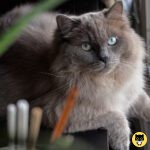 RagaMuffin |
|---|---|
| Body & development | |
| Adult size | Medium to large |
| Adult weight | Females up to about 6.8 kg (15.0 lb); males up to about 9.1 kg (20.1 lb) Females can reach about 6.8 kg (15.0 lb) and males about 9.1 kg (20.1 lb); many healthy adults are lighter than these upper figures. |
| Build & distinguishing morphology | Substantial bone · rectangular · full body Build: substantial bone; rectangular; full body. |
| Maturation | About 4 years Maturation: about 4 years. |
| Coat & appearance | |
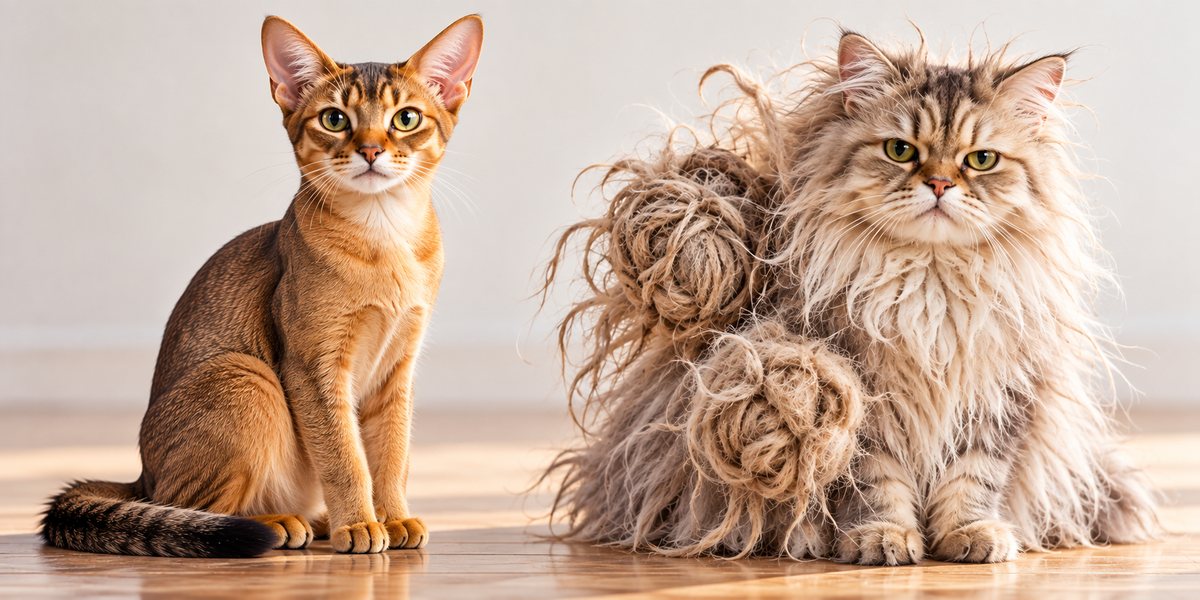
| Coat length | Long Medium to medium-long/long silky coat; FSC coat-length category is long. |
| Coat texture & undercoat | Medium to medium long · soft dense silky Coat: medium to medium long; soft dense silky. |
| Colors & patterns | All except pointed show colors · mink sepias with eye rules Colors/patterns: all except pointed show colors; mink sepias with eye rules. |
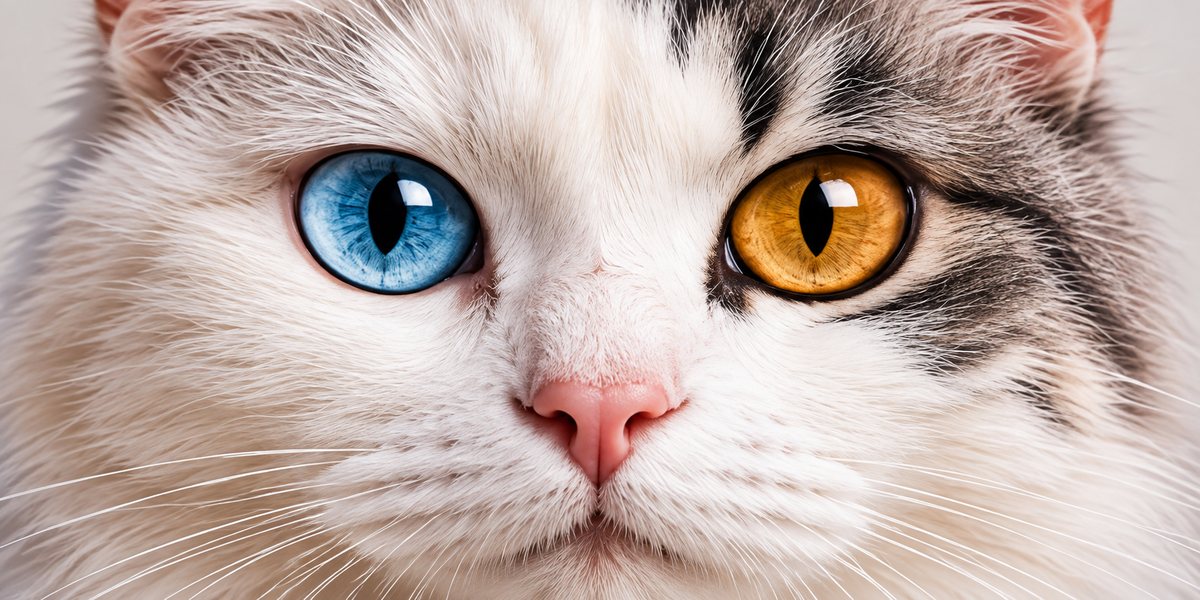
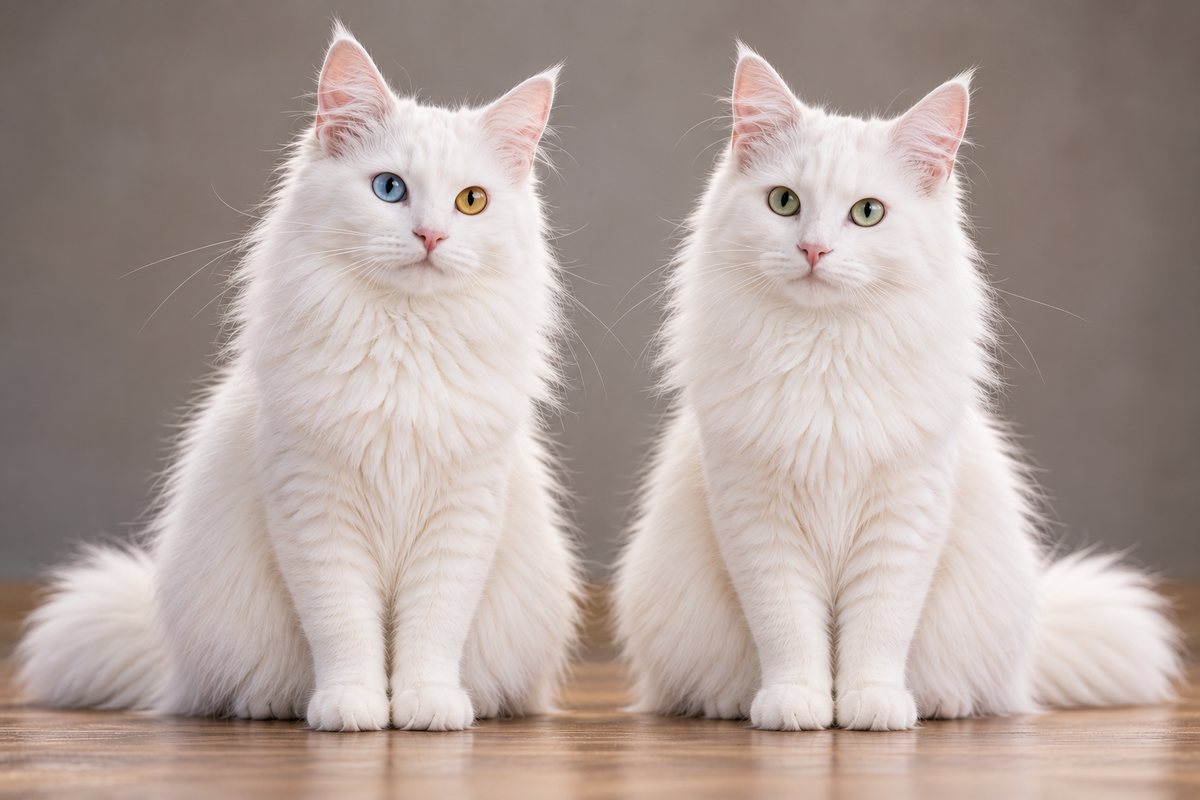
| Eye colors | All eye colors; blue · aqua · green · gold common A broad range is accepted, including blue, aqua, green and gold; eye colour can relate to coat pattern. |
| Coat & routine care | |
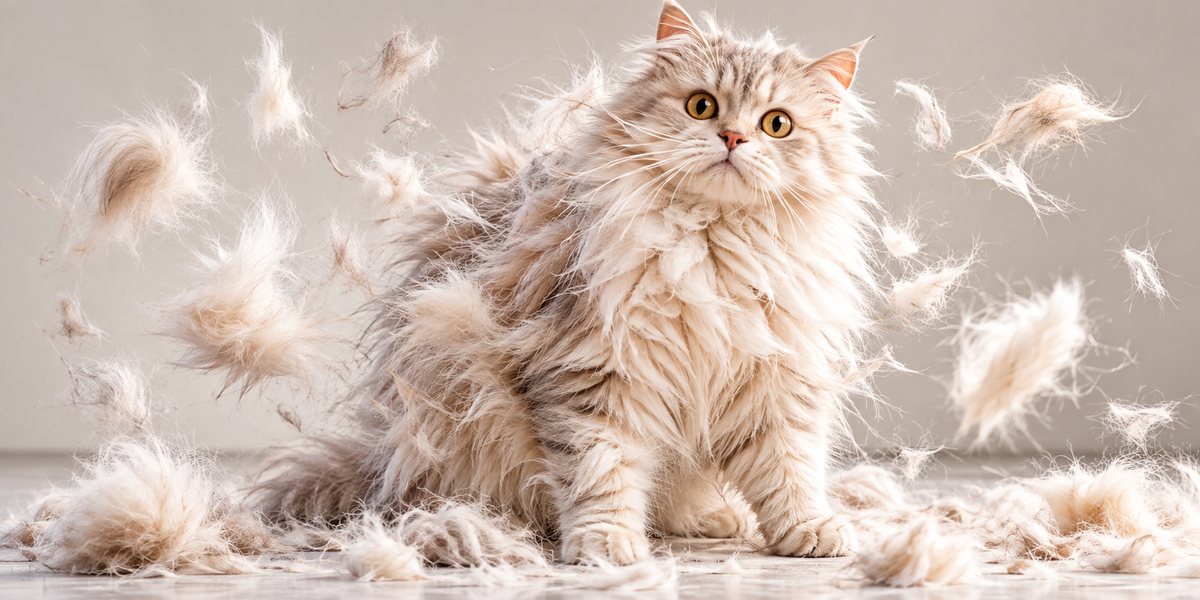
| Shedding | Moderate Moderate shedding from the plush semi-long coat; seasonal increases occur but the texture is less woolly than some longhairs. |
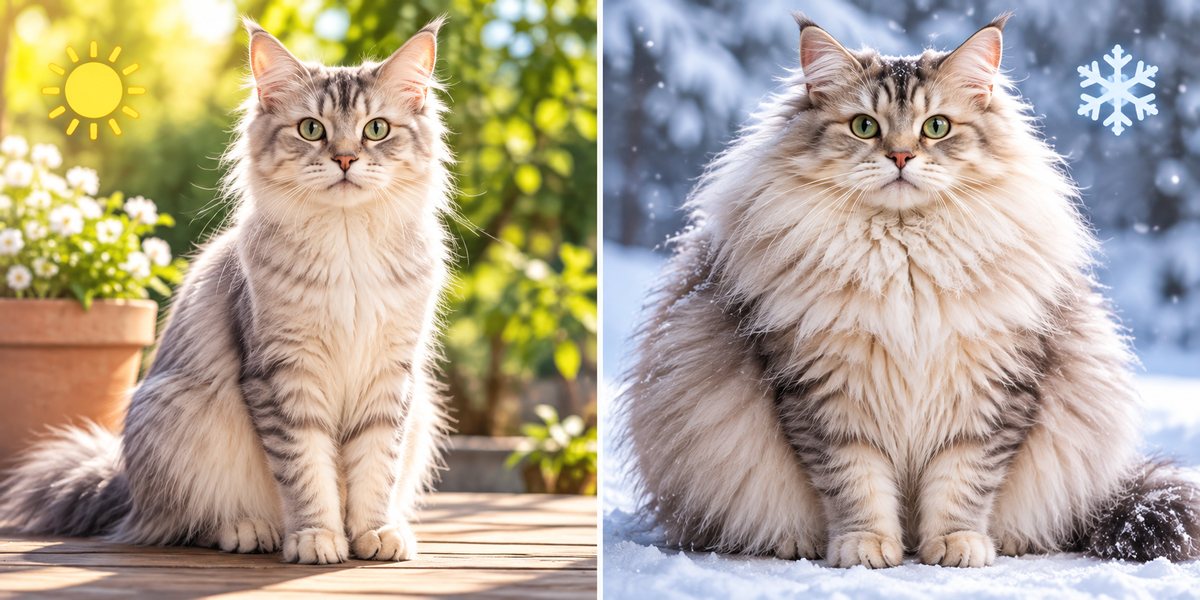
| Seasonal coat changes | Moderate seasonal shed The RagaMuffin’s dense medium-long coat usually becomes fuller in cooler weather and sheds more noticeably during spring coat turnover. |
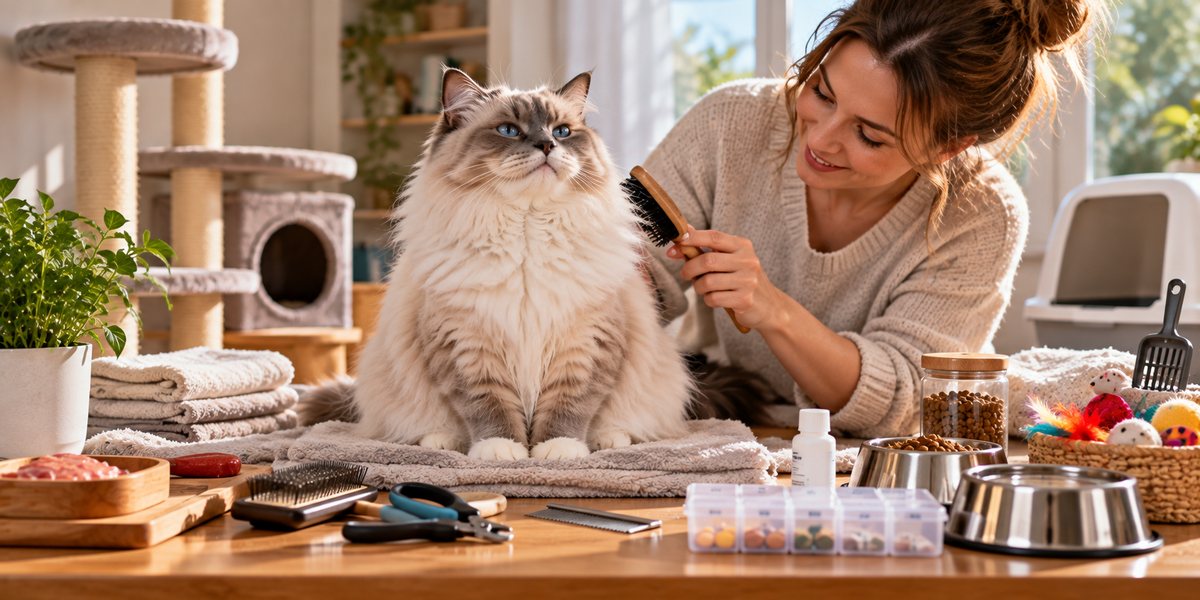
| Brushing & combing | 2x week Brushing/combing: 1-2x week. |
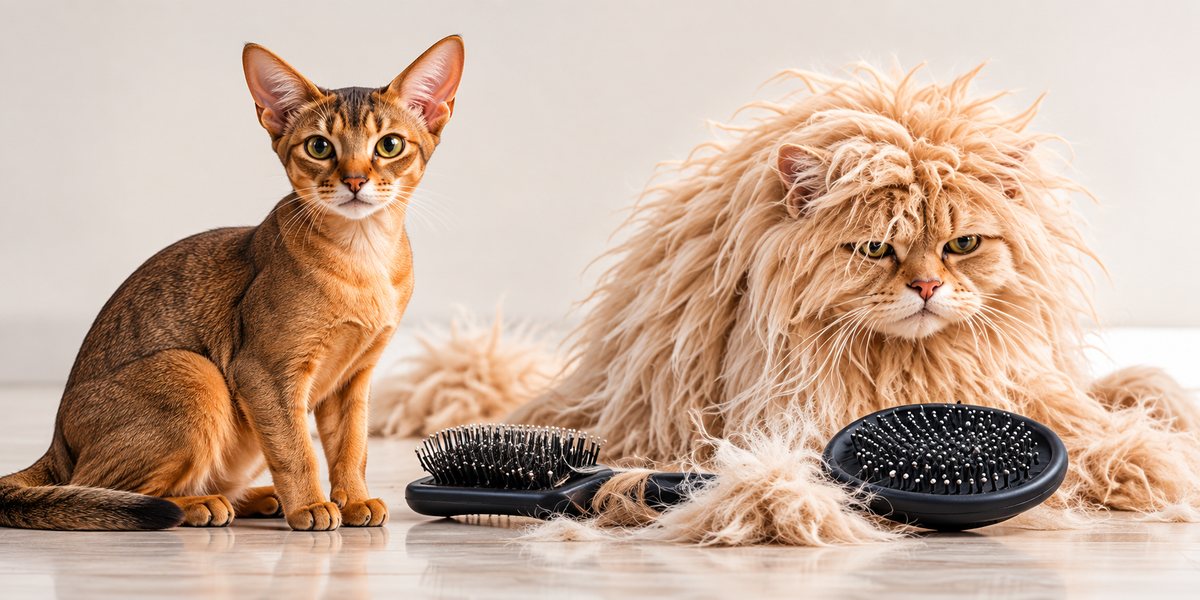
| Tangle & matting tendency | Low to moderate The soft silky coat is generally easier than a Persian coat, but its length and density still allow knots in the armpits, belly and hindquarters if combing is neglected. |
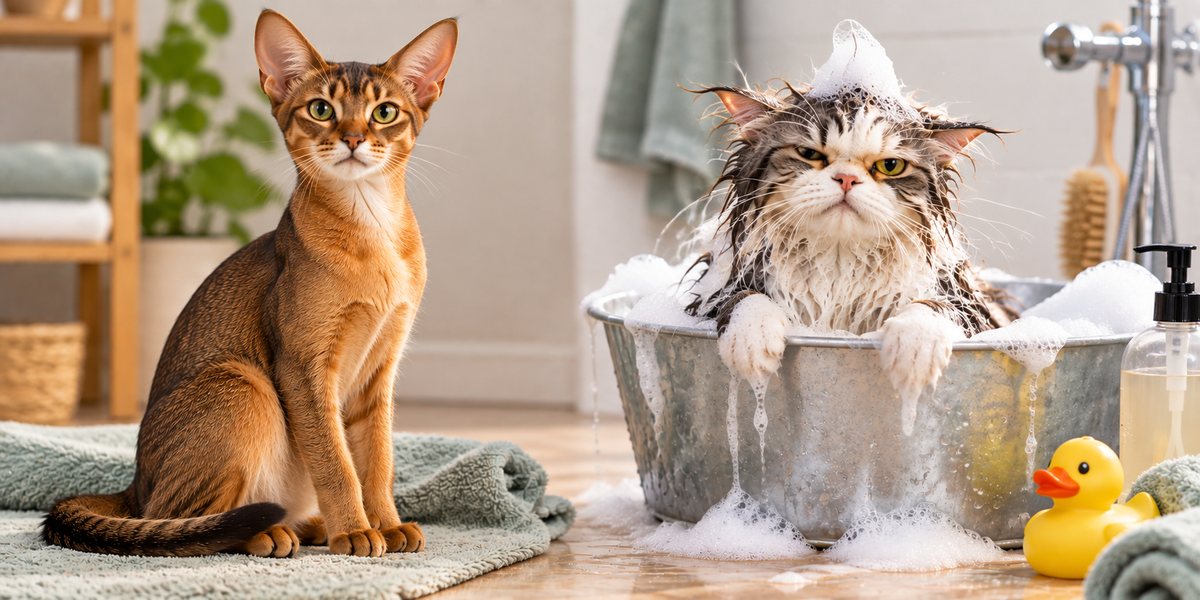
| Skin & bathing care | Occasional bath optional Skin/bathing: occasional bath optional. |
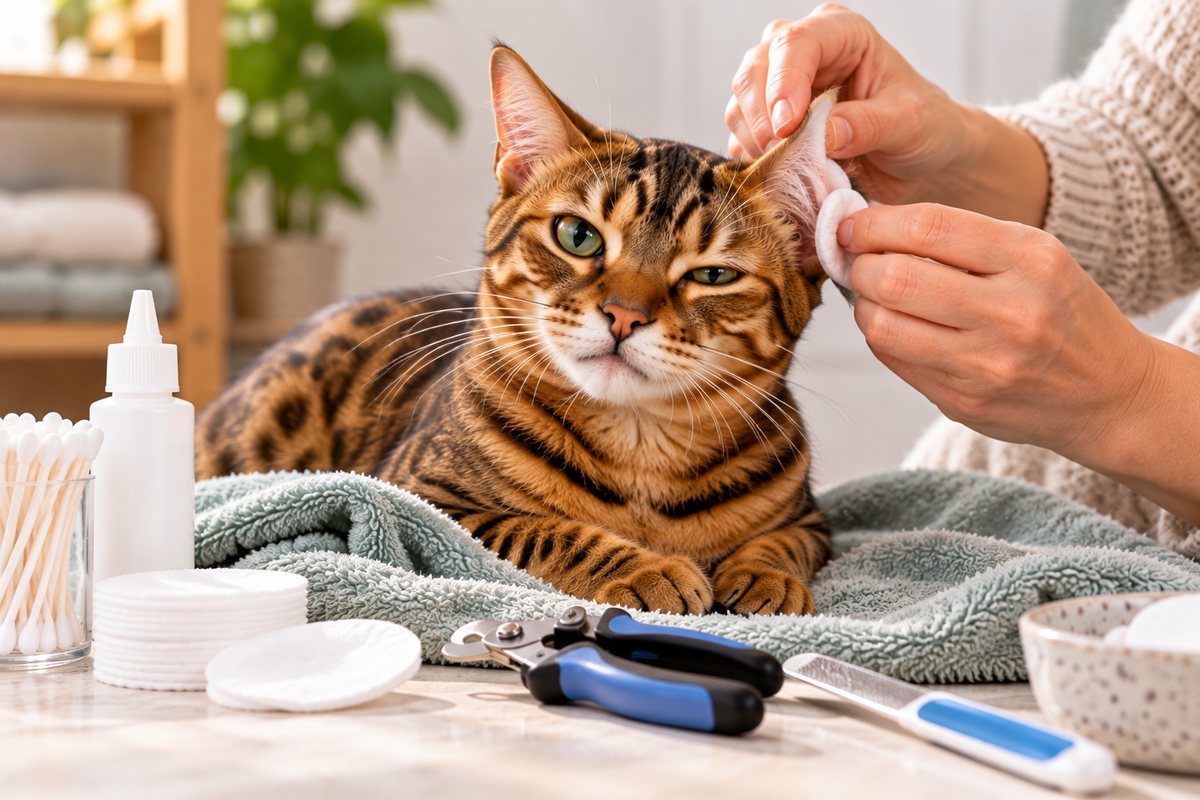
| Distinctive routine care | Plush semilong coat care RagaMuffins need regular combing through the plush semi-long coat, particularly at friction points. Hands-on grooming should double as a body-condition check because the coat and large frame can hide gradual weight gain. |
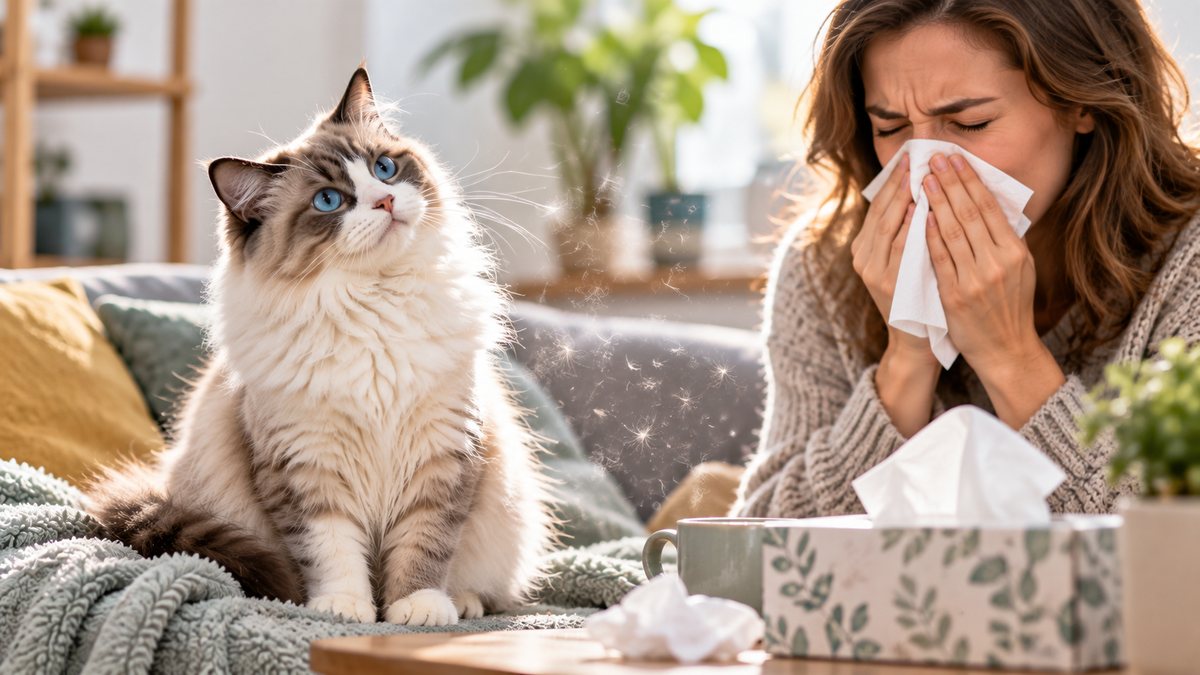
| Allergy & allergen evidence | No breed specific reduction established There is no known reason to regard this breed as hypoallergenic. All cats produce allergens, and coat length or shedding alone does not determine allergy risk. |
| Activity & intelligence | |
| Activity level | Low |
| Playfulness | Moderate |
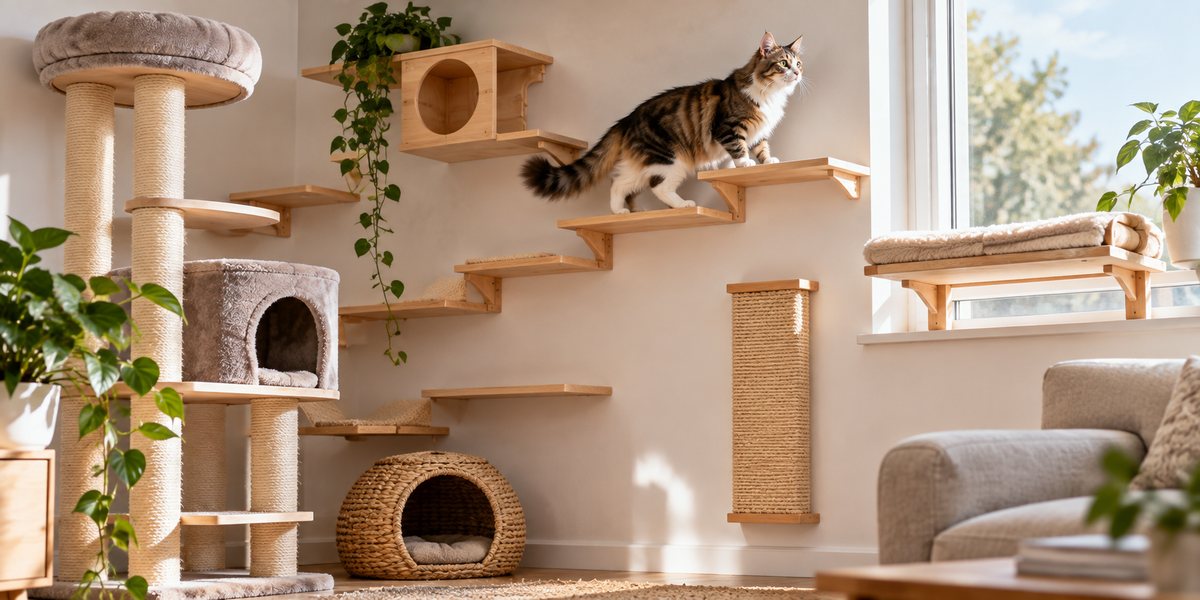
| Climbing & jumping | Moderate RagaMuffins are generally relaxed, substantial cats; they can climb normally but tend to benefit more from broad accessible perches than extreme-height challenges. |
| Enrichment demand | Moderate Moderate enrichment demand: regular gentle play, simple puzzles and comfortable climbing or observation points generally match its relaxed but playful nature. |
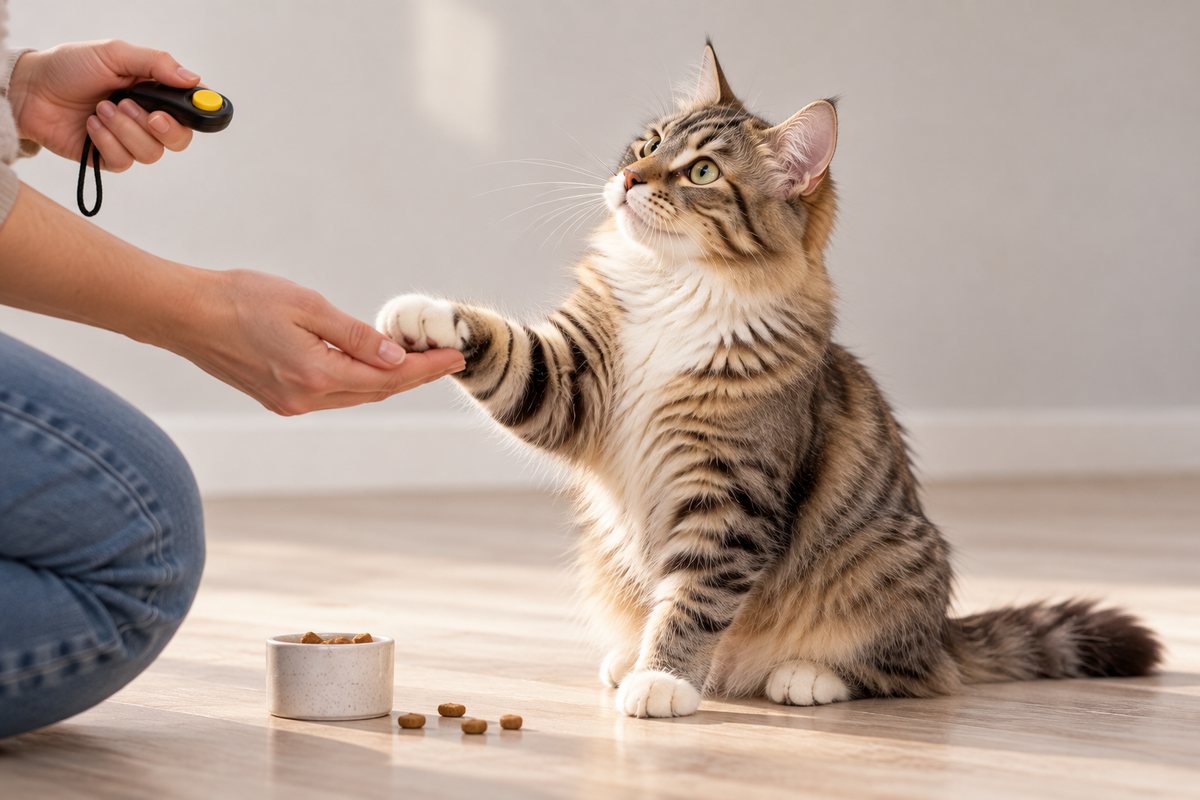
| Learning & training | Moderate RagaMuffins are cooperative, people-oriented cats that should learn household routines and handling cues readily, though their relaxed temperament is not usually associated with intense training drive. |
| Curiosity & exploration | Low to moderate RagaMuffins are typically relaxed and people-centered; they show interest in household activity and play, but exploration is usually gentle and less persistent than in highly active breeds. |
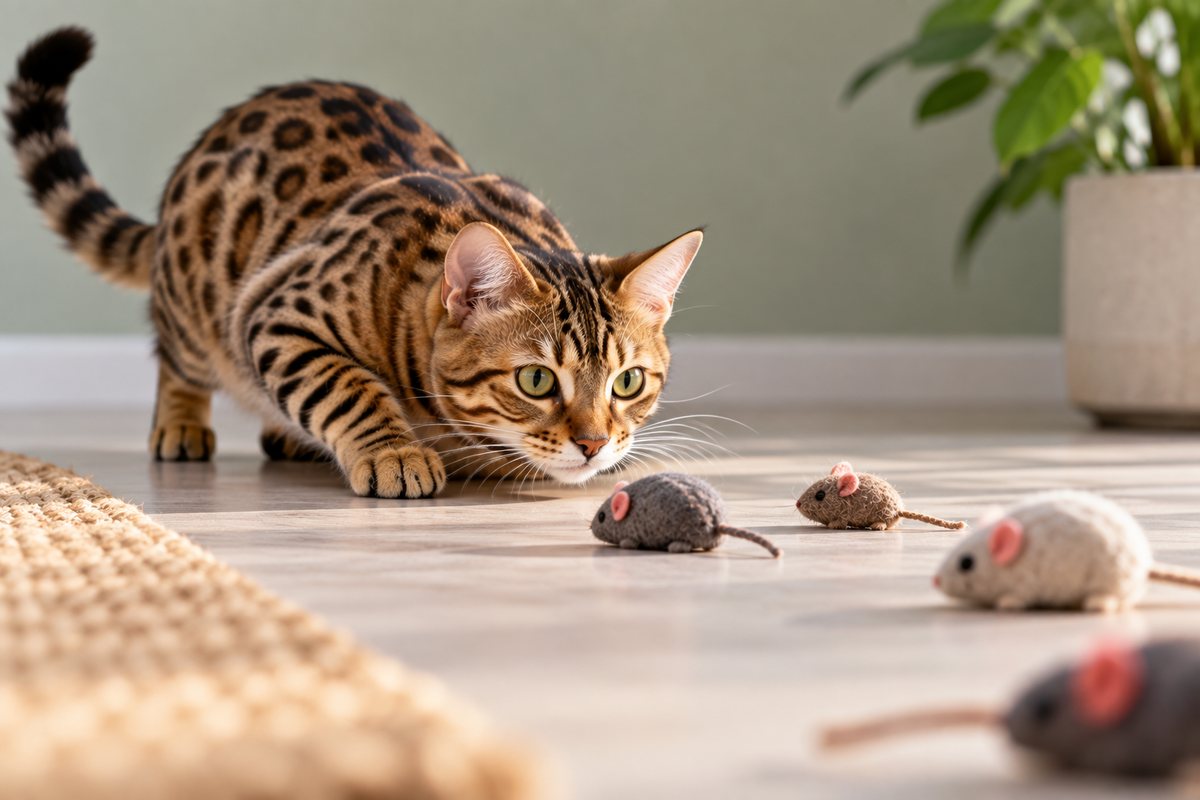
| Hunting & chasing tendencies | Moderate Chasing is usually moderate rather than intense; RagaMuffins are playful but their relaxed, people-focused temperament favors gentler pursuit sessions. |
| Personality & social | |
| Sociability with familiar people | Very high RagaMuffins are exceptionally people-oriented companions that typically seek affection and sustained family contact. |
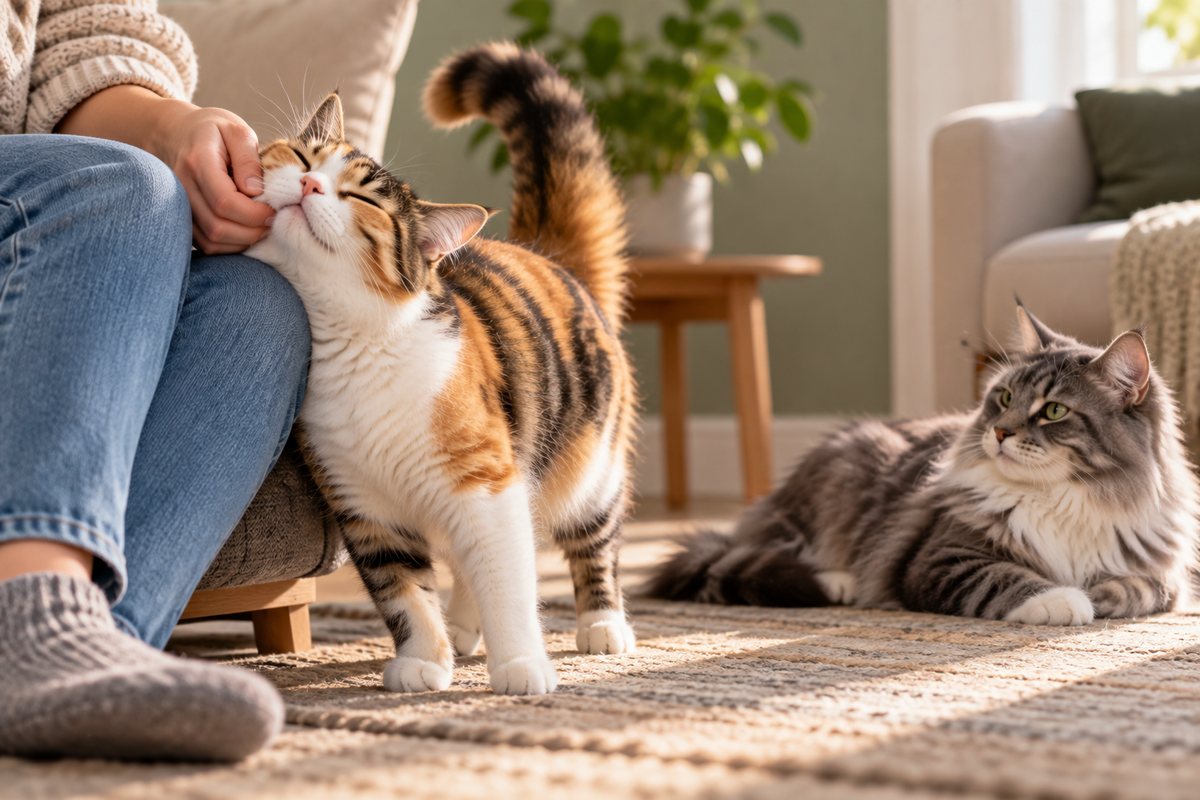
| Affection | Lap contact · following · proximity RagaMuffin affection centers on close, gentle physical companionship. |
| Lap & cuddling preference | Very high |
| Handling tolerance | Very high Gentle, relaxed physical handling tolerance is strongly supported. |
| Independence & social demand | High Strong companionship needs are characteristic without requiring Oriental-level intensity. |
| Vocalization | Low |
| Response to unfamiliar people | Very high Exceptionally friendly temperament commonly extends to unfamiliar people. |
| Adaptability to change | High RagaMuffins are typically relaxed, trusting companion cats and usually settle readily into family routines, provided changes preserve gentle handling and regular human contact. |
| Noise & busy-environment sensitivity | Moderate RagaMuffins are notably relaxed and gentle, tolerating normal family activity well but generally benefiting from a home where they can escape rough or sustained commotion. |
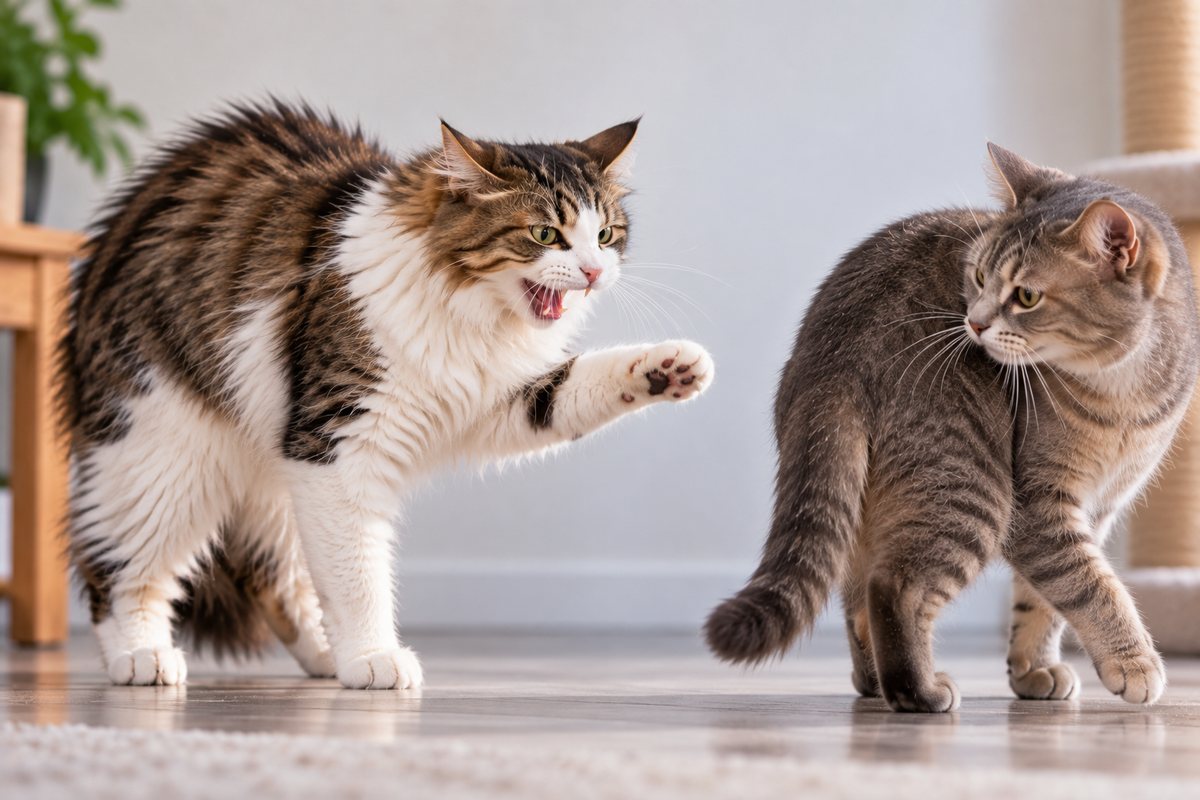
| Defensive & conflict behaviour | Very low Breed temperament is notably gentle and non-confrontational. |
| Household & environment | |
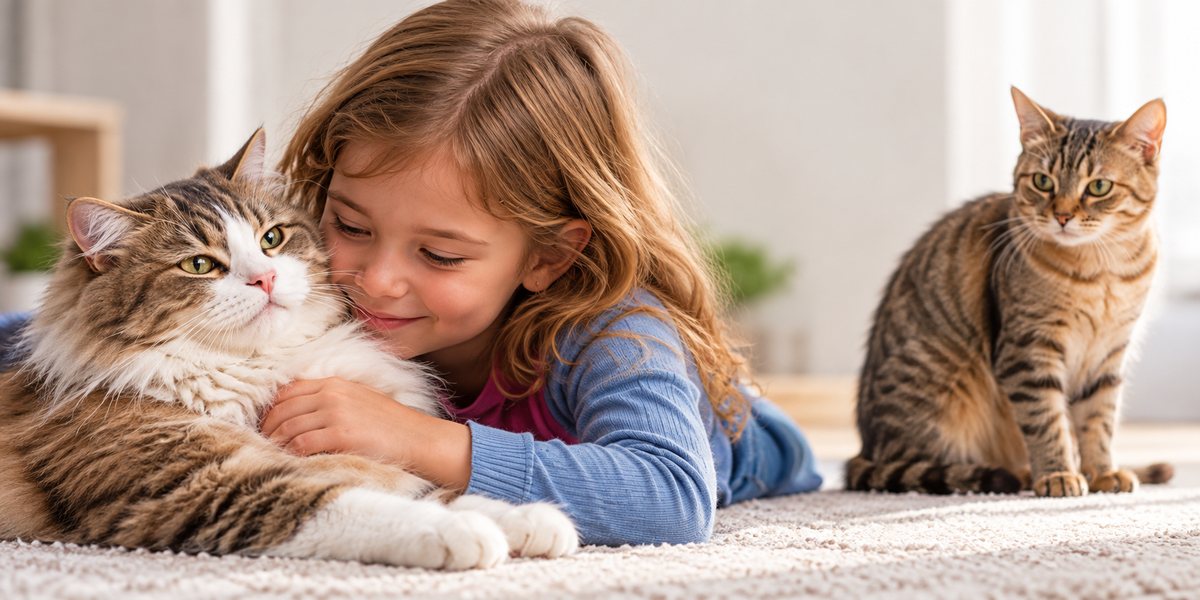
| Living with children | Favorable tendency |
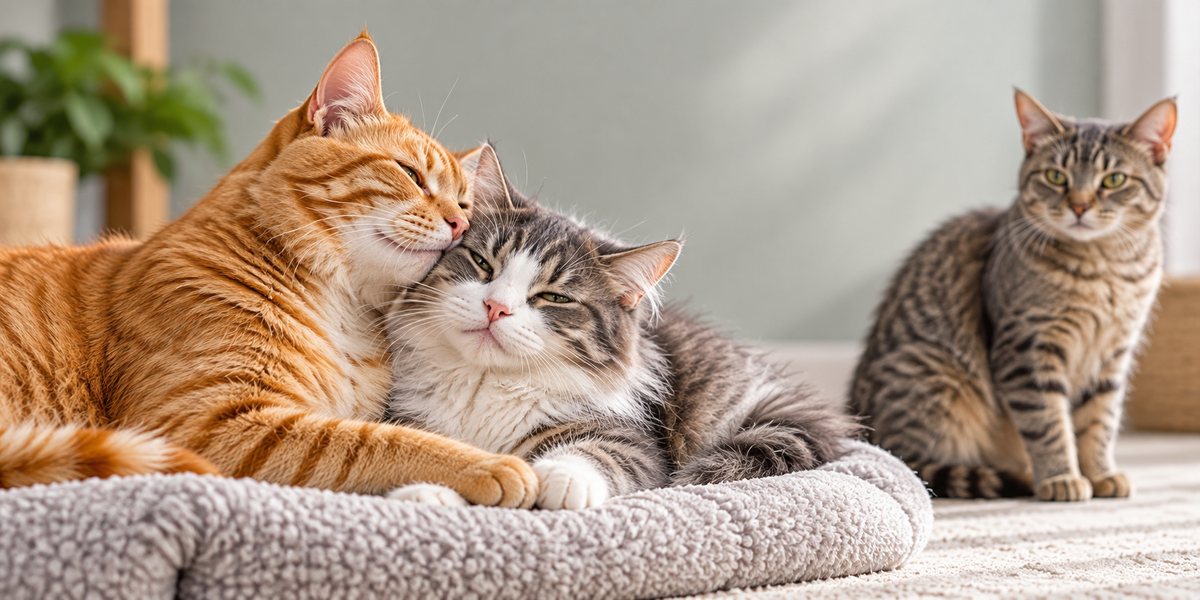
| Living with other cats | Favorable tendency |
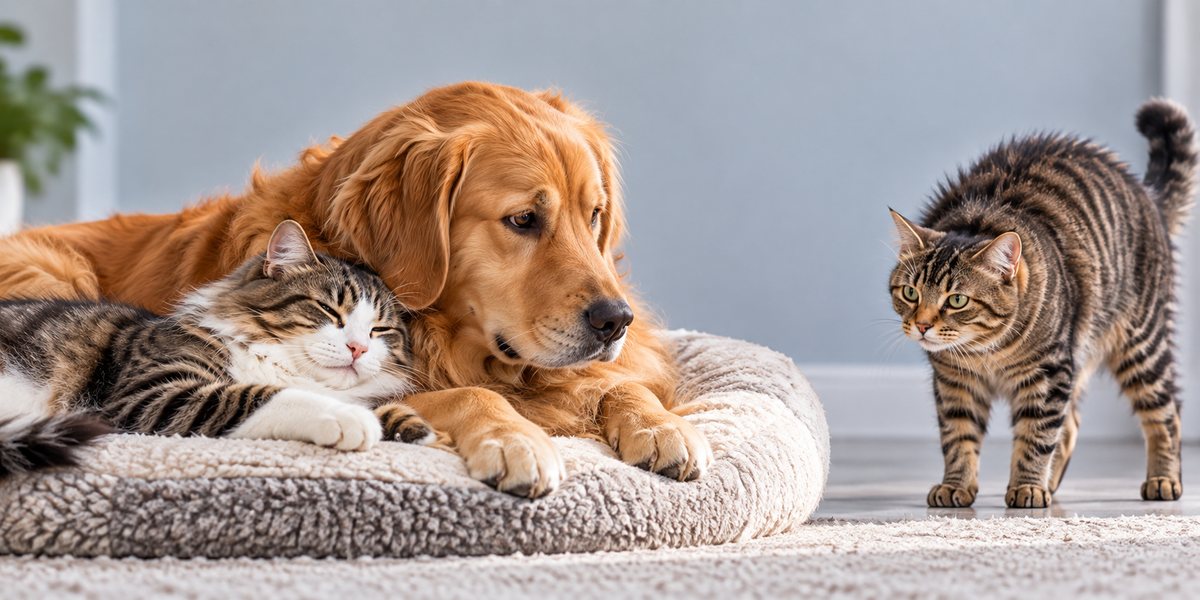
| Living with dogs | Good Easygoing social temperament generally supports compatible dogs. |
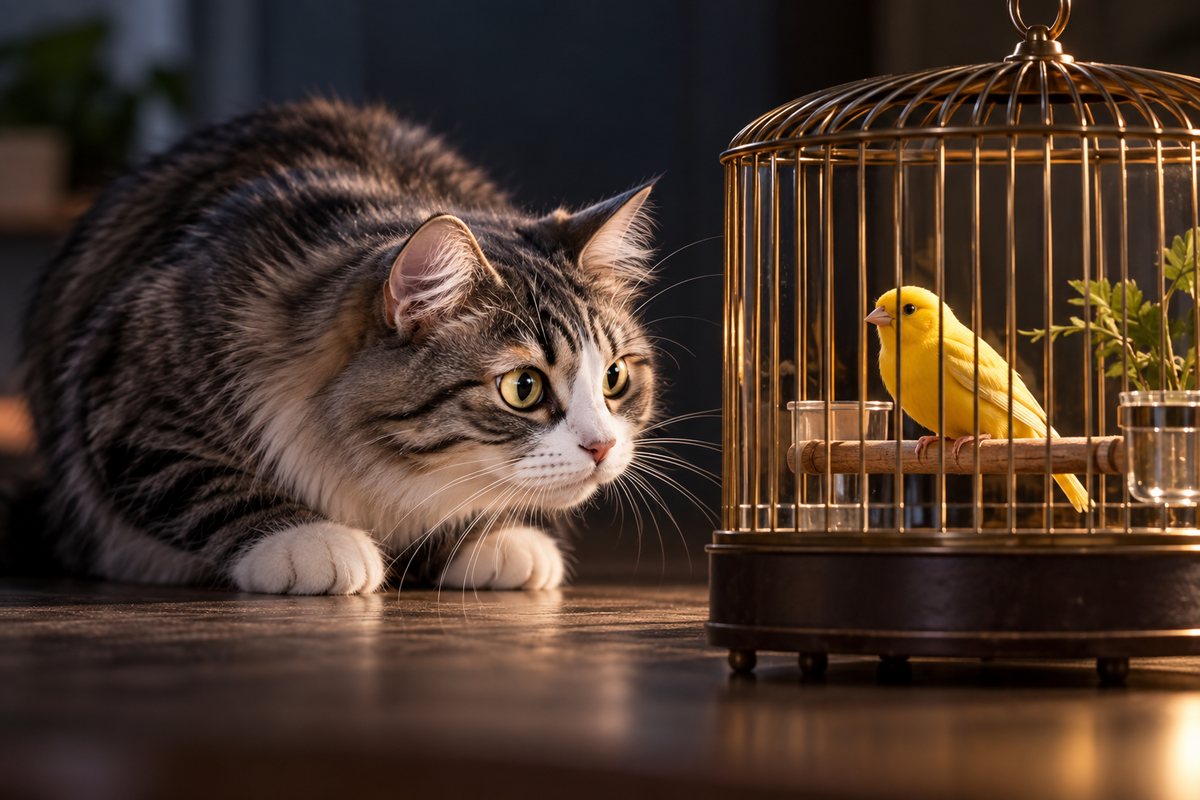
| Living around small pets | Normal predatory caution RagaMuffins are selected for a gentle, relaxed companion temperament rather than intense hunting behavior. Gentleness toward people is not evidence of safety with prey-sized animals, so birds and rodents should remain securely separated. |
| Indoor & home environment needs | Gentle companionship · secure indoor living Close social temperament and low defensiveness favor protected companion living. |
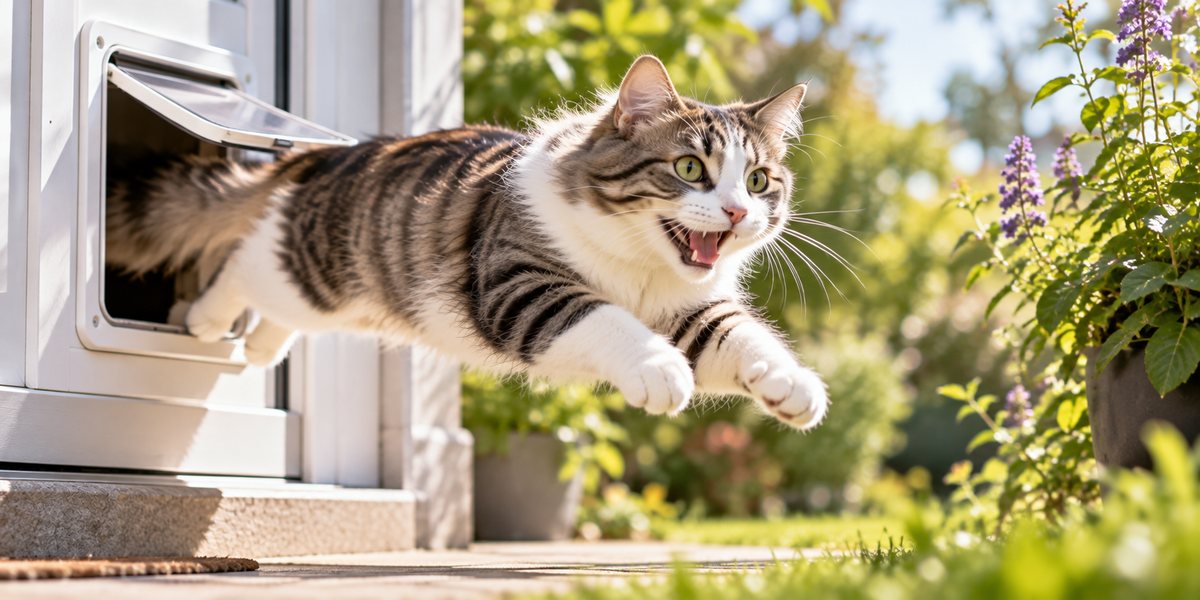
| Outdoor access considerations | Indoor or secure RagaMuffins are gentle, relaxed companion cats and are well suited to protected indoor living. Secure catio or enclosed-garden time can add enrichment, while free roaming offers little welfare advantage and may expose a trusting cat to unnecessary hazards. |
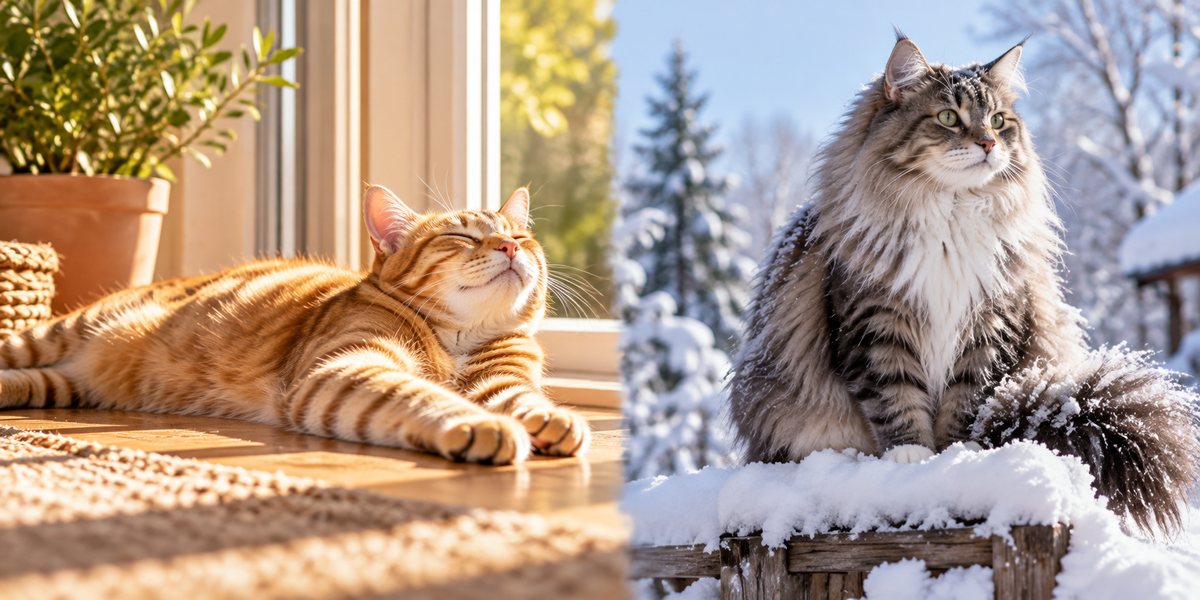
| Heat, cold & sun considerations | Dense longcoat heat caution RagaMuffins have a substantial plush coat that insulates well in cool weather. Hot conditions require shade, hydration, airflow and cool resting places, particularly for large or overweight individuals. |
| Caregiver time & experience | Moderate Coat care and companionship require regular involvement; behavior is generally forgiving. |
| Health & welfare | |
| Documented health predispositions | Moderate family risks RagaMuffins share ancestry with Ragdoll and Persian-related populations, making hypertrophic cardiomyopathy and polycystic kidney disease relevant concerns in some lines. Cardiac and kidney history and appropriate genetic screening should therefore be discussed with breeders. |
| Screening & breeder questions | Ask what health problems are tracked in the lines and request actual test results Ask about hypertrophic cardiomyopathy and polycystic kidney disease in the family, what cardiac and genetic screening is used, and request actual results for breeding parents where Ragdoll or Persian-related ancestry makes them relevant. |
| Conformation-related welfare | Low to moderate heavy type RagaMuffins are large, substantial cats. Their size and plush appearance should remain compatible with normal breathing, sound joints and easy movement, with obesity clearly distinguished from desired body substance. |
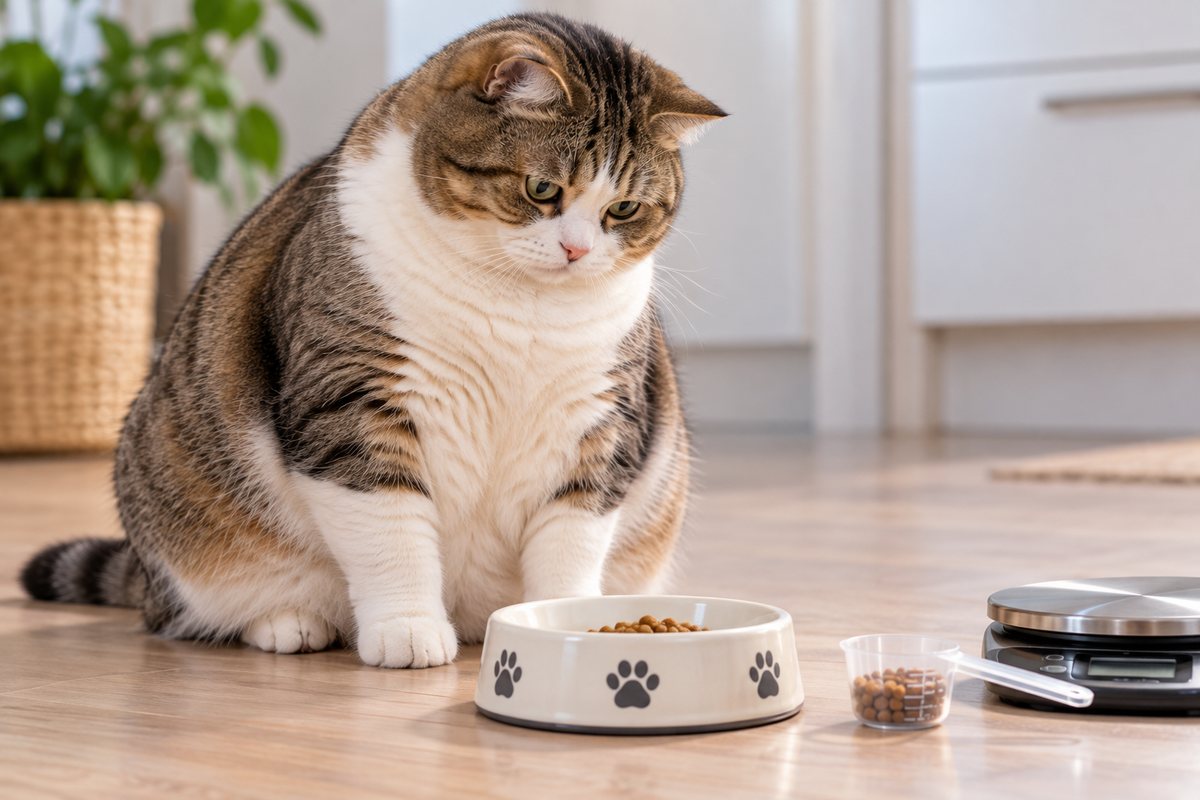
| Nutrition & weight management | Large coated weight watch RagaMuffins are large and heavily coated, which can make excess fat difficult to see. Measured feeding, regular play and hands-on rib and waist checks help preserve a substantial but lean body. |
| Longevity | 13–17 years RagaMuffins are substantial but generally moderate companion cats; about 13–17 years is a reasonable expectation with good weight and cardiac management. |
| Cost & availability | |
| Purchase cost | High: $800–$2,000 RagaMuffin: a practical breeder-market estimate is $800–$2,000. This reflects that it is an established but less common than the closely related Ragdoll. |
| Adoption & rehoming cost | Uncommon in rescue: $100–$500 typical rescue/adoption fee RagaMuffin: $100–$500 typical rescue/adoption fee. The breed does appear in rescue, but much less often than mixed-breed cats or the most numerous pedigrees. |
| Recurring ownership costs | Higher food/larger equipment Large size can increase food, litter and equipment costs, while the plush semi-long coat needs regular home combing. Routine dental/preventive care and weight management are more important recurring expenses than professional grooming. |
| Availability, waits & import | Uncommon but established RagaMuffins have an established breeder base, strongest in North America with smaller populations elsewhere. They are much less numerous than Ragdolls, so waiting lists or regional travel are common outside their core market. |
| Identity & real-world context | |
| Ownership & import restrictions | No known breed specific restrictions There are no known breed-specific ownership restrictions. Ordinary animal-welfare, identification, vaccination and cross-border import rules still apply where relevant. |
| Registry recognition | CFA: recognized breed/division Currently recognized by CFA in the FSC core matrix; it is not a separately recognized TICA or FIFe breed identity there. |
| Similar breeds & identity distinctions | Ragdoll RagaMuffins and Ragdolls share historical roots and a large, gentle semi-longhaired appearance. RagaMuffins permit a broader range of colors and patterns and are maintained as a separate pedigree population; pedigree is often the clearest distinction in look-alike individuals. |
| Reported characteristic quirks | Individual quirks often center on social routines RagaMuffins often greet familiar people and then settle very close, sometimes going conspicuously limp and relaxed when comfortably held. That relaxed handling style is a tendency rather than a guarantee. |
Browse all 53 breed characteristics
Open any characteristic to compare all breeds on that dimension.
 English