
Compare Cat Breeds
Compare up to three breeds across all 53 characteristics. Values are shown directly so the differences are easier to scan.
| Characteristic |  Oregon Rex (extinct) |
|---|---|
| Body & development | |
| Adult size | Small to medium |
| Adult weight | 2.3–4.5 kg (5.1–9.9 lb) Historical Oregon Rex cats were generally around 2.3–4.5 kg (5–10 lb). |
| Build & distinguishing morphology | Small to medium · slender rex type · fine bone Historical Oregon Rex cats were small-to-medium and relatively slender, with fine-to-moderate bone typical of early rex populations rather than a heavy cobby frame. |
| Maturation | 12-18 months Historical Oregon Rex cats were medium domestic rexes and would be expected to reach adult frame size near one year and finish filling out through roughly 12–18 months. |
| Coat & appearance | |
| Coat length | Very short Historical Oregon Rex had a short, curly/wavy Rex coat. |
| Coat texture & undercoat | Short rexed · soft wavy · reduced guard hairs The extinct Oregon Rex was characterized by a short, soft, wavy rexed coat with altered guard-hair structure rather than an ordinary straight double coat. |
| Colors & patterns | Broad domestic palette; solid · tabby · bicolor · tortie Historical Oregon Rex cats were not defined by a narrow colour; the curly coat occurred across ordinary domestic solids, tabbies, bicolours and tortie-type colours. |
| Eye colors | Gold · green · copper; coat-dependent Historical descriptions support the normal domestic range, most plausibly gold, green or copper according to coat colour. |
| Coat & routine care | |
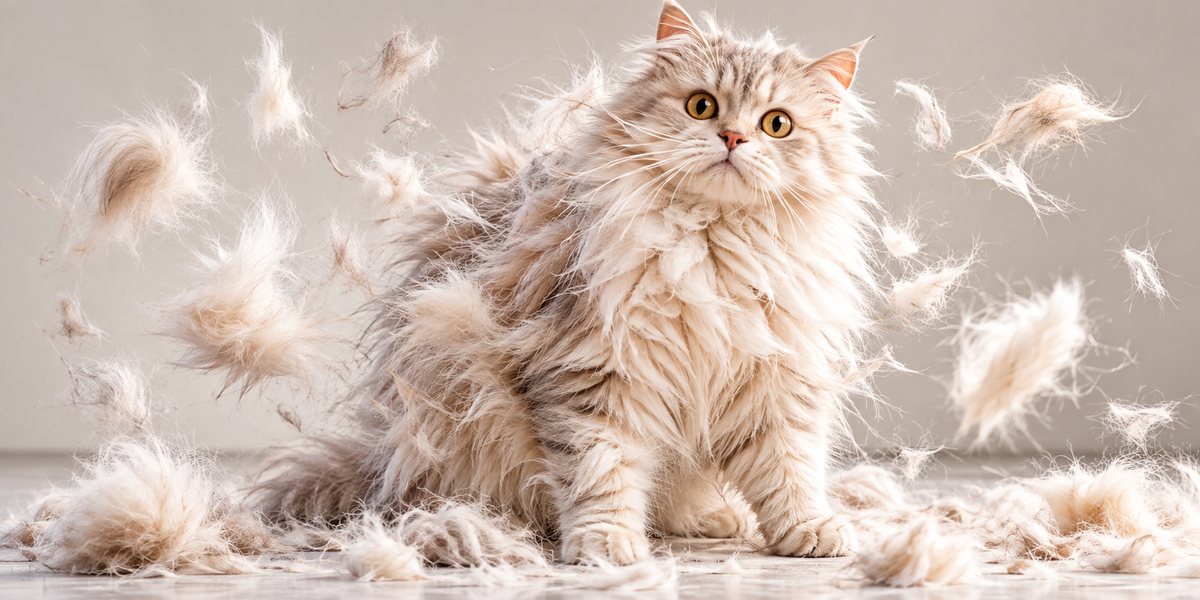
| Shedding | Low Low shedding is likely from the historical short, curly Rex coat, although surviving documentation is limited. |
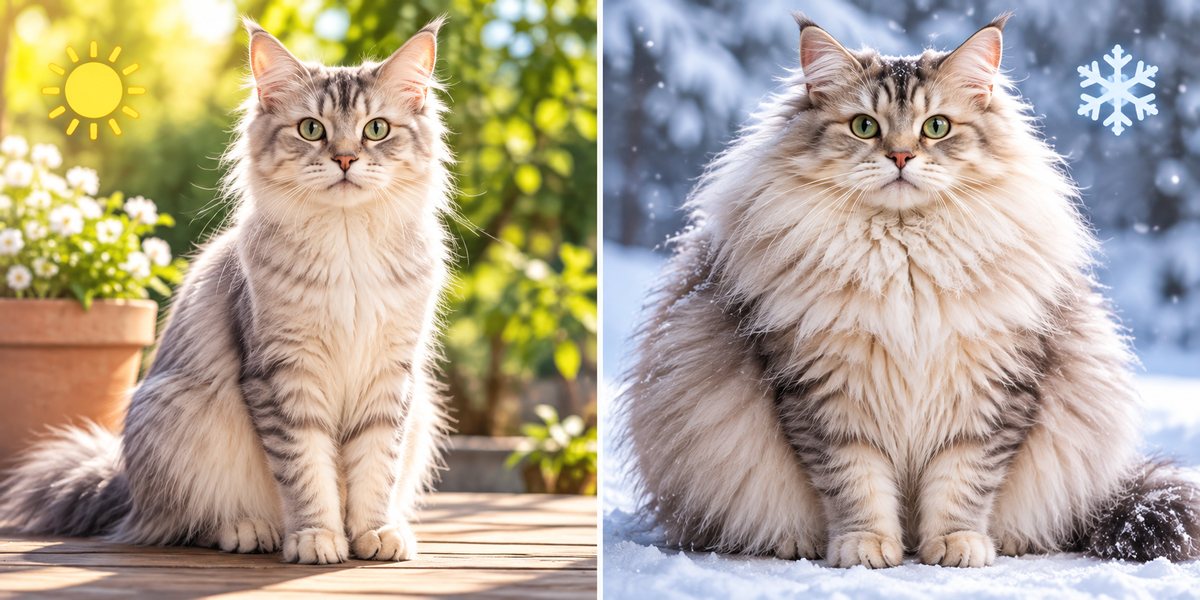
| Seasonal coat changes | Mild seasonal change Historical Oregon Rex cats had short rexed coats with reduced guard hair, making a mild seasonal turnover more plausible than a heavy undercoat shed. |
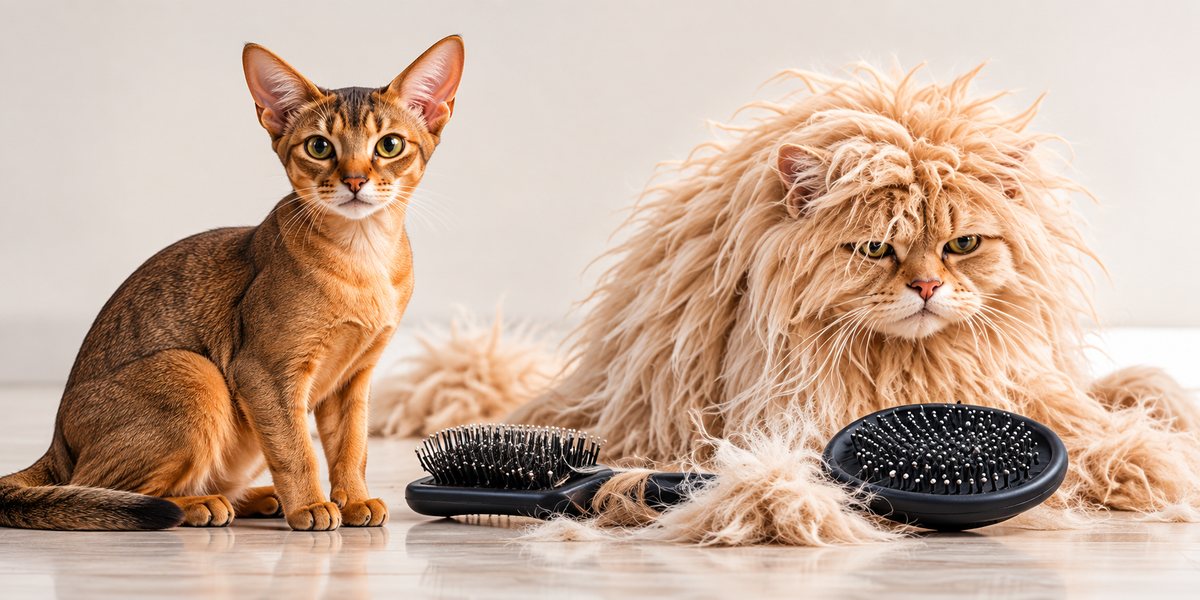
| Brushing & combing | Weekly or as needed Historical descriptions imply only gentle, occasional grooming would have been appropriate for the short Rex coat rather than routine hard brushing. |
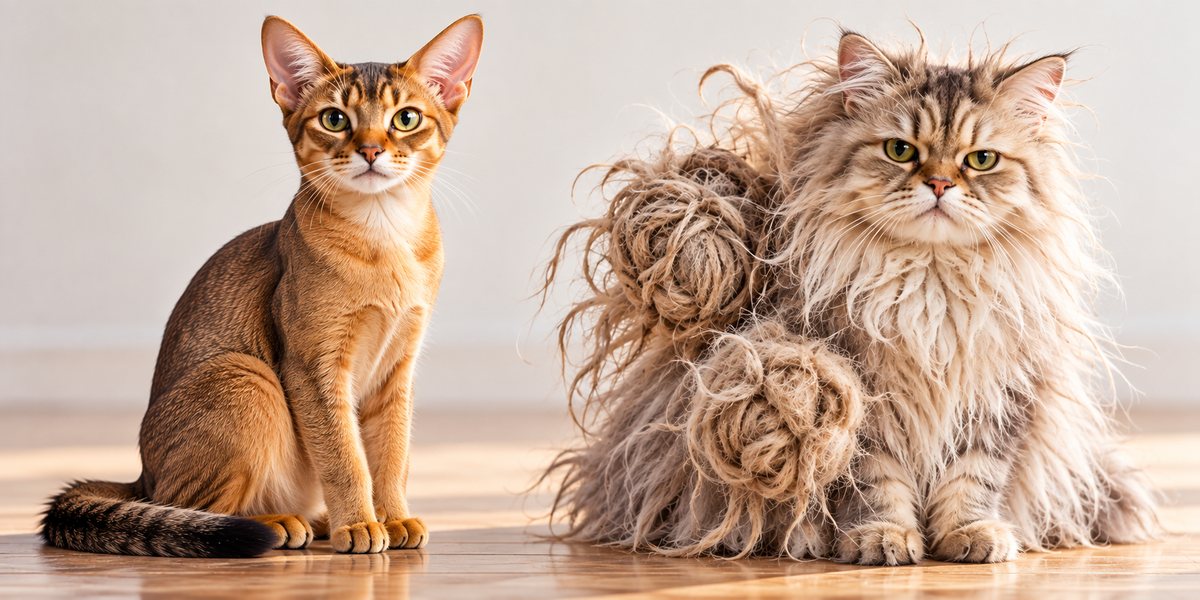
| Tangle & matting tendency | Very low The historical short rexed coat would have had little conventional matting risk, although altered hairs required gentler handling than a normal straight coat. |
| Skin & bathing care | Bathing not routinely needed Routine bathing is generally unnecessary; bathe only when the coat is genuinely soiled or for a specific veterinary or grooming reason. |
| Distinctive routine care | Historical rex care The extinct Oregon Rex would have required gentle handling of its curly coat and routine skin observation rather than intensive brushing. Any modern cat with a similar coat should be cared for according to its actual breed and individual skin condition. |
| Allergy & allergen evidence | No breed specific reduction established There is no known reason to regard this breed as hypoallergenic. All cats produce allergens, and coat length or shedding alone does not determine allergy risk. |
| Activity & intelligence | |
| Activity level | Moderate to high Historical Rex temperament descriptions support a moderately high activity level, although surviving breed-specific behavioral documentation is limited. |
| Playfulness | Moderate to high Probably highly playful by historical Rex standards, with an active, people-oriented temperament, though direct behavioral records are limited. |
| Climbing & jumping | Moderate Historical descriptions suggest an active Rex-type cat; moderate climbing and jumping ability is a reasonable estimate, without evidence for an extreme vertical drive. |
| Enrichment demand | Moderate Moderate-to-high enrichment demand is the best historical estimate: regular play, exploration and environmental variety would have suited its reported lively rex-type temperament. |
| Learning & training | High Historical descriptions of the Oregon Rex as active and people-oriented support a good general learning capacity, although the extinct breed leaves little direct training evidence. |
| Curiosity & exploration | Moderate Historical descriptions are too limited for a strong breed-specific claim; as a rex domestic cat, moderate curiosity with playful investigation is the most defensible estimate. |
| Hunting & chasing tendencies | Moderate to high Historical descriptions support an active rex-type temperament, making moderate-to-strong chase play the best estimate, though breed-specific behavioral evidence is limited. |
| Personality & social | |
| Sociability with familiar people | High Historical descriptions portray the Oregon Rex as affectionate and strongly bonded to its people. |
| Affection | Loyal · affectionate · close bond The Oregon Rex was known as a loyal, affectionate companion. |
| Lap & cuddling preference | High Historical descriptions portray the Oregon Rex as affectionate and people-oriented, consistent with a relatively strong preference for cuddling and close resting contact. |
| Handling tolerance | High Historical rex accounts describe an affectionate, people-oriented cat, making good tolerance of ordinary handling a reasonable reconstruction for the extinct Oregon Rex. |
| Independence & social demand | High social demand Historical accounts place the Oregon Rex among the affectionate, people-oriented rex types, suggesting a relatively high need for companionship and interaction. |
| Vocalization | Low to moderate; individual conversational style varies Probably moderately vocal based on historical Rex temperament descriptions, although documentation is too limited to justify an extreme rating. |
| Response to unfamiliar people | High Historical descriptions portray the Oregon Rex as affectionate and people-oriented; the best available inference is a curious, relatively outgoing response to newcomers. |
| Adaptability to change | Moderate to high Historical descriptions portray the Oregon Rex as active and affectionate; on that temperament profile it was probably reasonably adaptable, though evidence is necessarily limited for this extinct breed. |
| Noise & busy-environment sensitivity | Moderate Historical accounts describe an affectionate, active rex cat; a moderate response to household noise is the safest reconstruction, without evidence for unusual sensitivity or boldness. |
| Defensive & conflict behaviour | Moderate The extinct Oregon Rex is too sparsely documented for a strong behavioral claim. Historical descriptions support an affectionate companion-cat profile, but a moderate conflict assessment is safer because the population was small and no modern breed-wide evidence can refine it. |
| Household & environment | |
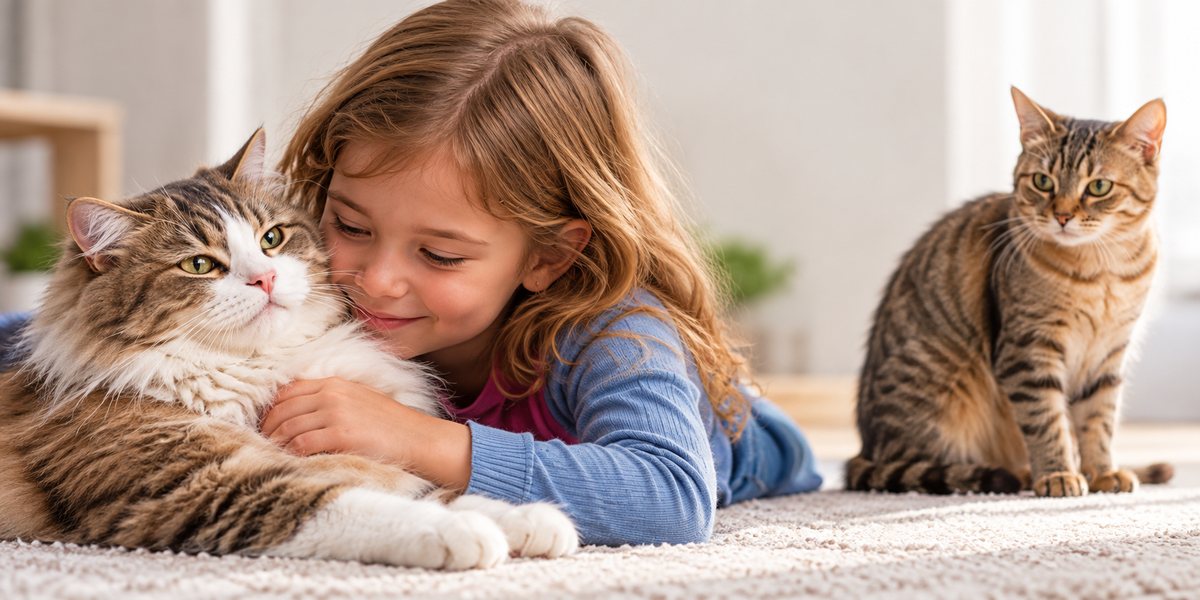
| Living with children | Moderate Historical descriptions portray the Oregon Rex as affectionate and companionable, but the extinct breed has too little behavioral evidence for a strong family rating. Its suitability with children would have depended heavily on the individual cat and respectful handling. |
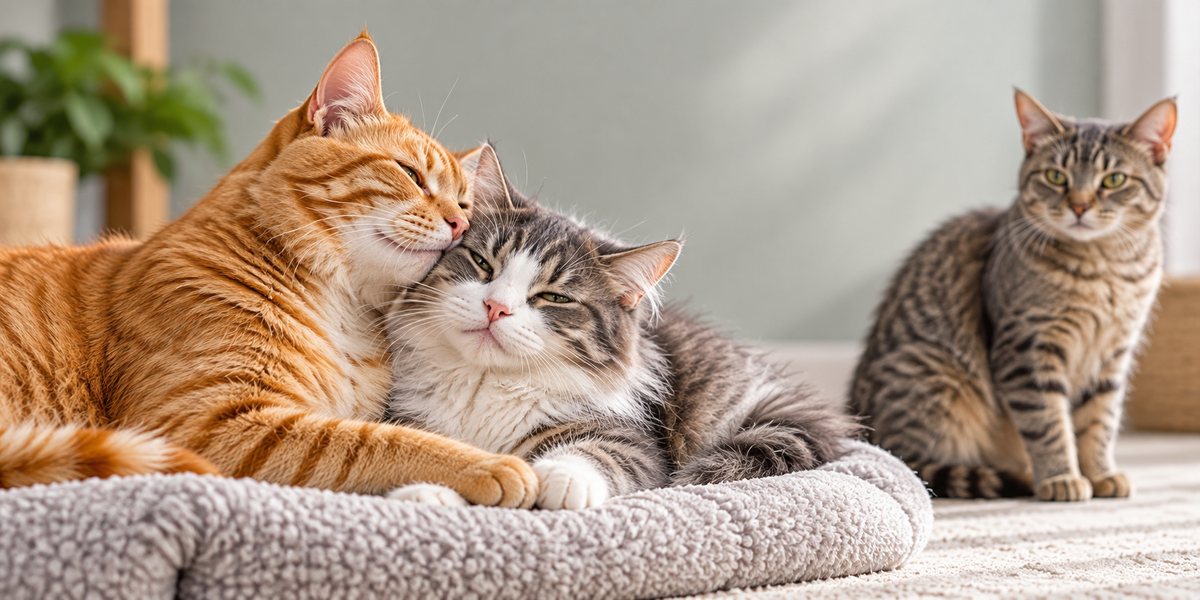
| Living with other cats | Often workable Historical descriptions portray the Oregon Rex as affectionate, playful and people-oriented, suggesting that compatible multi-cat living was quite plausible. Because the breed is extinct and documentation is sparse, this is best treated as a temperament-based historical assessment rather than a strong breed-wide claim. |
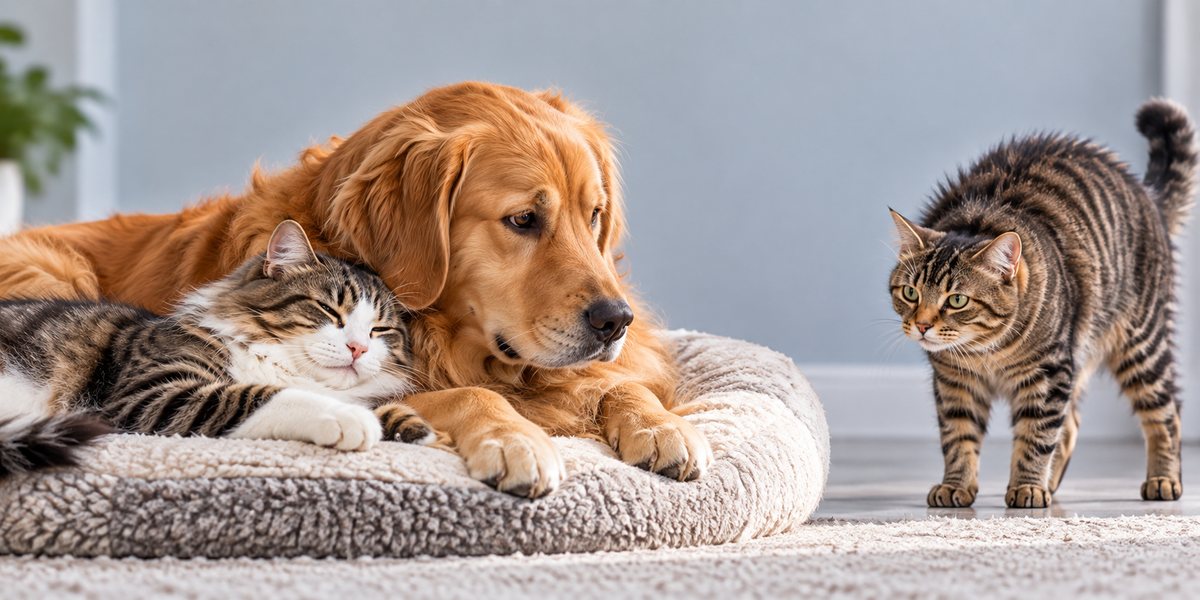
| Living with dogs | Moderate Historical descriptions suggest the Oregon Rex was affectionate and companionable, but evidence is too sparse for a strong dog-compatibility claim. A moderate assessment best reflects likely ordinary domestic-cat adaptability plus substantial individual variation. |
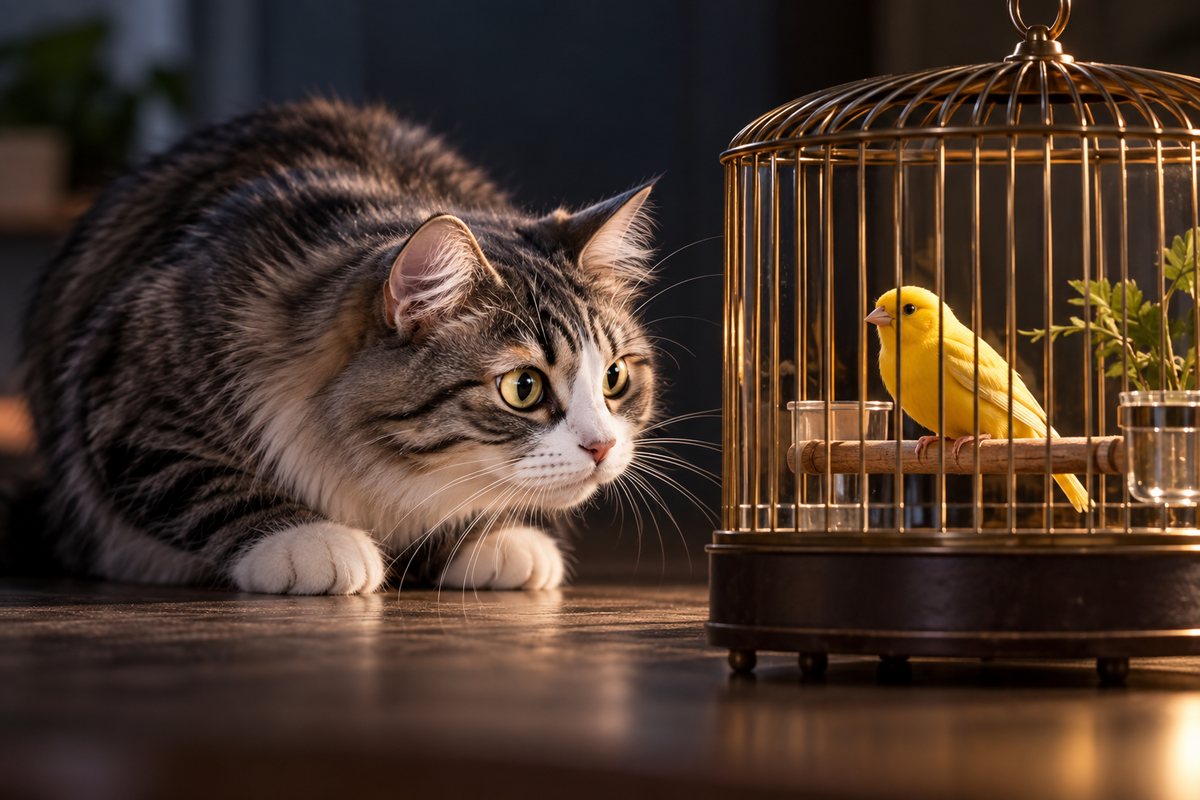
| Living around small pets | Normal predatory caution The extinct Oregon Rex lacks enough behavioral documentation to support a distinctive hunting profile. Historical companion temperament does not establish small-pet safety, so normal feline predatory caution is the appropriate assessment. |
| Indoor & home environment needs | Balanced indoor The extinct Oregon Rex lacks enough evidence for specialized environmental requirements. Historical companion-cat descriptions support a conventional enriched setup with warm resting areas, climbing, scratching, observation and regular play. |
| Outdoor access considerations | Secure optional Historical evidence does not establish any special outdoor requirement for the extinct Oregon Rex. As with an ordinary companion cat, outdoor stimulation could be offered securely without assuming that unrestricted roaming was necessary. |
| Heat, cold & sun considerations | Rex cold sensitivity Historical Oregon Rex cats had a short curly coat likely to offer less insulation than a dense conventional coat. The best current assessment is a preference for protected warmth in cold weather plus ordinary shade and hydration during heat. |
| Caregiver time & experience | Moderate The extinct Oregon Rex lacks enough evidence for a specialized care profile. Historical descriptions support a moderate companion-cat routine with social interaction, active play and gentle care of the short curly coat. |
| Health & welfare | |
| Documented health predispositions | Limited historical data The Oregon Rex is extinct and its health record was never developed enough to establish a characteristic inherited disease profile. Any health assessment is therefore historical and limited; the Rex coat itself may have required gentle skin and hair care. |
| Screening & breeder questions | Ask what health problems are tracked in the lines and request actual test results For any modern claim of Oregon Rex ancestry, first ask for verifiable pedigree evidence. The historical breed is extinct, so there is no contemporary screening program; any revived line requires health assessment based on its actual founder breeds. |
| Conformation-related welfare | Moderate historical coat concern The extinct Oregon Rex was distinguished by a Rex coat rather than skeletal exaggeration. Historical welfare concerns would chiefly involve skin, whisker and coat function; any modern recreation should be judged on its actual founder genetics rather than the extinct name. |
| Nutrition & weight management | Historical standard nutrition The extinct Oregon Rex had no documented special dietary requirement. A cat of that type would have been managed with complete feline nutrition adjusted to body condition and activity, with no evidence supporting a breed-specific ration. |
| Longevity | 12–15 years For the extinct Oregon Rex, roughly 12–15 years is the best practical historical estimate; surviving documentation is too limited for a tighter breed-specific range. |
| Cost & availability | |
| Purchase cost | Not commercially available: No current breeder market Oregon Rex (extinct): a practical breeder-market estimate is No current breeder market. This reflects that it is an breed is extinct. |
| Adoption & rehoming cost | Not normally applicable: No normal breed-specific rescue market Oregon Rex (extinct): No normal breed-specific rescue market. The breed has no meaningful current breeding population, so breed-specific adoption pricing is not a useful category. |
| Recurring ownership costs | Typical cat costs The Oregon Rex is extinct, so there is no contemporary ownership budget for the breed. Historically its Rex coat would have shifted maintenance toward gentle skin/coat care rather than expensive grooming. |
| Availability, waits & import | Extinct The Oregon Rex is extinct as a distinct breed, so there is no legitimate contemporary breeder availability or import market. Modern Rex cats cannot become Oregon Rex merely through similar coat appearance. |
| Identity & real-world context | |
| Ownership & import restrictions | No known breed specific restrictions There are no known breed-specific ownership restrictions. Ordinary animal-welfare, identification, vaccination and cross-border import rules still apply where relevant. |
| Registry recognition | Extinct historical breed The Oregon Rex is an extinct historical breed, not a current recognized breeding population in CFA, TICA or FIFe. |
| Similar breeds & identity distinctions | Other Rex breeds The Oregon Rex was a distinct historical curly-coated population, not simply any Rex-coated cat from Oregon. Because it is extinct, modern Cornish, Devon or German Rex cats cannot be identified as Oregon Rex from coat resemblance. |
| Reported characteristic quirks | Individual quirks often center on play and exploration Historical Oregon Rex accounts center more on the unusual curly coat than on a unique behavior. A modern claim of an 'Oregon Rex personality' would be anachronistic because the distinct breeding population is extinct. |
Browse all 53 breed characteristics
Open any characteristic to compare all breeds on that dimension.

 English