
Compare Cat Breeds
Compare up to three breeds across all 53 characteristics. Values are shown directly so the differences are easier to scan.
| Characteristic |  Ojos Azules |
|---|---|
| Body & development | |
| Adult size | Medium |
| Adult weight | 4.1–5.4 kg (9.0–11.9 lb) Historical Ojos Azules were generally around 4.1–5.4 kg (9–12 lb). |
| Build & distinguishing morphology | Medium · balanced · moderate bone · non extreme Historical Ojos Azules were medium, balanced domestic-type cats with moderate bone and no defining structural extreme beyond the eye-colour trait. |
| Maturation | 12-18 months The historical Ojos Azules was a moderate domestic type; most growth would be expected within the first year, with adult filling-out through roughly 12–18 months. |
| Coat & appearance | |
| Coat length | Short · semi long Historical Ojos Azules existed in shorthair and longhair forms. |
| Coat texture & undercoat | Short or medium · ordinary domestic texture · moderate undercoat Historical Ojos Azules cats were not defined by a special coat texture; coats were generally short to medium with ordinary domestic-cat guard hair and moderate undercoat. |
| Colors & patterns | Broad palette; solid · tabby · tortie · bicolor; blue eye trait independent of coat The defining blue-eye trait was not tied to a single coat colour, so the breed appeared across solids, tabbies, torties and white-spotted patterns. |
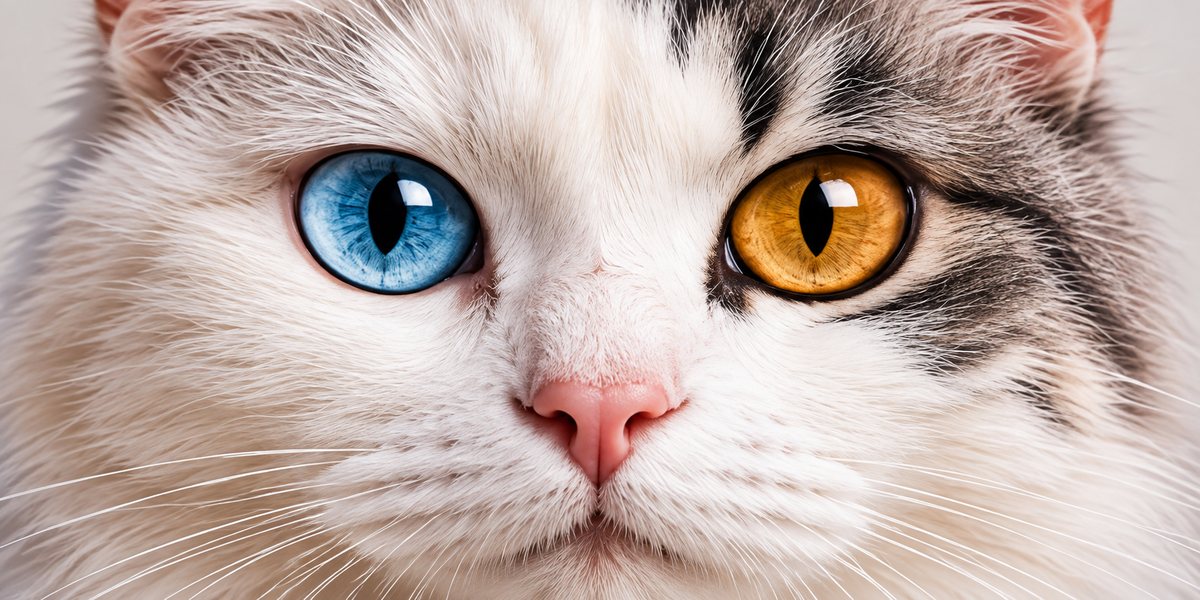
| Eye colors | Deep blue Deep blue eyes are the defining trait, including in cats without white or colourpoint coat genetics. |
| Coat & routine care | |
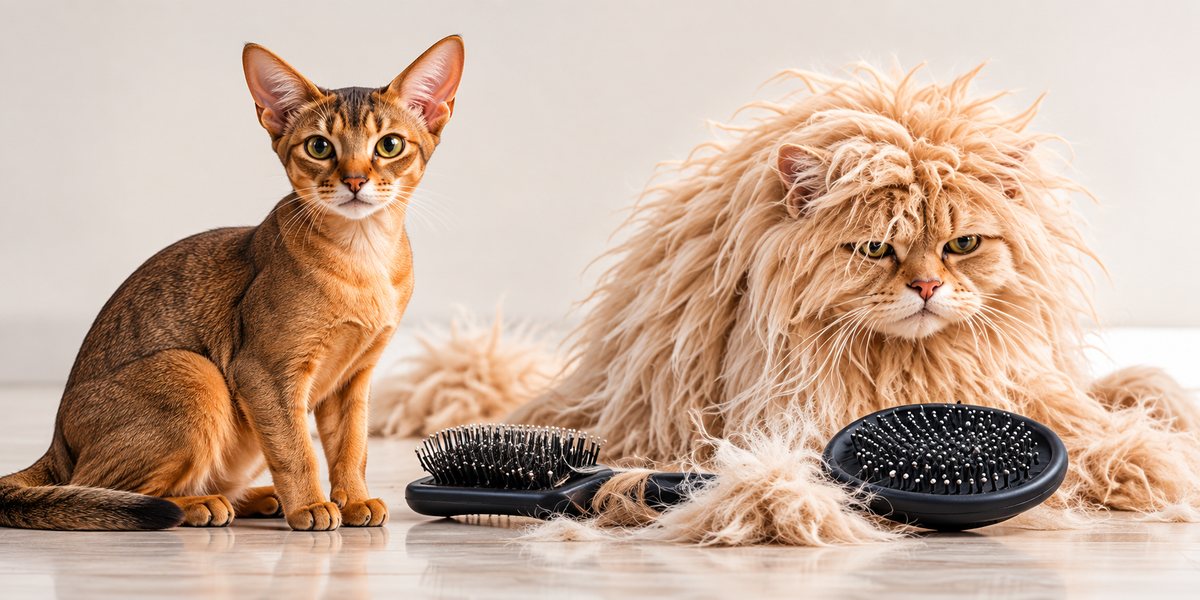
| Shedding | Low to moderate Low to moderate shedding is the best estimate; historical Ojos Azules included short and long coats, so individuals varied. |
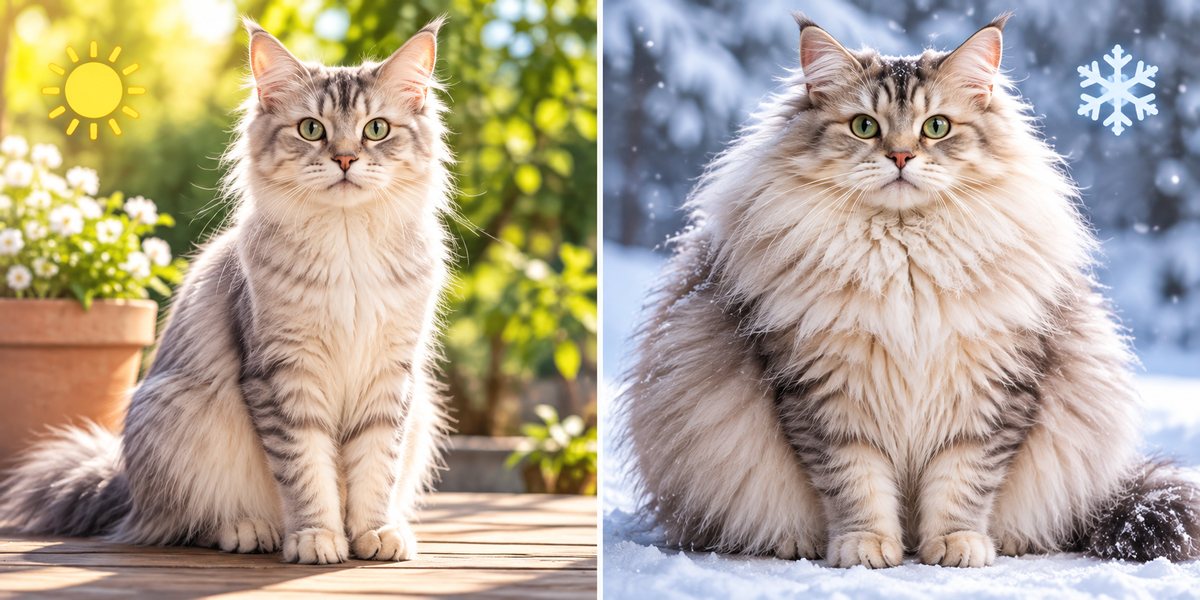
| Seasonal coat changes | Mild to moderate seasonal change Ojos Azules cats were described with ordinary short-to-medium domestic coats, so a mild-to-moderate spring and autumn turnover is the best current expectation rather than an extreme coat blow. |
| Brushing & combing | 3x week or as needed Historical coat variation means shorthairs need only weekly brushing, while longhaired individuals require combing several times a week. |
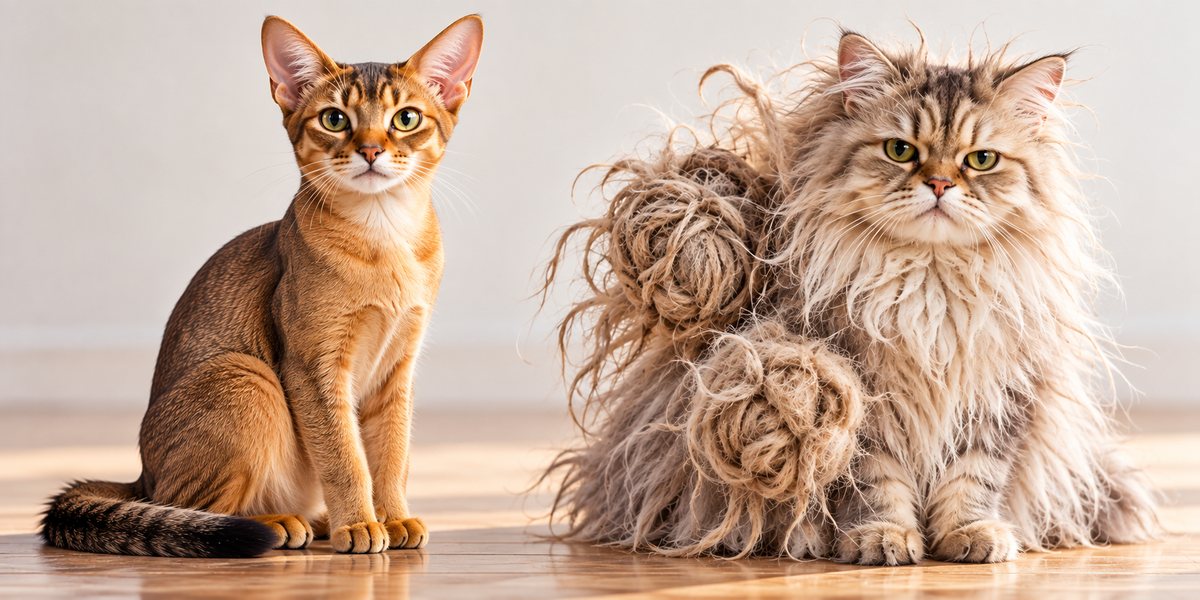
| Tangle & matting tendency | Low to moderate by length Shorthaired individuals would have little risk; medium-coated cats can develop ordinary friction-area tangles but lack a known breed-specific severe matting tendency. |
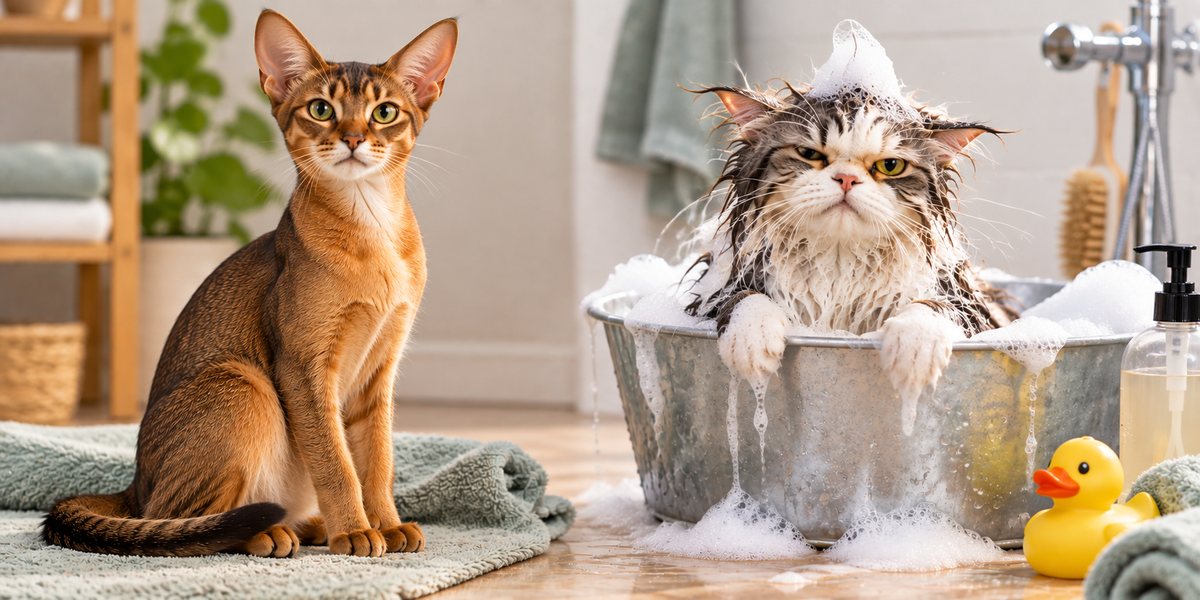
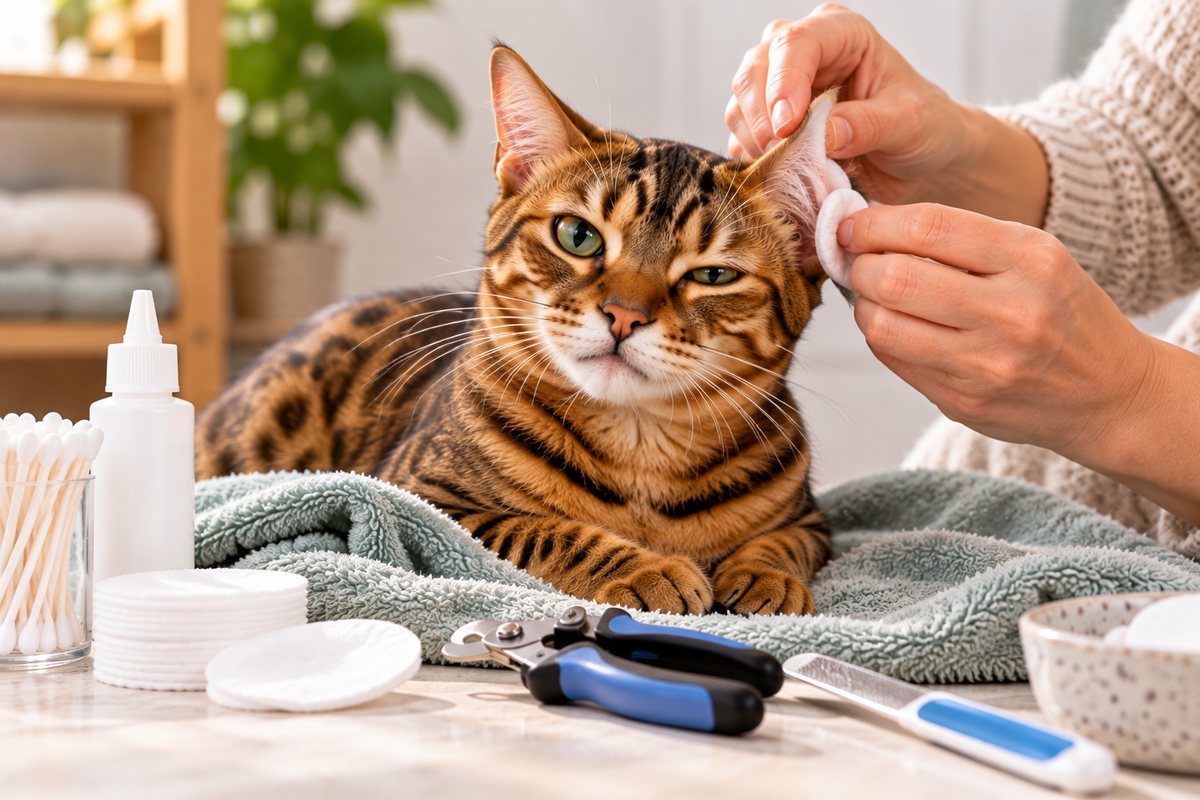
| Skin & bathing care | Bathing not routinely needed Routine bathing is generally unnecessary; bathe only when the coat is genuinely soiled or for a specific veterinary or grooming reason. |
| Distinctive routine care | Coat length variable Routine care depends on whether the individual is short- or longhaired: longer coats need regular detangling while short coats are simple. Given the breed's rarity, ordinary dental, ear, nail and health observation matters more than any supposed specialized beauty routine. |
| Allergy & allergen evidence | No breed specific reduction established There is no known reason to regard this breed as hypoallergenic. All cats produce allergens, and coat length or shedding alone does not determine allergy risk. |
| Activity & intelligence | |
| Activity level | Moderately active. |
| Playfulness | Playful without usually being hyperactive. |
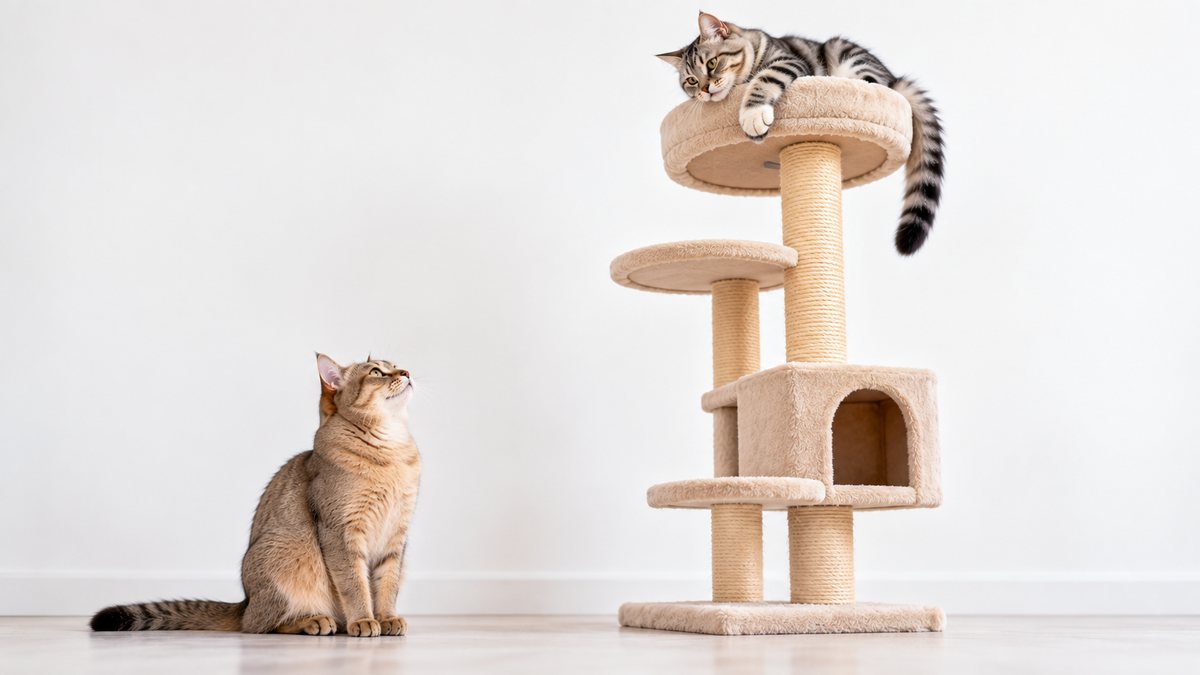
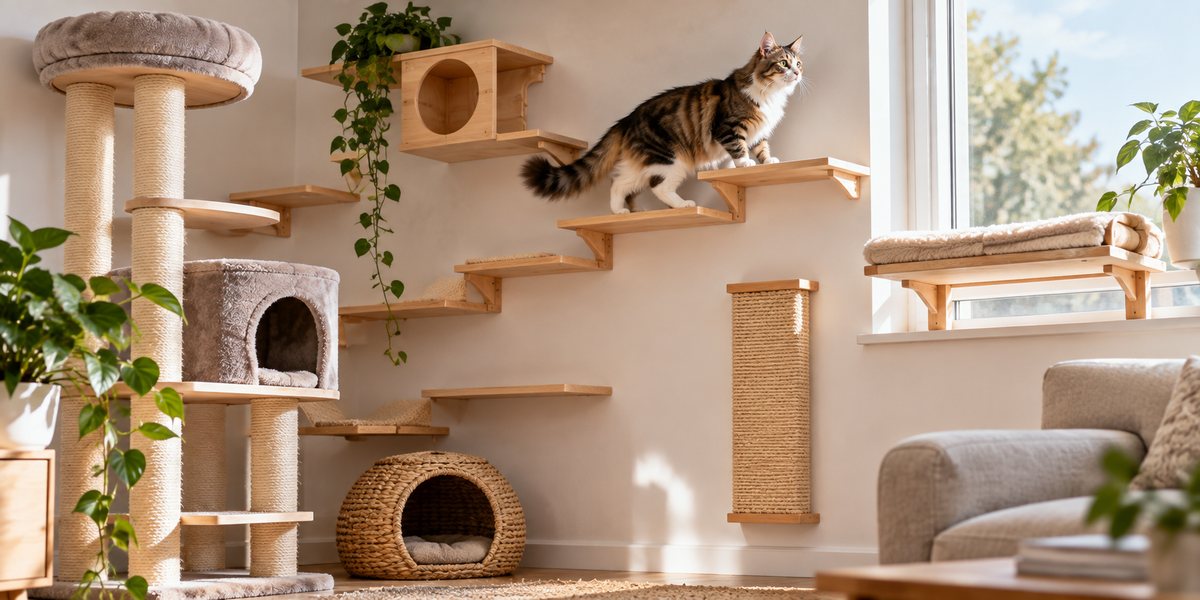
| Climbing & jumping | Moderate Available descriptions do not suggest unusual vertical specialization; expect normal feline climbing and provide secure perches at several practical heights. |
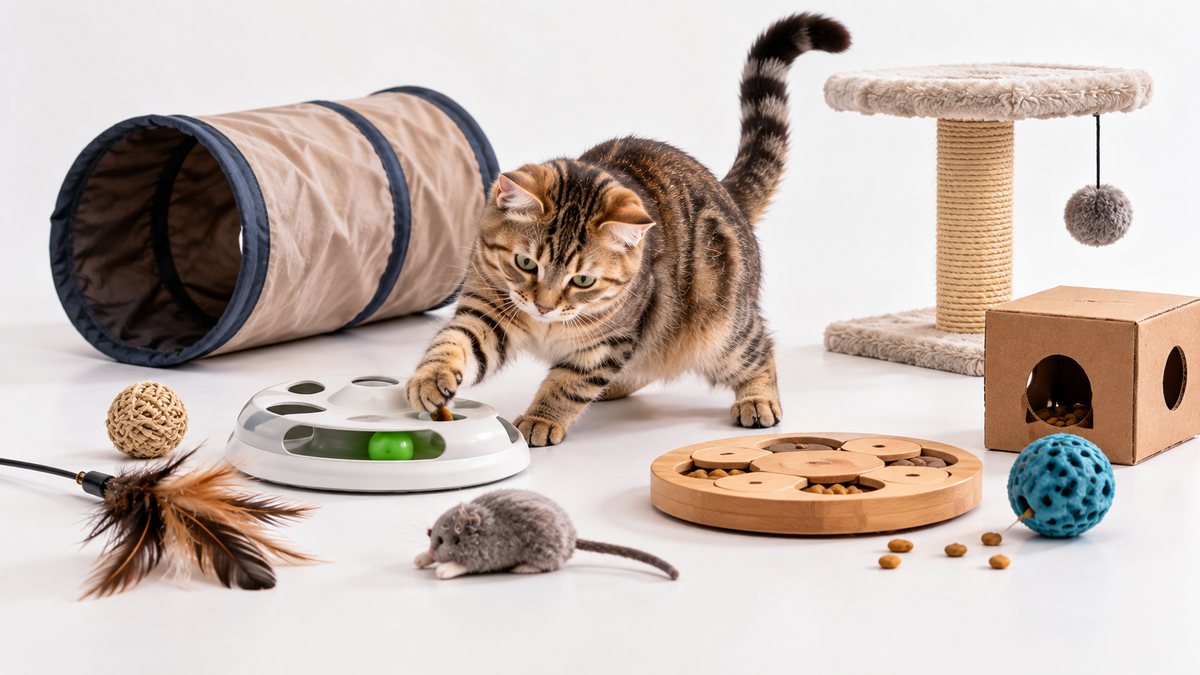
| Enrichment demand | Moderate Moderate enrichment demand: daily play and exploratory opportunities are appropriate, with enough toy variety to engage its curiosity without assuming extreme activity needs. |
| Learning & training | High The breed was described as intelligent and responsive. |
| Curiosity & exploration | High Temperament documentation is sparse for this rare breed; the best current estimate is normal-to-moderately-high feline curiosity, without evidence for an extreme exploratory phenotype. |
| Hunting & chasing tendencies | Moderate to high Evidence is sparse; the best current estimate is ordinary-to-moderate feline chase behavior rather than an unusually high or low hunting drive. |
| Personality & social | |
| Sociability with familiar people | High Historical descriptions portray Ojos Azules as affectionate and people-friendly. |
| Affection | Highly affectionate and companion-oriented. |
| Lap & cuddling preference | Moderate The historical Ojos Azules population was described as companionable, but behavioral evidence is limited; a moderate lap preference is the most defensible expectation rather than an extreme. |
| Handling tolerance | Moderate Historical descriptions indicate a moderate domestic-cat temperament; routine handling would be expected to be manageable with socialization, with substantial individual variation in an extinct/rare population. |
| Independence & social demand | Moderate With limited breed-specific behavioral evidence, the best current assessment is ordinary companion-level social demand rather than marked dependence or aloofness. |
| Vocalization | Usually relatively quiet rather than highly vocal. |
| Response to unfamiliar people | Generally confident and welcoming once comfortable. |
| Adaptability to change | Moderate Ojos Azules are best treated as moderately adaptable: the breed has too little stable behavioral documentation to justify an extreme rating, while its conventional domestic-cat build gives no strong reason to expect unusual difficulty with ordinary household change. |
| Noise & busy-environment sensitivity | Moderate Behavioral evidence for Ojos Azules is sparse; based on its domestic-cat foundation, moderate sensitivity with normal adaptation to familiar household sound is the most defensible estimate. |
| Defensive & conflict behaviour | Moderate Behavioral evidence for Ojos Azules is too limited for an extreme breed-level rating. A moderate assessment is most appropriate: expect ordinary domestic-cat avoidance and defensive boundary-setting, with socialization and individual temperament carrying more weight than breed. |
| Household & environment | |
| Living with children | Generally compatible with respectful children. |
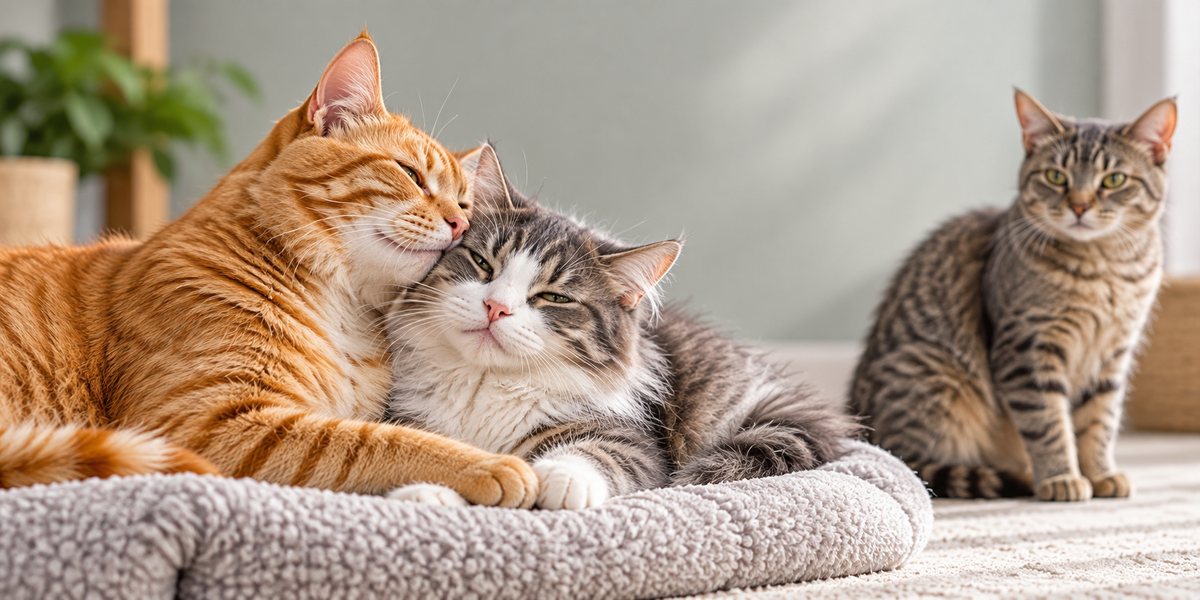
| Living with other cats | Often workable Historical descriptions of Ojos Azules portray affectionate, active companion cats, so living with another compatible cat was likely quite workable. Because the breed is exceptionally rare and its behavioral documentation is limited, individual temperament should carry more weight than the breed label. |
| Living with dogs | Good Generally compatible with cat-friendly dogs. |
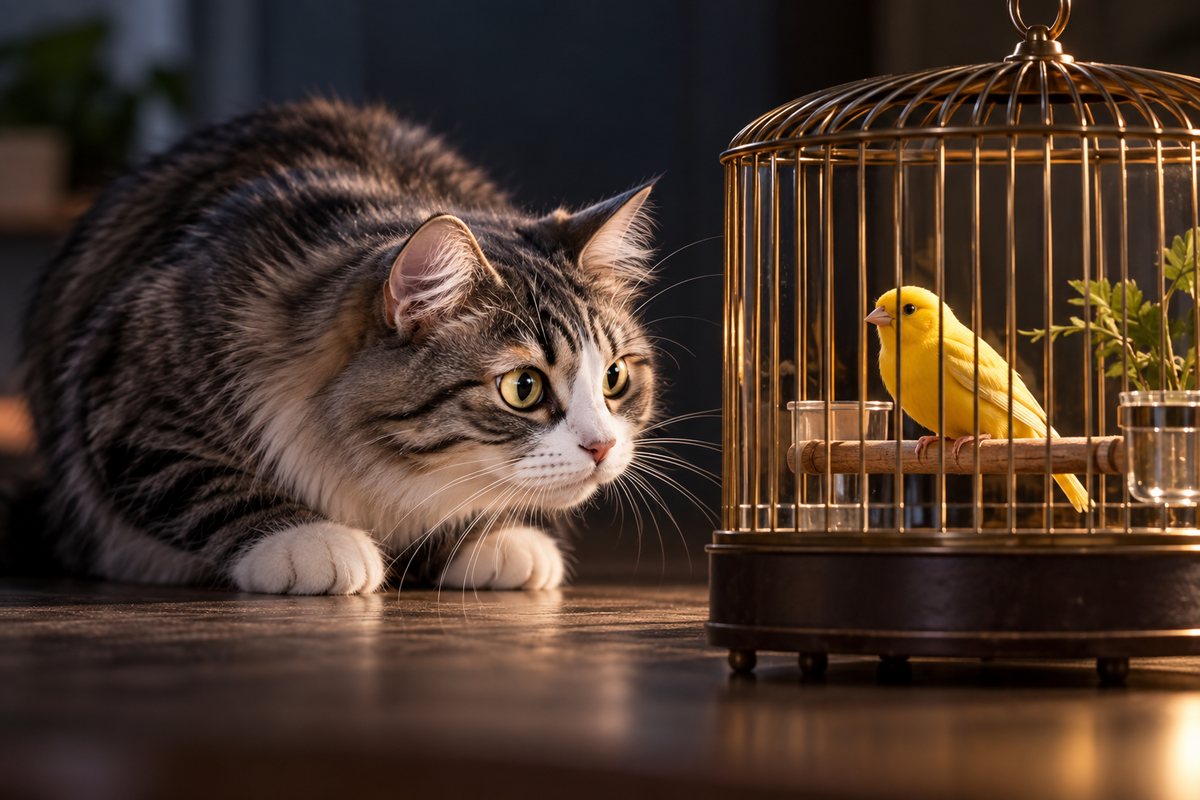
| Living around small pets | Normal predatory caution There is too little reliable behavioral evidence for Ojos Azules to justify a special prey-drive rating. The safest assessment is ordinary feline predatory caution, with birds and rodents securely separated from the cat. |
| Indoor & home environment needs | Balanced indoor Ojos Azules are too sparsely documented to justify unusual indoor requirements. The sound default is a varied feline environment with climbing, scratching, hiding, observation opportunities and regular interactive play matched to the individual. |
| Outdoor access considerations | Secure optional Ojos Azules lack enough reliable behavioral evidence for a distinctive outdoor profile. An enriched indoor life is sufficient; any outdoor access is best treated as optional and provided through secure containment. |
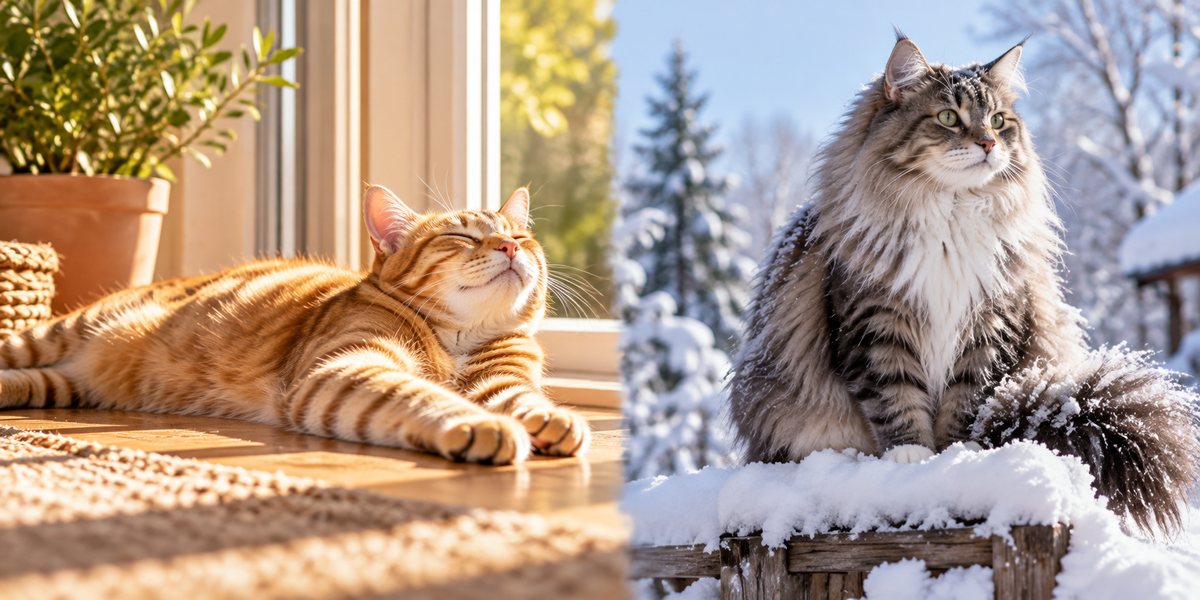
| Heat, cold & sun considerations | Moderate coat adaptable Ojos Azules were reported in both short- and longhaired forms and lack evidence for a distinctive climate specialization. Ordinary indoor temperature management, shade and hydration in heat, and warm dry shelter in cold are the best current guidance. |
| Caregiver time & experience | Moderate Ojos Azules are too sparsely documented for a specialized care profile. A moderate conventional commitment is the best current assessment: daily companionship and play, grooming appropriate to coat length and attentive routine health care. |
| Health & welfare | |
| Documented health predispositions | Historical genetic concern The original Ojos Azules population raised concern because the blue-eye trait was associated in early breeding with severe developmental defects when inherited from both parents. The breed is now extremely rare, so any claimed line warrants unusually careful pedigree and genetic scrutiny. |
| Screening & breeder questions | Ask what health problems are tracked in the lines and request actual test results Ask for verifiable ancestry and how the breeder avoids matings associated historically with homozygous Ojos Azules developmental defects. Request detailed reproductive, neonatal and structural health records because surviving lines are exceptionally rare. |
| Conformation-related welfare | High historical genetic concern The original Ojos Azules eye-color mutation was associated with severe developmental abnormalities when inherited in duplicate. Welfare-focused breeding therefore requires genetic caution around the defining eye trait itself, not simply selection for ever deeper blue eyes. |
| Nutrition & weight management | Moderate condition led Ojos Azules have no established breed-specific nutritional requirement. A complete feline diet adjusted to individual body condition, activity and life stage is the best current approach for this extremely rare breed. |
| Longevity | 12–16 years For the rare Ojos Azules, about 12–16 years is a cautious domestic-cat estimate; the tiny historical population makes unusually precise breed-level longevity claims inappropriate. |
| Cost & availability | |
| Purchase cost | Not commercially available: No reliable current breeder market Ojos Azules has no reliable current breeder-market price because there is no established contemporary breeding market; any sale claim should be evaluated for documented pedigree rather than against a normal breed price range. |
| Adoption & rehoming cost | Not normally applicable: No normal breed-specific rescue market Ojos Azules: No normal breed-specific rescue market. The breed has no meaningful current breeding population, so breed-specific adoption pricing is not a useful category. |
| Recurring ownership costs | Coat maintenance There is no reliable contemporary breed-specific recurring-cost profile because the organized breed is effectively unavailable. A historical Ojos Azules would still have required ordinary food and veterinary care, with responsible breeding focused on the mutation's developmental risks. |
| Availability, waits & import | Effectively unavailable Ojos Azules are generally considered extremely rare to effectively extinct as an organized breed. A readily available kitten marketed under the name should be treated cautiously and supported by unusually strong pedigree documentation. |
| Identity & real-world context | |
| Ownership & import restrictions | No known breed specific restrictions There are no known breed-specific ownership restrictions. Ordinary animal-welfare, identification, vaccination and cross-border import rules still apply where relevant. |
| Registry recognition | Historical TICA recognition discontinued Ojos Azules had historical TICA recognition, but that recognition and breeding program were discontinued; it is not a current recognized breed in the FSC core matrix. |
| Similar breeds & identity distinctions | Blue eyed white colorpoint cats Ojos Azules were defined by unusually deep blue eyes occurring independently of white coat or colorpoint. A blue-eyed white cat or Siamese-type colorpoint is therefore not automatically Ojos Azules; documented ancestry from the original mutation is essential. |
| Reported characteristic quirks | Individual quirks often center on play and exploration No distinctive behavior is securely tied to the Ojos Azules eye-color mutation. Its genuine oddity was visual—deep blue eyes occurring without the usual white or colorpoint explanation—so individual behavioral anecdotes should not be generalized. |
Browse all 53 breed characteristics
Open any characteristic to compare all breeds on that dimension.













 English