
Compare Cat Breeds
Compare up to three breeds across all 53 characteristics. Values are shown directly so the differences are easier to scan.
| Characteristic |  Ocicat |
|---|---|
| Body & development | |
| Adult size | Medium to large |
| Adult weight | Females 3.6–4.5 kg (7.9–9.9 lb); Males 4.5–5.4 kg (9.9–11.9 lb) Females are usually around 3.6–4.5 kg (7.9–9.9 lb) and males around 4.5–5.4 kg (9.9–11.9 lb), with some lines extending modestly beyond those figures. |
| Build & distinguishing morphology | Powerful · athletic · muscular · semi foreign Build: powerful; athletic; muscular; semi foreign. |
| Maturation | 18-24 months Ocicats generally reach near-adult frame size during the first year and continue adding the dense, athletic musculature characteristic of the breed through roughly 18–24 months. |
| Coat & appearance | |
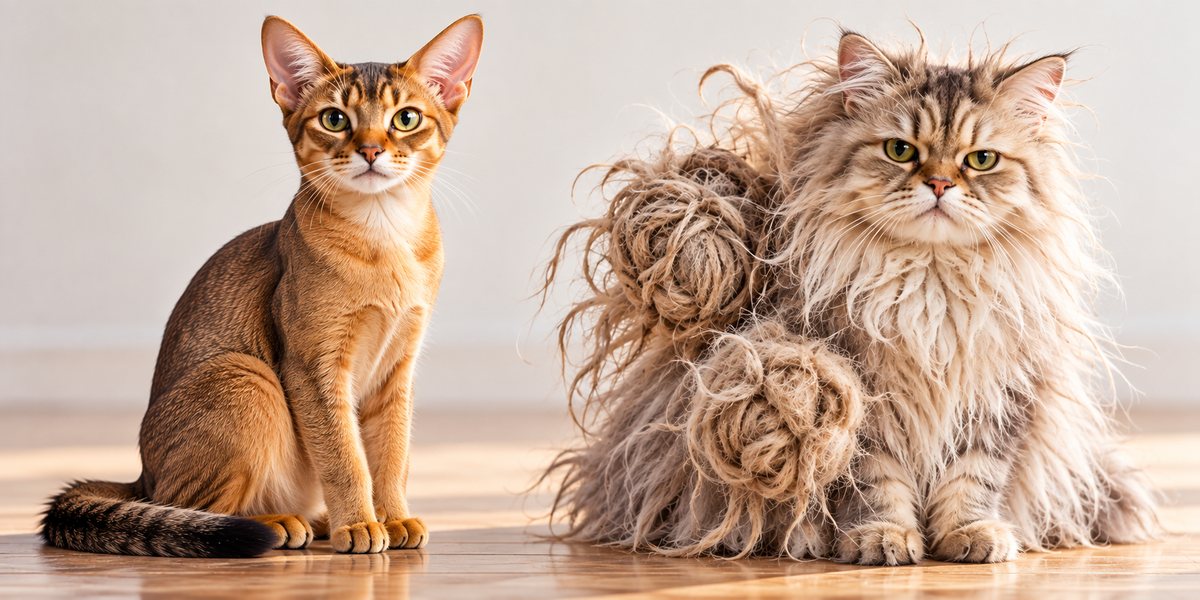
| Coat length | Short Short, tight coat. |
| Coat texture & undercoat | Short · tight · ticked spotted Coat: short; tight; ticked spotted. |
| Colors & patterns | Spotted only · brown chocolate cinnamon blue lilac fawn plus silver Colors/patterns: spotted only; brown chocolate cinnamon blue lilac fawn plus silver. |
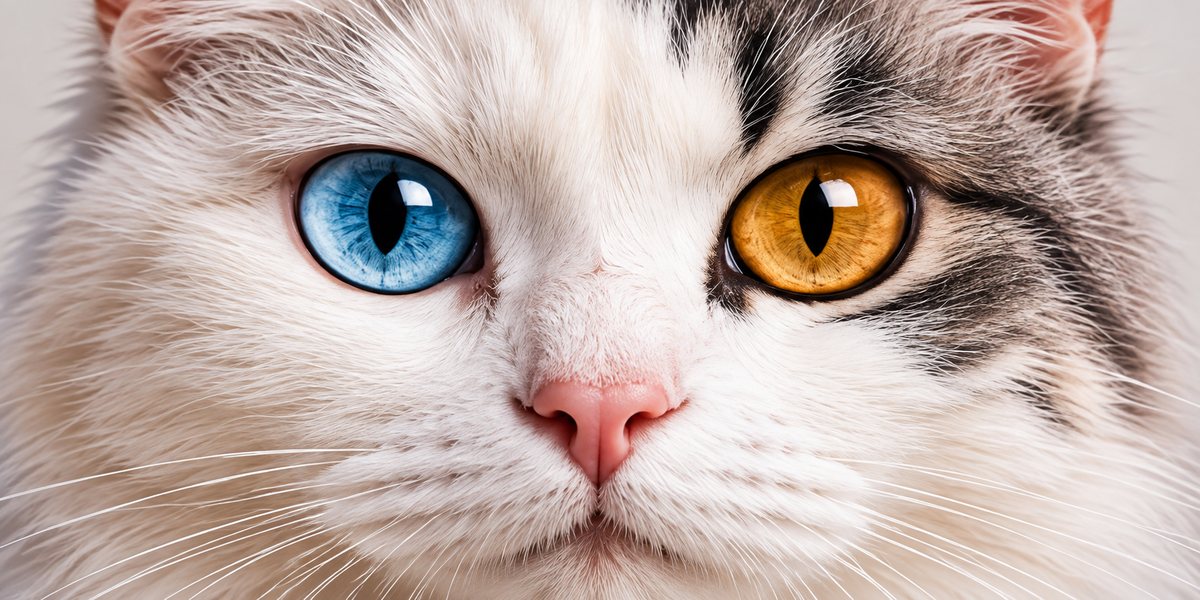
| Eye colors | Gold · green · hazel · copper; blue excluded Gold, green, hazel and copper occur; blue eyes are generally excluded because colourpointing is not part of the standard phenotype. |
| Coat & routine care | |
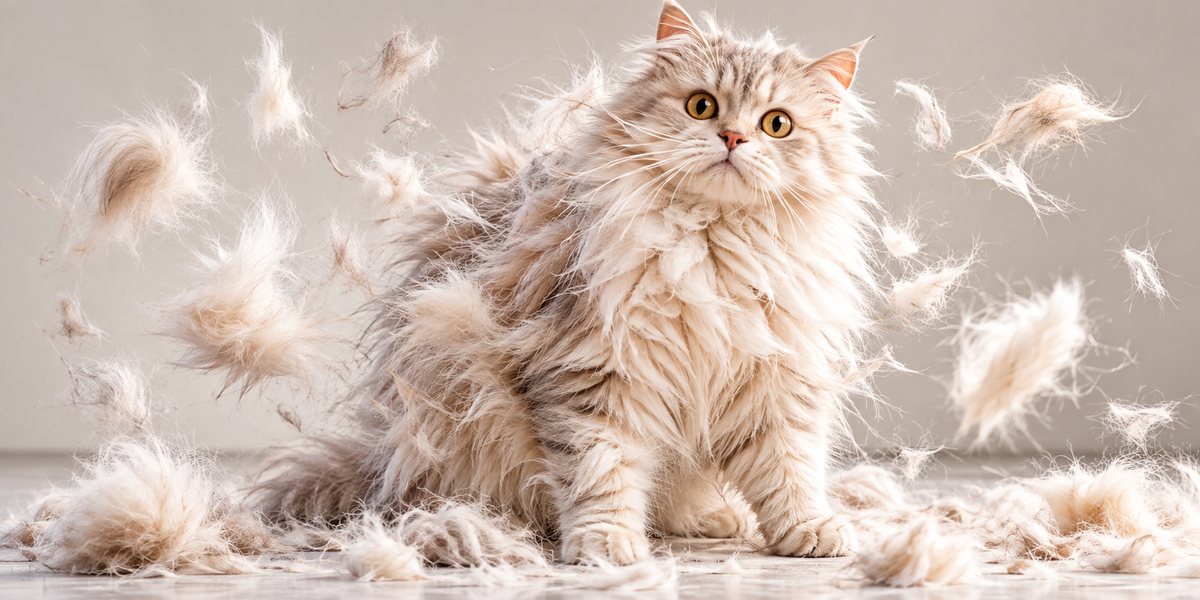
| Shedding | Low Low shedding from the sleek, close, short coat. |
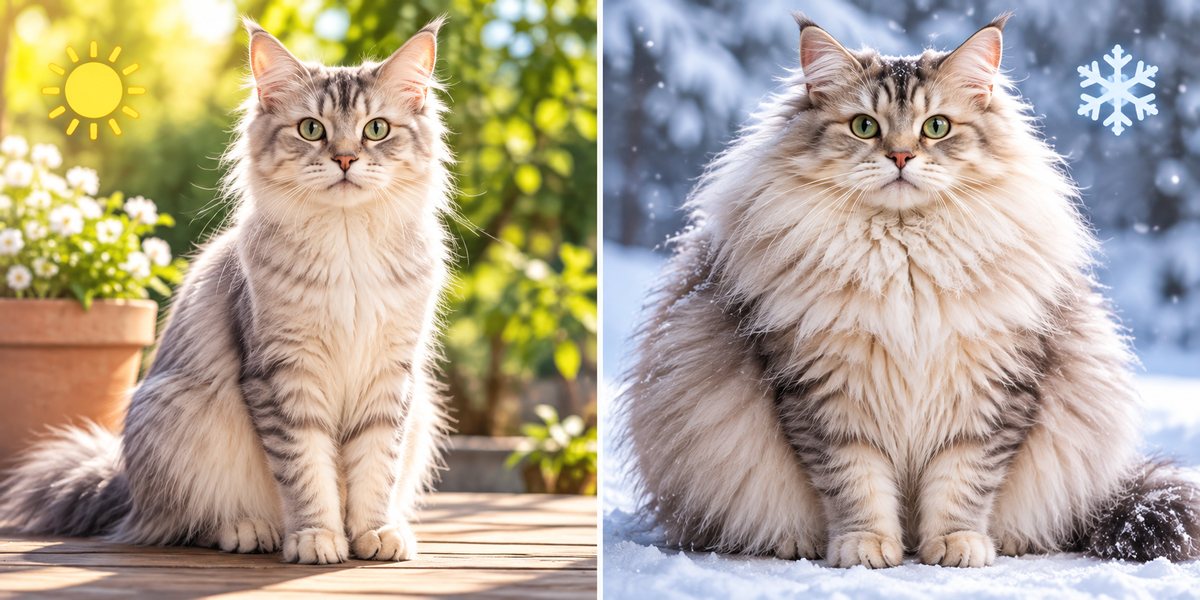
| Seasonal coat changes | Modest seasonal change The Ocicat’s short tight coat usually shows only modest seasonal turnover, with a temporary increase in loose hair rather than a major change in coat volume. |
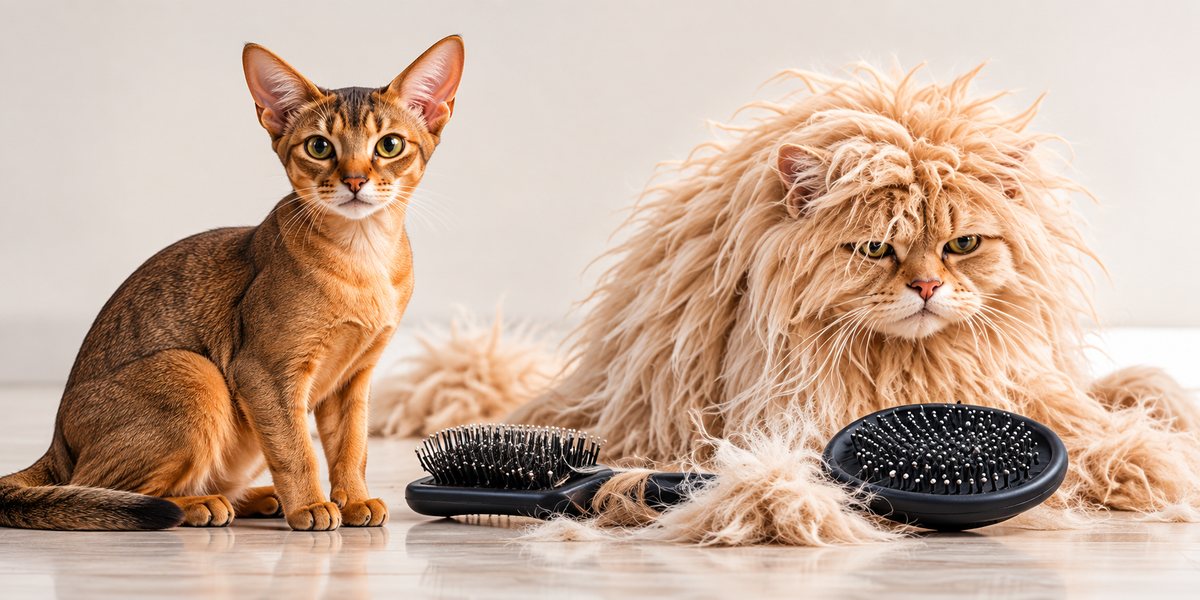
| Brushing & combing | Low · rubber brush weekly optional Brushing/combing: low; rubber brush weekly optional. |
| Tangle & matting tendency | Very low The short tight coat is not prone to tangling or matting. |
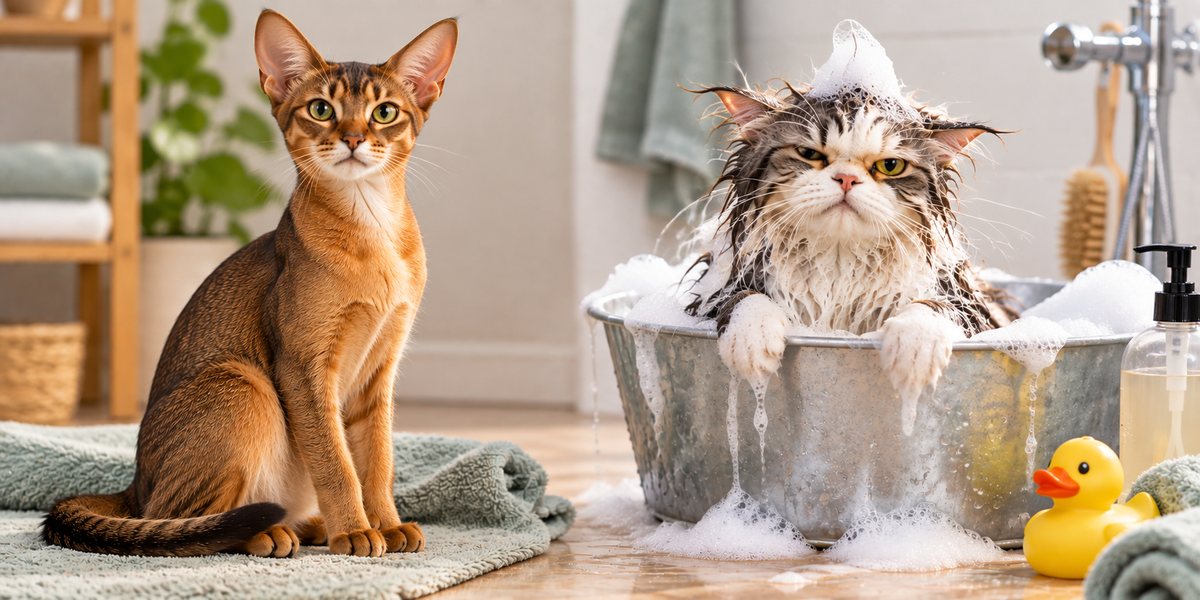
| Skin & bathing care | Bathing not routinely needed Routine bathing is generally unnecessary; bathe only when the coat is genuinely soiled or for a specific veterinary or grooming reason. |
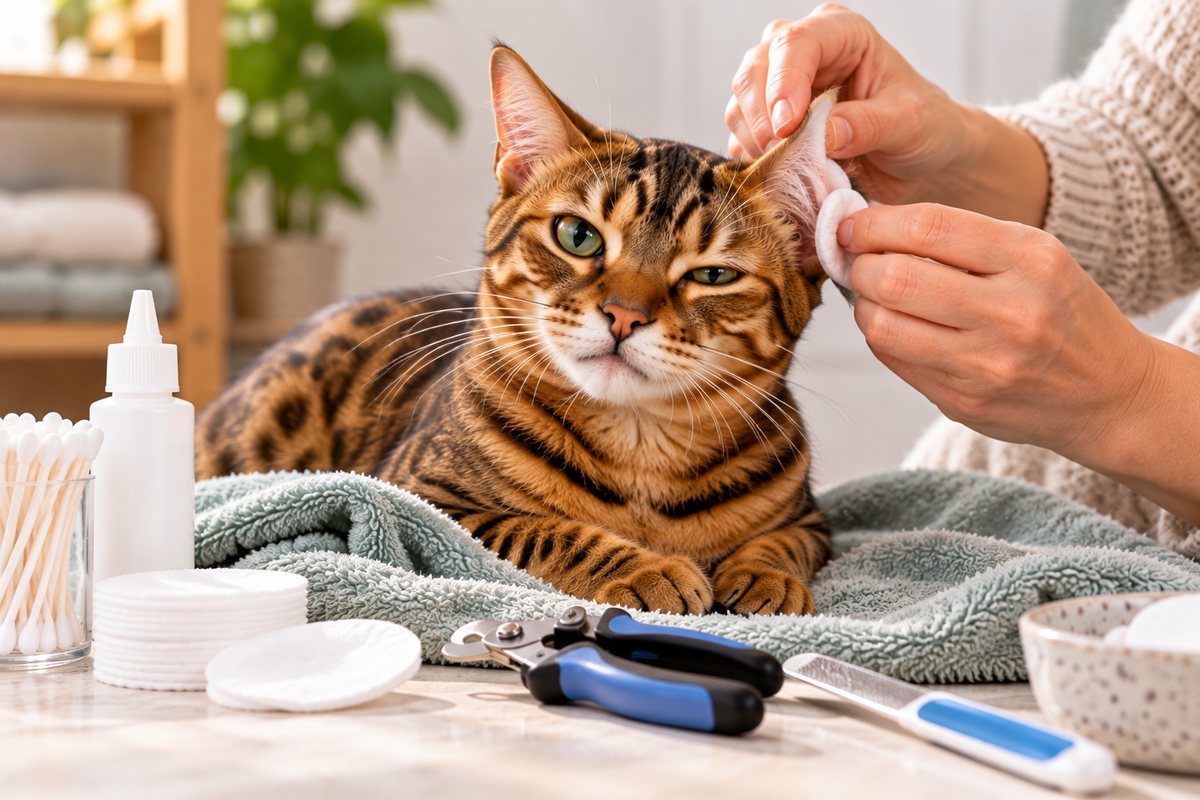
| Distinctive routine care | Minimal coat care The short coat requires very little grooming beyond normal nail and dental care. |
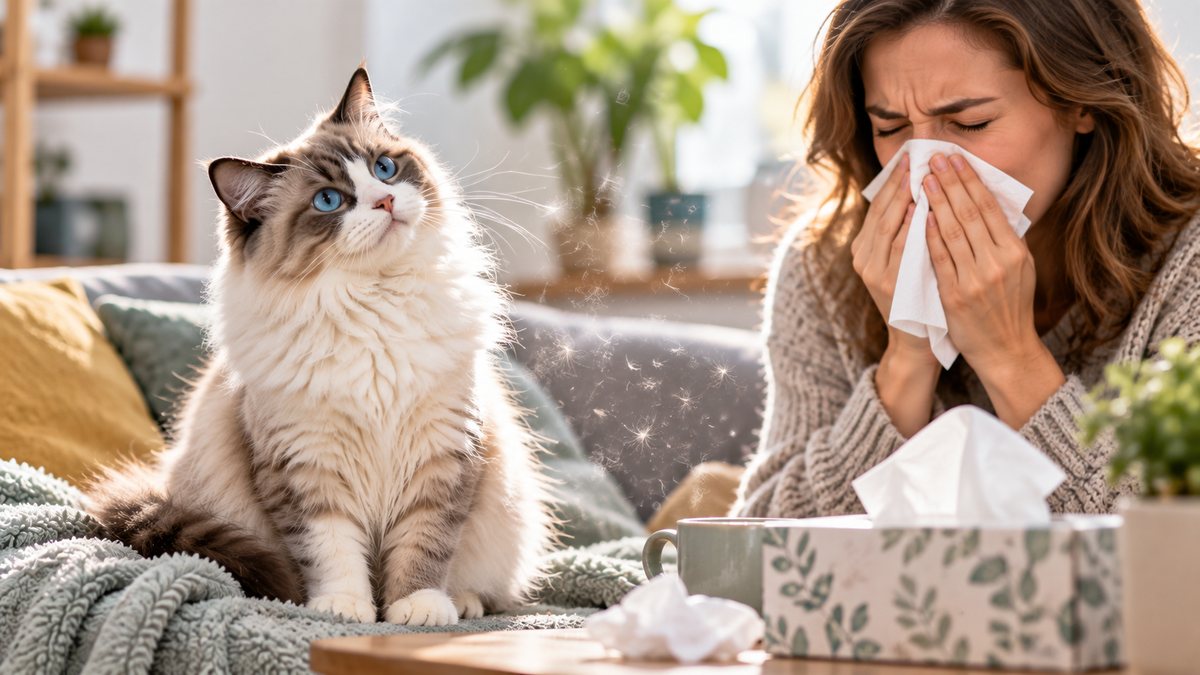
| Allergy & allergen evidence | No breed specific reduction established There is no known reason to regard this breed as hypoallergenic. All cats produce allergens, and coat length or shedding alone does not determine allergy risk. |
| Activity & intelligence | |
| Activity level | Moderate |
| Playfulness | High |
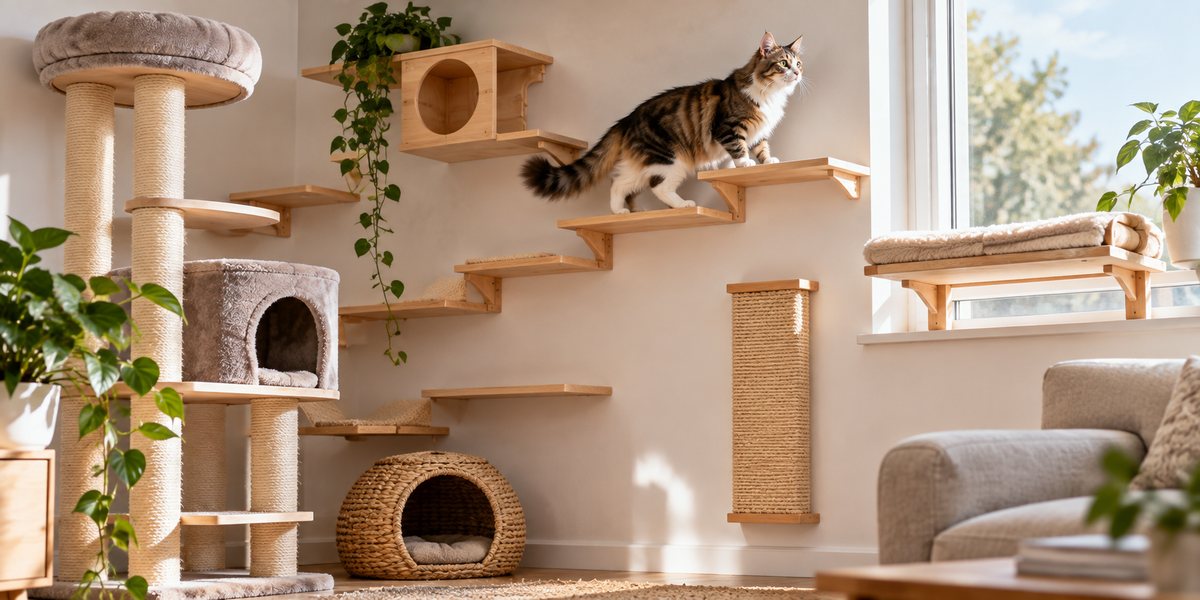
| Climbing & jumping | High The muscular, athletic Ocicat is an active climber and jumper that benefits from tall cat trees, shelves and interactive vertical routes. |
| Enrichment demand | High High enrichment demand: interactive games, training, climbing and puzzle toys help satisfy its sociable, athletic and inquisitive nature. |
| Learning & training | High Ocicats are intelligent and commonly learn games such as fetch readily. |
| Curiosity & exploration | High Confident, alert and playful, the Ocicat tends to engage actively with its surroundings. |
| Hunting & chasing tendencies | High Chasing is likely strong. Ocicats are athletic, active and trainable, and typically benefit from vigorous pursuit games despite being fully domestic in ancestry. |
| Personality & social | |
| Sociability with familiar people | High Ocicats are strongly people-oriented and enjoy active interaction as well as settling with their family. |
| Affection | Outgoing and affectionate The breed combines an energetic social personality with a willingness to curl up close to its people. |
| Lap & cuddling preference | Often enjoys laps Despite their athletic appearance, many Ocicats readily settle on a lap when playtime is over. |
| Handling tolerance | High Confident, social and trainable, the Ocicat generally accepts routine handling well and often enjoys close interaction, although its athletic temperament may make prolonged restraint unwelcome. |
| Independence & social demand | High social demand Ocicats are highly interactive, intelligent cats that generally want regular participation in household activity and can become bored with too much isolation. |
| Vocalization | Low to moderate; individual conversational style varies Moderately to highly vocal; its Abyssinian/Siamese-derived ancestry and outgoing temperament often produce an expressive, conversational cat. |
| Response to unfamiliar people | Usually outgoing with strangers An Ocicat is typically confident and friendly even with unfamiliar people. |
| Adaptability to change | Very high Ocicats are notably confident, social, trainable, and curious; these traits make them among the breeds better equipped for travel, visitors, and changing household routines. |
| Noise & busy-environment sensitivity | Low Outgoing, athletic and socially confident, the Ocicat generally tolerates busy homes well and often seeks involvement in activity rather than avoiding it. |
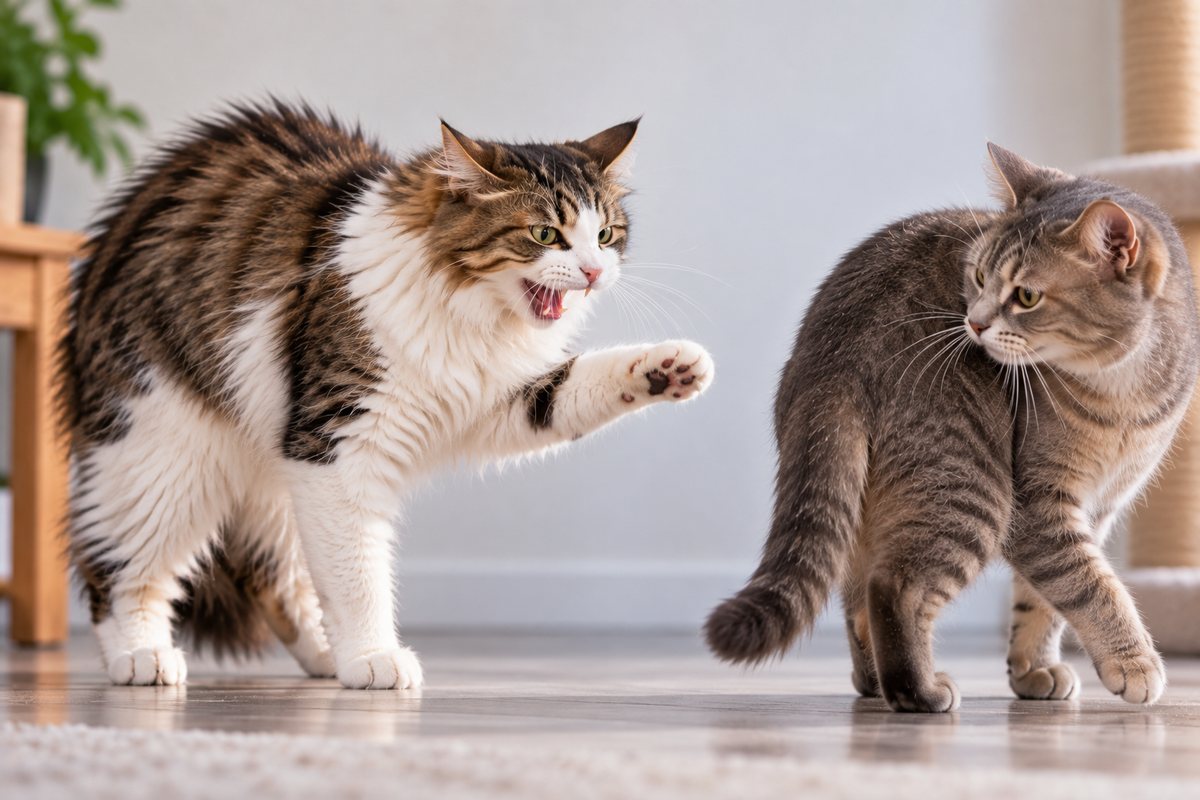
| Defensive & conflict behaviour | Low Ocicats are typically confident, outgoing and highly interactive despite their wild-looking coat. Confidence reduces fear-based defensiveness, while their energetic, assertive play means conflict prevention depends on sufficient activity and well-managed introductions. |
| Household & environment | |
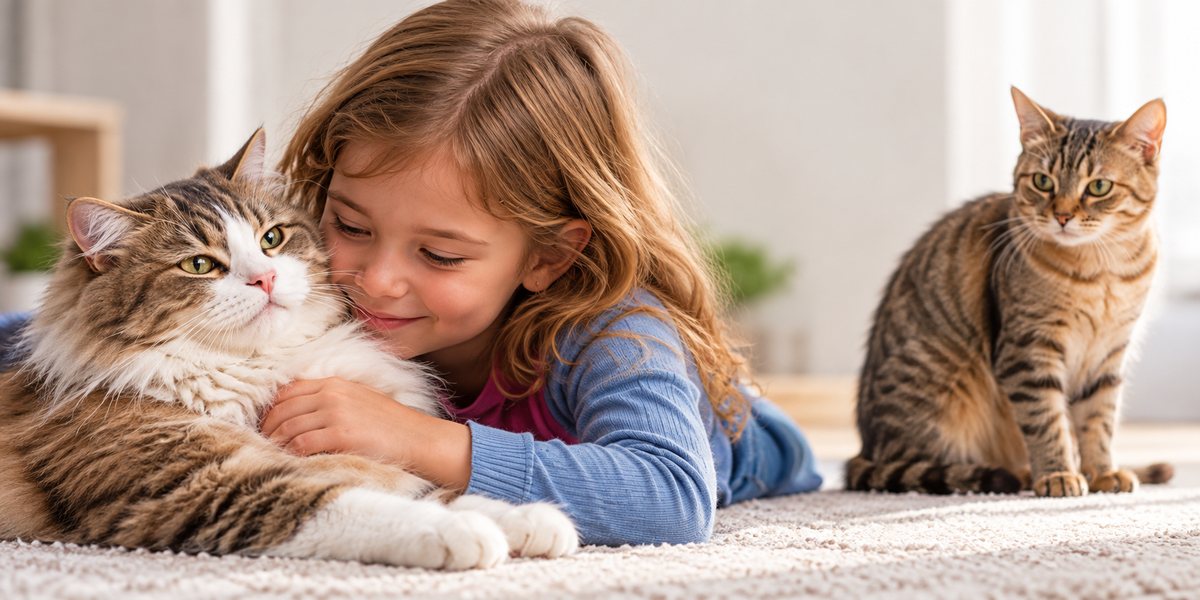
| Living with children | Potentially suitable with respectful children Compatibility depends more on the individual cat and the child’s handling than on a strong breed-specific tendency. |
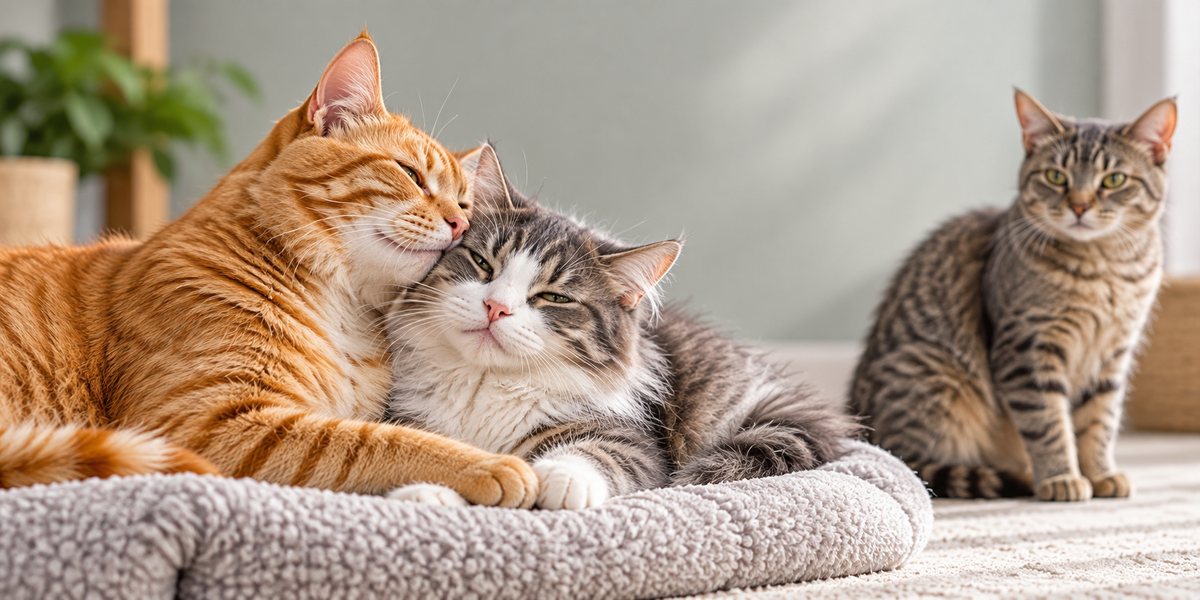
| Living with other cats | Often workable Reported to get along well in groups and with other cat breeds when personalities and energy levels are compatible. |
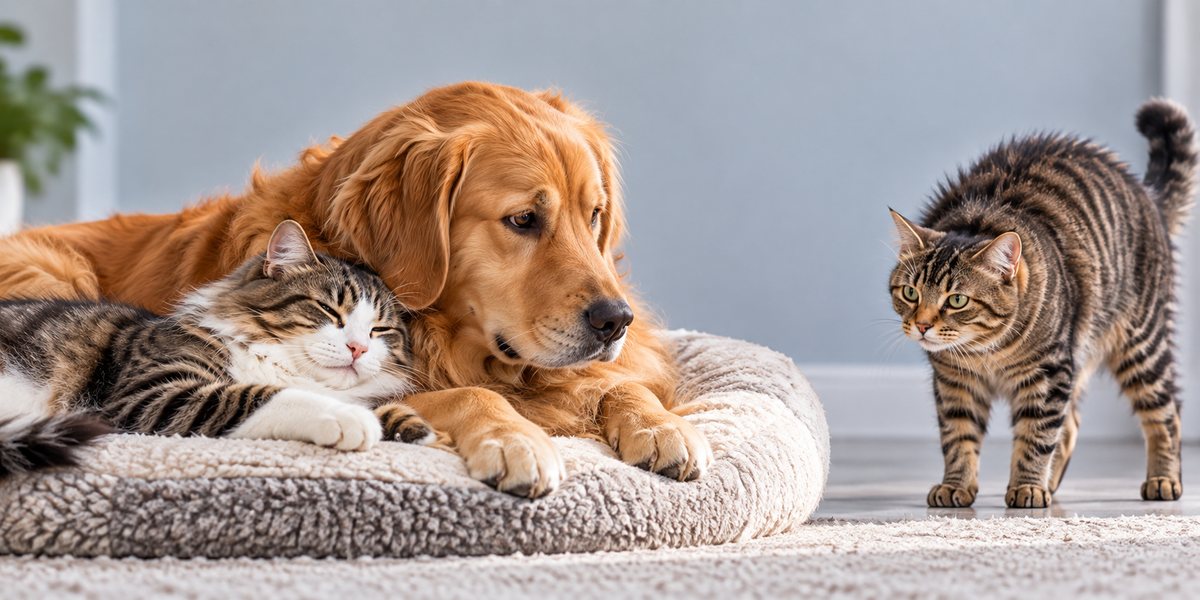
| Living with dogs | Very good Ocicats are typically confident, outgoing and highly social, and many adapt especially well to friendly dogs. Their energetic play style can suit an interactive canine companion, provided the dog is reliably safe around cats. |
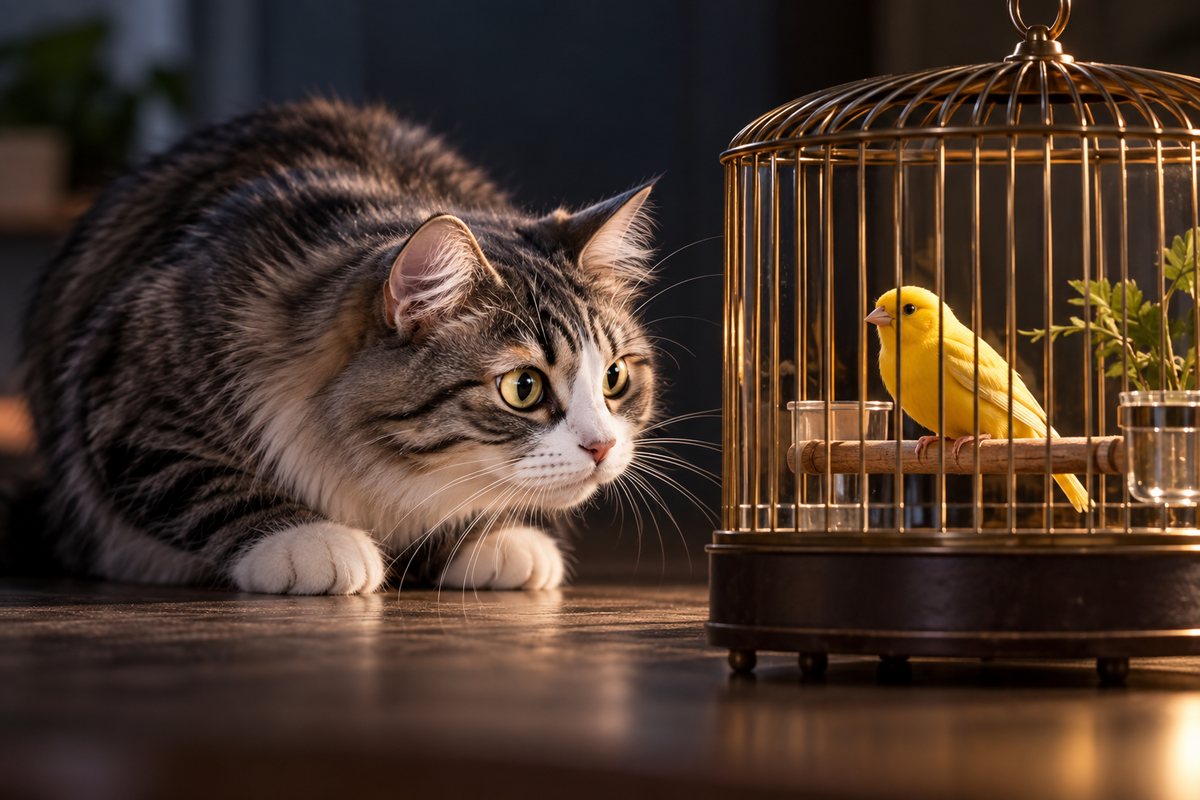
| Living around small pets | Additional caution Ocicats are highly athletic, curious and responsive to interactive play. Their confidence and vigorous chase-and-pounce behavior make birds, rodents and other small pets poor candidates for direct contact. |
| Indoor & home environment needs | High activity indoor Ocicats are highly athletic, intelligent and social. Indoor homes should provide tall climbing routes, vigorous interactive play, puzzle feeding and training opportunities; their needs are better met by active enrichment than by floor space alone. |
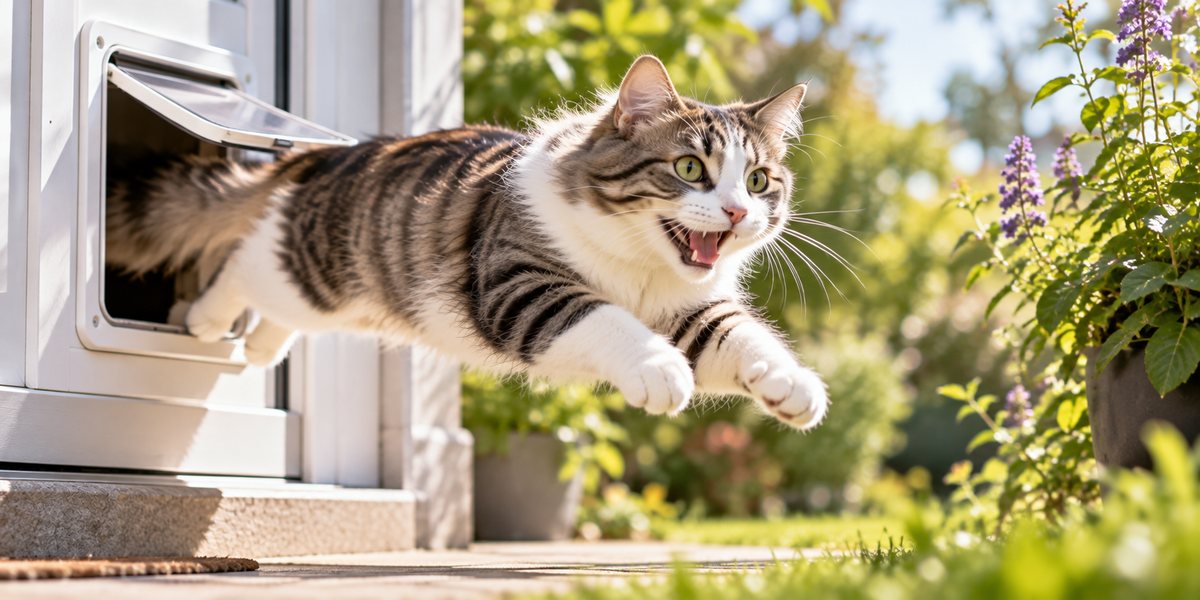
| Outdoor access considerations | Secure high activity Ocicats are athletic, intelligent and confident explorers. Harness training or a robust secure enclosure can suit them especially well, providing vigorous stimulation without the risks of unrestricted roaming. |
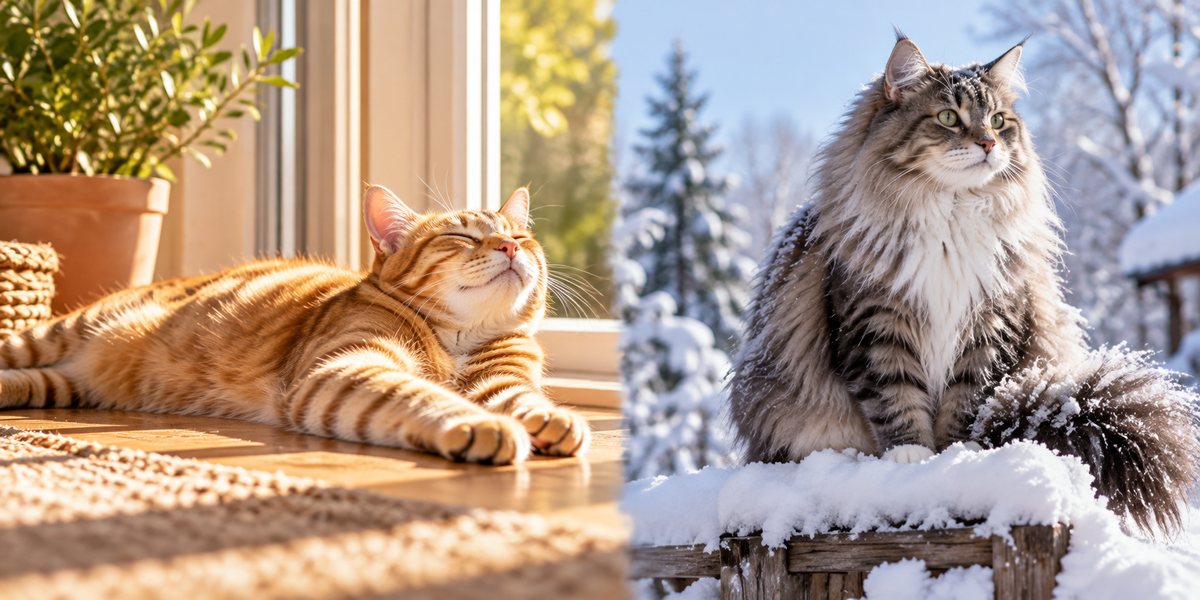
| Heat, cold & sun considerations | Shortcoat heat activity caution Ocicats have a short coat but are highly athletic and active. They generally handle ordinary warmth well, yet vigorous play during high temperatures can increase heat load, so provide cool resting areas, shade and plentiful water. |
| Caregiver time & experience | Above average Ocicats are athletic, intelligent and highly social. Their short coat is easy, but they need frequent interactive play, puzzle or training opportunities and household involvement, making caregiver engagement the major daily commitment. |
| Health & welfare | |
| Documented health predispositions | No major breed-specific predisposition is known The Ocicat is generally regarded as a healthy breed without a prominent breed-specific disease pattern. |
| Screening & breeder questions | Ask for documentation relevant to the breed’s recorded health concerns Ask specifically about hypertrophic cardiomyopathy, pyruvate kinase deficiency and progressive retinal atrophy in the line, what DNA or cardiac screening is performed, and request copies of relevant results. |
| Conformation-related welfare | Low conformation concern Ocicats are muscular, athletic cats whose spotted appearance does not depend on structural deformity. Breeding should preserve balanced joints, normal facial anatomy and agile movement rather than exaggerating size or a wild silhouette. |
| Nutrition & weight management | Large active condition led Ocicats are muscular, athletic cats whose substantial weight should come from lean tissue. Match intake to exercise and monitor waist and ribs so an indoor reduction in activity does not turn a powerful build into excess fat. |
| Longevity | 13–18 years Ocicats are athletic domestic cats with Abyssinian, Siamese and American Shorthair ancestry; about 13–18 years is a reasonable expectation. |
| Cost & availability | |
| Purchase cost | High: $800–$2,000 Ocicat: a practical breeder-market estimate is $800–$2,000. This reflects that it is an established but specialist breed with moderate breeder numbers. |
| Adoption & rehoming cost | Uncommon in rescue: $100–$500 typical rescue/adoption fee Ocicat: $100–$500 typical rescue/adoption fee. The breed does appear in rescue, but much less often than mixed-breed cats or the most numerous pedigrees. |
| Recurring ownership costs | Higher food/larger equipment · enrichment/toy replacement Coat care is cheap, but Ocicats benefit from durable climbing structures, puzzle toys and frequent interactive play. Their medium-large athletic build can modestly increase food and equipment spending compared with a quiet small cat. |
| Availability, waits & import | Moderately available Ocicats have established breeders in North America, Europe and other cat-fancy markets but are not highly numerous. Regional availability is usually possible with patience, while smaller countries may require travel. |
| Identity & real-world context | |
| Ownership & import restrictions | No known breed specific restrictions There are no known breed-specific ownership restrictions. Ordinary animal-welfare, identification, vaccination and cross-border import rules still apply where relevant. |
| Registry recognition | CFA: recognized breed/division · TICA: Championship-recognized / current breed identity · FIFe: fully recognized breed / mapped breed identity Currently recognized in all three registries tracked by the FSC core matrix: CFA, TICA and FIFe. |
| Similar breeds & identity distinctions | Bengal Egyptian Mau Ocicats have a deliberately wild-looking spotted coat but no recent wild-cat ancestry. Their spots are generally discrete and regular; Bengals often show rosettes or marbling, while Egyptian Maus have a different naturally spotted pattern and body type. |
| Reported characteristic quirks | Individual quirks often center on play and exploration Ocicats commonly learn to retrieve, walk on a harness or respond to simple cues, and many recruit people into games by carrying or presenting toys. |
Browse all 53 breed characteristics
Open any characteristic to compare all breeds on that dimension.

 English