
Compare Cat Breeds
Compare up to three breeds across all 53 characteristics. Values are shown directly so the differences are easier to scan.
| Characteristic | 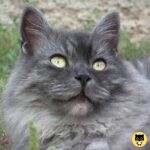 Nebelung |
|---|---|
| Body & development | |
| Adult size | Medium |
| Adult weight | 3.2–6.5 kg (7.1–14.3 lb) Nebelungs are medium, long-bodied cats; about 3.2–6.5 kg (7.1–14.3 lb) is a practical range, with males tending larger. |
| Build & distinguishing morphology | Long body · muscular · long tail · large ears Build: long body; muscular; long tail; large ears. |
| Maturation | 2-3 years Nebelungs are moderately slow to mature; the long body, adult musculature and full semi-long coat can continue developing until roughly 2–3 years. |
| Coat & appearance | |
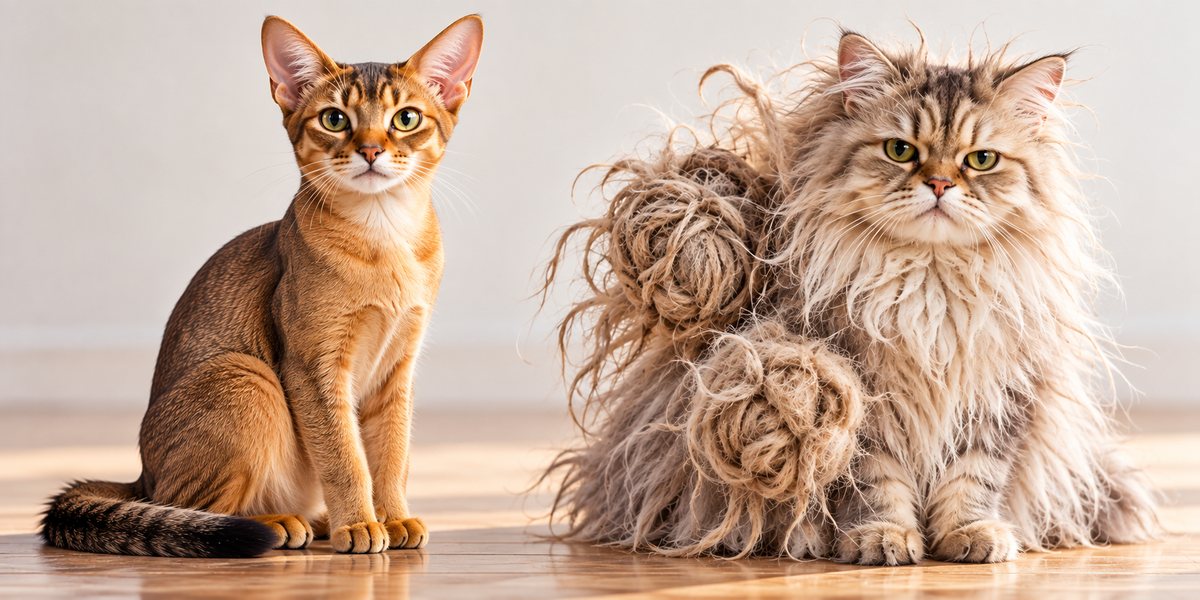
| Coat length | Medium Silky medium-length coat. |
| Coat texture & undercoat | Medium long · dense · silky · silver tipped Coat: medium long; dense; silky; silver tipped. |
| Colors & patterns | Blue with silver tips Colors/patterns: blue with silver tips. |
| Eye colors | Green Green is characteristic, often developing from yellow-green in younger cats to clearer green in adults. |
| Coat & routine care | |
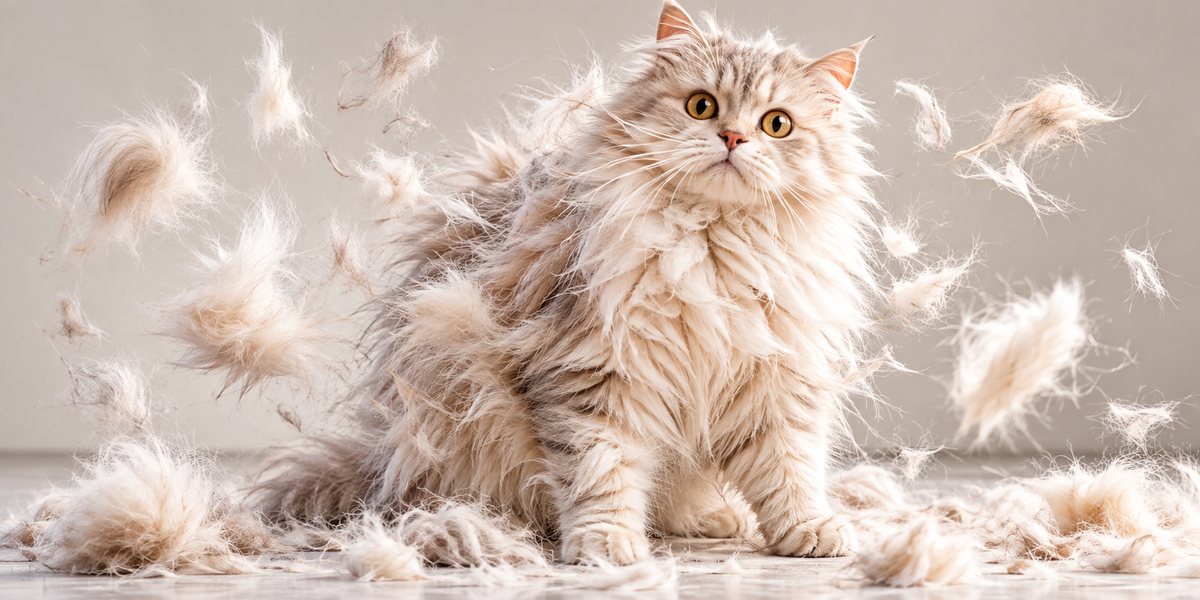
| Shedding | Moderate seasonal Moderate shedding with a stronger seasonal release from the fine but dense semi-long double coat. |
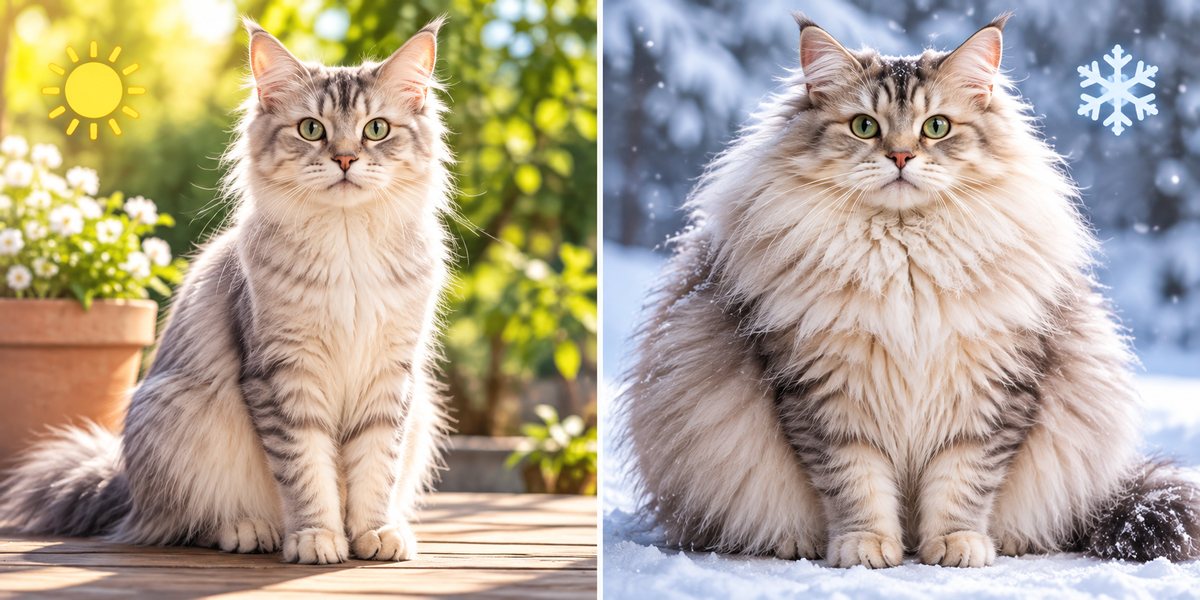
| Seasonal coat changes | Pronounced spring shed The dense semi-long Nebelung coat becomes fuller in cool weather and typically sheds a noticeable amount of undercoat in spring. |
| Brushing & combing | Regular Brushing/combing: regular. |
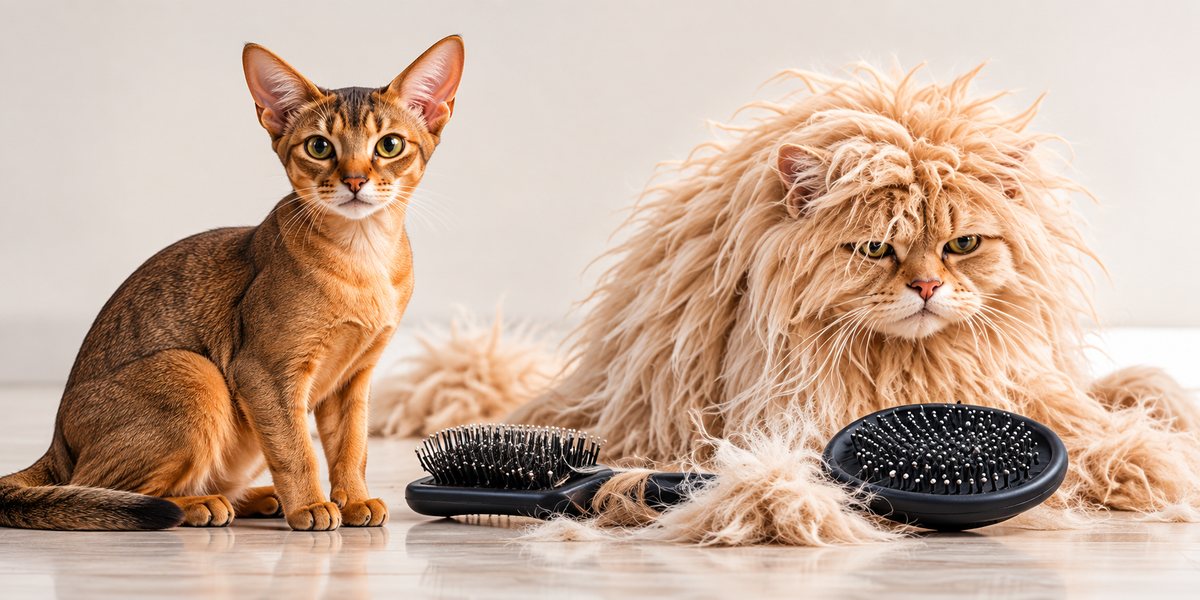
| Tangle & matting tendency | Moderate The dense medium-long coat can knot behind the ears, in the armpits and through the hindquarters if regular combing lapses. |
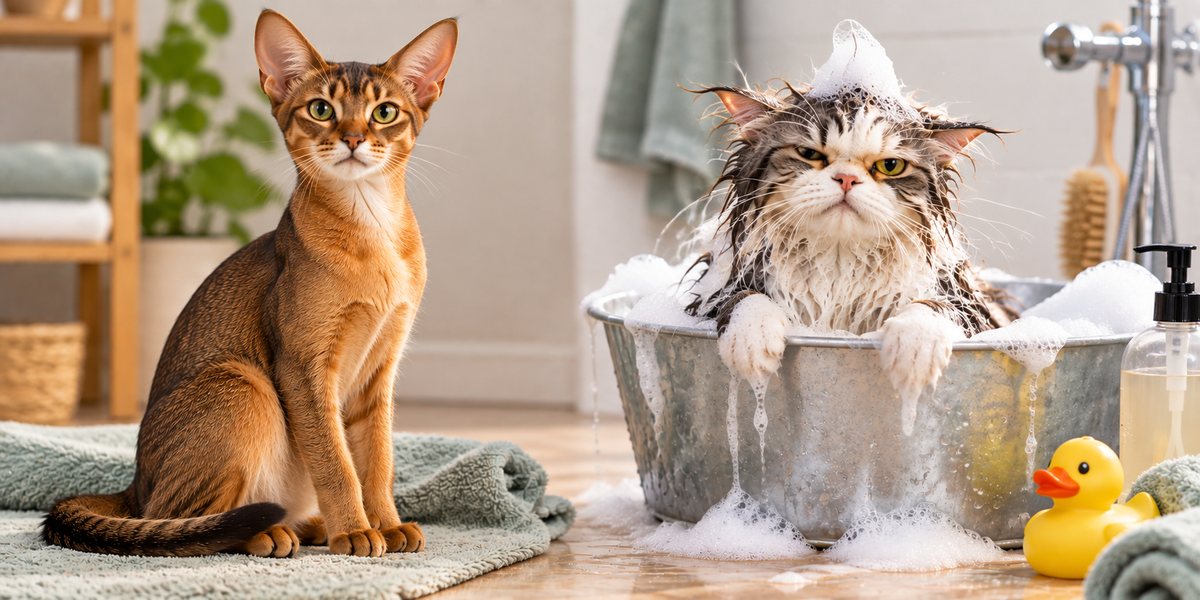
| Skin & bathing care | Bathing not routinely needed Routine bathing is generally unnecessary; bathe only when the coat is genuinely soiled or for a specific veterinary or grooming reason. |
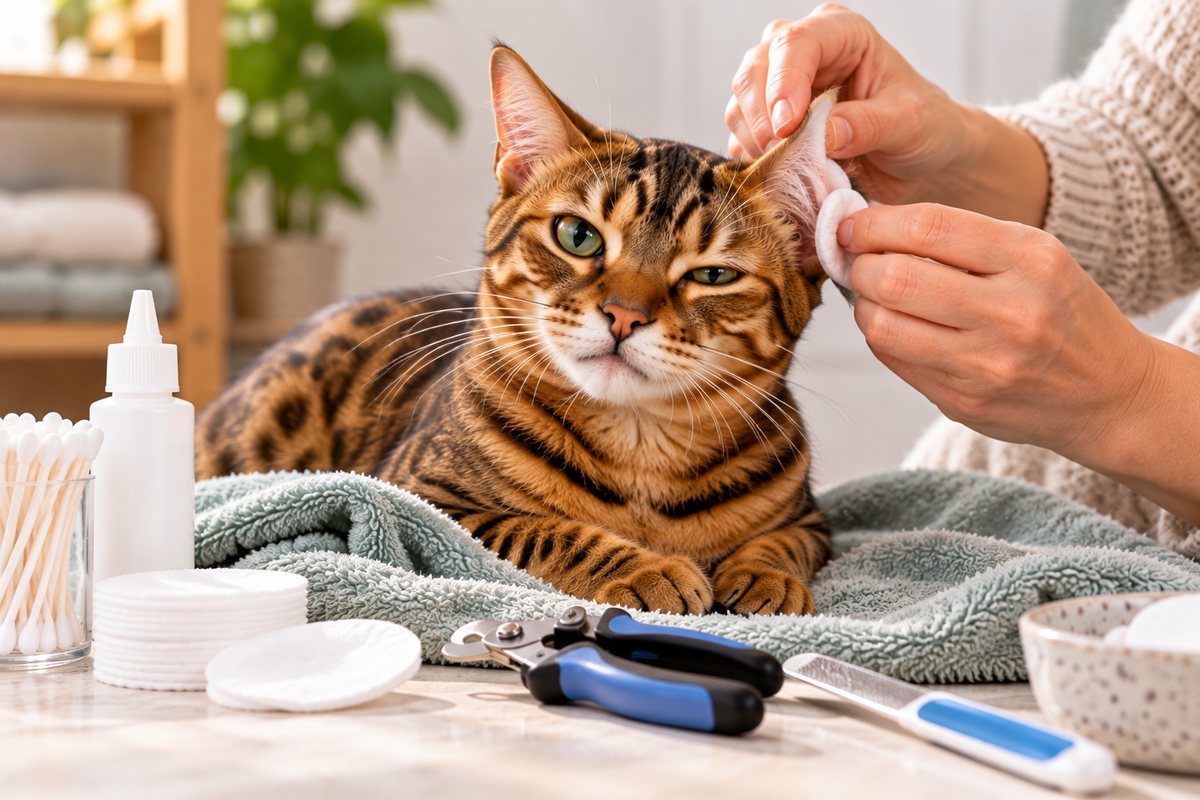
| Distinctive routine care | Regular combing is important The dense medium-length coat needs regular combing to prevent tangles and mats. |
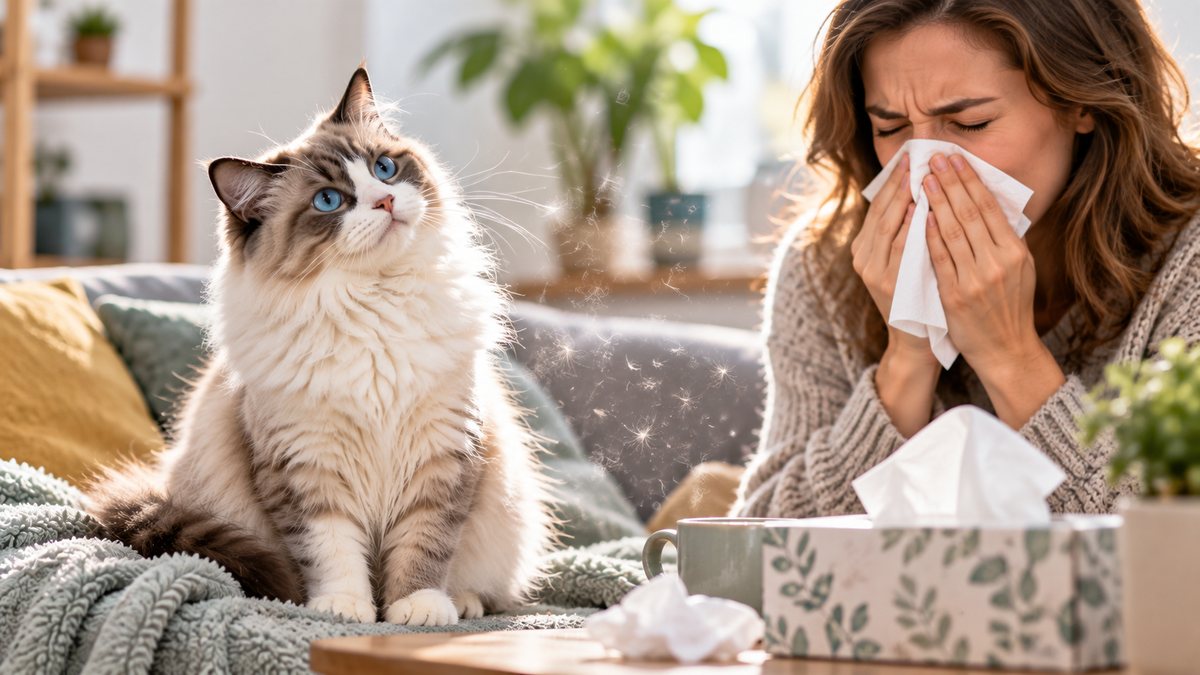
| Allergy & allergen evidence | No breed specific reduction established There is no known reason to regard this breed as hypoallergenic. All cats produce allergens, and coat length or shedding alone does not determine allergy risk. |
| Activity & intelligence | |
| Activity level | Active and playful, though generally gentle rather than frantic. |
| Playfulness | Playful, with a particular fondness for retrieving, jumping and climbing. |
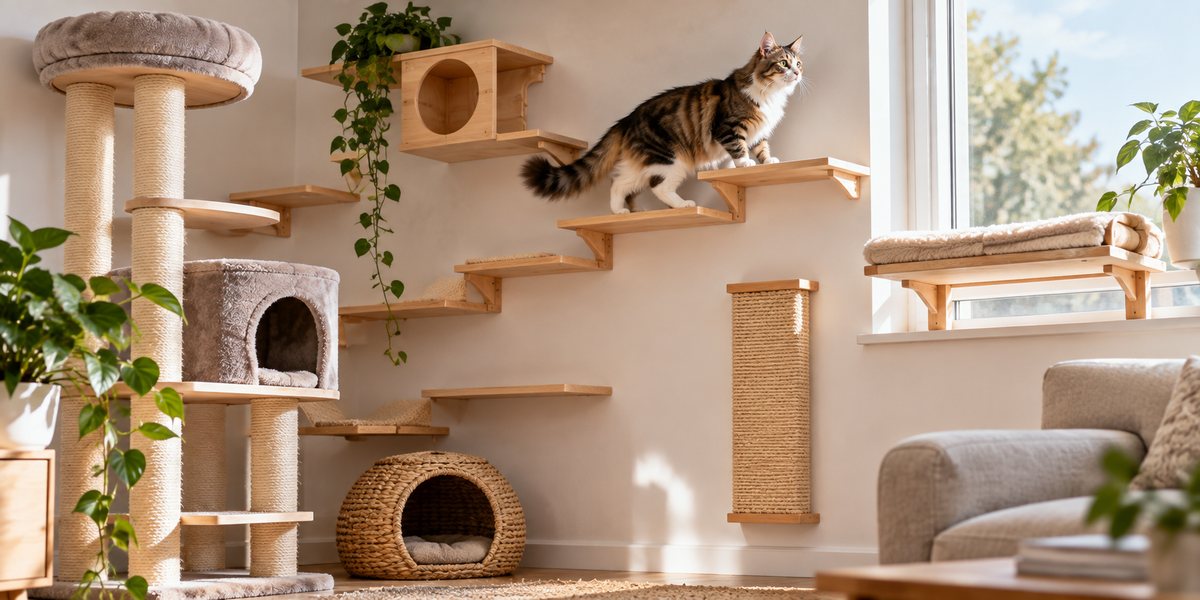
| Climbing & jumping | Strong climber and jumper that often seeks high perches. |
| Enrichment demand | High Moderate-to-high enrichment demand: interactive play, high perches and exploratory opportunities suit its athletic climbing ability while preserving a calm household rhythm. |
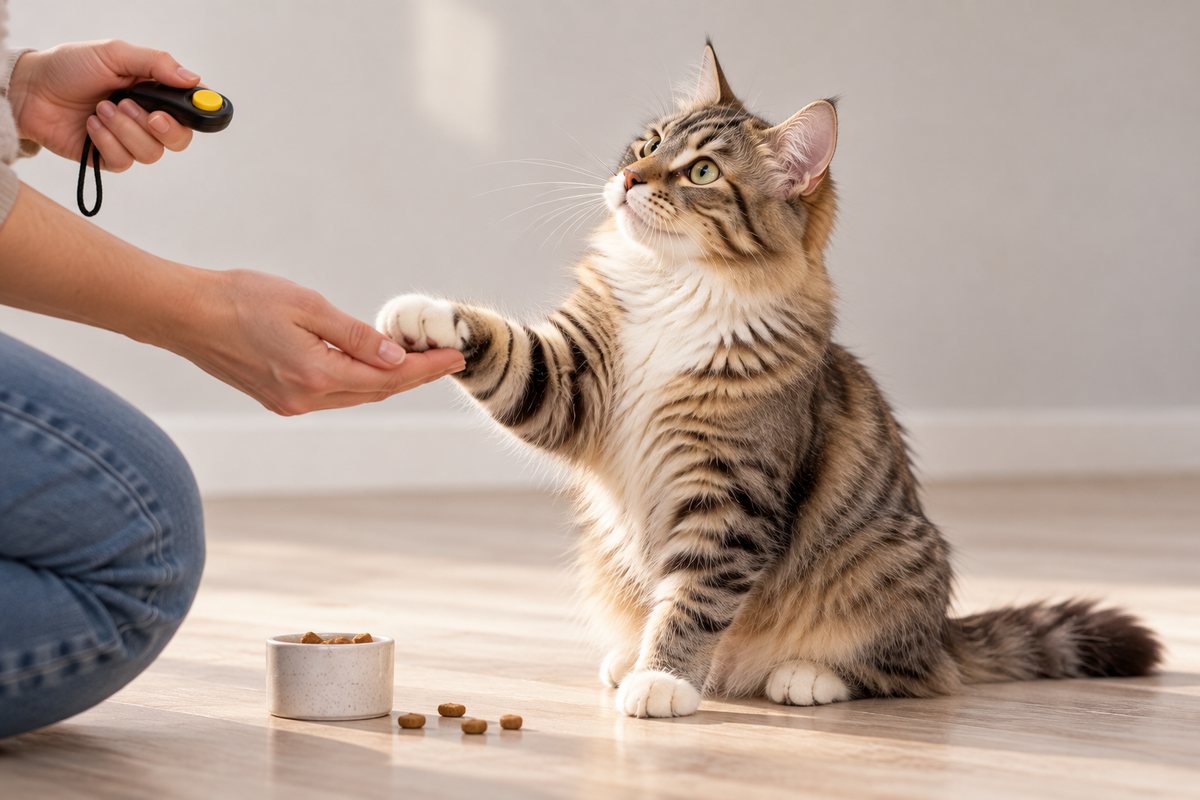
| Learning & training | High Highly intelligent, though new experiences are best introduced patiently. |
| Curiosity & exploration | Moderate; observant and exploratory Nebelungs like to climb and observe people and situations from high places before deciding whether to join in. |
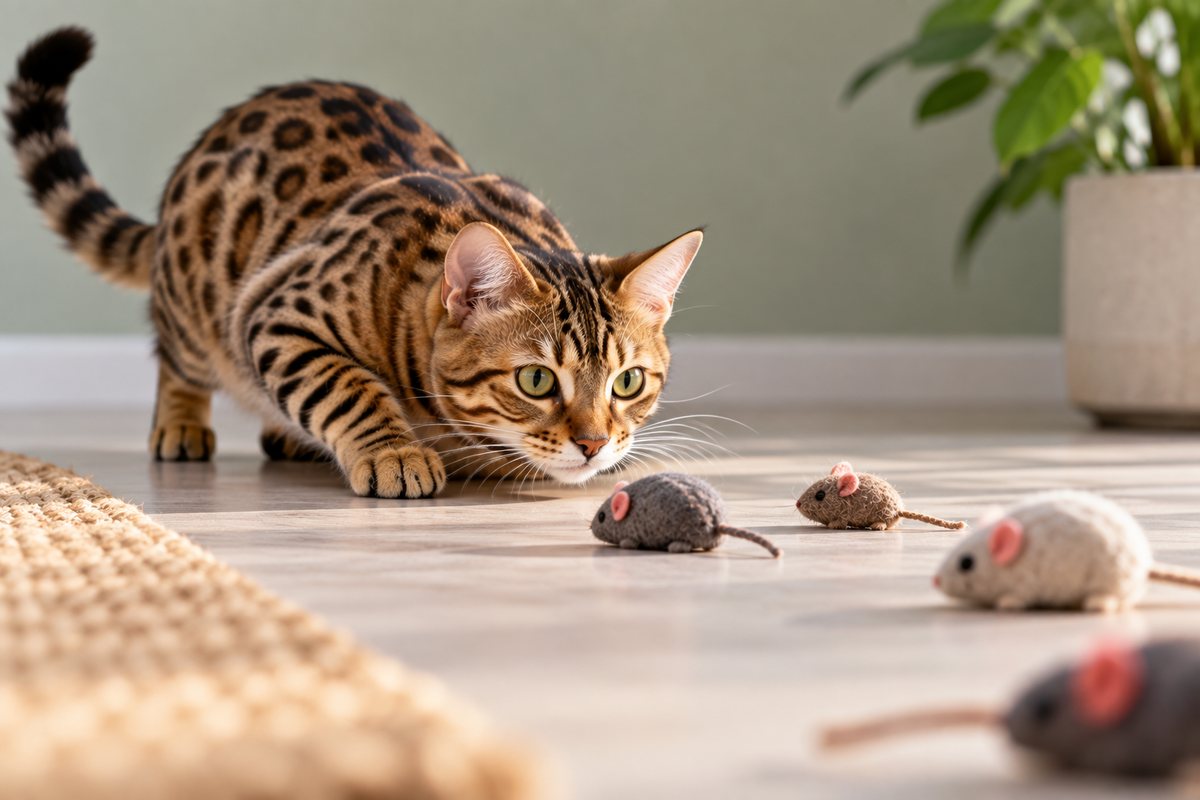
| Hunting & chasing tendencies | Moderate to high A moderate hunting tendency is likely. Nebelungs can be playful and agile but are often reserved and measured, favoring focused stalk-and-pounce sessions over constant pursuit. |
| Personality & social | |
| Sociability with familiar people | High Deeply devoted to familiar people. |
| Affection | Affectionate and cuddly once secure. |
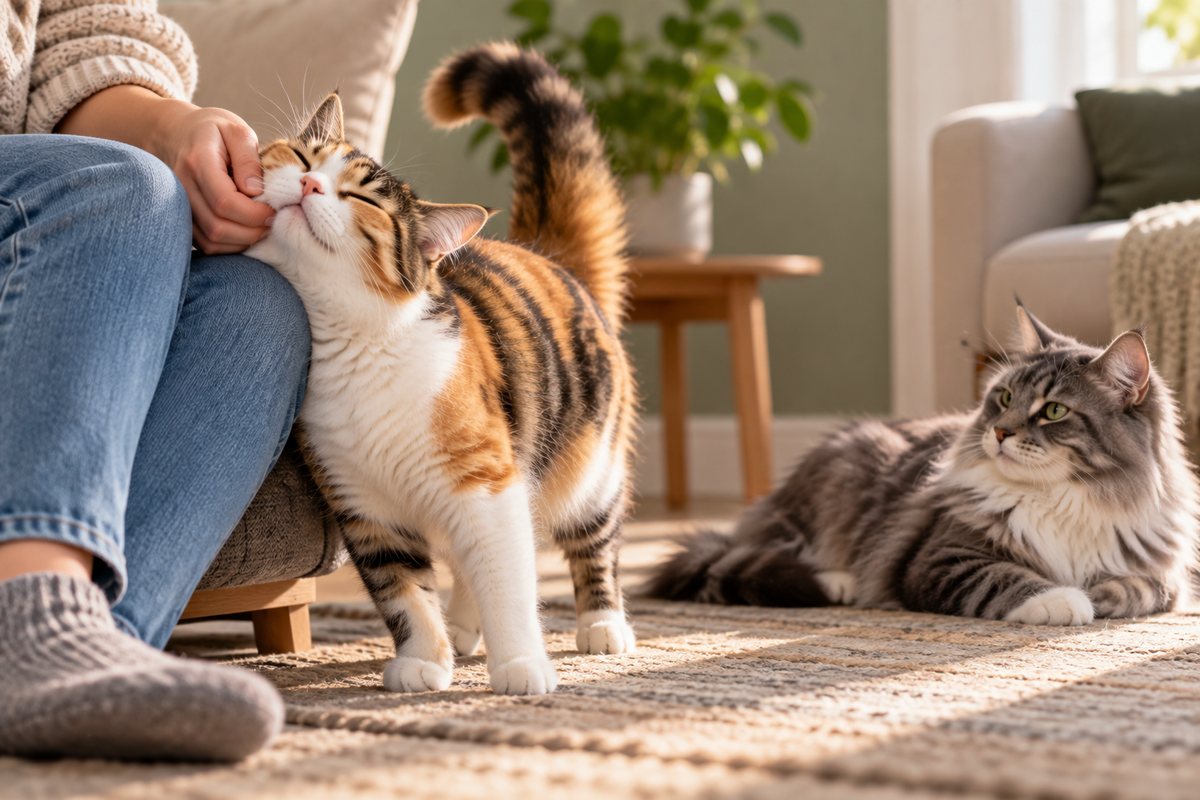
| Lap & cuddling preference | Often enjoys lap cuddling Once settled, many Nebelungs enjoy cuddling on a lap and staying close to their people. |
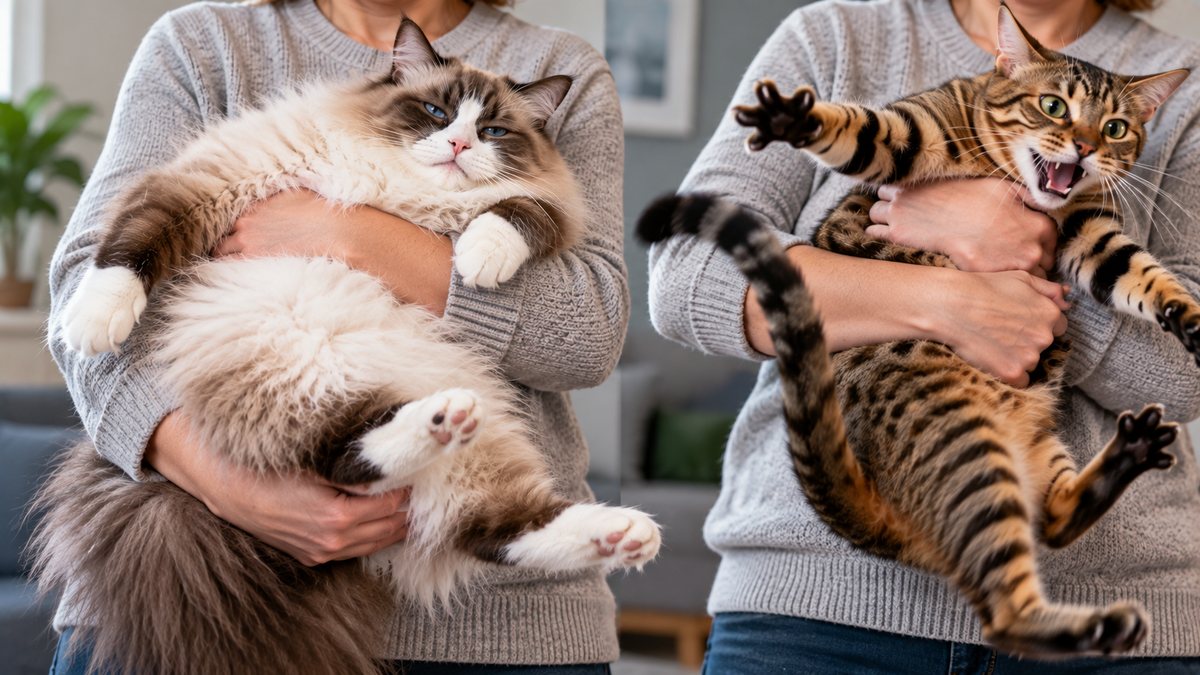
| Handling tolerance | Low to moderate Nebelungs are affectionate with trusted people but often reserved and sensitive; familiar caregivers may handle them easily, while restraint by strangers can be considerably less comfortable. |
| Independence & social demand | Close to family but can cope with time alone Nebelungs are devoted companions but are generally capable of entertaining themselves when the household is out. |
| Vocalization | Low Gentle, quiet breed; available primary material does not indicate frequent or intense vocal behavior. |
| Response to unfamiliar people | Often shy or reserved with strangers. |
| Adaptability to change | Usually needs time and a predictable routine to adjust to change. |
| Noise & busy-environment sensitivity | High Nebelungs are often reserved, routine-oriented and cautious with unfamiliar people; sudden noise and a chaotic household can be more stressful for them than for extroverted breeds. |
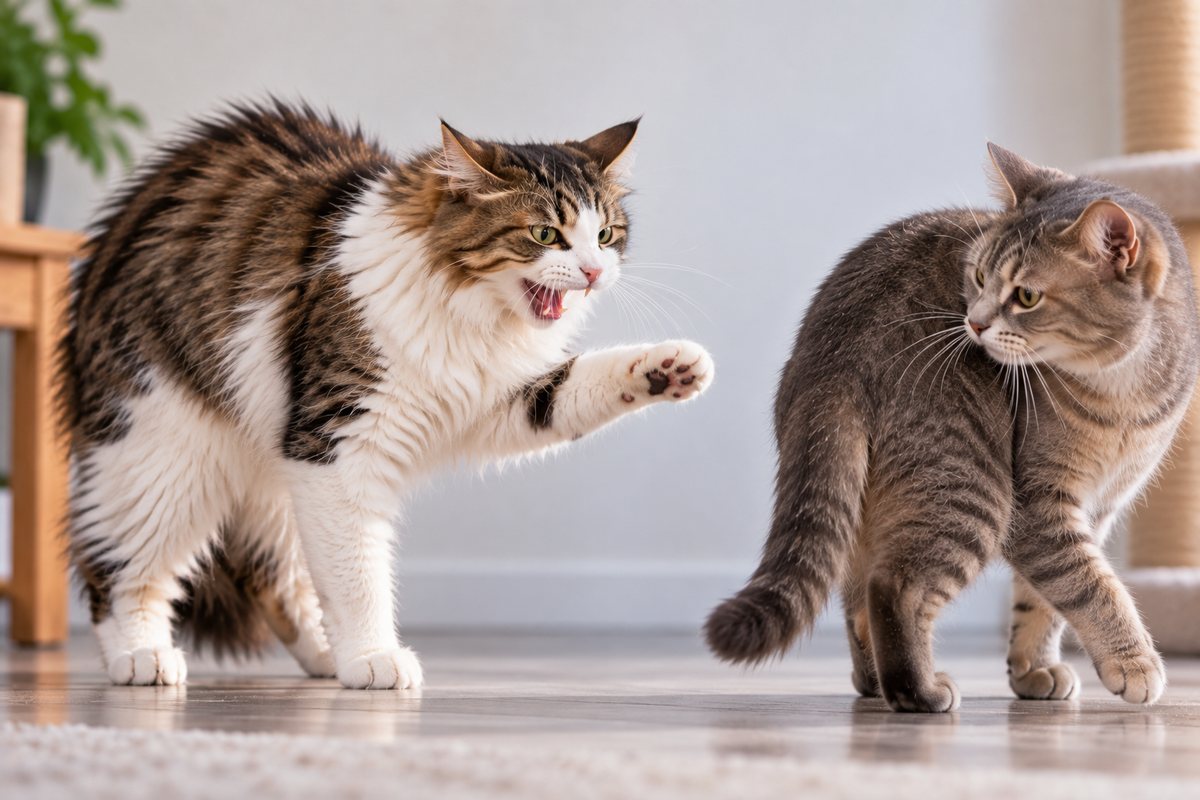
| Defensive & conflict behaviour | Moderate Nebelungs are often reserved with unfamiliar people and strongly attached to familiar routines. They usually avoid rather than initiate conflict, but sensitivity and caution can make defensive warning more likely if a shy individual is pursued or cornered. |
| Household & environment | |
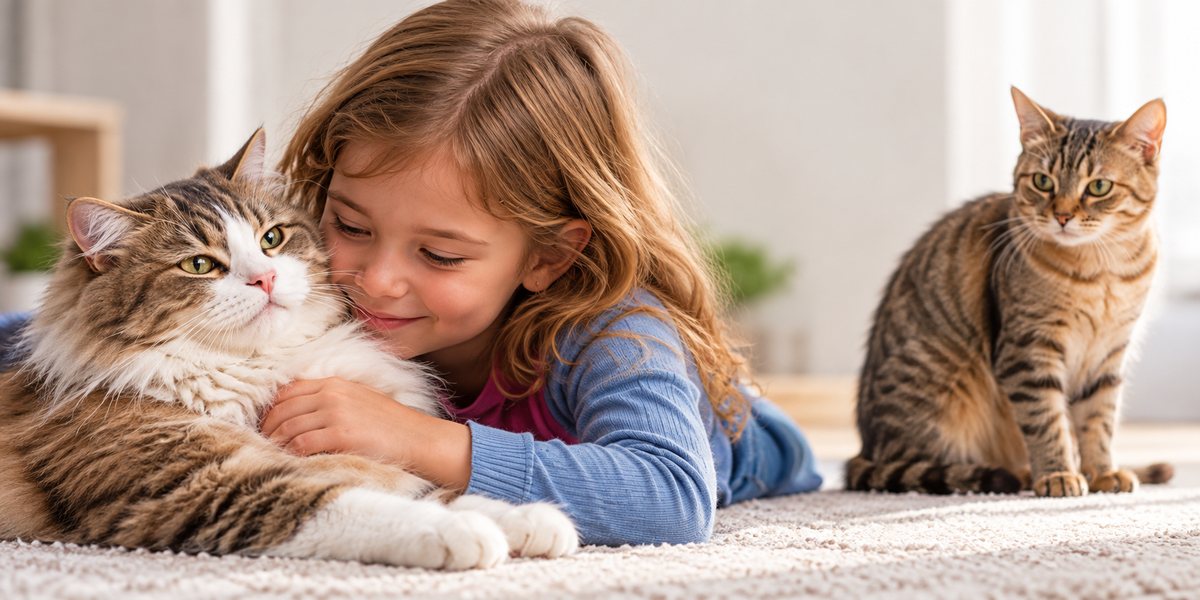
| Living with children | Better suited to calm, respectful children Their gentle nature can suit families, but the breed tends to prefer a quiet home and may be uncomfortable with very young or boisterous children. |
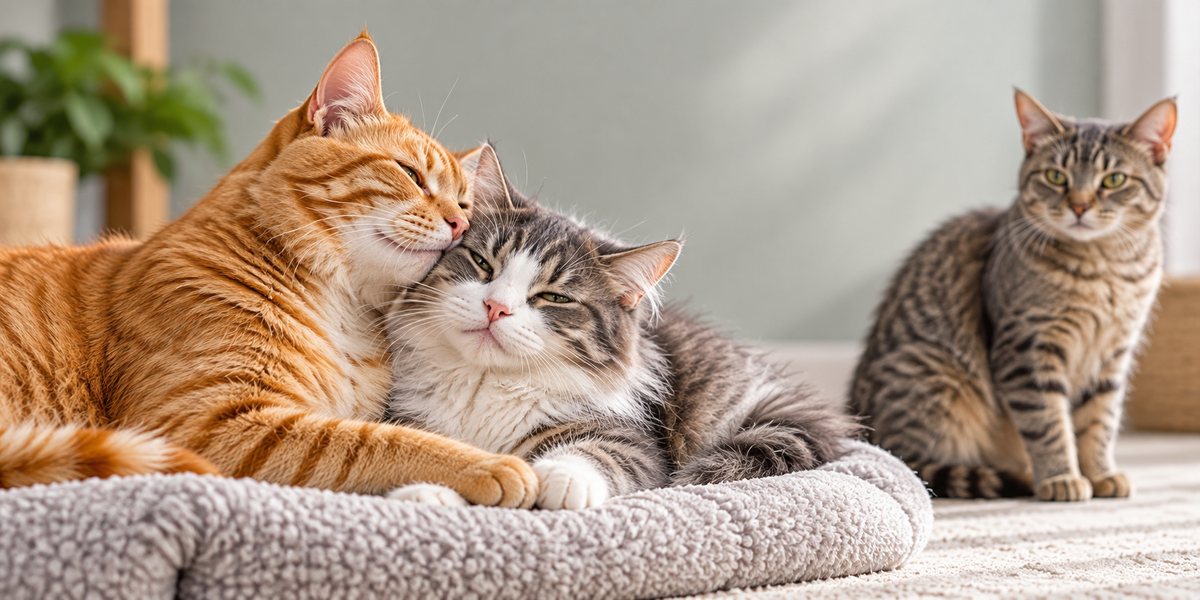
| Living with other cats | Often workable Nebelungs tend to be gentle, reserved and strongly attached to familiar companions. They can live very well with a calm, respectful cat, but a noisy, intrusive or highly dominant feline housemate may be stressful; slow introductions are particularly valuable. |
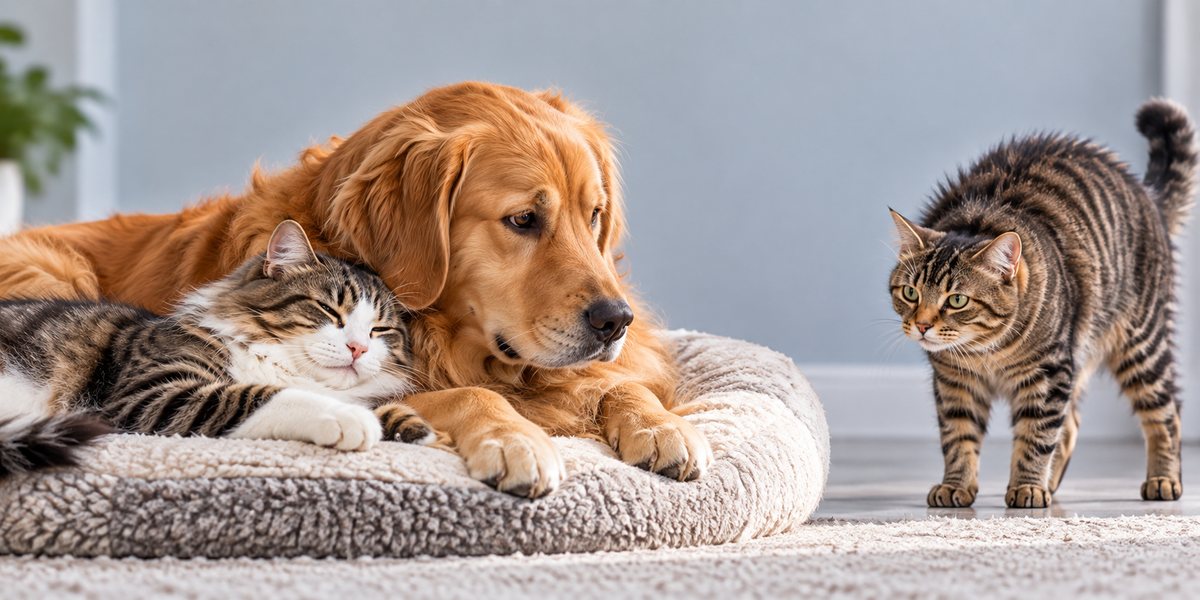
| Living with dogs | Moderate Nebelungs are often reserved and sensitive to unfamiliar activity. They can bond with a calm dog after a patient introduction, but a noisy or intrusive dog may keep them chronically withdrawn; predictable routines and escape space matter. |
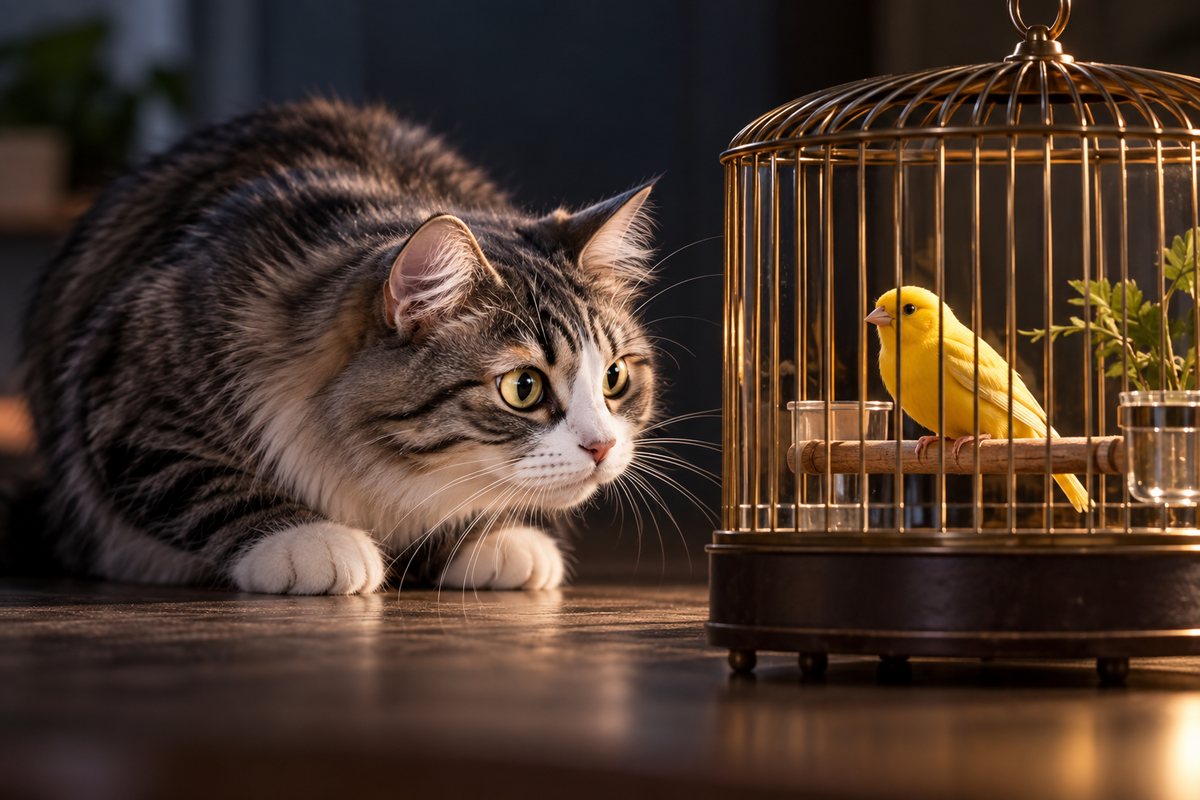
| Living around small pets | Normal predatory caution Nebelungs are often quiet and reserved, but a calm household style should not be mistaken for absence of hunting behavior. Normal feline caution applies around birds, rodents and other small pets, particularly when the cat has unsupervised access. |
| Indoor & home environment needs | Quiet, stable home with climbing opportunities A quiet, predictable home suits the Nebelung particularly well, with high places for climbing and observation. |
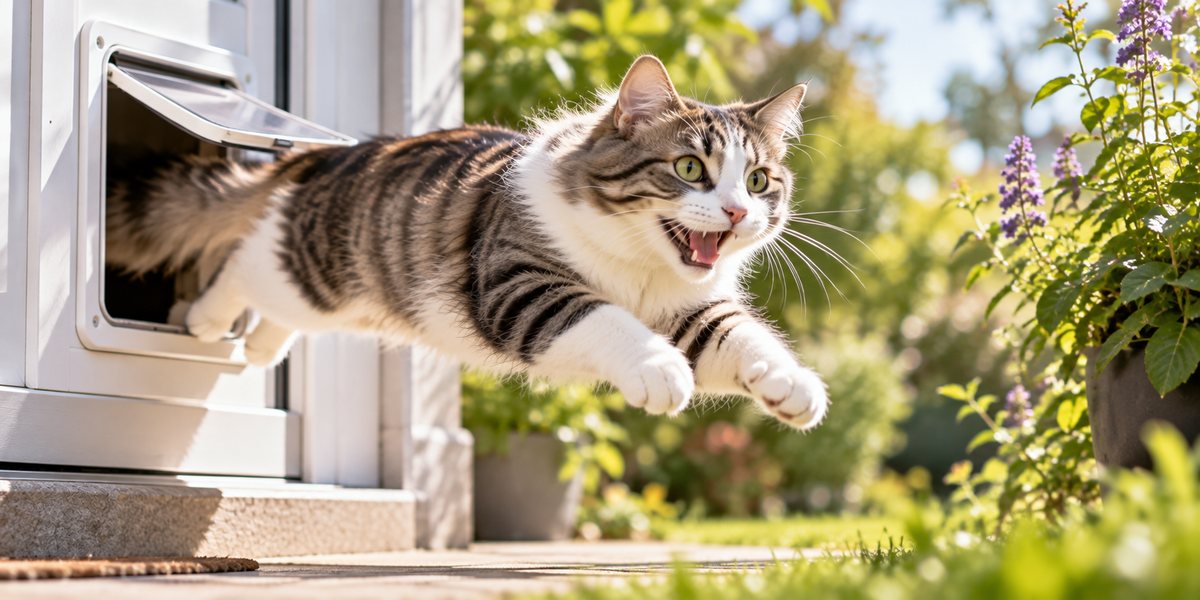
| Outdoor access considerations | Secure quiet access Nebelungs are often cautious, routine-oriented cats. If they enjoy outdoor access, a quiet secure enclosure attached to the home is usually a better fit than unpredictable free roaming, allowing observation and retreat on their own terms. |
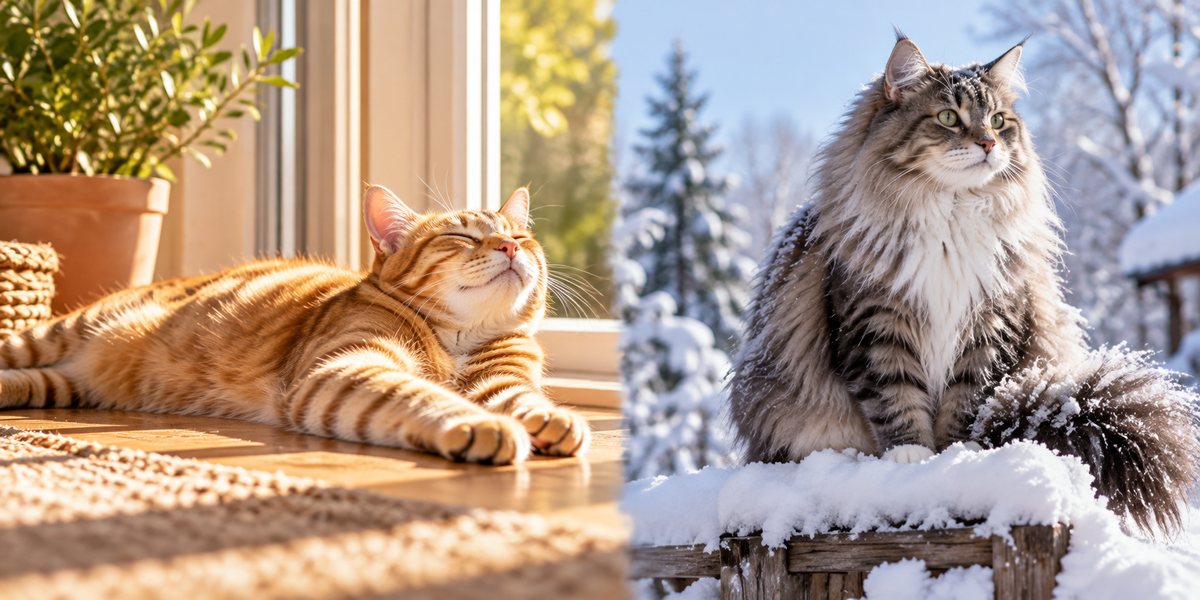
| Heat, cold & sun considerations | Dense semilong heat caution Nebelungs have a dense semi-long double coat that insulates well in cool conditions. They can become uncomfortable in sustained heat, so provide shade, water, airflow and access to cool quiet resting areas. |
| Caregiver time & experience | Moderate Nebelungs are generally quiet, routine-oriented cats with a semi-long coat. They suit caregivers who can provide predictable companionship, gentle daily interaction and regular combing without demanding constant high-energy entertainment. |
| Health & welfare | |
| Documented health predispositions | There is no well-established breed-specific disease pattern; the breed is generally regarded as healthy, with weight management a practical concern. |
| Screening & breeder questions | Ask for documentation relevant to the breed’s recorded health concerns Ask about heart and kidney disease in close relatives, urinary problems and any recurring hereditary conditions in the line, and request details of veterinary screening and longevity records. |
| Conformation-related welfare | Low conformation concern Nebelungs have a moderate, elongated body without a defining structural mutation. Welfare-focused breeding should preserve muscular condition, normal facial anatomy and free movement while maintaining coat quality. |
| Nutrition & weight management | Coat hides condition Nebelungs have a dense semi-long coat that can hide gradual weight change. Feed a complete diet to activity and use hands-on rib, waist and muscle assessment rather than relying on visual outline. |
| Longevity | Around 11–16+ years. |
| Cost & availability | |
| Purchase cost | High: $800–$2,000 Nebelung: a practical breeder-market estimate is $800–$2,000. This reflects that it is an rare pedigree breed with relatively few breeders. |
| Adoption & rehoming cost | Uncommon in rescue: $100–$500 typical rescue/adoption fee Nebelung: $100–$500 typical rescue/adoption fee. The breed does appear in rescue, but much less often than mixed-breed cats or the most numerous pedigrees. |
| Recurring ownership costs | Coat maintenance The semi-long coat adds only modest home-grooming expense. Otherwise recurring costs are conventional food, litter, dental/preventive care and enrichment; professional grooming is not normally necessary. |
| Availability, waits & import | Rare Nebelungs have a small international breeder base and are uncommon in most countries. A prospective owner may need to wait for a planned litter or travel across a substantial region rather than expecting local availability. |
| Identity & real-world context | |
| Ownership & import restrictions | No known breed specific restrictions There are no known breed-specific ownership restrictions. Ordinary animal-welfare, identification, vaccination and cross-border import rules still apply where relevant. |
| Registry recognition | TICA: Championship-recognized / current breed identity Currently recognized by TICA in the FSC core matrix; it is not a separately recognized CFA or FIFe breed identity there. |
| Similar breeds & identity distinctions | Russian Blue Nebelungs are essentially the semi-longhaired counterpart to the Russian Blue in overall type and blue color. The clearest visual distinction is the Nebelung's medium-long silky coat, plumed tail and furnishings versus the Russian Blue's dense short coat. |
| Reported characteristic quirks | Often observes from high places before joining in A Nebelung may retreat upward and quietly study a situation before deciding to participate. |
Browse all 53 breed characteristics
Open any characteristic to compare all breeds on that dimension.


 English