
Compare Cat Breeds
Compare up to three breeds across all 53 characteristics. Values are shown directly so the differences are easier to scan.
| Characteristic |  Munchkin |
|---|---|
| Body & development | |
| Adult size | Small to medium |
| Adult weight | Females 2.3–3.2 kg (5.1–7.1 lb); Males 3.2–4.5 kg (7.1–9.9 lb) Females are commonly about 2.3–3.2 kg (5.1–7.1 lb) and males about 3.2–4.5 kg (7.1–9.9 lb). |
| Build & distinguishing morphology | Short legs · otherwise domestic proportions Build: short legs; otherwise domestic proportions. |
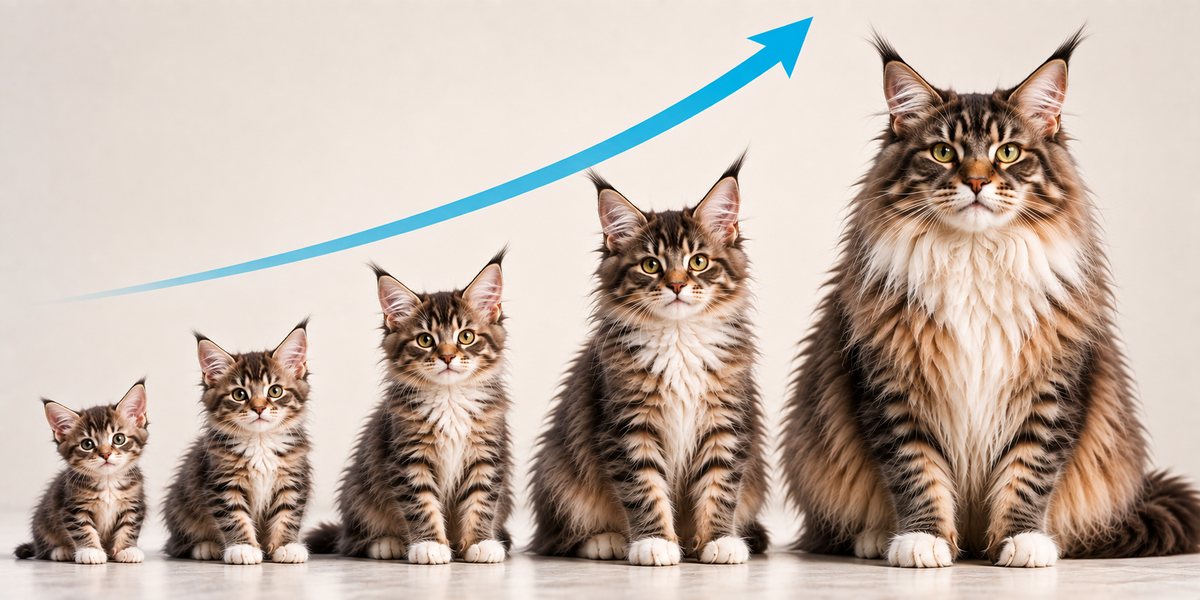
| Maturation | 12-18 months Munchkins generally reach most adult skeletal dimensions in the first year and complete muscular and body-condition development through roughly 12–18 months. |
| Coat & appearance | |
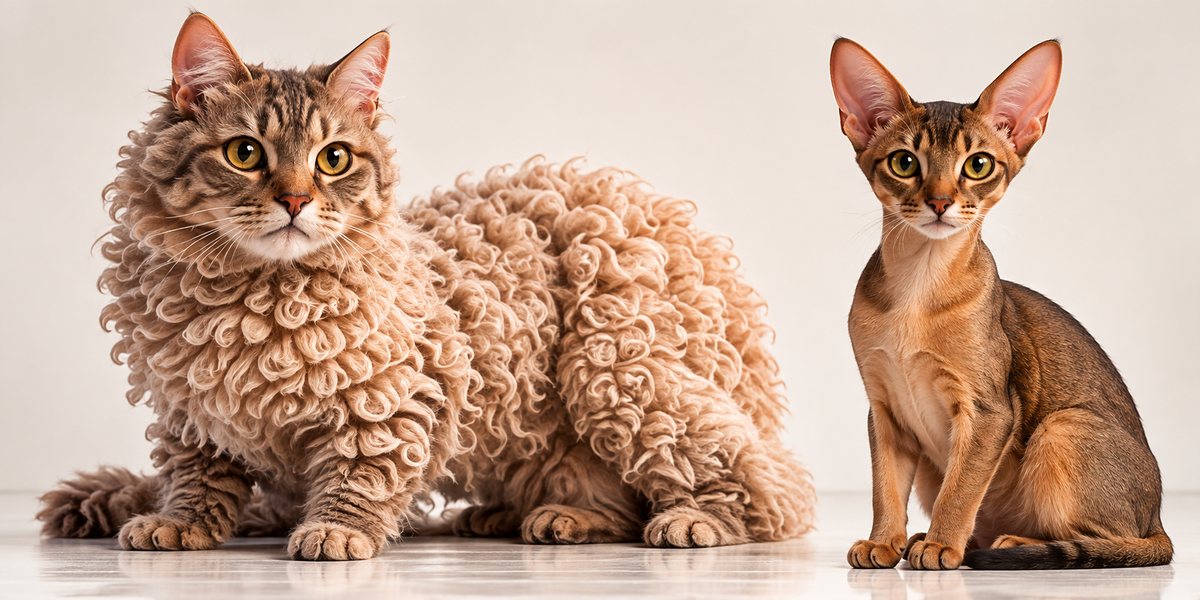
| Coat length | Short · semi long Occurs in both shorthair and longhair/semi-longhair forms. |
| Coat texture & undercoat | Short medium plush or semilong silky · longhair no heavy undercoat Coat: short medium plush or semilong silky; longhair no heavy undercoat. |
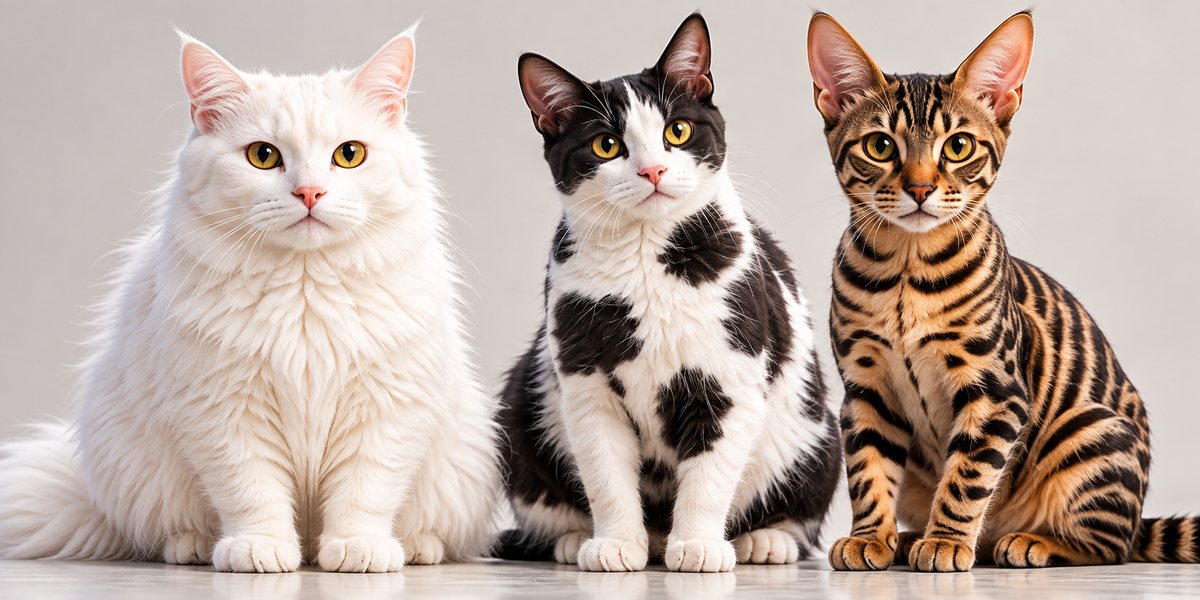
| Colors & patterns | All colors patterns; solid · tabby · tortie · pointed · bicolor · smoke Munchkins can occur in essentially all domestic-cat colours and patterns, including solids, tabbies, torties, points, bicolours and smoke/shaded varieties. |
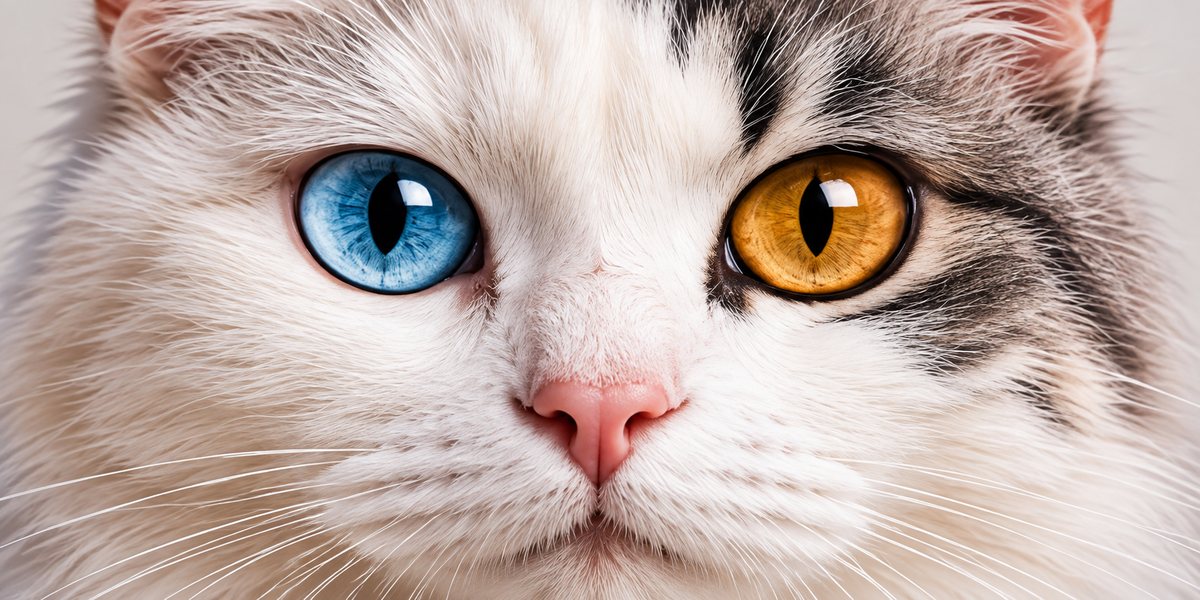
| Eye colors | All eye colors; coat-dependent All usual feline eye colours occur, generally corresponding with coat colour. |
| Coat & routine care | |
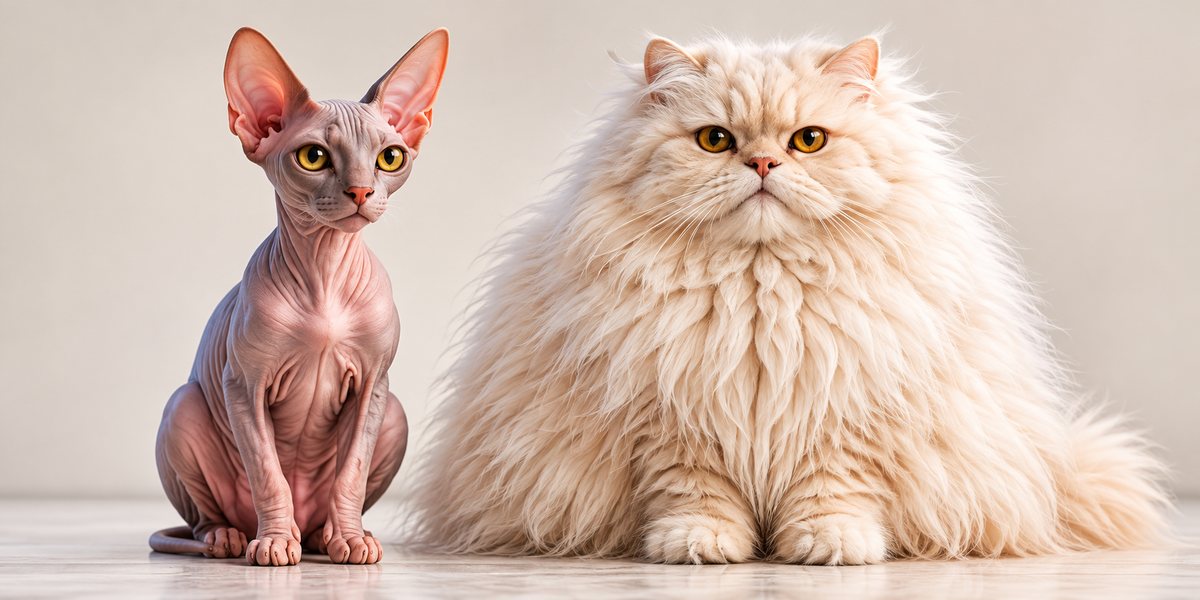
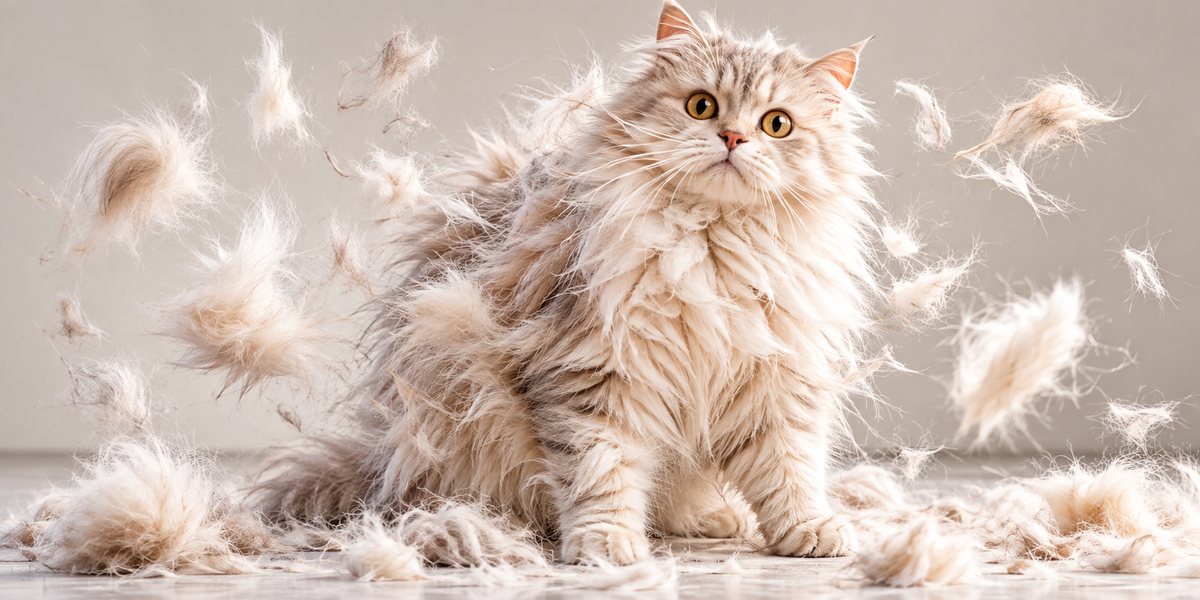
| Shedding | Moderate Moderate shedding overall; longhaired Munchkins shed more visibly and seasonal changes depend on coat type. |
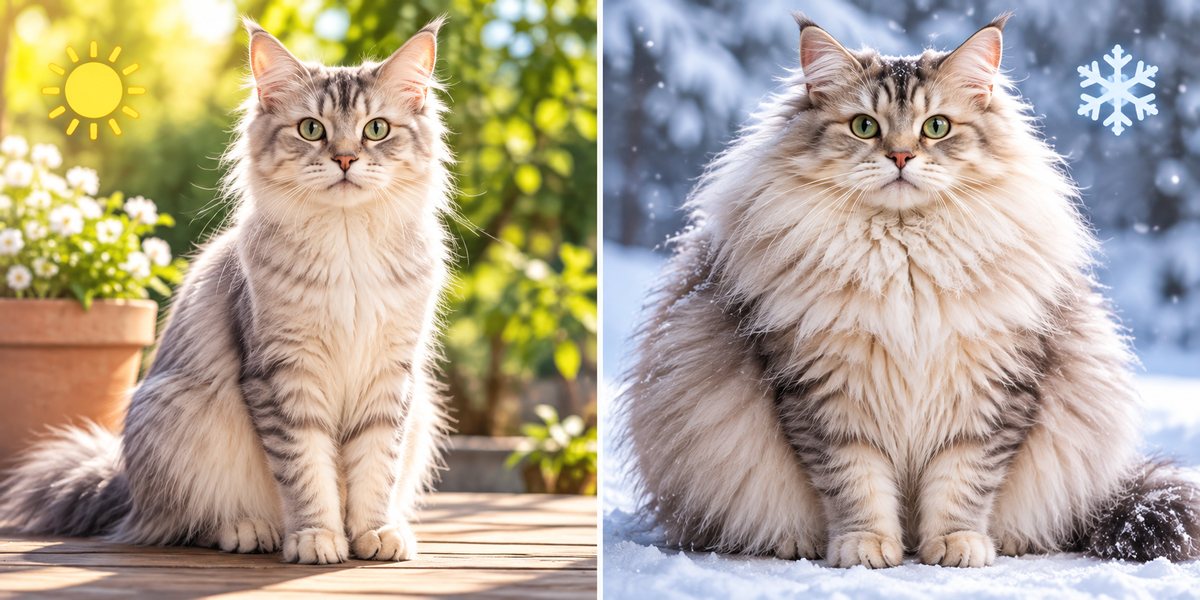
| Seasonal coat changes | Moderate seasonal change Munchkins usually show a moderate seasonal coat change; longhaired cats develop and release more visible furnishings while shorthairs mainly show an increase in loose undercoat. |
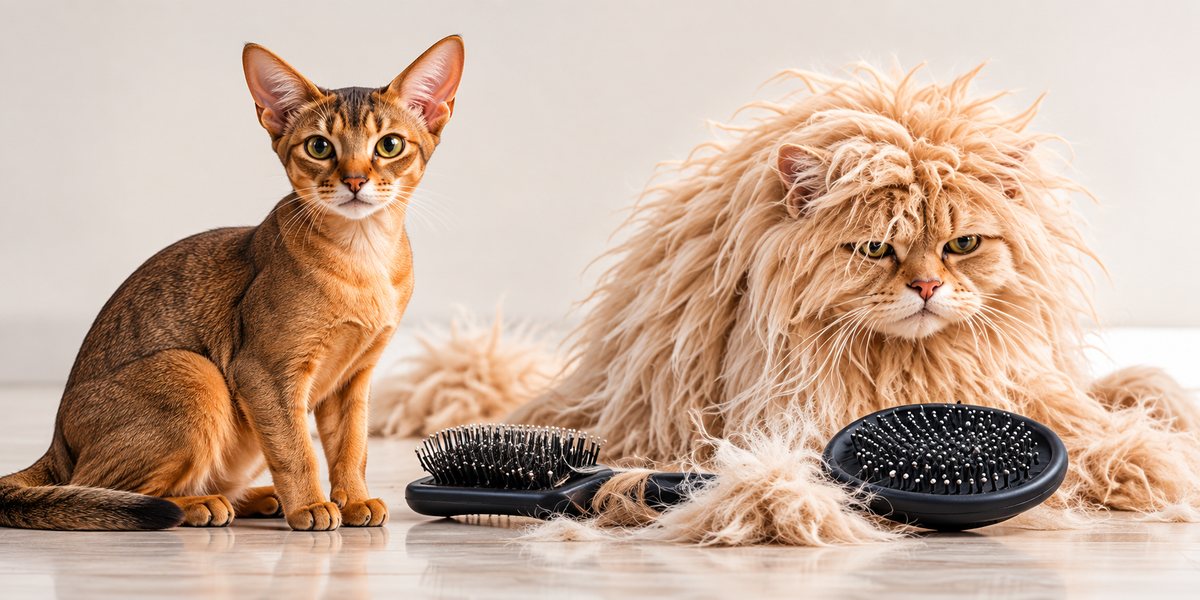
| Brushing & combing | Weekly sh · twice weekly lh Brushing/combing: weekly sh; twice weekly lh. |
| Tangle & matting tendency | Low to moderate by length Shorthairs rarely tangle; longhaired Munchkins have a silky coat without an especially heavy undercoat, so risk is moderate rather than extreme. |
| Skin & bathing care | Bathing not routinely needed Routine bathing is generally unnecessary; bathe only when the coat is genuinely soiled or for a specific veterinary or grooming reason. |
| Distinctive routine care | Dwarf mobility care Routine care should keep Munchkins lean and active with climbing and litter resources they can use comfortably. Watch gait, spine, chest and willingness to jump, and investigate persistent mobility changes rather than treating them as normal for short legs. |
| Allergy & allergen evidence | No breed specific reduction established There is no known reason to regard this breed as hypoallergenic. All cats produce allergens, and coat length or shedding alone does not determine allergy risk. |
| Activity & intelligence | |
| Activity level | Very high |
| Playfulness | Very high |
| Climbing & jumping | Moderate |
| Enrichment demand | Very high Very high mental and play enrichment demand: frequent games, exploration and puzzles are valuable, while vertical layouts should be adapted to its short-legged build. |
| Learning & training | Very high Munchkins are bright, determined problem solvers that can learn fetch, leash routines and creative routes to desired places quickly; training should remain low-impact. |
| Curiosity & exploration | Very high Munchkins are extremely curious and persistent investigators; short legs do not prevent them from exploring accessible corners, objects and household activity. |
| Hunting & chasing tendencies | High Munchkins are energetic ground-level players, so chasing can be strong despite reduced jumping reach; rolling and rapidly moving floor toys are particularly suitable. |
| Personality & social | |
| Sociability with familiar people | High Munchkins are typically outgoing, affectionate household cats that enjoy attention and interaction and usually remain closely engaged with familiar people. |
| Affection | Interactive playful · proximity · physical Munchkins tend to show affection through playful interaction, friendly proximity and readily accepted physical attention. |
| Lap & cuddling preference | Often enjoys cuddling Despite their high activity level, Munchkins commonly settle into bed or close contact for cuddling. |
| Handling tolerance | High Munchkins are usually outgoing, companionable cats and commonly accept close handling; support the chest and hindquarters so the long body is not left hanging from the short limbs. |
| Independence & social demand | Moderate to high social demand Munchkins are typically sociable and playful, enjoying regular family interaction without generally reaching Siamese-level dependence. |
| Vocalization | Low to moderate; individual conversational style varies Moderately vocal; many are sociable and will meow or chirp for interaction, but extreme loudness is not a defining breed feature. |
| Response to unfamiliar people | High Munchkins are commonly outgoing, curious and playful with people, so unfamiliar visitors are more likely to be investigated and accepted than persistently avoided. |
| Adaptability to change | Generally confident and adaptable Their self-assured, sociable temperament generally supports good adaptation to ordinary household life. |
| Noise & busy-environment sensitivity | Low to moderate Munchkins are commonly outgoing and playful, so routine domestic activity is usually well tolerated; safe low-level retreat spaces help in very busy homes. |
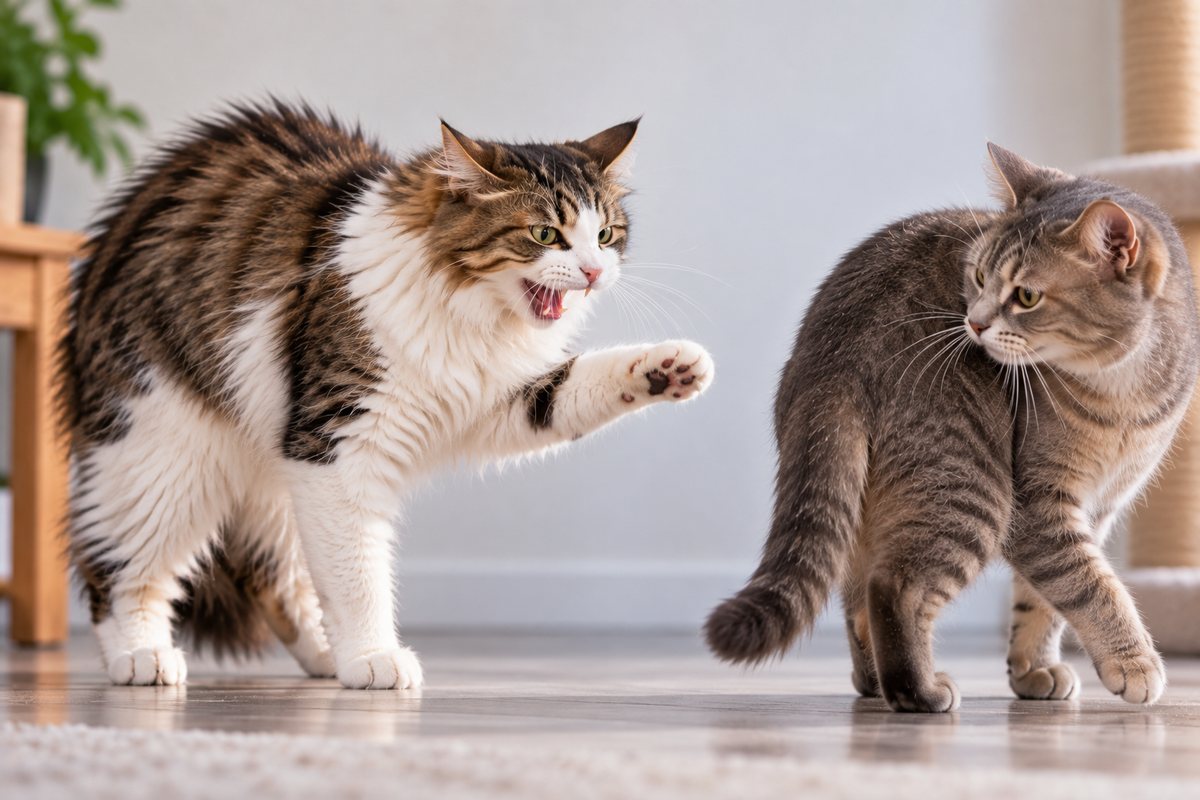
| Defensive & conflict behaviour | Low Munchkins are typically outgoing, playful and socially confident rather than defensive. Serious conflict is not expected as a breed tendency, but their short-legged build makes it especially important that they can retreat without being chased or restrained. |
| Household & environment | |
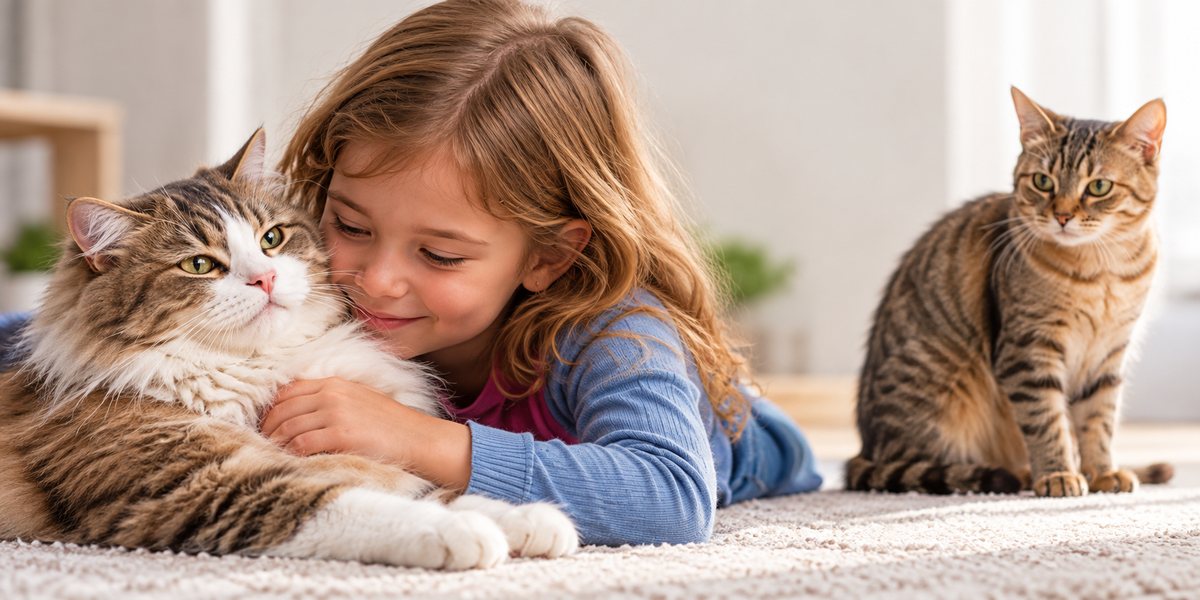
| Living with children | Favorable tendency Munchkins generally make good family companions with children. |
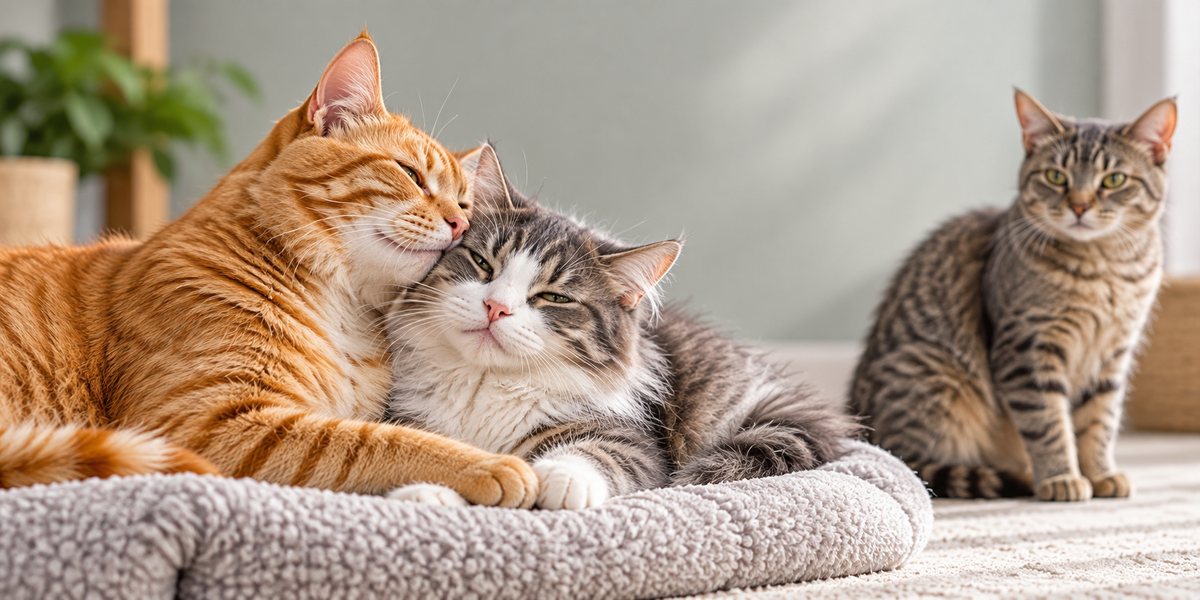
| Living with other cats | Favorable tendency Sociable and reported to enjoy company including other pets. |
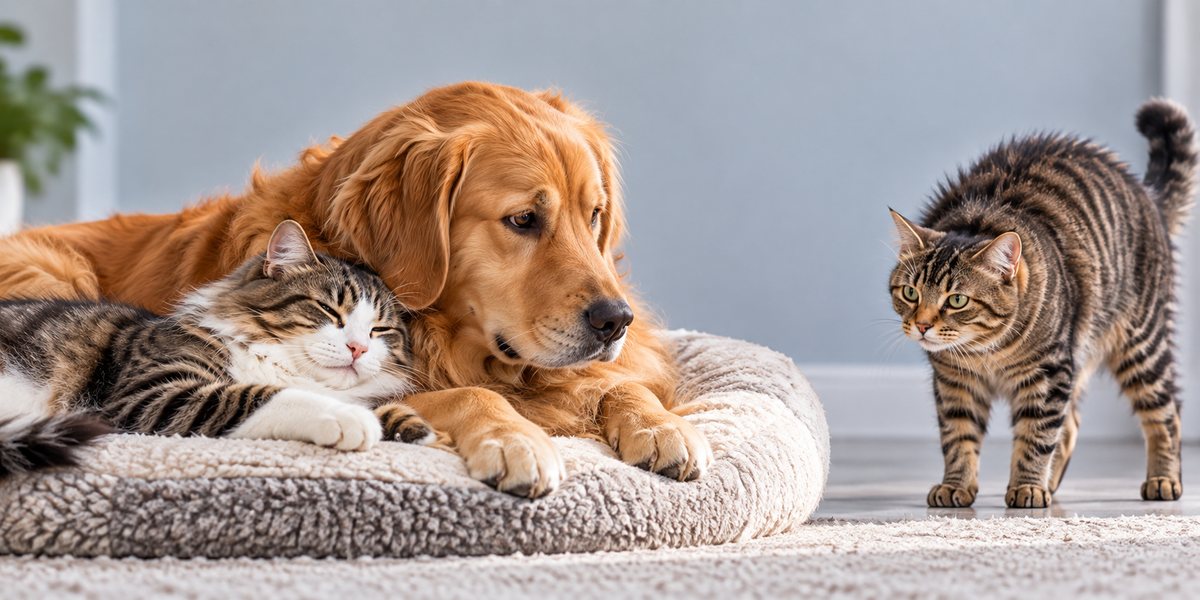
| Living with dogs | Good They commonly coexist well with cat-friendly dogs. |
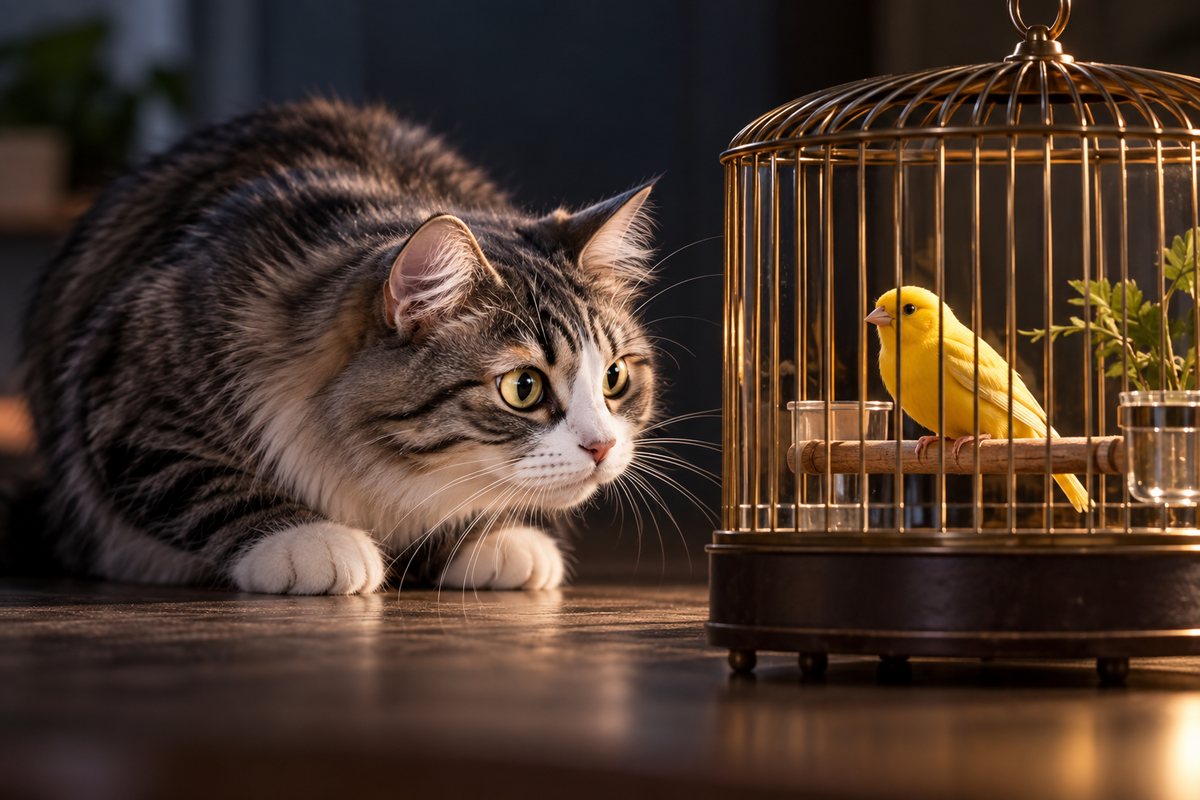
| Living around small pets | Additional caution Munchkins retain active hunting and pouncing behavior despite their short legs, and many enthusiastically pursue small moving objects. Reduced stature should not be mistaken for reduced predatory motivation; vulnerable pets require secure separation. |
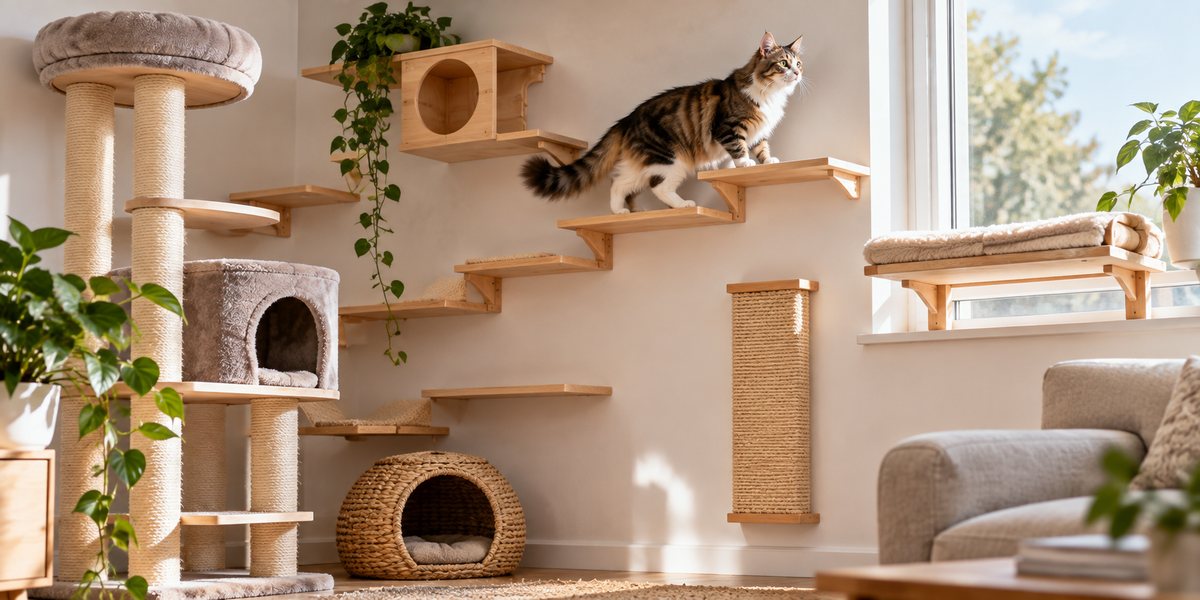
| Indoor & home environment needs | Staged vertical access · interactive play Munchkins remain playful and exploratory despite short legs. Stable stepped routes and closely spaced platforms let them gain useful vertical territory through smaller jumps, alongside floor-level running space, scratching resources and daily interactive play. |
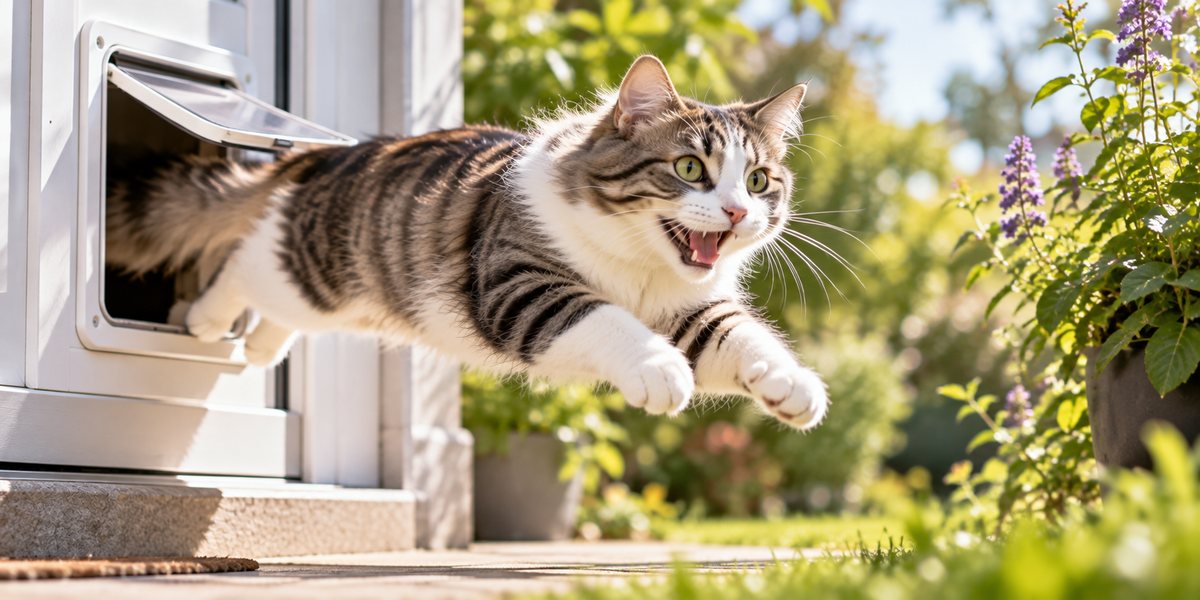
| Outdoor access considerations | Secure accessibility Munchkins can be lively explorers, but short legs reduce some escape and jumping options. Outdoor time is better provided in a secure enclosure with accessible routes than through free roaming where rapid evasion may matter. |
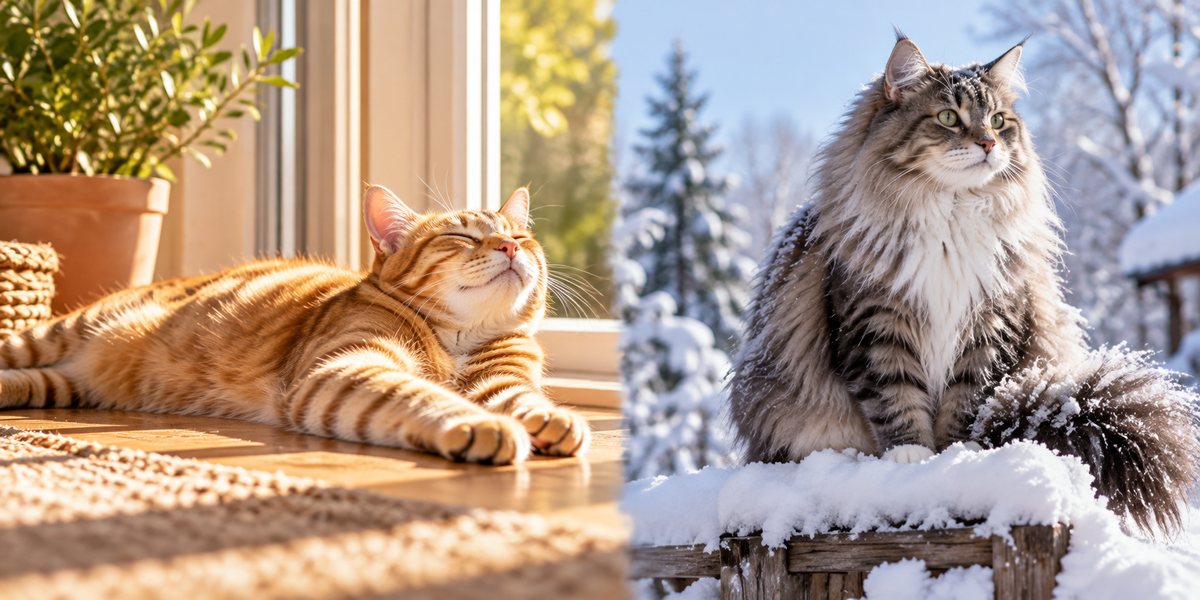
| Heat, cold & sun considerations | Moderate coat adaptable Munchkins occur in short- and longhaired forms, so insulation varies. Most need ordinary feline climate management, with shade and water in heat and warm dry shelter in cold; short-legged conformation itself does not provide climate protection. |
| Caregiver time & experience | Moderate Environmental accessibility and play need some attention without automatically implying specialist care. |
| Health & welfare | |
| Documented health predispositions | Elevated conformation risks Munchkins have disproportionate short-legged dwarfism caused by a dominant mutation. Many individuals remain mobile, but lordosis, pectus excavatum and joint or spinal stress are recurring concerns, making gait, weight and orthopedic comfort important to monitor. |
| Screening & breeder questions | Ask what health problems are tracked in the lines and request actual test results Ask specifically about lordosis, pectus excavatum, arthritis and other spinal or joint problems in relatives, and how breeding cats' gait and orthopedic soundness are evaluated over time rather than only as kittens. |
| Conformation-related welfare | High dwarf concern Munchkins have disproportionate short-legged dwarfism. Even active individuals should be selected and managed for sound spine, joints and chest, comfortable gait and healthy body weight rather than treating reduced limb length as purely cosmetic. |
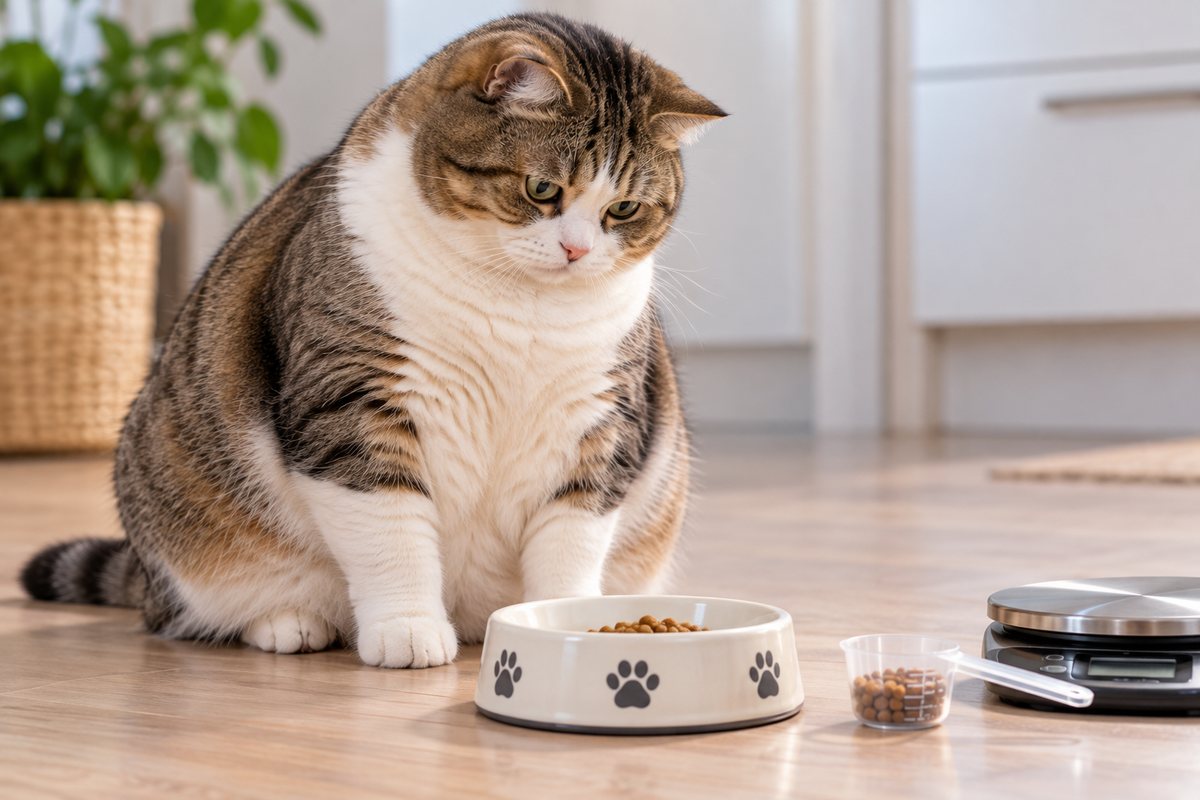
| Nutrition & weight management | Dwarf weight joint control Munchkins should be kept lean because extra body mass increases load on short limbs, joints and spine. Use measured portions and accessible active play, judging condition by ribs and waist rather than the breed's low-to-ground silhouette. |
| Longevity | 12–16 years Most Munchkins can be expected to live around 12–16 years; individuals without significant orthopedic or other chronic disease may live longer. |
| Cost & availability | |
| Purchase cost | High: $800–$2,500 Munchkin: a practical breeder-market estimate is $800–$2,500. This reflects that it is an high-demand mutation breed; availability and legality vary by market. |
| Adoption & rehoming cost | Occasionally available: $75–$400 typical rescue/adoption fee Munchkin: $75–$400 typical rescue/adoption fee. The breed is sufficiently numerous that genuine examples sometimes enter ordinary rescue or breed-rescue channels. |
| Recurring ownership costs | Enrichment/toy replacement Grooming costs depend on coat length, but the distinctive budget issue is mobility: keep the cat lean, provide accessible furniture and retain insurance or emergency funds for orthopedic/spinal assessment if problems develop. |
| Availability, waits & import | Moderately available with regional limits Munchkins have breeders in many countries but availability is uneven because dwarf-cat breeding is controversial and restricted in some jurisdictions or organizations. Prospective owners may encounter many sellers online while still having limited access to responsibly documented programs. |
| Identity & real-world context | |
| Ownership & import restrictions | No known breed specific restrictions There are no known breed-specific ownership restrictions. Ordinary animal-welfare, identification, vaccination and cross-border import rules still apply where relevant. |
| Registry recognition | TICA: Championship-recognized / current breed identity Currently recognized by TICA in the FSC core matrix; it is not a separately recognized CFA or FIFe breed identity there. |
| Similar breeds & identity distinctions | Other dwarf breeds Munchkins are the foundational short-legged breed and can be confused with derivative dwarf breeds. Kinkalow adds curled ears, Lambkin adds Rex coat, Bambino adds hairlessness and Minuet adds Persian type; a standard Munchkin lacks those defining combinations. |
| Reported characteristic quirks | May sit upright on hind legs and often reaches high places through staged smaller jumps. Munchkins are often reported to sit upright on their hindquarters to survey a room, a posture made conspicuous by short legs. Some also cache small toys or shiny objects, although neither habit occurs in every cat. |
Browse all 53 breed characteristics
Open any characteristic to compare all breeds on that dimension.
 English