
Compare Cat Breeds
Compare up to three breeds across all 53 characteristics. Values are shown directly so the differences are easier to scan.
| Characteristic |  Mekong Bobtail |
|---|---|
| Body & development | |
| Adult size | Medium |
| Adult weight | 3.6–4.5 kg (7.9–9.9 lb) Adults are commonly around 3.6–4.5 kg (8–10 lb), with normal individual variation. |
| Build & distinguishing morphology | Medium · rectangular muscular · long legs · bobtail The Mekong Bobtail has a medium, rectangular and muscular body on relatively long legs, paired with a short kinked bobtail. |
| Maturation | 12-18 months The moderate, athletic Mekong Bobtail generally reaches adult dimensions around a year and completes muscular filling-out through roughly 12–18 months. |
| Coat & appearance | |
| Coat length | Short |
| Coat texture & undercoat | Short · fine glossy · close lying · minimal undercoat The Mekong Bobtail has a short, fine, glossy coat lying close to the body, with relatively little undercoat in the Southeast Asian shorthair tradition. |
| Colors & patterns | Colorpoint; seal · blue · chocolate · lilac · red · cream · tortie variants The breed is colourpointed, with seal, blue, chocolate, lilac, red/cream and tortie-point variants. |
| Eye colors | Blue Blue eyes are characteristic because the breed is colourpointed. |
| Coat & routine care | |
| Shedding | Low Low shedding from the short, close, low-undercoat colorpoint coat. |
| Seasonal coat changes | Minimal to mild seasonal change The Mekong Bobtail’s fine, close coat has little undercoat, so seasonal turnover is generally slight and rarely creates a major grooming burden. |
| Brushing & combing | Weekly or as needed A weekly grooming-mitt session is ample for the short, close colorpoint coat, with little combing required. |
| Tangle & matting tendency | Very low The short fine coat has little undercoat and almost never mats. |
| Skin & bathing care | Bathing not routinely needed Routine bathing is generally unnecessary; bathe only when the coat is genuinely soiled or for a specific veterinary or grooming reason. |
| Distinctive routine care | Simple coat tail check The short coat is easy, but routine handling should include checking that the bobtail remains pain-free and that gait and spinal movement are normal. Add ordinary nail, ear and dental care. |
| Allergy & allergen evidence | No breed specific reduction established There is no known reason to regard this breed as hypoallergenic. All cats produce allergens, and coat length or shedding alone does not determine allergy risk. |
| Activity & intelligence | |
| Activity level | High The Mekong Bobtail is lively and benefits from regular active play. |
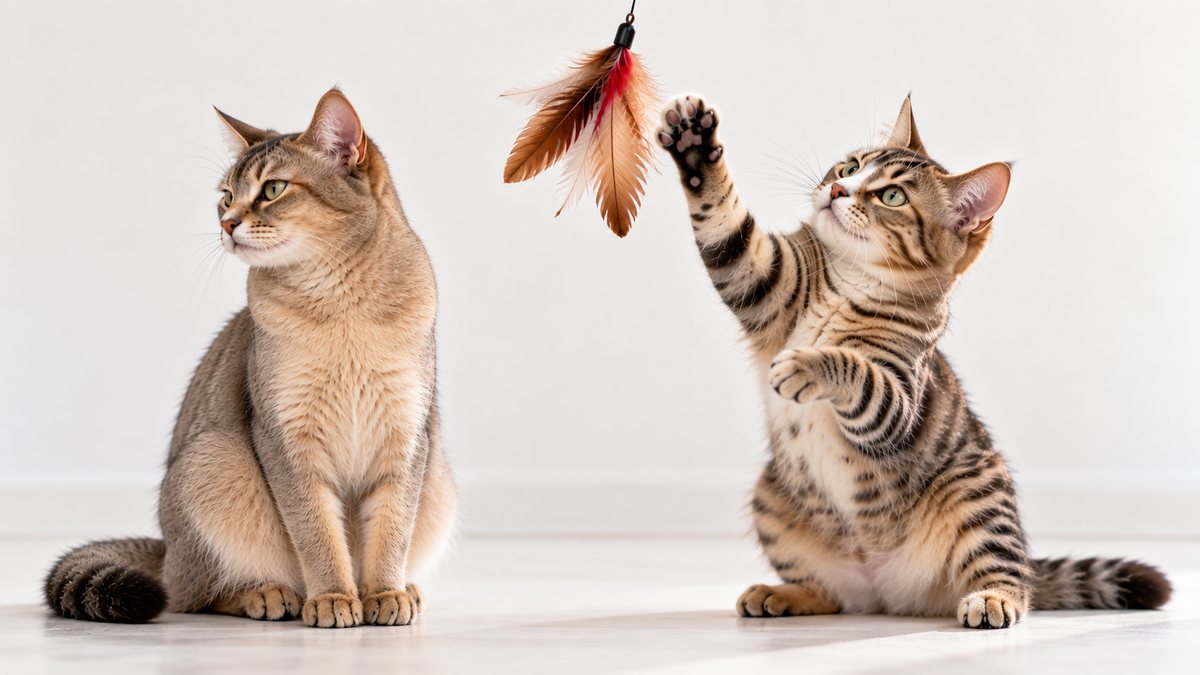
| Playfulness | Moderate to high Highly playful and interactive; its Southeast Asian colorpoint background supports energetic social games and persistent curiosity. |
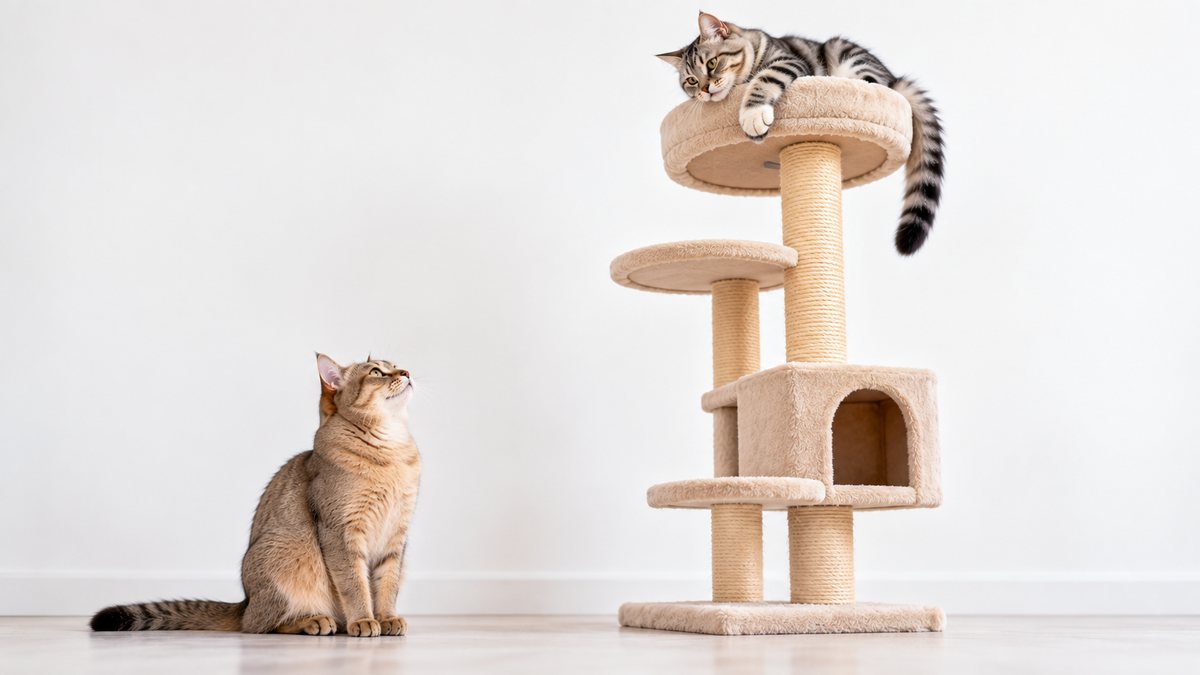
| Climbing & jumping | High The breed is agile and benefits from useful vertical space and climbing opportunities. |
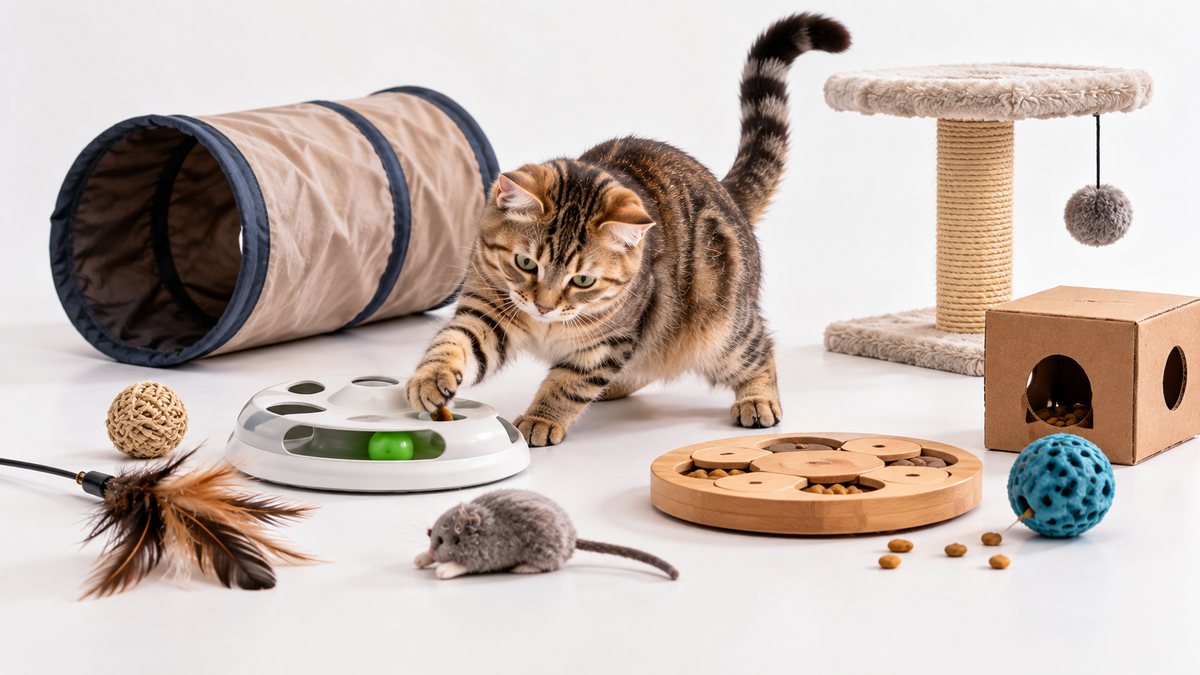
| Enrichment demand | High High enrichment demand: daily active play, climbing and social problem-solving suit its lively and inquisitive temperament. |
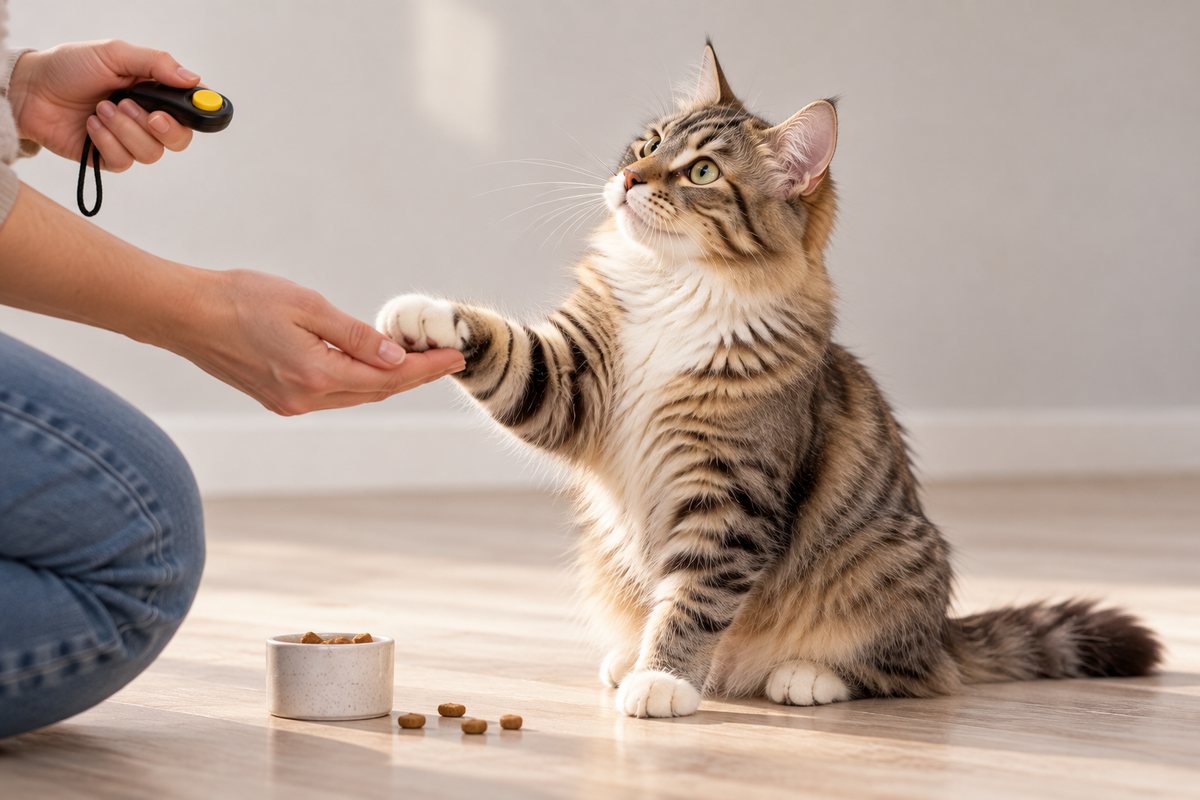
| Learning & training | High Social, active and Siamese-related, the Mekong Bobtail is expected to learn household cues and interactive games quickly and to respond well to reward-based training. |
| Curiosity & exploration | High Mekong Bobtails are active, social Siamese-related cats; high curiosity is expected, particularly toward people, movement and changes in their immediate environment. |
| Hunting & chasing tendencies | Moderate to high Expect above-average chase play. This active, agile Siamese-related bobtail is likely to engage readily in pursuit and pouncing games. |
| Personality & social | |
| Sociability with familiar people | High The Mekong Bobtail is a companionable, people-oriented cat. |
| Affection | Loyal · companionable · interactive Affection tends to be loyal and companionable, with the cat actively engaging with its household. |
| Lap & cuddling preference | High Mekong Bobtails are strongly social and people-focused, making cuddling and close physical contact common with trusted family members. |
| Handling tolerance | High Mekong Bobtails are social, confident and strongly people-oriented, so well-socialized individuals generally tolerate lifting and close handling readily. |
| Independence & social demand | High social demand Mekong Bobtails are strongly attached, interactive cats that usually prefer substantial involvement with their household. |
| Vocalization | High Mekong Bobtails tend to be relatively vocal and communicative. |
| Response to unfamiliar people | High Mekong Bobtails are social, confident and strongly engaged with people; visitors usually prompt curiosity and relatively quick interaction rather than avoidance. |
| Adaptability to change | High Mekong Bobtails tend to be social, active, and closely engaged with people, which should make them relatively flexible when routines or surroundings change. |
| Noise & busy-environment sensitivity | Low Typically confident, social and dog-like in engagement, the Mekong Bobtail is generally comfortable in an active household and not notably noise-sensitive. |
| Defensive & conflict behaviour | Low Mekong Bobtails are generally social, interactive and closely bonded to people. Their confidence tends to reduce fear-driven conflict, although energetic play and strong social expectations can produce assertive boundary-setting when overstimulated. |
| Household & environment | |
| Living with children | Good Mekong Bobtails are generally social, playful and closely bonded to people. They can make lively companions for respectful children, provided games use toys rather than hands and the cat is free to disengage from attention. |
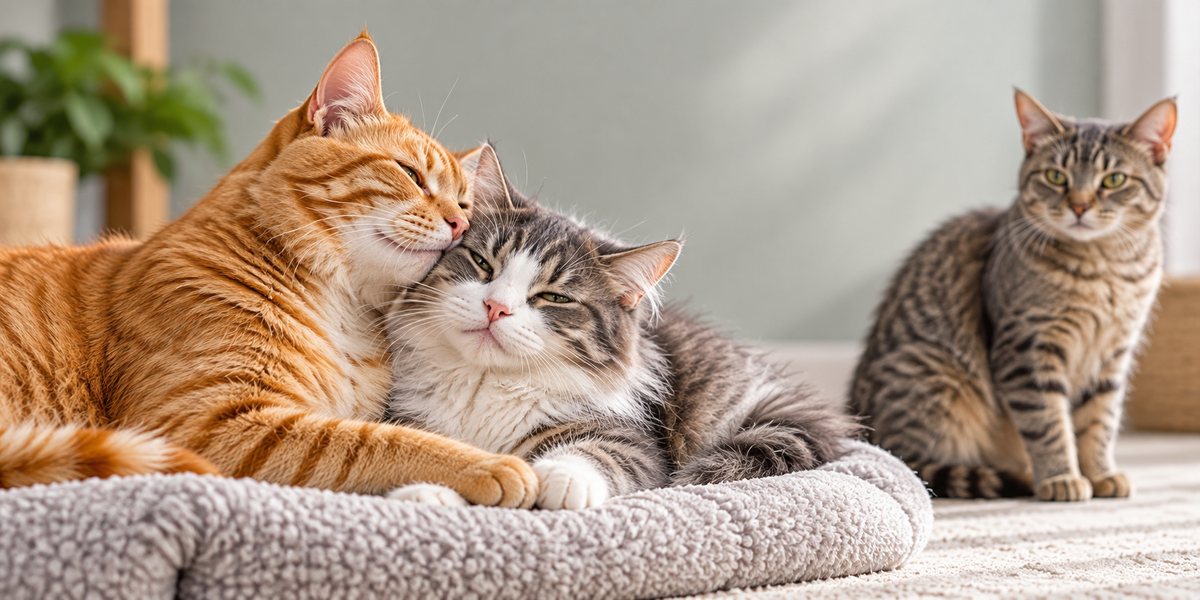
| Living with other cats | Favorable tendency Mekong Bobtails are strongly social, active cats that commonly form close household bonds. A compatible cat can provide useful companionship and play, although their confident temperament is best matched with a housemate that is not easily intimidated. |
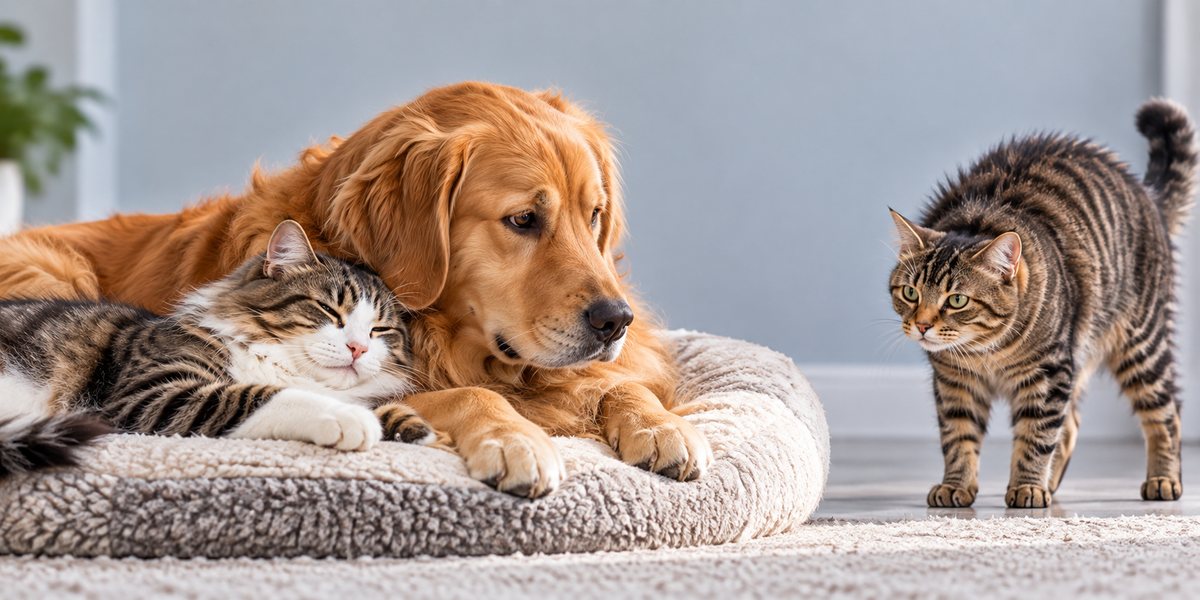
| Living with dogs | Good Mekong Bobtails are generally social, playful and people-oriented. Their confidence can translate well to a dog household, particularly with a friendly dog that enjoys interaction without chasing or overwhelming the cat. |
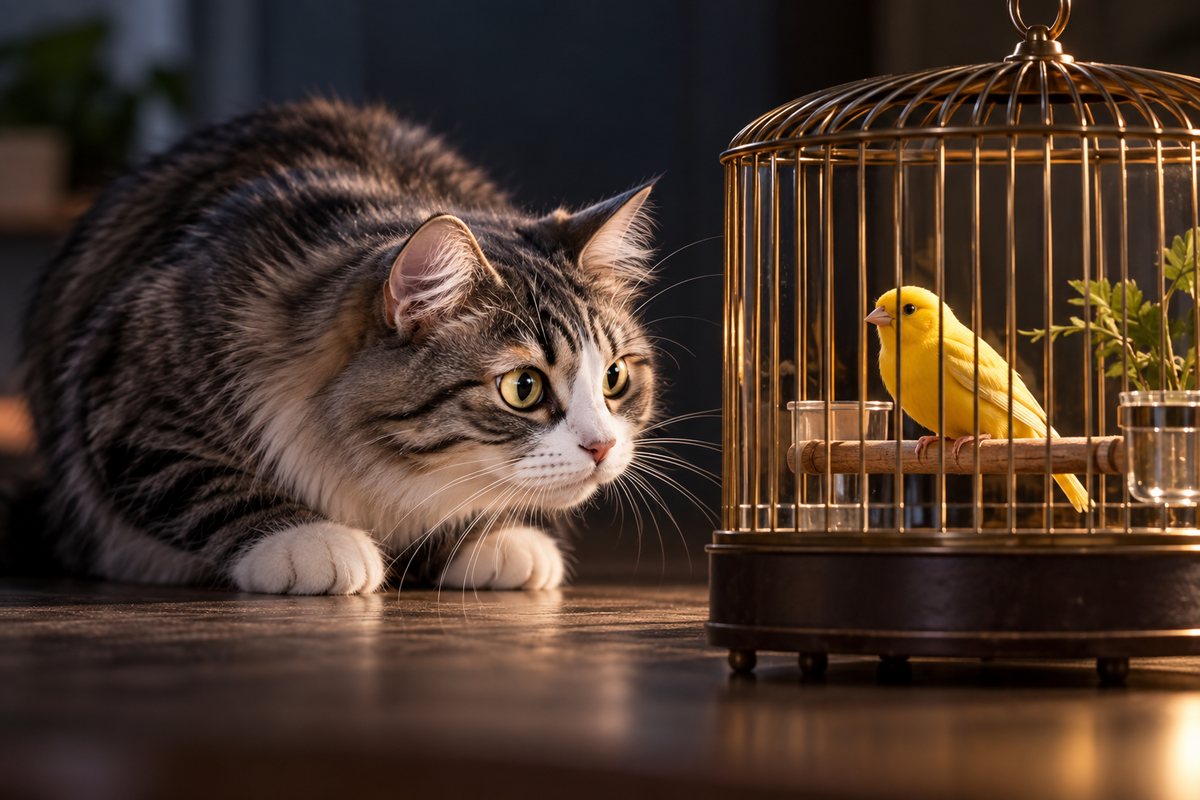
| Living around small pets | Additional caution Mekong Bobtails are active, playful and alert cats with strong interest in interactive movement. Their energetic chase behavior makes extra caution appropriate around birds, rodents and other small pets. |
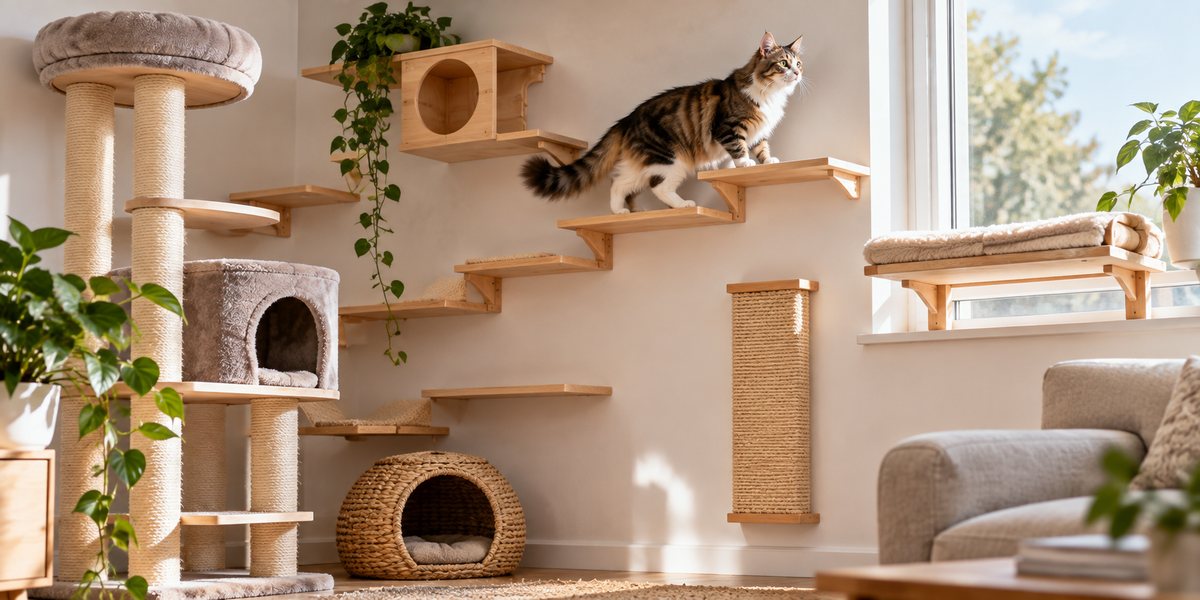
| Indoor & home environment needs | Social enriched indoor Mekong Bobtails are active, social cats that generally want to be involved with people. A good indoor setup combines climbing and scratching territory with frequent interactive play, puzzle activities and resting places close to household activity. |
| Outdoor access considerations | Secure high activity Mekong Bobtails are active, curious cats likely to enjoy outdoor exploration. A secure catio, enclosed garden or harness activity can channel that energy while preventing roaming, hunting and encounters with traffic or hostile animals. |
| Heat, cold & sun considerations | Shortcoat warm climate Mekong Bobtails have a short coat and Southeast Asian background that suit warm indoor climates. They may seek extra warmth in cold conditions, while hot weather still requires shade, water and freedom to rest in cooler areas. |
| Caregiver time & experience | Above average Mekong Bobtails are active, social cats that benefit from frequent interaction and energetic play. Coat care is simple, but their engagement needs favor caregivers who want an involved companion rather than a low-demand cat. |
| Health & welfare | |
| Documented health predispositions | Limited specific risk Mekong Bobtails have no single inherited disorder established strongly enough to define the breed's health profile. Tail and spinal function should be normal and painless, while family history and ordinary feline screening remain the most useful guides. |
| Screening & breeder questions | Ask what health problems are tracked in the lines and request actual test results Ask whether bobtailed cats in the family have normal spine, pelvis and gait, and ask about heart and kidney disease and longevity. Request details of veterinary examinations used on breeding cats. |
| Conformation-related welfare | Moderate tail concern Mekong Bobtails have shortened kinked tails. Welfare selection should require normal spine, pelvis, hind-limb function and pain-free tail anatomy, rather than rewarding the most extreme kink or shortest tail. |
| Nutrition & weight management | Active condition led Mekong Bobtails are active, muscular cats with no established special diet. Feed a complete ration to activity and body condition, using regular weight checks as the cat matures and activity changes. |
| Longevity | 14–18 years Mekong Bobtails are a Siamese-related, generally robust bobtail breed; about 14–18 years is a reasonable expectation and some may live longer. |
| Cost & availability | |
| Purchase cost | High: $700–$2,000 Mekong Bobtail: a practical breeder-market estimate is $700–$2,000. This reflects that it is an regional breed with limited availability outside Eastern Europe and Asia. |
| Adoption & rehoming cost | Very rare in rescue: $100–$600 when genuinely available Mekong Bobtail: $100–$600 when genuinely available. The breed is scarce enough that a verified purebred rescue placement is unusual; transport may exceed the adoption fee. |
| Recurring ownership costs | Typical cat costs Recurring costs are generally moderate: simple short-coat care, ordinary food and litter, dental/preventive veterinary care and active play. A healthy bobtail should not itself create routine expense, though pain or gait changes warrant assessment. |
| Availability, waits & import | Regionally uncommon Mekong Bobtails are most established in Russia, eastern Europe and parts of Asia and remain uncommon in much of western Europe and North America. Availability may therefore require a cross-border breeder search. |
| Identity & real-world context | |
| Ownership & import restrictions | No known breed specific restrictions There are no known breed-specific ownership restrictions. Ordinary animal-welfare, identification, vaccination and cross-border import rules still apply where relevant. |
| Registry recognition | No separate current CFA/TICA/FIFe recognition Mekong Bobtail is not a separately recognized current breed identity in CFA, TICA or FIFe within the FSC core registry matrix; recognition by smaller, national or experimental registries can differ. |
| Similar breeds & identity distinctions | Japanese Bobtail Thai Mekong Bobtails combine a colorpoint Siamese/Thai-derived appearance with a short kinked tail. Japanese Bobtails are not defined by colorpoint and have a different body and tail presentation; ordinary Thai cats have full-length tails. |
| Reported characteristic quirks | Individual quirks often center on play and exploration Mekong Bobtails are often described as dog-like, with some retrieving toys, following people closely or greeting at the door. Their short kinked tail can also be highly expressive. |
Browse all 53 breed characteristics
Open any characteristic to compare all breeds on that dimension.






 English