
Compare Cat Breeds
Compare up to three breeds across all 53 characteristics. Values are shown directly so the differences are easier to scan.
| Characteristic |  Maine Coon |
|---|---|
| Body & development | |
| Adult size | Large |
| Adult weight | Females 3.6–5.4 kg (7.9–11.9 lb); males 5.9–8.2 kg (13.0–18.1 lb) Maine Coons are large and slow-maturing; females are commonly about 3.6–5.4 kg (7.9–11.9 lb) and males about 5.9–8.2 kg (13.0–18.1 lb), with some healthy individuals larger. |
| Build & distinguishing morphology | Large natural · substantial · long body · bushy tail Build: large natural; substantial; long body; bushy tail. |
| Maturation | 3-5 years Maturation: 3-5 years. |
| Coat & appearance | |
| Coat length | Semi long Semi-long, weather-adapted coat. |
| Coat texture & undercoat | Semilong · heavy water resistant · two layered · variable silky to cottony Coat: semilong; heavy water resistant; two layered; variable silky to cottony. |
| Colors & patterns | Nearly all traditional except pointed Colors/patterns: nearly all traditional except pointed. |
| Eye colors | Green · gold · copper · blue · odd-eyed; coat-dependent Green, gold or copper are common; blue or odd eyes occur primarily in white cats. |
| Coat & routine care | |
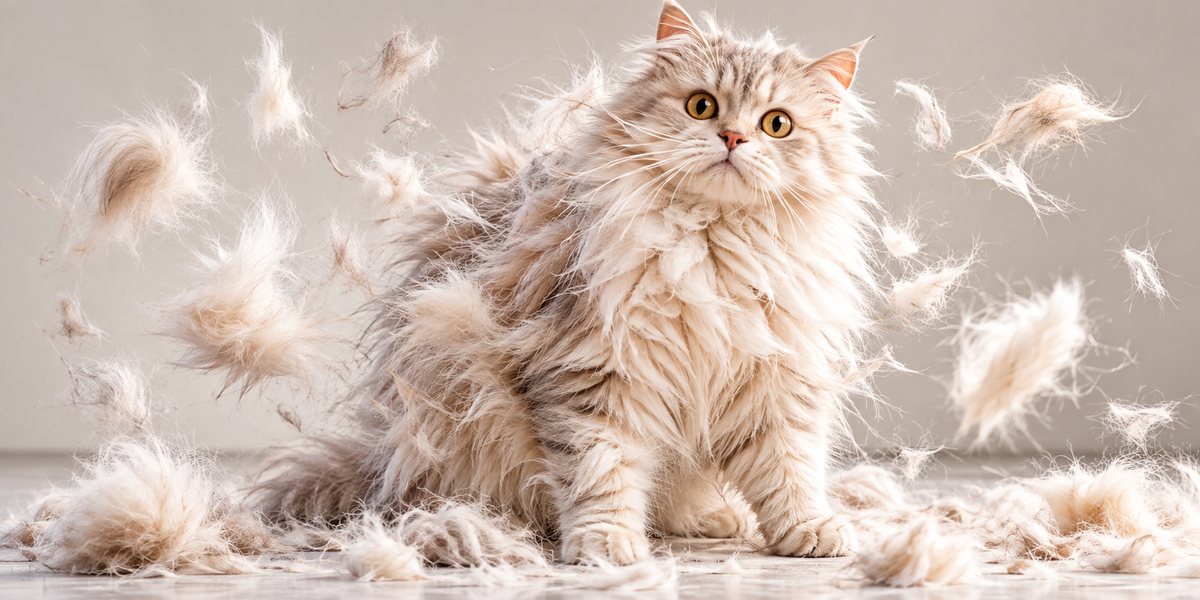
| Shedding | Moderate to high seasonal Moderate to high shedding with a substantial spring shed from the long, weather-resistant coat and undercoat. |
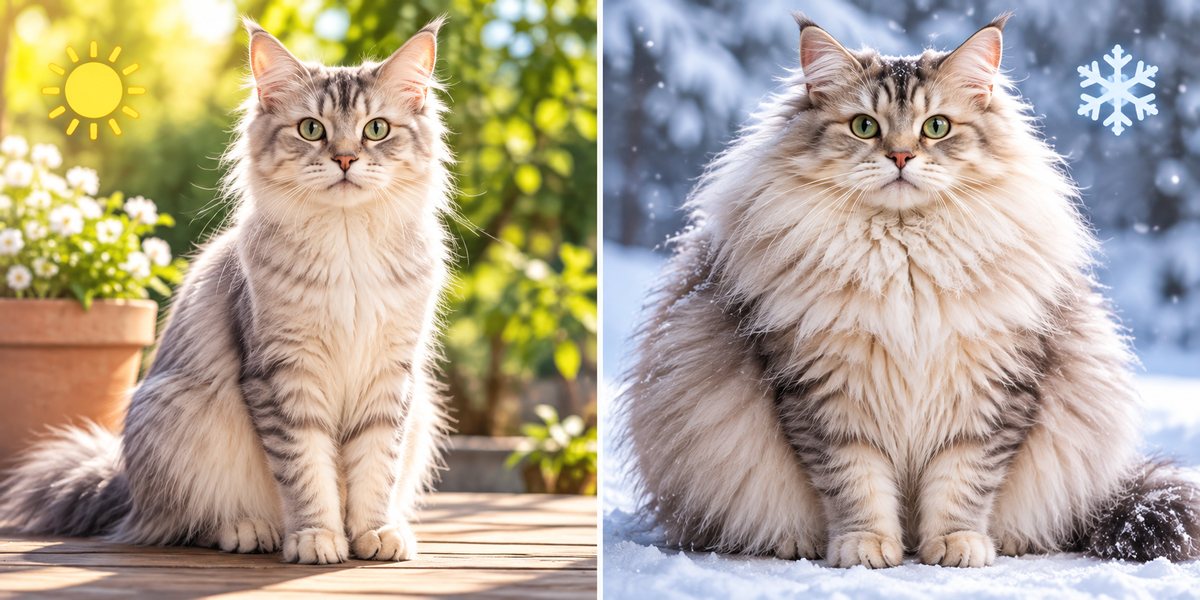
| Seasonal coat changes | Kitten coat thinner shorter · adult two layered Seasonal coat: kitten coat thinner shorter; adult two layered. |
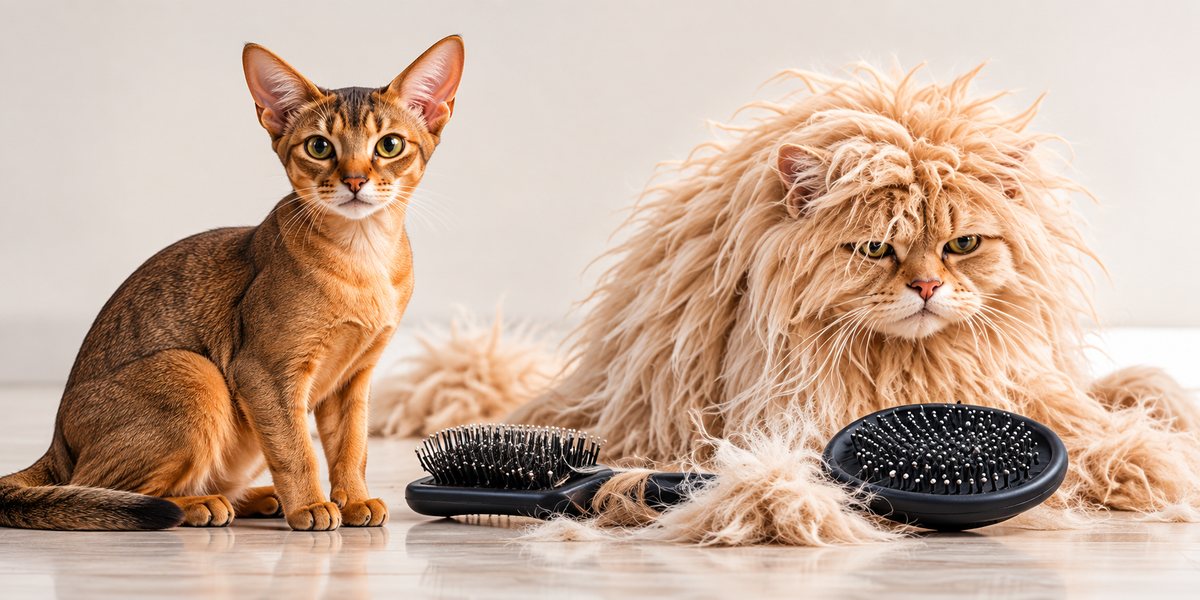
| Brushing & combing | Weekly minimum · some coats daily Brushing/combing: weekly minimum; some coats daily. |
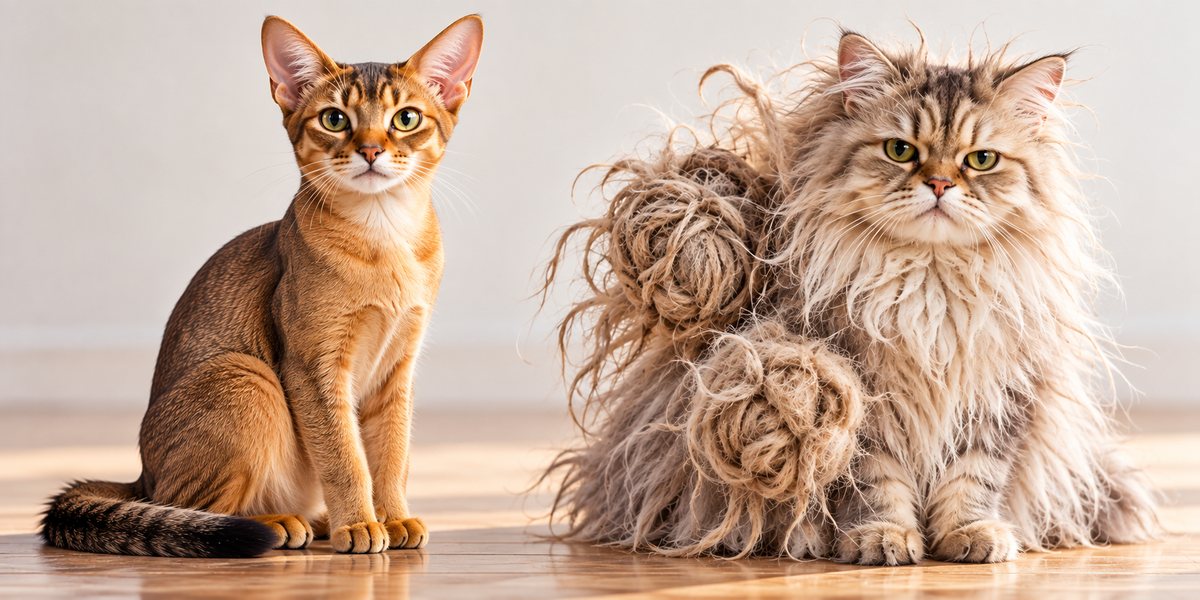
| Tangle & matting tendency | Moderate to high by texture Silkier coats may stay relatively free, while cottonier dense coats can mat quickly; armpits, belly, trousers and chest are the main problem areas. |
| Skin & bathing care | Bathing not routinely needed Routine bathing is generally unnecessary; bathe only when the coat is genuinely soiled or for a specific veterinary or grooming reason. |
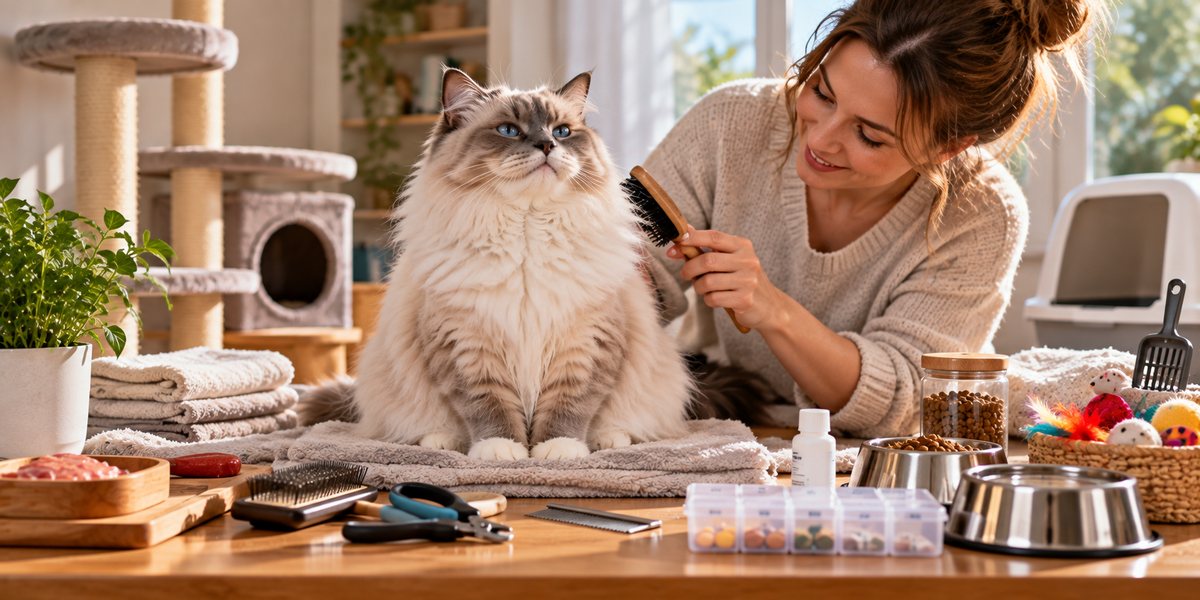
| Distinctive routine care | Large semilong coat care Maine Coons need regular combing of the shaggy coat, especially the belly, armpits and hindquarters where mats form. Routine care should also include weight and mobility checks in this large breed alongside nails, ears and dental hygiene. |
| Allergy & allergen evidence | No breed specific reduction established There is no known reason to regard this breed as hypoallergenic. All cats produce allergens, and coat length or shedding alone does not determine allergy risk. |
| Activity & intelligence | |
| Activity level | Moderate Relaxed/easy-going adults commonly remain playful with encouragement; evidence supports moderate activity. |
| Playfulness | High |
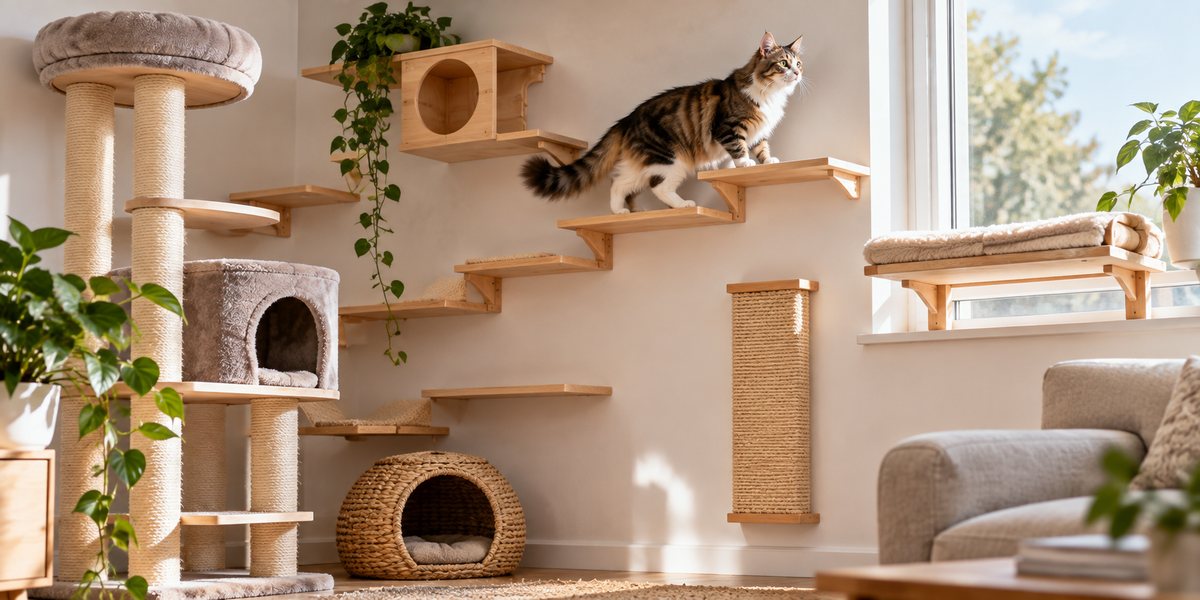
| Climbing & jumping | Moderate Maine Coons climb competently but their large, heavy build favors broad, exceptionally sturdy platforms over narrow or highly acrobatic structures. |
| Enrichment demand | Moderate Moderate enrichment demand: daily interactive play, sturdy climbing options and occasional puzzles usually satisfy this playful but not relentlessly active large cat. |
| Learning & training | High Maine Coons are intelligent problem solvers with good memory for rewarding tasks; many readily learn routines, retrieval games and ways to locate hidden preferred toys. |
| Curiosity & exploration | Moderate Maine Coons are observant and inquisitive, often fascinated by water, moving objects and household mechanisms; curiosity is substantial but usually measured rather than frenetic. |
| Hunting & chasing tendencies | High Hunting interest is likely moderate to strong: Maine Coons have working-cat roots and often enjoy stalking and pursuit, though their play style is usually less frantic than lighter athletic breeds. |
| Personality & social | |
| Sociability with familiar people | High Maine Coons are people-oriented companions that participate readily in family life without usually becoming excessively dependent. |
| Affection | Proximity · following · interactive playful Affection commonly appears as following, nearby companionship and interactive participation. |
| Lap & cuddling preference | Moderate Many enjoy close contact, but the breed is not uniformly lap-oriented. |
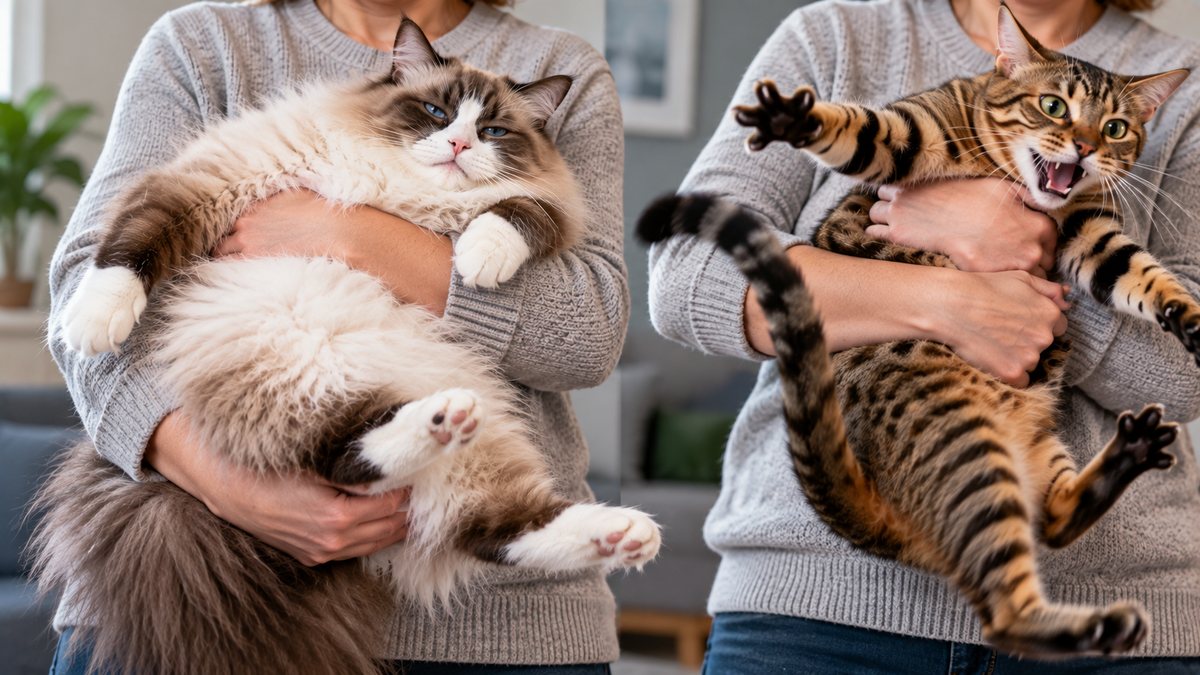
| Handling tolerance | High Maine Coons are typically gentle and steady for grooming and examination, but their size means lifting must support chest and hindquarters rather than letting the heavy body hang. |
| Independence & social demand | Moderate Maine Coons value companionship and household involvement without usually being excessively dependent on constant attention. |
| Vocalization | Low Usually not loud overall despite a rich repertoire of chirps and trills. |
| Response to unfamiliar people | High The breed is commonly described as amiable and socially confident. |
| Adaptability to change | High Easygoing temperament and broad household suitability support good adaptability, though this is less direct than social evidence. |
| Noise & busy-environment sensitivity | Low Maine Coons are usually confident, adaptable and socially steady, making them well suited to normal family bustle provided they retain space to withdraw when desired. |
| Defensive & conflict behaviour | Low Registry profiles emphasize gentle, easygoing behavior rather than confrontation. |
| Household & environment | |
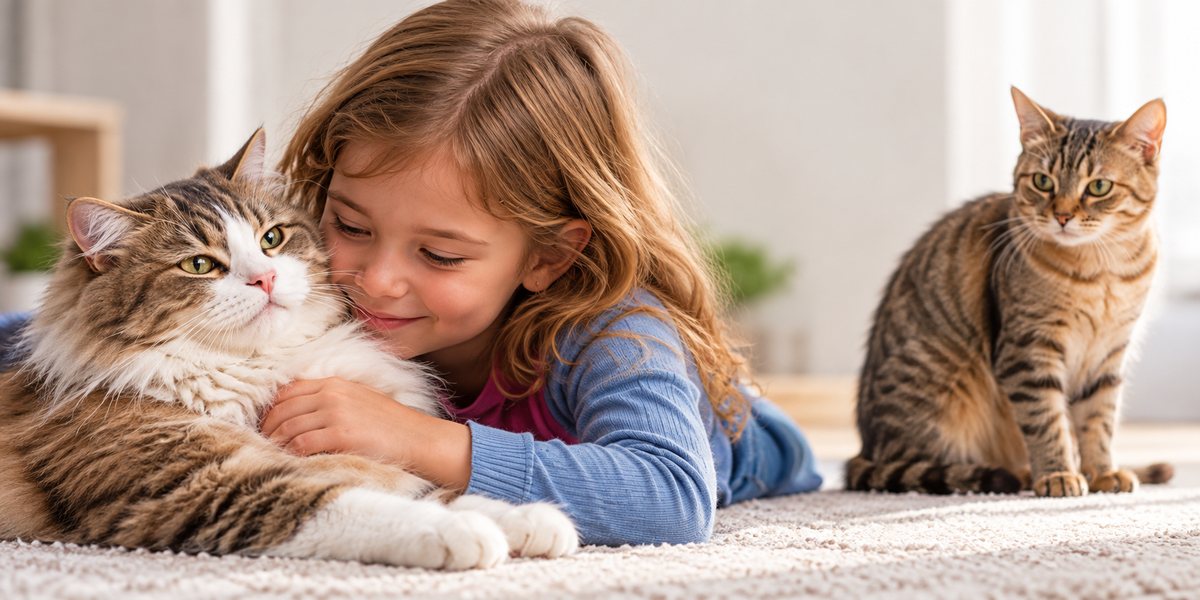
| Living with children | Favorable tendency |
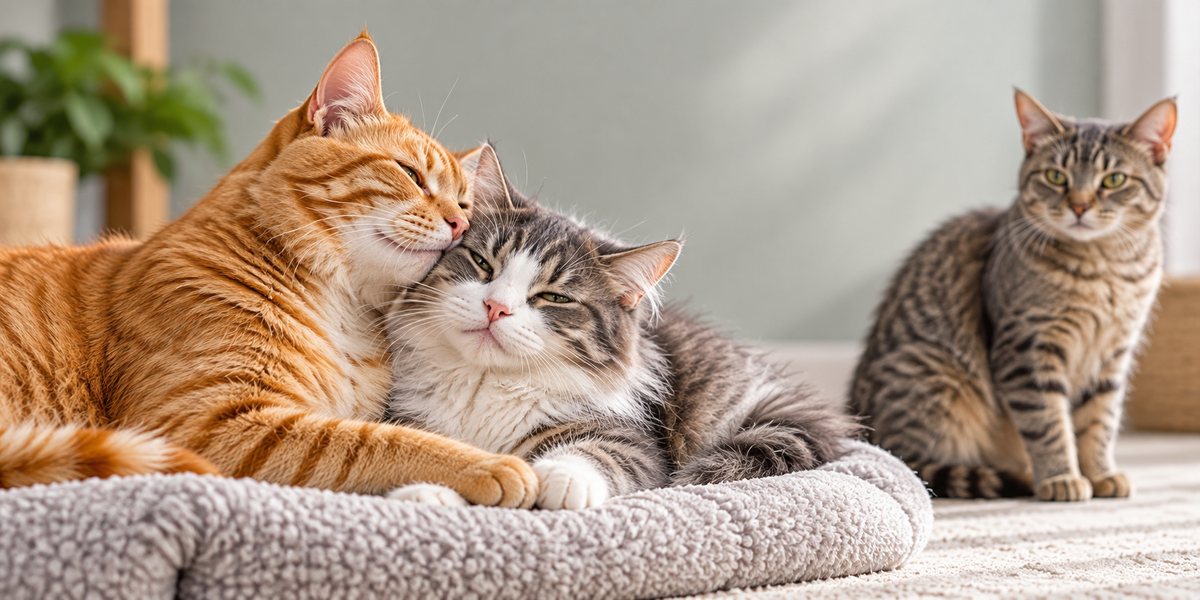
| Living with other cats | Often workable Generally favorable tendency for compatible multi-cat living. |
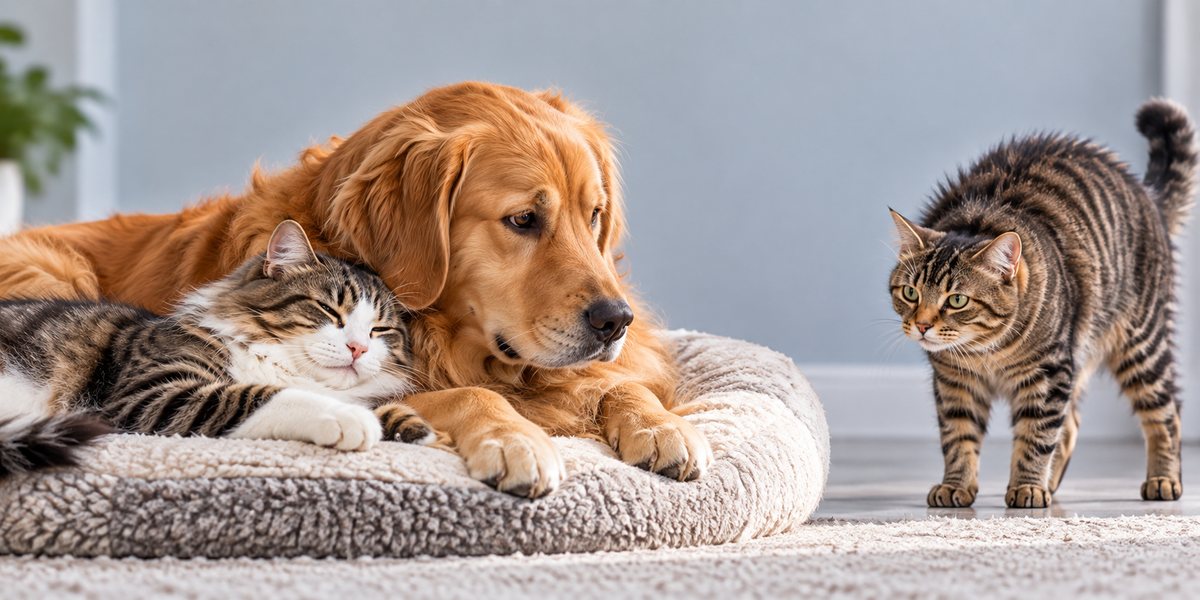
| Living with dogs | Good Easygoing social temperament is repeatedly described as compatible with cat-friendly dogs. |
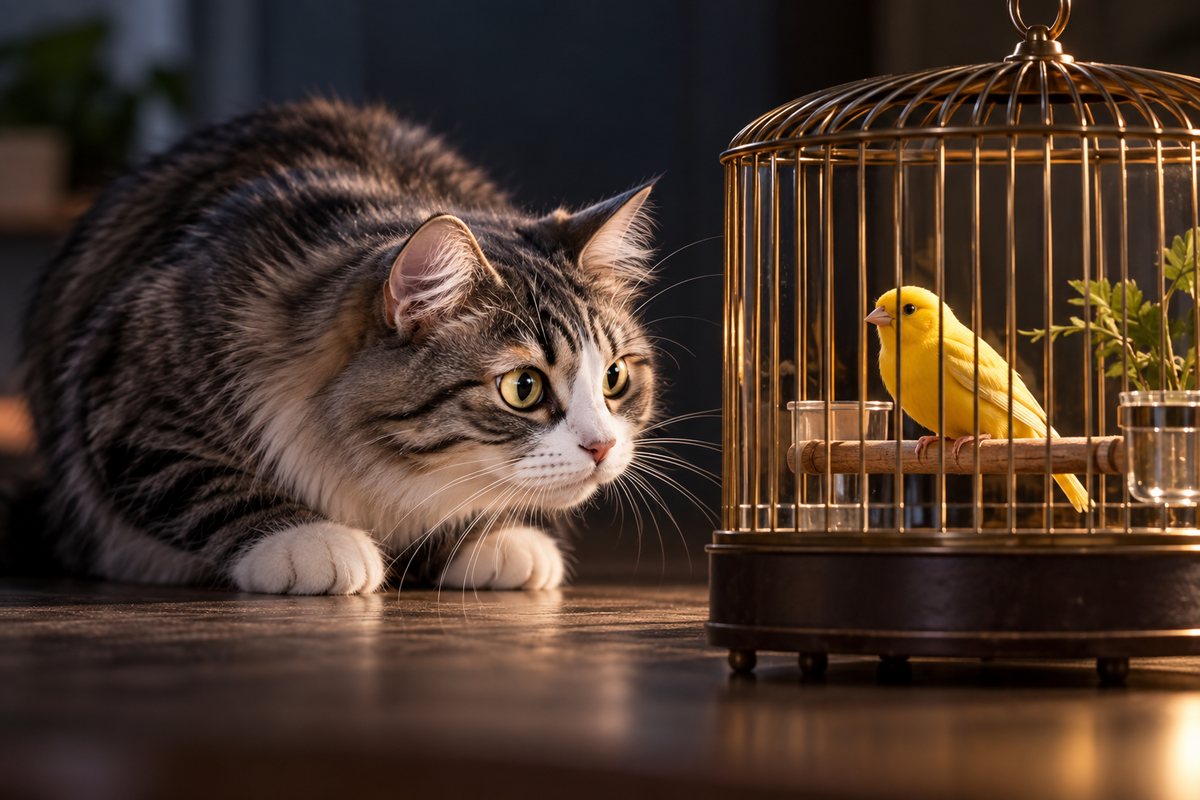
| Living around small pets | Additional caution Maine Coons descend from robust working cats and retain capable mousing behavior despite their famously sociable temperament. Their size and hunting competence make direct access to rodents, birds and other small pets especially risky. |
| Indoor & home environment needs | Large cat space · robust vertical space · water management Large body size, climbing interests and fascination with water can affect practical home setup. |
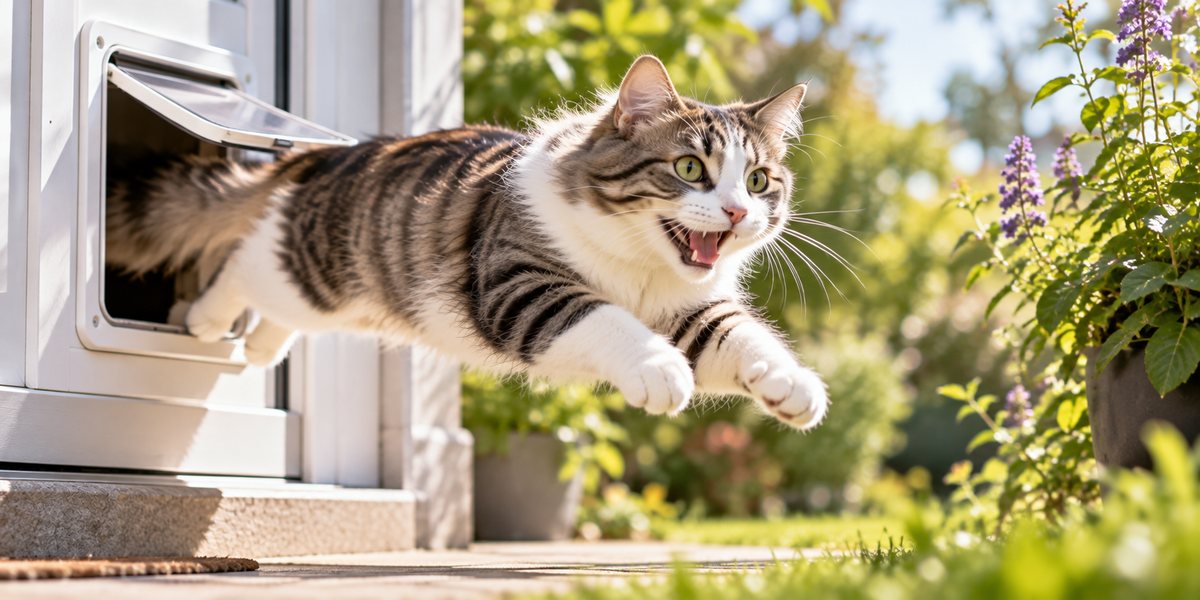
| Outdoor access considerations | Secure hunting control Maine Coons are large, capable working-type cats with strong mousing ability. Secure outdoor access can provide exercise and sensory enrichment while limiting wildlife hunting and protecting a valuable, conspicuous cat from traffic or loss. |
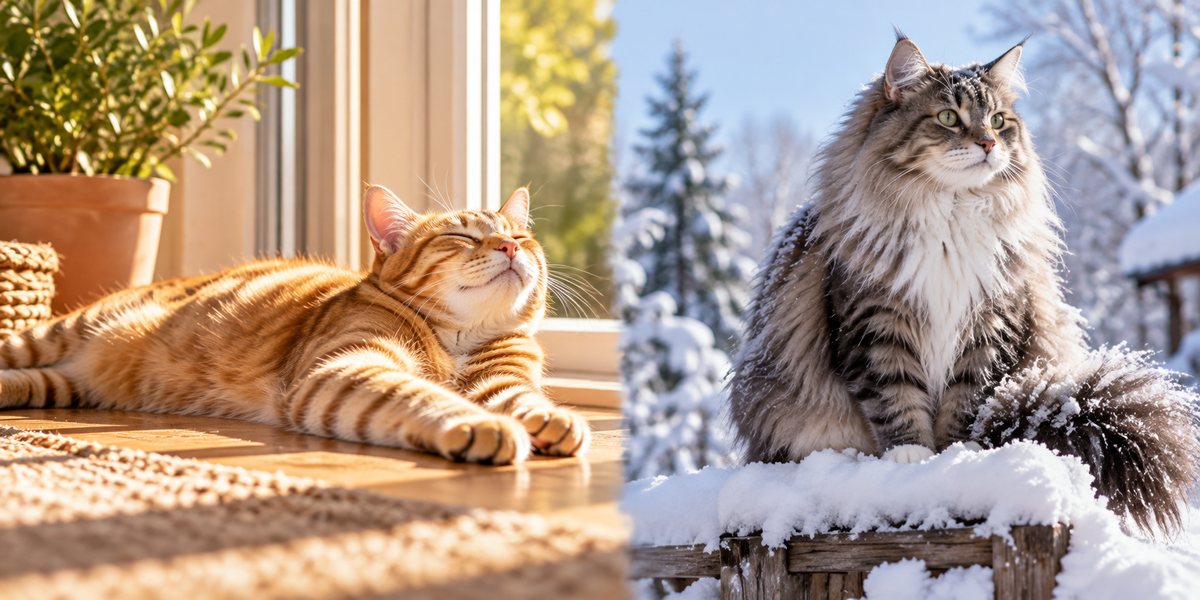
| Heat, cold & sun considerations | Cold adapted heat caution Maine Coons have a long, weather-resistant coat and large body suited to cold climates. They generally tolerate cool conditions well, but hot weather requires generous water, shade, airflow and access to cool surfaces, especially for very large individuals. |
| Caregiver time & experience | Moderate Large size, coat care and enrichment require regular attention without unusually specialist behavioral management. |
| Health & welfare | |
| Documented health predispositions | Elevated known risks Maine Coons have important predispositions to hypertrophic cardiomyopathy and hip dysplasia, and spinal muscular atrophy is a recognized inherited disorder. DNA testing can identify known variants, but cardiac imaging and orthopedic history remain important because genetics do not capture all risk. |
| Screening & breeder questions | Ask about HCM screening: DNA variant status plus cardiac screening practices · Ask for SMA DNA status of breeding cats Ask for hypertrophic cardiomyopathy screening by echocardiography as well as relevant HCM DNA results, plus hip evaluations and spinal muscular atrophy testing. Request actual reports for both parents rather than a verbal 'clear' statement. |
| Conformation-related welfare | Moderate large size concern Maine Coons are naturally large, but desirable size should remain compatible with sound hips, joints and cardiac health and effortless movement. Selection for record-breaking mass or length can add orthopedic burden without improving breed function. |
| Nutrition & weight management | Large growth weight control Maine Coons grow into a genuinely large frame over an extended period, but rapid overfeeding does not create healthy size. Support steady growth with complete kitten nutrition, then maintain adults lean to reduce load on hips, joints and heart. |
| Longevity | 12–15 years Maine Coons commonly live into their early-to-mid teens; about 12–15 years is a practical range, with hypertrophic cardiomyopathy and body weight important individual modifiers. |
| Cost & availability | |
| Purchase cost | High: $700–$2,500+ Maine Coon: a practical breeder-market estimate is $700–$2,500+. This reflects that it is an very popular breed with many breeders; pedigree, size and color can raise price. |
| Adoption & rehoming cost | Occasionally available: $75–$400 typical rescue/adoption fee Maine Coon: $75–$400 typical rescue/adoption fee. The breed is sufficiently numerous that genuine examples sometimes enter ordinary rescue or breed-rescue channels. |
| Recurring ownership costs | Larger-body food/litter/equipment sizing · cardiac/SMA screening relevance in breeding context Large size raises food, litter, carrier and sturdy-furniture costs, while the shaggy coat needs regular combing. HCM screening history, hip health and other breed concerns make insurance or a substantial veterinary reserve especially sensible. |
| Availability, waits & import | Very widely available Maine Coons are one of the most widely bred pedigree cats internationally. In many countries prospective owners have substantial breeder choice, making health screening, temperament and responsible breeding practices more important than mere kitten availability. |
| Identity & real-world context | |
| Ownership & import restrictions | No known breed specific restrictions There are no known breed-specific ownership restrictions. Ordinary animal-welfare, identification, vaccination and cross-border import rules still apply where relevant. |
| Registry recognition | CFA: recognized breed/division · TICA: Championship-recognized / current breed identity · FIFe: fully recognized breed / mapped breed identity Currently recognized in all three registries tracked by the FSC core matrix: CFA, TICA and FIFe. |
| Similar breeds & identity distinctions | Norwegian Forest Siberian Maine Coons, Norwegian Forest Cats and Siberians are all large semi-longhaired breeds. Maine Coons tend toward a long rectangular body and square muzzle; Norwegian Forest Cats have a triangular head and straighter profile, while Siberians are more rounded and barrel-bodied. |
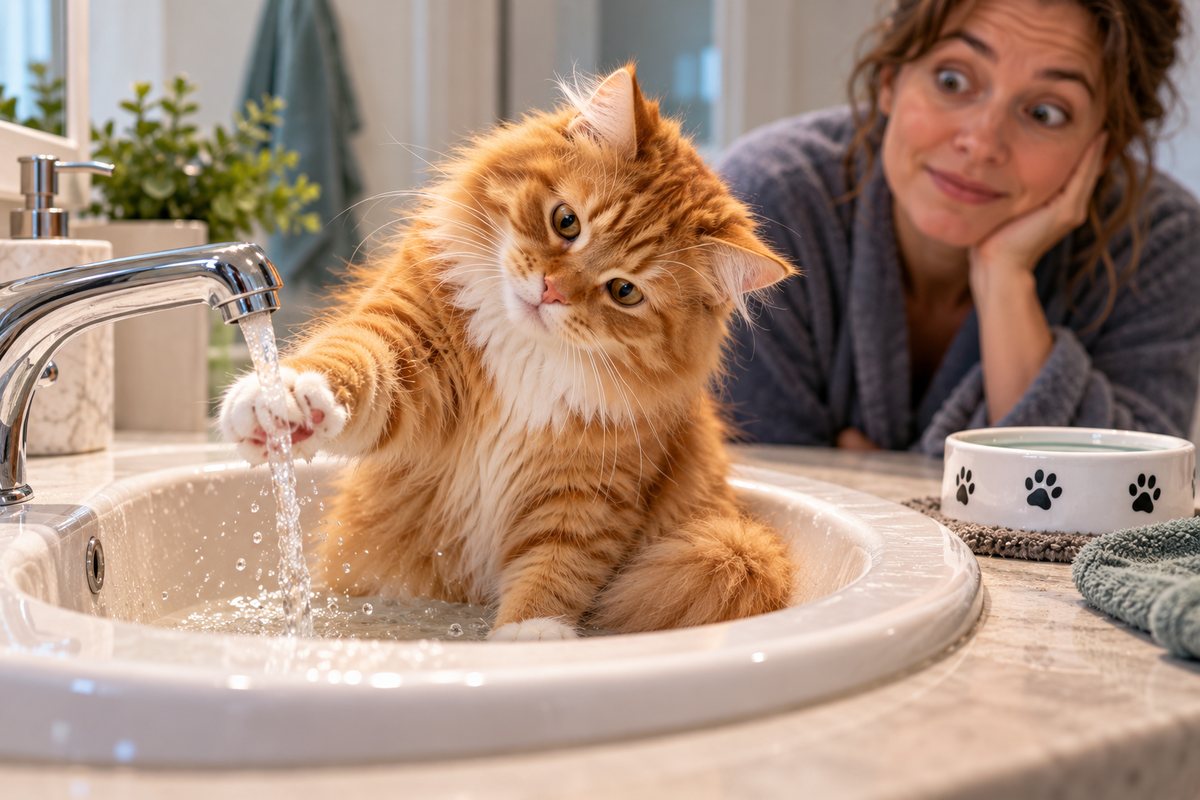
| Reported characteristic quirks | Often uses chirps/trills despite relatively low overall vocalization; many show unusual fascination with water. Maine Coons are well known for chirps and trills that can sound surprisingly delicate from such a large cat. Many also show unusual interest in water, pawing at bowls or investigating sinks and showers. |
Browse all 53 breed characteristics
Open any characteristic to compare all breeds on that dimension.
 English